Makeup for Oily Skin Types
Makeup For Oily Skin Types is specially designed to help you achieve a fresh, flawless look that lasts all day. Whether you're getting ready for work, a night out, or any special occasion, finding the right makeup can make all the difference. Explore a wide variety of formulas and finishes tailored to complement oily skin, so you can enjoy comfortable wear and beautiful results every time you apply your favorite products. Discover options that suit your unique needs and enhance your beauty routine with confidence.
Sort
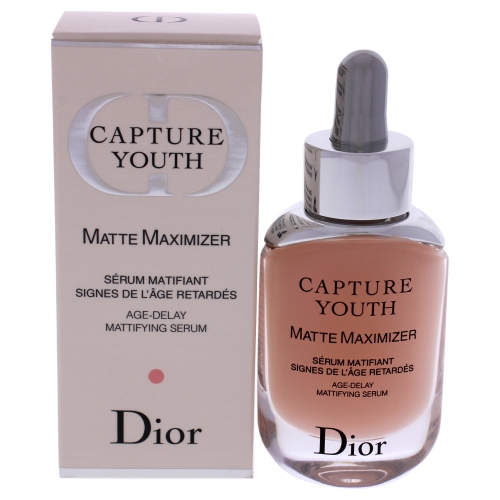
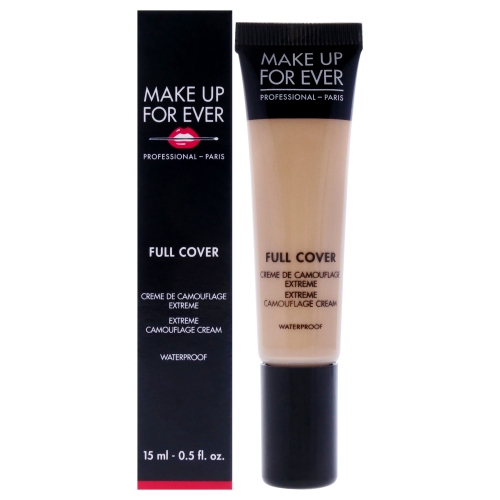
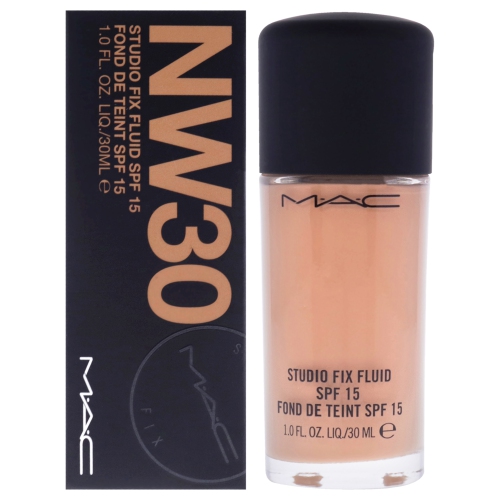
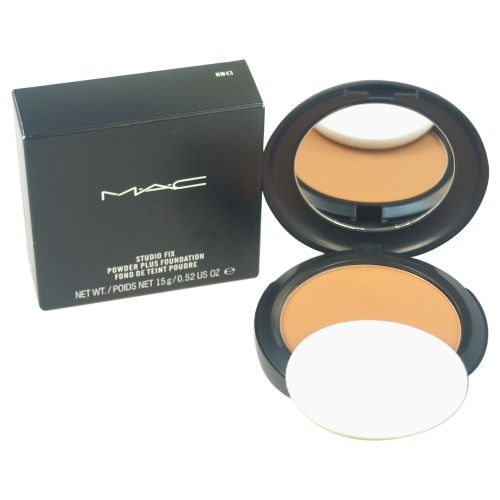
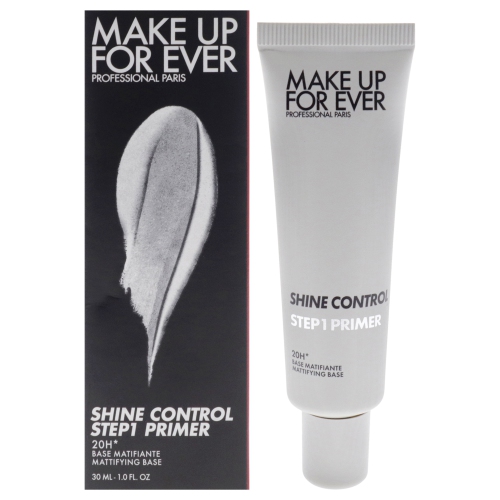
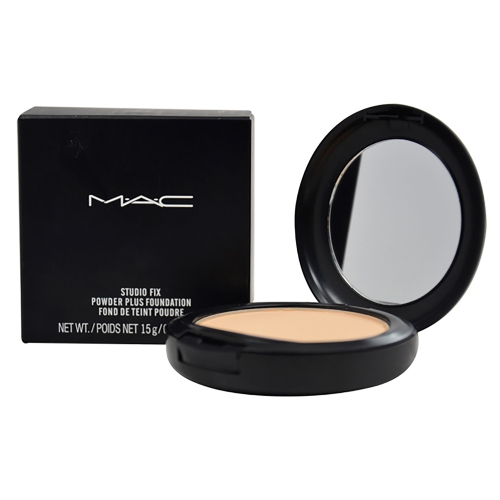
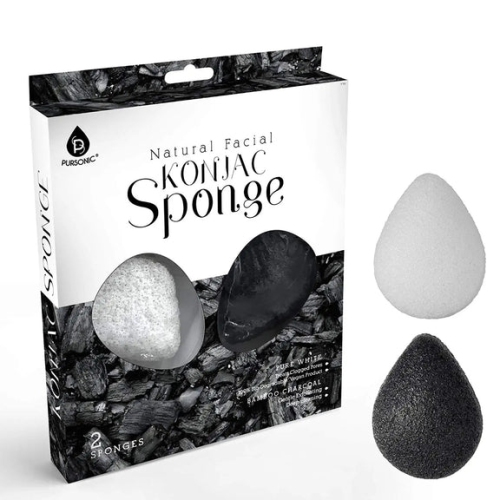
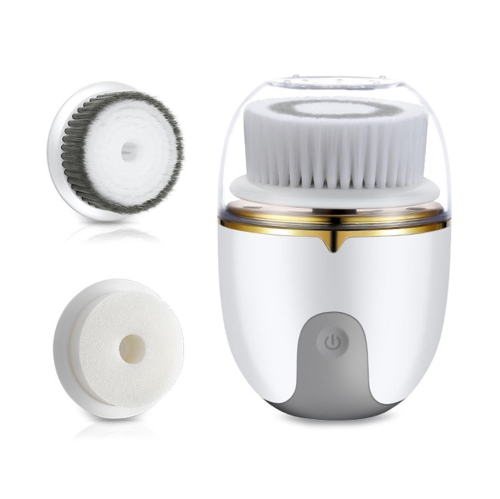
A soft matte finish without heavy coverage
Makeup for oily skin types is designed to balance visible shine, provide even coverage, and feel comfortable as the day goes on. Oil-free foundations, mattifying primers, lightweight concealers, and setting powders are common choices, particularly when the forehead, nose, and chin develop shine sooner than the rest of the face. The most suitable finish depends on both skin texture and personal preference: a soft matte base can reduce the appearance of excess shine without looking flat, while a natural matte finish leaves a little dimension across the cheeks. Oily skin does not always need full coverage. Sheer and medium-coverage formulas can even out tone while allowing freckles and natural skin texture to show through, whereas buildable formulas offer more coverage around redness or blemishes without requiring a thick layer everywhere. For someone moving between a commute, a busy workday, and evening plans, wear resistance may matter more than maximum coverage. Long-wear makeup is formulated to hold its finish over time, although results vary with skin preparation, facial oil, perspiration, and how often the face is touched. Oil-free describes the formulation rather than a promise that shine will never appear, and a non-comedogenic label does not guarantee that a formula will suit every person with blemish-prone skin. These distinctions are useful when comparing makeup for oily skin with makeup intended for combination or sensitive skin. A face can have an oily T-zone and dry cheeks at the same time, especially during the cooler months, so a comfortable base need not deliver the same level of mattifying coverage across every area. Lightweight textures and flexible coverage suit this variation well. The aim is a finish that looks even in daylight, feels manageable after several hours, and allows for a small touch-up without turning heavy or powdery. Makeup can soften the appearance of pores and uneven texture, but it does not remove pores or change the skin’s underlying oil production.
Texture, shade, and formula compatibility make a noticeable difference to how makeup sits on oily skin. Liquid foundations range from fluid, barely-there textures to more concentrated formulas, while powder foundations combine coverage with a matte finish that may appeal to people who prefer a shorter routine. Pressed powders are convenient for controlled application and portable touch-ups; loose powders allow a fine dusting across areas where foundation tends to shift. Oil-absorbing ingredients such as silica or certain starches can help reduce surface shine, while film-forming ingredients may improve the way colour adheres during wear. The complete formula matters more than any single ingredient, particularly for skin that feels tight or reacts easily. Mattifying primers can provide a smoother-looking starting point around the nose and central forehead, but heavily layering primer, foundation, and powder may emphasize flakes or collect around expression lines. Thin, well-blended coverage usually offers more flexibility than one dense application. Shade fit is equally important: a foundation should blend naturally towards the jaw and neck, with an undertone that suits the wearer rather than simply appearing light or dark enough. Some formulas look different after they settle or mix with surface oils, making daylight checks and a little settling time useful when assessing a match. Concealer can then provide targeted coverage instead of asking foundation to do all the work. For cheeks and eyes, powder textures often pair easily with a matte base, while lightweight creams can also work when their finish and wear characteristics suit the skin. Oily eyelids may benefit from an eye primer and crease-resistant colour, since facial setting powder alone is not designed to meet every eye-area need. Setting sprays serve a different purpose from powders: depending on the formula, they may help makeup wear longer or soften a powdery appearance, but not every spray controls oil. These differences leave room for anything from understated everyday makeup to a more polished finish for photographs and special occasions.
Comfortable wear also depends on what sits beneath the makeup and how application tools are maintained. Oily skin can still feel dehydrated, so gentle cleansing and lightweight hydration can support a smoother-looking base without the weight of a rich cream. Allowing skincare and sunscreen to settle can help reduce slipping or pilling, though compatibility varies between formulas. Makeup with SPF is not a substitute for applying sunscreen as directed. For complementary skincare considerations, Solutions for Oily Skin offers a related place to explore the broader needs of an oily complexion. Brushes and sponges also influence coverage: soft, densely packed synthetic bristles can distribute liquid foundation evenly, while a clean makeup sponge can soften edges around the nose and jaw. A fluffy powder brush tends to leave a lighter veil than a puff, which offers more concentrated placement where shine is most noticeable. Tool care matters for both application quality and hygiene. Regular cleaning, thorough drying, and storage away from damp surfaces help prevent residue from building up, while worn, crumbling, or difficult-to-clean sponges are better replaced. Cosmetic containers should stay securely closed, and package directions, expiry dates where provided, and period-after-opening symbols help establish sensible use and replacement habits. During the day, blotting away excess surface oil before adding a small amount of powder can preserve the finish more effectively than repeatedly covering shine with fresh layers. This is especially useful around glasses, along the sides of the nose, or wherever makeup tends to gather after hours of wear. Compact formats and secure closures make occasional touch-ups easier to manage in a handbag or desk drawer. Makeup for oily skin can suit beginners seeking a simple everyday base, experienced wearers refining a long-wear routine, or anyone whose complexion varies across different areas of the face. As a gift, complexion makeup is most personal when the recipient’s shade, preferred coverage, and sensitivities are already known. Across these uses, the strongest fit is a comfortable formula that balances shine control with the wearer’s preferred look, rather than the heaviest coverage or the driest possible finish.
Texture, shade, and formula compatibility make a noticeable difference to how makeup sits on oily skin. Liquid foundations range from fluid, barely-there textures to more concentrated formulas, while powder foundations combine coverage with a matte finish that may appeal to people who prefer a shorter routine. Pressed powders are convenient for controlled application and portable touch-ups; loose powders allow a fine dusting across areas where foundation tends to shift. Oil-absorbing ingredients such as silica or certain starches can help reduce surface shine, while film-forming ingredients may improve the way colour adheres during wear. The complete formula matters more than any single ingredient, particularly for skin that feels tight or reacts easily. Mattifying primers can provide a smoother-looking starting point around the nose and central forehead, but heavily layering primer, foundation, and powder may emphasize flakes or collect around expression lines. Thin, well-blended coverage usually offers more flexibility than one dense application. Shade fit is equally important: a foundation should blend naturally towards the jaw and neck, with an undertone that suits the wearer rather than simply appearing light or dark enough. Some formulas look different after they settle or mix with surface oils, making daylight checks and a little settling time useful when assessing a match. Concealer can then provide targeted coverage instead of asking foundation to do all the work. For cheeks and eyes, powder textures often pair easily with a matte base, while lightweight creams can also work when their finish and wear characteristics suit the skin. Oily eyelids may benefit from an eye primer and crease-resistant colour, since facial setting powder alone is not designed to meet every eye-area need. Setting sprays serve a different purpose from powders: depending on the formula, they may help makeup wear longer or soften a powdery appearance, but not every spray controls oil. These differences leave room for anything from understated everyday makeup to a more polished finish for photographs and special occasions.
Comfortable wear also depends on what sits beneath the makeup and how application tools are maintained. Oily skin can still feel dehydrated, so gentle cleansing and lightweight hydration can support a smoother-looking base without the weight of a rich cream. Allowing skincare and sunscreen to settle can help reduce slipping or pilling, though compatibility varies between formulas. Makeup with SPF is not a substitute for applying sunscreen as directed. For complementary skincare considerations, Solutions for Oily Skin offers a related place to explore the broader needs of an oily complexion. Brushes and sponges also influence coverage: soft, densely packed synthetic bristles can distribute liquid foundation evenly, while a clean makeup sponge can soften edges around the nose and jaw. A fluffy powder brush tends to leave a lighter veil than a puff, which offers more concentrated placement where shine is most noticeable. Tool care matters for both application quality and hygiene. Regular cleaning, thorough drying, and storage away from damp surfaces help prevent residue from building up, while worn, crumbling, or difficult-to-clean sponges are better replaced. Cosmetic containers should stay securely closed, and package directions, expiry dates where provided, and period-after-opening symbols help establish sensible use and replacement habits. During the day, blotting away excess surface oil before adding a small amount of powder can preserve the finish more effectively than repeatedly covering shine with fresh layers. This is especially useful around glasses, along the sides of the nose, or wherever makeup tends to gather after hours of wear. Compact formats and secure closures make occasional touch-ups easier to manage in a handbag or desk drawer. Makeup for oily skin can suit beginners seeking a simple everyday base, experienced wearers refining a long-wear routine, or anyone whose complexion varies across different areas of the face. As a gift, complexion makeup is most personal when the recipient’s shade, preferred coverage, and sensitivities are already known. Across these uses, the strongest fit is a comfortable formula that balances shine control with the wearer’s preferred look, rather than the heaviest coverage or the driest possible finish.
Top selling and popular products
-
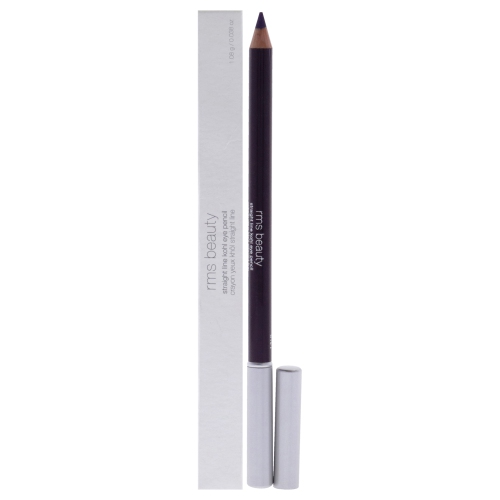 Your price for this item is $32.68
 -
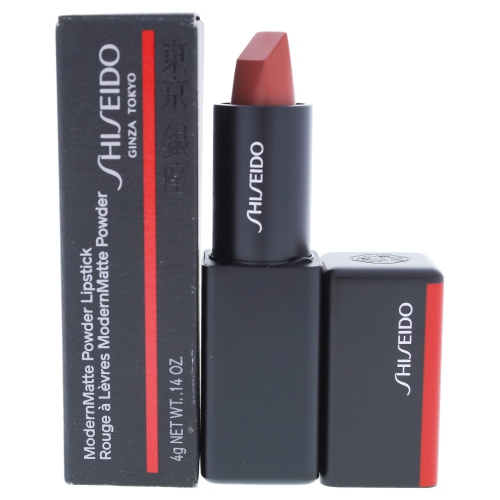 Your price for this item is $36.68
 -
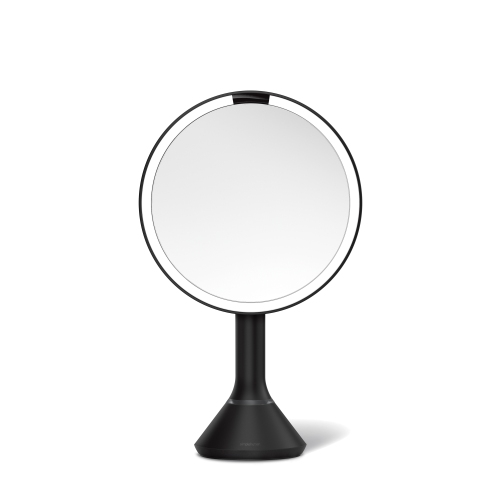 Your price for this item is $270
 -
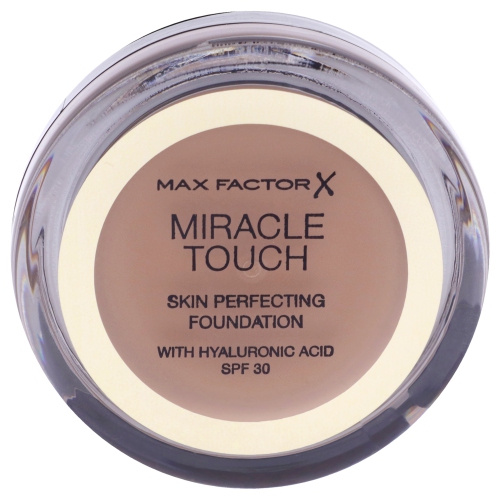 Your price for this item is $14.53
 -
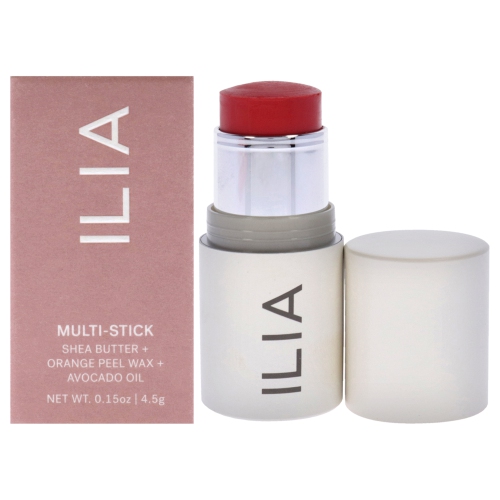 Your price for this item is $43.91
 -
![UNIVERSAL STUDIOS Justice League Dark: Apokolips War Mfv [Uhd]](https://multimedia.bbycastatic.ca/multimedia/products/500x500/182/18208/18208895.jpeg) Your price for this item is $41.48
Your price for this item is $41.48 -
 Your price for this item is $33.57
 -
 Your price for this item is $68.99
Discover more categories related to Makeup for Oily Skin Types
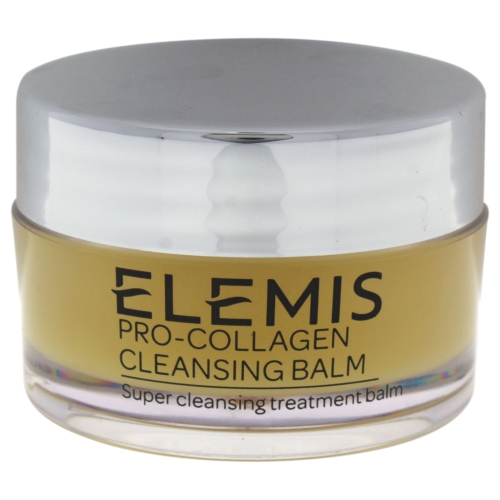
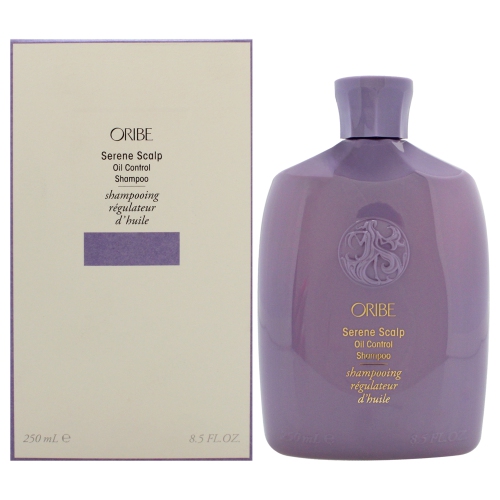
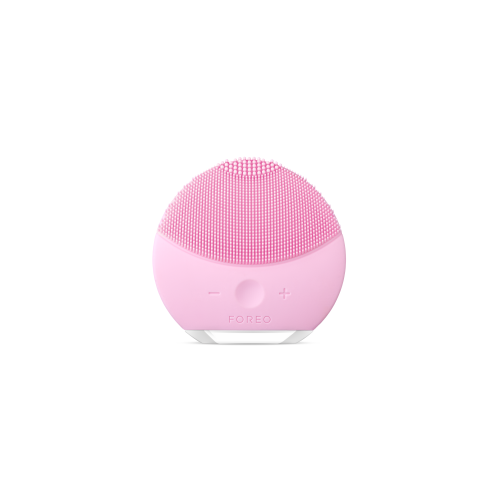
Top Collections:
Pokemon Centers, Budget 4K TVs, Kindle Devices, Canon G7X Cameras, Apple iPhones 16, iPhone 15 Apple, Laptops for Business Work, Flip Phones, Xiaomi Phones, Refurbished Apple Laptops
Some products may be subject to Environmental Handling Fees
(EHF) depending on your province.
Learn more about EHFs.