Nail Drill
Achieve salon-quality results at home or on the go with a Nail Drill, designed to help you perfect your manicure and pedicure routine. Whether you're a professional nail technician or an enthusiast looking to upgrade your nail care tools, you'll find a variety of options to suit your needs. Explore user-friendly designs and versatile choices that make shaping, buffing, and refining nails easy and efficient. Find the ideal Nail Drill to elevate your grooming experience and keep your nails looking their best.
Sort








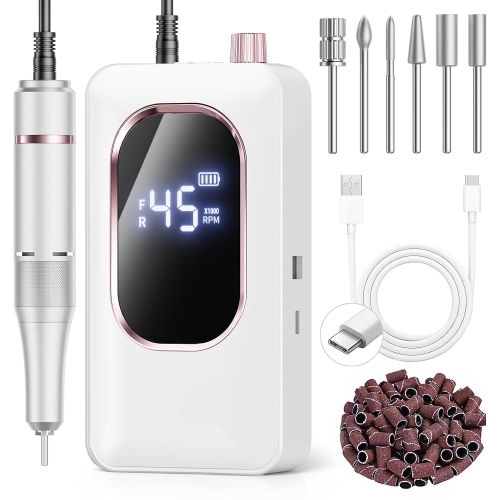

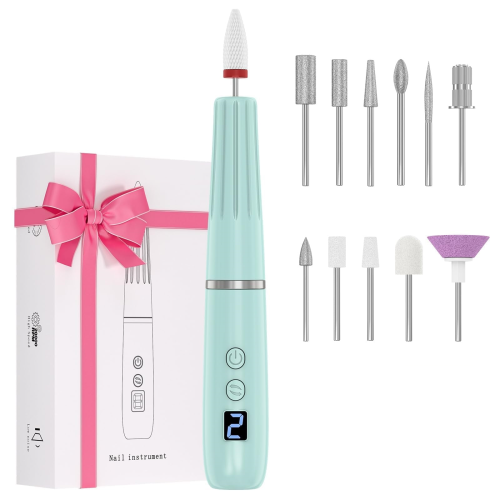
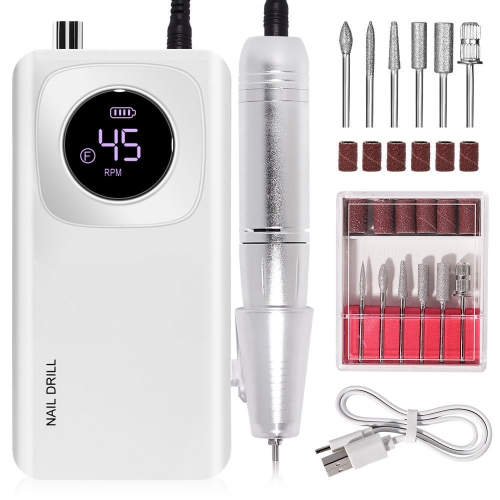
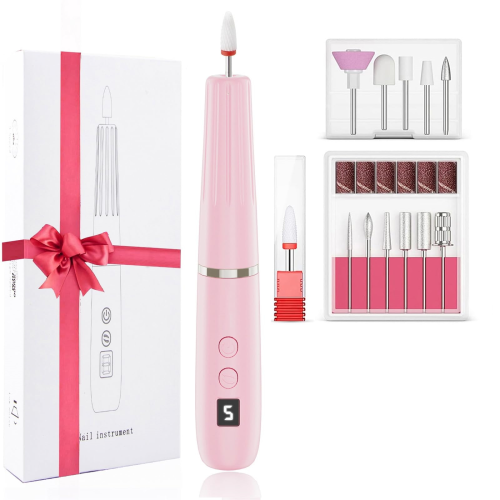


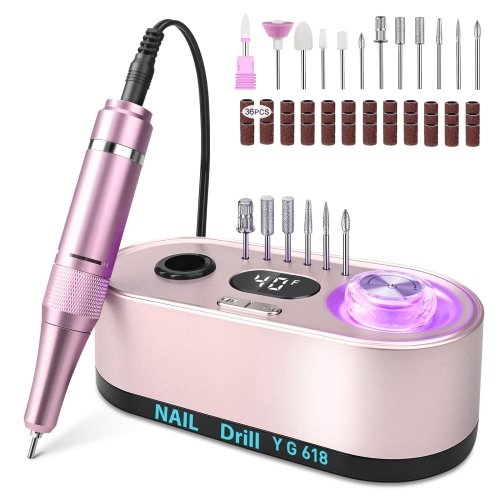

Why controlled filing matters more than maximum speed
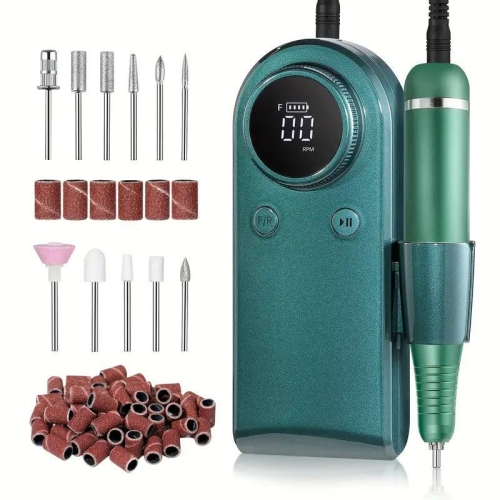
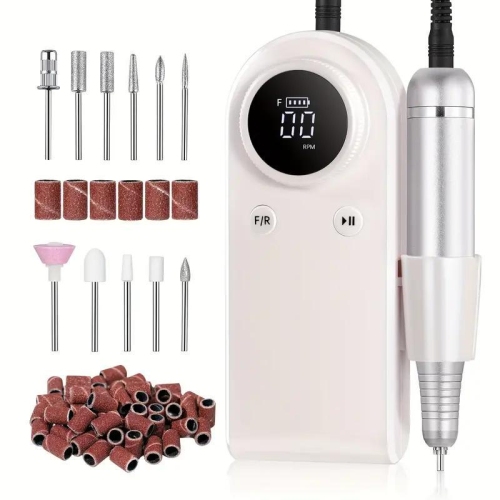
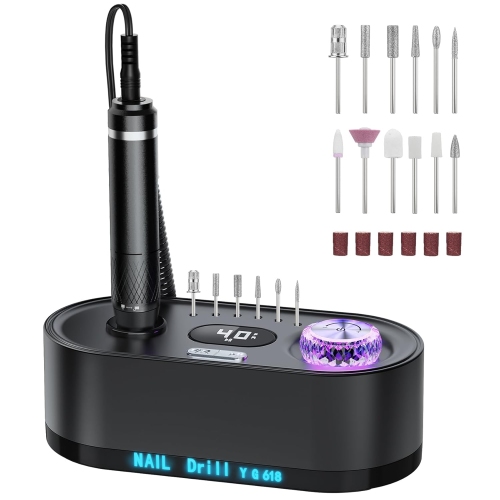
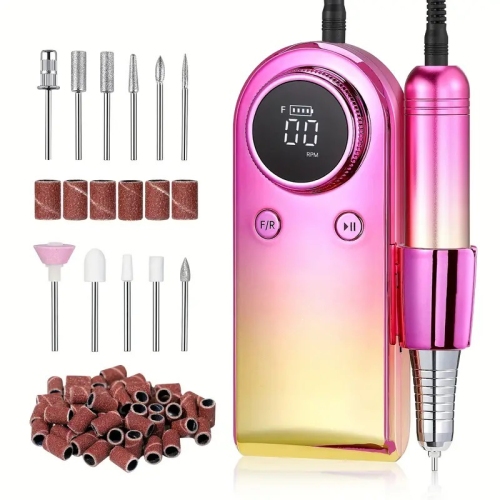
A nail drill, also called an electric nail file or e-file, is a powered manicure tool that uses rotating attachments to shape nail enhancements, refine their surface, and help remove suitable gel, acrylic, or dip powder products. Unlike a manual file, it supplies the filing motion through a motor, allowing the user to focus on positioning, pressure, and control. Nail drills range from compact rechargeable tools for occasional home use to tabletop units designed for longer, more frequent sessions. Their usefulness depends as much on the handpiece and attachments as on motor speed: a powerful tool is not automatically the best fit for a beginner, and a smaller model is not necessarily suited to every removal task. For someone who regularly wears nail enhancements, an e-file can make routine maintenance more manageable, particularly when reducing bulk or smoothing an uneven overlay before finishing by hand. Picture the small ridge near an acrylic tip that catches the light, or the thicker patch of product that makes one nail look different from the rest; those are the kinds of details controlled filing can address. Natural nails need a much gentler approach, and some attachments are intended only for artificial product, never the bare nail plate or surrounding skin. An e-file also does not replace every step of a manicure. Different nail coatings require different removal methods, and filing away an entire coating is not always appropriate. The product manufacturer’s removal directions remain important, especially when distinguishing soak-off formulas from hard gel. For shoppers comparing electric nail drills, the most useful starting point is the work they expect to do: occasional enhancement maintenance, regular gel product removal, detailed shaping, or frequent professional appointments. That distinction helps narrow the choice between a straightforward portable tool and a more substantial setup with finer adjustments and a handpiece built for extended handling. A drill should fit the routine rather than encourage more filing than the nails actually need.
When comparing nail drills, look beyond the maximum revolutions per minute, usually listed as RPM. A broad adjustable speed range is useful, but smooth operation at lower settings and accessible controls can matter more than a high top speed. Speed and torque are different: speed describes how quickly the attachment turns, while torque helps the tool maintain rotation under a working load. A motor that struggles during suitable enhancement work can feel inconsistent, but adding pressure to compensate is not a safe solution. Handpiece comfort deserves equal attention. Weight, grip diameter, balance, vibration, and the position of the cord all affect how steady the tool feels during detailed work. Anyone who has spent a manicure shifting their wrist to reach the opposite hand will appreciate why an easy-to-hold handpiece matters. Forward and reverse rotation can support different working positions and left- or right-handed use, although the attachment must be suitable for the chosen direction. Check whether the tool needs to stop before changing direction, as this varies by design. Cordless nail drills offer freedom from a power lead during use, while plug-in units avoid interruptions for charging. For rechargeable options, compare stated operating time, charging time, and whether the tool can operate while connected to power; these features are not universal. A clear speed display, secure bit-locking mechanism, stable handpiece rest, and straightforward power controls can make a setup easier to live with. Attachment compatibility is another practical consideration. Confirm the supported shank size and permitted bit types instead of assuming every accessory will fit. Included attachments differ in material, shape, abrasiveness, and intended purpose, so a larger assortment is not automatically better value. Consider the availability of replacement sanding bands and suitable bits, along with cleaning requirements, storage, warranty coverage, and the manufacturer’s intended home or professional use. Comparing these details alongside the purchase price gives a clearer picture of what the tool will cost and how comfortably it will serve its purpose over time.
Nail drills may appeal to experienced home manicure enthusiasts, nail technology students, and trained professionals who want a tool suited to their workload. They can also be a thoughtful gift for someone who already enjoys working with nail enhancements, particularly when their preferred format and experience level are known. For a complete beginner, ease of control, clear instructions, and access to proper training are more useful than an imposing speed specification or a crowded accessory case. Practising on artificial tips before working on a person’s nails can help build familiarity with the tool, though it does not replace instruction in safe technique. A nail drill is not a shortcut around that learning process: unsuitable attachments, excess pressure, or prolonged contact can cause heat, thinning, and injury. During use, the attachment should keep moving with light, controlled contact, following the tool and bit manufacturers’ directions. Pain or a burning sensation is a reason to stop immediately, not something to work through. Avoid using a drill on damaged, inflamed, or potentially infected nails or skin, and leave unfamiliar work close to living tissue to a trained professional. The space around the tool matters, too. Good lighting, a supported working position, and a surface that can be cleaned make detailed work easier, while suitable dust extraction and ventilation help manage the fine particles created when filing enhancements. Follow applicable guidance for eye and respiratory protection rather than treating a tidy-looking tabletop as proof that dust is controlled. Reusable attachments need cleaning and, where appropriate, disinfection according to their material and intended use; single-use abrasives should be discarded as directed. For shoppers assembling a broader manicure setup, Nail Kits can offer complementary essentials, with contents worth checking against what is already on hand. Whether the tool will sit at a dedicated manicure desk or be packed away between sessions, convenient storage and an uncluttered layout help keep the routine practical. The best match is a nail drill that feels manageable, supports the intended nail work, and leaves room for careful finishing rather than rushing the result.
Top selling and popular products
-
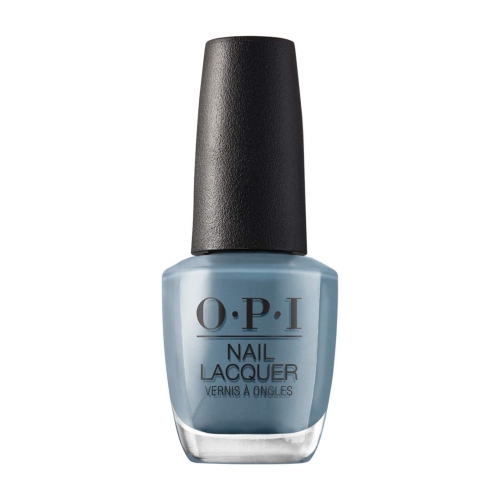 Your price for this item is $13.3
-
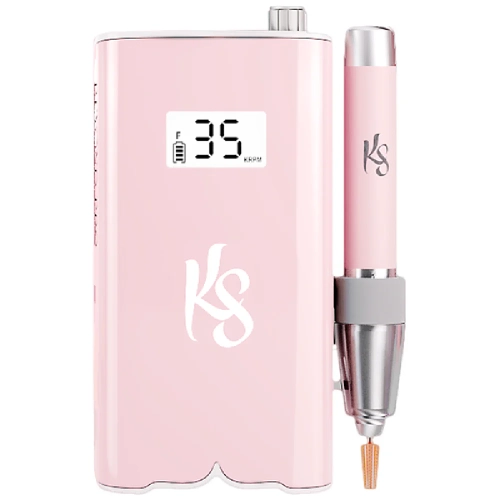 Your price for this item is $349.99
-
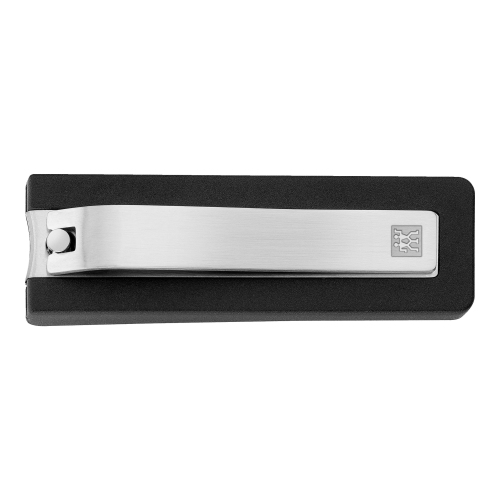 Your price for this item is $67
-
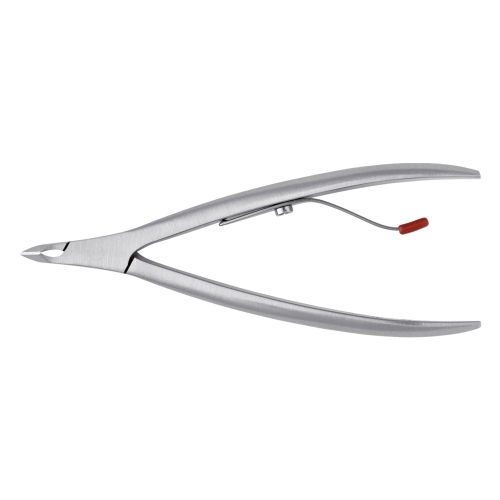 Your price for this item is $120
-
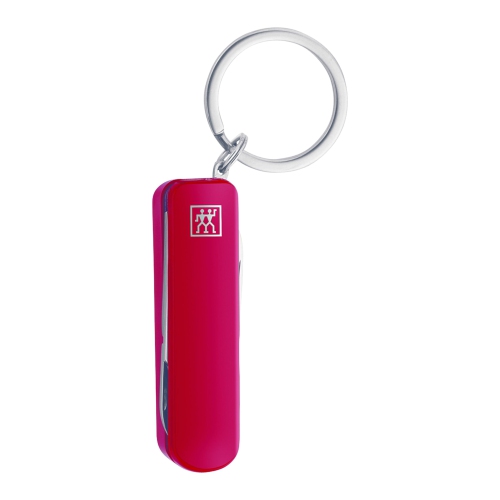 Your price for this item is $42
-
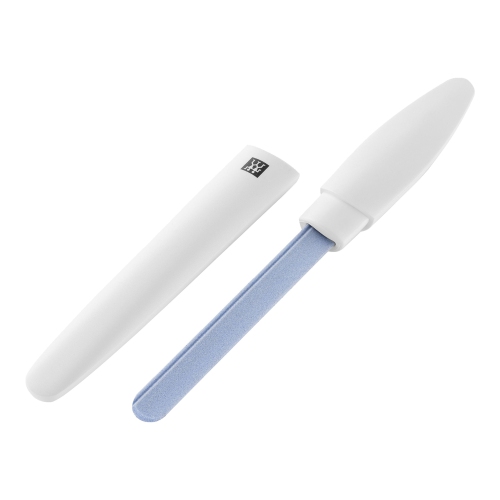 Your price for this item is $35
-
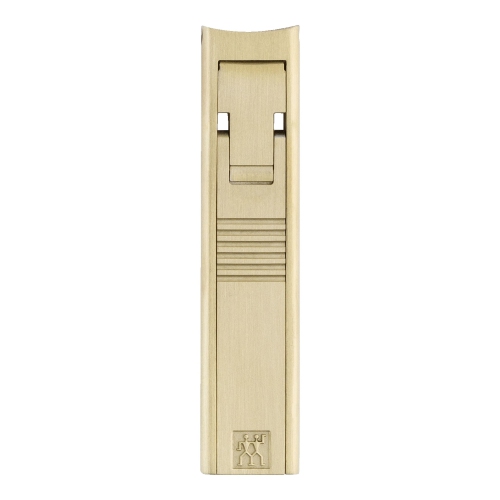 Your price for this item is $80
-
 Your price for this item is $33
Discover more categories related to Nail Drill
Top Collections:
Pokemon Centers, Best Cameras for Sports Photography, Kindle Devices, Samsung Galaxy Phones, Canon G7X Cameras, Pokémon 30th Celebration Cards, Refurbished Apple Laptops, iPhone 15 Apple, Laptops for Students, Budget Smartphones
Some products may be subject to Environmental Handling Fees
(EHF) depending on your province.
Learn more about EHFs.