Oriental Perfumes
Indulge your senses with our exquisite collection of oriental perfumes, where the allure of the East meets the sophistication of modern fragrance. Discover a captivating blend of rich spices, opulent florals, and exotic woods carefully crafted to transport you to distant lands with just a single spritz. Whether you're drawn to the warmth of amber and musk or the complexity of oud and saffron, our selection offers a sensory journey unlike any other. Elevate your fragrance game and add a touch of mystique to your everyday routine with these alluring scents inspired by the enchanting Orient.
Sort
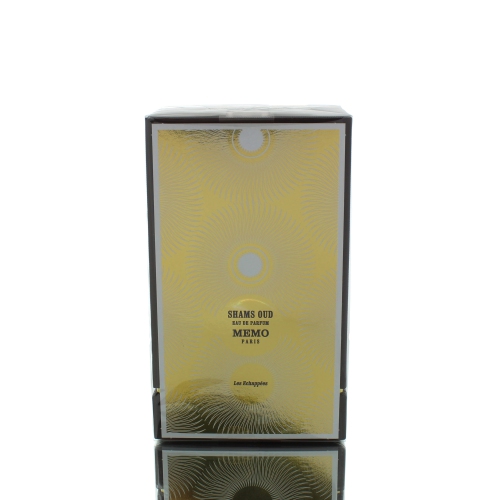
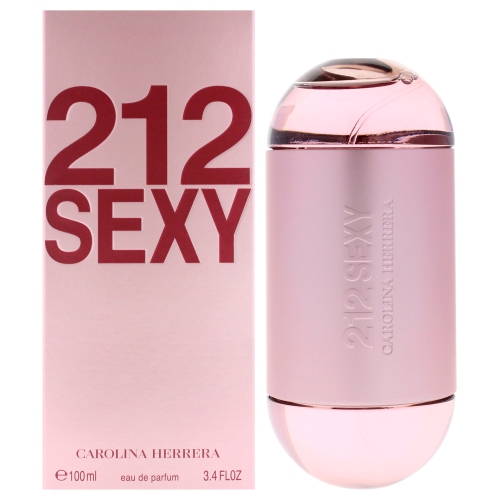
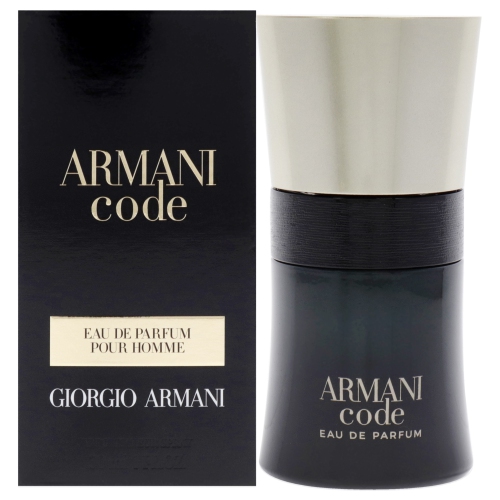
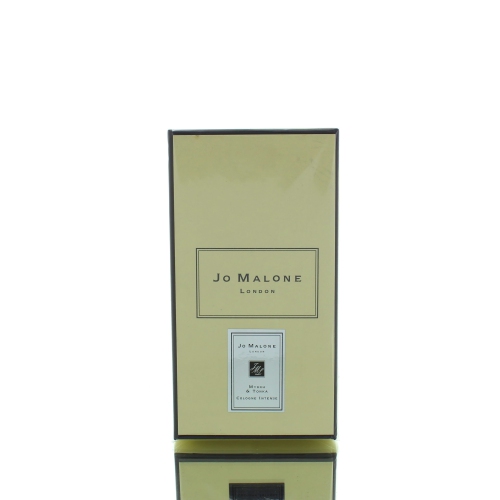
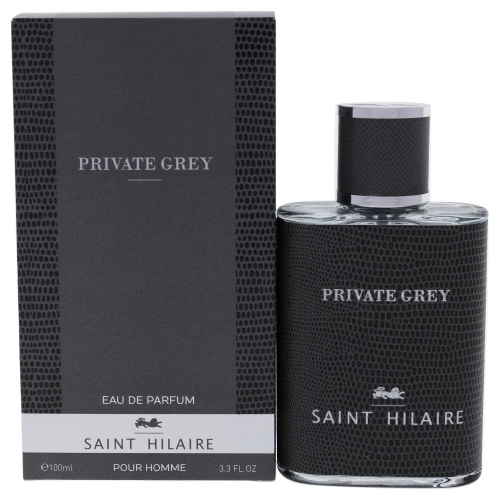
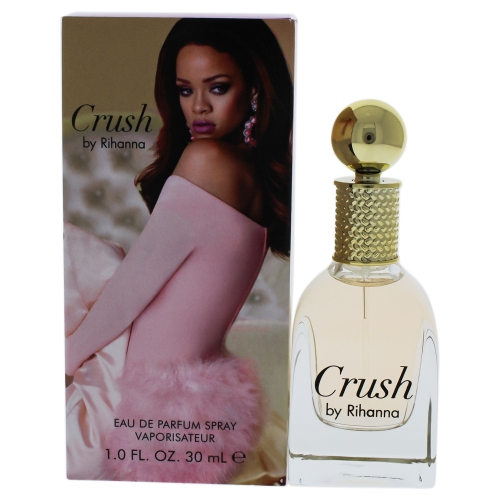
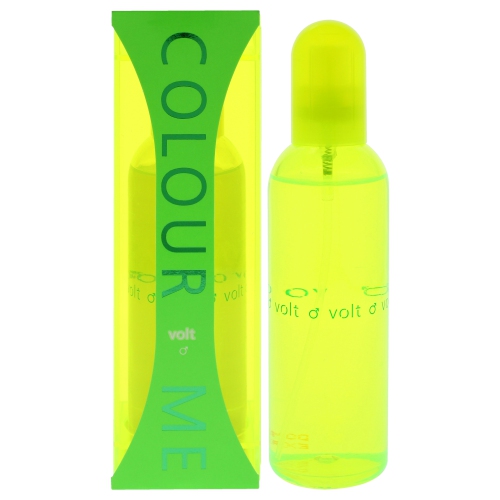
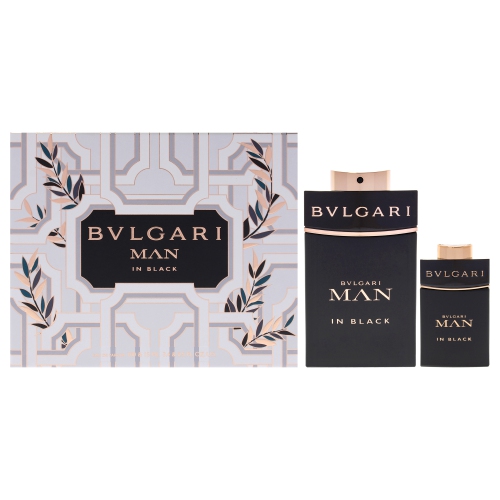
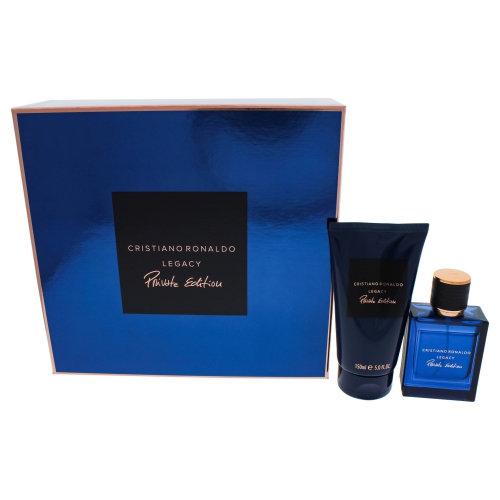
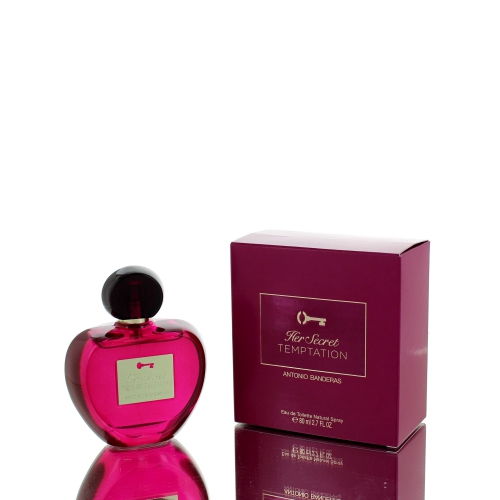
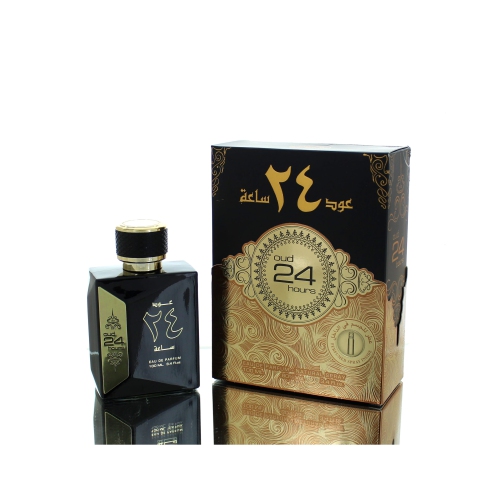
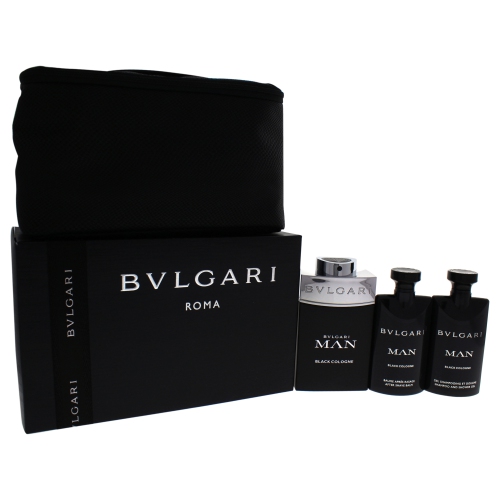

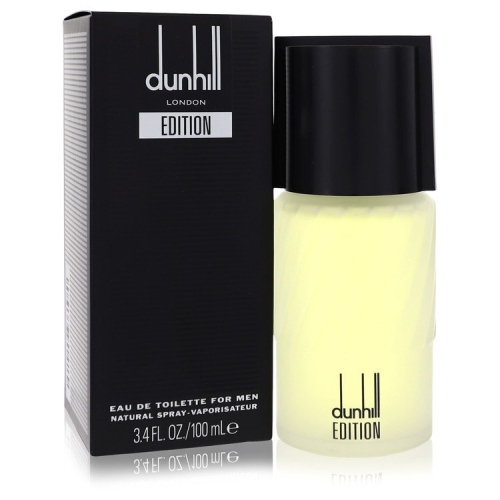
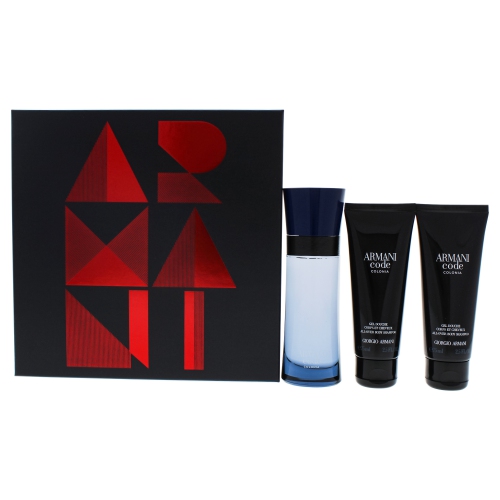
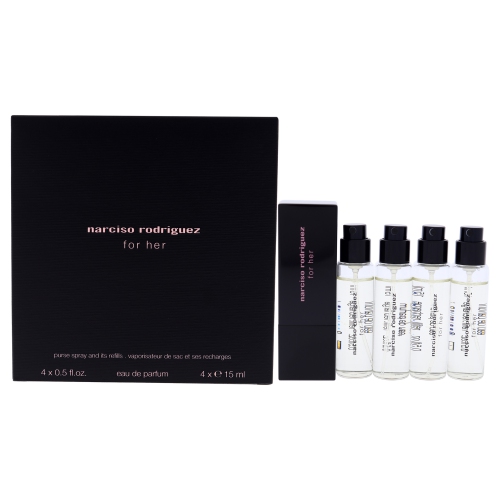
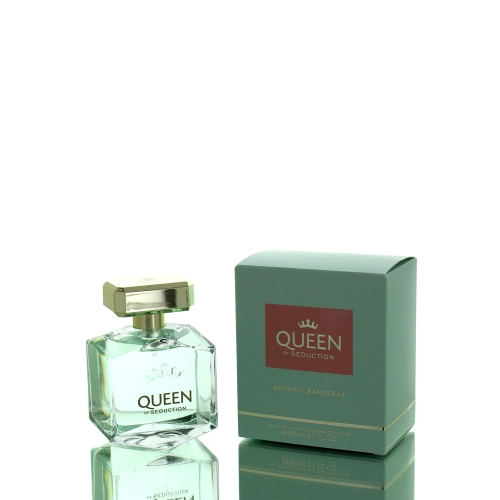

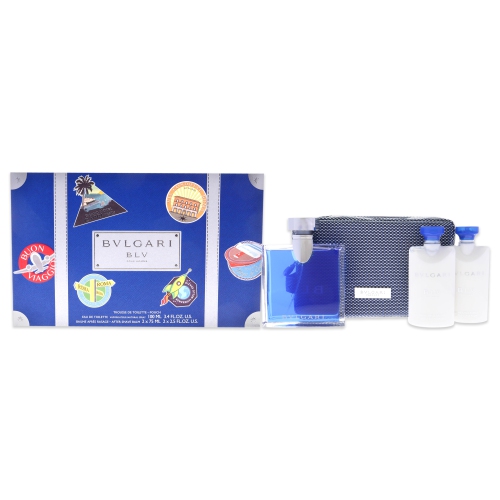
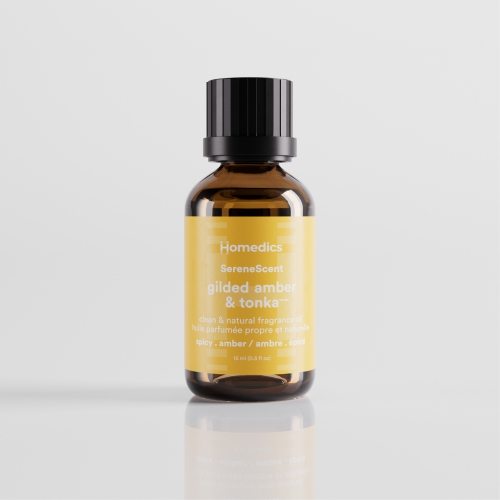
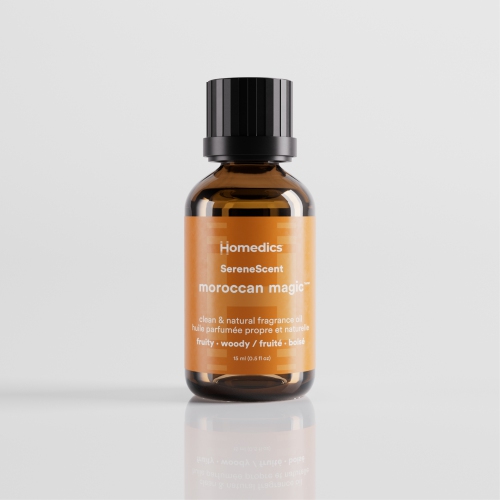
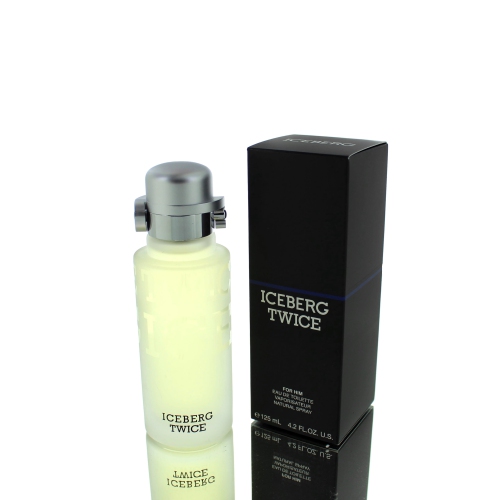
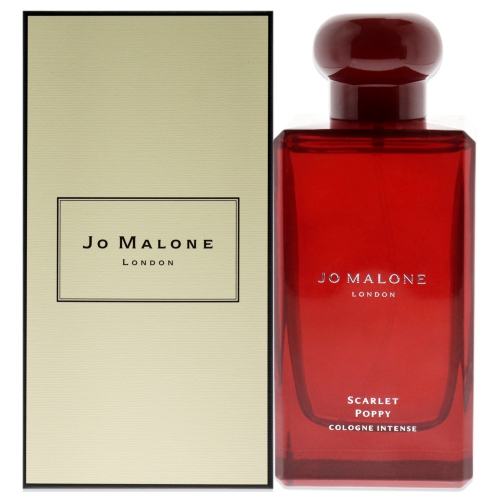
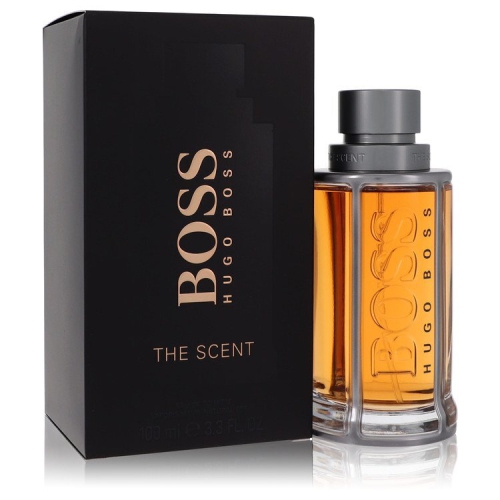
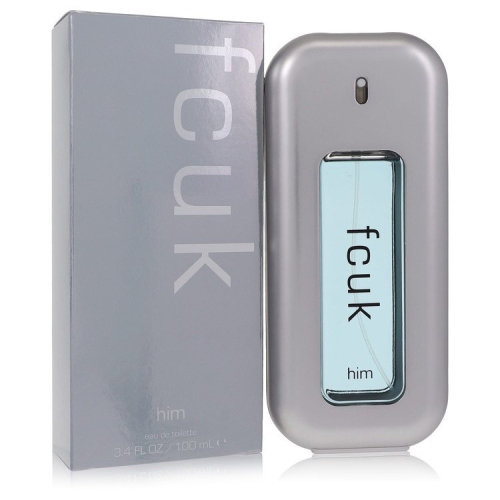
Why amber fragrances can smell so different
Oriental perfumes are rich, layered fragrances typically built around amber accords, vanilla, resins, woods, and spices. This traditional fragrance family is also commonly called amber or ambery, reflecting the rounded, glowing character that connects many of its compositions. The name describes a style of perfumery rather than a place of manufacture, and fragrances within the family can smell quite different from one another. Some have the softness of vanilla and powdered flowers; others suggest dry cedar, curling incense, or freshly crushed cardamom. In perfumery, amber usually means an accord—a combination of aromatic materials—rather than an ingredient extracted from fossilized amber. Labdanum, benzoin, and vanilla are often associated with this effect, creating a base that may feel resinous, sweet, leathery, or gently powdery. Myrrh, frankincense, and opoponax can add further depth, while cinnamon, clove, and pepper introduce contrasting spicy accents. Floral oriental perfumes bring notes such as rose, jasmine, or orange blossom into that rich framework. Woody oriental perfumes emphasize materials or accords associated with sandalwood, cedar, patchouli, or oud, while spicy interpretations give aromatic spices a more prominent role. These descriptions overlap rather than forming strict boundaries: a single fragrance can be floral at first, spicy through the middle, and distinctly woody as it settles. Sweetness also varies considerably. Vanilla can smell creamy and dessert-like, but it can also sit within a dry, smoky composition without making the fragrance sugary. Oud, meanwhile, may contribute woody, leathery, or resinous facets, depending on the material and the surrounding blend. Fragrance notes describe the impressions a perfume creates, not necessarily a complete list of its ingredients; both naturally derived and laboratory-created aromatic materials can contribute to those impressions. The result is a broad category united by depth and richness, with choices ranging from soft, close-wearing scents to bold compositions that leave a noticeable trail.
The character of an oriental perfume depends as much on balance as on its headline notes. A bright citrus opening can lift an amber base, while iris or musk can soften a spicy composition into something smooth and understated. Rose paired with vanilla may feel plush and rounded; rose alongside incense and dry woods can take on a more restrained character. For someone who enjoys a fragrance that stays close during a restaurant meal or a shared commute, a gentler composition and a light application may suit better than an assertive smoky blend. A more expansive fragrance can complement an evening celebration, although richness alone does not limit this family to formal occasions. Many amber fragrances work as everyday signatures when their intensity matches the setting and the wearer’s preferences. Within the family, oriental fragrances for women can include floral, powdery, woody, and vanilla-led interpretations, while many other compositions are presented as unisex or marketed to men. These labels offer context, but personal taste is more useful than a gender designation when considering whether a scent feels right. Concentration is another distinction. Eau de parfum generally contains a higher proportion of fragrance concentrate than eau de toilette, though naming conventions and formulas vary between makers. A higher concentration does not automatically mean greater projection, and different concentrations of a similarly named fragrance may have different balances of notes. Perfume oils and roll-on formats provide another application style, often suited to placing a small amount precisely on the skin. Bottle size and dispenser design also affect everyday practicality: a compact spray may be convenient for travel, while a larger bottle may suit regular use at home. As gifts, these fragrances are especially personal. Familiar preferences—such as a fondness for dry woods, soft vanilla, or rose—provide a more meaningful starting point than an attractive bottle alone. A favourite note can help narrow the style, but its supporting notes determine whether the finished perfume feels familiar or unexpectedly different.
Longevity is often part of the appeal of oriental perfumes because many feature substantial base notes that remain noticeable after brighter opening notes have faded. Even so, no fragrance family guarantees a fixed number of hours of wear. Formula, concentration, application amount, skin characteristics, and the wearer’s own perception all affect the experience. Projection describes how far a scent seems to radiate from the wearer, while longevity describes how long it remains detectable; a perfume can last well without filling a room. Its scent trail, often called sillage, is another aspect of performance rather than a measure of quality on its own. These distinctions matter when a fragrance needs to suit both personal enjoyment and shared spaces. A restrained application can make a rich amber scent feel intimate rather than overwhelming, and scent-free workplace or venue policies should always take precedence. Where sampling is possible, allowing a fragrance to develop on skin gives a fuller impression than judging only the initial spray. The opening may be bright or sharp before the resinous, floral, or woody base becomes clear. Application and care also influence how comfortably a perfume fits into a routine. Follow the label directions, avoid contact with eyes or irritated skin, and check the ingredient list when fragrance sensitivities are a concern. Perfume intended for skin should not automatically be treated as a fabric spray, since some formulas can mark or discolour clothing and accessories. For storage, a cupboard away from direct sunlight and heat helps protect the fragrance’s character; a bathroom shelf exposed to frequent humidity changes is less suitable. Keeping the closure secure and the original bottle intact can help prevent spills and unnecessary exposure to air. With thoughtful handling, a well-chosen oriental perfume can remain a distinctive part of a personal fragrance wardrobe, whether its appeal lies in velvety florals, dry incense, creamy woods, or the lingering softness of amber and vanilla.
Top selling and popular products
-
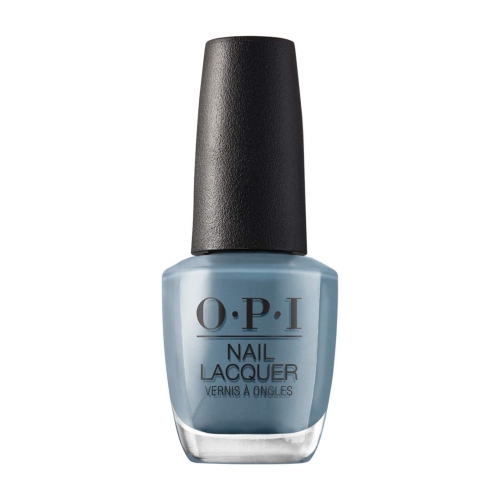 Your price for this item is $13.3
-
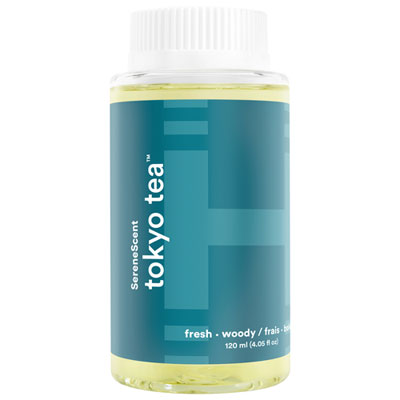 Your price for this item is $39.98
-
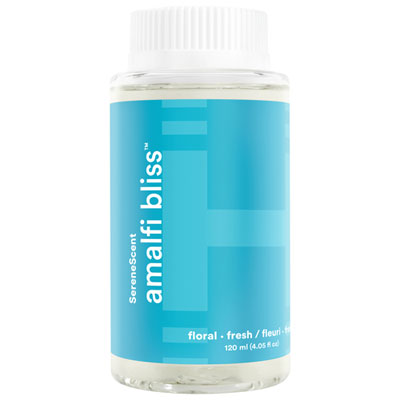 Your price for this item is $59.99
-
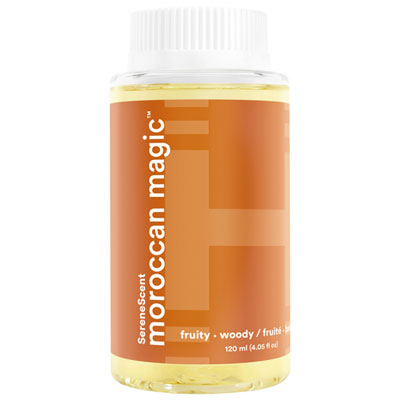 Your price for this item is $59.99
-
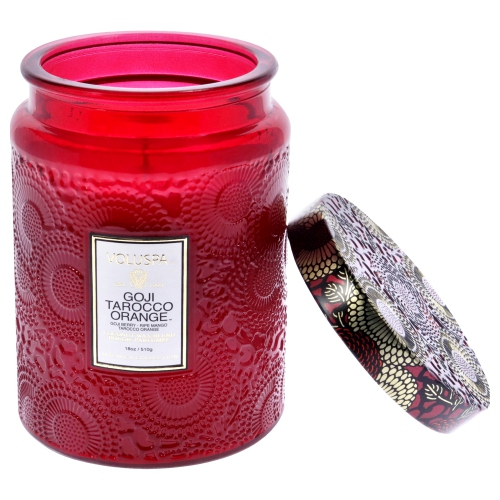 Your price for this item is $53.23
-
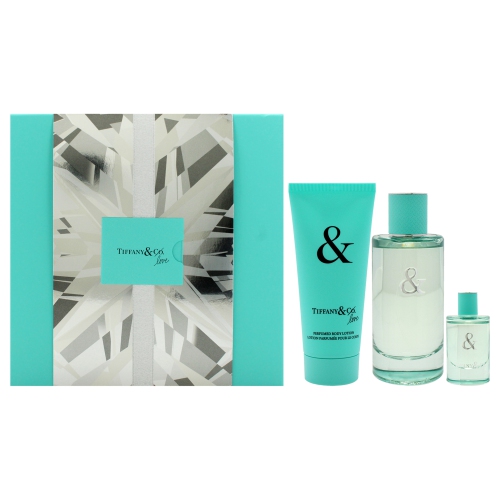 Your price for this item is $169.34
-
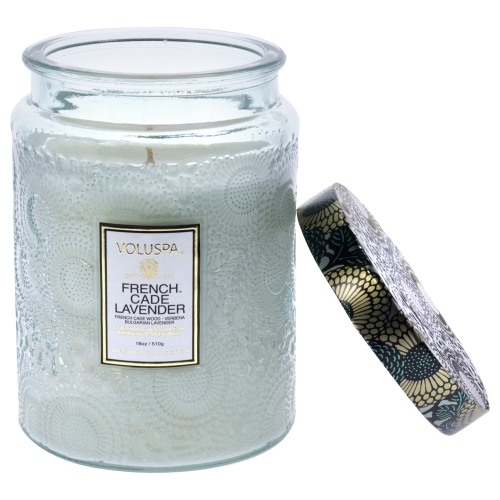 Your price for this item is $53.23
-
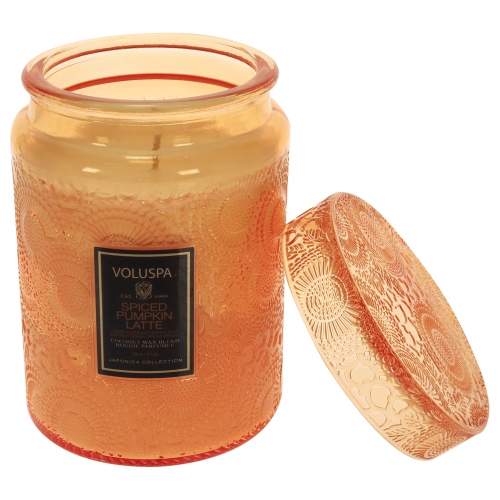 Your price for this item is $57.96
Discover more categories related to Oriental Perfumes
Top Collections:
Best Black Friday Deals This Year, Best Black Friday Deals On Electronics, Kindle Devices, Best Black Friday Deals On Apple Products, Best Budget Office Chairs, Best Cameras for Sports Photography, Dyson Airwrap, Canon G7X Cameras, Best Laptops for Writers, Samsung Galaxy Phones
Some products may be subject to Environmental Handling Fees
(EHF) depending on your province.
Learn more about EHFs.