Perfumes With Sandalwood And Vanilla
Perfumes With Sandalwood And Vanilla offer a captivating blend of warm, creamy notes and rich, woody undertones. Perfect for those who appreciate inviting and luxurious fragrances, these scents bring together the smoothness of vanilla with the depth of sandalwood for an unforgettable aroma. Explore a range of options to find your signature scent or discover a new favorite for any occasion. Whether you’re shopping for yourself or searching for an elegant gift, Perfumes With Sandalwood And Vanilla provide a timeless choice that suits every style.
Sort

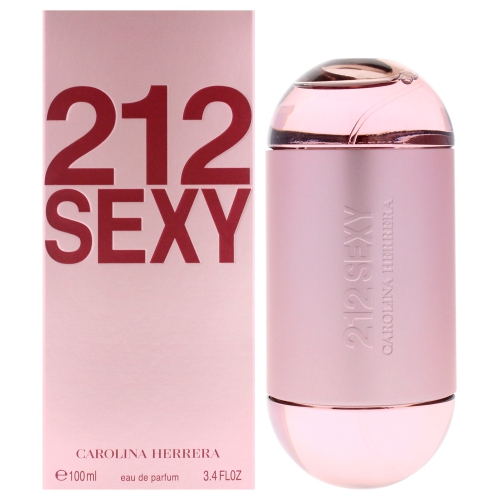
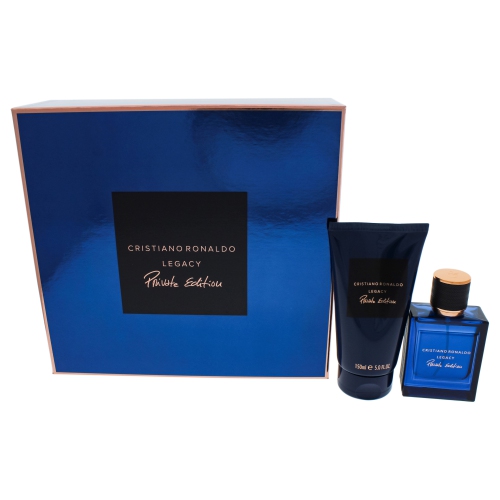
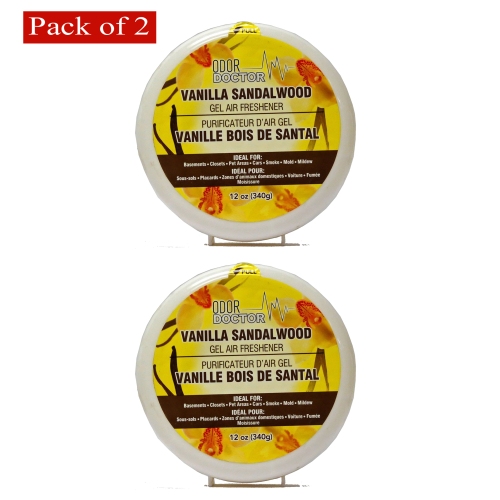
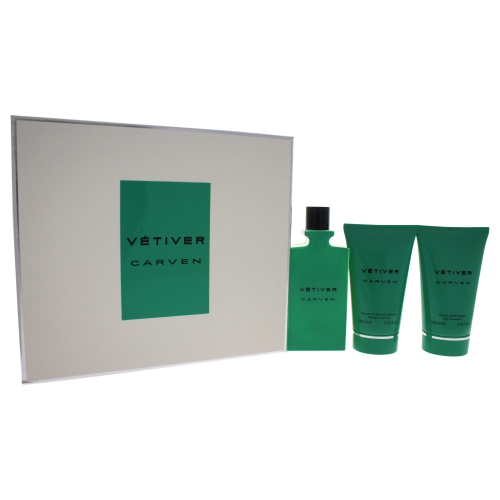
How sandalwood gives vanilla a less sugary side
Perfumes with sandalwood and vanilla pair creamy wood notes with a soft, rounded sweetness, creating a scent profile that can feel smooth, comforting, and quietly polished. Sandalwood often contributes a milky, gently woody character, while vanilla can suggest anything from a freshly opened vanilla pod to rich custard or a drier, lightly smoky sweetness. Together, they form a versatile foundation rather than a single, predictable fragrance style. In a wood-forward composition, sandalwood may keep vanilla from feeling sugary; in a sweeter blend, vanilla can soften sharper woods and bring a plush quality to the finish. Both notes commonly appear in the base of a perfume, the part that becomes more noticeable as the brighter opening notes fade. This makes the dry-down—the scent left on skin after the initial impression settles—particularly important to the appeal of this pairing. Supporting notes give each composition its own personality. Bergamot or mandarin can add a crisp opening, jasmine and other florals can bring an airy or velvety middle, and musk can lend a soft, close-to-skin finish. Amber accords may add resinous depth, while spices such as cardamom can introduce an aromatic contrast to vanilla’s sweetness. A gourmand interpretation leans towards edible impressions such as cream or caramel, whereas a woody interpretation keeps the focus on smooth timber, subtle spice, and restrained sweetness. Neither sandalwood nor vanilla automatically makes a fragrance heavy, and a perfume featuring both can still feel sheer and understated. The balance between them matters more than their presence alone. For someone drawn to vanilla but not dessert-like scents, a pronounced sandalwood base can offer a less sugary direction. For someone who finds woody fragrances too austere, vanilla can make the overall impression softer and more approachable. That range gives this fragrance family room for everyday wear, dressier occasions, and personal scents chosen simply for the pleasure of their gradual development.
The character of a sandalwood and vanilla perfume depends on its full formula, concentration, and how it interacts with the wearer’s skin. Eau de toilette, eau de parfum, and parfum describe different fragrance formats, but their names alone do not establish exactly how strong a scent will smell or how many hours it will last. An eau de parfum may offer a fuller impression than an eau de toilette within the same fragrance line, yet performance varies between compositions. Longevity describes how long a fragrance remains noticeable, projection describes how far it radiates from the wearer, and sillage is the trail it leaves behind. A perfume can last well while staying close to the skin, making it quite different from a scent that fills a room. These distinctions are useful for everyday settings: a subtle application may suit a shared space where fragrance is welcome, while a more noticeable scent may fit an evening celebration. Fragrance-free policies and the comfort of people nearby still take priority. Alcohol-based sprays disperse scent across a wider area, while oil-based or solid formats, where offered, allow more localized application and may wear closer to the skin. Sandalwood and vanilla listed as fragrance notes describe the intended smell; they do not necessarily mean the formula contains sandalwood oil or vanilla extract. Perfumers may use aromatic extracts, individual aroma materials, or combinations of ingredients to create those impressions. The ingredient list, rather than the note description, is the relevant reference for known sensitivities. Skin chemistry, skin condition, and the amount applied can all influence how the perfume develops. A fragrance blotter gives an initial impression, but a small skin test, when appropriate and used according to the label, reveals more about the eventual balance of wood and sweetness. Letting that test settle before judging it helps distinguish an appealing opening from a dry-down that remains enjoyable through ordinary activities.
Personal preference is a more useful starting point for this scent family than a gender label. Sandalwood and vanilla appear in fragrances marketed for women, men, and all genders, with the surrounding notes shaping whether a composition feels floral, spicy, powdery, or richly sweet. Shoppers interested in the floral and woody side of the pairing can also explore Women's Perfumes With Sandalwood for a related fragrance direction. As a gift, this combination may appeal to someone who already enjoys soft woods, vanilla-led scents, or smooth amber fragrances, but familiarity with the recipient’s tastes matters more than assuming the pairing will suit everyone. A person who likes vanilla in a room fragrance may still prefer something much less sweet on skin. Bottle size and application format also affect how a perfume fits into daily life. A compact spray can be convenient for a handbag or an overnight bag, while a larger bottle may make sense for a frequently worn signature scent. A secure cap and a well-functioning spray mechanism help with handling, although a decorative cap is not necessarily a leakproof seal. For air travel, the container must meet the applicable carry-on liquid requirements. At home, keeping perfume tightly closed, upright, and away from direct light and heat helps preserve its intended character; a dry cupboard is generally a better storage place than a humid bathroom shelf. Glass bottles benefit from a stable surface where they are less likely to be knocked over. Application requires some care as well: follow the label, avoid eyes and irritated skin, and remember that fragrance can mark delicate fabrics or affect certain finishes on jewellery. Allowing a spray to settle without rubbing makes its progression easier to appreciate. When layering with scented body products, the combined result may become sweeter or more intense than expected, while an unscented moisturizer leaves more room for the perfume’s own character. Whether worn as a discreet woody accent or a fuller vanilla-centred scent, the appeal lies in finding a balance that feels comfortable, distinctive, and enjoyable beyond the first spray.
The character of a sandalwood and vanilla perfume depends on its full formula, concentration, and how it interacts with the wearer’s skin. Eau de toilette, eau de parfum, and parfum describe different fragrance formats, but their names alone do not establish exactly how strong a scent will smell or how many hours it will last. An eau de parfum may offer a fuller impression than an eau de toilette within the same fragrance line, yet performance varies between compositions. Longevity describes how long a fragrance remains noticeable, projection describes how far it radiates from the wearer, and sillage is the trail it leaves behind. A perfume can last well while staying close to the skin, making it quite different from a scent that fills a room. These distinctions are useful for everyday settings: a subtle application may suit a shared space where fragrance is welcome, while a more noticeable scent may fit an evening celebration. Fragrance-free policies and the comfort of people nearby still take priority. Alcohol-based sprays disperse scent across a wider area, while oil-based or solid formats, where offered, allow more localized application and may wear closer to the skin. Sandalwood and vanilla listed as fragrance notes describe the intended smell; they do not necessarily mean the formula contains sandalwood oil or vanilla extract. Perfumers may use aromatic extracts, individual aroma materials, or combinations of ingredients to create those impressions. The ingredient list, rather than the note description, is the relevant reference for known sensitivities. Skin chemistry, skin condition, and the amount applied can all influence how the perfume develops. A fragrance blotter gives an initial impression, but a small skin test, when appropriate and used according to the label, reveals more about the eventual balance of wood and sweetness. Letting that test settle before judging it helps distinguish an appealing opening from a dry-down that remains enjoyable through ordinary activities.
Personal preference is a more useful starting point for this scent family than a gender label. Sandalwood and vanilla appear in fragrances marketed for women, men, and all genders, with the surrounding notes shaping whether a composition feels floral, spicy, powdery, or richly sweet. Shoppers interested in the floral and woody side of the pairing can also explore Women's Perfumes With Sandalwood for a related fragrance direction. As a gift, this combination may appeal to someone who already enjoys soft woods, vanilla-led scents, or smooth amber fragrances, but familiarity with the recipient’s tastes matters more than assuming the pairing will suit everyone. A person who likes vanilla in a room fragrance may still prefer something much less sweet on skin. Bottle size and application format also affect how a perfume fits into daily life. A compact spray can be convenient for a handbag or an overnight bag, while a larger bottle may make sense for a frequently worn signature scent. A secure cap and a well-functioning spray mechanism help with handling, although a decorative cap is not necessarily a leakproof seal. For air travel, the container must meet the applicable carry-on liquid requirements. At home, keeping perfume tightly closed, upright, and away from direct light and heat helps preserve its intended character; a dry cupboard is generally a better storage place than a humid bathroom shelf. Glass bottles benefit from a stable surface where they are less likely to be knocked over. Application requires some care as well: follow the label, avoid eyes and irritated skin, and remember that fragrance can mark delicate fabrics or affect certain finishes on jewellery. Allowing a spray to settle without rubbing makes its progression easier to appreciate. When layering with scented body products, the combined result may become sweeter or more intense than expected, while an unscented moisturizer leaves more room for the perfume’s own character. Whether worn as a discreet woody accent or a fuller vanilla-centred scent, the appeal lies in finding a balance that feels comfortable, distinctive, and enjoyable beyond the first spray.
Top selling and popular products
-
 Your price for this item is $87
 -
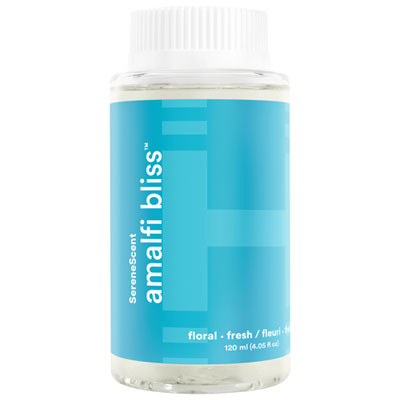 Your price for this item is $59.99
 -
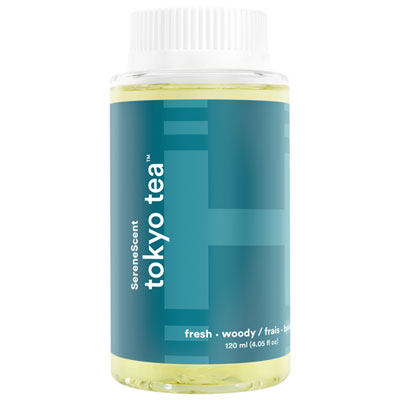 Your price for this item is $59.99
 -
 Your price for this item is $59.99
 -
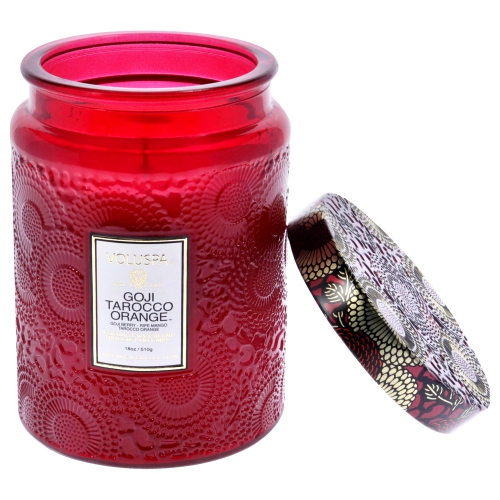 Your price for this item is $53.23
 -
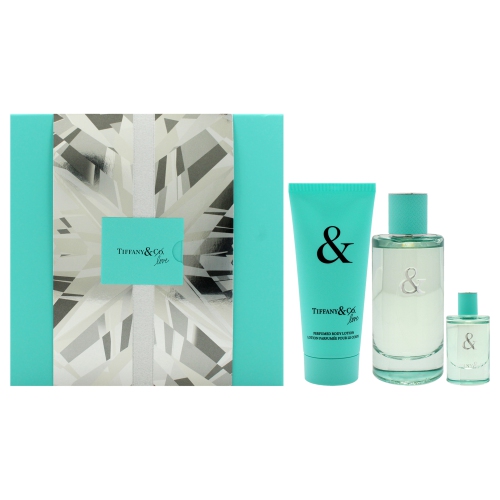 Your price for this item is $169.34
 -
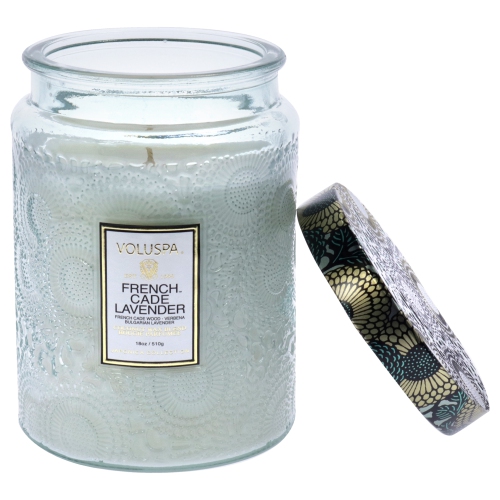 Your price for this item is $53.23
 -
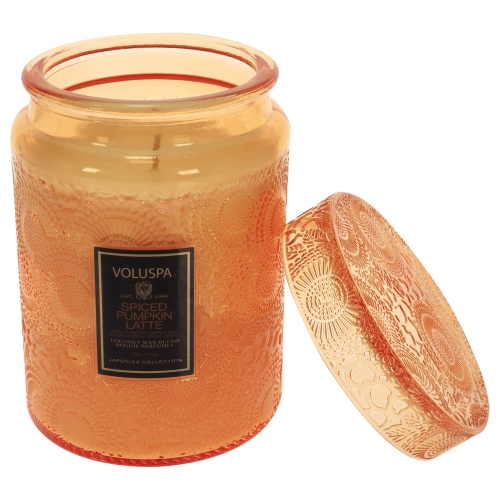 Your price for this item is $57.96
Discover more categories related to Perfumes With Sandalwood And Vanilla
Top Collections:
Pokemon Centers, Kindle Devices, Best Budget Office Chairs, Apple iPhones 16, Best Laptops for Writers, iPhone 15 Apple, Canon G7X Cameras, Refurbished Apple Laptops, Alarm Clock, Motorola Razr Phones
Some products may be subject to Environmental Handling Fees
(EHF) depending on your province.
Learn more about EHFs.