Perfumes With Vanilla Notes
Indulge your senses with the warm and inviting allure of perfumes featuring delightful vanilla notes. Discover a range of fragrances that exude sweetness, sophistication, and comfort, making them the perfect choice for any occasion. Whether you prefer a subtle hint of vanilla or a more prominent presence, these scents offer a luxurious olfactory experience that is sure to captivate those around you. Explore our selection of vanilla-infused perfumes and find your signature scent today.
Sort


Why vanilla fragrances aren’t always sweet
Perfumes with vanilla notes range from creamy, dessert-like fragrances to dry, woody blends with only a trace of sweetness. Vanilla often appears in the base of a perfume, helping give the composition a rounded character that lingers after brighter opening notes have faded. Its effect depends on the surrounding notes: caramel, praline, and tonka bean can draw out a confectionery quality, while cedar, sandalwood, and musk can make vanilla feel softer, drier, or more understated. Amber accords bring a resinous richness, and spices such as cardamom or pink pepper add contrast to an otherwise smooth blend. Floral vanilla perfumes take a different direction, pairing that creamy foundation with jasmine, rose, or orange blossom for a scent that feels more like a bouquet than a bakery. These distinctions matter because a fragrance featuring vanilla does not necessarily smell predominantly of vanilla. In some compositions, it is the central impression; in others, it softens sharper edges or adds depth beneath fruit, flowers, or woods. Gourmand is the term commonly used for fragrances with edible-smelling notes, but not every vanilla perfume belongs to that family. A smoky vanilla can suggest polished wood and incense, while a musky vanilla may stay close to the skin with a gentle, powdery finish. Descriptions such as bourbon vanilla, vanilla orchid, or vanilla bean suggest different scent impressions, rather than providing a complete ingredient list. Bourbon vanilla does not necessarily indicate a whiskey note, and a vanilla orchid accord may be a perfumer’s interpretation rather than an extract from the flower. For shoppers drawn to vanilla as the defining feature, Vanilla Scented Perfumes offers a related way to explore the theme. Whether the preference is for whipped sweetness, delicate florals, or textured woods, the surrounding fragrance notes help distinguish one style of vanilla from another.
The way a vanilla fragrance wears is just as important as its opening impression. A perfume may begin with sparkling citrus or juicy pear, reveal flowers through the middle, and settle into vanilla, musk, and woods over several hours. That settled scent, often called the drydown, can be quite different from the first spray. Someone who enjoys the smell of vanilla bean but dislikes sugary fragrances may prefer a composition balanced by woods, spice, or restrained floral notes. Someone looking for a richer gourmand effect may gravitate towards combinations that suggest caramelized sugar, cocoa, almond, or coffee. For everyday wear, a soft vanilla-and-musk blend can feel unobtrusive, while a fuller amber vanilla may suit a celebration or an evening out. These are matters of preference rather than fixed rules, and fragrance has no required gender: sweet, smoky, floral, and woody profiles can appeal to anyone. Concentration labels offer another useful distinction. Eau de parfum generally contains a higher proportion of fragrance concentrate than eau de toilette, although the label alone cannot predict how strong a scent will feel or how long it will last. The formula, application amount, skin characteristics, and individual perception all influence the experience. Projection describes how far a fragrance radiates from the wearer, while longevity describes how long it remains noticeable; a perfume can last for hours without filling a room. When testing is possible, a paper blotter gives an initial impression, but a small application on skin gives a better sense of personal wear. Allowing time for the opening to settle can reveal whether the vanilla feels creamy, powdery, smoky, or sweeter than expected. For shared offices, transit, or close seating, a light application is a considerate starting point, and fragrance-free policies should always take precedence. Adding more immediately can overwhelm the balance, particularly when the wearer has simply grown accustomed to the scent.
Perfume selection also involves the formula, packaging, and daily habits that surround its use. Many spray perfumes use an alcohol-based carrier, while some fragrance oils use an oil base; neither format is automatically suitable for sensitive skin. A note list describes the intended smell and should not be treated as a substitute for the ingredient information. Natural and synthetic fragrance materials can both cause reactions, so anyone with known sensitivities should check the label and follow the manufacturer’s directions. Avoid applying fragrance to irritated skin, and stop using it if irritation occurs. Application instructions also matter for clothing: perfume can mark delicate textiles, leather, or jewellery, making direct spraying onto accessories or a favourite blouse a poor substitute for the stated method of use. Bottle size and dispensing style can affect convenience without changing the scent itself. A compact, securely closed bottle is easier to carry in a small bag, while a larger bottle may make sense for a fragrance worn frequently at home. A protective case can help reduce scratches and accidental knocks during travel, though glass still needs careful handling. For storage, keep perfume upright, tightly closed, and away from direct sunlight and sources of heat; a drawer or cupboard outside a humid bathroom is often a practical choice. Follow any period-after-opening guidance on the packaging rather than assuming every fragrance has the same usable life. Vanilla materials can contribute colour to a formula, so the appearance of the liquid alone is not a reliable measure of quality. As a gift, vanilla perfume is most personal when it reflects the recipient’s existing tastes. A person who enjoys rose and jasmine may appreciate a floral vanilla, while someone drawn to cedar or incense may prefer a woodier interpretation. Familiarity with their favourite fragrance family is more useful than assuming everyone likes a very sweet scent. For a birthday, anniversary, or thank-you gift, that attention to the recipient’s preferences helps make the choice feel thoughtful, whether vanilla takes centre stage or provides a subtle finishing note.
The way a vanilla fragrance wears is just as important as its opening impression. A perfume may begin with sparkling citrus or juicy pear, reveal flowers through the middle, and settle into vanilla, musk, and woods over several hours. That settled scent, often called the drydown, can be quite different from the first spray. Someone who enjoys the smell of vanilla bean but dislikes sugary fragrances may prefer a composition balanced by woods, spice, or restrained floral notes. Someone looking for a richer gourmand effect may gravitate towards combinations that suggest caramelized sugar, cocoa, almond, or coffee. For everyday wear, a soft vanilla-and-musk blend can feel unobtrusive, while a fuller amber vanilla may suit a celebration or an evening out. These are matters of preference rather than fixed rules, and fragrance has no required gender: sweet, smoky, floral, and woody profiles can appeal to anyone. Concentration labels offer another useful distinction. Eau de parfum generally contains a higher proportion of fragrance concentrate than eau de toilette, although the label alone cannot predict how strong a scent will feel or how long it will last. The formula, application amount, skin characteristics, and individual perception all influence the experience. Projection describes how far a fragrance radiates from the wearer, while longevity describes how long it remains noticeable; a perfume can last for hours without filling a room. When testing is possible, a paper blotter gives an initial impression, but a small application on skin gives a better sense of personal wear. Allowing time for the opening to settle can reveal whether the vanilla feels creamy, powdery, smoky, or sweeter than expected. For shared offices, transit, or close seating, a light application is a considerate starting point, and fragrance-free policies should always take precedence. Adding more immediately can overwhelm the balance, particularly when the wearer has simply grown accustomed to the scent.
Perfume selection also involves the formula, packaging, and daily habits that surround its use. Many spray perfumes use an alcohol-based carrier, while some fragrance oils use an oil base; neither format is automatically suitable for sensitive skin. A note list describes the intended smell and should not be treated as a substitute for the ingredient information. Natural and synthetic fragrance materials can both cause reactions, so anyone with known sensitivities should check the label and follow the manufacturer’s directions. Avoid applying fragrance to irritated skin, and stop using it if irritation occurs. Application instructions also matter for clothing: perfume can mark delicate textiles, leather, or jewellery, making direct spraying onto accessories or a favourite blouse a poor substitute for the stated method of use. Bottle size and dispensing style can affect convenience without changing the scent itself. A compact, securely closed bottle is easier to carry in a small bag, while a larger bottle may make sense for a fragrance worn frequently at home. A protective case can help reduce scratches and accidental knocks during travel, though glass still needs careful handling. For storage, keep perfume upright, tightly closed, and away from direct sunlight and sources of heat; a drawer or cupboard outside a humid bathroom is often a practical choice. Follow any period-after-opening guidance on the packaging rather than assuming every fragrance has the same usable life. Vanilla materials can contribute colour to a formula, so the appearance of the liquid alone is not a reliable measure of quality. As a gift, vanilla perfume is most personal when it reflects the recipient’s existing tastes. A person who enjoys rose and jasmine may appreciate a floral vanilla, while someone drawn to cedar or incense may prefer a woodier interpretation. Familiarity with their favourite fragrance family is more useful than assuming everyone likes a very sweet scent. For a birthday, anniversary, or thank-you gift, that attention to the recipient’s preferences helps make the choice feel thoughtful, whether vanilla takes centre stage or provides a subtle finishing note.
Top selling and popular products
-
 Your price for this item is $87
 -
 Your price for this item is $59.99
 -
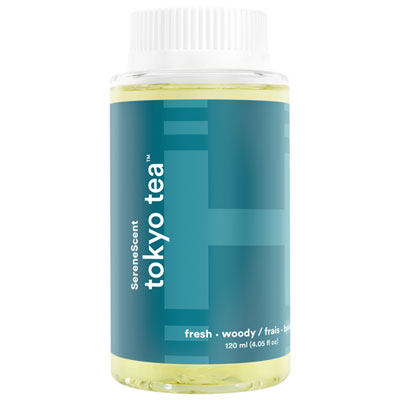 Your price for this item is $59.99
 -
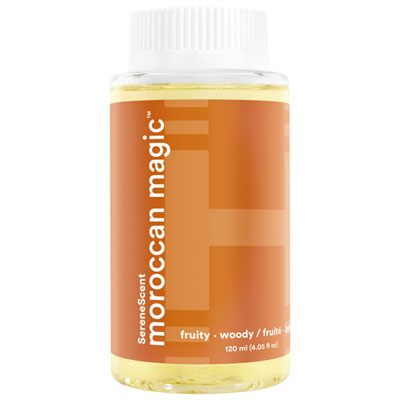 Your price for this item is $59.99
 -
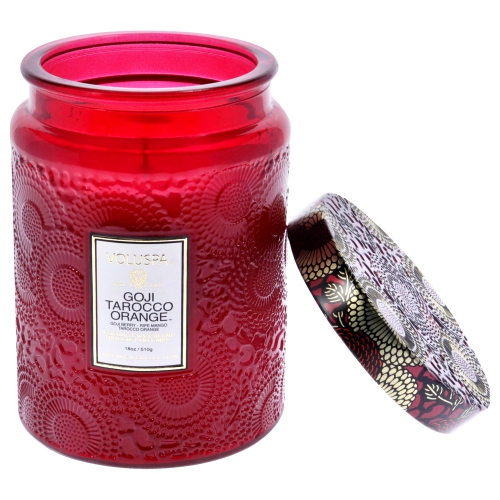 Your price for this item is $53.23
 -
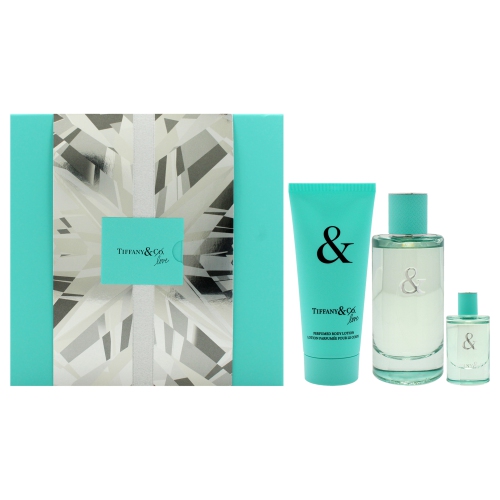 Your price for this item is $169.34
 -
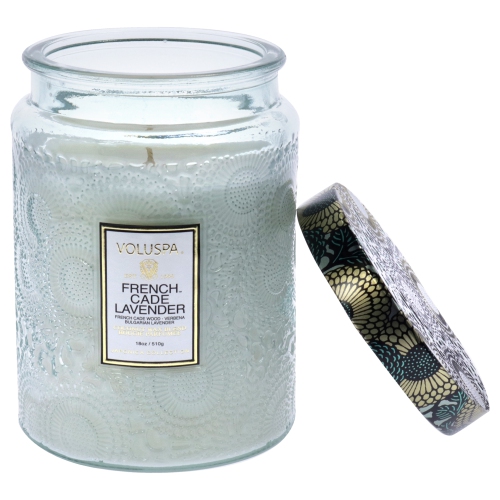 Your price for this item is $53.23
 -
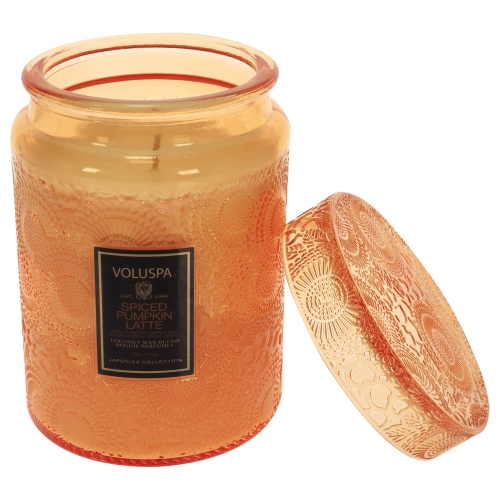 Your price for this item is $57.96
Discover more categories related to Perfumes With Vanilla Notes
Top Collections:
Pokemon Centers, Kindle Devices, Best Budget Office Chairs, Apple iPhones 16, Best Laptops for Writers, iPhone 15 Apple, Canon G7X Cameras, Refurbished Apple Laptops, Alarm Clock, Motorola Razr Phones
Some products may be subject to Environmental Handling Fees
(EHF) depending on your province.
Learn more about EHFs.