Red Light Therapy Wand
Discover the benefits of incorporating a red light therapy wand into your daily routine. Designed for easy, at-home use, these innovative devices offer a convenient way to enhance your wellness regimen. Whether you're looking to elevate your self-care or add an extra step to your beauty routine, a red light therapy wand provides a user-friendly solution. Explore our selection to find the perfect option that suits your lifestyle and preferences.
Sort
What to know about wavelengths, routines, and safe use
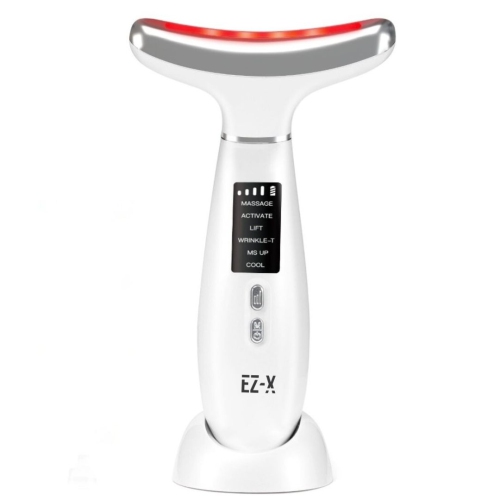
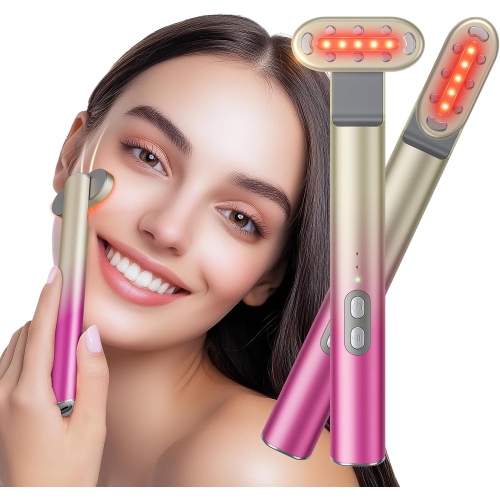
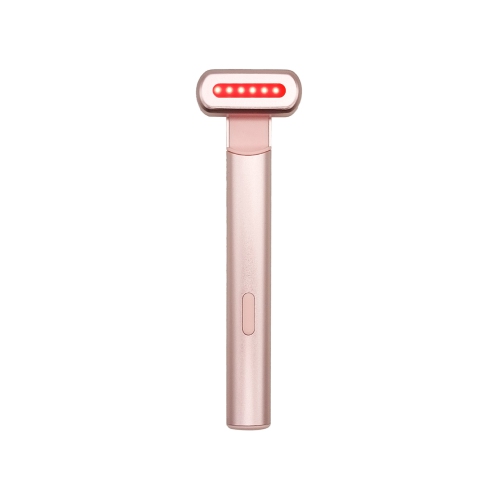
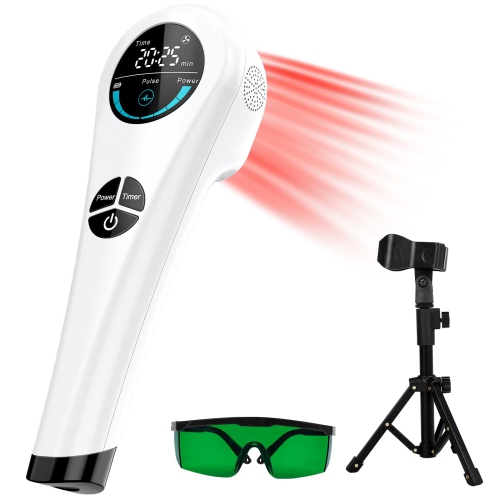
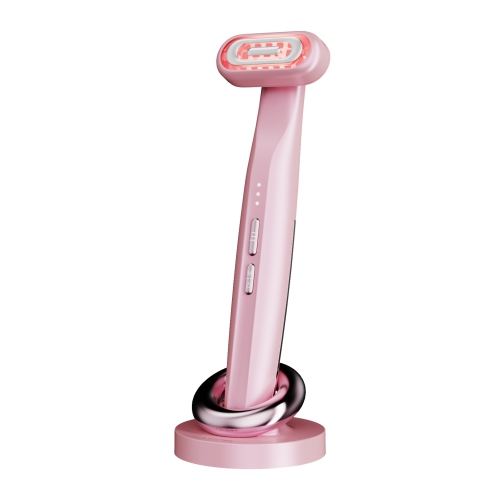
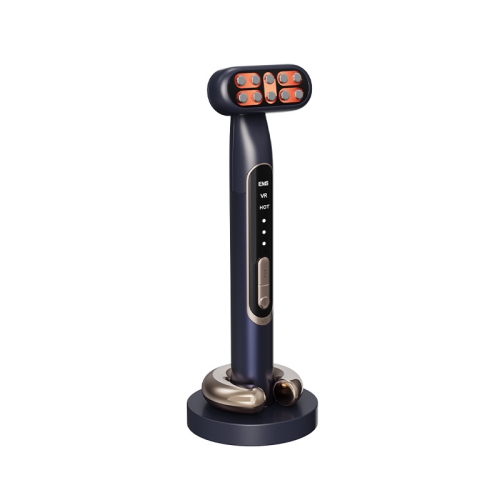
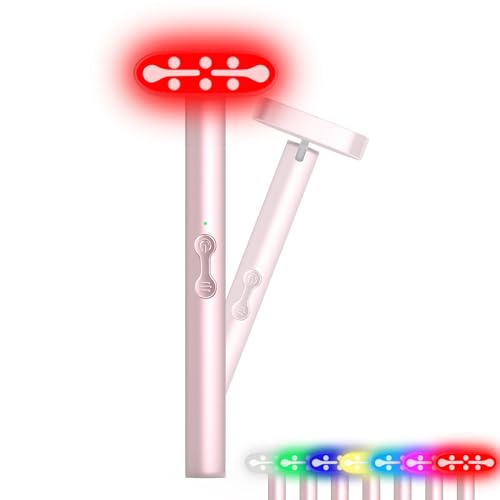
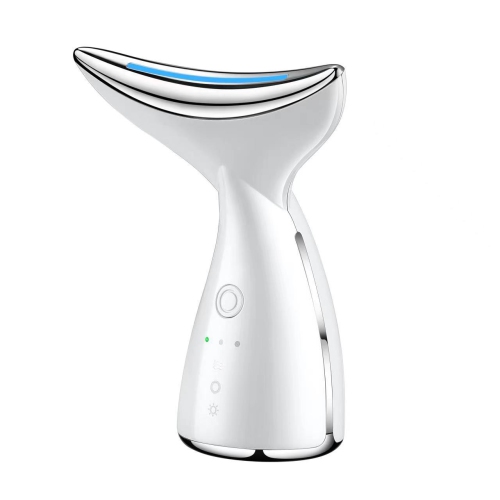
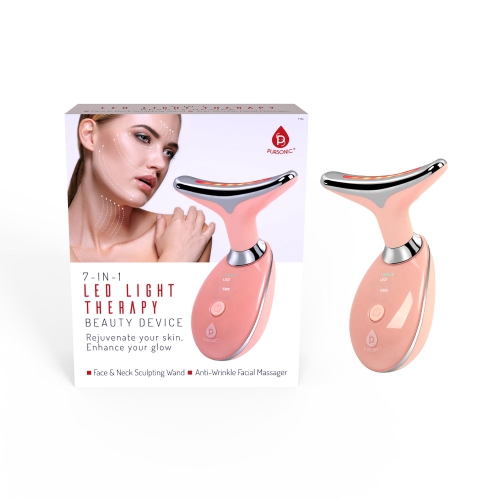
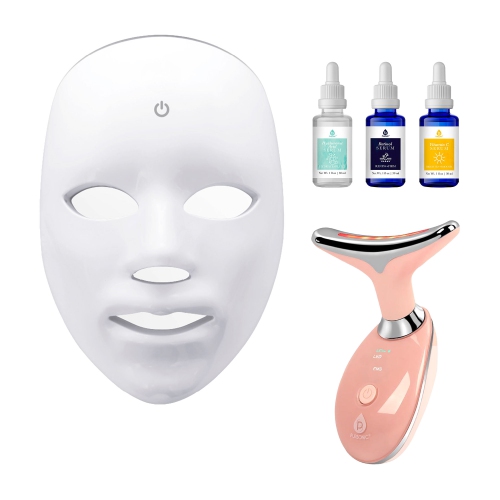
Red light therapy wands are portable, handheld skincare devices designed to deliver low-level LED light to the surface of the skin. Many use red wavelengths in the approximate 630 nm to 660 nm range, while some also include near-infrared light around 850 nm. These wavelengths are commonly used in light-based skincare routines because they may support the appearance of firmer, smoother-looking skin and help improve the look of uneven tone, fine lines, and mild redness over time. Red light is also associated with cellular energy production, including the activity of adenosine triphosphate (ATP), which plays a role in the body’s natural repair processes. Results can vary according to the device, the wavelength, the condition of the skin, and how consistently it is used, so a red light therapy wand is best viewed as a regular personal-care tool rather than an instant treatment. Some wands combine red light with additional features such as near-infrared light, gentle warmth, facial massage, galvanic technology, or blue light. These features can make a device more versatile, although they also make it important to read the product specifications carefully and choose a model that matches your routine. A wand with blue light may be suited to shoppers interested in blemish-prone skin, while a device with warmth or massage may appeal to someone who enjoys a relaxing facial ritual. If you are comparing different light-based devices, larger panels and masks may be designed for broader areas, while a handheld wand offers focused application and convenient control. You can explore related options in Light Therapy Machines when deciding which format fits your space, schedule, and skincare goals. A wand can be especially useful for people who prefer a compact device that can be stored in a bathroom drawer, packed for travel, or used on one facial area at a time. It may also make a thoughtful gift for someone who enjoys skincare, self-care evenings, or technology that fits easily into an established beauty routine. During the cooler months, when indoor heating and brisk weather can leave skin feeling dry or tight, the warm, measured pace of a light therapy routine can feel like a small daily comfort alongside moisturiser and other familiar products.
The best way to use a red light therapy wand is to follow the manufacturer’s instructions for distance, timing, frequency, and compatible skincare products. In many routines, the face is cleansed first, followed by a serum or other product recommended for use with the device. Some users work in sections, spending roughly three minutes on each facial area for a total session of about 12 minutes, three to five times per week; however, treatment times differ between models, so the included instructions should always take priority. Keep the wand moving or positioned as directed, and avoid pressing firmly against the skin unless the device is specifically designed for contact. Clean the treatment surface after use, particularly when it touches moisturiser or serum, and store the wand somewhere dry and easy to reach. Consistency generally matters more than occasional long sessions. Visible changes in tone and texture may take approximately eight to 12 weeks of regular use, and taking photographs in similar lighting can make gradual changes easier to notice. A red light therapy wand may be used as part of an anti-ageing routine, a soothing skincare routine, or a broader approach to maintaining a healthy-looking complexion, but it should not be relied on to diagnose, treat, or cure a medical condition. Check whether eye protection is required, especially when using a device close to the eyes, and follow all safety directions. Anyone with a light-sensitive condition, a history of photosensitivity, an active skin concern, or medication that increases sensitivity to light should consult a healthcare professional before use. It is also sensible to seek professional advice when managing persistent acne, significant inflammation, unexplained changes in skin colour, or a wound that is not healing normally. When choosing among wands, consider the device’s wavelength information, coverage area, treatment time, battery or corded operation, controls, cleaning requirements, included accessories, and warranty. A lighter cordless design may suit someone who likes to move around while using it, whereas a corded model can be convenient for a dedicated vanity or bathroom setup. Look for clear usage instructions and a shape that feels comfortable in your hand, since ease of use can make it simpler to maintain a steady routine. Whether it is selected for personal use or given as a considerate gift, a red light therapy wand works best when its features are easy to understand and its routine feels realistic enough to repeat.
The best way to use a red light therapy wand is to follow the manufacturer’s instructions for distance, timing, frequency, and compatible skincare products. In many routines, the face is cleansed first, followed by a serum or other product recommended for use with the device. Some users work in sections, spending roughly three minutes on each facial area for a total session of about 12 minutes, three to five times per week; however, treatment times differ between models, so the included instructions should always take priority. Keep the wand moving or positioned as directed, and avoid pressing firmly against the skin unless the device is specifically designed for contact. Clean the treatment surface after use, particularly when it touches moisturiser or serum, and store the wand somewhere dry and easy to reach. Consistency generally matters more than occasional long sessions. Visible changes in tone and texture may take approximately eight to 12 weeks of regular use, and taking photographs in similar lighting can make gradual changes easier to notice. A red light therapy wand may be used as part of an anti-ageing routine, a soothing skincare routine, or a broader approach to maintaining a healthy-looking complexion, but it should not be relied on to diagnose, treat, or cure a medical condition. Check whether eye protection is required, especially when using a device close to the eyes, and follow all safety directions. Anyone with a light-sensitive condition, a history of photosensitivity, an active skin concern, or medication that increases sensitivity to light should consult a healthcare professional before use. It is also sensible to seek professional advice when managing persistent acne, significant inflammation, unexplained changes in skin colour, or a wound that is not healing normally. When choosing among wands, consider the device’s wavelength information, coverage area, treatment time, battery or corded operation, controls, cleaning requirements, included accessories, and warranty. A lighter cordless design may suit someone who likes to move around while using it, whereas a corded model can be convenient for a dedicated vanity or bathroom setup. Look for clear usage instructions and a shape that feels comfortable in your hand, since ease of use can make it simpler to maintain a steady routine. Whether it is selected for personal use or given as a considerate gift, a red light therapy wand works best when its features are easy to understand and its routine feels realistic enough to repeat.
Top selling and popular products
-
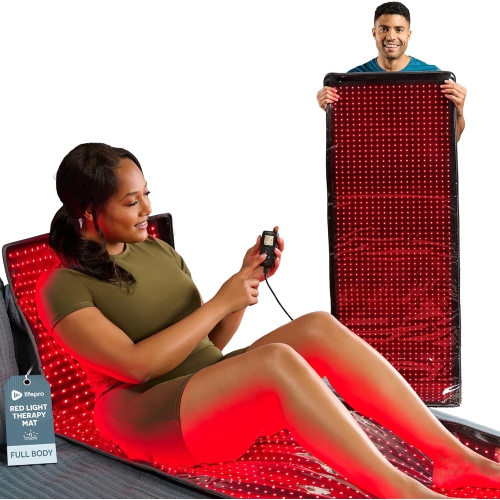 Your price for this item is $749.99
 -
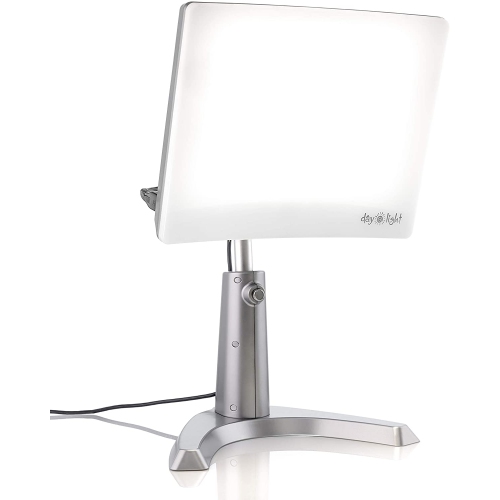 Your price for this item is $194.99
 -
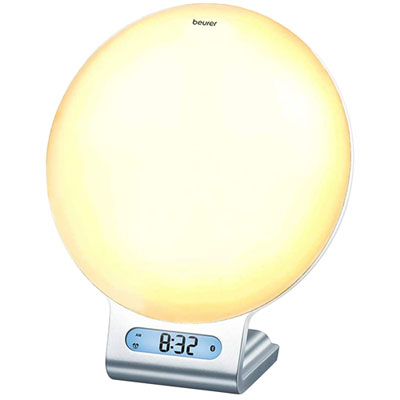 Your price for this item is $179.99
 -
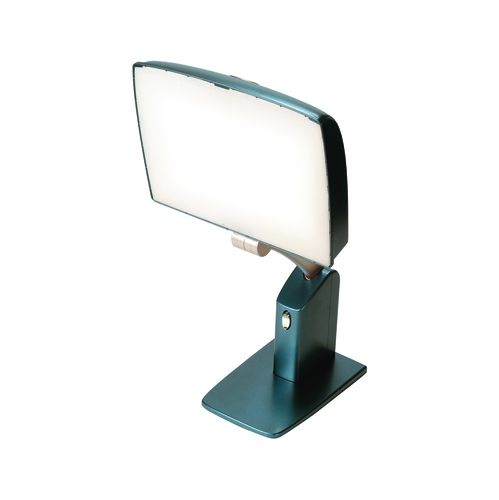 Your price for this item is $399.99
 -
 Your price for this item is $54.99
 -
 Your price for this item is $72.99
 -
 Your price for this item is $109.99
 -
 Your price for this item is $149.99
Discover more categories related to Red Light Therapy Wand

Top Collections:
Pokemon Centers, Kindle Devices, Best Budget Office Chairs, Apple iPhones 16, Canon G7X Cameras, iPhone 15 Apple, Alarm Clock, Refurbished Apple Laptops, Flip Phones, Best Laptops for Writers
Some products may be subject to Environmental Handling Fees
(EHF) depending on your province.
Learn more about EHFs.