Light Therapy Machines
Discover the transformative power of light therapy machines, designed to enhance your well-being and elevate your daily routine. Ideal for combating seasonal affective disorder, boosting mood, or simply adding an extra layer of relaxation to your day, these innovative devices harness the benefits of light to improve your overall health. Whether you're looking to brighten up those gloomy winter months or seeking a natural way to energize your mornings, our selection of light therapy machines offers a variety of options to suit your needs. Explore the possibilities and find the perfect solution to illuminate your life.
Sort






Why different light treatments call for different devices
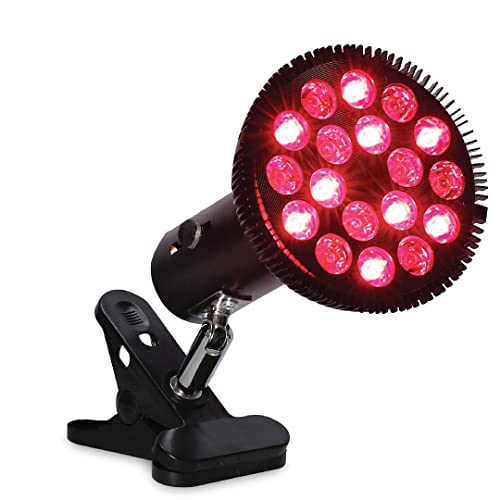
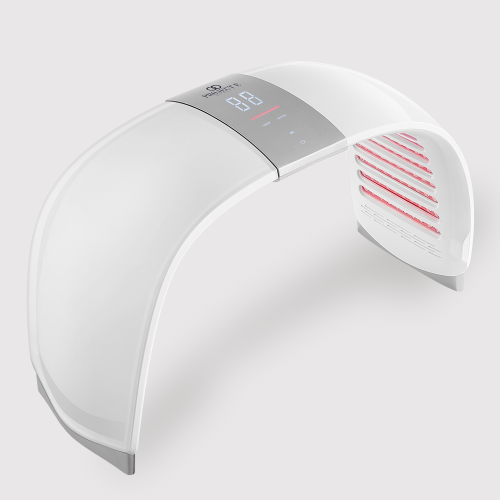
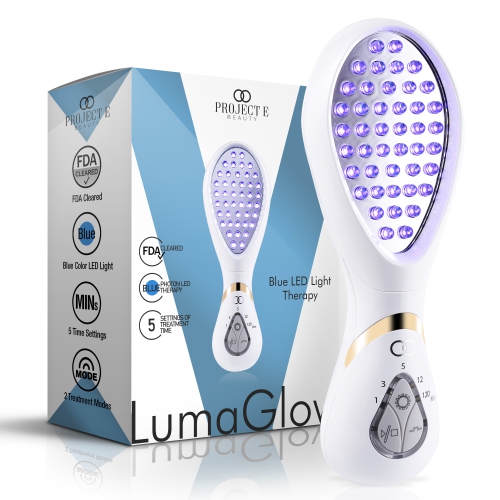
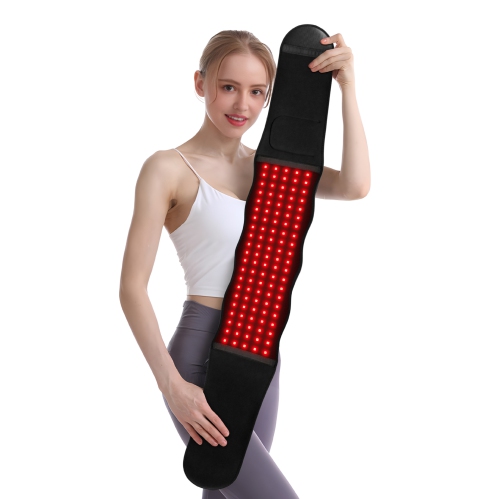
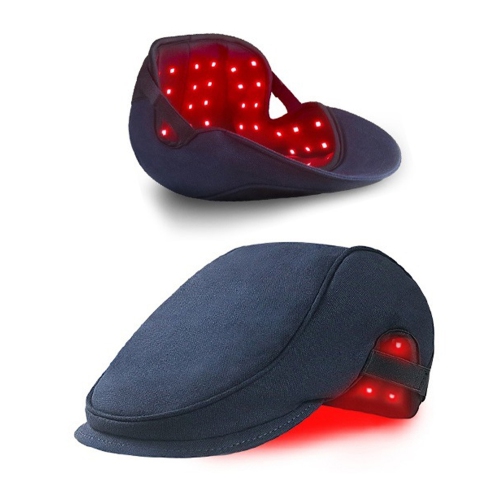
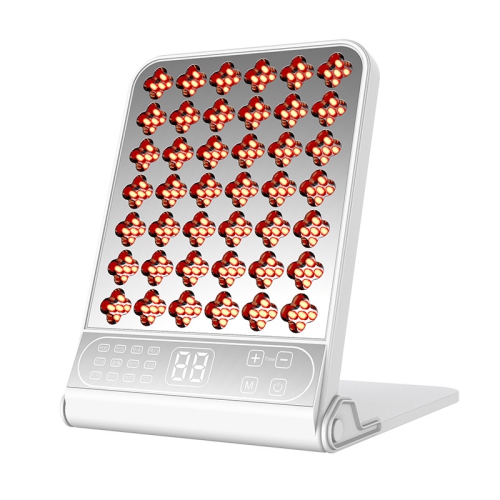
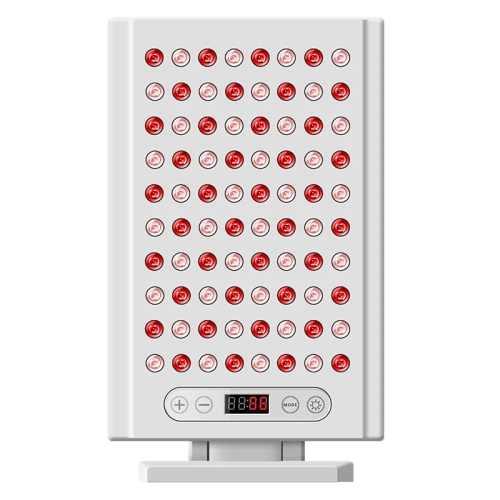
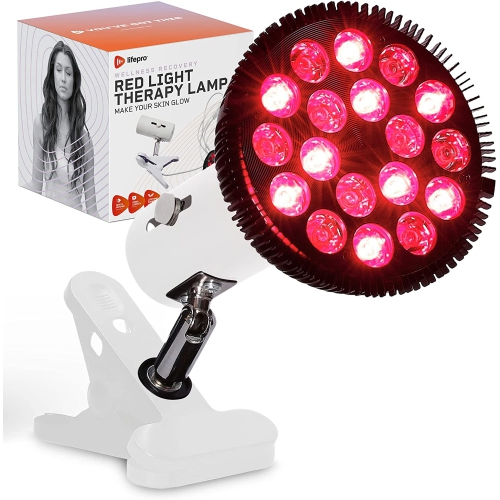
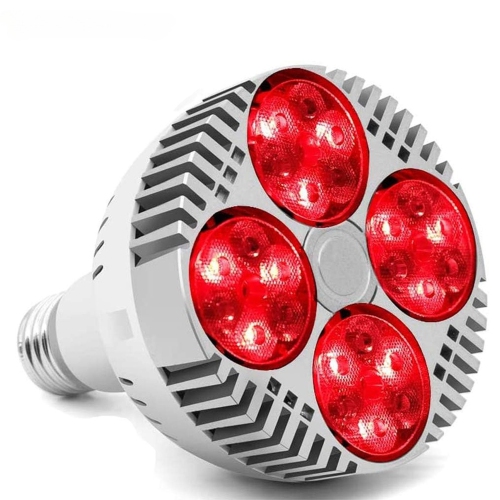
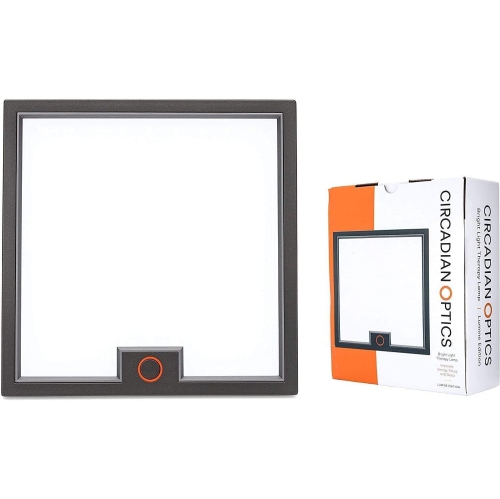
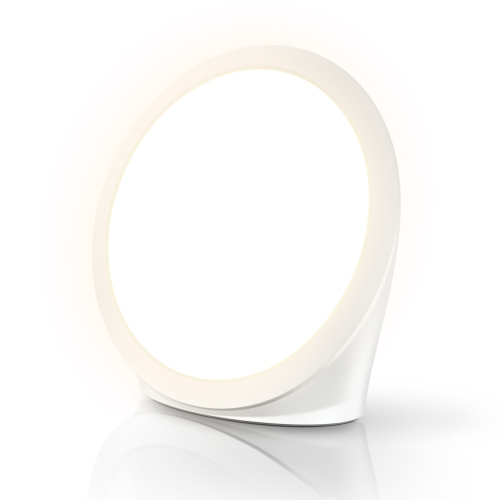
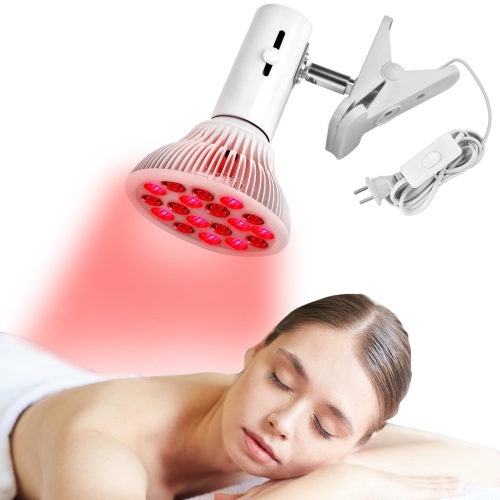
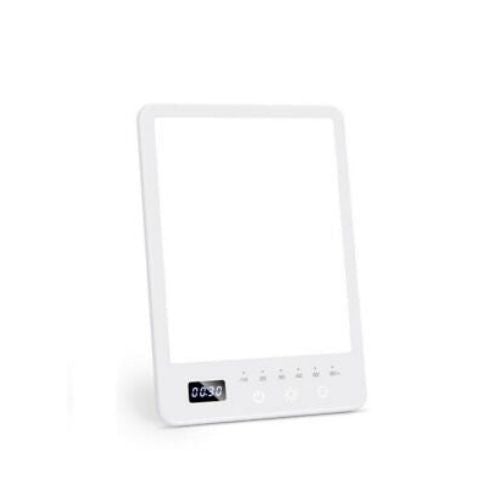
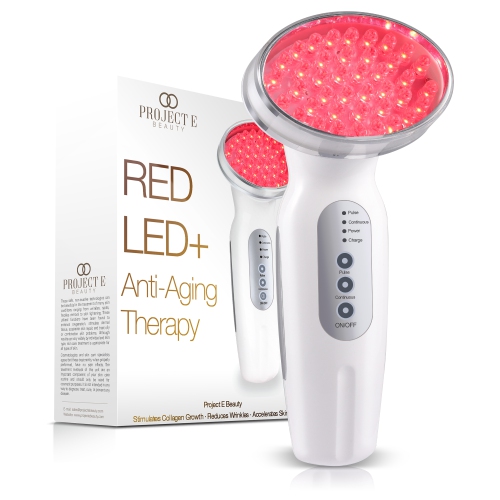
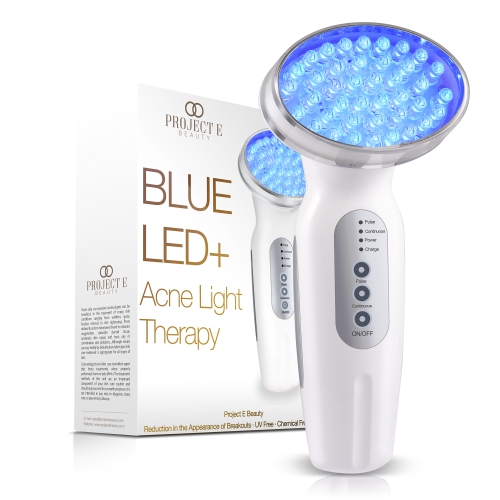
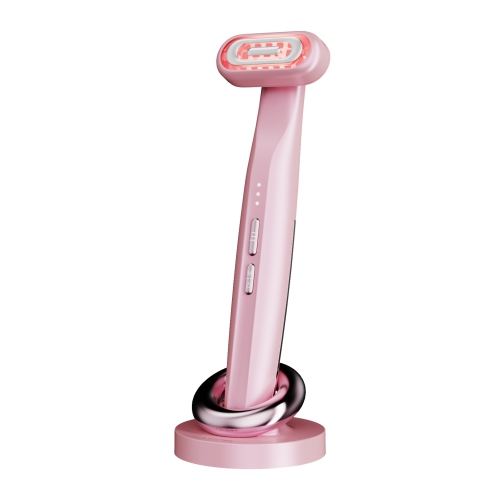
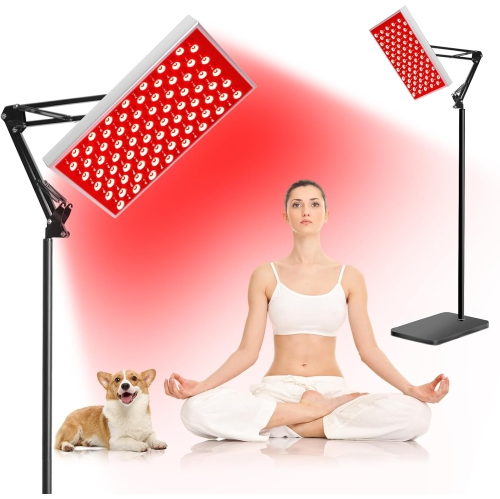
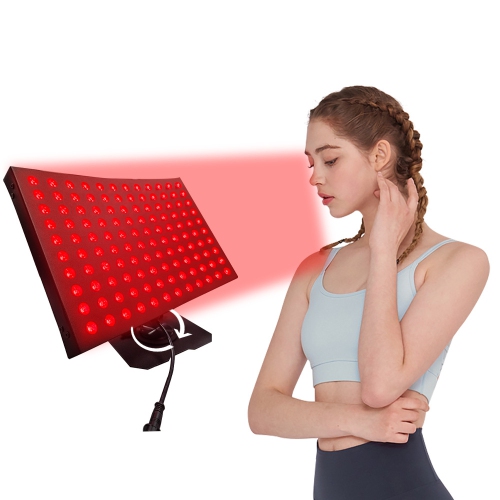
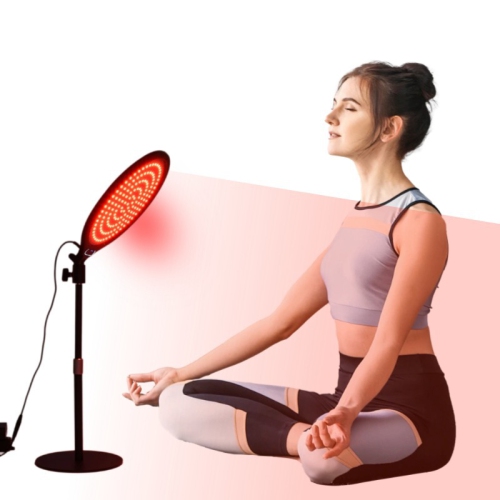
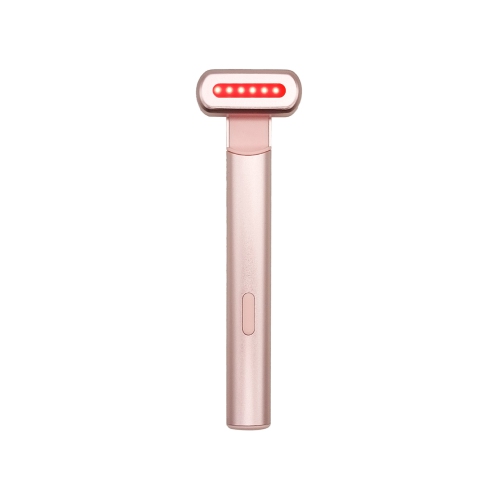
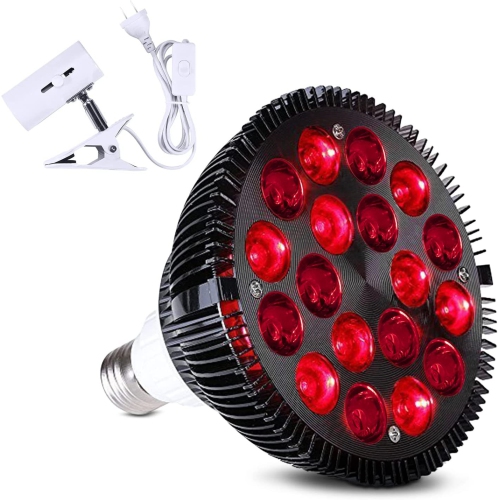
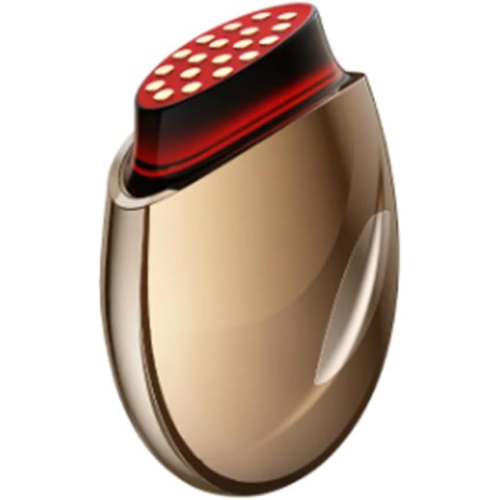
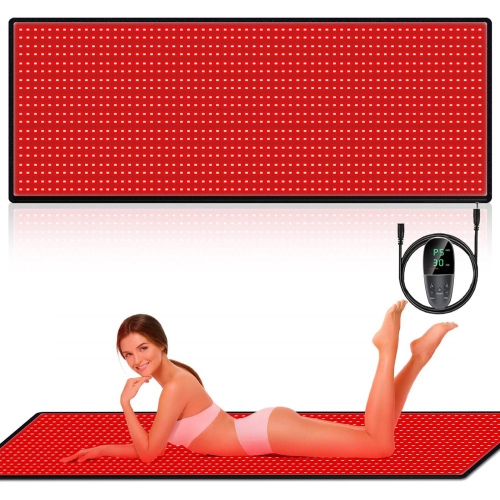
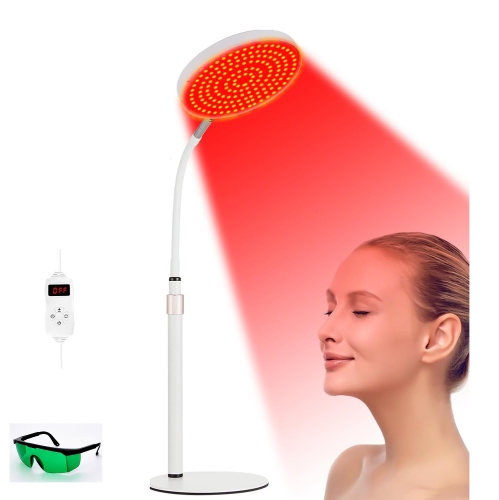
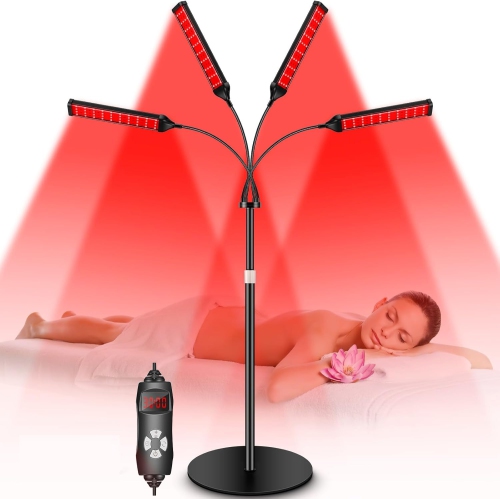
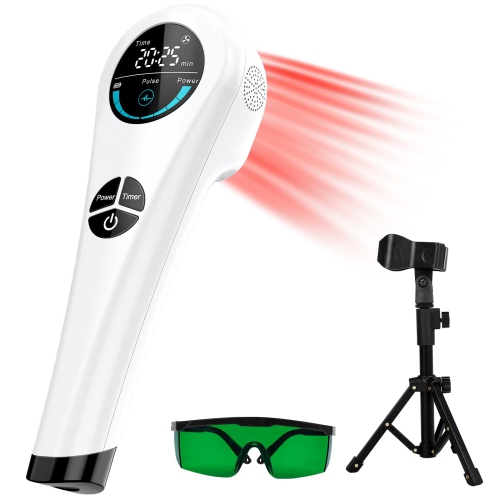
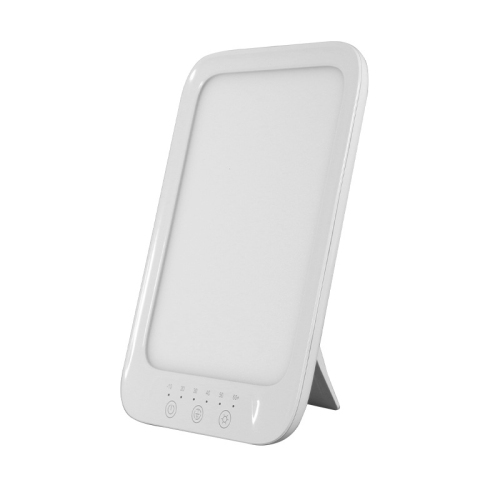
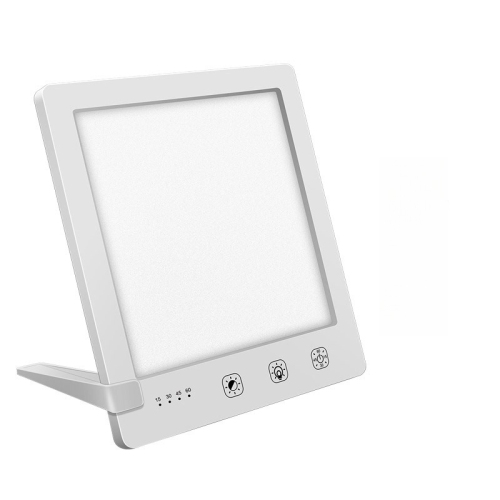
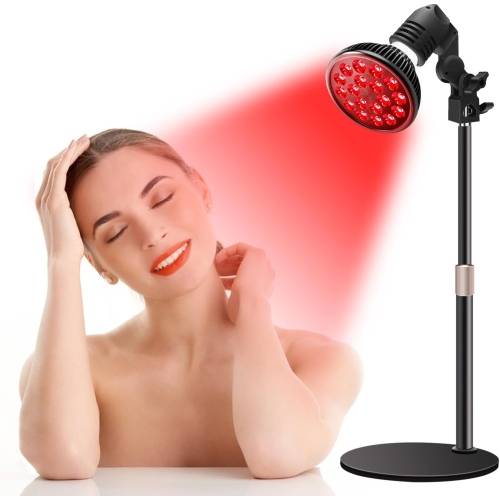
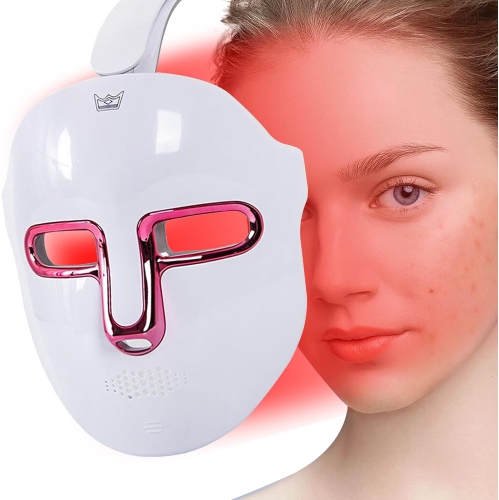
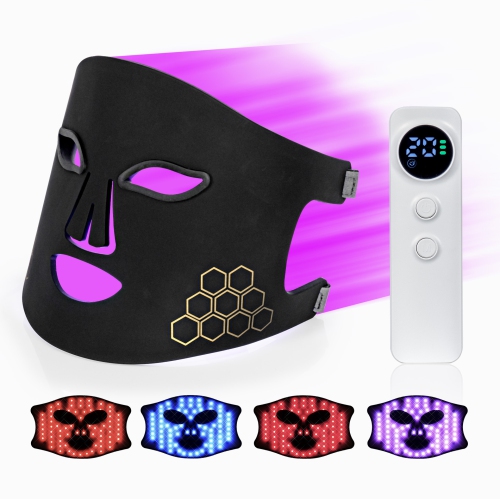
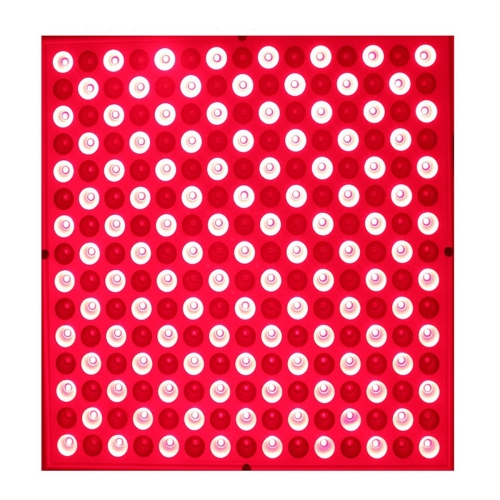
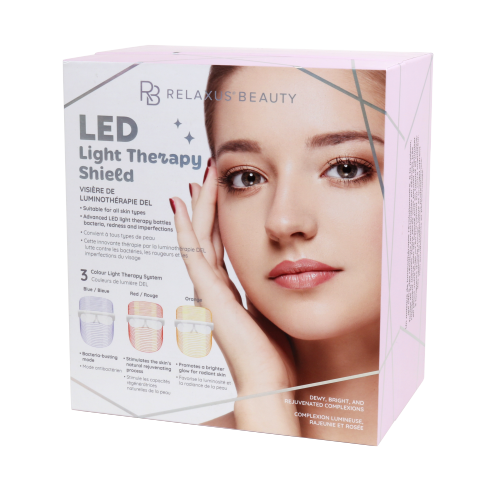
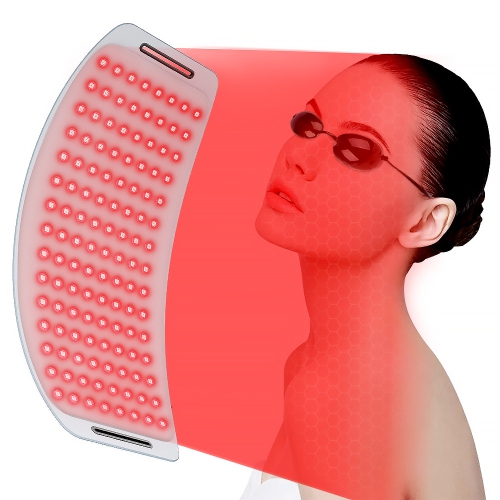
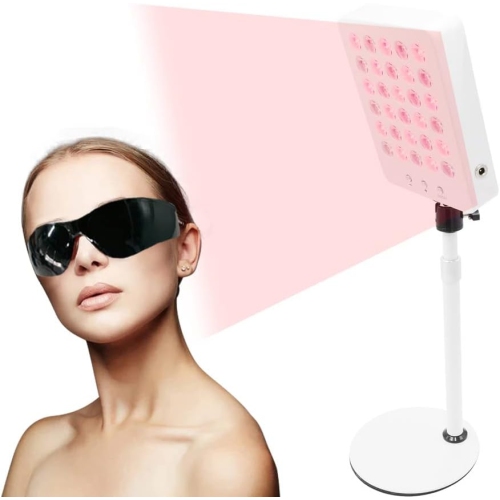
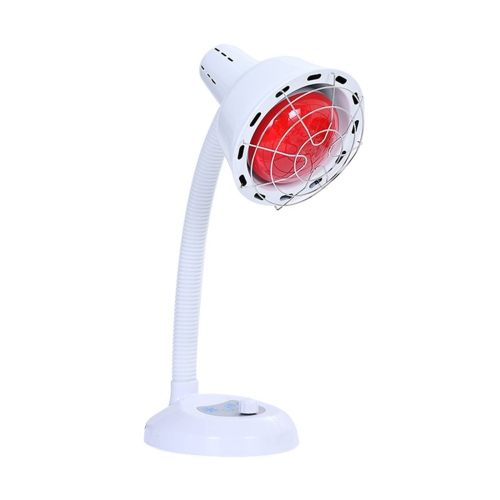
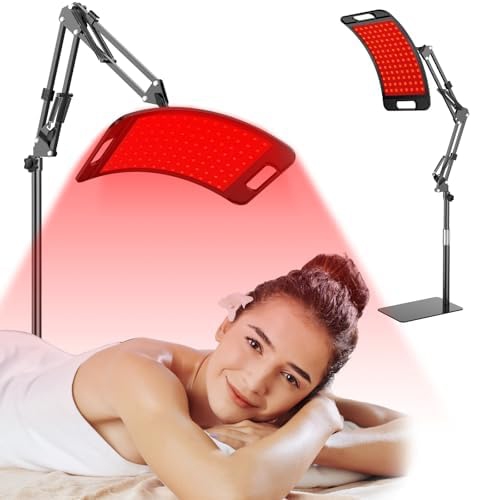
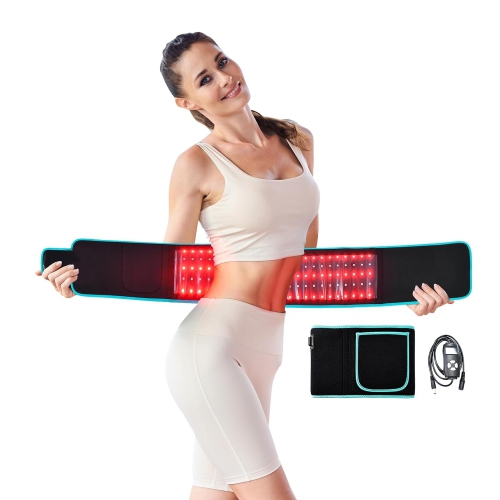
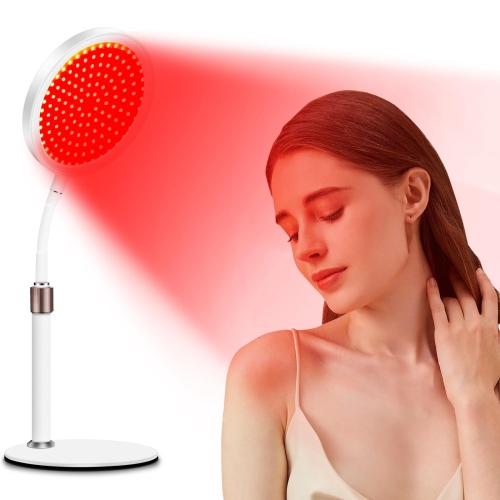
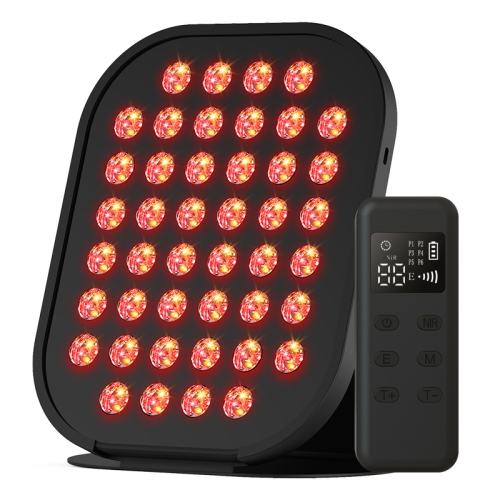
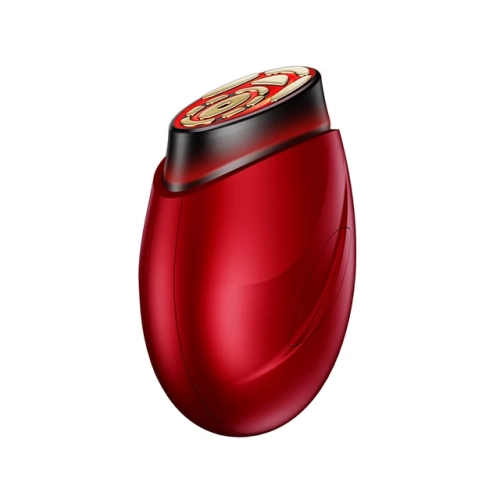
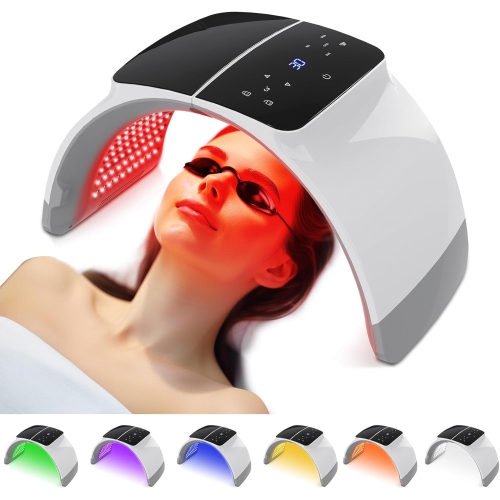
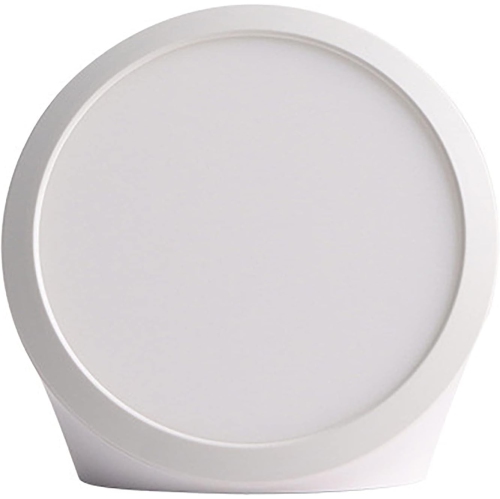
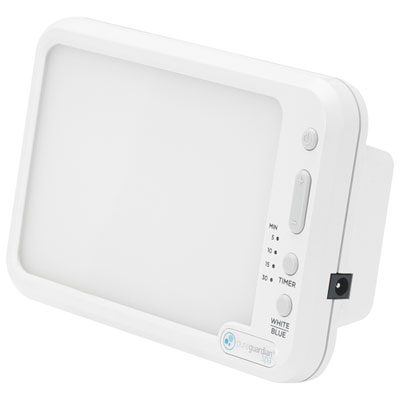
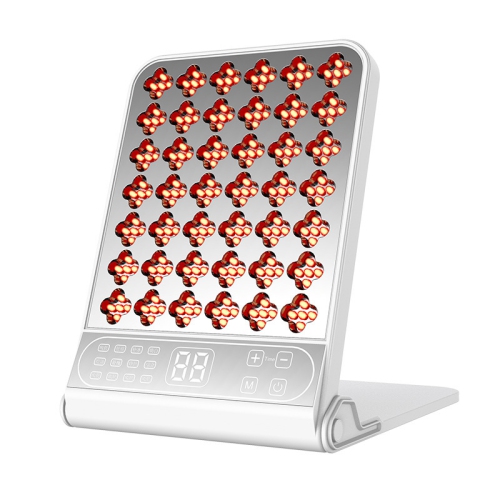
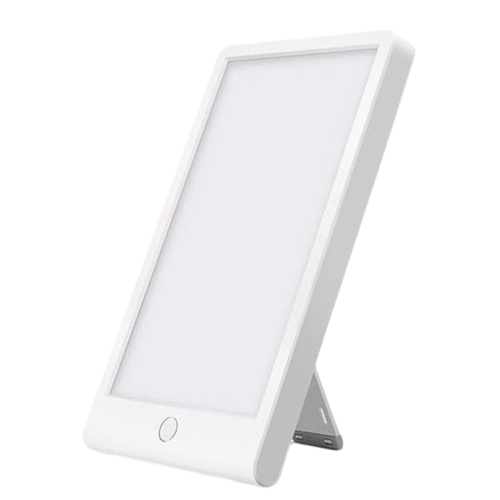
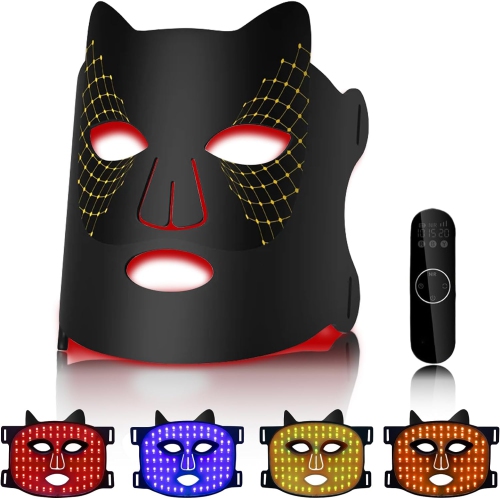
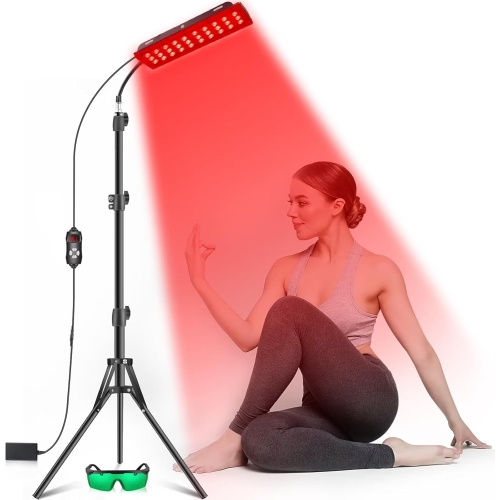
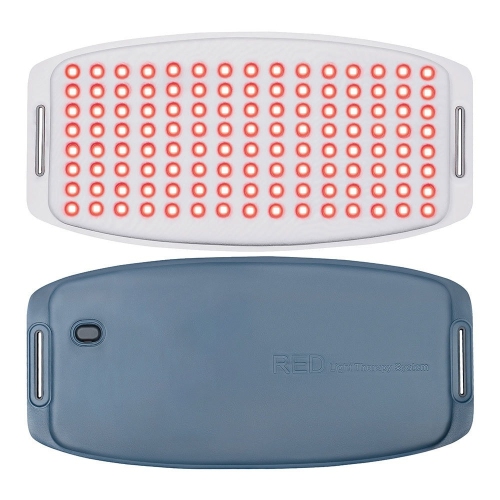
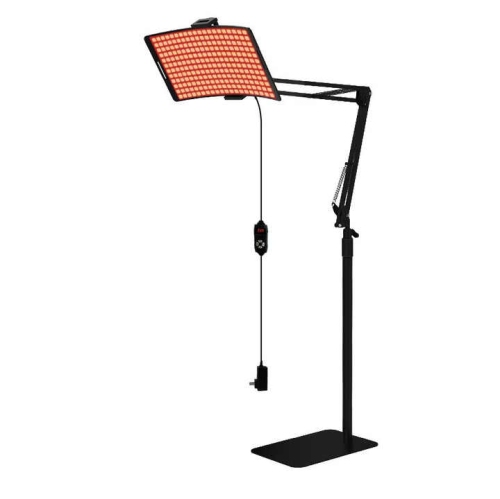
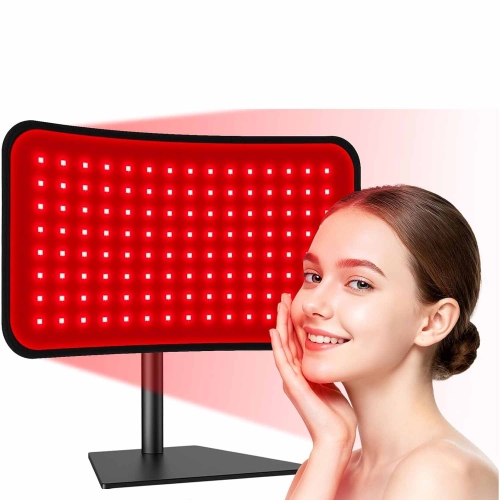
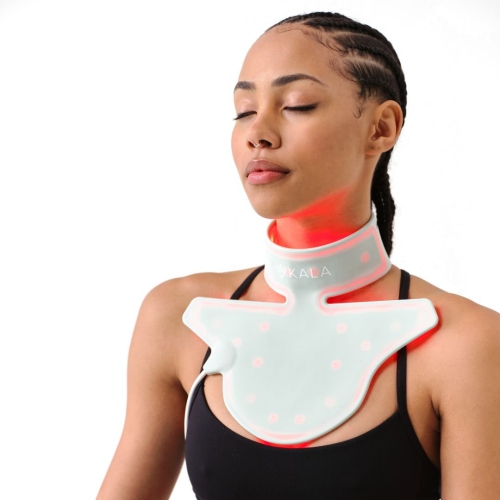
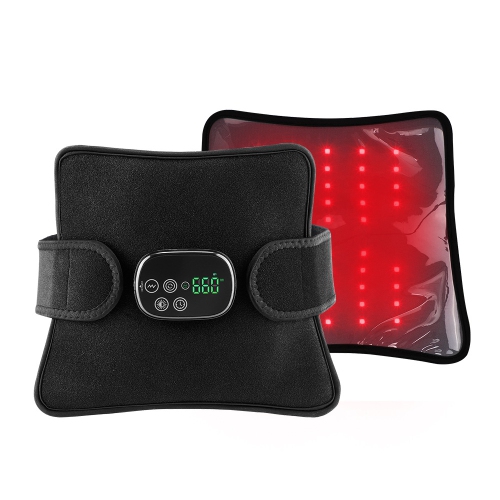
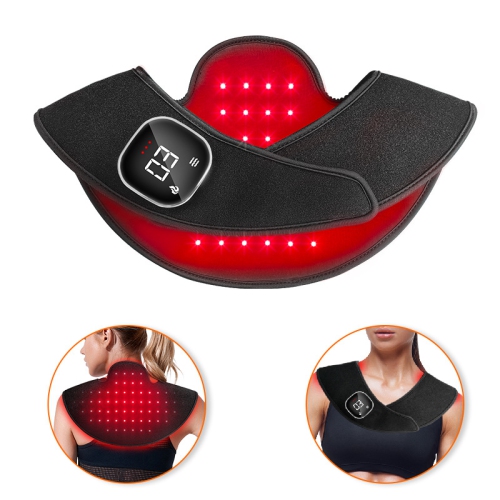
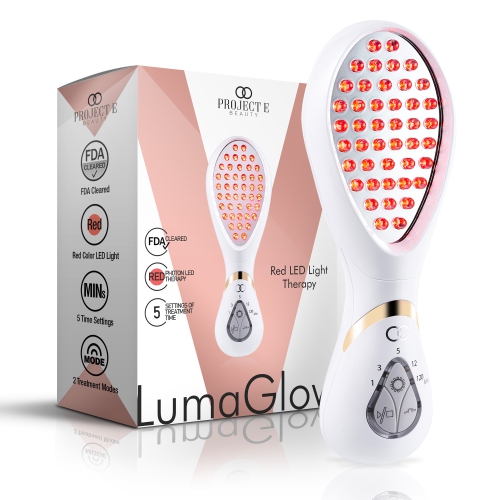
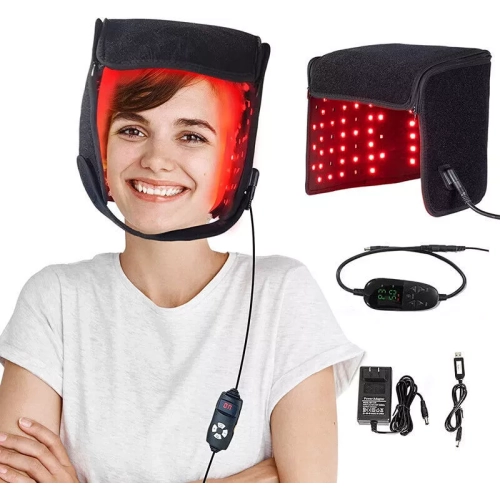
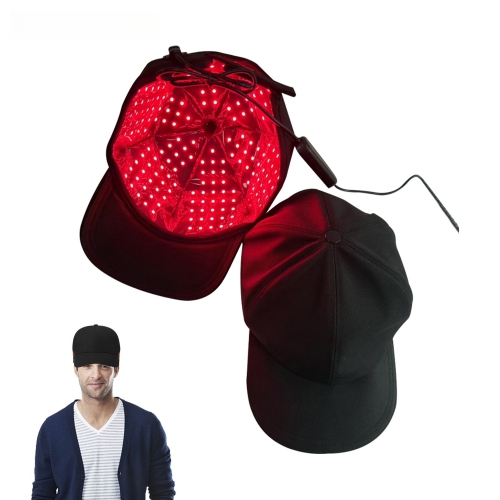
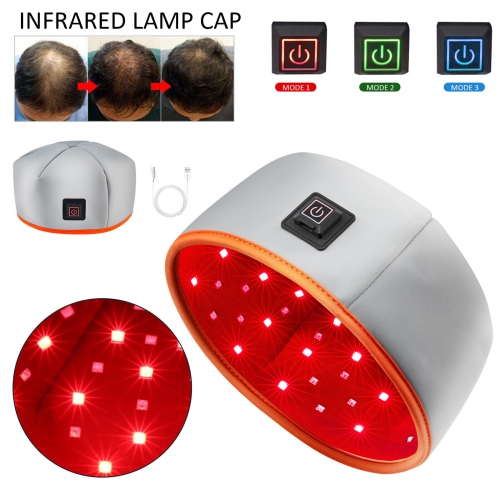
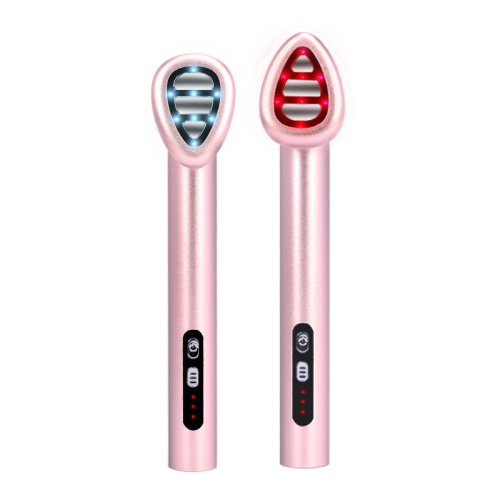
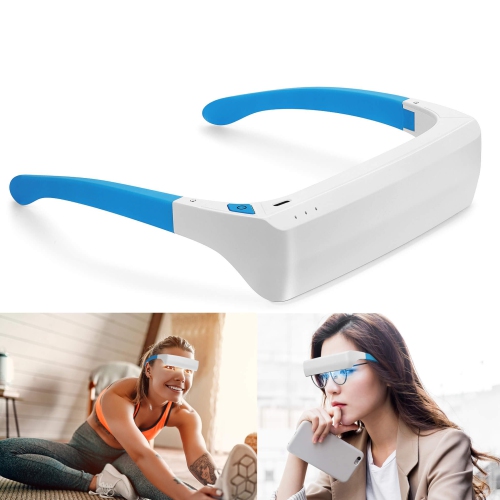
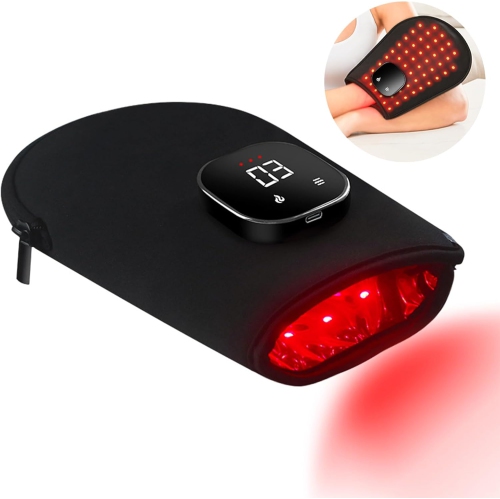
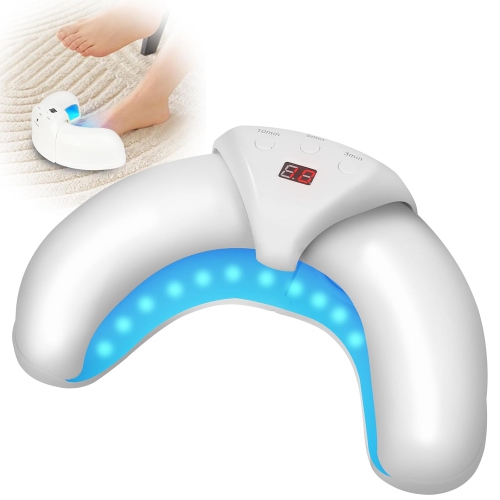
Light therapy machines use controlled light output for a particular purpose, from supporting a facial skincare routine to delivering bright light for certain mood and sleep concerns. The category includes LED face masks, handheld devices, freestanding panels, flexible wraps, and bright light lamps, but these formats are not interchangeable. Their wavelengths, intensity, treatment area, and intended use determine what they are designed to do. Red light devices commonly use wavelengths around 630–660 nanometres and may help improve the appearance of fine lines and skin texture when used as directed. Blue light, often around 415 nanometres in acne-focused devices, targets bacteria associated with acne, although suitability depends on the type of acne and the device’s stated purpose. Near-infrared light is invisible to the human eye and generally penetrates farther into tissue than visible red light; some devices combine these wavelengths for applications involving muscles or joints. Wavelength alone, however, does not establish how effective a machine will be or whether it is appropriate for a particular concern. Bright light therapy lamps work differently: they deliver visible white light to the eyes indirectly and are intended for uses such as managing seasonal affective disorder or adjusting sleep timing under appropriate professional guidance. Their output is usually described in lux rather than by a single treatment wavelength. A lamp rated at 10,000 lux delivers that illuminance only at a specified distance, making placement an important part of its intended use. These lamps should filter ultraviolet light and are not tanning lamps. For shoppers comparing light therapy machines, the most useful distinction is therefore the goal: facial skincare, targeted body treatment, or bright light exposure. Matching the device’s labelled purpose to that goal matters more than choosing the highest number of LEDs, the largest frame, or the greatest number of colour settings.
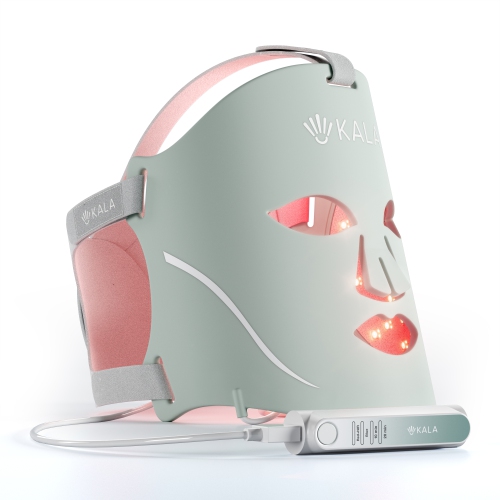
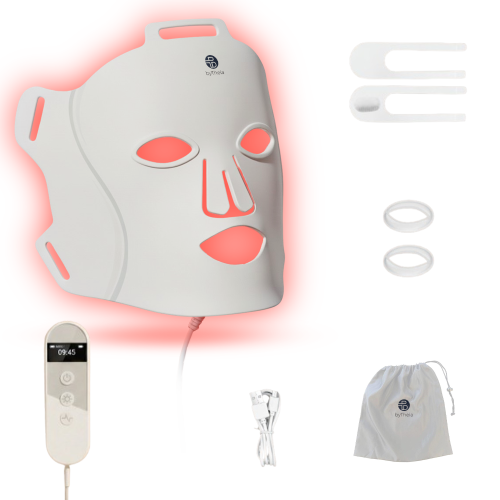
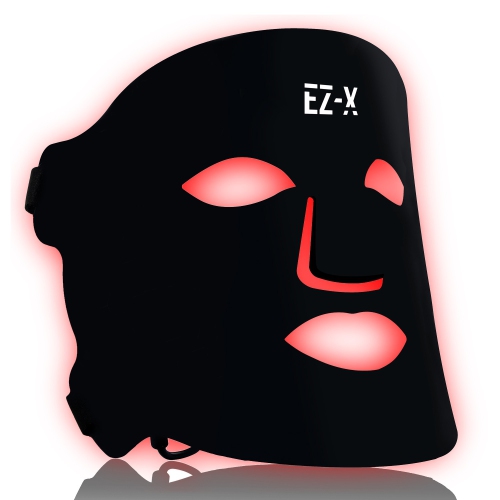
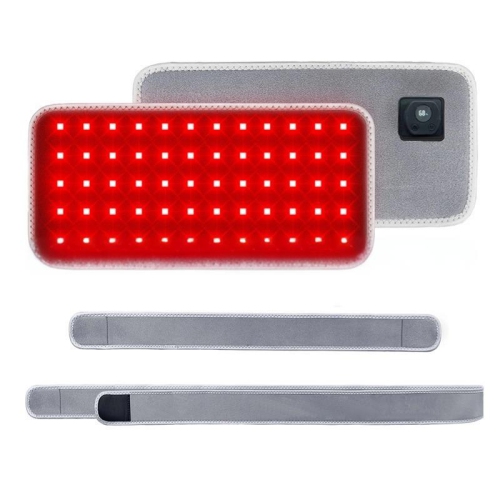
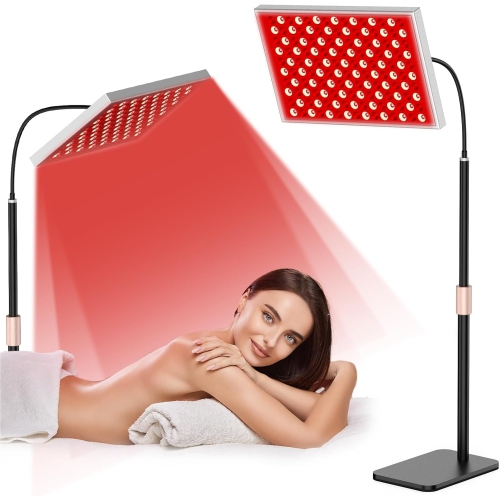
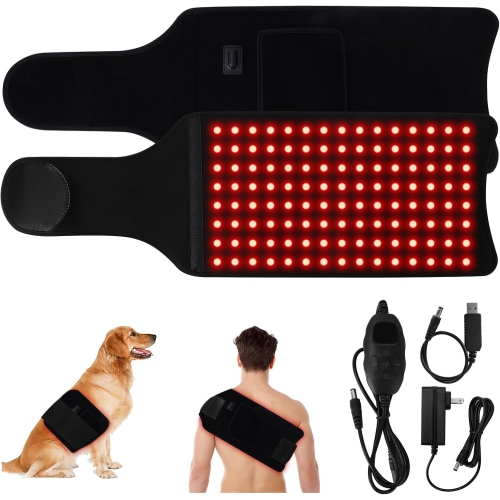
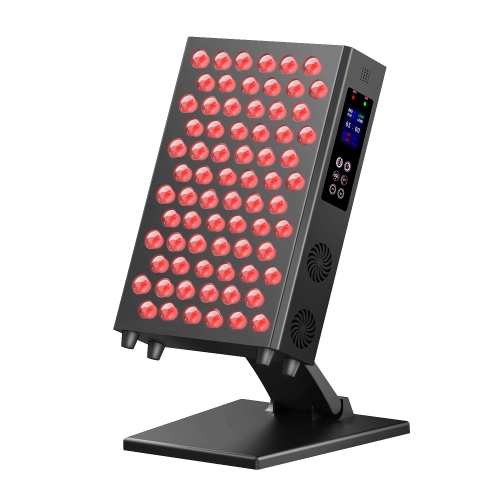
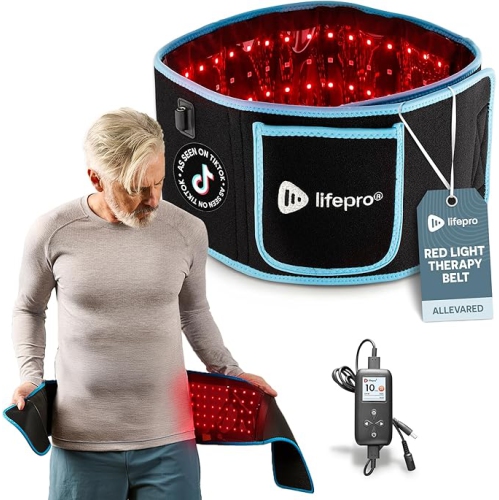
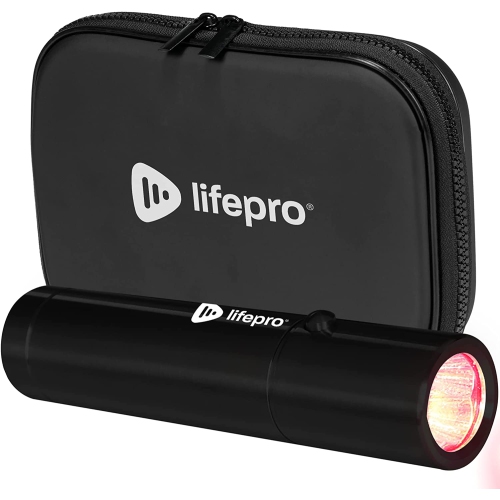
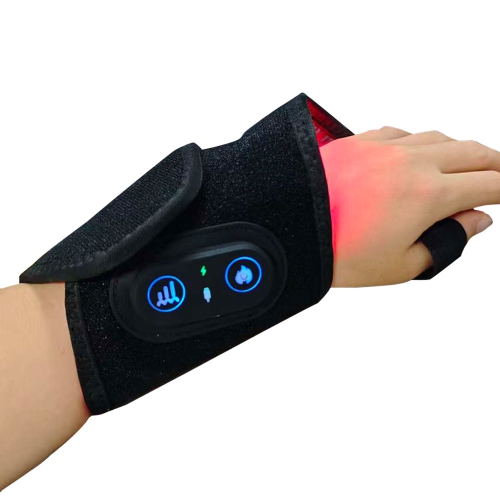
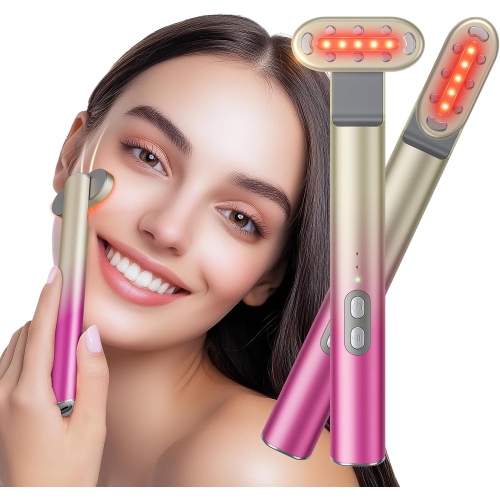
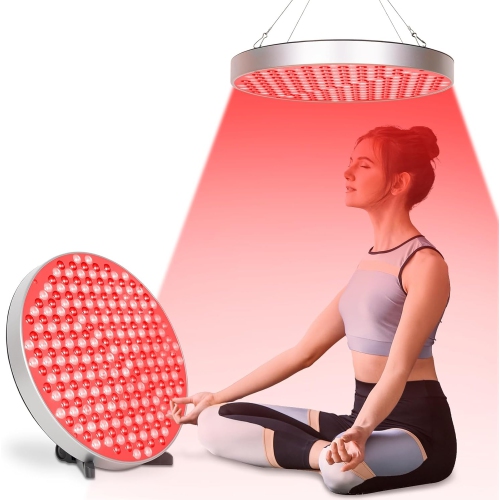
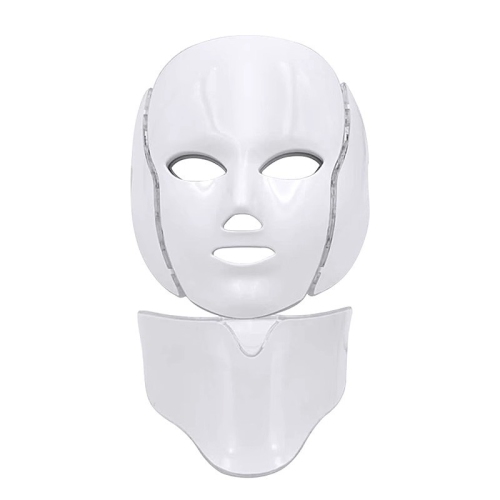
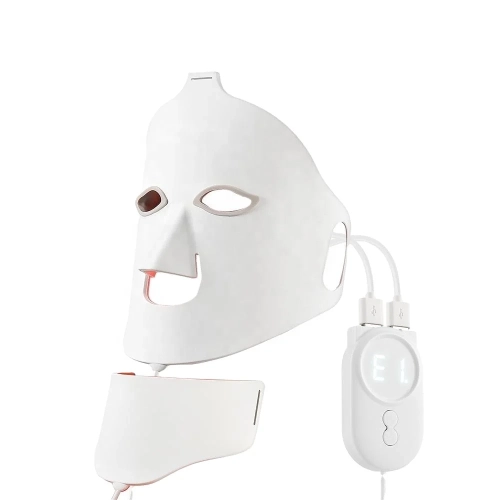
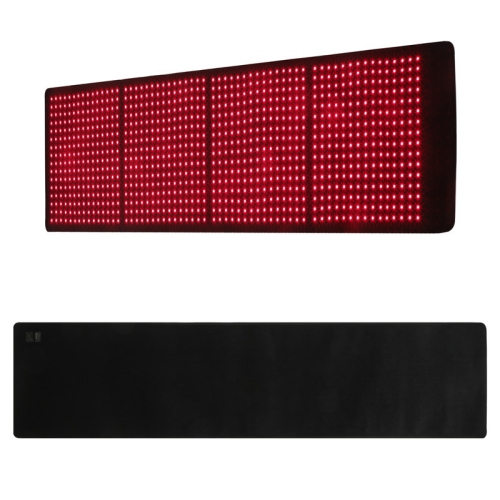
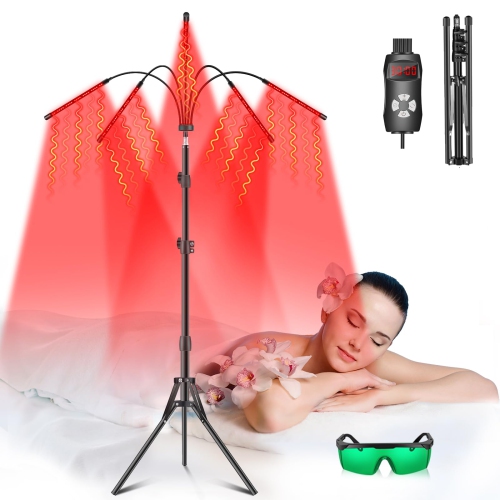
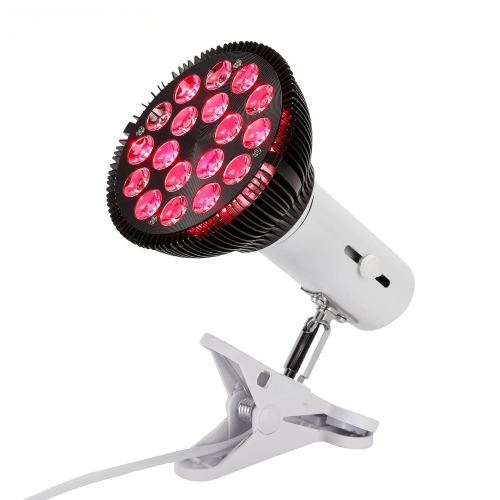
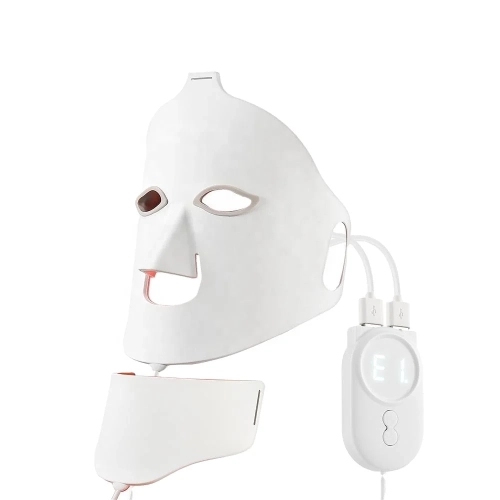
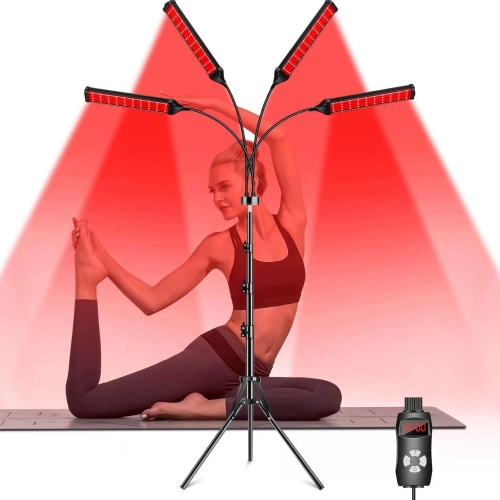
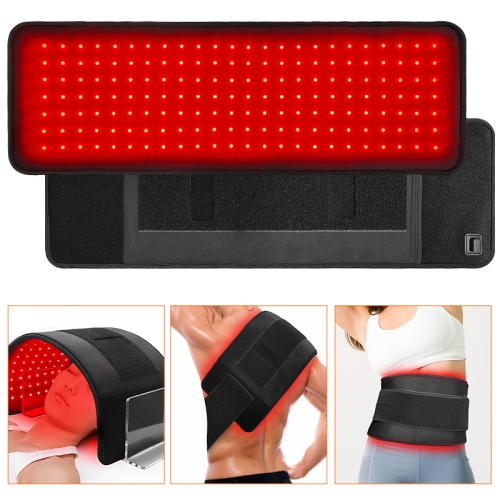
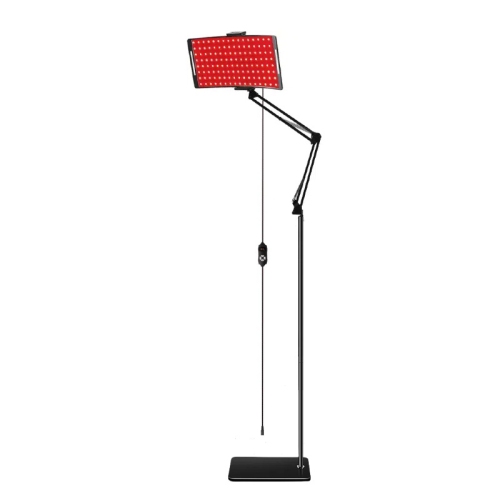
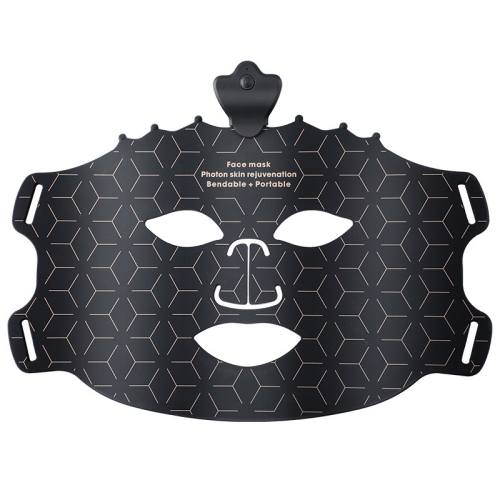
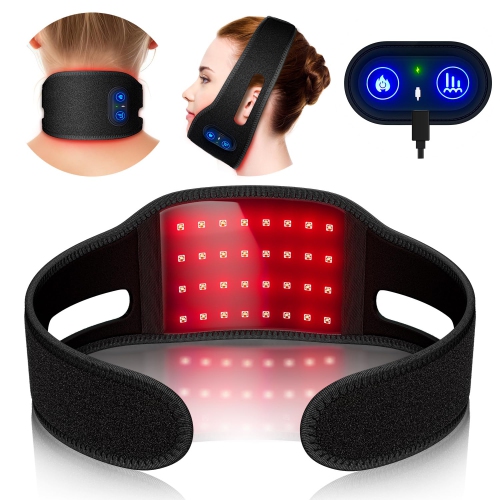
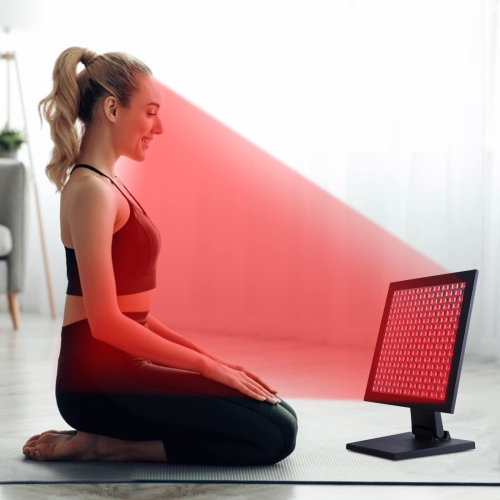
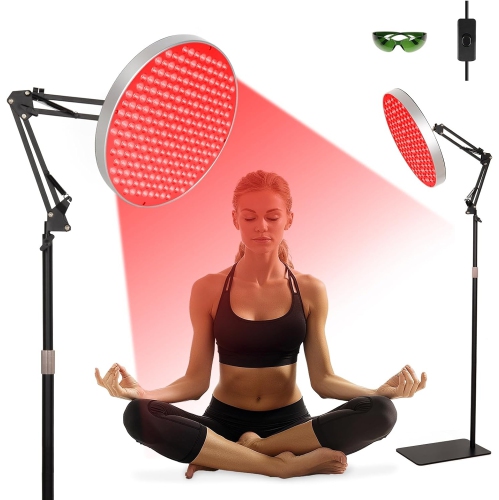
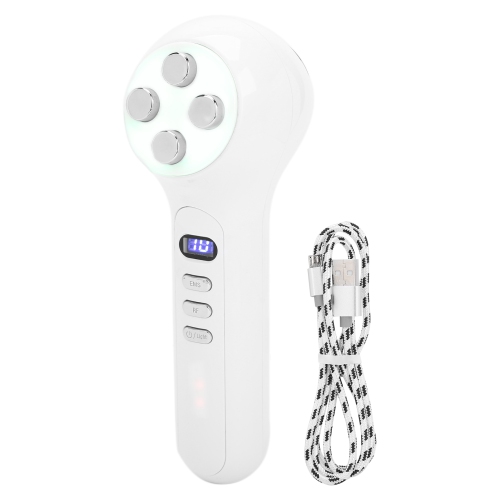
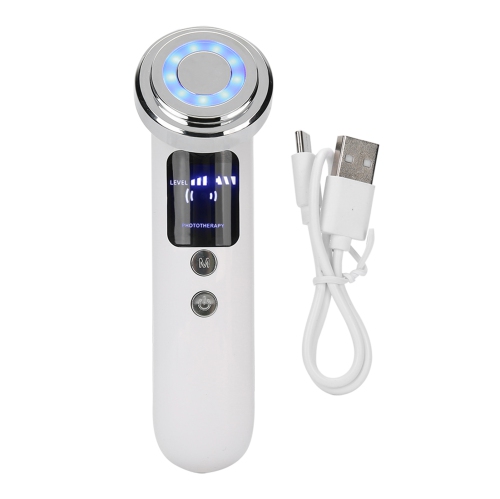
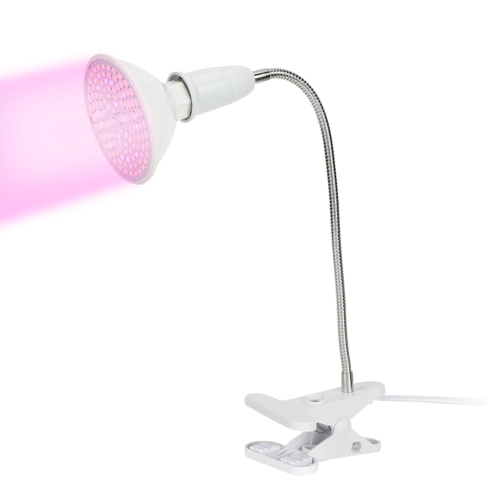
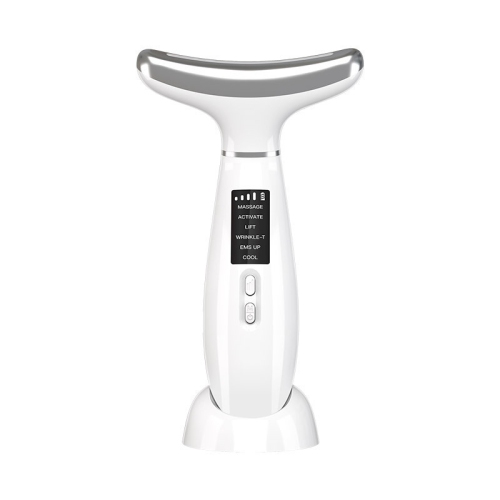
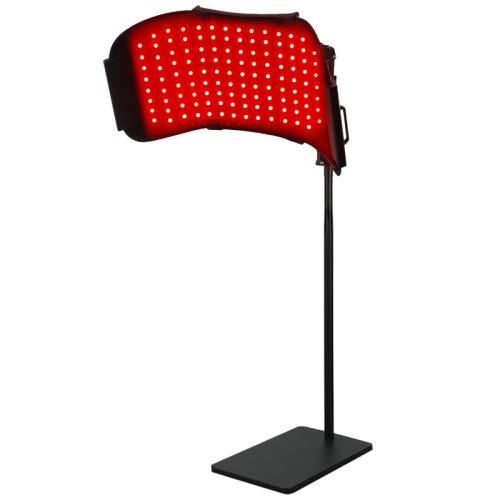
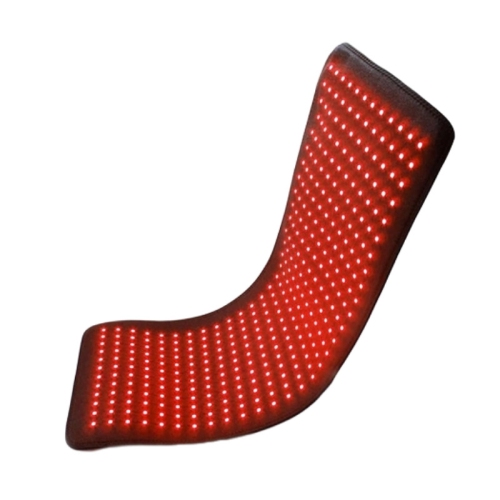
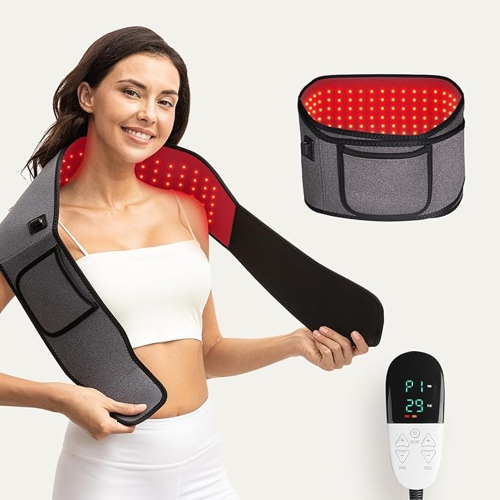
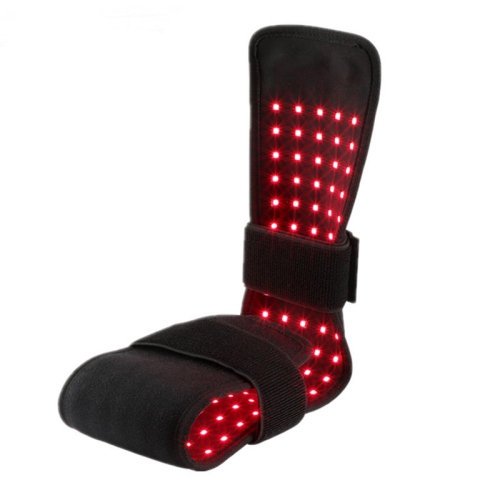
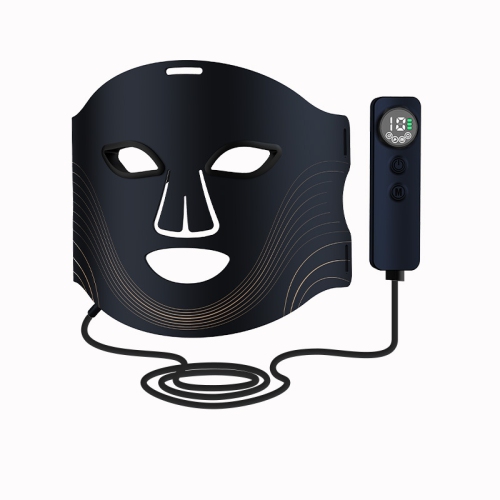
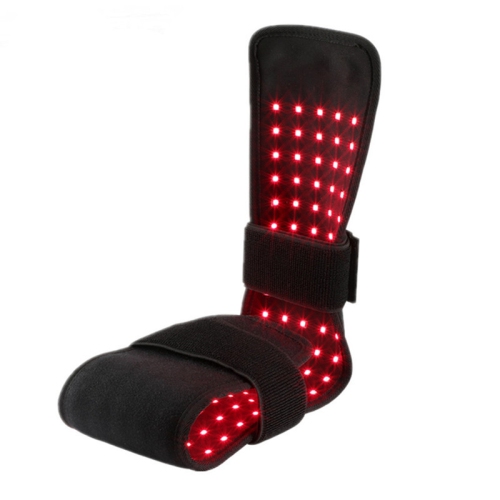
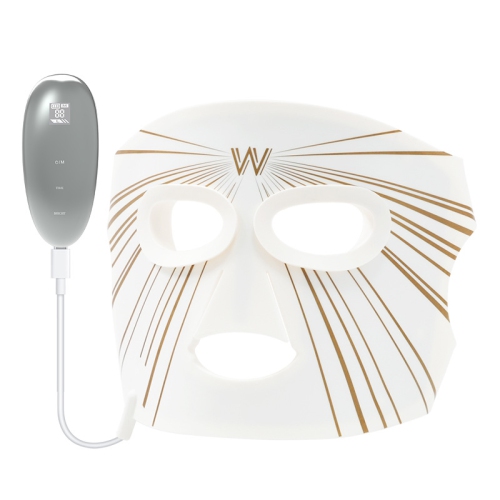
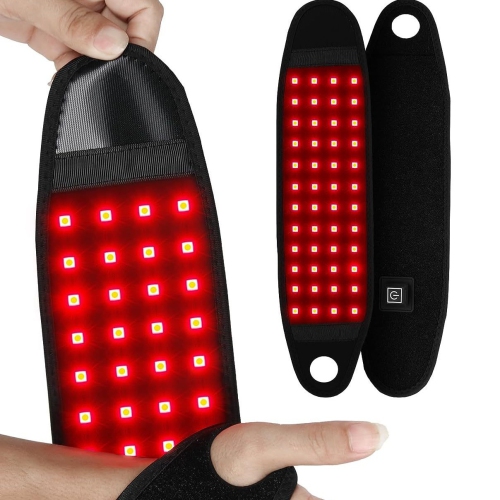
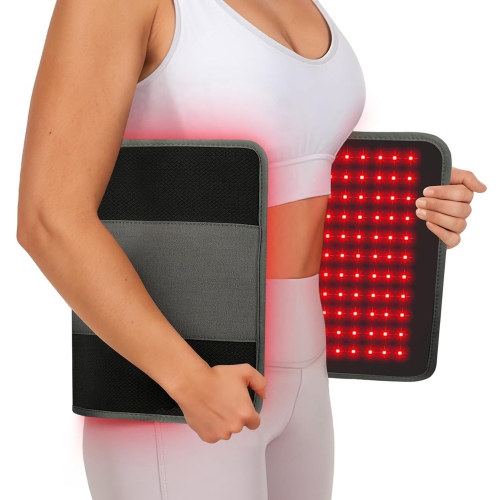
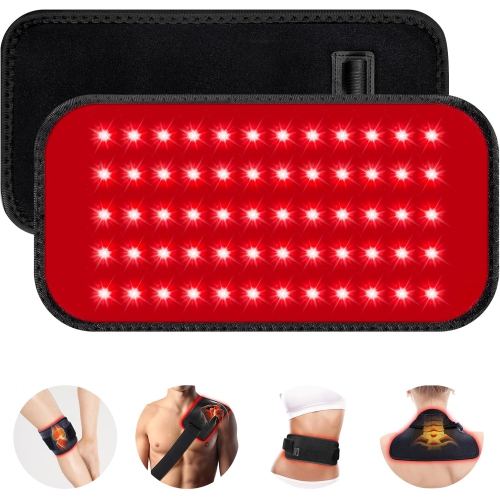
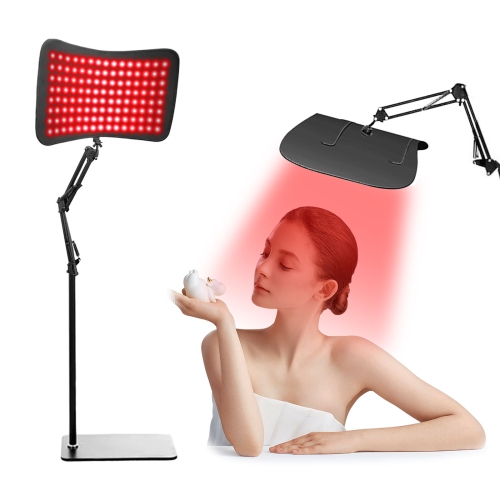
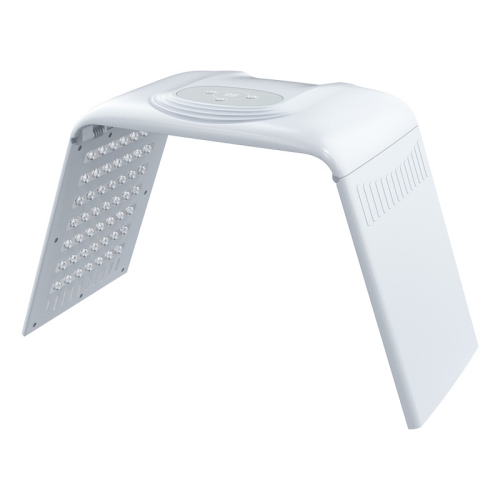
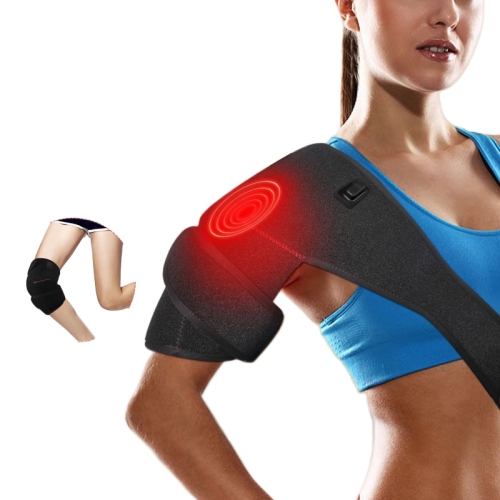
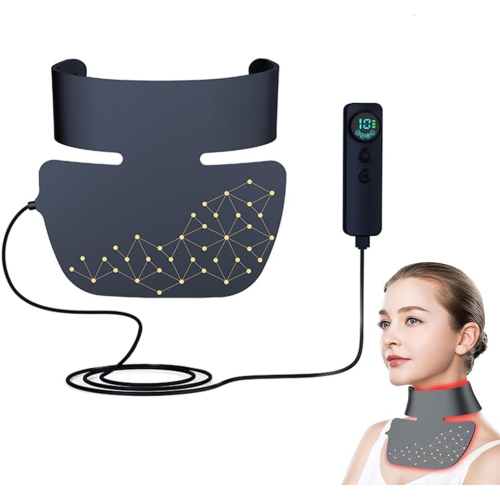
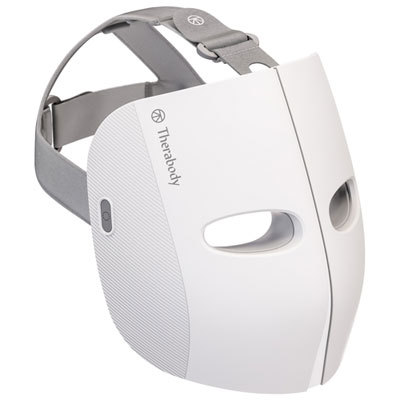
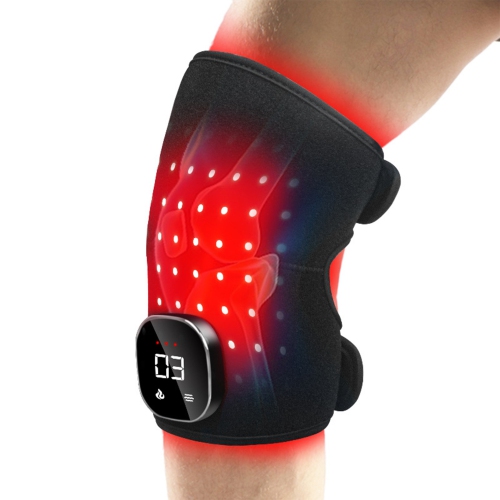
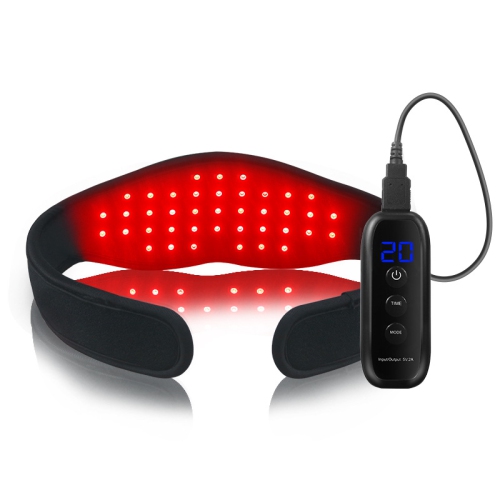
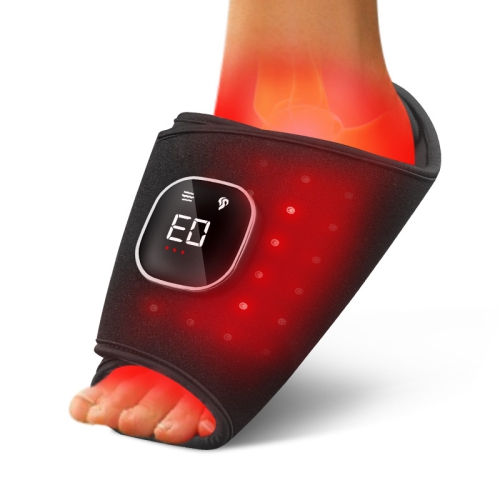
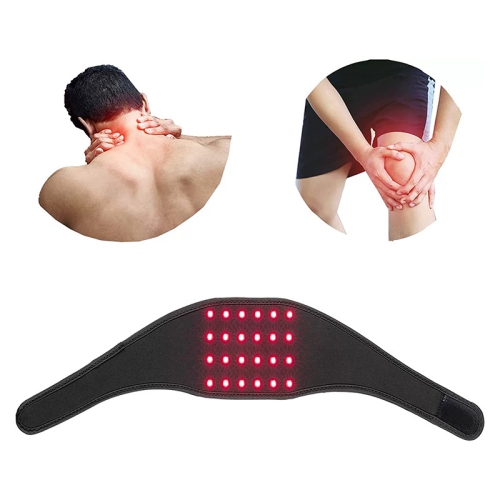
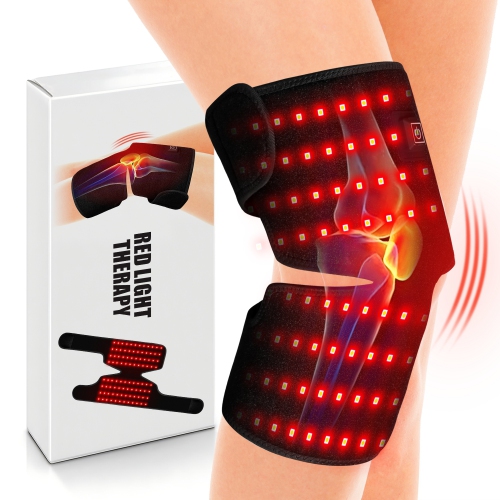
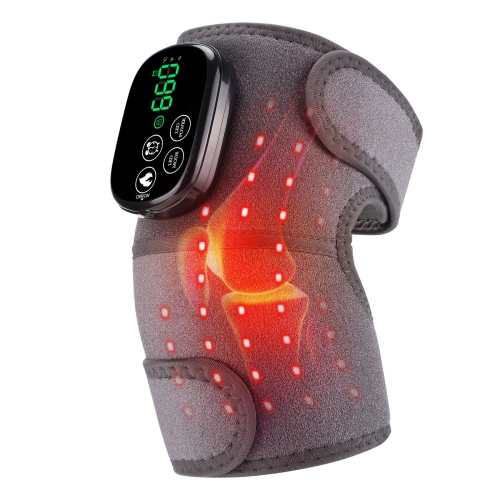
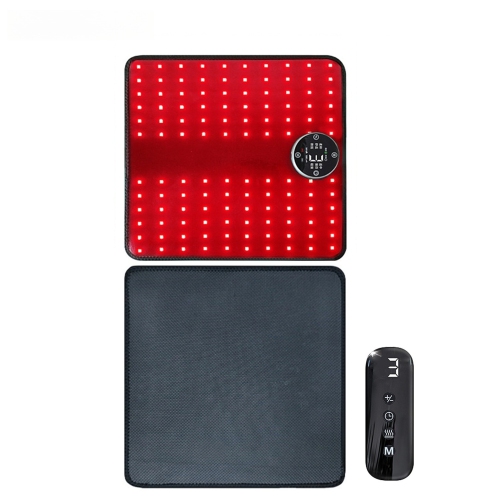
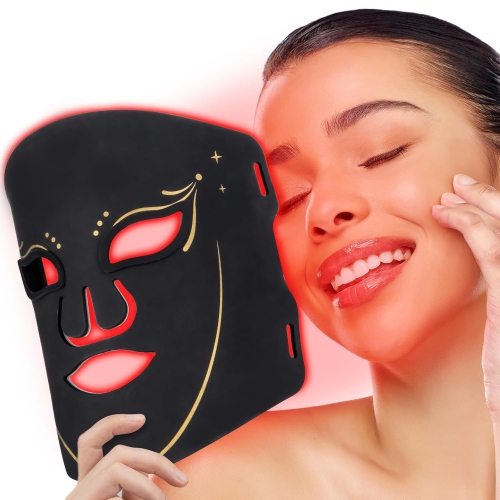
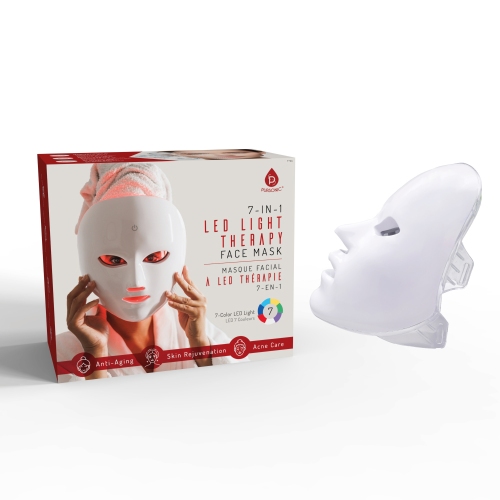
The physical design of a light therapy device makes a noticeable difference to how comfortably it fits into an everyday routine. A facial mask leaves the hands free, while a handheld wand offers more precise placement around a small treatment area but requires attention throughout the session. Shoppers interested specifically in facial coverage can explore Light Therapy Masks for Face, with fit, eye protection, and supported treatment modes in mind. Flexible silicone masks can sit close to facial contours, while rigid designs maintain their shape; neither construction automatically delivers better results. Strap adjustment, overall weight, and the position of openings around the eyes, nose, and mouth help determine comfort. A mask that presses against the bridge of the nose or shifts whenever the wearer moves may be difficult to use consistently. Panels provide a broader treatment area and avoid the need to hold a wand against each small section, but they need sufficient floor, wall, or tabletop space and a stable mounting arrangement. Flexible light therapy wraps can follow the shape of a knee, shoulder, or lower back, provided their dimensions and fastening system suit the area being treated. For bright light lamps, an adjustable stand can make it easier to position the light beside a breakfast setting or workspace without staring directly into it. Power-cord length, accessible controls, and an easy-to-read timer also influence daily convenience. Technical details deserve the same attention as comfort: wavelength describes the type of light, while irradiance describes the light power reaching a given area. Treatment dose depends on intensity and exposure time together, so a longer session is not necessarily more useful. Distance can also change the amount of light reaching the treatment area. Clear specifications should identify the conditions under which output was measured, along with the treatment distance and schedule. A built-in timer or automatic shut-off can support the prescribed routine, but neither replaces following the manufacturer’s instructions.
Materials, cleaning requirements, and construction quality are especially important for devices used repeatedly against the skin. Smooth surfaces that can be wiped according to the care instructions are generally easier to maintain than assemblies with deep seams or fabric sections that cannot be removed. Silicone components, plastic housings, straps, hinges, and electrical connections each have different care requirements; a flexible treatment pad should not be sharply folded unless the manufacturer permits it. Sweat, skincare residue, and household dust can build up on contact surfaces or light windows, so cleaning should follow the specified method, with the device switched off and unplugged where applicable. Electrical parts should never be immersed unless they are expressly designed for it, and removable fabric pieces should be washed only as directed. Allow cleaned surfaces to dry fully before storage or use. A protective case or designated shelf can keep a mask from being compressed, prevent scratches on a light window, and reduce strain on cables. For durability, secure connectors, stable stands, sound strap attachments, and clear warranty terms are more informative than a sleek appearance alone. Treatment expectations also need to stay grounded: results vary with the concern, the device, and consistent use, and there is no universal session length or guaranteed timeline for visible changes. More colours do not necessarily mean more clinically supported uses. Follow the device’s eye-safety instructions, including any requirement for protective eyewear, and do not assume that closing the eyes provides adequate protection. Anyone with an eye condition, a condition that causes light sensitivity, or medication that increases sensitivity to light should consult a healthcare professional before use. Professional advice is also important before bright light therapy for someone with bipolar disorder, since it can trigger mood changes. Persistent pain, significant acne, or ongoing mood and sleep symptoms deserve assessment rather than reliance on a home device alone. With an appropriate intended use, comfortable fit, and manageable care routine, a light therapy machine can have a practical place in personal care without requiring an elaborate setup.
The physical design of a light therapy device makes a noticeable difference to how comfortably it fits into an everyday routine. A facial mask leaves the hands free, while a handheld wand offers more precise placement around a small treatment area but requires attention throughout the session. Shoppers interested specifically in facial coverage can explore Light Therapy Masks for Face, with fit, eye protection, and supported treatment modes in mind. Flexible silicone masks can sit close to facial contours, while rigid designs maintain their shape; neither construction automatically delivers better results. Strap adjustment, overall weight, and the position of openings around the eyes, nose, and mouth help determine comfort. A mask that presses against the bridge of the nose or shifts whenever the wearer moves may be difficult to use consistently. Panels provide a broader treatment area and avoid the need to hold a wand against each small section, but they need sufficient floor, wall, or tabletop space and a stable mounting arrangement. Flexible light therapy wraps can follow the shape of a knee, shoulder, or lower back, provided their dimensions and fastening system suit the area being treated. For bright light lamps, an adjustable stand can make it easier to position the light beside a breakfast setting or workspace without staring directly into it. Power-cord length, accessible controls, and an easy-to-read timer also influence daily convenience. Technical details deserve the same attention as comfort: wavelength describes the type of light, while irradiance describes the light power reaching a given area. Treatment dose depends on intensity and exposure time together, so a longer session is not necessarily more useful. Distance can also change the amount of light reaching the treatment area. Clear specifications should identify the conditions under which output was measured, along with the treatment distance and schedule. A built-in timer or automatic shut-off can support the prescribed routine, but neither replaces following the manufacturer’s instructions.
Materials, cleaning requirements, and construction quality are especially important for devices used repeatedly against the skin. Smooth surfaces that can be wiped according to the care instructions are generally easier to maintain than assemblies with deep seams or fabric sections that cannot be removed. Silicone components, plastic housings, straps, hinges, and electrical connections each have different care requirements; a flexible treatment pad should not be sharply folded unless the manufacturer permits it. Sweat, skincare residue, and household dust can build up on contact surfaces or light windows, so cleaning should follow the specified method, with the device switched off and unplugged where applicable. Electrical parts should never be immersed unless they are expressly designed for it, and removable fabric pieces should be washed only as directed. Allow cleaned surfaces to dry fully before storage or use. A protective case or designated shelf can keep a mask from being compressed, prevent scratches on a light window, and reduce strain on cables. For durability, secure connectors, stable stands, sound strap attachments, and clear warranty terms are more informative than a sleek appearance alone. Treatment expectations also need to stay grounded: results vary with the concern, the device, and consistent use, and there is no universal session length or guaranteed timeline for visible changes. More colours do not necessarily mean more clinically supported uses. Follow the device’s eye-safety instructions, including any requirement for protective eyewear, and do not assume that closing the eyes provides adequate protection. Anyone with an eye condition, a condition that causes light sensitivity, or medication that increases sensitivity to light should consult a healthcare professional before use. Professional advice is also important before bright light therapy for someone with bipolar disorder, since it can trigger mood changes. Persistent pain, significant acne, or ongoing mood and sleep symptoms deserve assessment rather than reliance on a home device alone. With an appropriate intended use, comfortable fit, and manageable care routine, a light therapy machine can have a practical place in personal care without requiring an elaborate setup.
Top selling and popular products
-
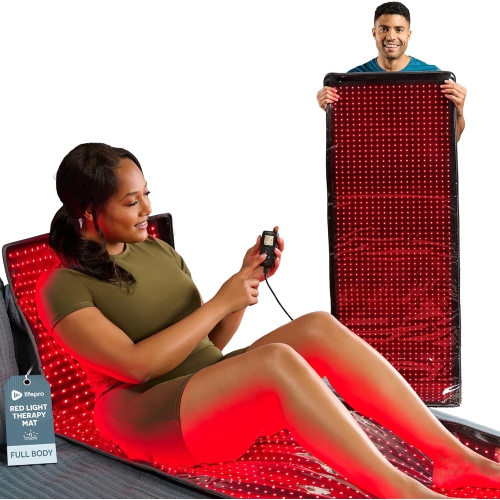 Your price for this item is $749.99
 -
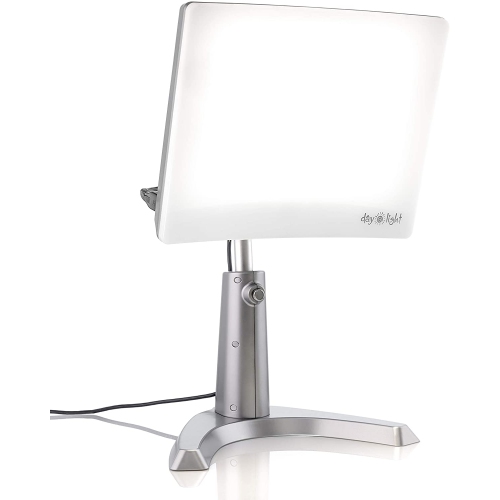 Your price for this item is $194.99
 -
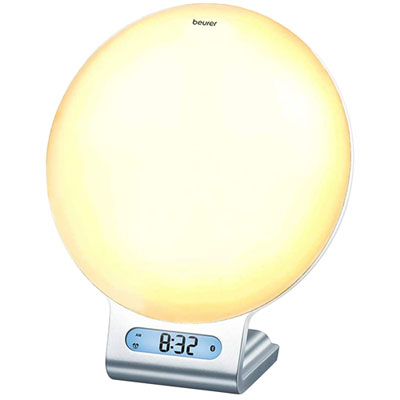 Your price for this item is $179.99
 -
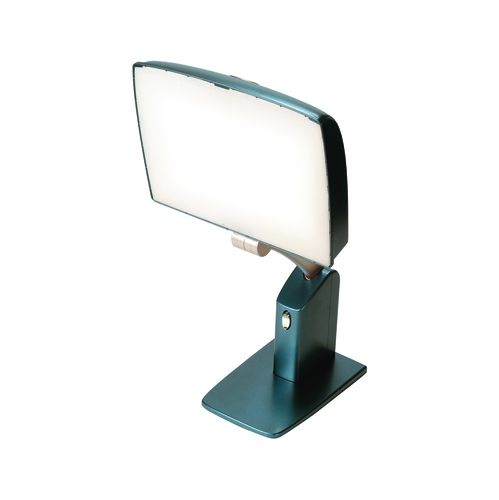 Your price for this item is $399.99
 -
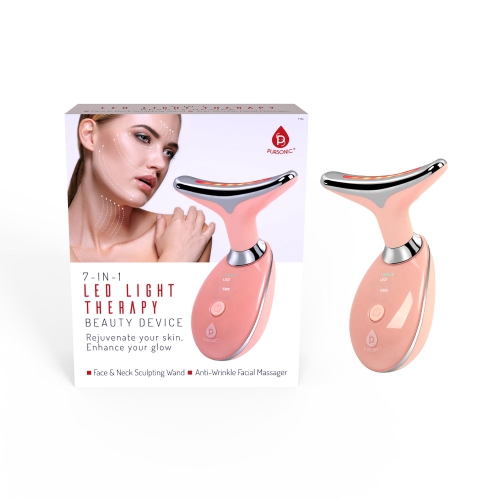 Your price for this item is $54.99
 -
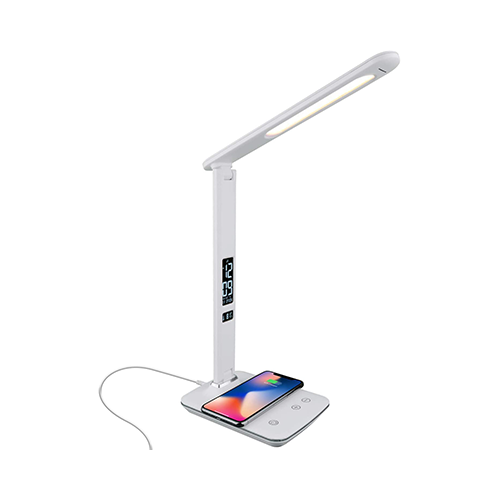 Your price for this item is $72.99
 -
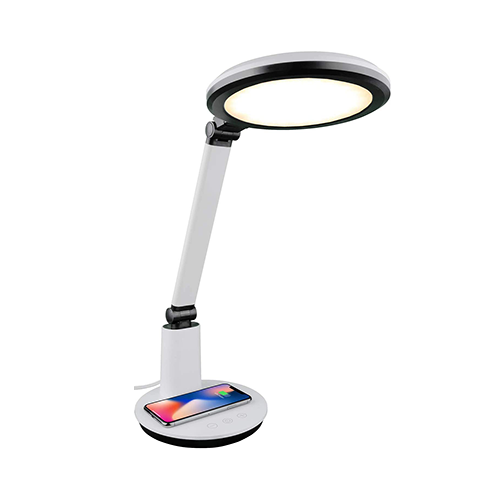 Your price for this item is $109.99
 -
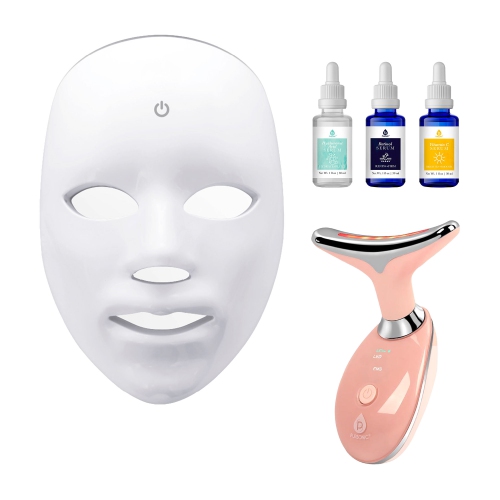 Your price for this item is $149.99
Discover more categories related to Light Therapy Machines
Top Collections:
Pokemon Centers, Kindle Devices, Best Budget Office Chairs, Apple iPhones 16, Canon G7X Cameras, iPhone 15 Apple, Alarm Clock, Refurbished Apple Laptops, Flip Phones, Best Laptops for Writers
Some products may be subject to Environmental Handling Fees
(EHF) depending on your province.
Learn more about EHFs.