Metal Queen Bed Frames
A metal queen bed frame is a sturdy and durable piece of furniture that will last for years. It's also an excellent option for people who want to make their bedroom look more modern or industrial. Here are some great metal queen bed frames available today.
Sort
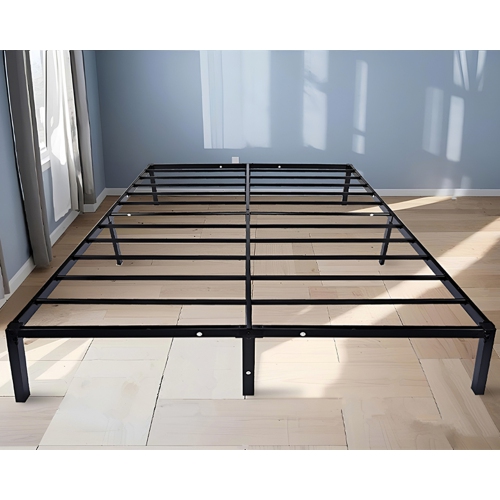
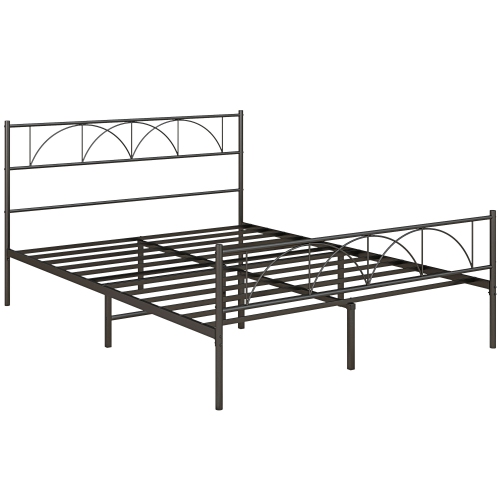
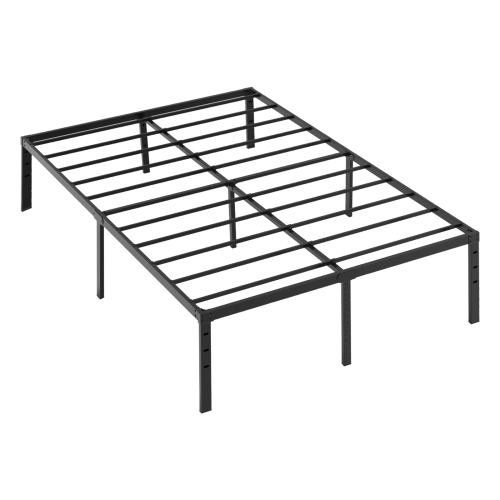
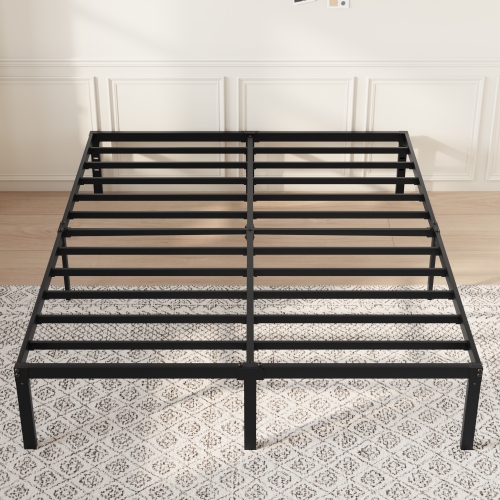
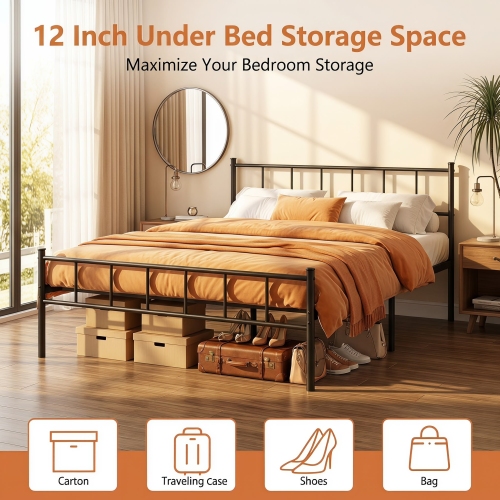
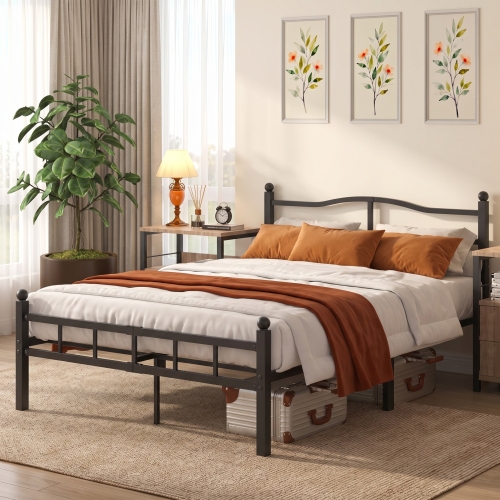
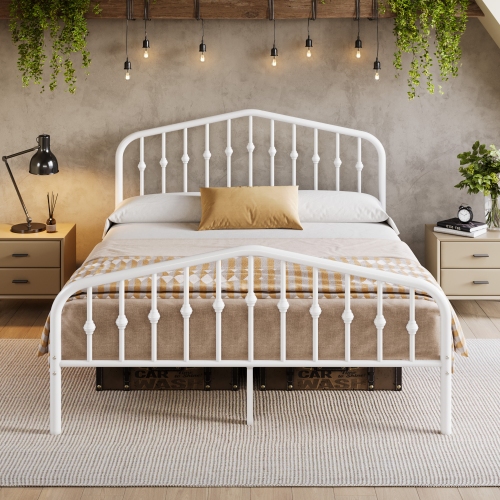
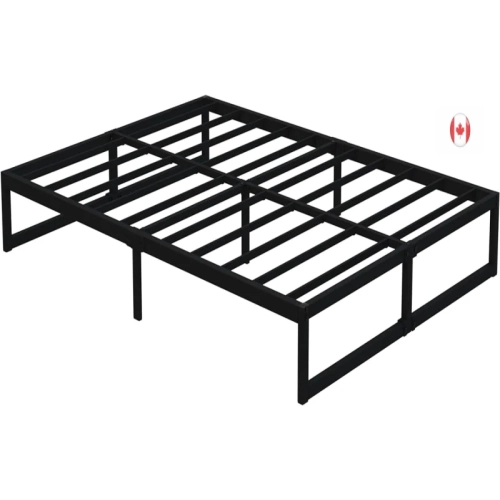



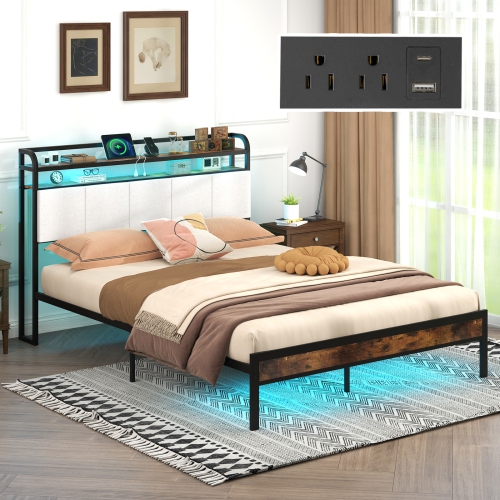
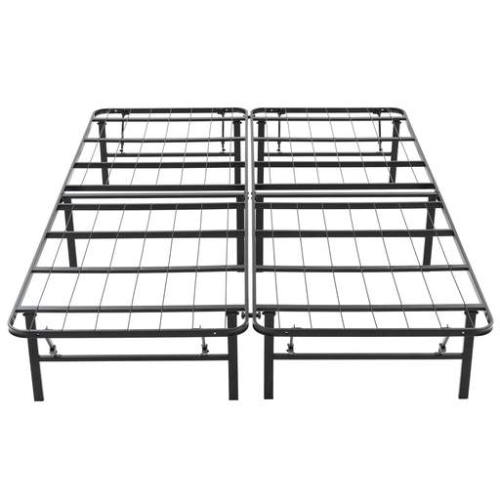
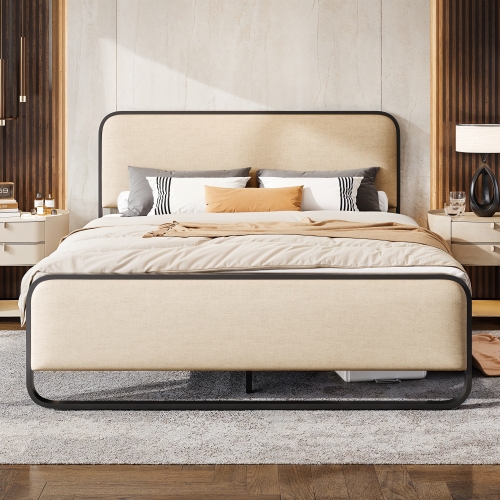

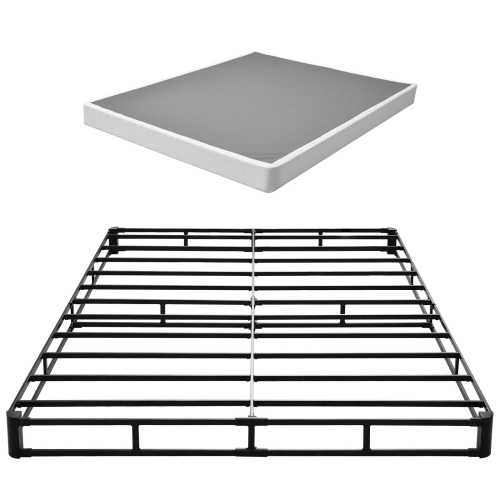


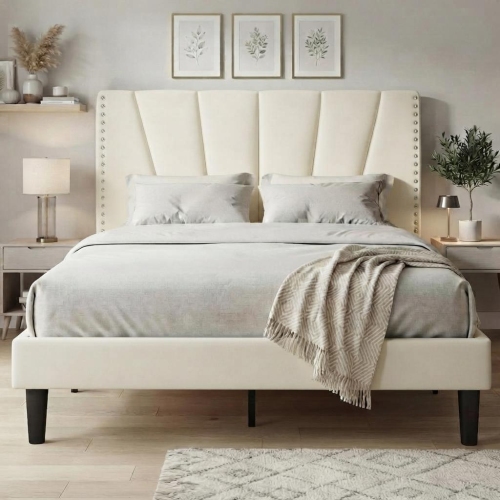
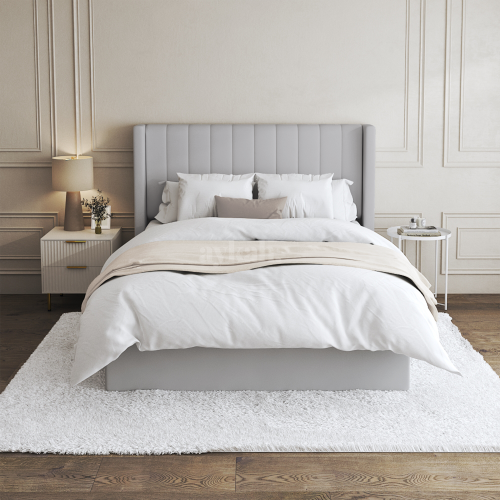
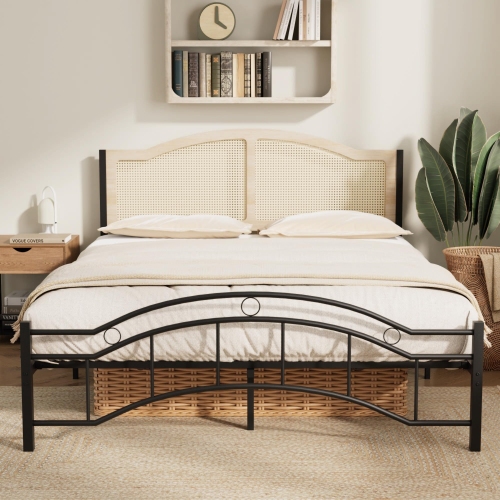
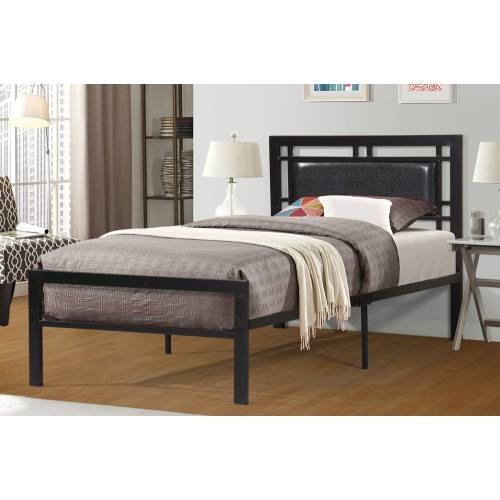


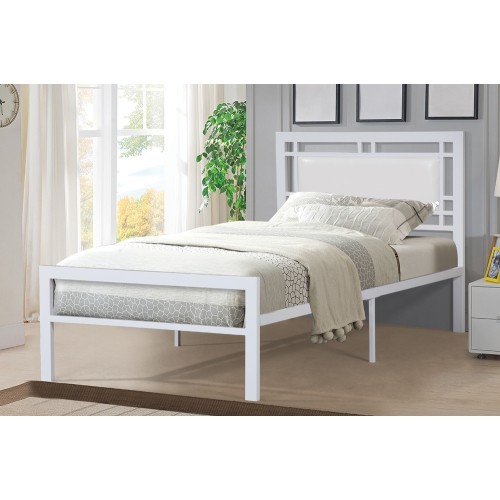
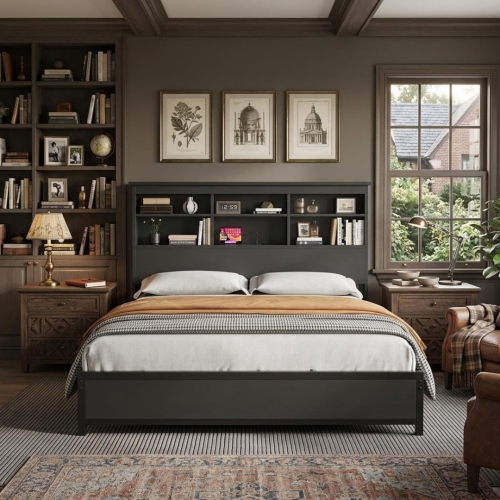
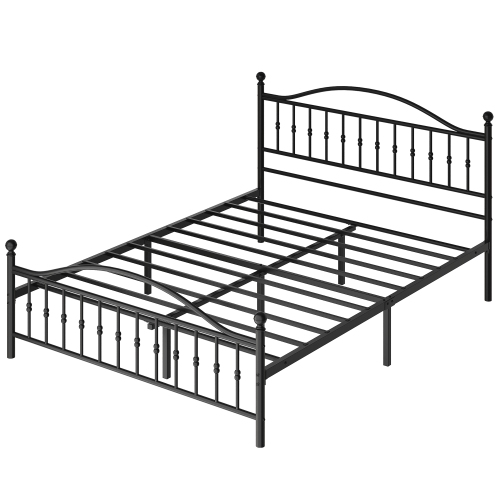
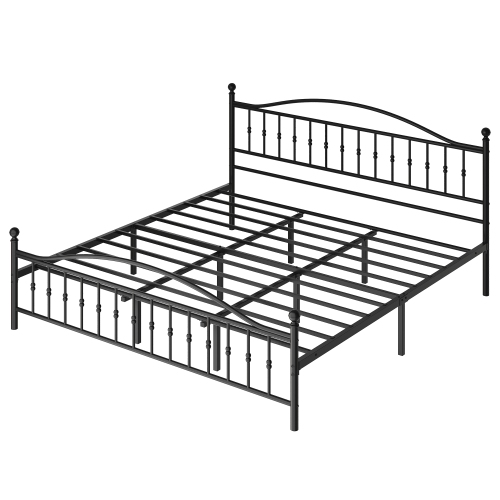
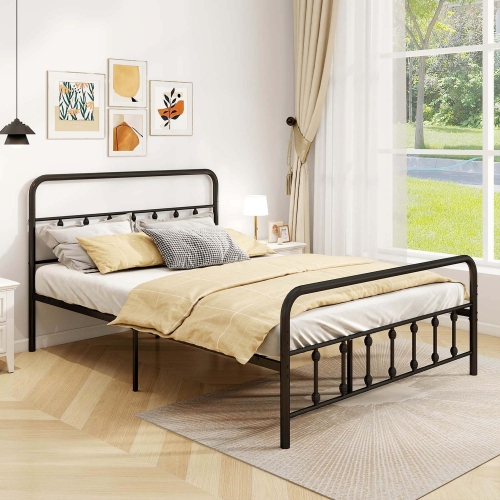
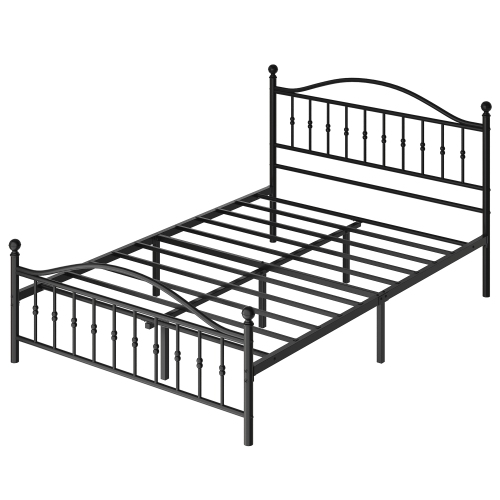
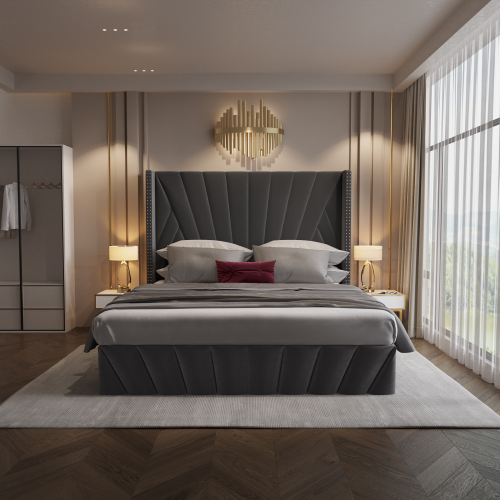
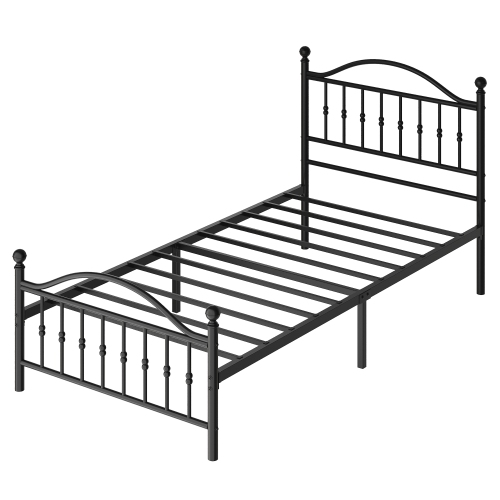
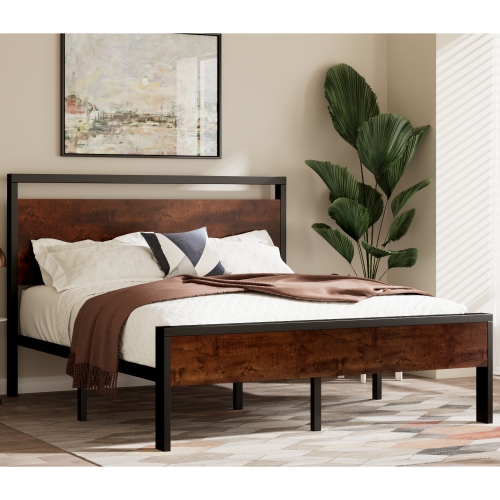
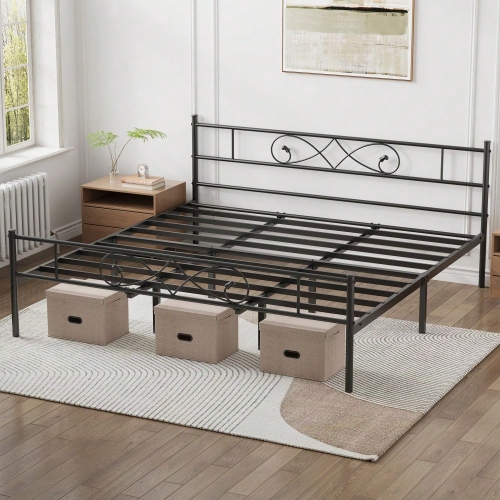
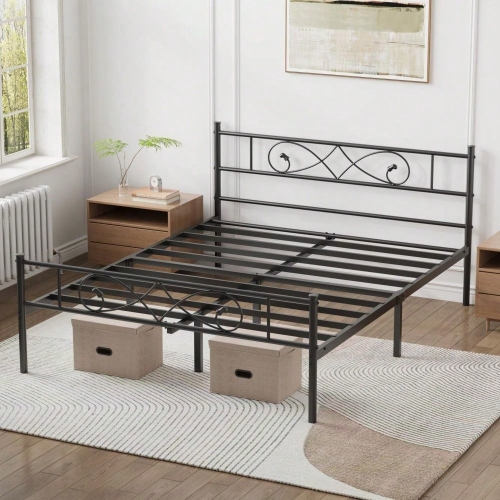
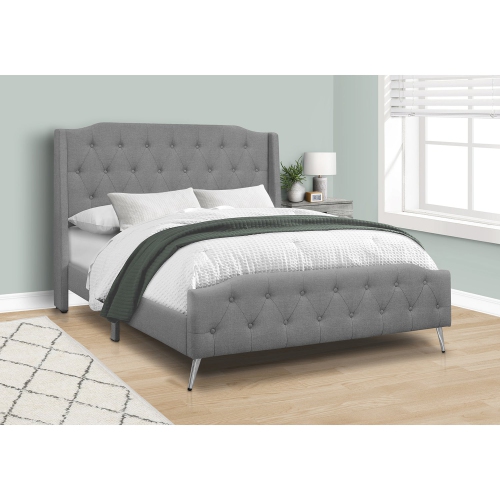

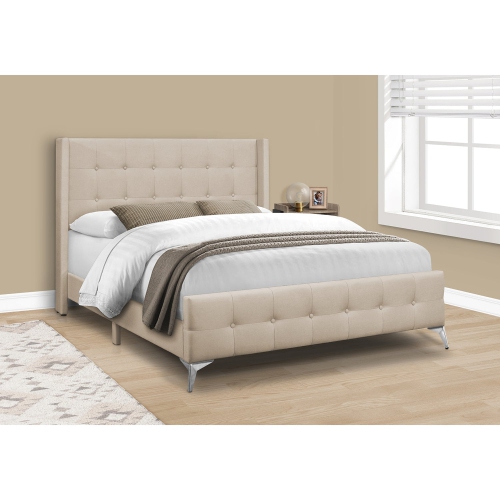
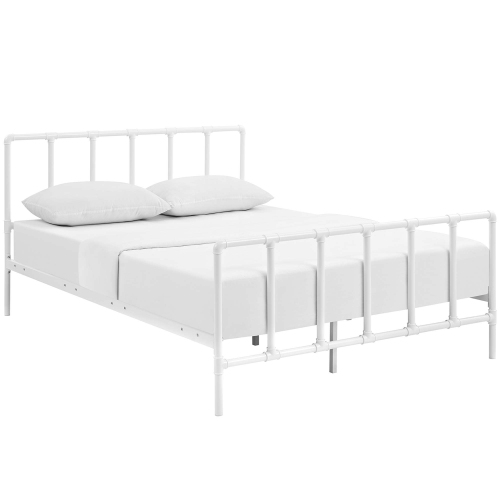
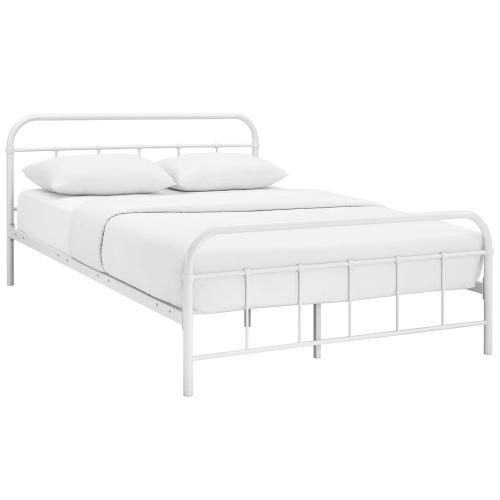
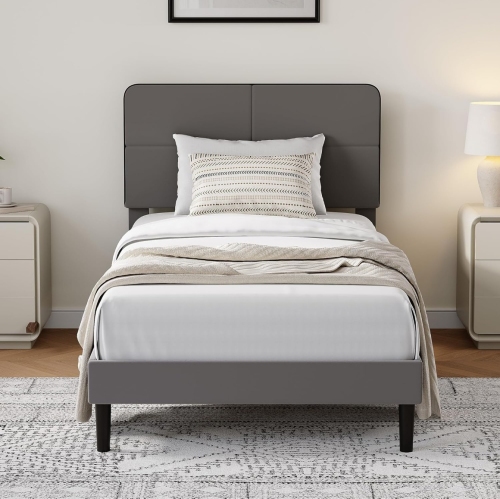
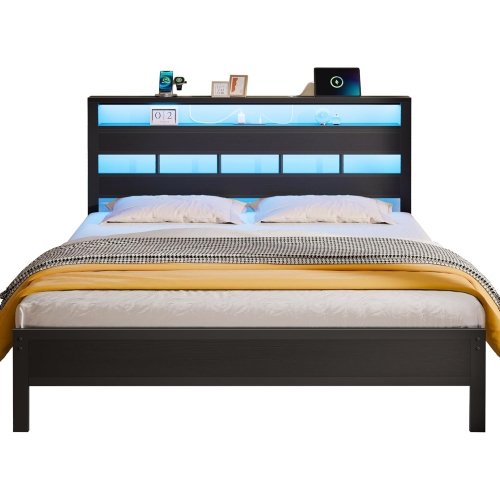
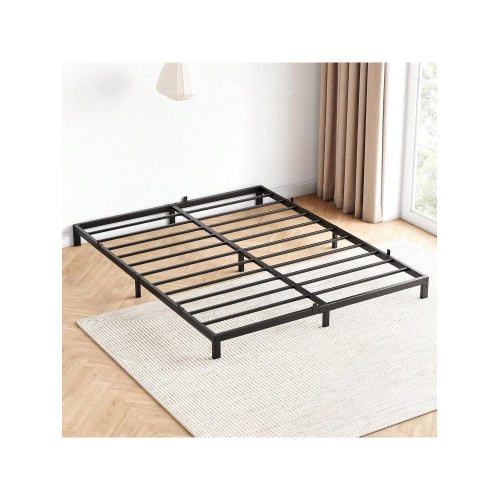
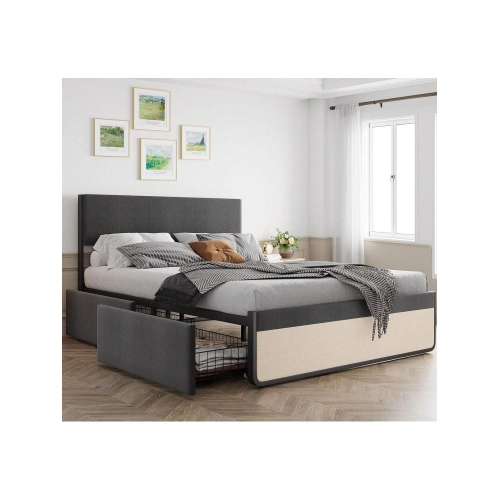
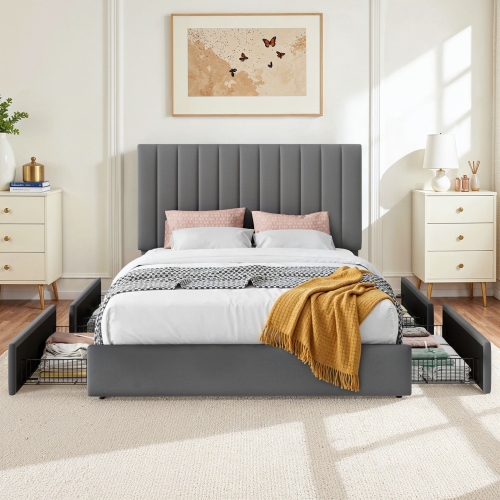
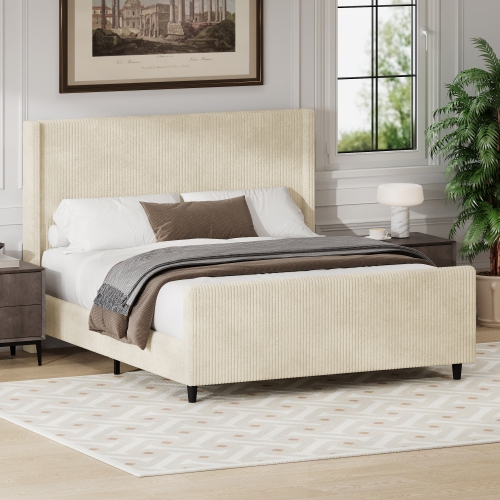
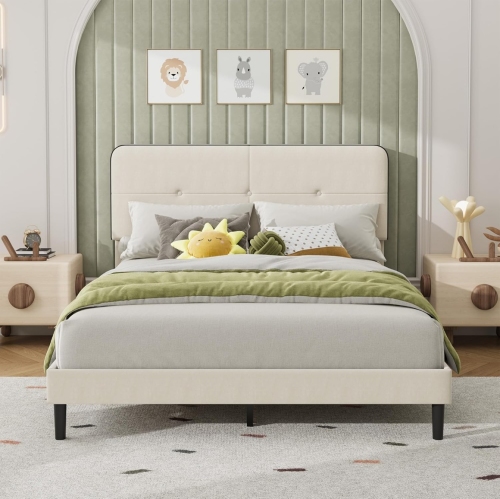
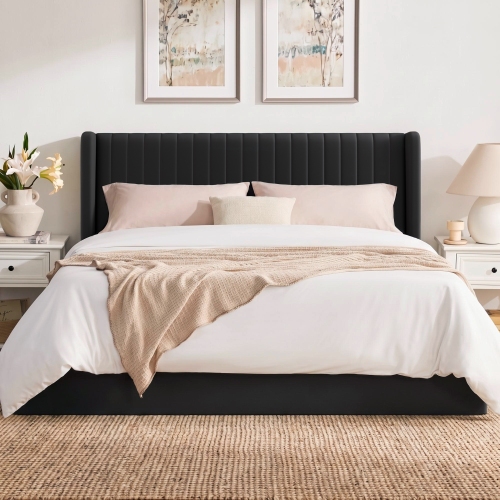
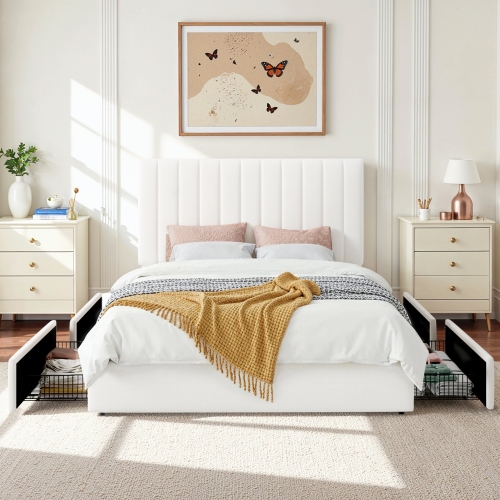
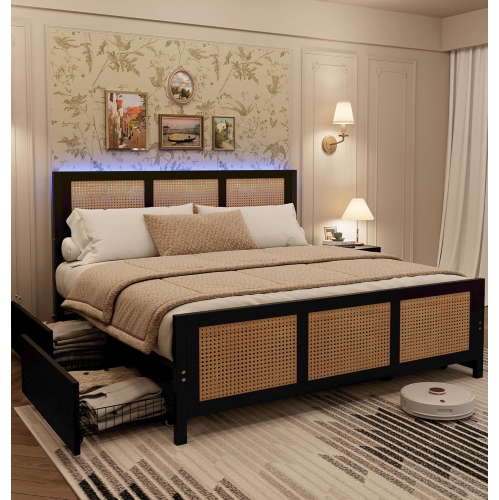
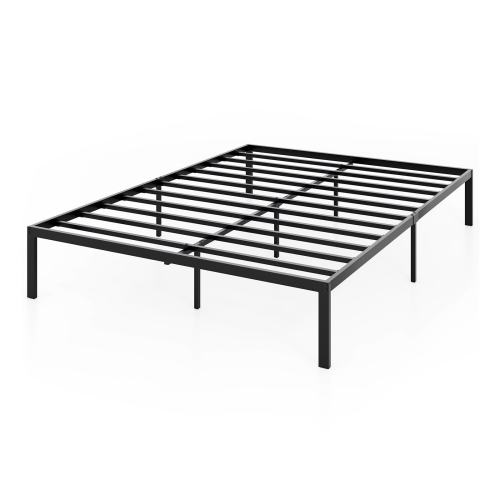
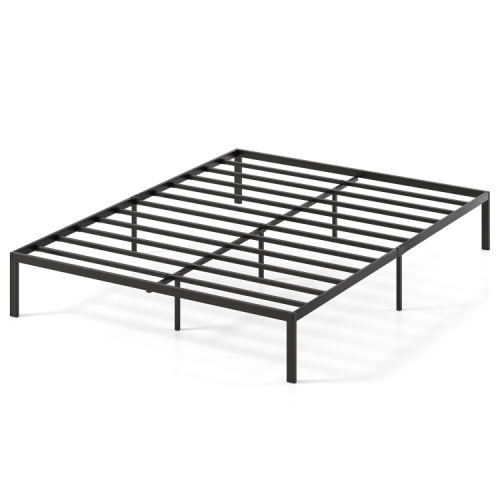
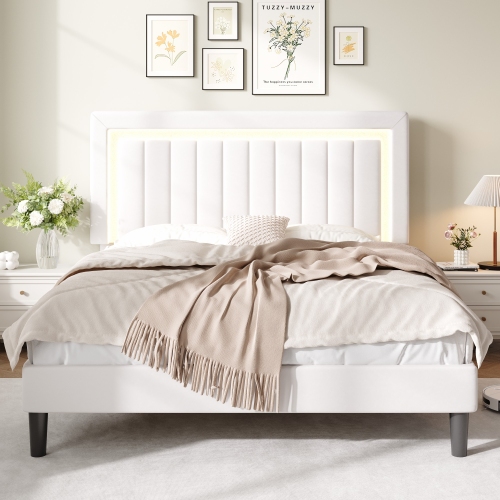
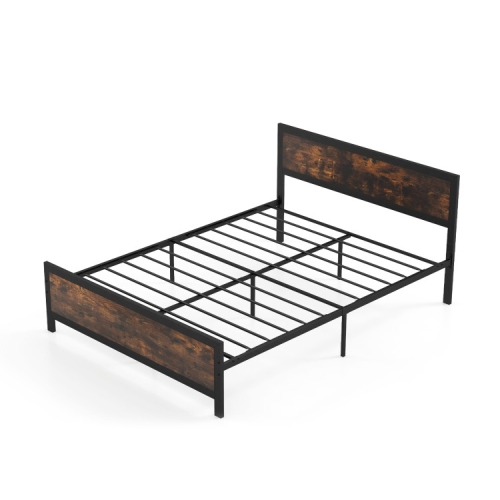
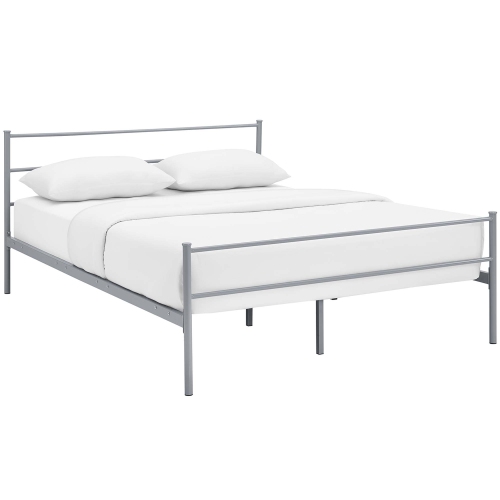
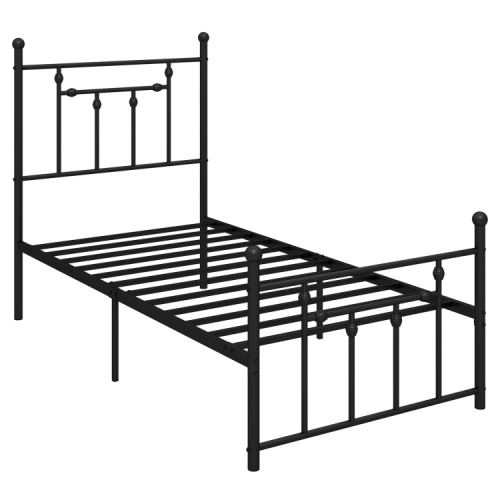
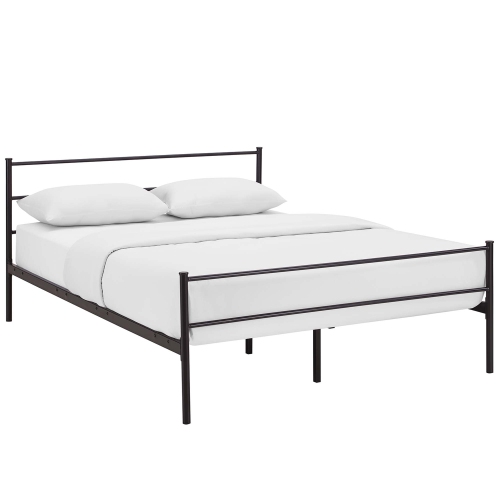
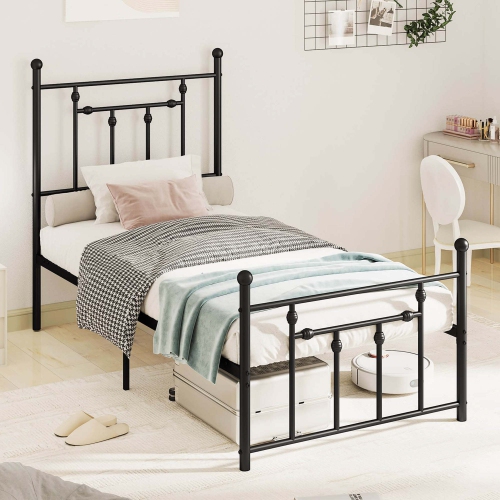

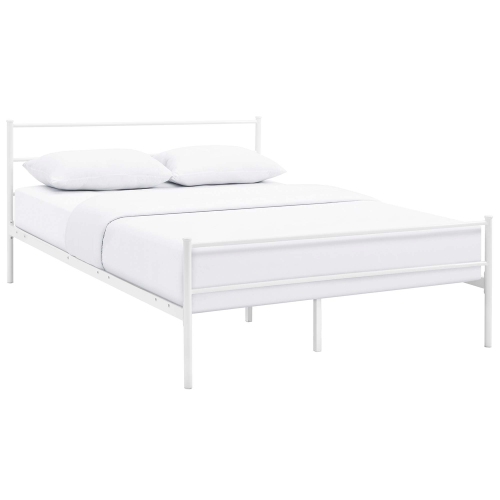
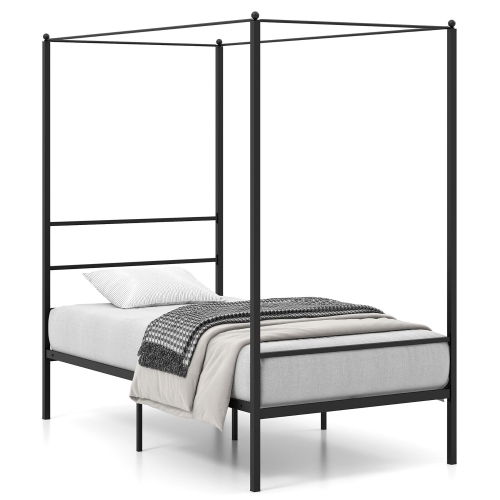
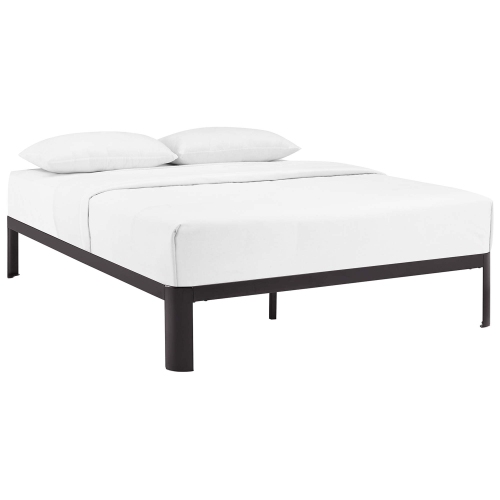
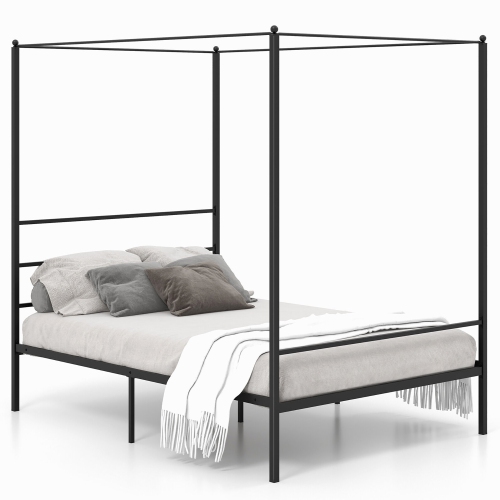
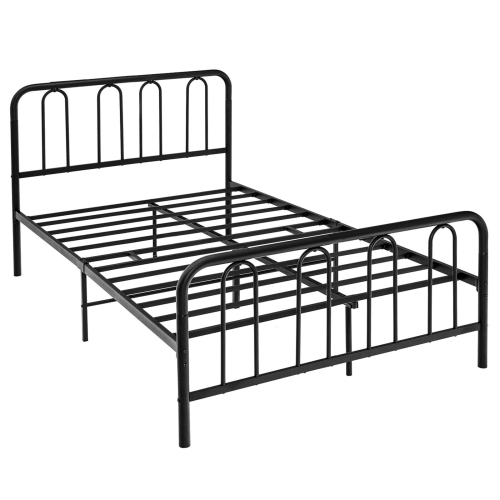
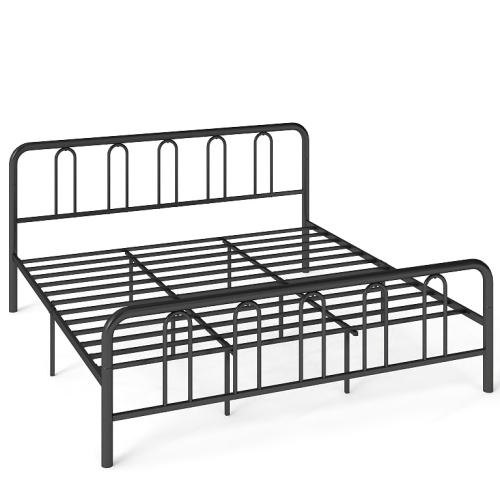
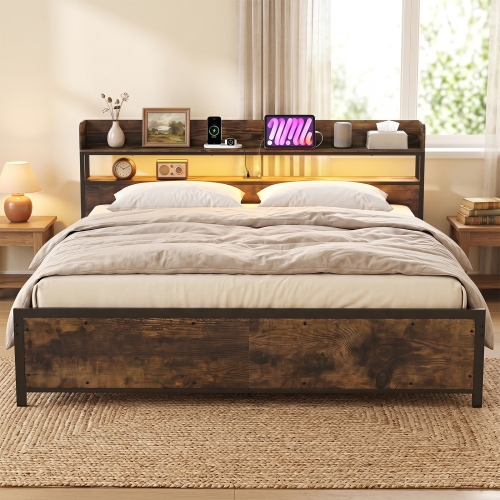
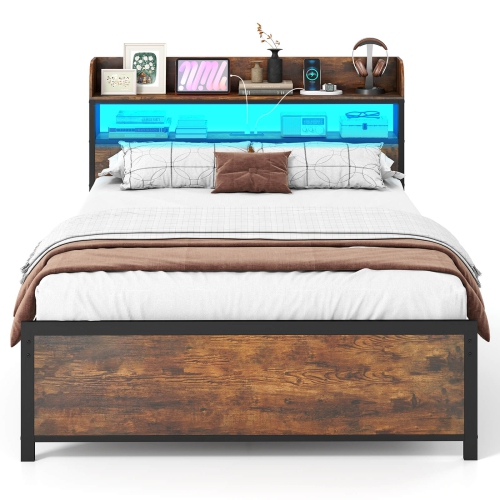
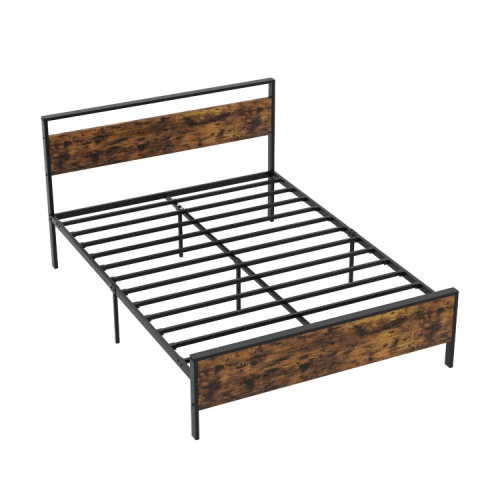
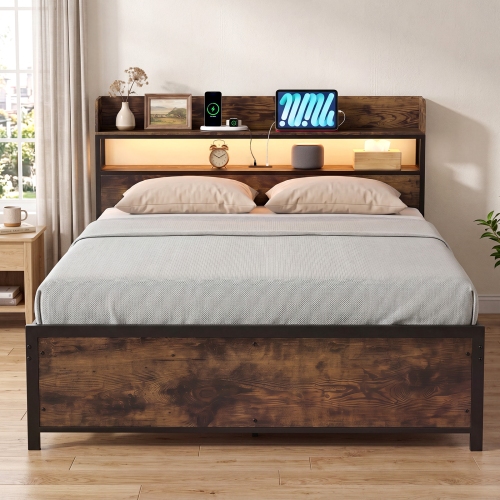
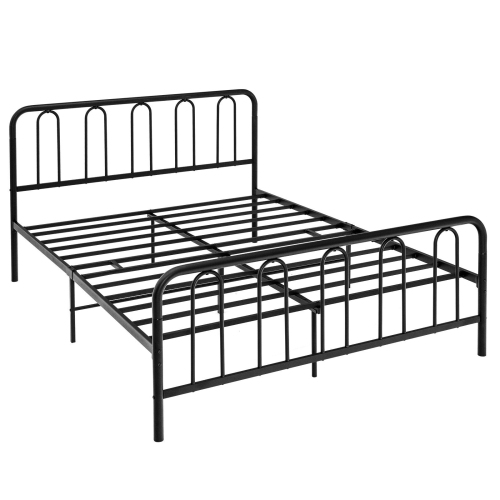
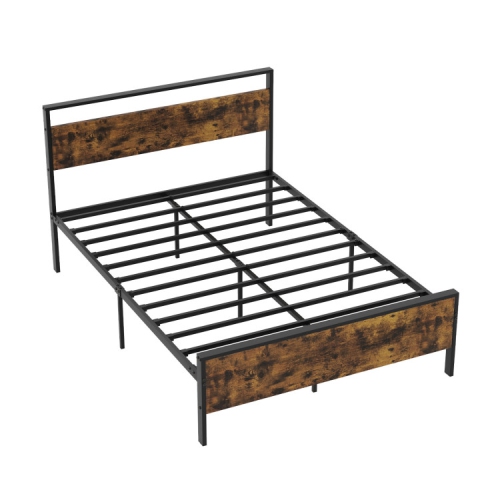
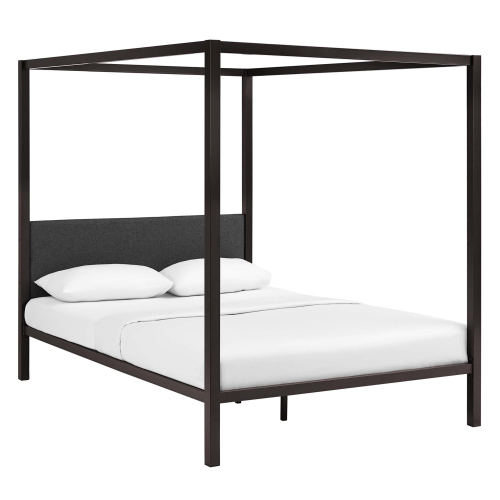
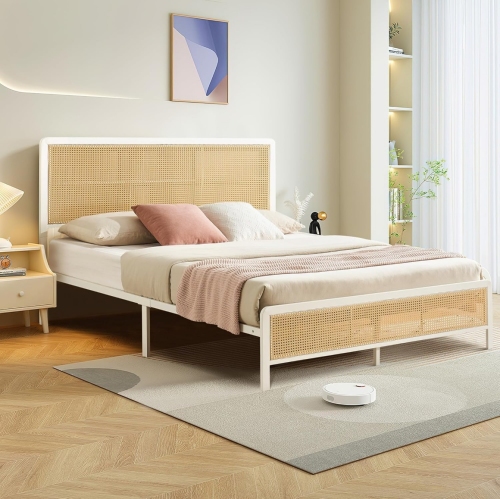
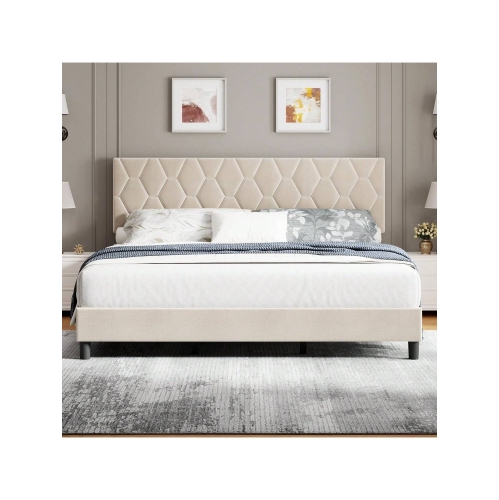
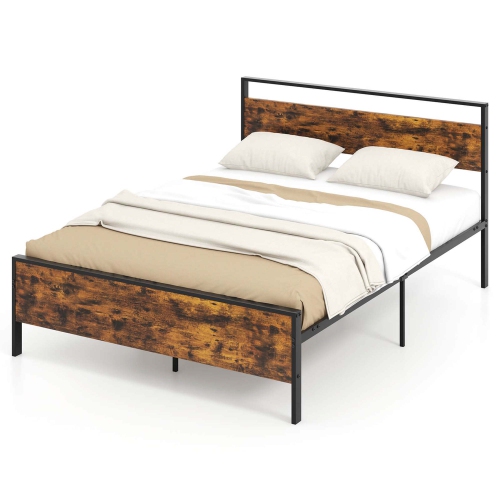
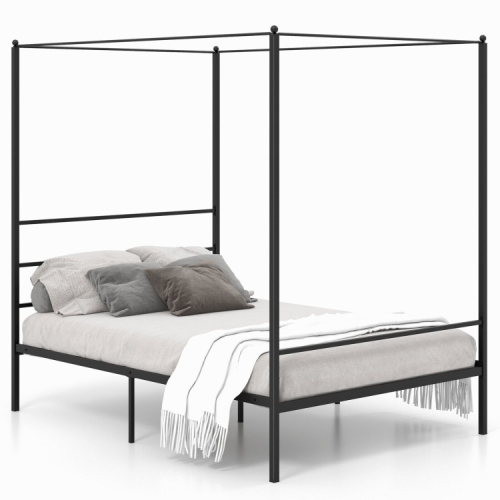
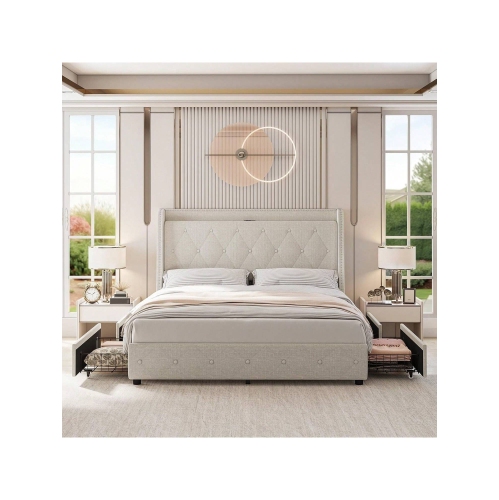
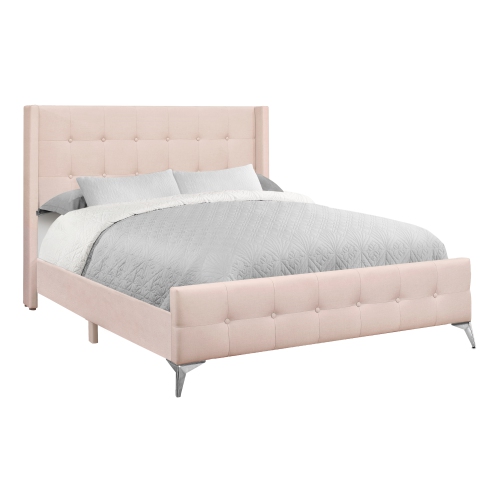
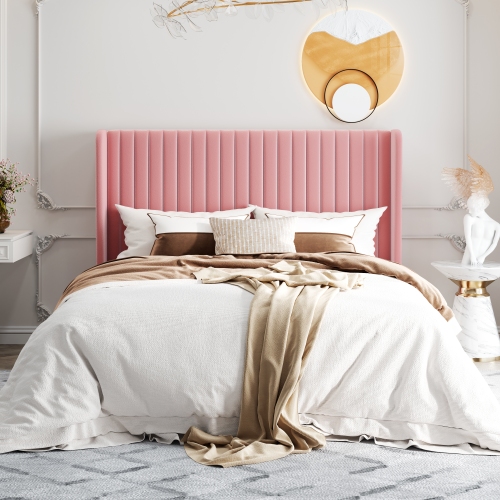
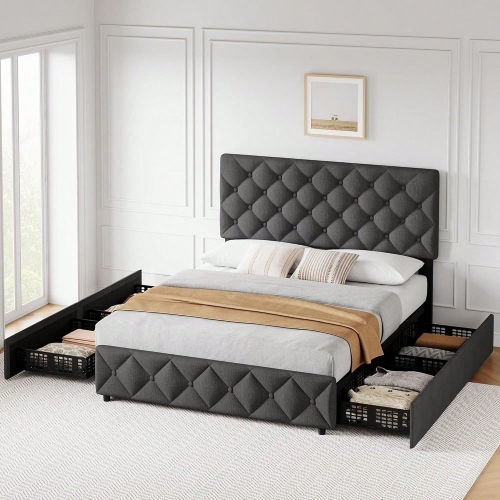
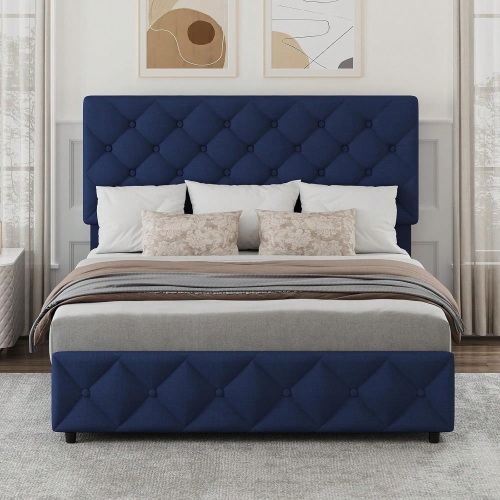

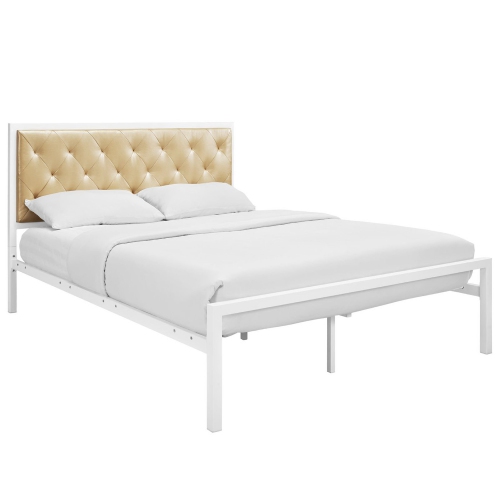
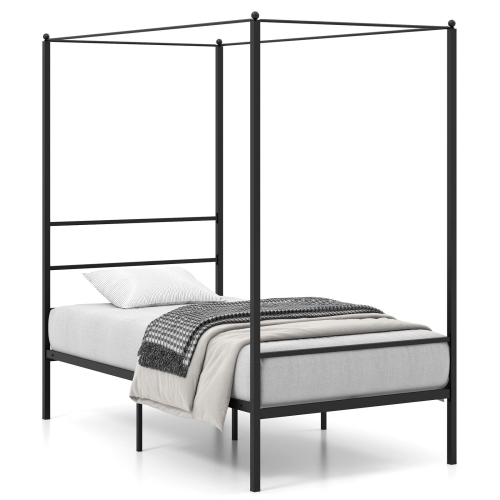

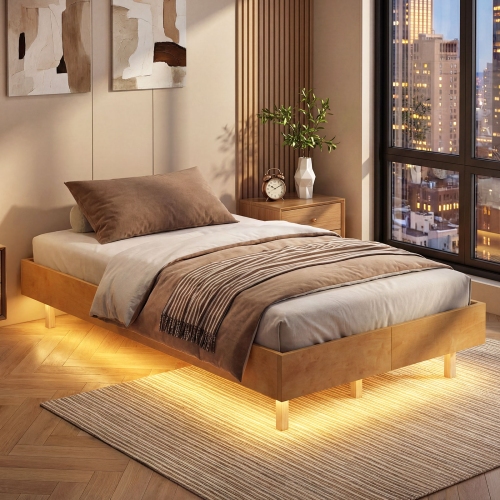
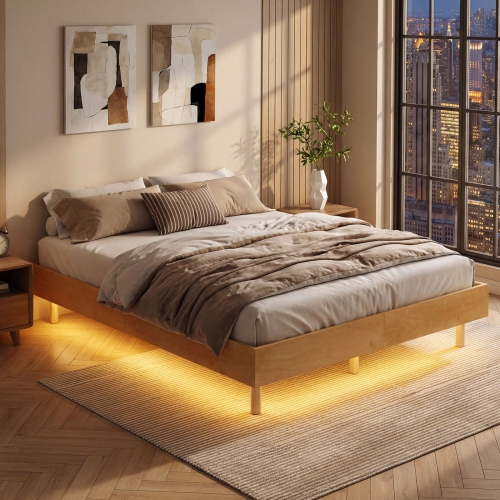

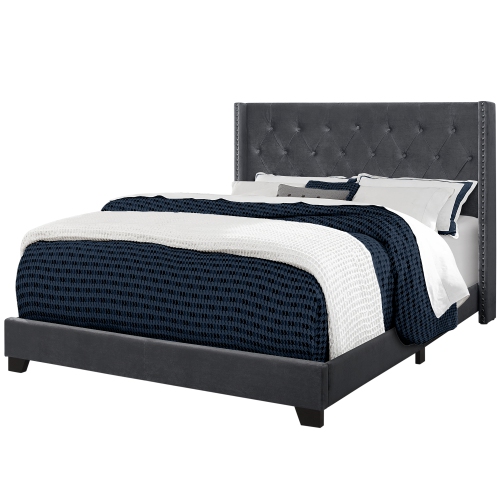

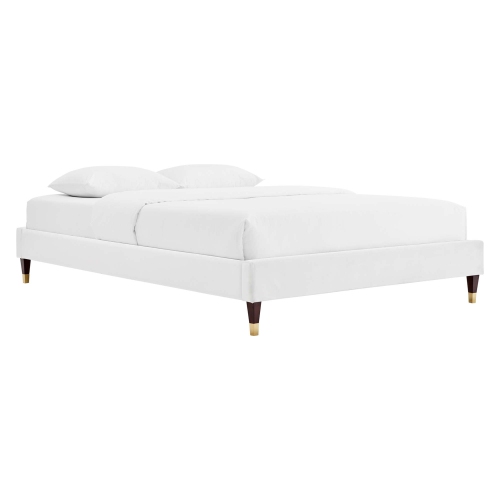

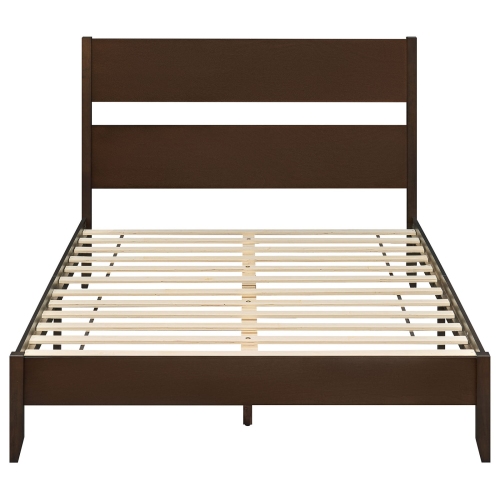
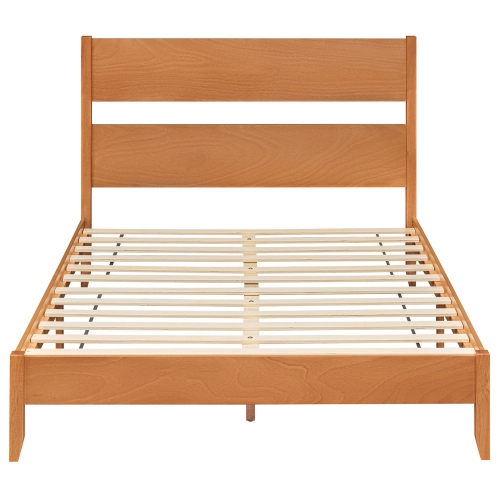
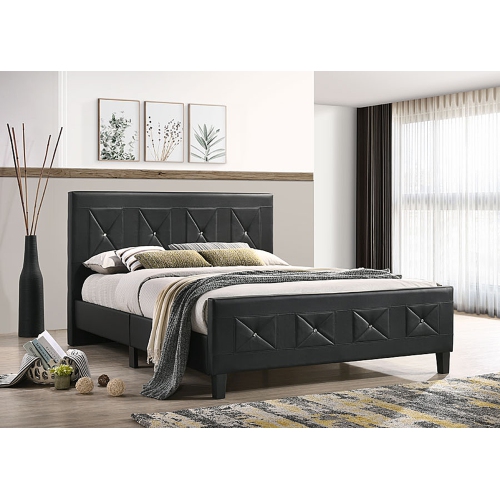

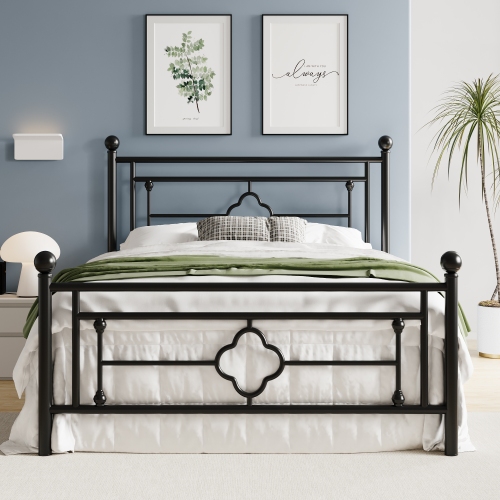
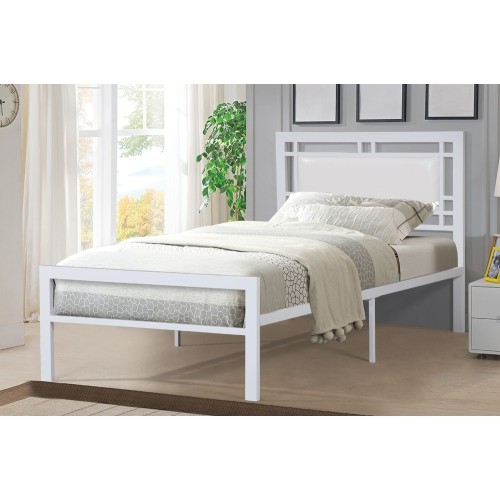
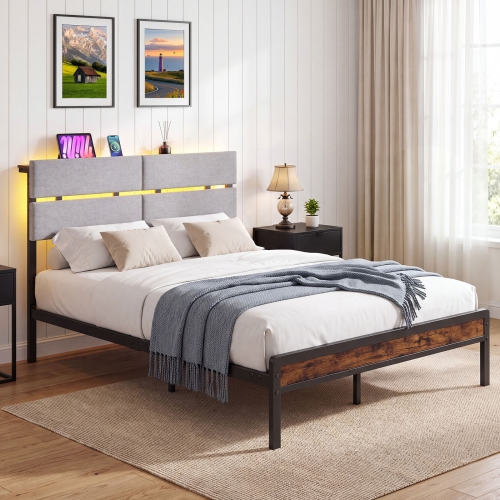
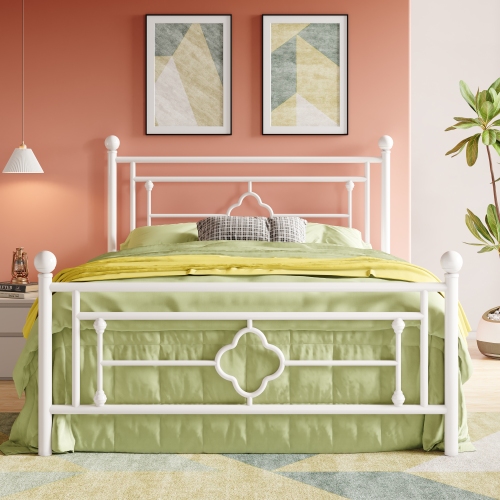
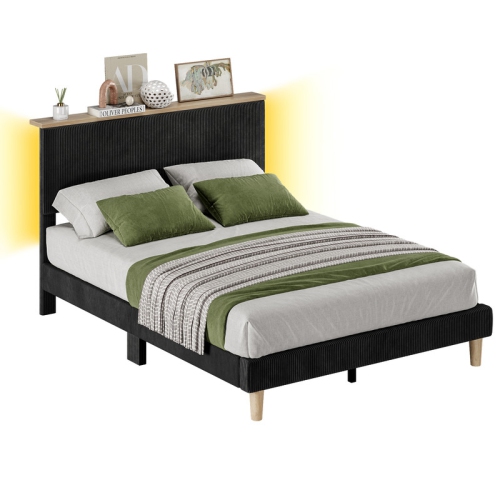
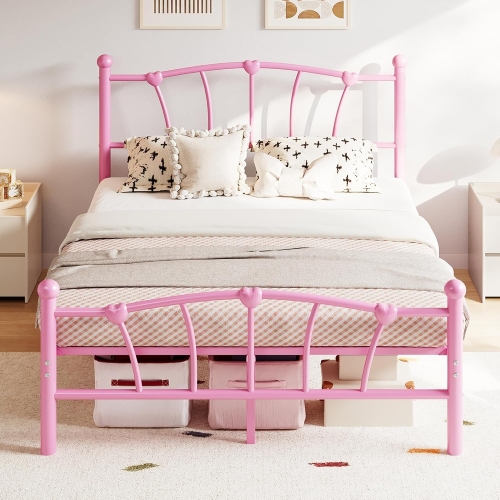
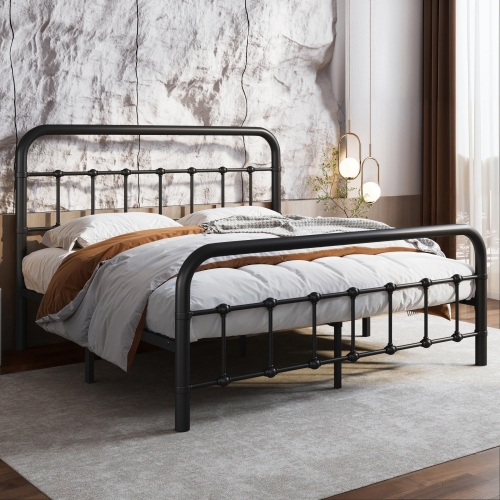
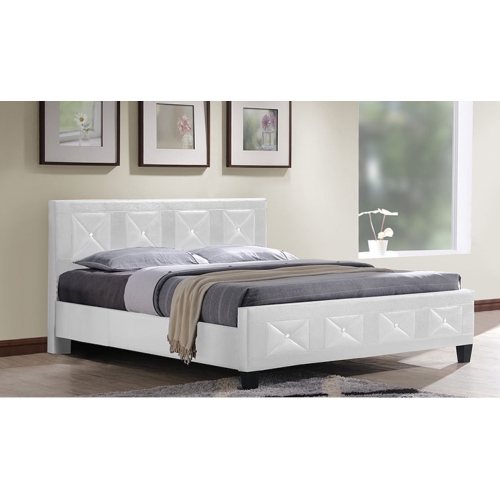
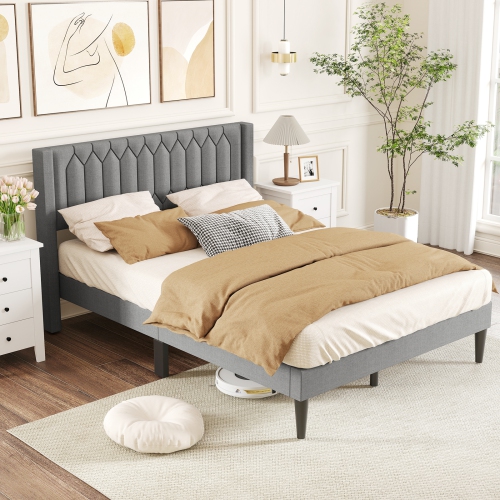
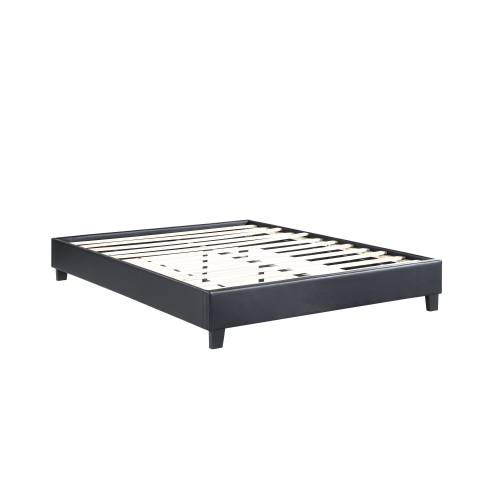
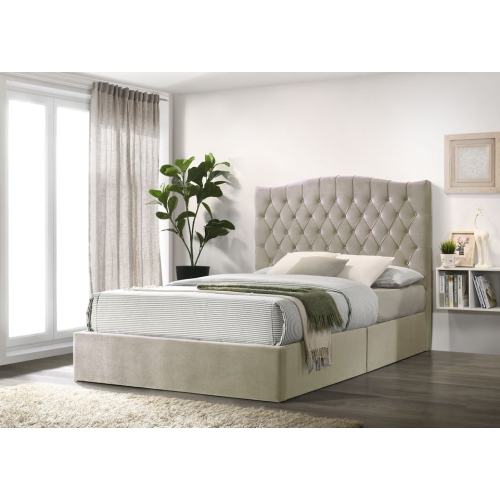
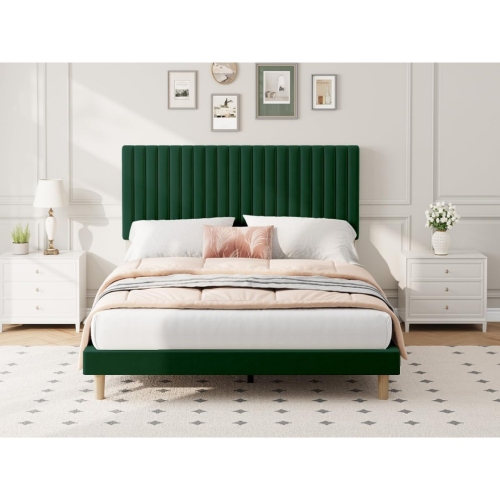
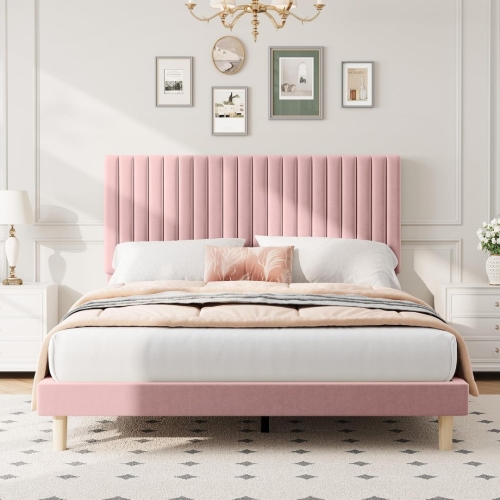
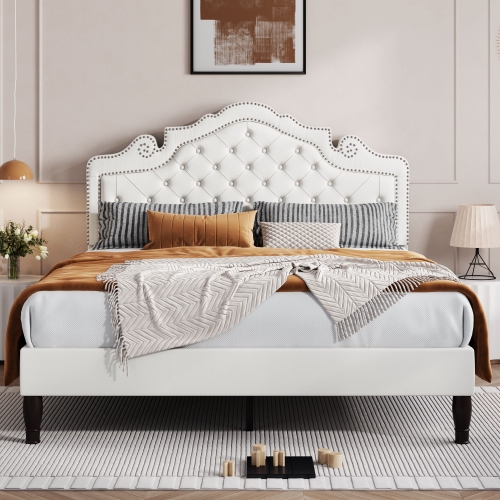
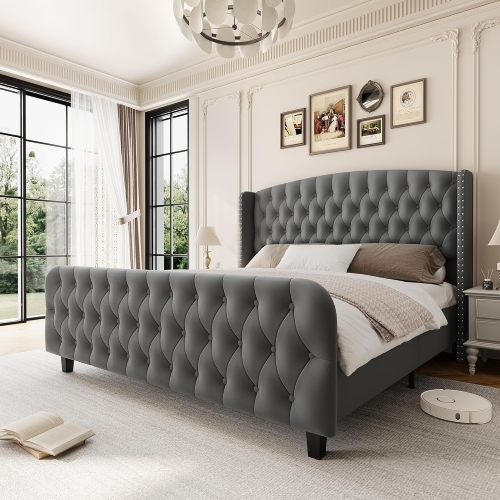
How frame design affects mattress support and bedroom space
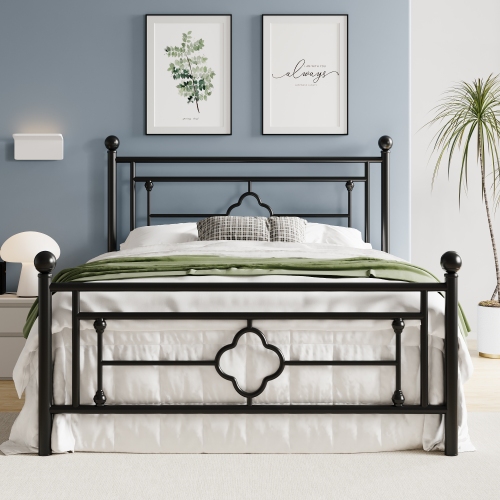
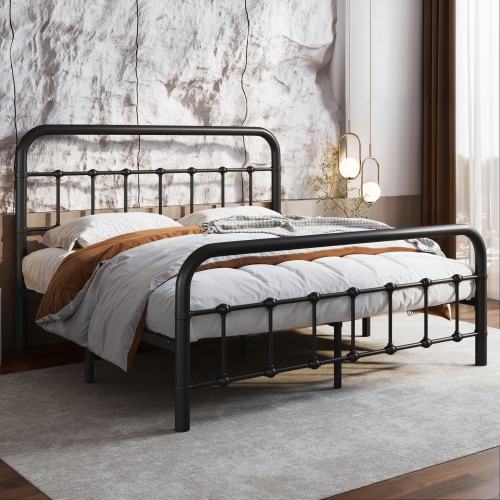
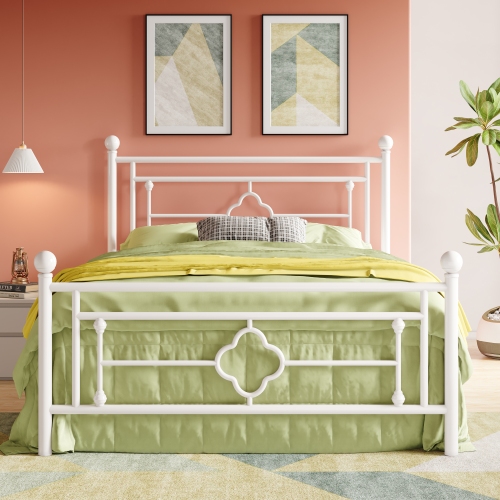
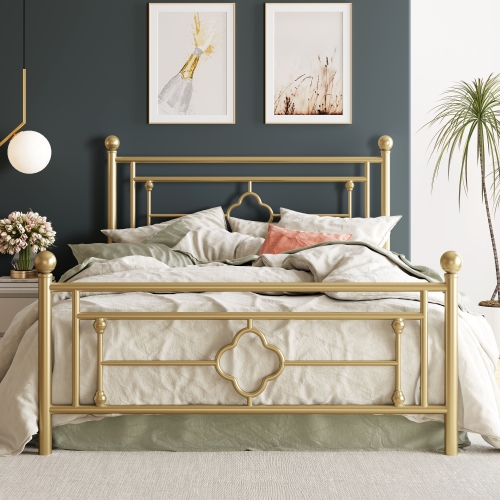
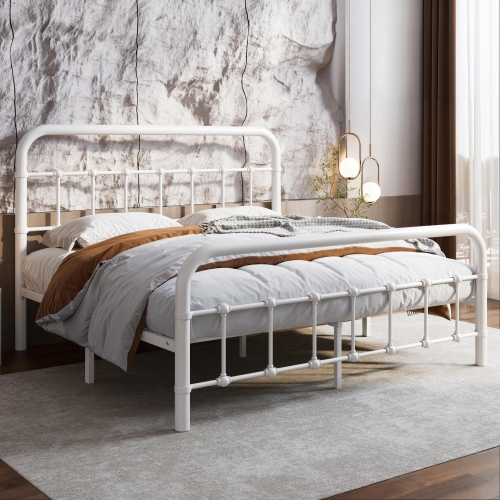
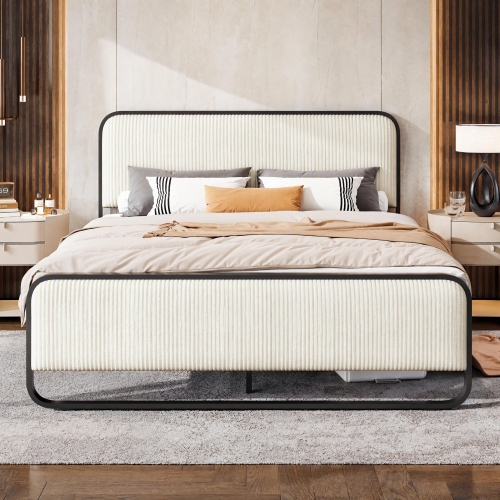
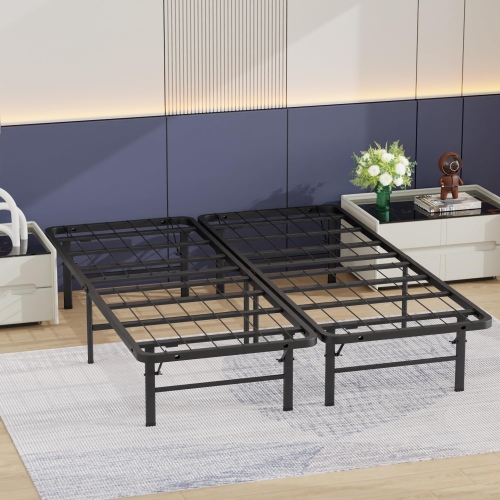
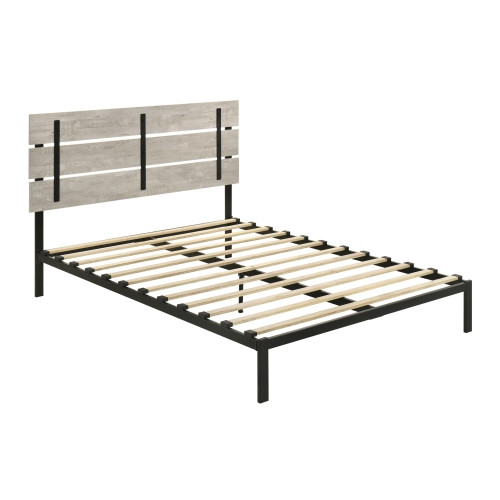
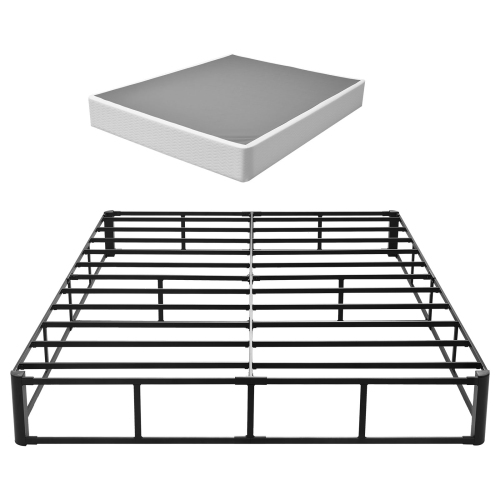
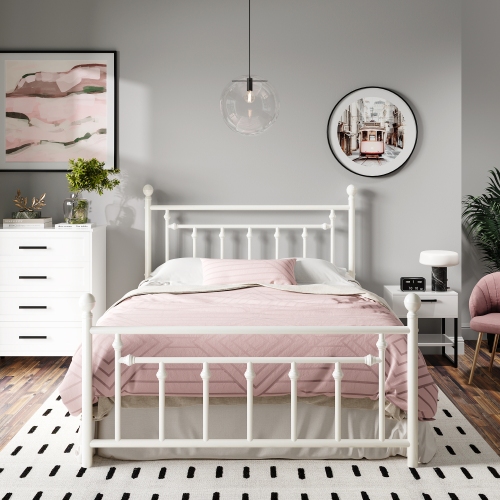
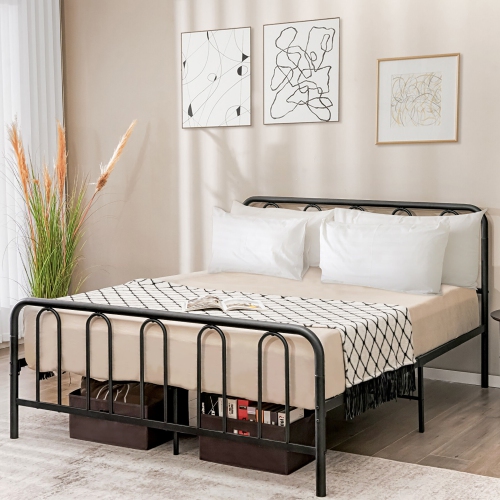
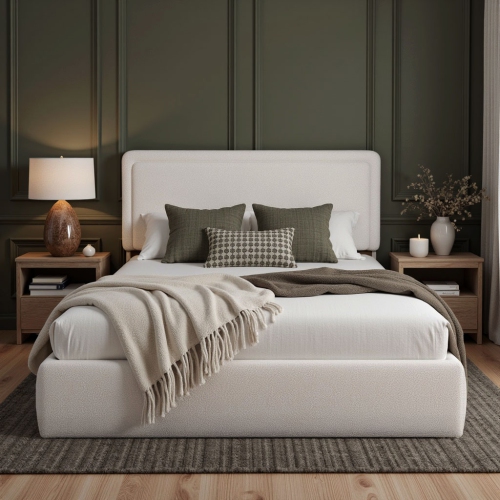
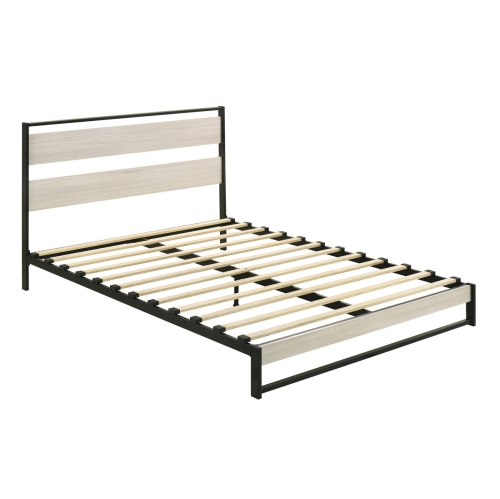
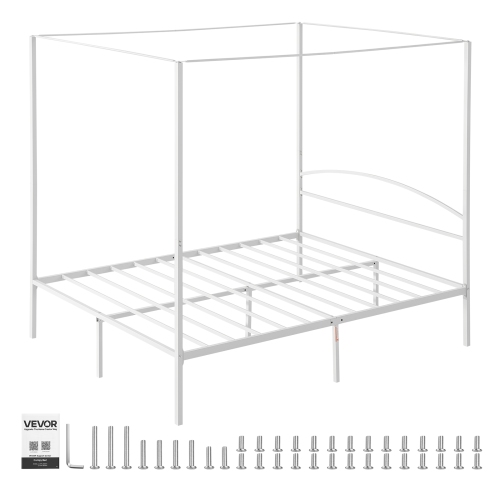
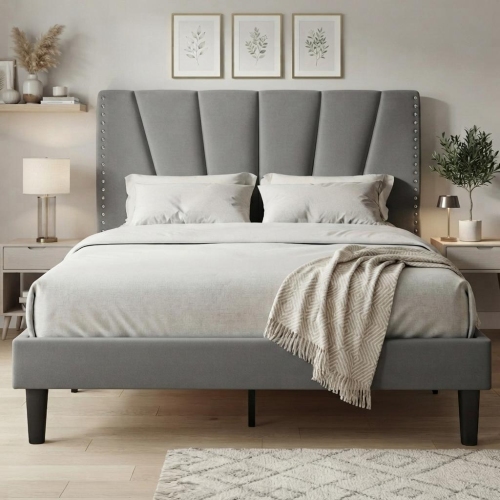
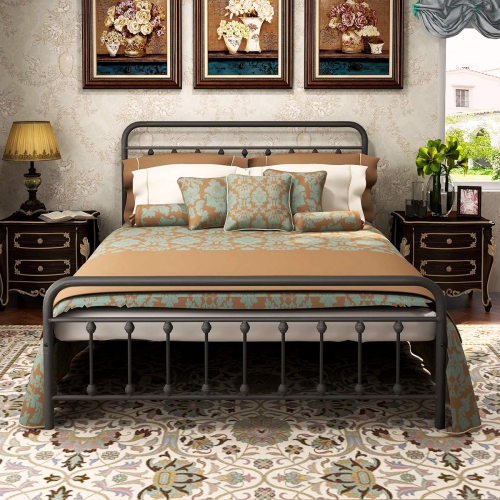
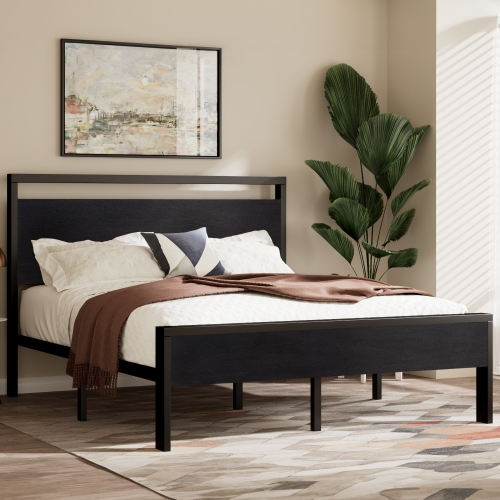
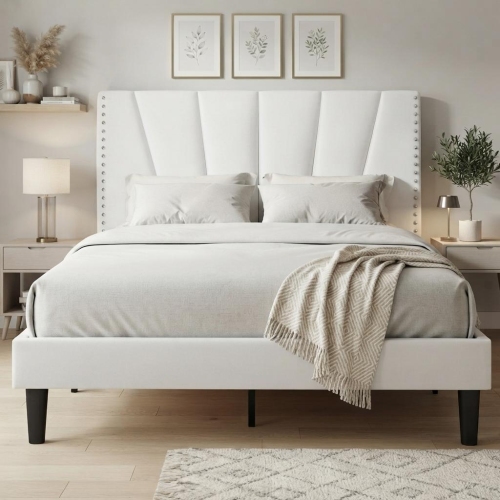
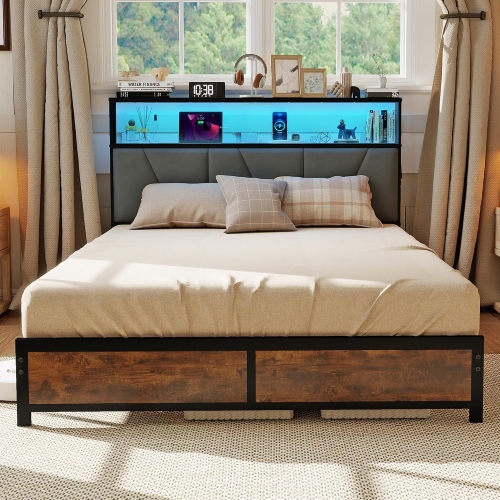
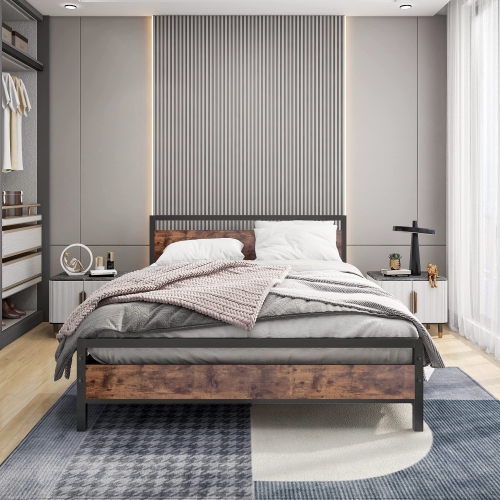
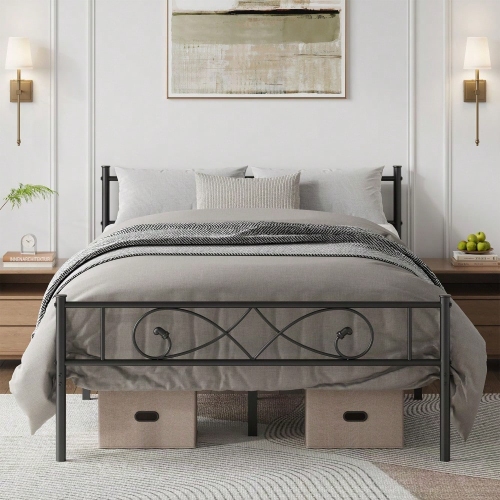
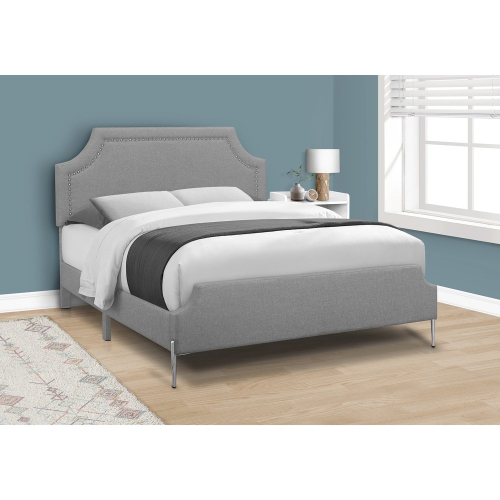
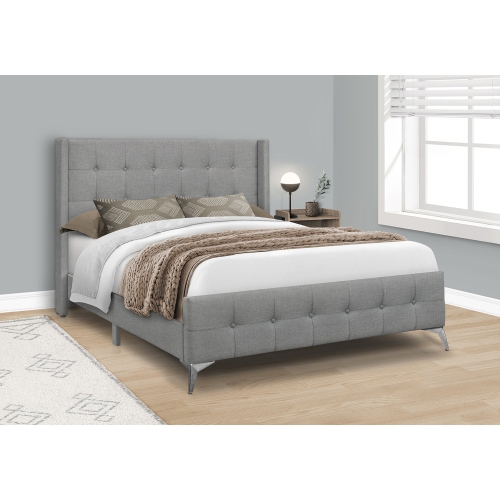
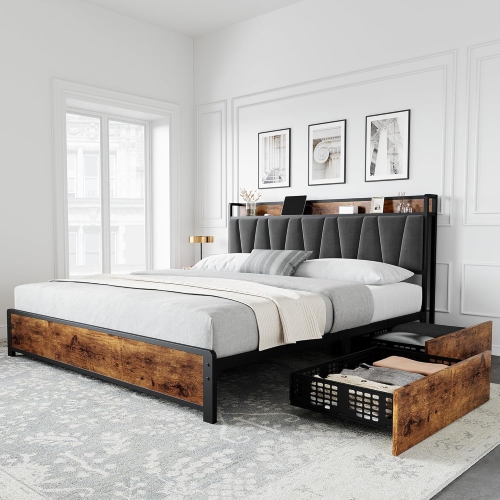
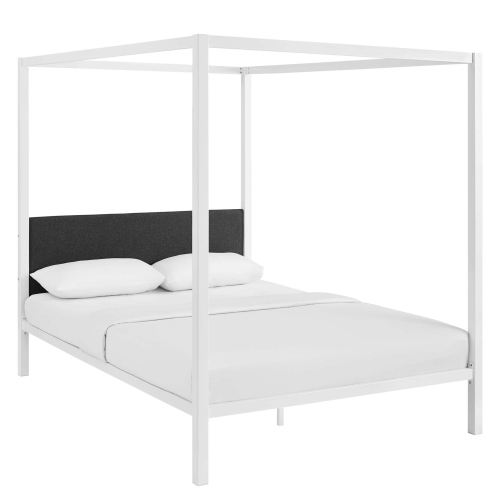
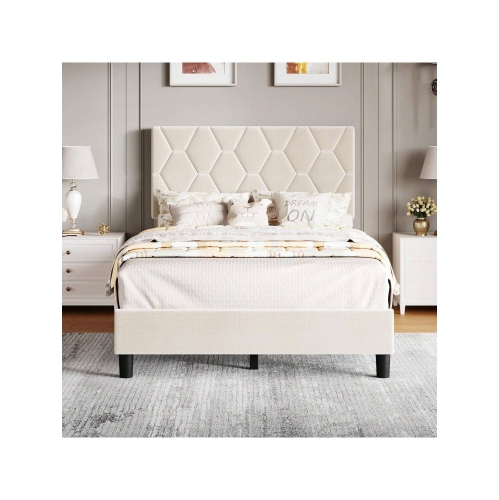
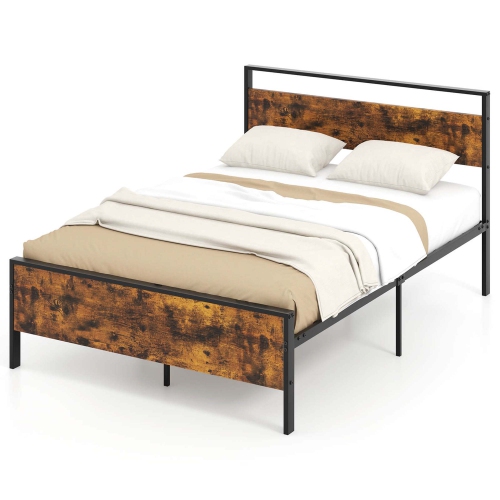
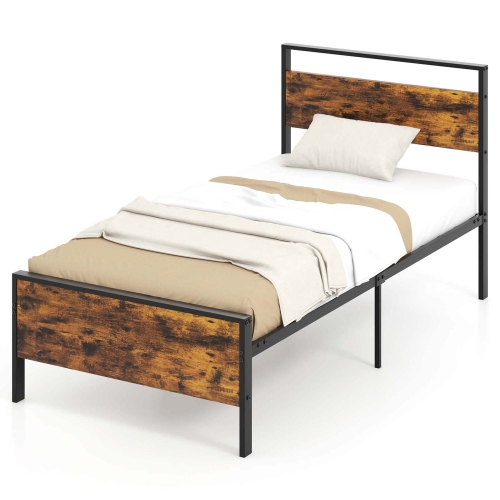
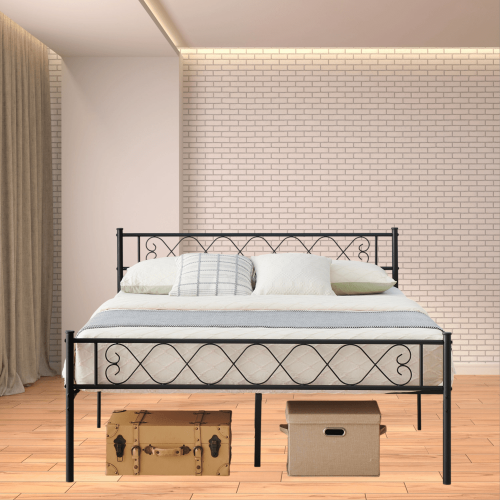
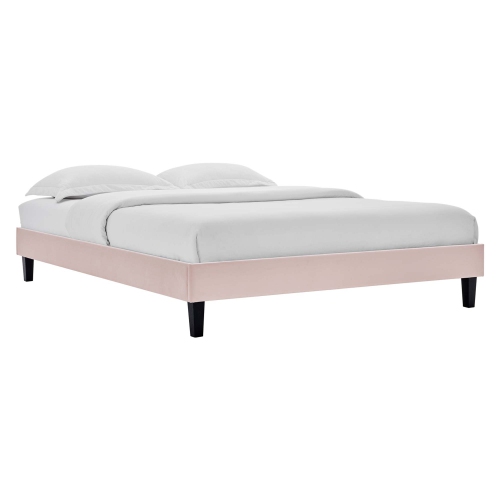
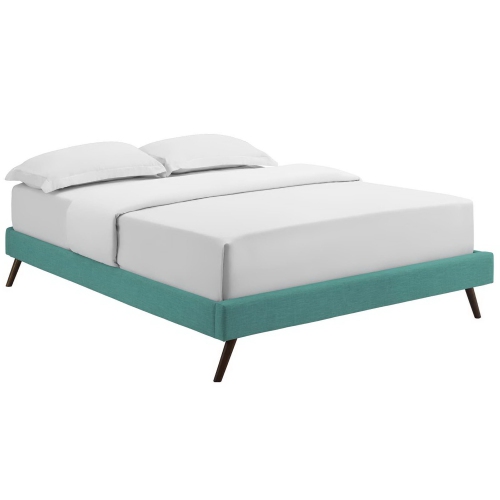
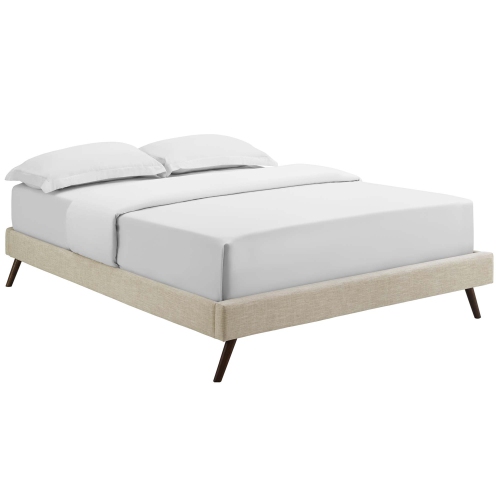
Metal queen bed frames provide a supportive base for a queen mattress and come in styles ranging from simple platforms to beds with decorative headboards and footboards. Many platform designs support a mattress directly on slats, while traditional metal rail frames may require a compatible box spring or foundation. That distinction affects both the finished bed height and the components needed to complete the setup. Steel is a common frame material, valued for its strength and ability to form slim rails, sturdy legs, and open decorative shapes. A metal appearance does not necessarily mean solid iron construction; tubular steel can create a similar look with different weight and handling characteristics. Powder-coated and painted finishes offer colour and surface protection, although their resistance to scratches depends on the coating and how the frame is handled. Black metal brings definition to pale bedding and wood furniture, while white finishes create a softer contrast against patterned quilts or darker walls. Brushed or metallic finishes can complement bedside lamps, drawer pulls, and other bedroom details without requiring every piece to match. Straight rails and understated headboards suit a clean, modern bedroom, whereas curved bars, spindle details, and rounded finials bring a more traditional feel. Open metal designs also leave more of the wall visible, helping a queen bed feel less visually dominant in a compact room. A low-profile frame can create a grounded appearance, while a taller platform provides space beneath the mattress for storage. These differences make metal queen frames relevant to primary bedrooms, guest rooms, and first apartments where the bed needs to balance comfort, appearance, and practical use. For someone furnishing a shared bedroom, the queen size offers room for two sleepers without requiring the floor space of a king. For a single sleeper, it provides extra room to stretch out while leaving space for other furniture, depending on the room’s layout.
A standard queen mattress measures approximately 60 inches wide by 80 inches long, but the outside dimensions of a metal queen bed frame can be larger. Headboards, footboards, projecting legs, and decorative details all affect the footprint, so the mattress size alone does not establish how much room the bed will occupy. In a narrow bedroom, even a modest extension beyond the mattress can affect access to a closet or the space between the bed and a dresser. Clearance beside the frame matters for making the bed, opening drawers, and moving comfortably around the room. Overall height deserves attention, too: the combined height of the frame, any required foundation, and the mattress determines how easy it is to sit down and stand up. A thick mattress on a tall platform can create a much higher sleeping surface than expected. Mattress compatibility depends on the support system rather than the frame material alone. Foam, latex, and hybrid mattresses may have specific requirements for slat spacing, support width, or the type of foundation underneath them. Metal frames can use either metal or wood slats, and the mattress manufacturer’s requirements remain important with either construction. Centre rails and support legs help distribute weight across a queen-size sleeping surface, but their placement and number vary by design. Published weight limits also need careful interpretation because some include the mattress and foundation as well as the sleepers. A sturdy-looking frame is not a substitute for a stated capacity that suits its intended use. For couples or restless sleepers, secure connections and stable support points are especially useful considerations. Noise can come from loose fasteners, movement between components, or uneven contact with the floor; metal construction alone does not determine whether a bed will squeak. Protective feet and properly adjusted supports can help limit shifting and protect flooring, provided they are used as directed. A mattress-retaining edge or compatible non-slip support surface may also help keep bedding neatly positioned, though these features are not part of every design.
The details around a metal queen frame often make the biggest difference in daily use. Under-bed clearance can provide useful space for lidded bins, spare linens, or luggage, but the usable opening may be smaller than the distance from the floor to the mattress platform. Crossbars, centre legs, and side rails can interrupt that space, so a storage container needs to fit between the supports as well as beneath them. A frame with open clearance may also make it easier to reach underneath with a vacuum, depending on the cleaning tool’s height. Headboard arrangements offer another way to tailor the setup. An integrated headboard creates a coordinated appearance, while a compatible standalone frame allows more flexibility. For frames designed to accept a separate headboard, Metal Queen Headboards offer another way to introduce decorative detail; mounting points, bracket spacing, and hardware compatibility still need to match. Footboards can finish the look and help contain bedding, although taller sleepers may prefer an open-ended design. Assembly requirements vary, with some frames using folding sections and others requiring separate rails, slats, and fasteners. Room access matters during setup, particularly where stairs, tight landings, or narrow doorways make large assembled sections difficult to move. Over time, durability depends on the quality of the joints, the condition of the finish, appropriate loading, and correct assembly. Routine care is usually straightforward: a soft cloth removes dust, and a lightly dampened cloth with a suitable mild cleaner can address marks when permitted by the care instructions. Drying the surface afterwards helps prevent moisture from lingering around joints or damaged coating. Abrasive pads and harsh cleaners can scratch or dull the finish. Occasional checks for loose hardware, missing protective feet, or supports that no longer sit evenly on the floor help maintain a stable setup. With suitable mattress support and proportions that fit the room, a metal queen bed frame can serve as a practical foundation while leaving plenty of freedom to change bedding and bedroom décor.
Top selling and popular products
-
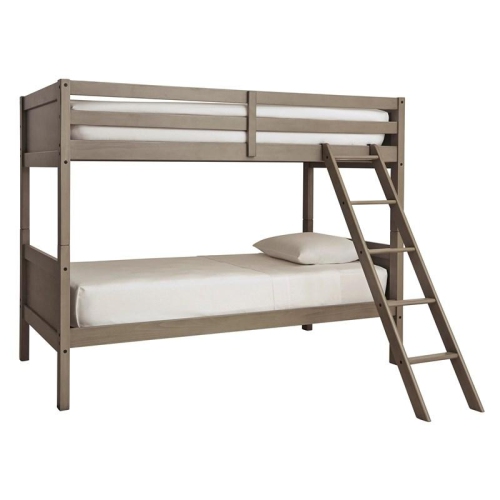 Your price for this item is $799.99
-
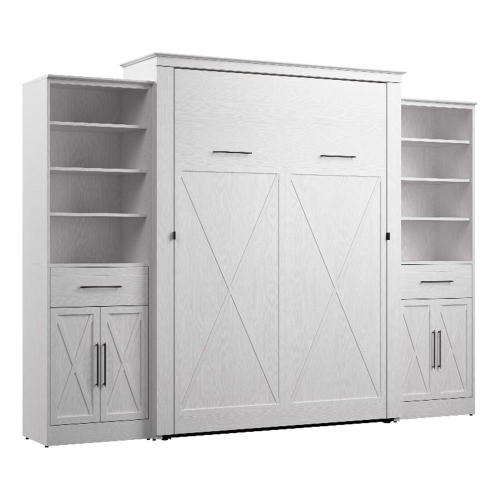 Your price for this item is $3519.99
-
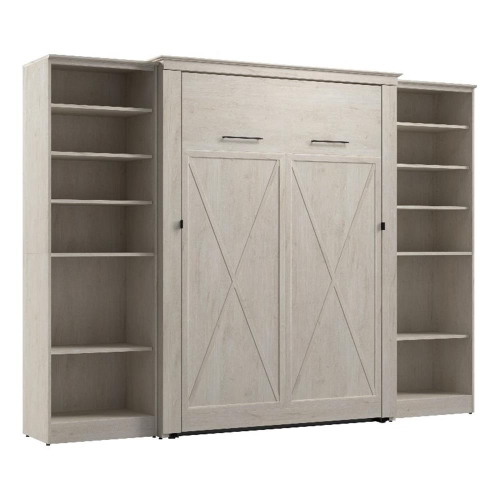 Your price for this item is $3099.99
-
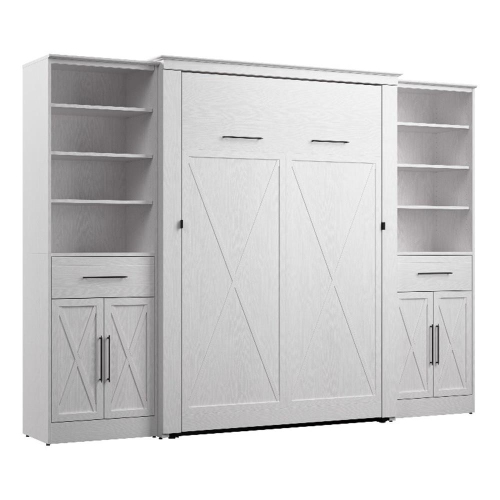 Your price for this item is $3349.99
-
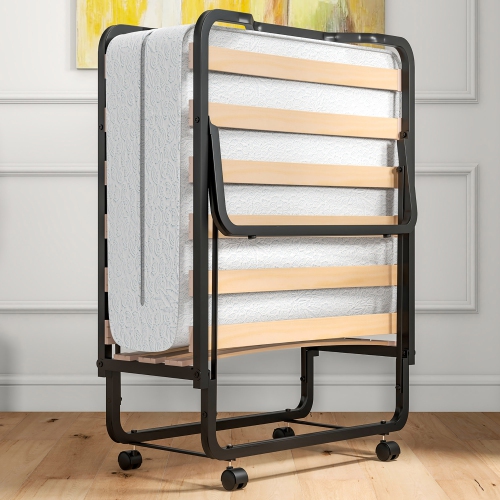 Your price for this item is $235.99
-
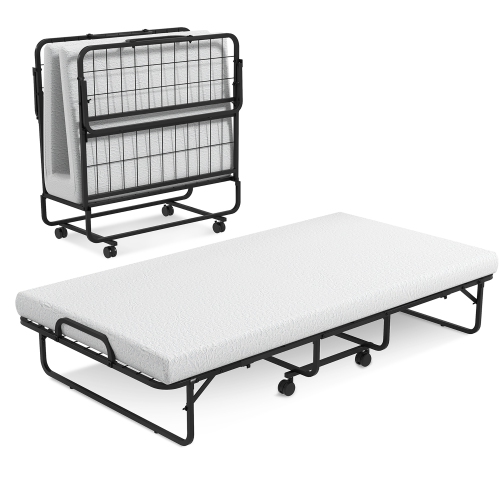 Your price for this item is $233.99
-
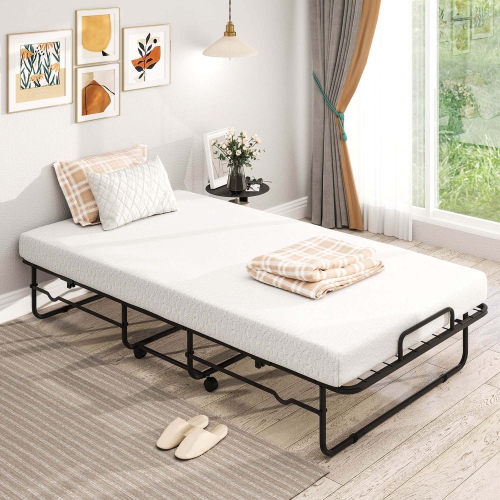 Your price for this item is $243.99
-
 Your price for this item is $364.99
Discover more categories related to Metal Queen Bed Frames
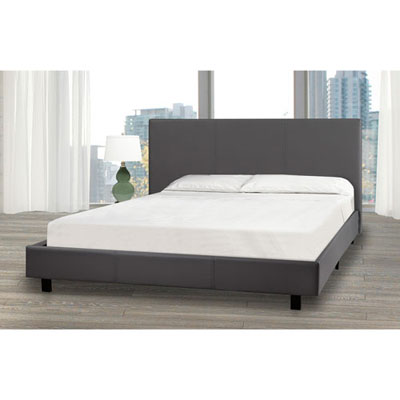
Top Collections:
Best Black Friday Deals This Year, Best Black Friday Deals On Electronics, Kindle Devices, Best Black Friday Deals On Apple Products, Best Budget Office Chairs, Best Cameras for Sports Photography, Dyson Airwrap, Canon G7X Cameras, Best Laptops for Writers, Samsung Galaxy Phones
Some products may be subject to Environmental Handling Fees
(EHF) depending on your province.
Learn more about EHFs.