Black Headboards
A black headboard is a great way to add style and elegance to your bedroom. It will make your room look bigger and more elegant. Here are some of our favorite black headboards for bedrooms.
Sort
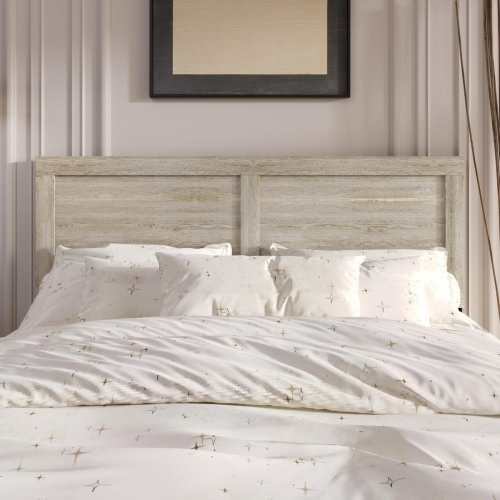
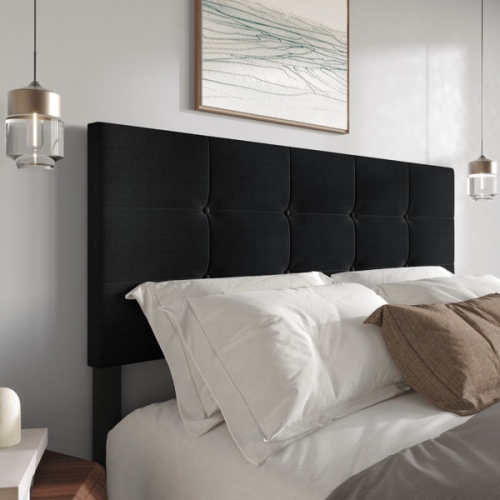
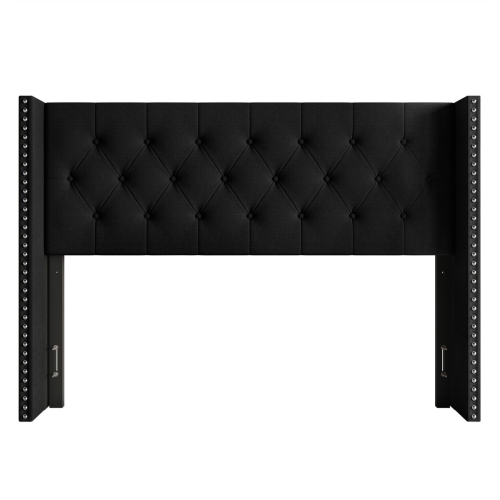
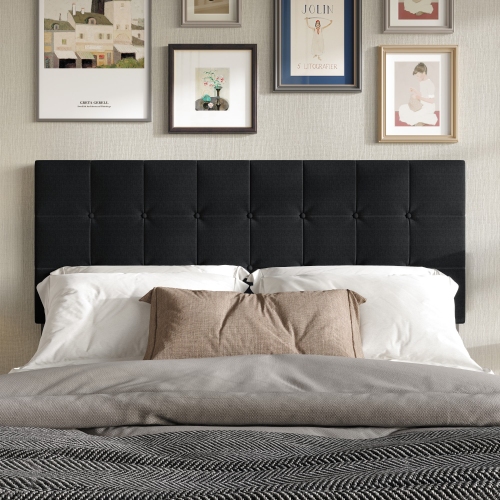
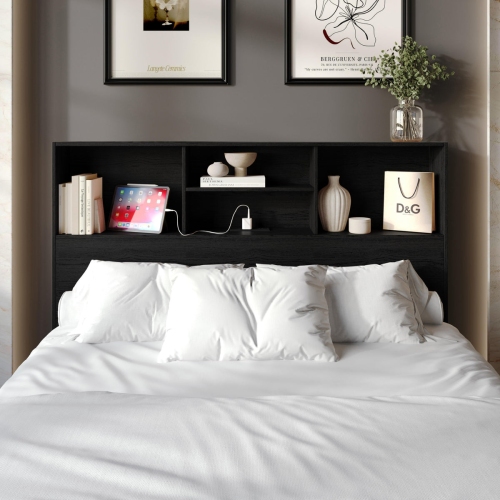
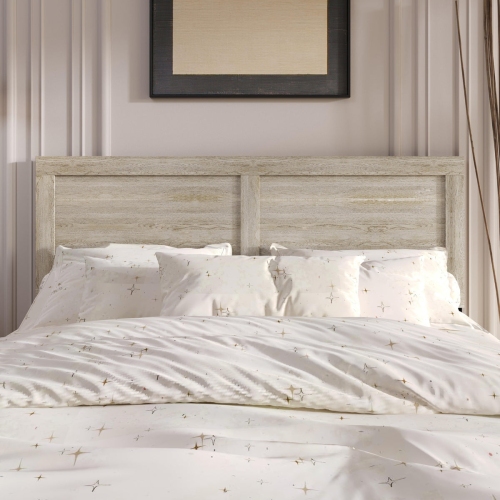
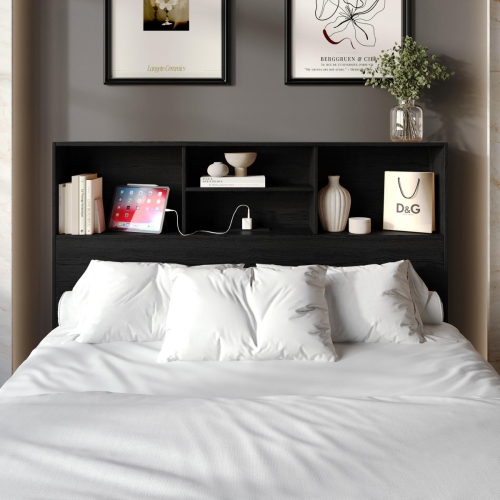
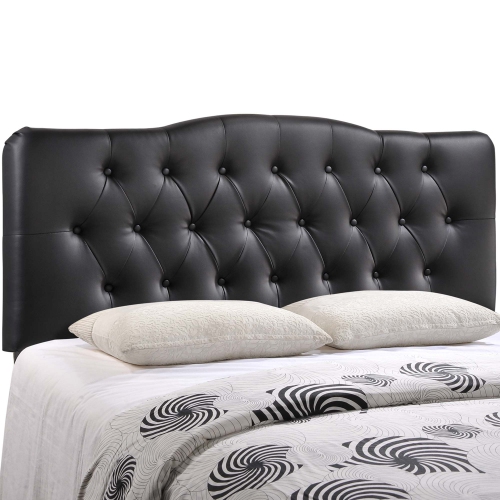
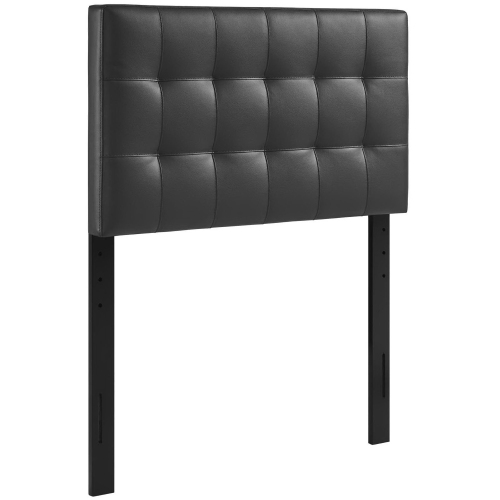
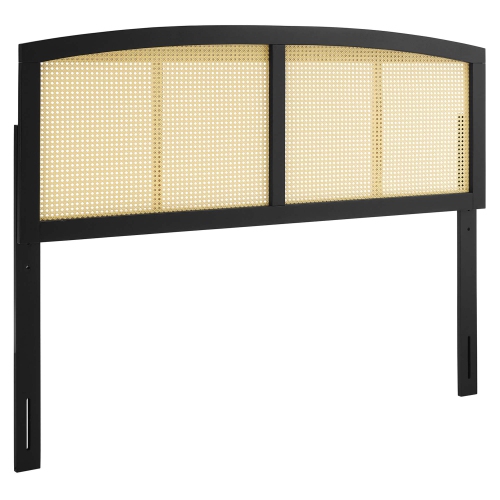

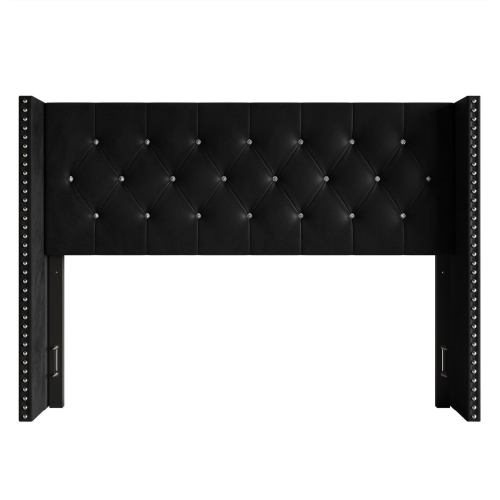
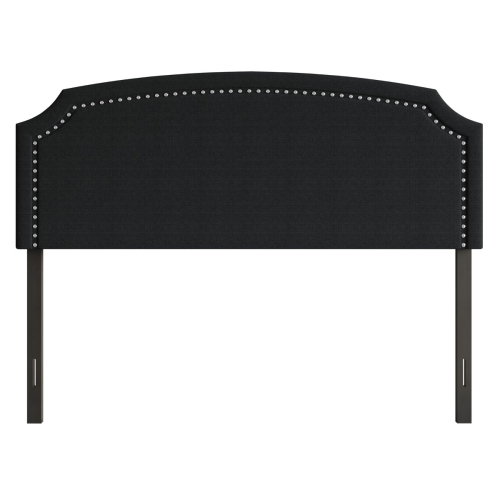
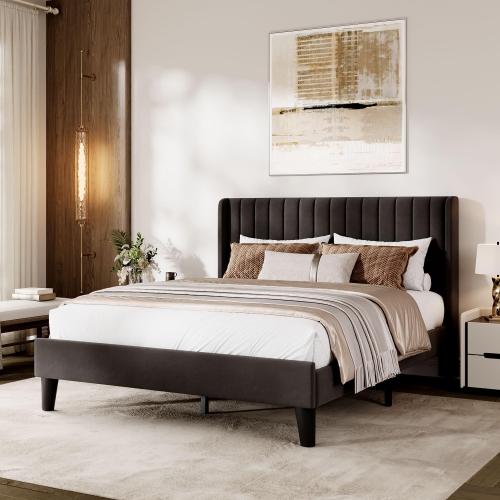
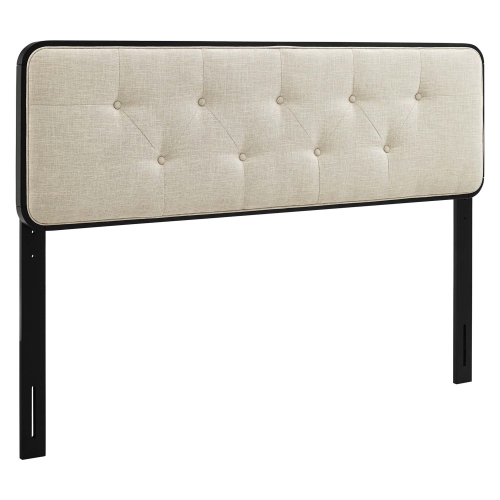
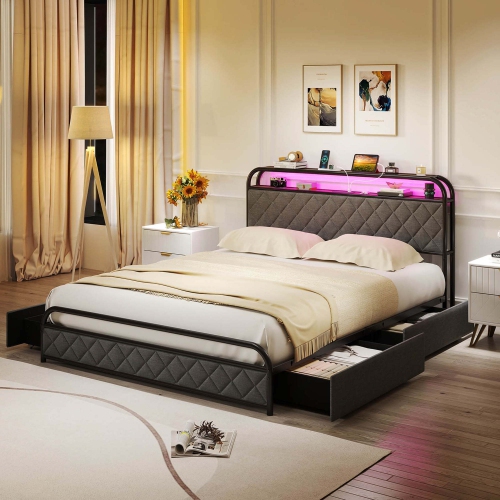
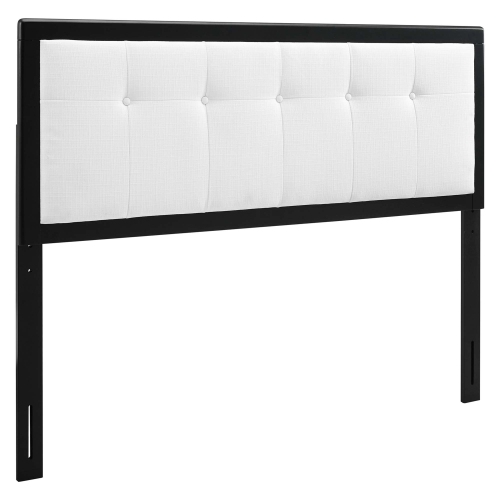
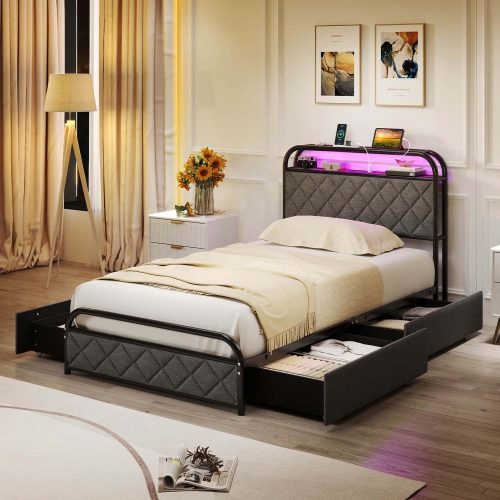
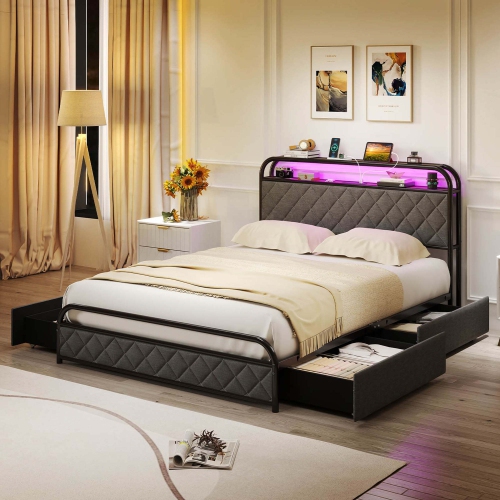
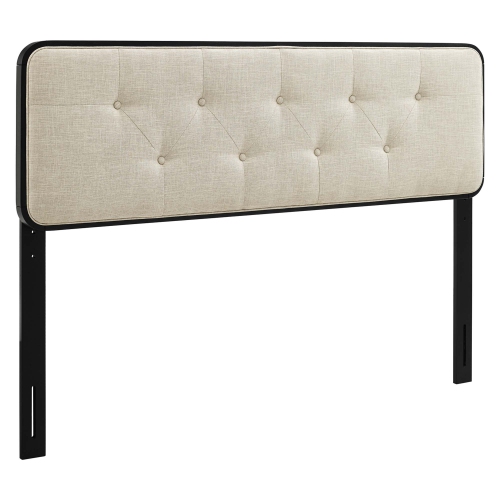
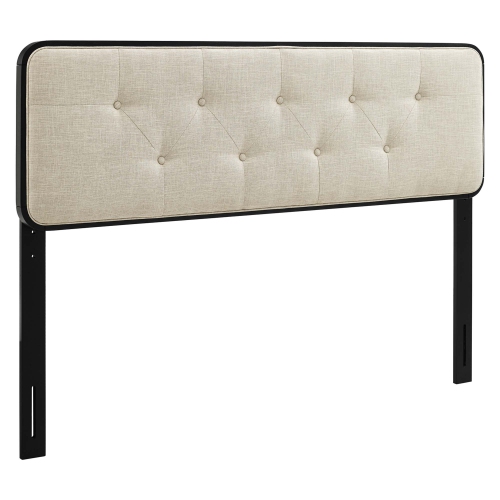
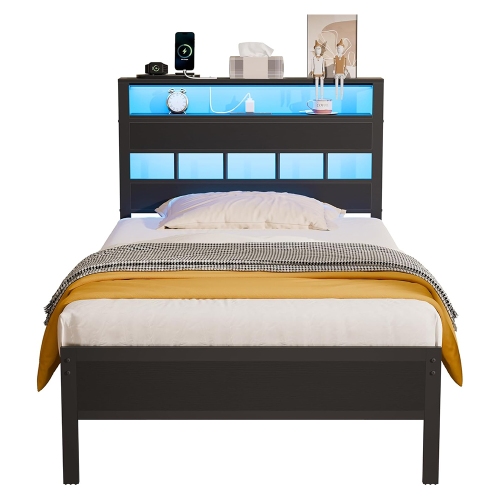
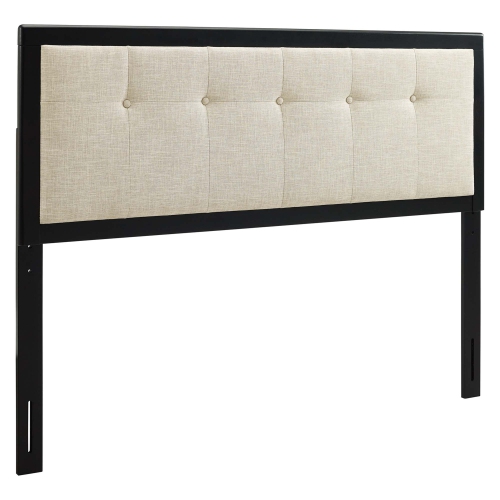
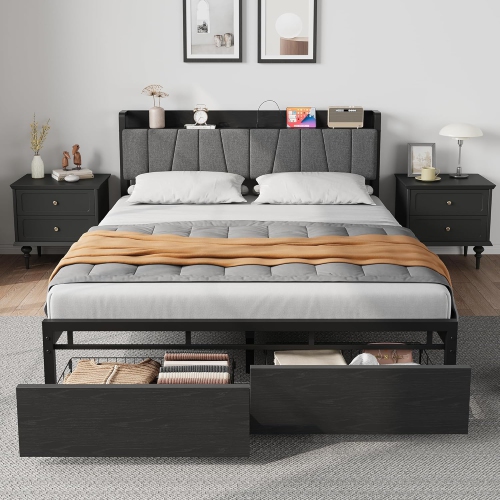
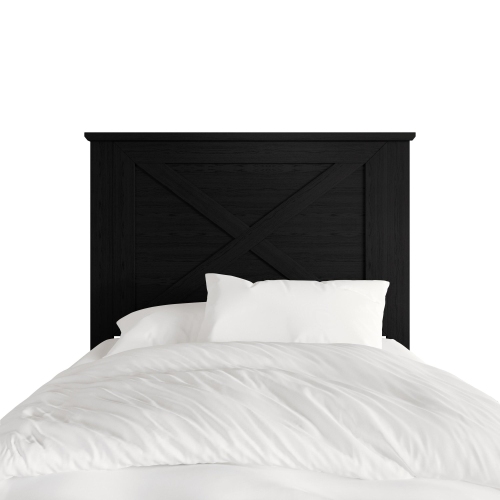

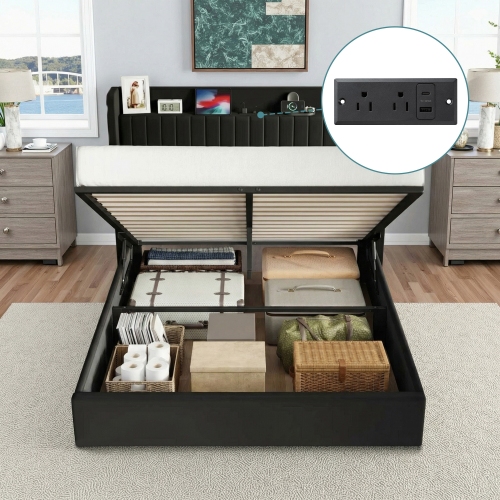
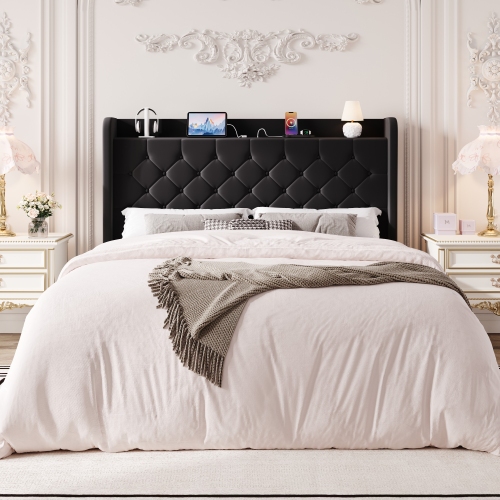
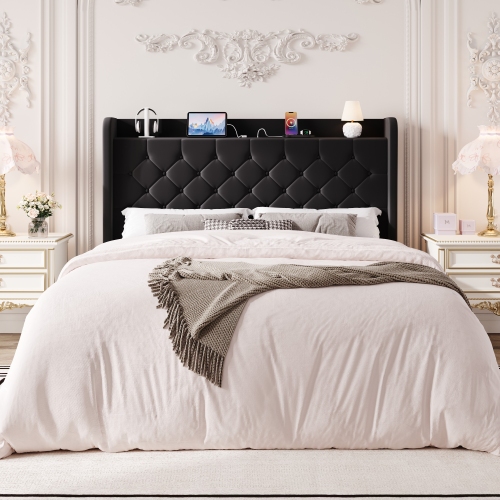

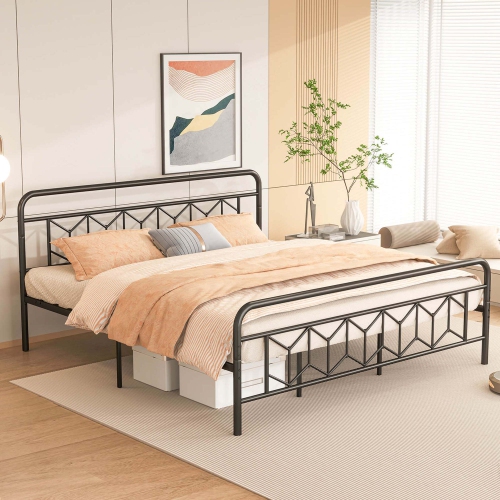
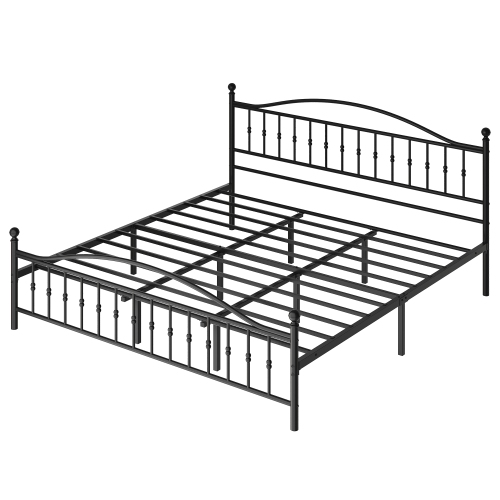
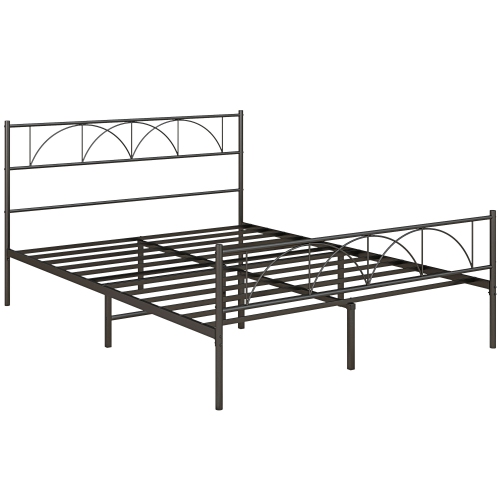
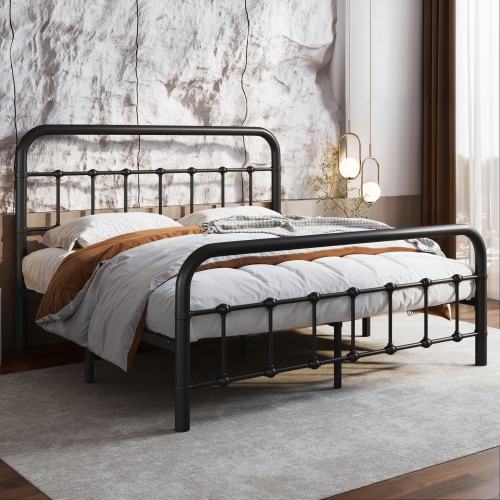
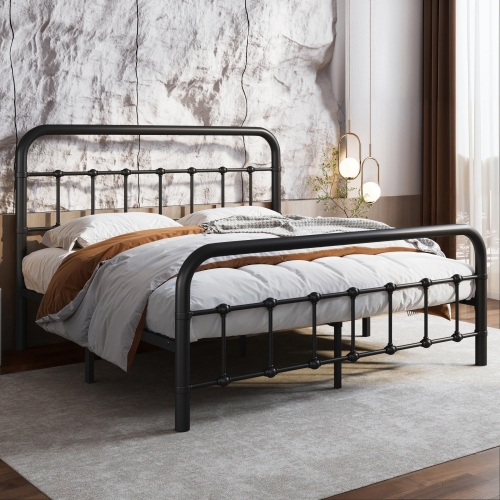

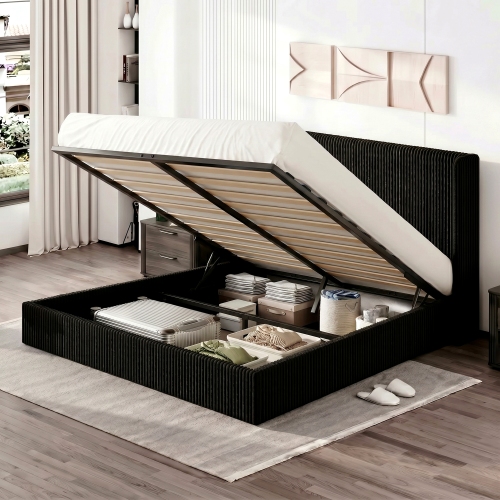
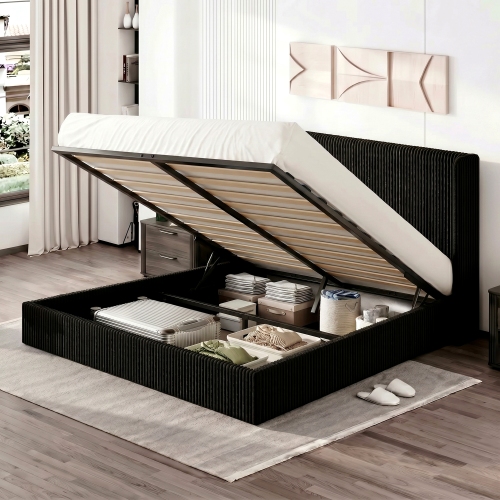

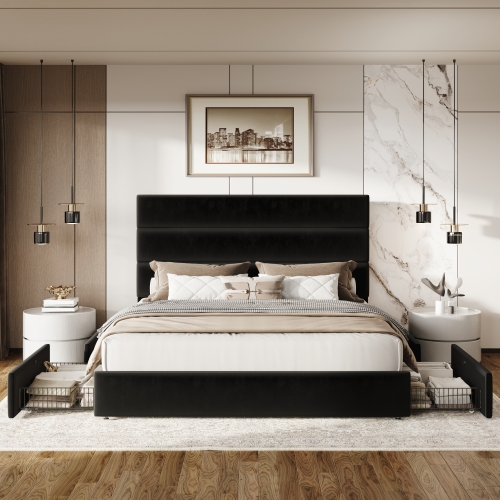
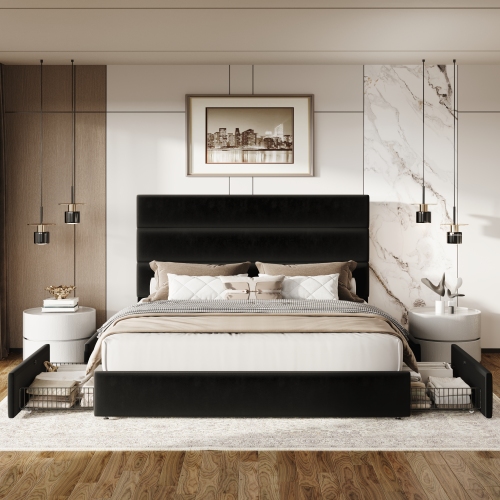
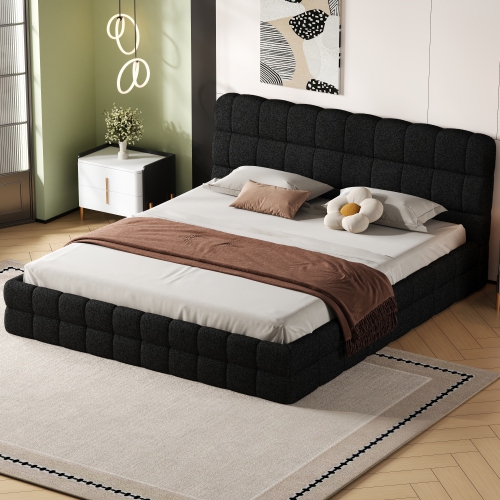
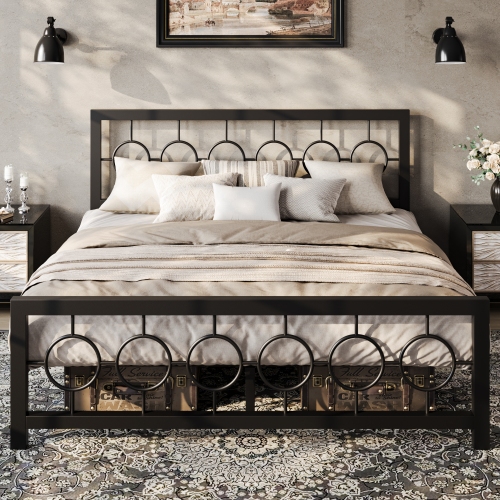
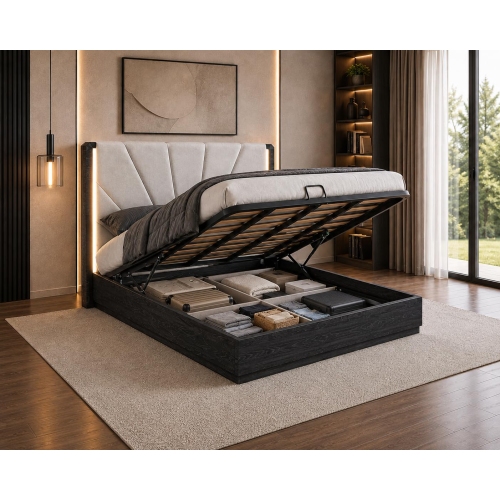
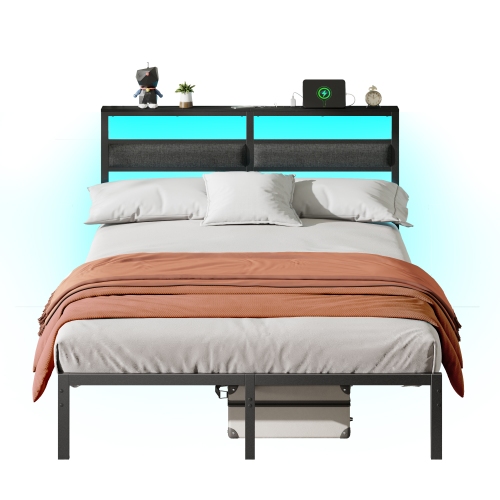
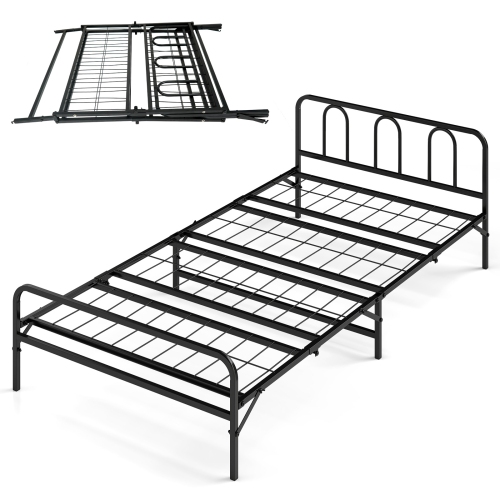
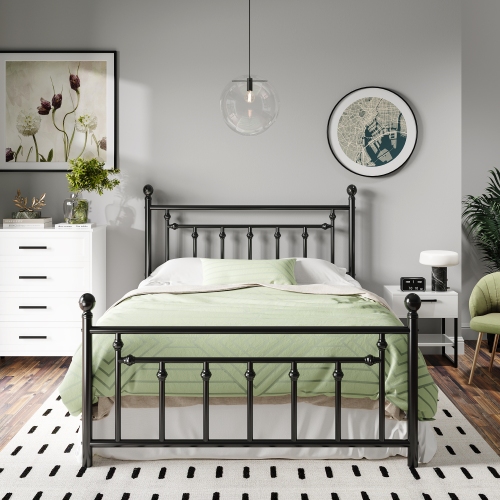
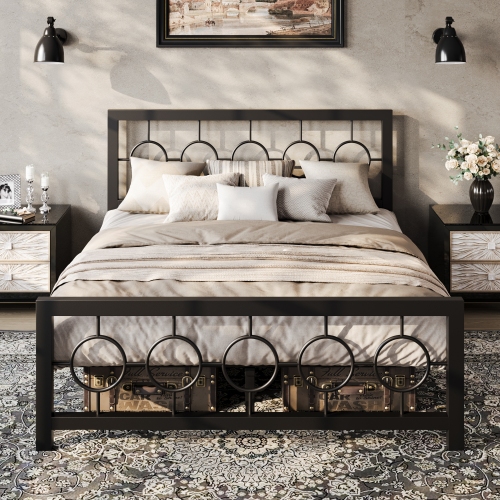
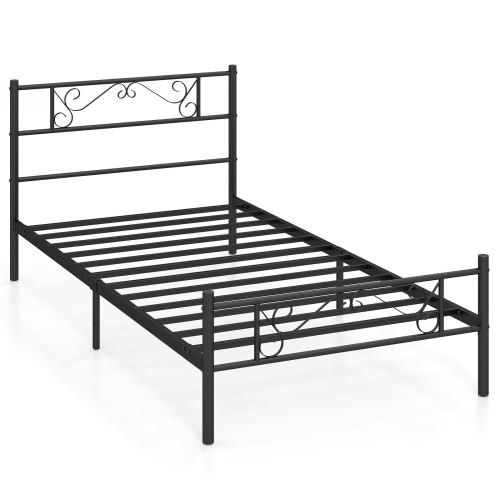
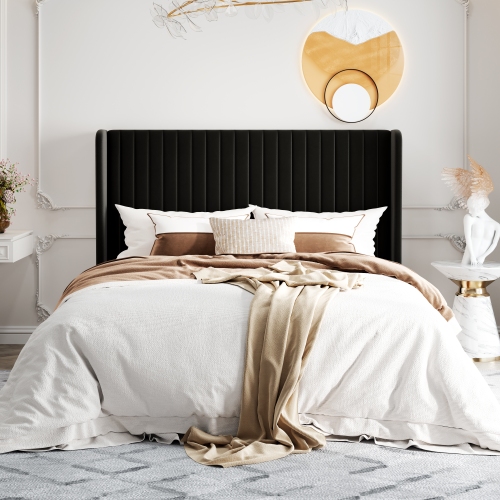
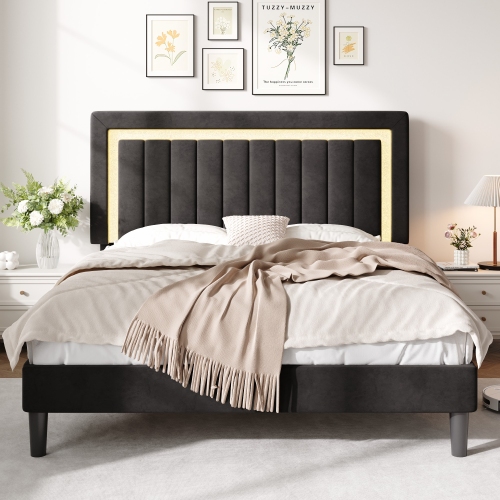
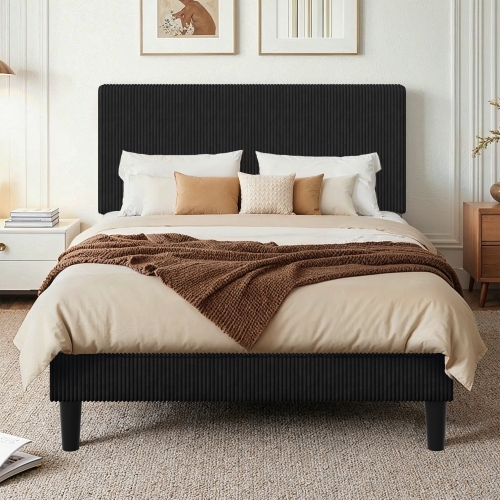
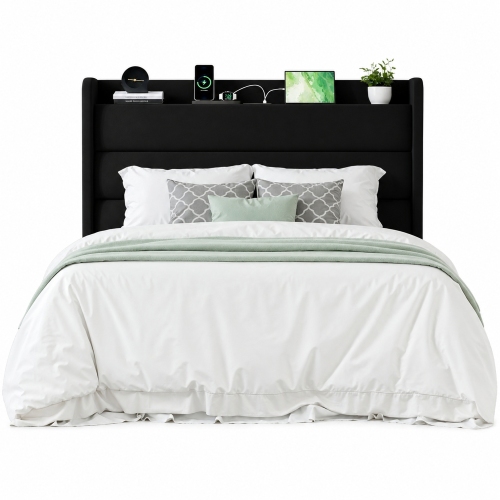

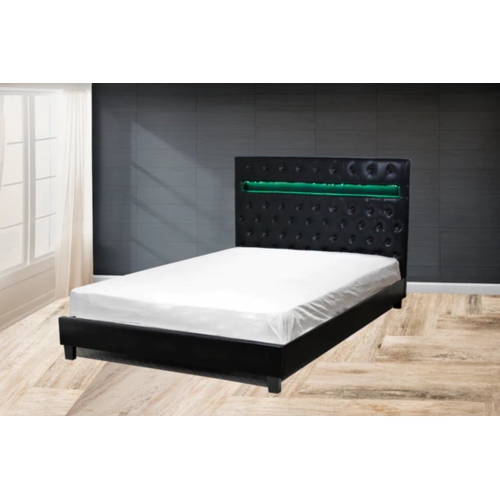
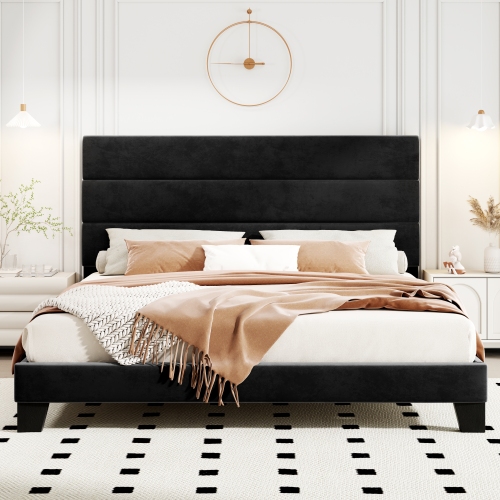
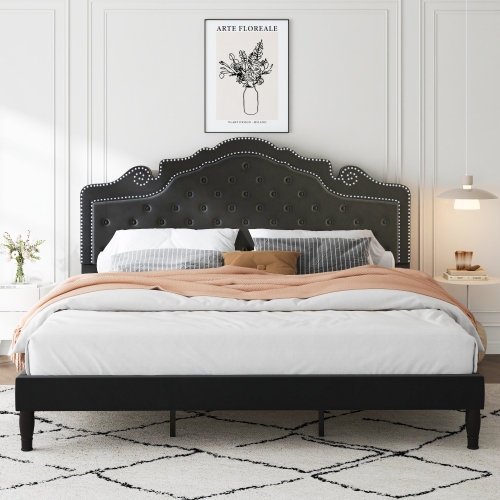
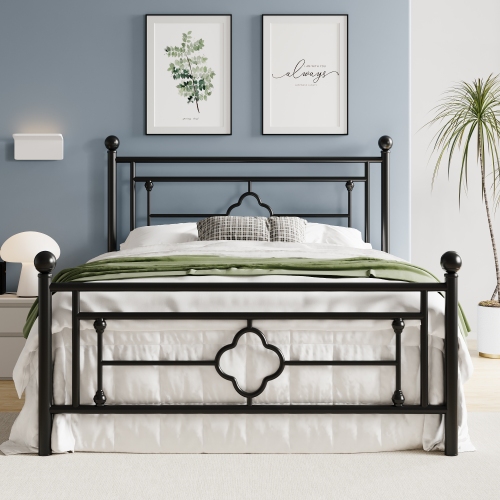
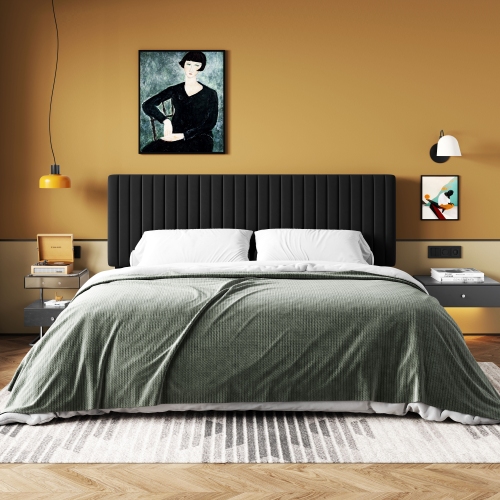

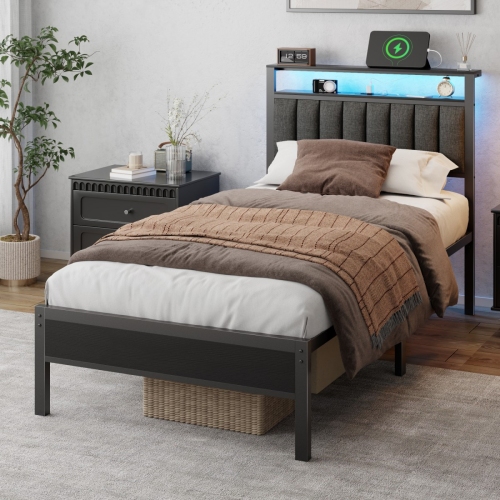

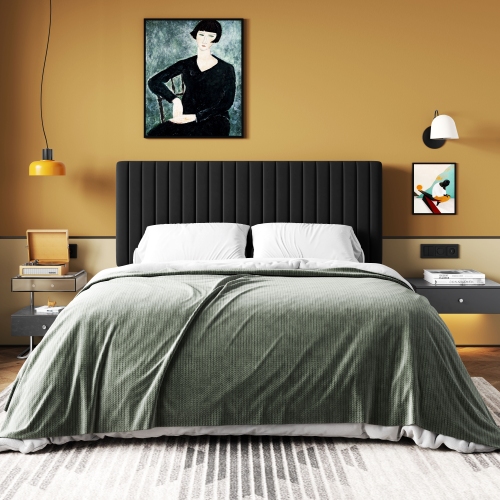
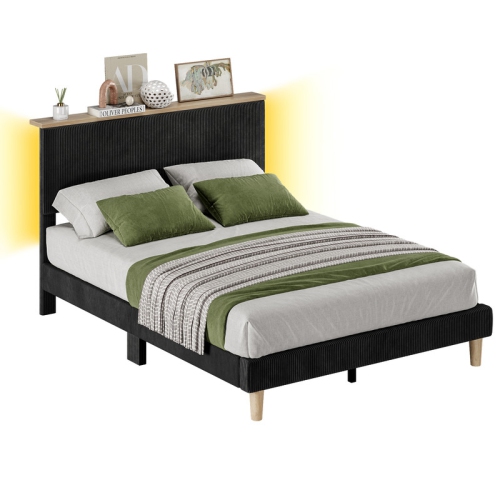
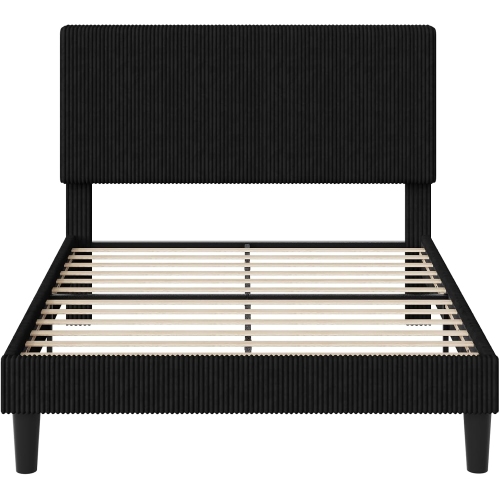
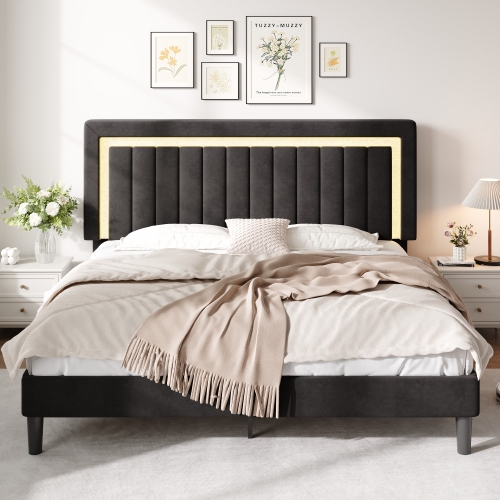
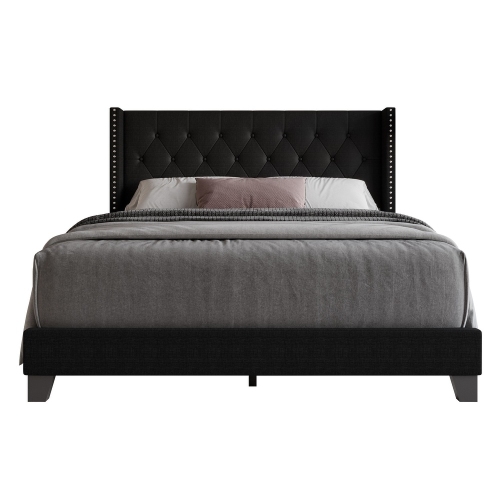
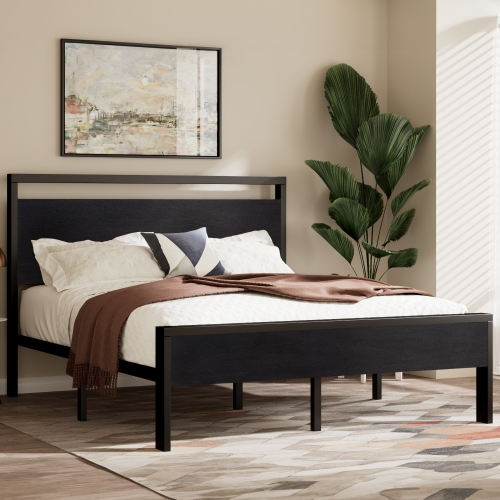
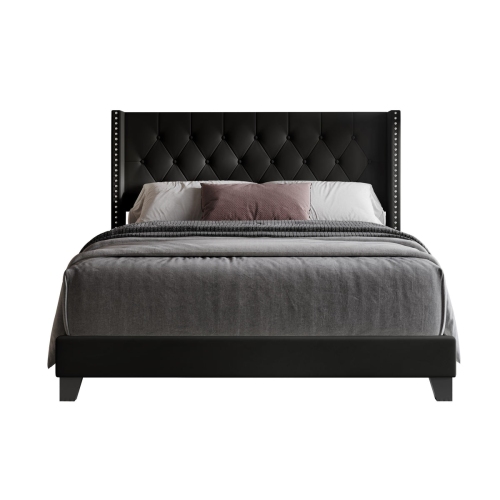
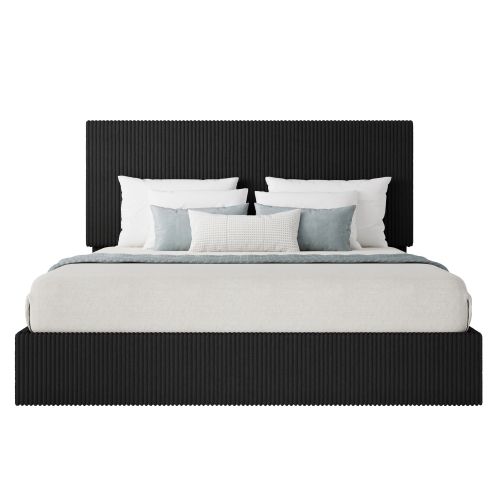
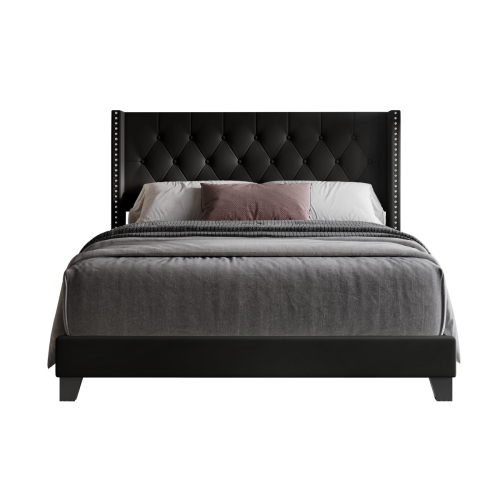
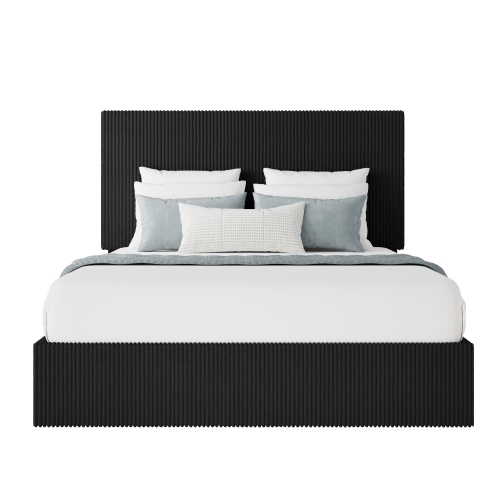



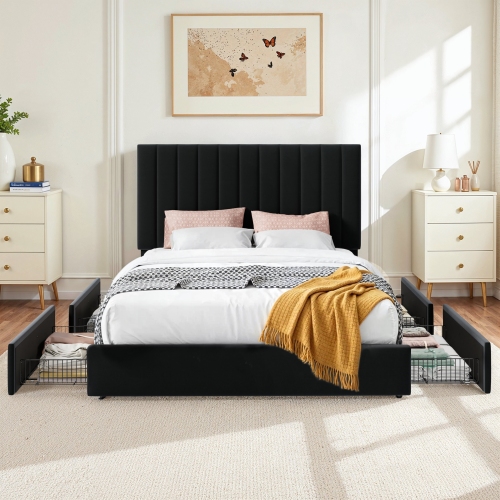

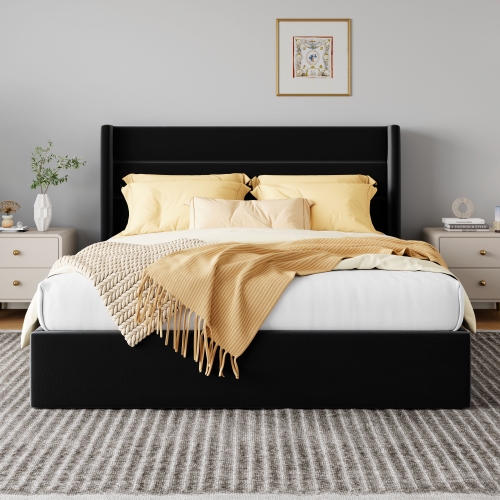

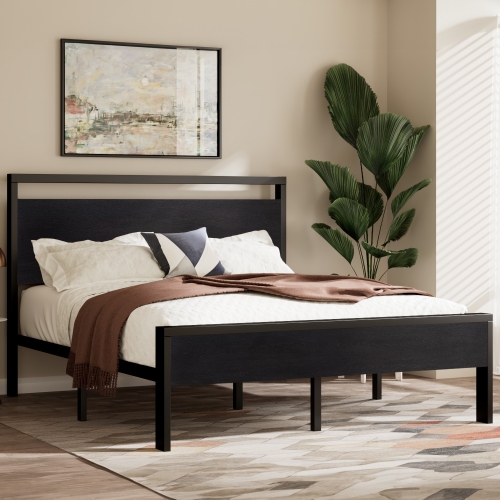
Why shape and texture matter as much as colour
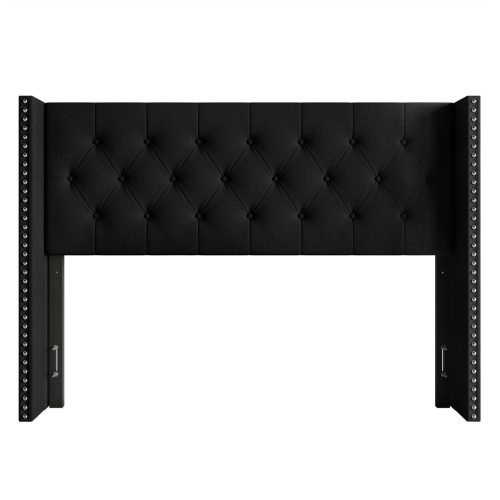
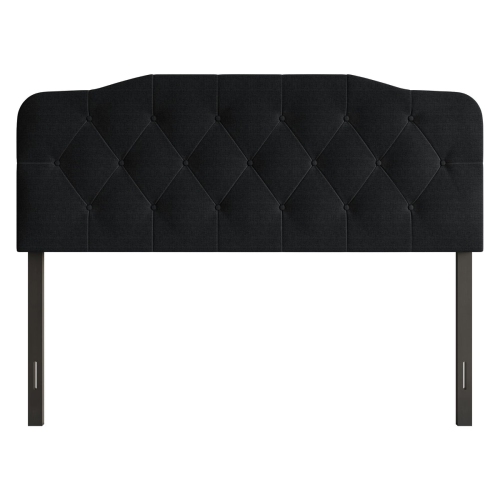
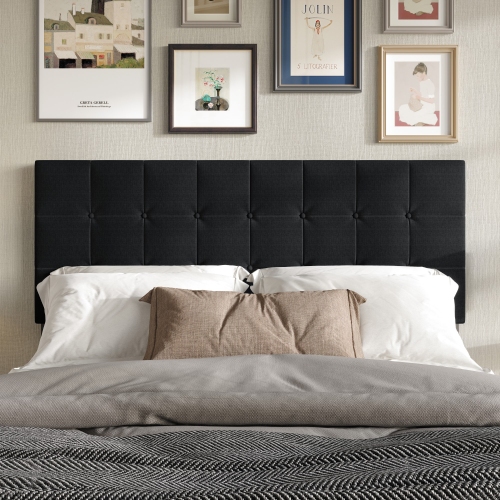
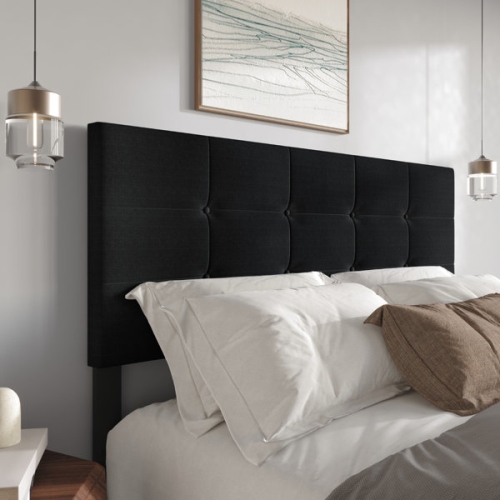
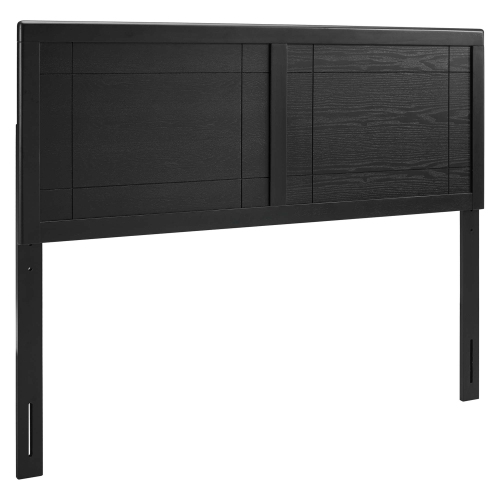
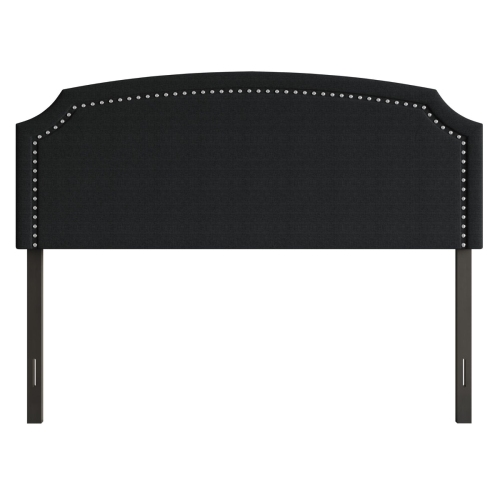
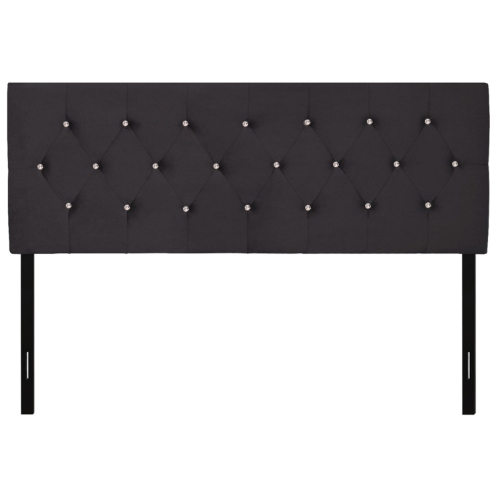
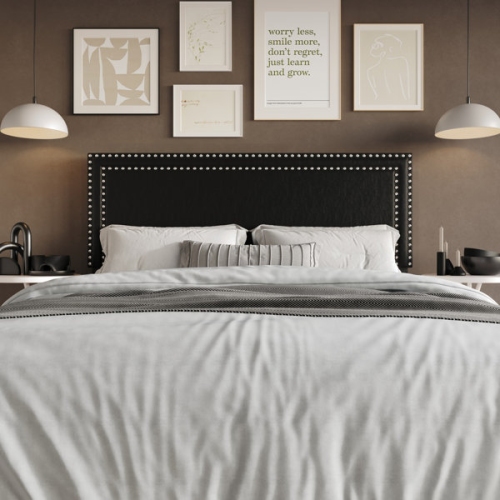
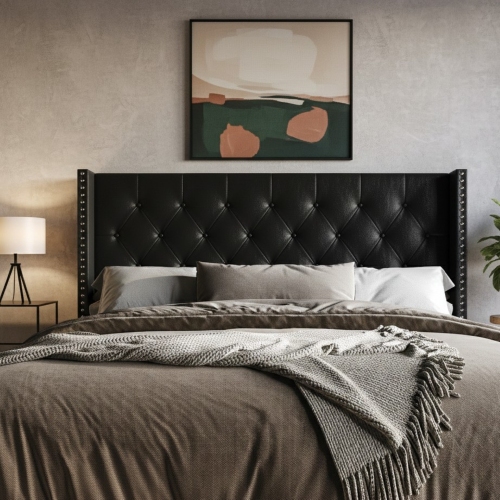
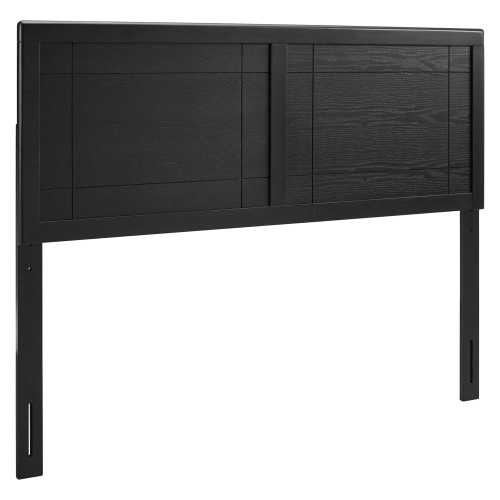
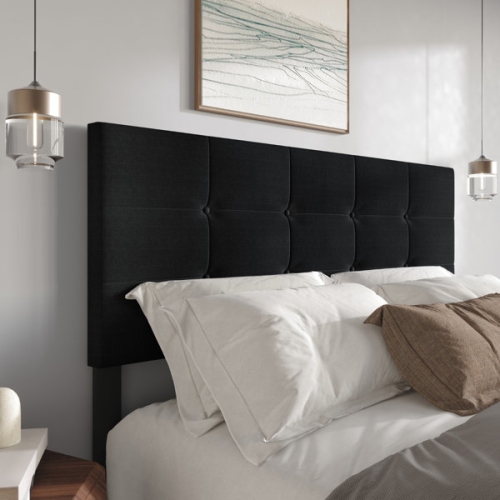
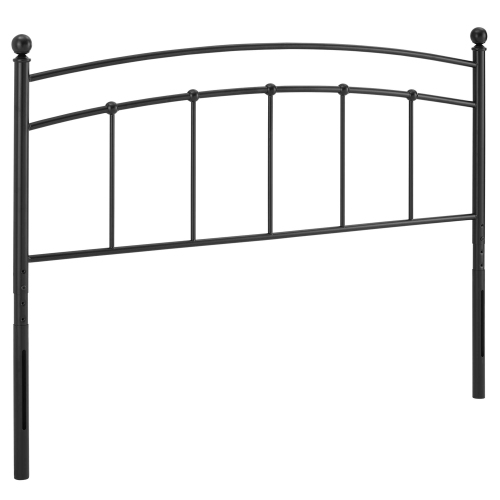
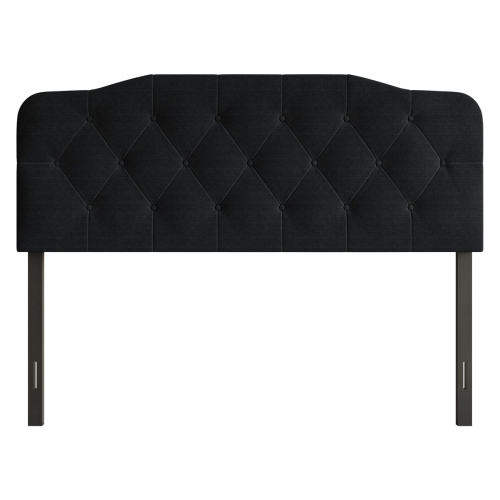
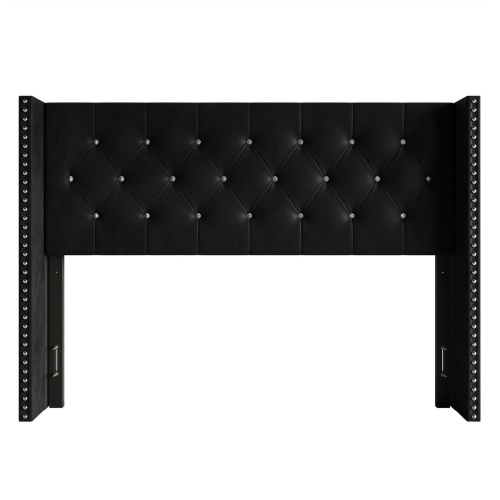
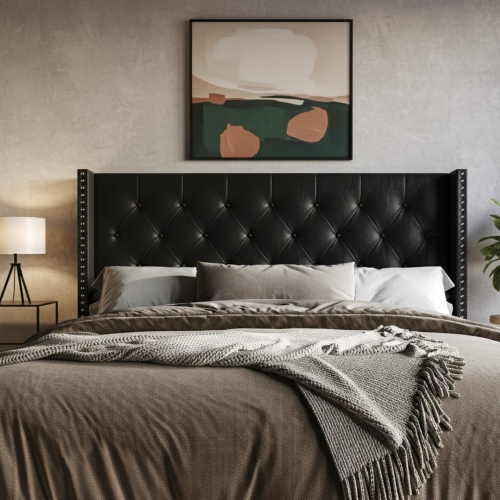
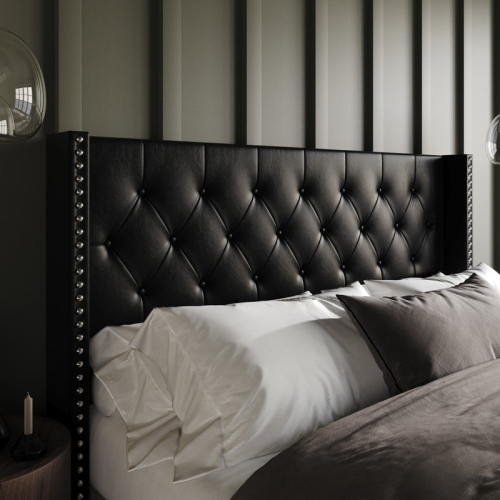
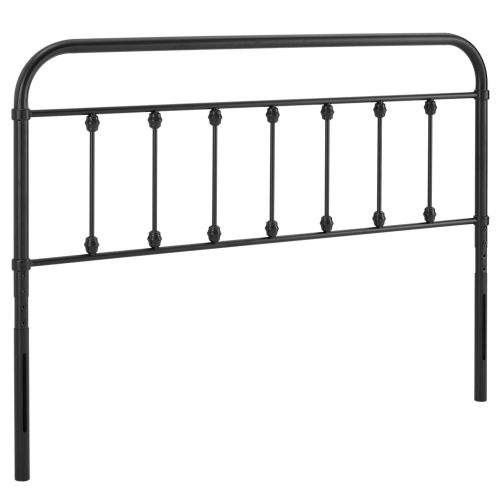
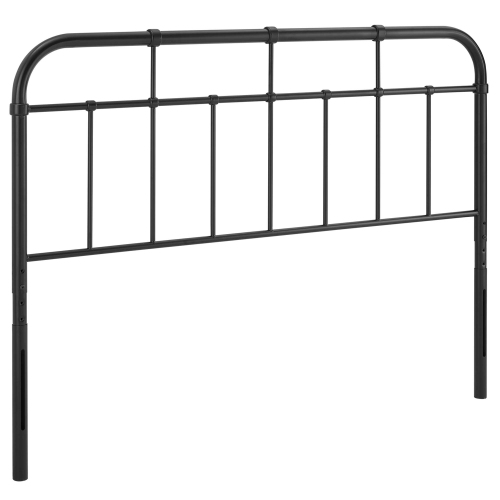
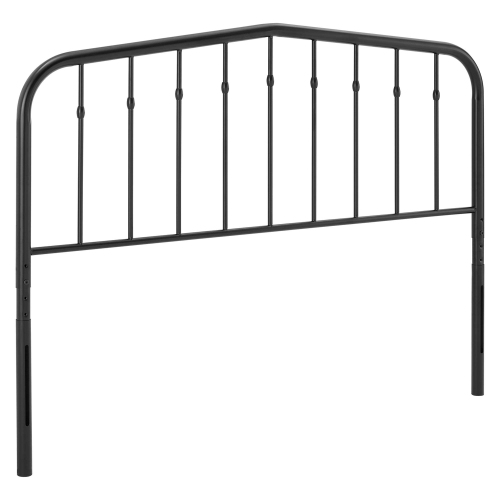
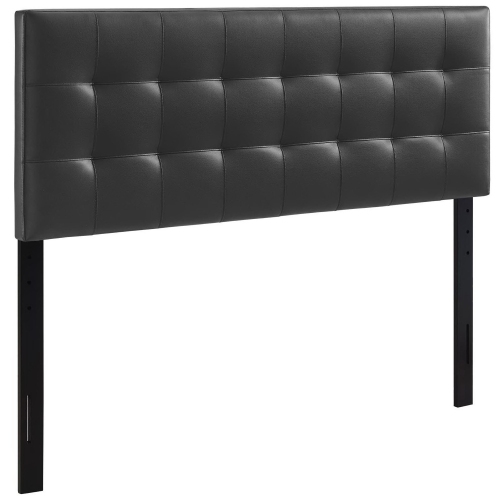
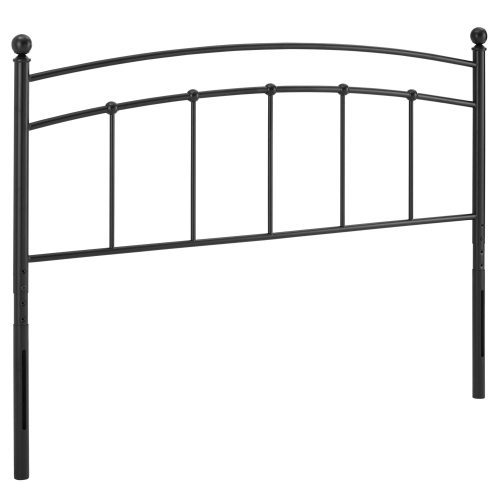
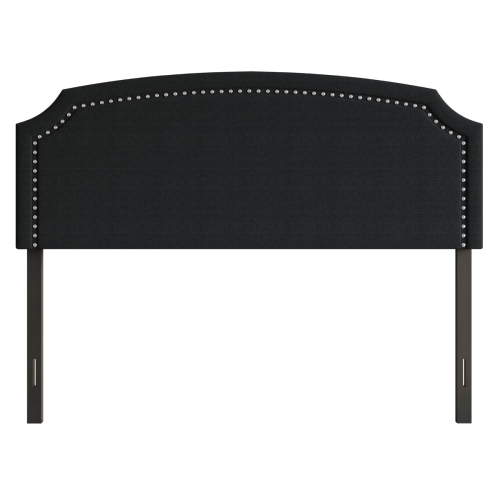
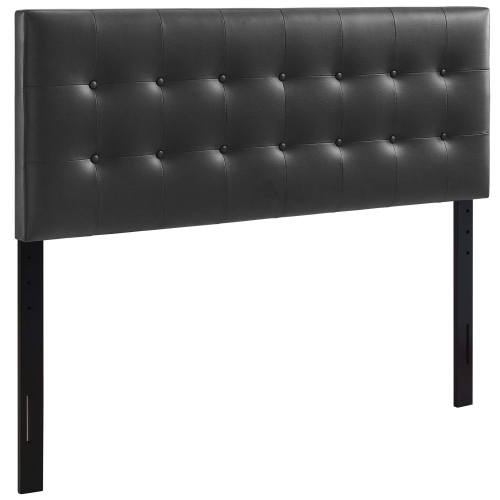
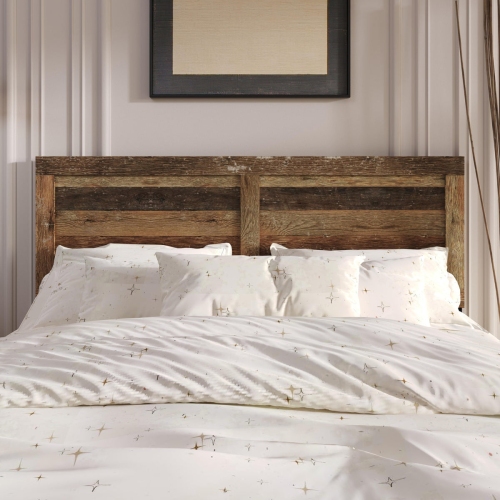
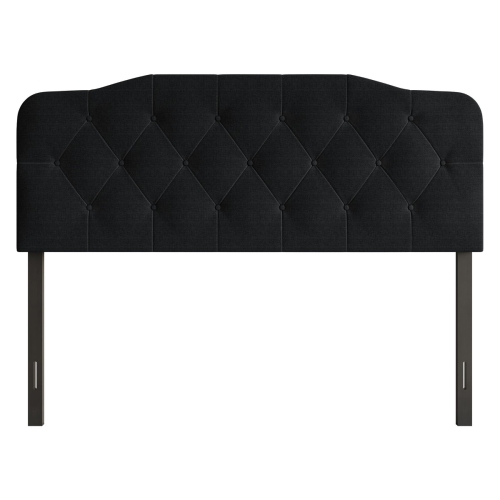
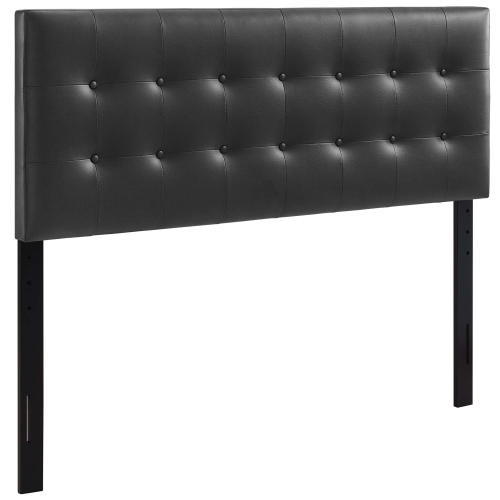
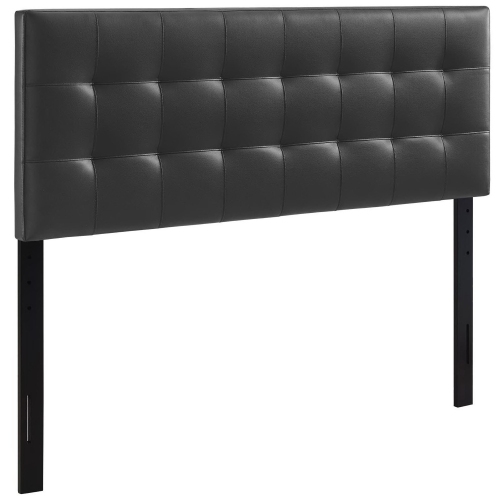
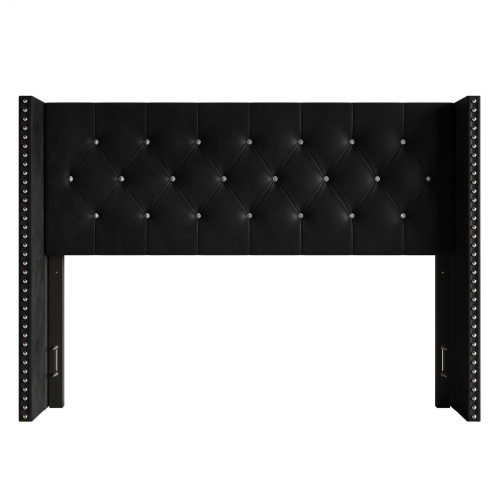
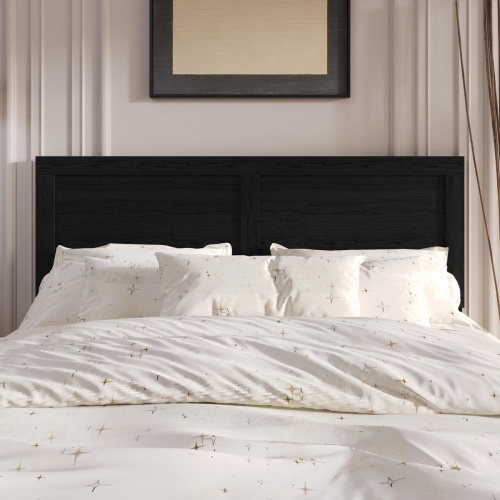
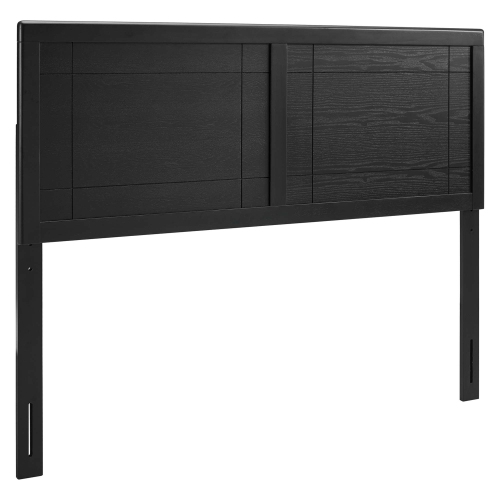
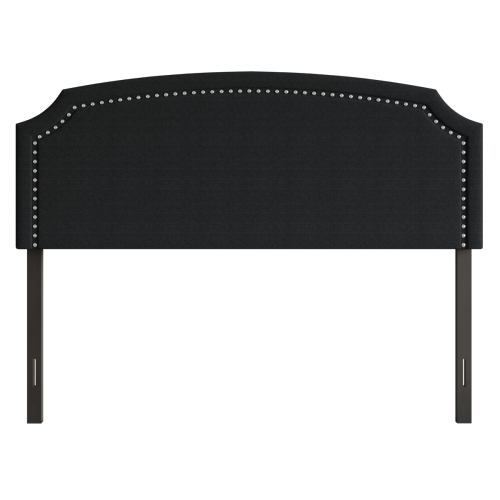
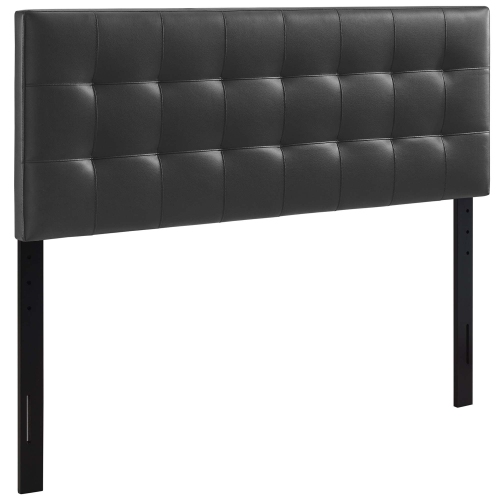
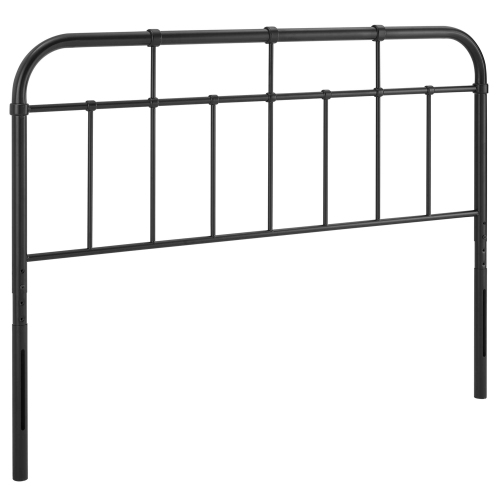
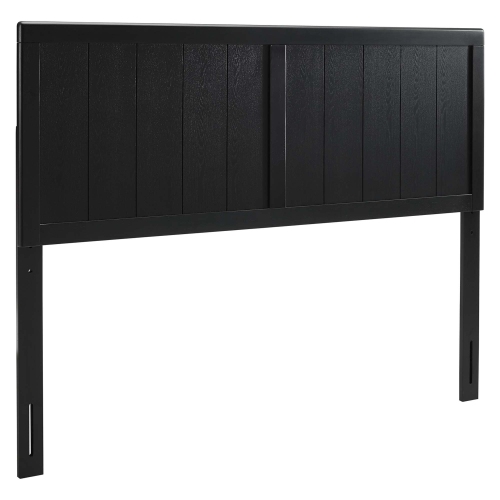
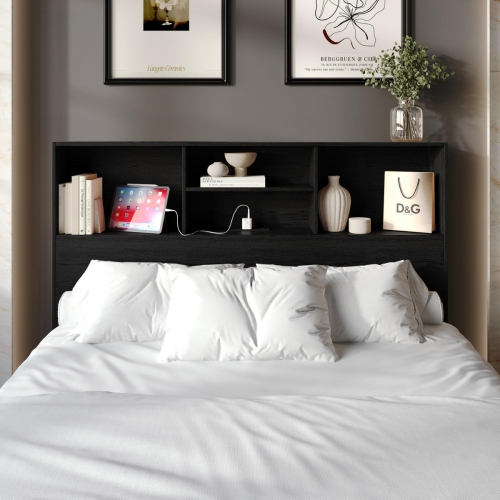
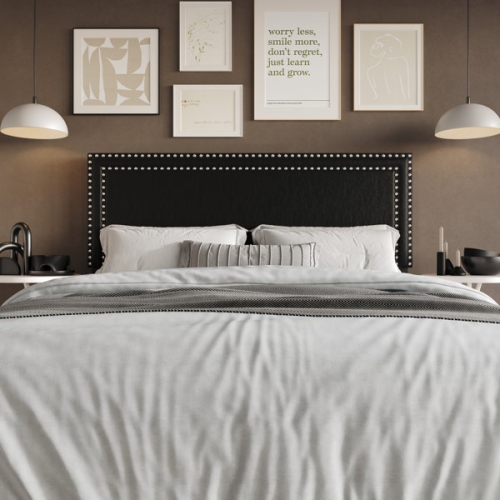
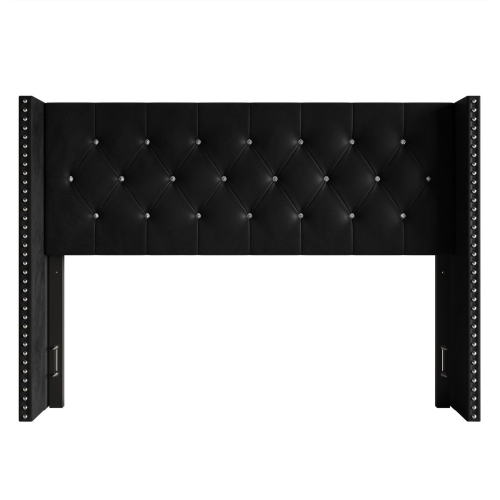
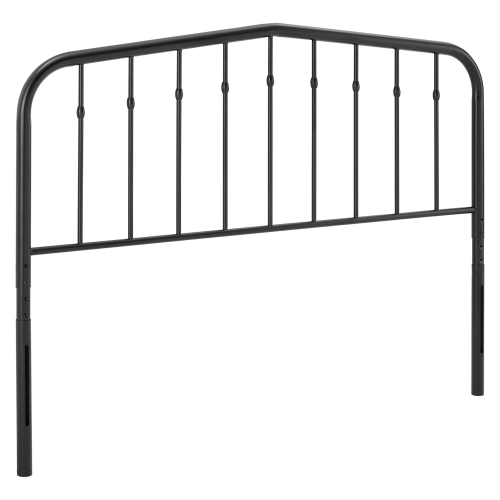
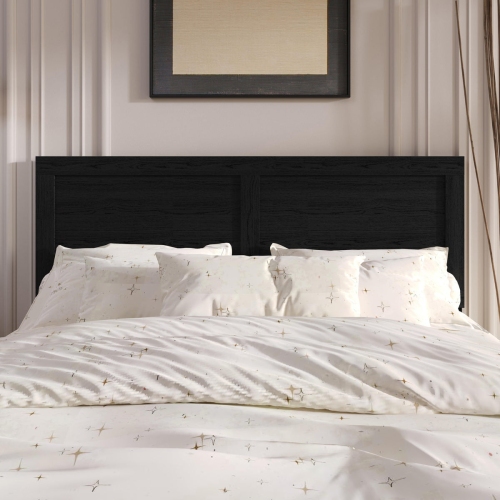
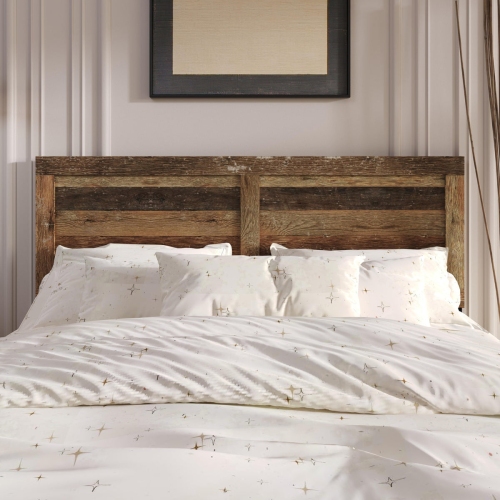
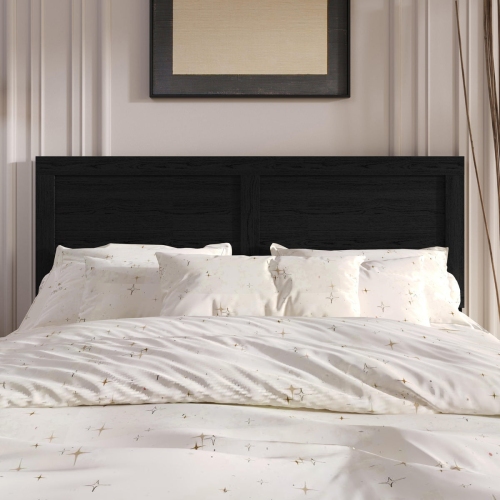
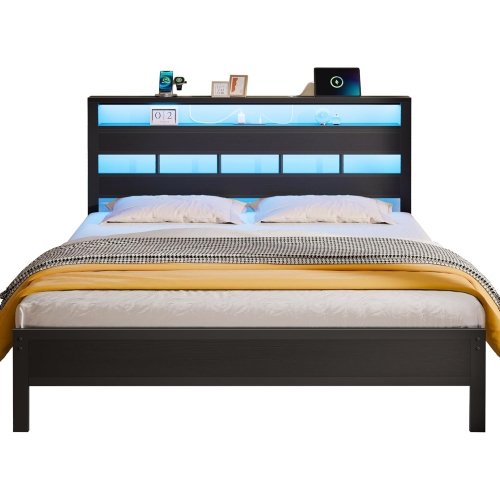
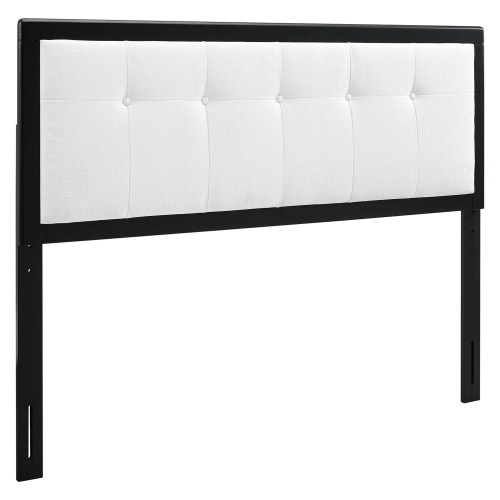
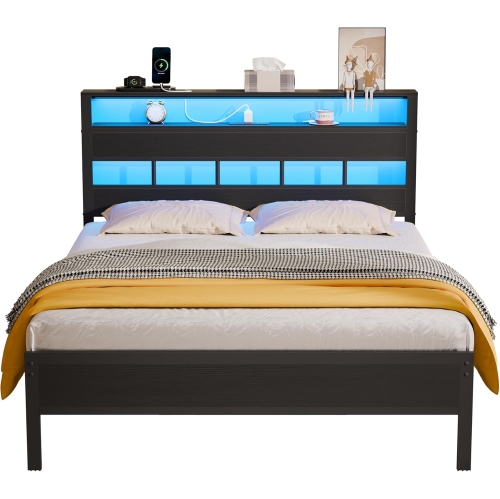
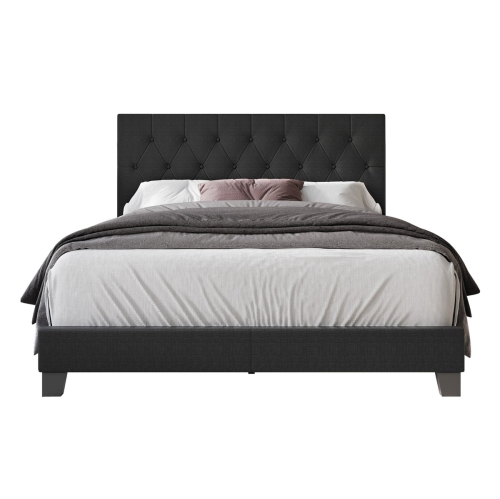
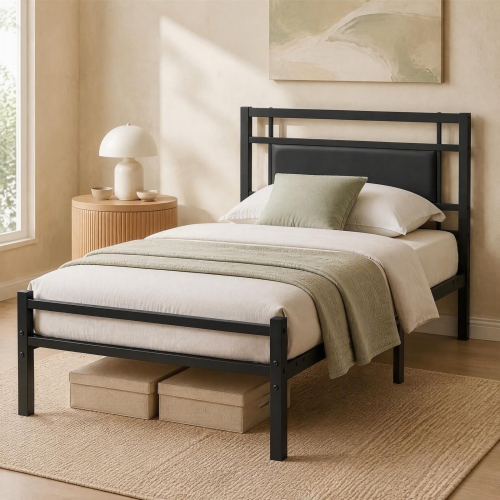
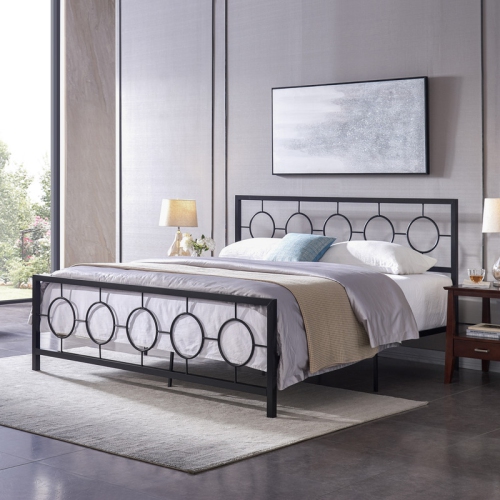
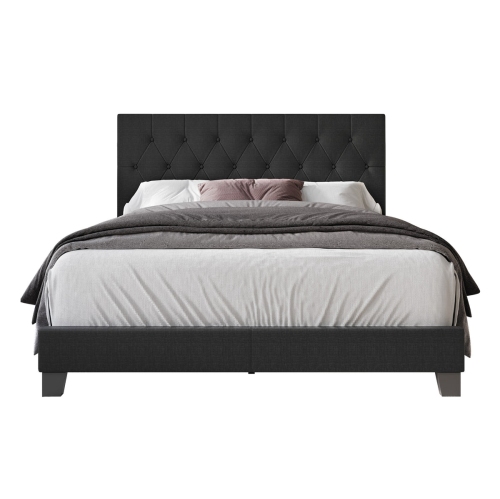
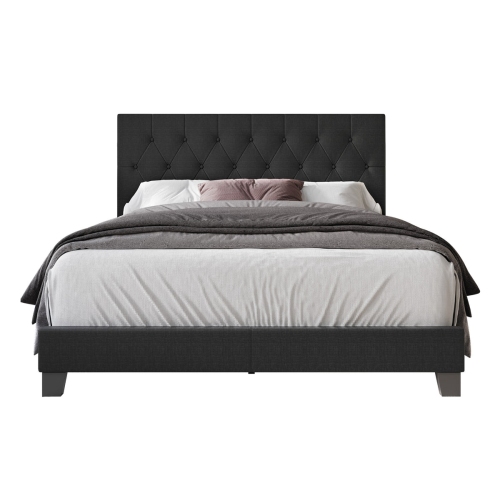
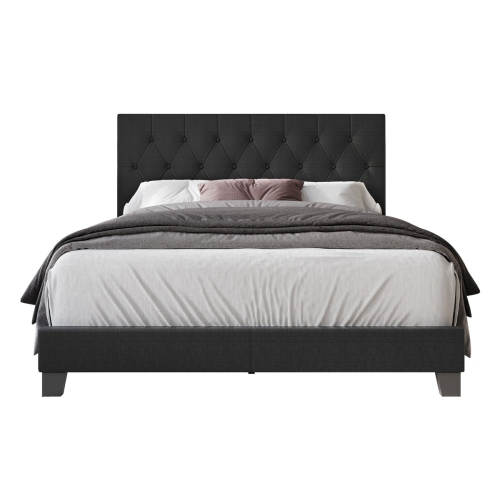
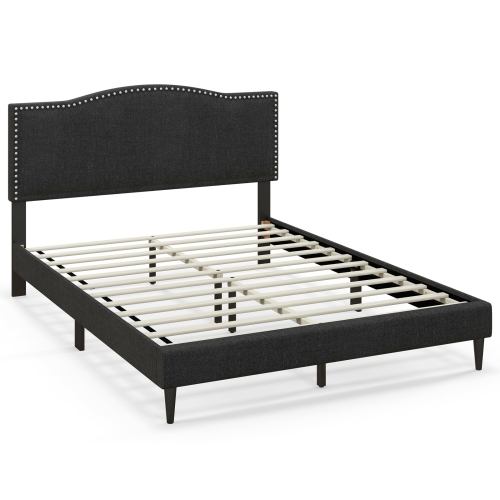
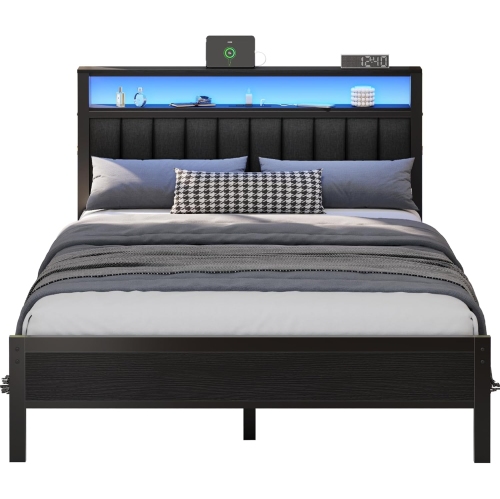
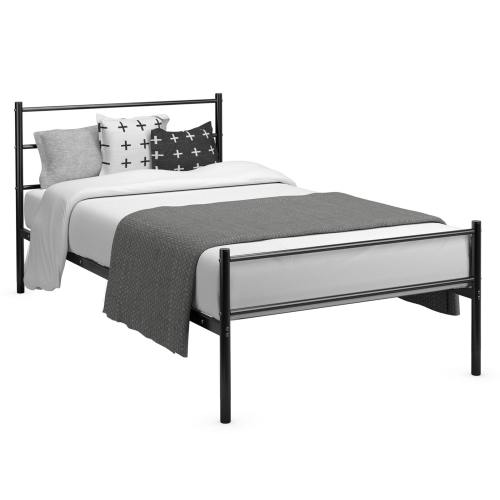
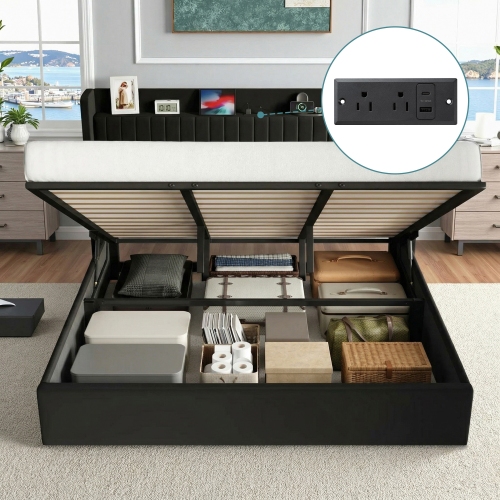
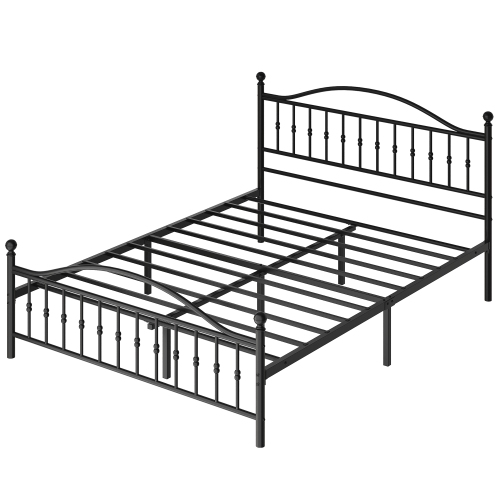
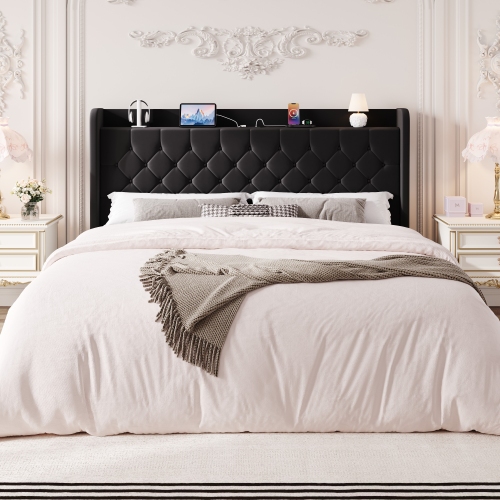
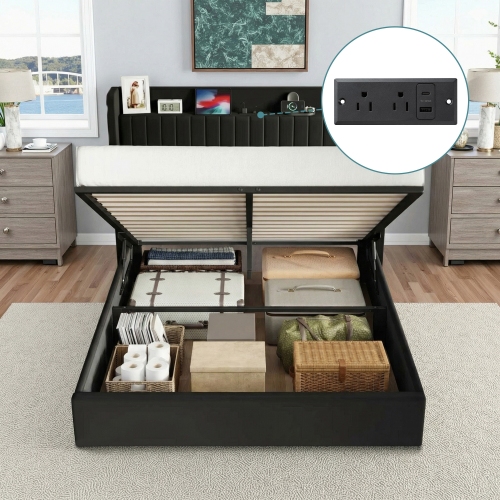
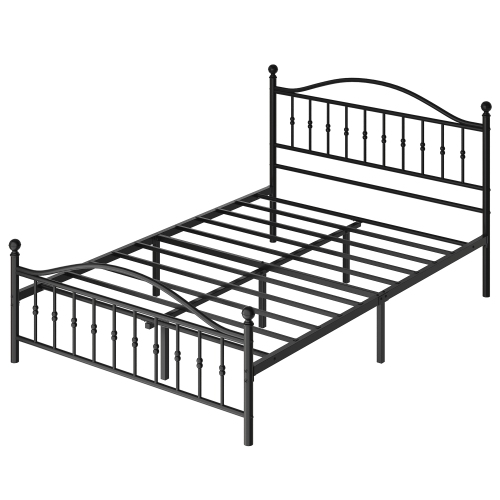
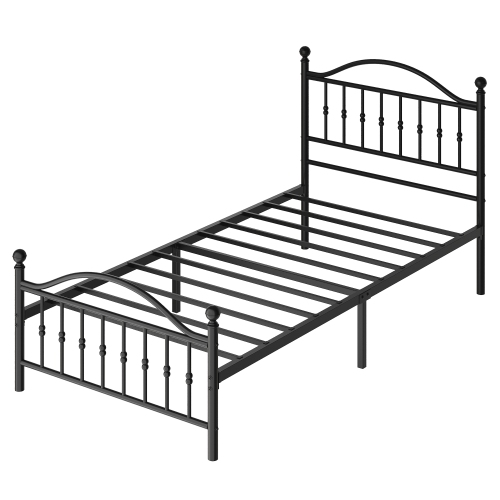
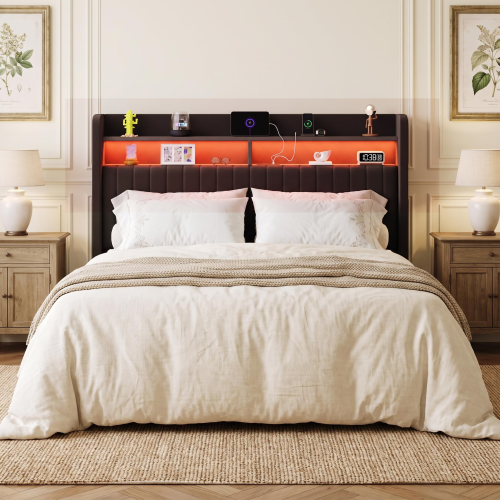
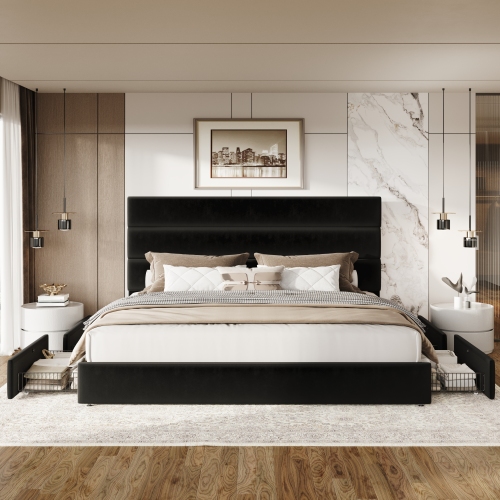
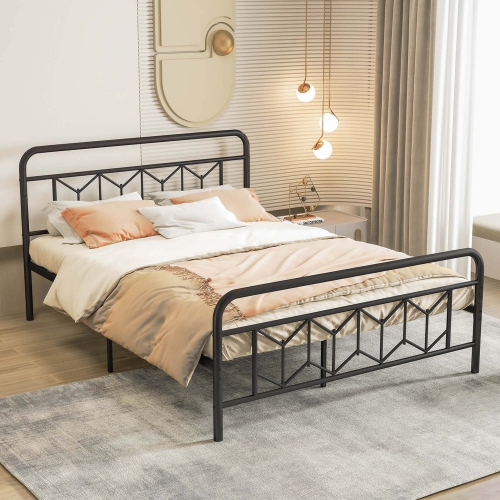
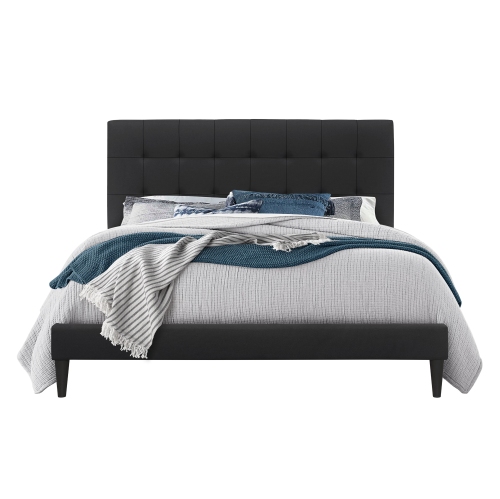
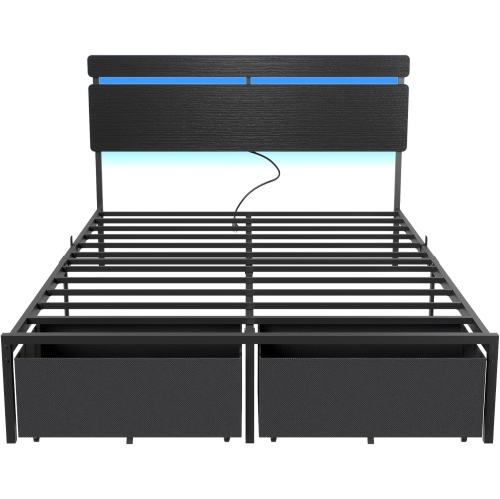
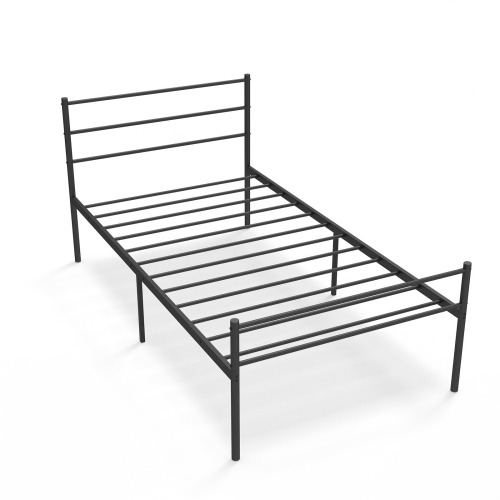
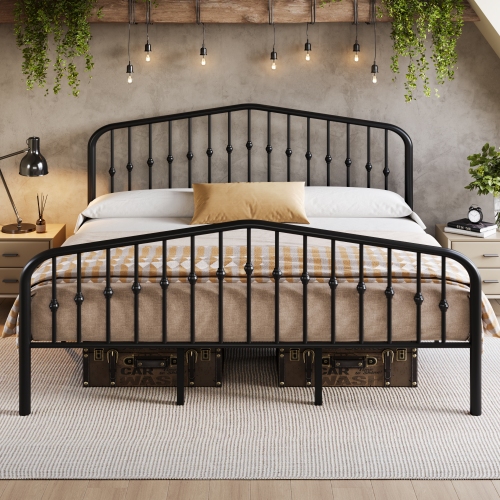
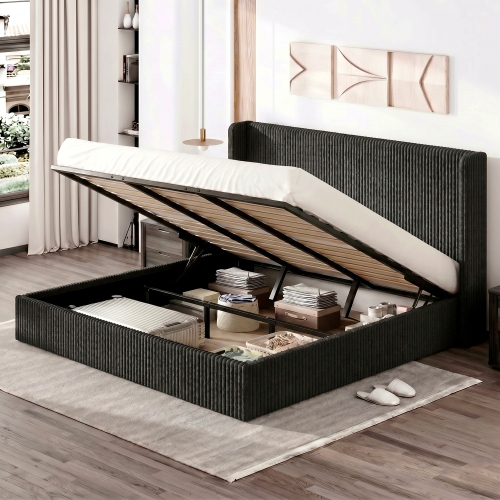
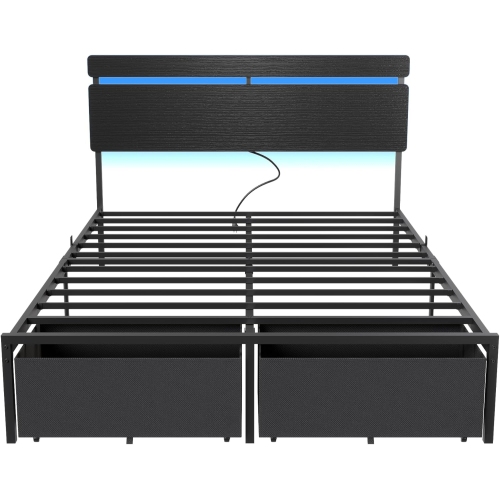
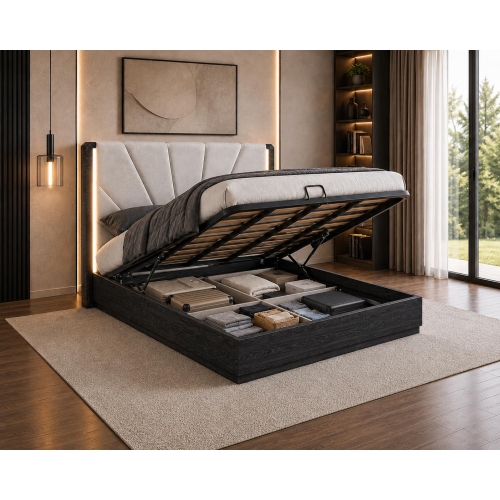
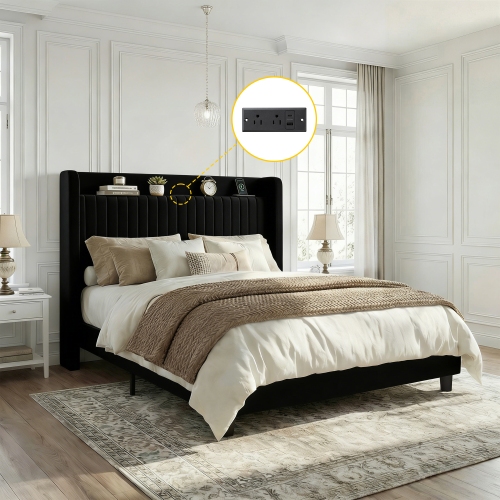
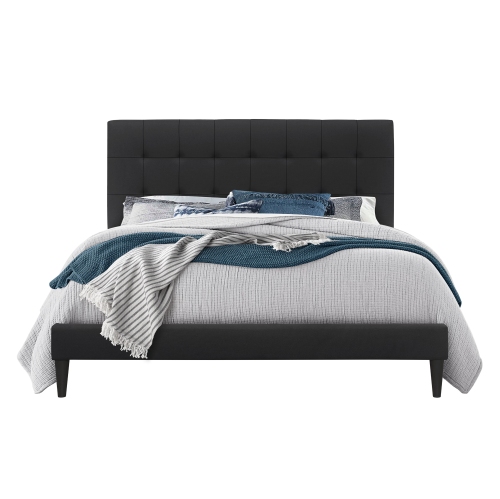
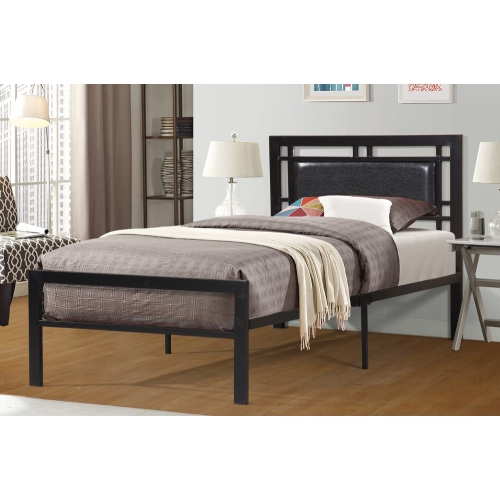
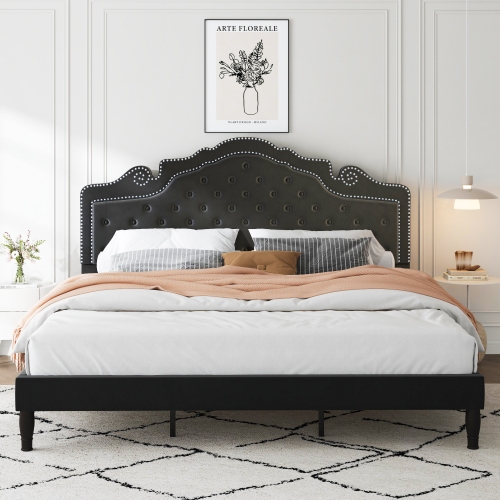
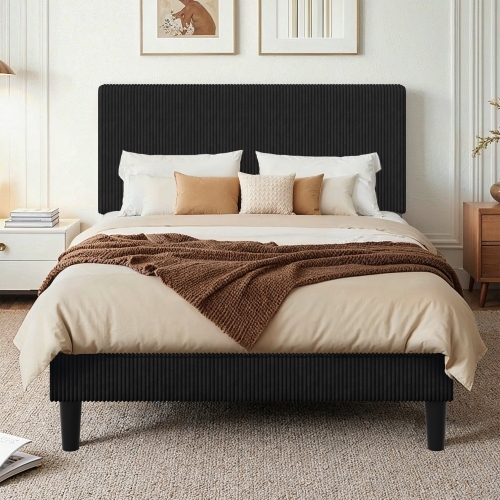
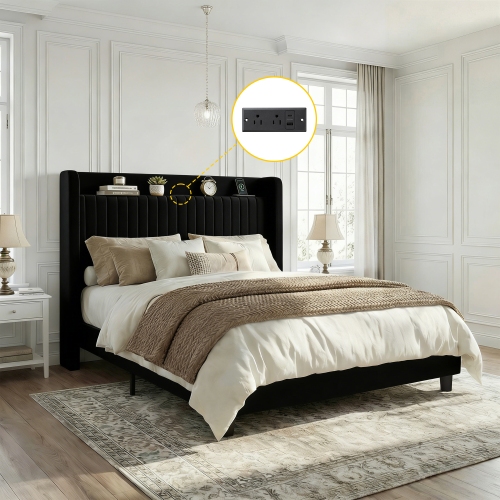
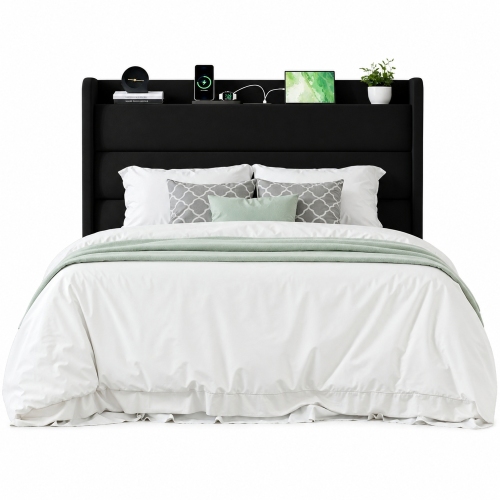
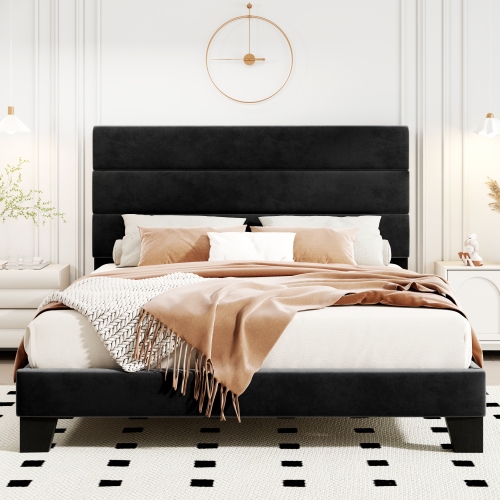
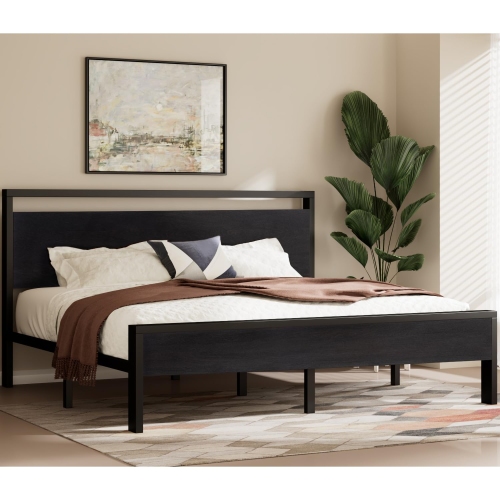
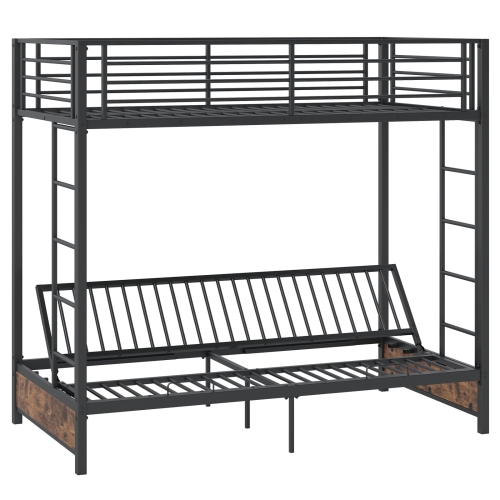
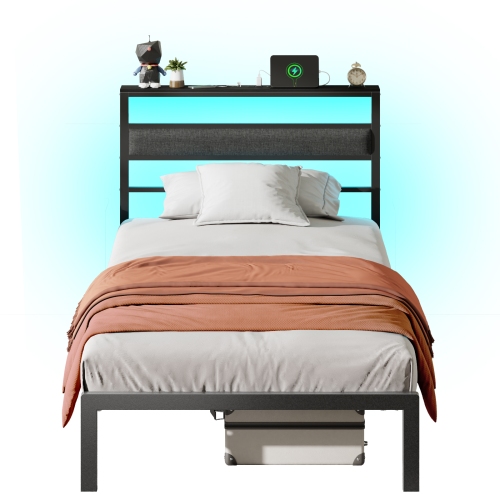
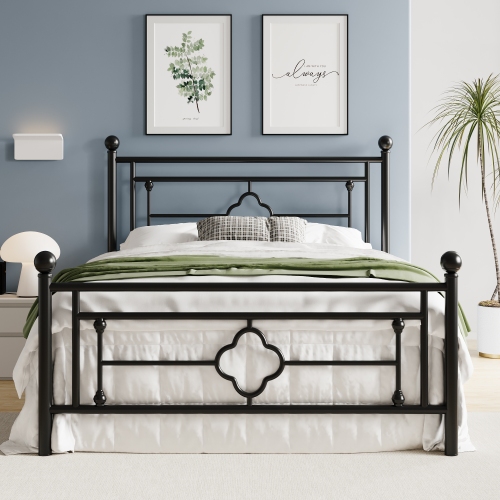
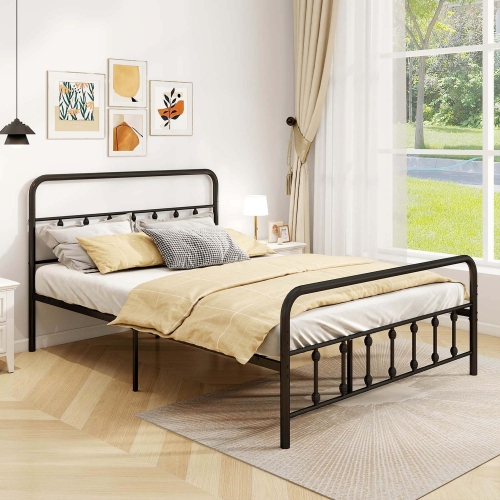
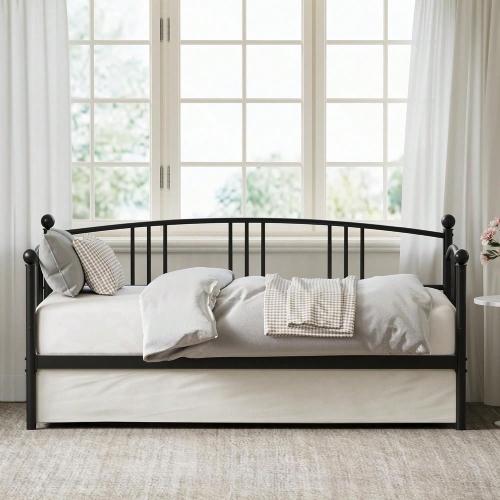
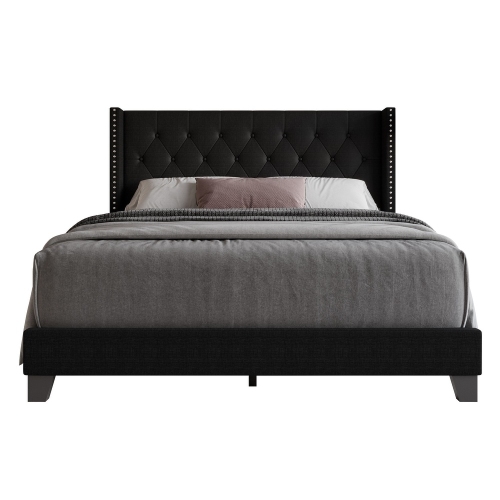
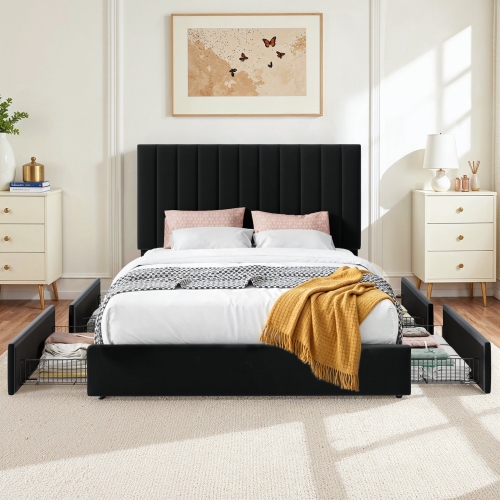
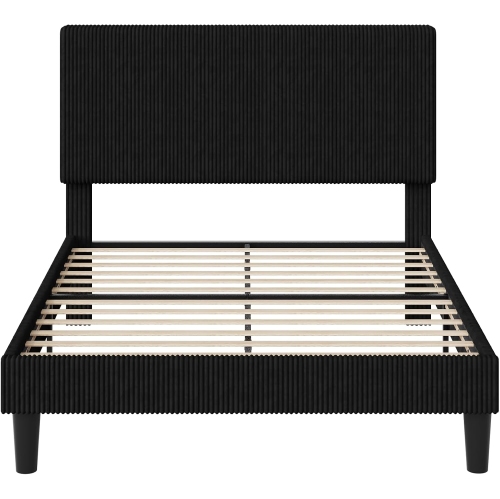
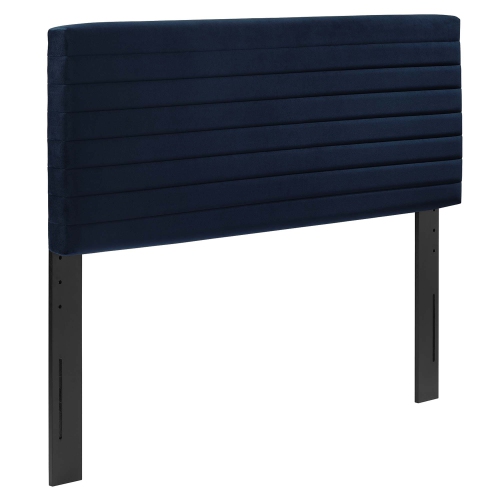
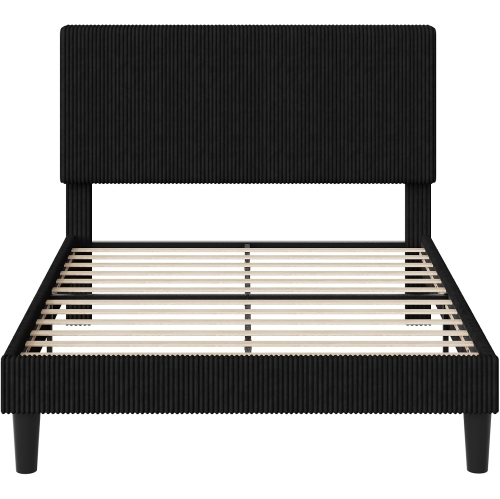
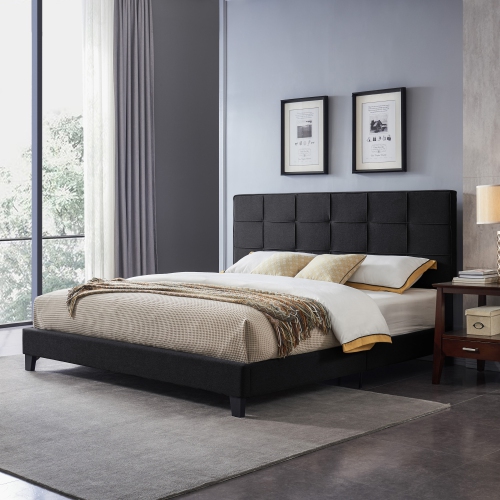
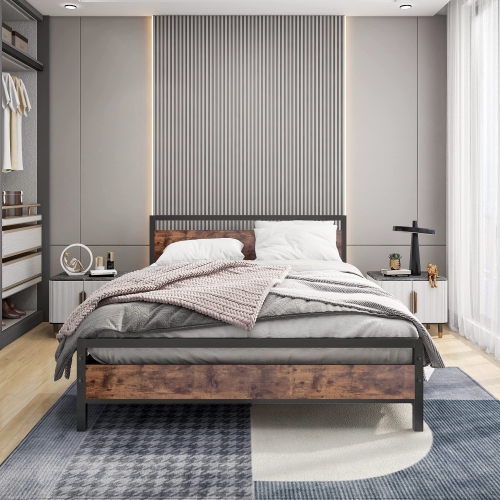
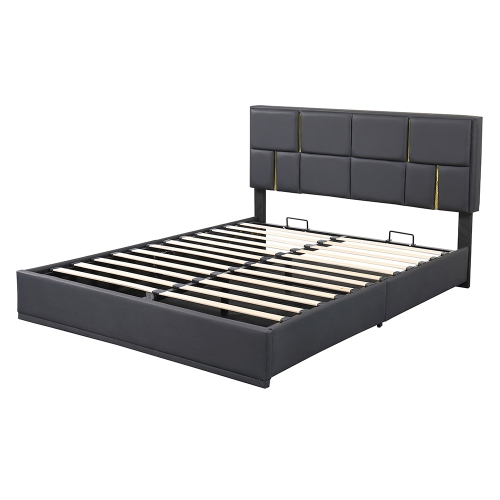
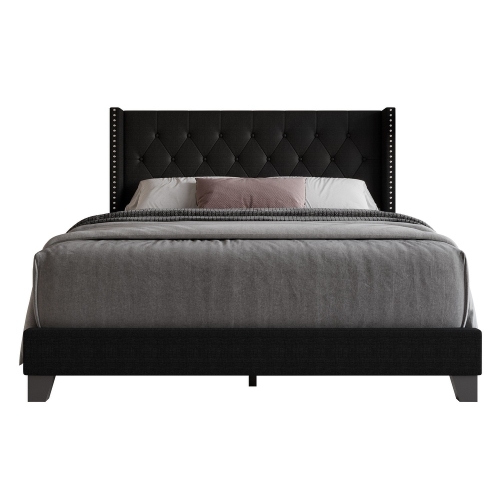
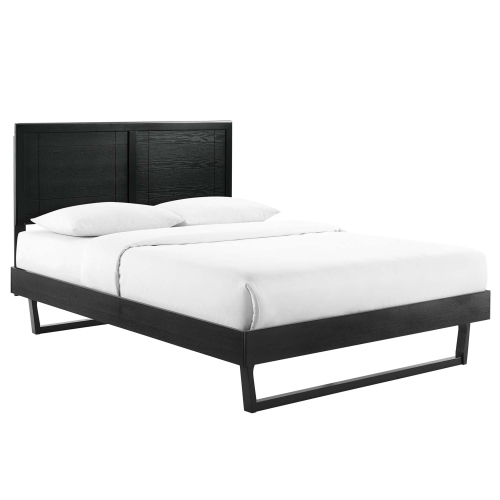
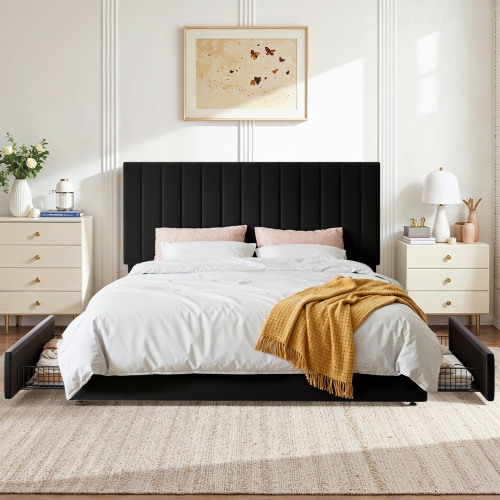
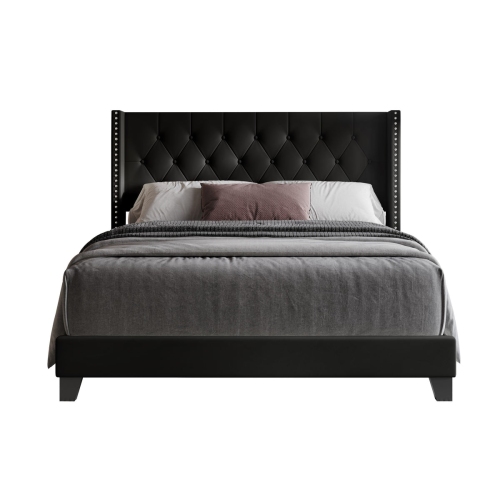
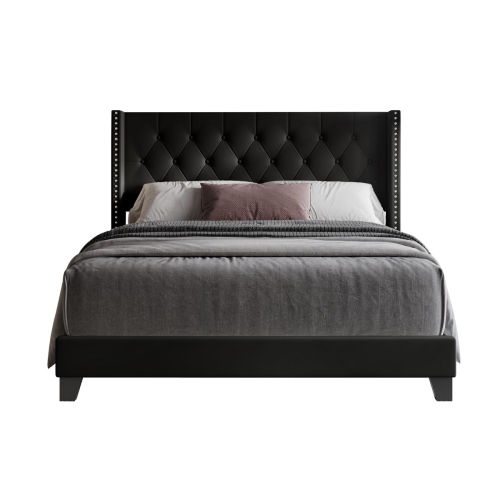
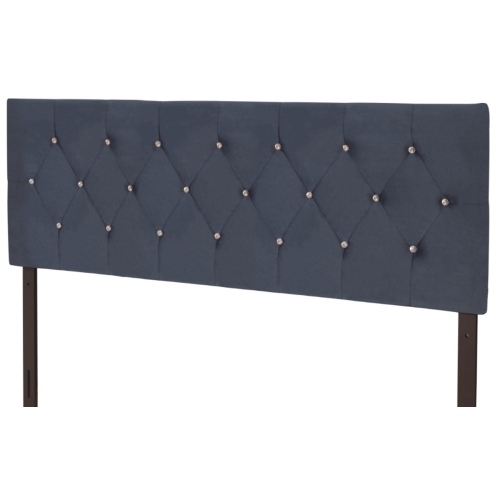
Black headboards give a bedroom a clear focal point, framing the bed with a colour that works equally well against pale walls, patterned wallpaper, or deeper paint shades. Their effect depends as much on shape and texture as on colour. A slim metal frame with open rails leaves more of the wall visible, making it a good fit for a compact room where a solid panel could feel too imposing. A broad upholstered headboard creates a softer backdrop for pillows, while a wood or wood-look design brings defined edges and a more substantial presence. Straight lines and simple panels suit understated spaces; curved tops, tufting, and decorative stitching add detail without introducing another colour. Black also makes it easy to change bedding over time. White sheets create a crisp contrast, muted greens and blues soften the look, and patterned cushions can add interest without competing with the bed frame. The finish deserves attention, since matte black, glossy black, and textured black surfaces reflect light differently. A smooth, reflective surface may appear more prominent beside a bedside lamp, while a woven covering gives the same colour a gentler appearance. Materials affect everyday comfort, too. Upholstered designs provide a cushioned surface for sitting up with a book, although the amount and firmness of padding vary. Among fabric headboards, tightly woven coverings tend to look neat and tailored, while plush textures can show changes in shade as the pile moves. Faux leather offers a smooth alternative, with care requirements that differ from those of fabric. Wood, engineered wood, and metal designs are generally firmer surfaces, so extra pillows may be useful for anyone who regularly sits against the headboard. These differences make black headboards suitable for a range of settings, from a main bedroom where comfort is a priority to a guest room where a simple, adaptable design helps different bedding styles feel coordinated. Matching the headboard to every piece of furniture is not essential; repeating its black finish in a lamp base, drawer pull, or picture frame can be enough to connect the room.
A headboard’s size label is only the starting point for checking fit. Twin, full, queen, and king designs are intended for different bed sizes, but the actual width, mounting arrangement, and compatibility with the existing frame matter just as much. Some headboards sit close to the mattress width, while others extend beyond it for a wider visual effect. Measuring the bed, the wall behind it, and the space beside nearby furniture helps establish whether that extra width will work. In a narrow bedroom, an oversized panel could crowd bedside tables or cover a conveniently placed outlet. Height also changes the result. A tall mattress and stacked pillows can hide much of a low headboard, including tufting or other details, whereas a taller design remains visible above the bedding. Adjustable-height legs can offer flexibility, but their range should be checked against the bed’s finished height rather than the frame alone. Attachment methods are another important distinction. Frame-mounted headboards need compatible brackets, hole spacing, and hardware; a matching size designation does not guarantee that two components will attach. Wall-mounted designs rely on appropriate fixings for the wall construction and must be installed according to the manufacturer’s directions. Freestanding styles have their own placement requirements and should not be assumed to stay secure simply because the bed is pushed against them. For an adjustable bed, confirm compatibility and allow the moving sections to operate without catching or pressing against the headboard. Baseboards, window ledges, sloped ceilings, and wall trim can also affect placement. A quick measurement from the floor to the lowest obstruction can prevent an awkward fit beneath a window or angled ceiling. Access matters before assembly as well: large panels need to pass through doorways, stairwells, and tight turns. Checking packaged dimensions and whether the headboard arrives in sections is especially useful in condos or homes with narrow stairs. Once installed, the headboard should feel stable, with sufficient clearance for bedding and no interference with drawers, doors, or nearby switches.
Care and durability depend on the construction beneath the black finish as well as the surface itself. Solid joints, secure mounting points, neatly finished edges, and well-attached upholstery all contribute to a headboard that holds up to regular use. For padded designs, the density and placement of cushioning affect how comfortable the surface feels and how well it retains its shape. A deep tufted pattern adds texture, but its folds and seams give dust more places to settle than a flat panel. Regular gentle vacuuming with an upholstery attachment can help maintain fabric when permitted by the care instructions. Spot cleaning should follow the specified method, since some coverings tolerate water-based cleaners while others require different treatment. Testing an approved cleaner in an inconspicuous area helps reduce the risk of a visible mark. Smooth wood, coated metal, and faux leather surfaces often need only light routine cleaning, but abrasive pads, harsh chemicals, and excess moisture can damage certain finishes. Black does not automatically conceal everyday marks: pale lint may stand out on dark upholstery, and fingerprints or fine scratches can be noticeable on smooth surfaces. In a room shared with pets, fabric texture and the visibility of shed hair are practical considerations alongside appearance. Keeping a little clearance between the headboard and the wall, where the installation permits it, can help prevent rubbing; correctly tightened hardware can also reduce movement and noise. Periodic checks are worthwhile after moving the bed or rearranging the room. For a main bedroom, a padded surface may be particularly welcome during evening reading, while a spare room may benefit from a straightforward shape that is easy to clean between visits. A black headboard can also make a thoughtful housewarming gift when the recipient’s bed measurements, attachment requirements, and preferred style are already known. Whether paired with matching furniture or a mix of finishes, a well-fitted headboard gives the bed a finished appearance without requiring a complete room update. The strongest choice balances the desired look with practical details that remain useful every day: comfortable support, reliable attachment, manageable care, and proportions that suit both the mattress and the room.
Top selling and popular products
-
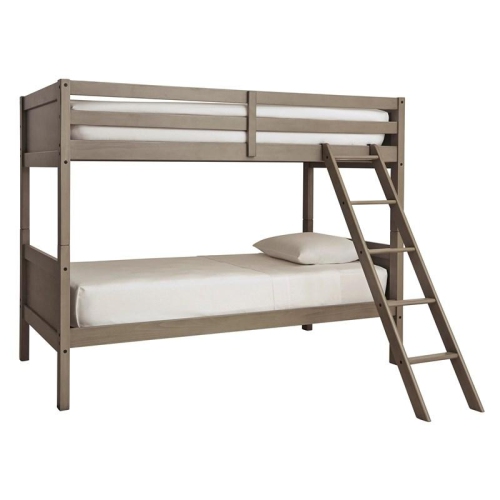 Your price for this item is $799.99
-
 Your price for this item is $3519.99
-
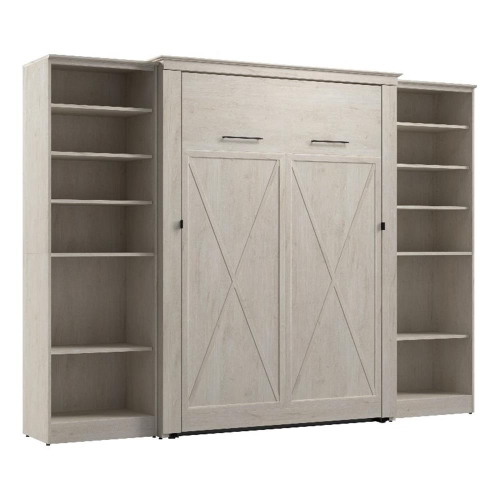 Your price for this item is $3099.99
-
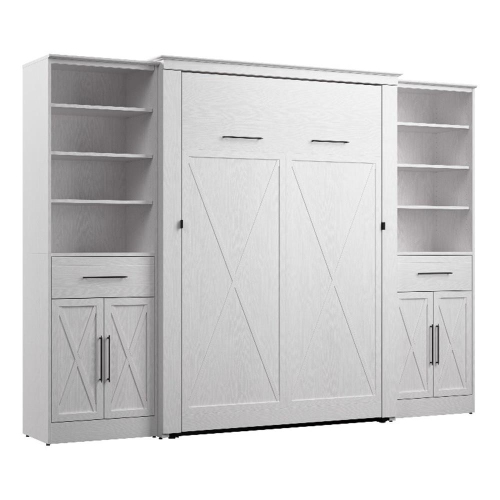 Your price for this item is $3349.99
-
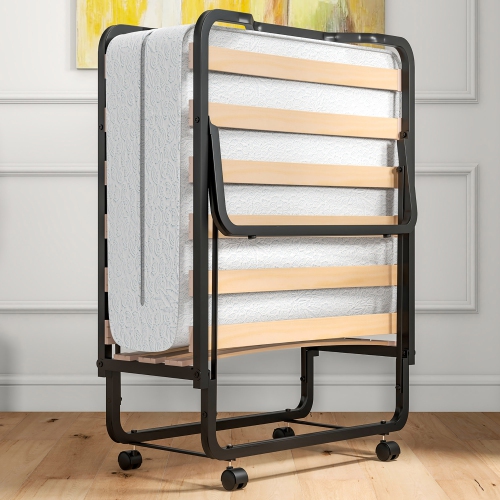 Your price for this item is $235.99
-
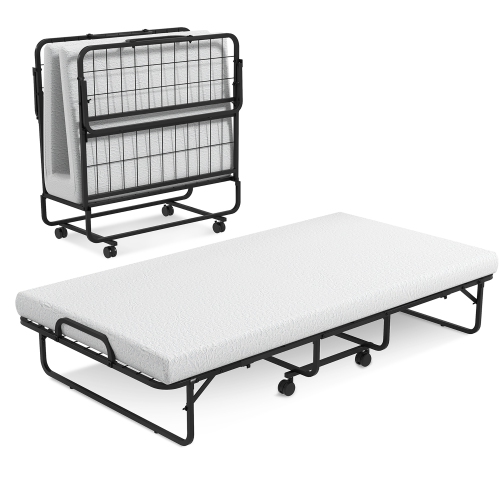 Your price for this item is $233.99
-
 Your price for this item is $243.99
-
 Your price for this item is $364.99
Discover more categories related to Black Headboards
Top Collections:
Best Black Friday Deals This Year, Best Black Friday Deals On Electronics, Kindle Devices, Best Black Friday Deals On Apple Products, Best Budget Office Chairs, Best Cameras for Sports Photography, Dyson Airwrap, Canon G7X Cameras, Best Laptops for Writers, Samsung Galaxy Phones
Some products may be subject to Environmental Handling Fees
(EHF) depending on your province.
Learn more about EHFs.