Best Battery Powered Leaf Blowers

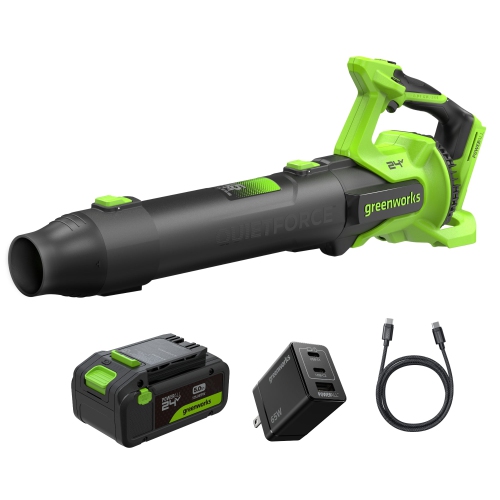
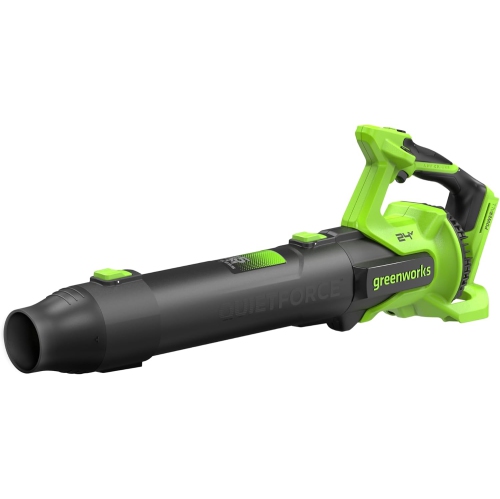
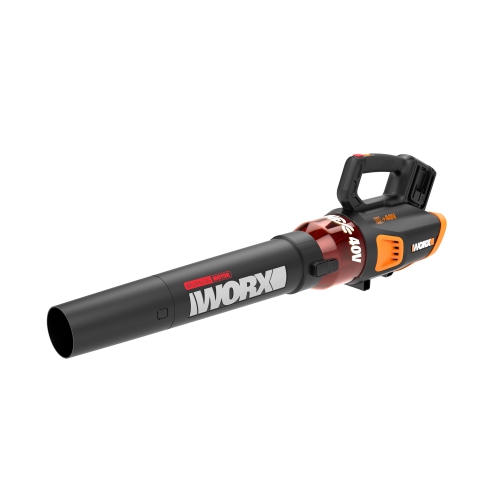
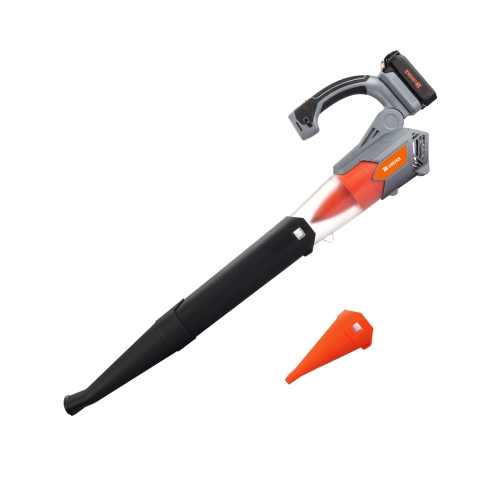
Find the best battery-powered leaf blowers for clearing leaves and light debris from your yard without a cord or petrol engine. Browse cordless options and compare battery runtime, air speed, weight, and battery compatibility to find a good fit for your outdoor space. Check whether a battery and charger are included, especially if you’re adding to an existing cordless tool collection.
Read More

Sort

How yard size shapes airflow and battery needs

The best battery-powered leaf blowers combine enough airflow for the job with a comfortable working weight and a battery that suits the size of the property. These cordless outdoor tools are useful for clearing fallen leaves from lawns, gathering dry debris along fences, and tidying patios, driveways, and walkways without trailing a power cord. For a small townhouse courtyard, a compact handheld blower can make short cleanups easier than bringing out a larger machine. A property with mature trees, wide lawns, or a long driveway may call for greater air volume and more battery capacity. Two performance measurements help distinguish these uses: cubic feet per minute, or CFM, describes the volume of air a blower moves, while airspeed describes how quickly that air travels. Higher air volume generally helps move broader piles of leaves; higher airspeed can help loosen debris caught in grass or along pavement edges. Neither figure tells the whole story on its own, because nozzle shape, operating mode, and the condition of the leaves also affect results. Dry leaves scattered across a deck need much less force than a damp layer pressed into turf. Variable-speed controls make that difference manageable, allowing a gentler stream near flower beds and more force across an open lawn. A boost or turbo setting can provide extra output for stubborn patches, though it also draws more power from the battery. For routine household use, controlled airflow can be just as useful as maximum output: pushing leaves into a tidy row is easier when the blower does not scatter the pile with every pass. Battery-powered designs also remove the need to mix fuel or manage a pull-start routine, making them practical for frequent, shorter sessions. Their cordless reach is especially helpful around garden furniture, gates, and parked vehicles, where an extension cord can interrupt the work. The right fit depends less on a single headline specification than on the surfaces, debris, and distances involved in an ordinary cleanup.

Battery capacity, charger compatibility, and the way a blower feels in hand all shape its day-to-day usefulness. Many cordless leaf blowers use rechargeable lithium-ion batteries, with operating time varying according to the battery, motor, speed setting, and workload. A quoted maximum runtime may reflect a low-speed setting rather than continuous high-output operation, so that figure is most meaningful when its testing conditions are clear. Amp-hours describe battery charge capacity; within the same compatible platform and voltage, a higher-capacity battery will generally support longer operation, but it often adds weight. Voltage alone is not a reliable measure of blowing performance across different designs. For someone who already owns cordless yard tools, a blower that uses the same expressly compatible battery platform can simplify charging and storage. Compatibility should be confirmed for the exact tool and battery family rather than assumed from appearance or voltage. Package contents also matter: a tool-only configuration does not necessarily include a battery or charger. A spare compatible battery can help with larger cleanups, while charger speed influences the pause between sessions. Comfort deserves equal attention, particularly when working along a fence line or gathering leaves from several parts of a yard. Total weight with the battery installed is more useful than the weight of the bare tool. A balanced handle, accessible trigger, and grip that remains comfortable with suitable work gloves can reduce awkward wrist positioning. Some designs include a speed lock, which maintains a selected output without constant trigger pressure, or a shoulder strap that helps distribute the load. Handheld formats suit quick, mobile tasks, while backpack-style designs may suit longer sessions when their harness fits properly. Lightweight moulded housings are common, and secure tube connections, protected controls, and sturdy battery latches contribute to everyday durability. A brushless motor can offer efficient operation and avoids brush replacement, although it does not eliminate the need for routine care. For a housewarming or practical gift, compatibility with the recipient’s existing tools and a manageable working weight are often more valuable than the highest advertised output.

Battery-powered leaf blowers work best when their design matches both the cleanup area and the person using them. A narrow nozzle can concentrate airflow along paving joints or lawn edges, while a wider outlet can help sweep loose leaves across a broader surface. Detachable tubes can make storage easier in a crowded garage or shed, provided the connections lock securely during use. Around gravel paths, mulch, and delicate planting areas, lower output helps keep loose material where it belongs. On larger lawns, moving leaves in stages towards a collection point is usually more controlled than trying to push one growing pile across the entire property. Heavily matted leaves may still need loosening with a rake, and a blower moves debris rather than collecting it unless the tool specifically includes a vacuum function. Anyone comparing cordless options with other power types can explore Best Leaf Blowers for the broader category. Noise remains a consideration with battery-powered tools, so hearing protection and respect for local operating-hour rules still matter. Eye protection, closed footwear, and a clear working area help limit the risks from flying grit or small twigs; airflow should always be directed away from people, pets, vehicles, and open doors. Care is straightforward but important for lasting performance. With the tool switched off and the battery removed, clear debris from accessible air intakes and wipe the housing according to the manufacturer’s instructions. Avoid washing the motor housing with a hose, and do not assume a cordless tool is suitable for rain or wet storage. During the cooler months, battery temperature can affect performance and charging, making the specified operating and storage ranges worth checking. Batteries should be dry and within the permitted temperature range before charging, using a compatible charger. For longer storage, follow the manufacturer’s charge-level guidance and keep the tool and battery in a dry, secure location. These details help a cordless blower remain a dependable part of regular property care, from clearing scattered leaves before guests arrive to keeping frequently used outdoor paths tidy.
Read More

FAQ

Some products may be subject to Environmental Handling Fees (EHF) depending on your province. Learn more about EHFs.