4 Post Racks
Optimize your tech setup with versatile and robust 4 post racks, the ultimate solution for organizing and securing your valuable equipment. Whether you're managing a data center, setting up a home office, or enhancing your business's IT infrastructure, these sturdy racks provide exceptional support and accessibility. Designed to accommodate servers, networking gear, and other critical hardware, 4 post racks ensure efficient airflow and cable management, contributing to optimal performance and longevity of your devices. Explore a range of options tailored to meet diverse needs and elevate your technology environment with reliable and durable solutions.
Sort
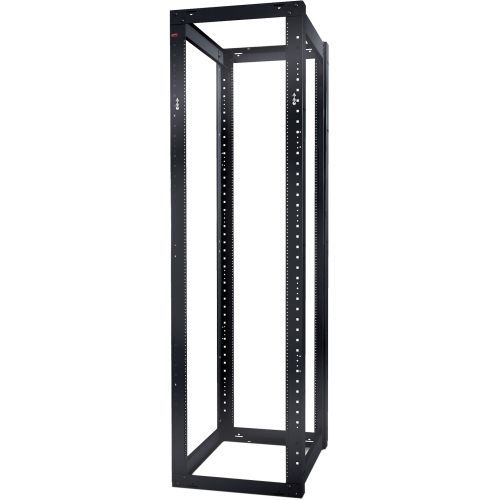
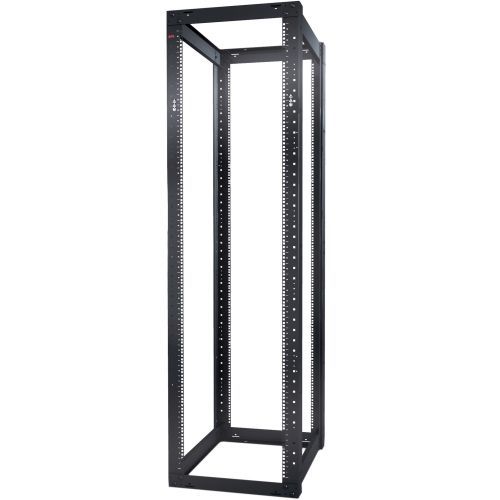

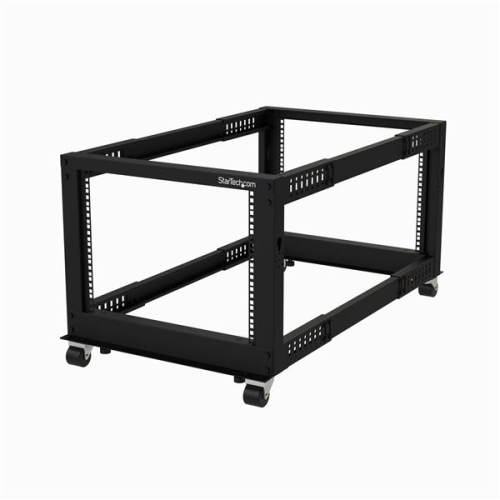
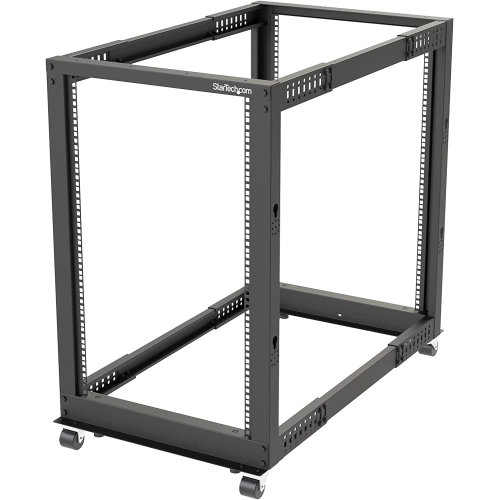
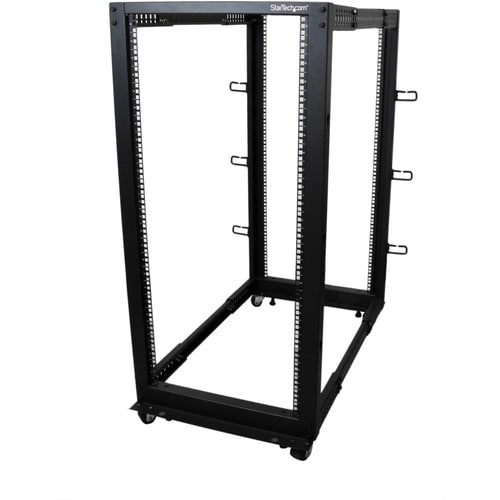
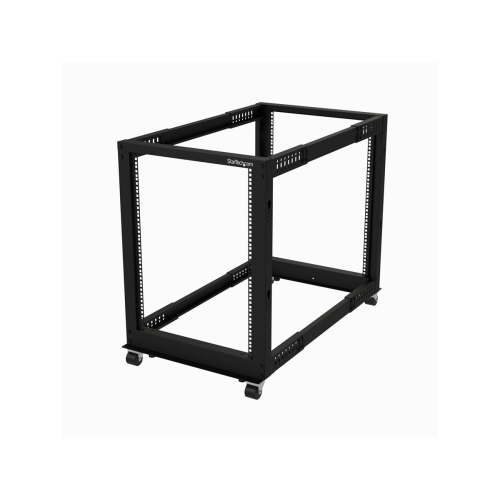
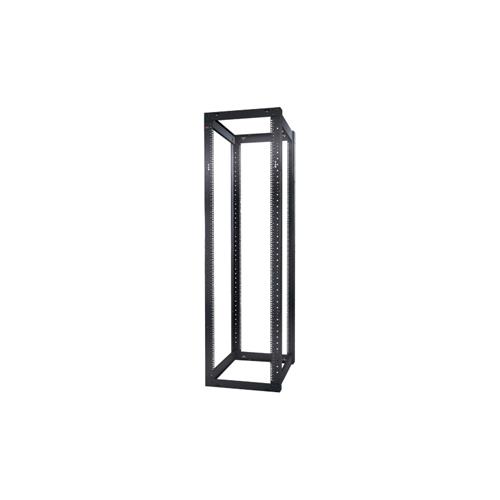
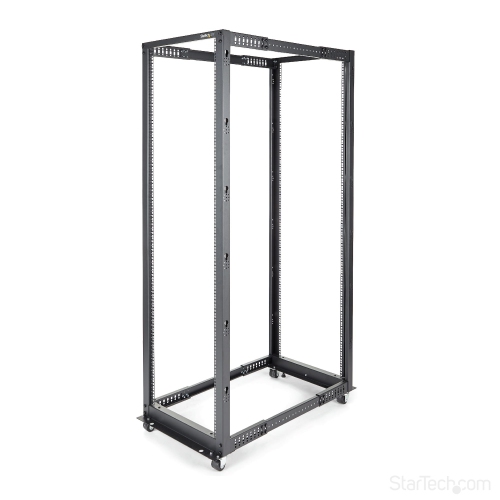

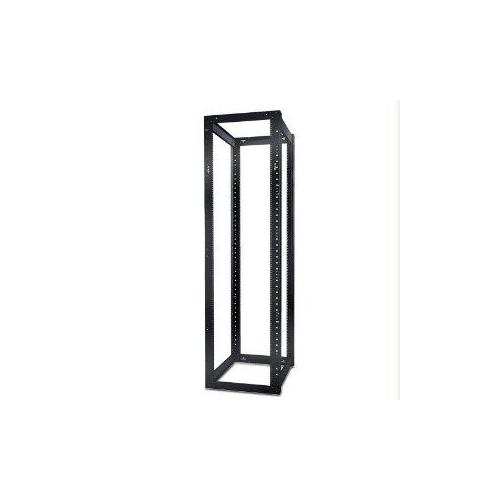
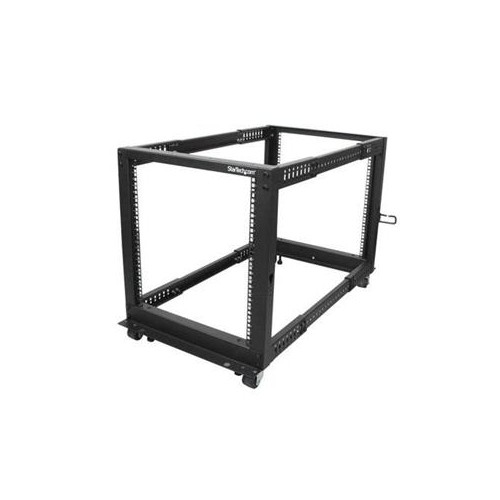
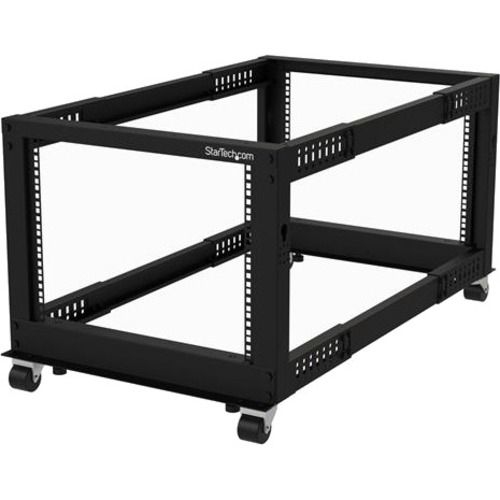
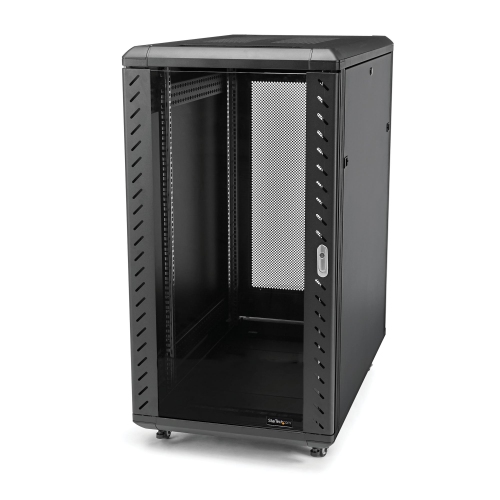
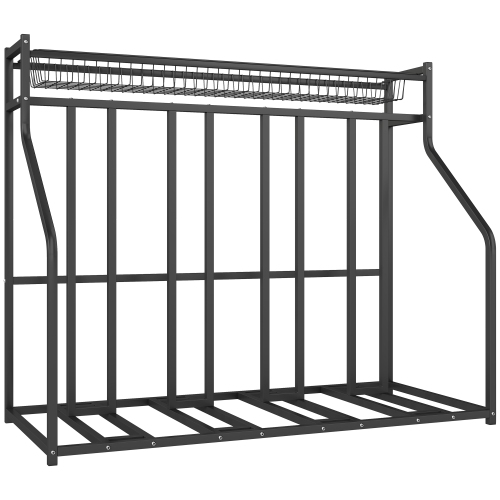
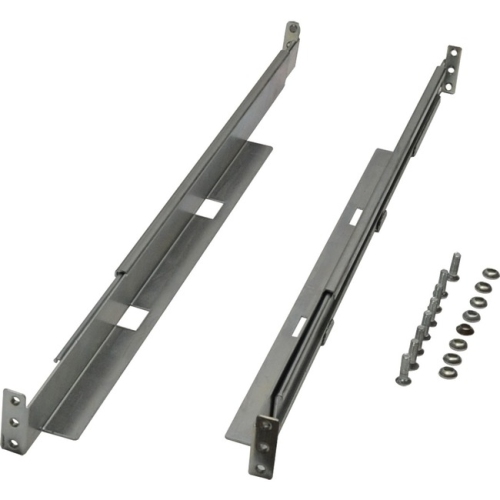
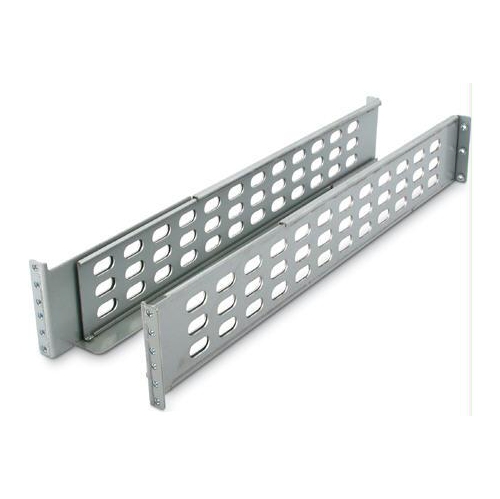
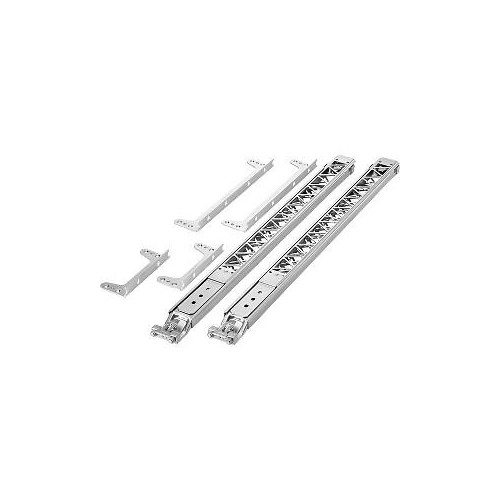
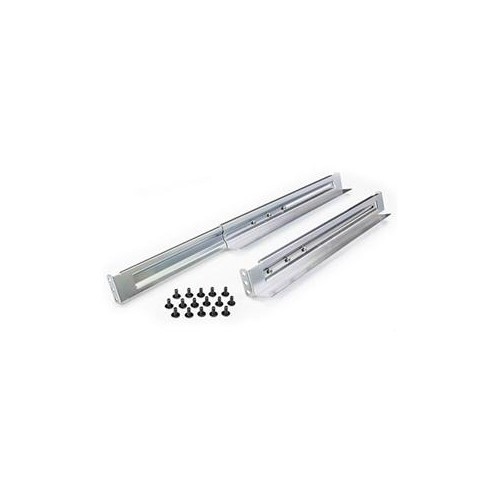
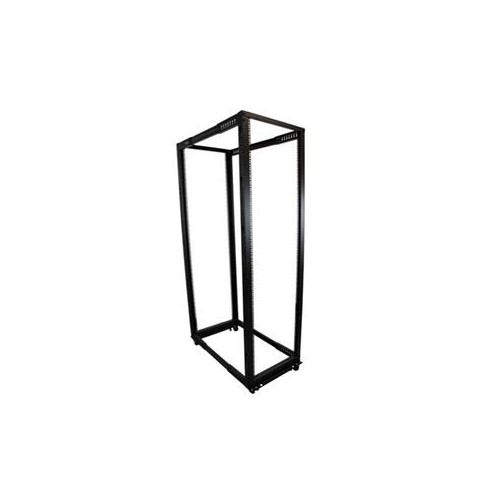

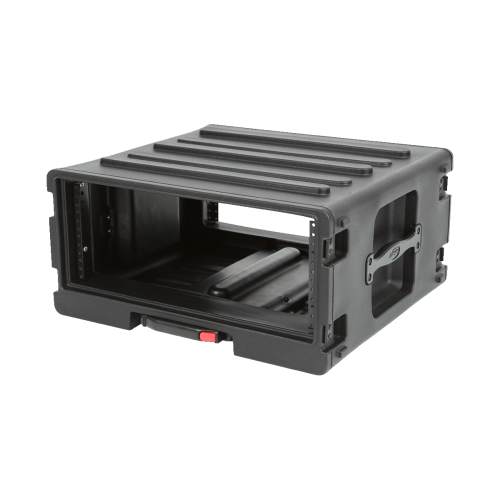

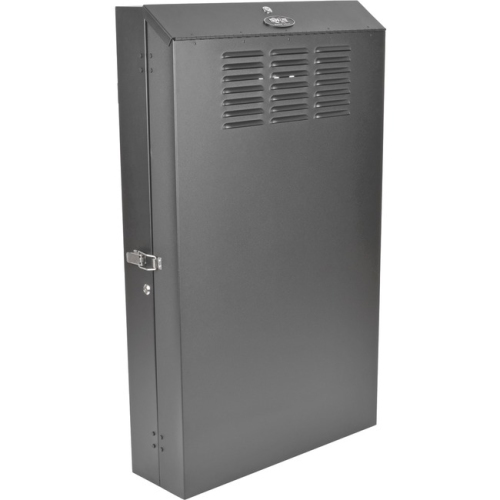
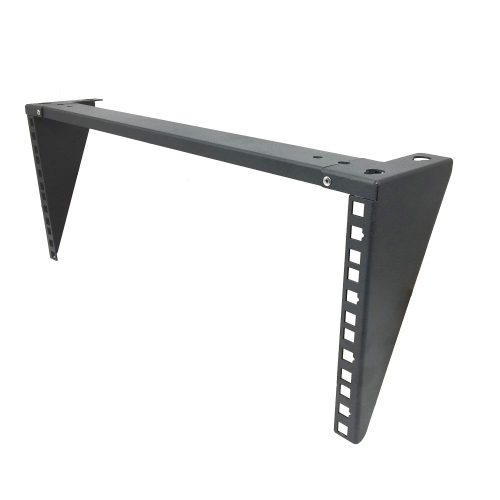
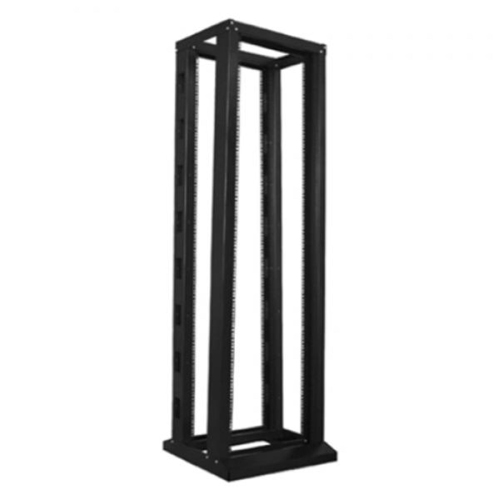

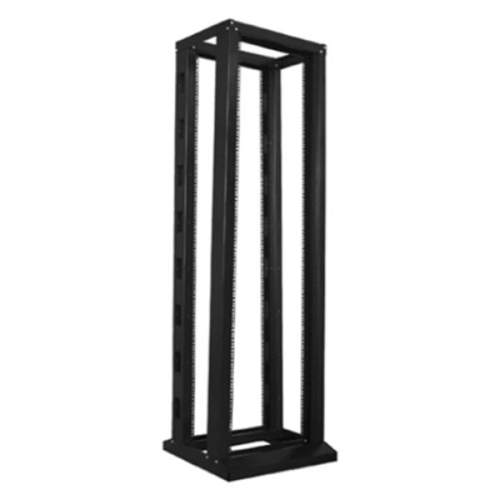
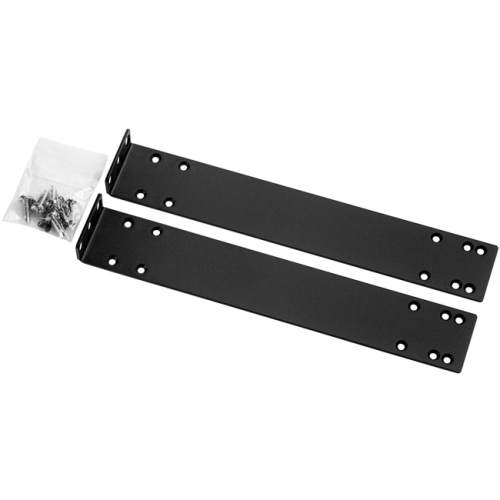
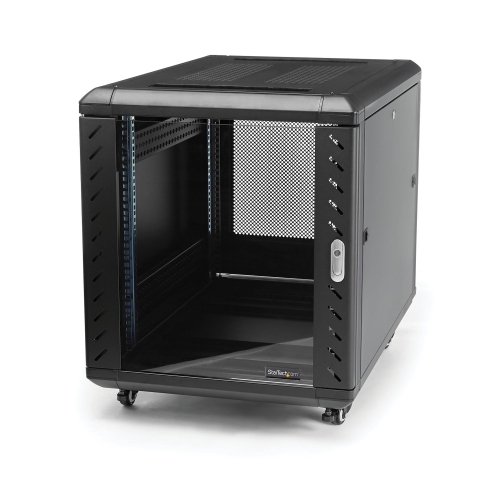

Four rails support deeper, heavier equipment with greater stability
A 4-post rack is a sturdy equipment frame designed to support standard 19-inch rack-mountable hardware from both the front and rear. Unlike a two-post design, which generally supports equipment through the front mounting points, a 4-post rack uses four vertical rails to distribute weight across the full depth of the installation. This added support makes 4-post racks well suited to servers, network switches, storage appliances, patch panels, rack-mounted power distribution units, uninterruptible power supplies, and other equipment that may be too deep or heavy for a simpler frame. They are commonly used in business server rooms, data centres, communications closets, recording studios, classrooms, laboratories, home labs, and audio-visual installations. A 4-post rack can also help create a cleaner, more serviceable setup by bringing equipment into a consistent vertical layout, rather than leaving separate components stacked on shelves or spread across a work surface. When choosing one, start by checking the rack unit capacity, commonly written as U. Compact 12U to 25U models can be a practical fit for smaller network installations, AV systems, edge equipment, or a growing home lab, while taller 42U to 45U models are intended for larger server rooms and enterprise-scale installations. Measure every piece of equipment, including handles, cable connectors, sliding rails, and power cables, before selecting the frame height and depth. Rack depth is particularly important: short switches and patch panels may fit comfortably in a compact rack, while servers, battery backups, storage systems, and sliding rail kits often need substantially more room. Adjustable front and rear rails can make it easier to accommodate equipment of different depths, but the published adjustment range should still be compared with the dimensions of the hardware. Also confirm the equipment’s mounting method and the rack’s included hardware. Many installations use cage nuts and screws, and M5 and M6 sizes are both common, so checking compatibility early can prevent interruptions during assembly. It is often helpful to organise one hardware size for the installation where possible, while keeping a few spare fasteners available for future additions.
Open-frame 4-post racks provide easy access from every side, making them convenient for wiring, inspection, maintenance, and equipment changes. Their open construction can also encourage airflow around the hardware, which is useful in a controlled room where dust, noise, and physical access are already managed. They are a natural choice for a network closet, lab bench area, test environment, or home server space where visibility and accessibility matter more than enclosing the equipment. Enclosed 4-post cabinets add side panels and front and rear doors, with many designs offering lockable access. This format can provide a more finished appearance, restrict casual access to the equipment, help manage cable paths, and support a more deliberate front-to-back airflow arrangement. Consider the room as carefully as the rack itself: leave enough clearance for doors to open, cables to bend without strain, and technicians to remove equipment safely. A rolling rack can be useful for AV production, classrooms, mobile demonstrations, or installations that may need to be repositioned, but its casters should be locked once the rack is in place and its weight rating should account for the equipment, shelves, batteries, and accessories being installed. For a permanent server or networking setup, a stationary frame may offer a simpler and more stable arrangement. Weight capacity is another central consideration. A 4-post rack’s four-corner support distributes the load more evenly than a front-only frame, but the stated static capacity should never be treated as a suggestion. Add the weight of every component, including heavy UPS units and battery packs, and place the heaviest equipment lower in the rack to improve stability. Leave practical space between heat-producing devices where appropriate, and plan cable management before the rack becomes full. Vertical cable managers, horizontal organisers, shelves, blanking panels, and power accessories can help keep connections identifiable and reduce clutter around the rear rails. If a 4-post frame is being considered alongside a more compact front-supported design, Two-Post Racks may be worth comparing for lighter equipment and installations where rear support is not required. Whether the rack is being installed for a small office, a growing business, a dedicated media room, or a personal technology project, the best choice balances capacity, depth, access, airflow, security, mobility, and room layout so equipment remains supported and easier to manage through future upgrades.
Open-frame 4-post racks provide easy access from every side, making them convenient for wiring, inspection, maintenance, and equipment changes. Their open construction can also encourage airflow around the hardware, which is useful in a controlled room where dust, noise, and physical access are already managed. They are a natural choice for a network closet, lab bench area, test environment, or home server space where visibility and accessibility matter more than enclosing the equipment. Enclosed 4-post cabinets add side panels and front and rear doors, with many designs offering lockable access. This format can provide a more finished appearance, restrict casual access to the equipment, help manage cable paths, and support a more deliberate front-to-back airflow arrangement. Consider the room as carefully as the rack itself: leave enough clearance for doors to open, cables to bend without strain, and technicians to remove equipment safely. A rolling rack can be useful for AV production, classrooms, mobile demonstrations, or installations that may need to be repositioned, but its casters should be locked once the rack is in place and its weight rating should account for the equipment, shelves, batteries, and accessories being installed. For a permanent server or networking setup, a stationary frame may offer a simpler and more stable arrangement. Weight capacity is another central consideration. A 4-post rack’s four-corner support distributes the load more evenly than a front-only frame, but the stated static capacity should never be treated as a suggestion. Add the weight of every component, including heavy UPS units and battery packs, and place the heaviest equipment lower in the rack to improve stability. Leave practical space between heat-producing devices where appropriate, and plan cable management before the rack becomes full. Vertical cable managers, horizontal organisers, shelves, blanking panels, and power accessories can help keep connections identifiable and reduce clutter around the rear rails. If a 4-post frame is being considered alongside a more compact front-supported design, Two-Post Racks may be worth comparing for lighter equipment and installations where rear support is not required. Whether the rack is being installed for a small office, a growing business, a dedicated media room, or a personal technology project, the best choice balances capacity, depth, access, airflow, security, mobility, and room layout so equipment remains supported and easier to manage through future upgrades.
Top selling and popular products
-
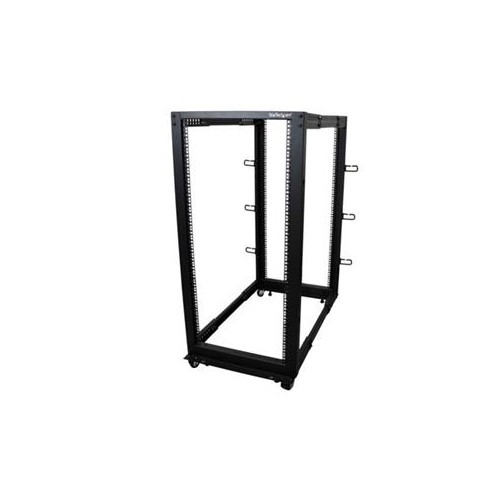 Your price for this item is $581.68
 -
 Your price for this item is $1303.99
 -
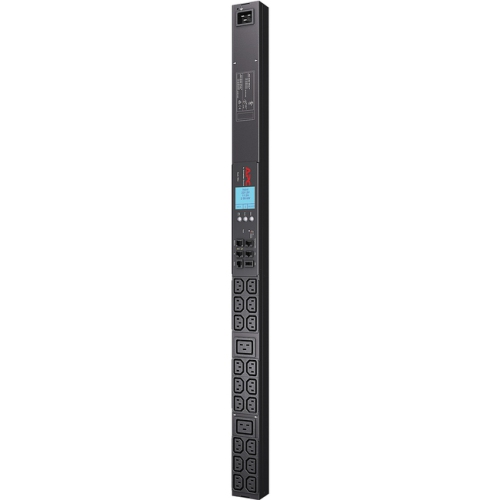 Your price for this item is $867.99
 -
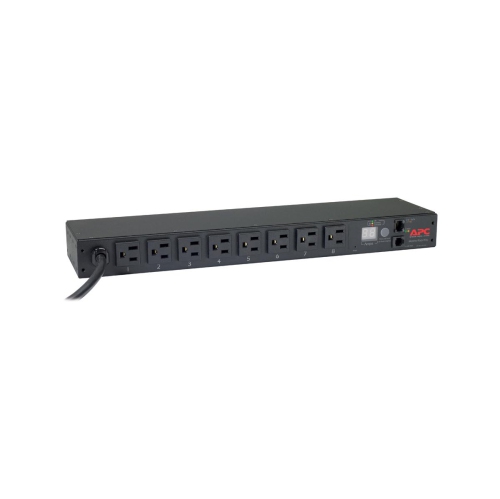 Your price for this item is $748.99
 -
 Your price for this item is $250.68
 -
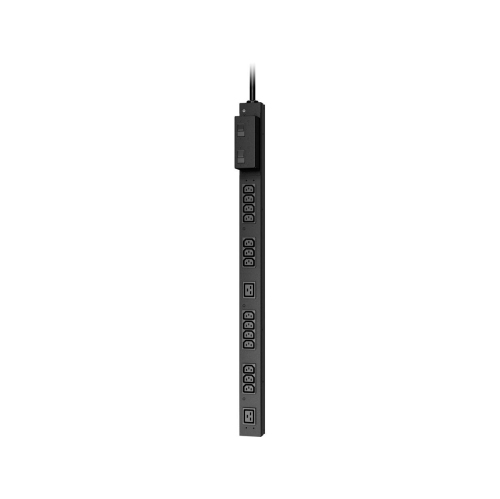 Your price for this item is $407.99
 -
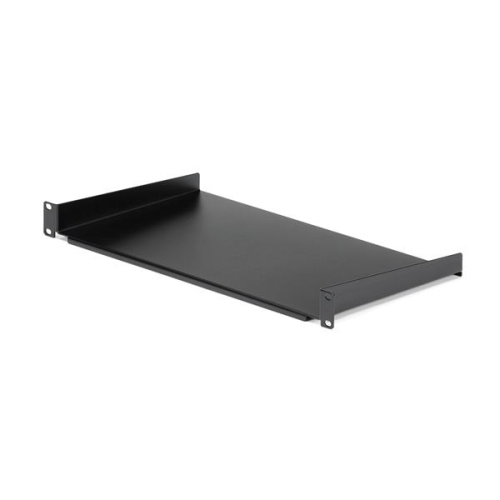 Your price for this item is $54.99
 -
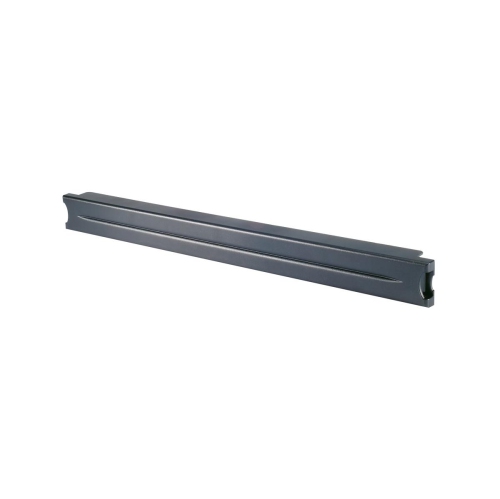 Your price for this item is $102.99
Discover more categories related to 4 Post Racks
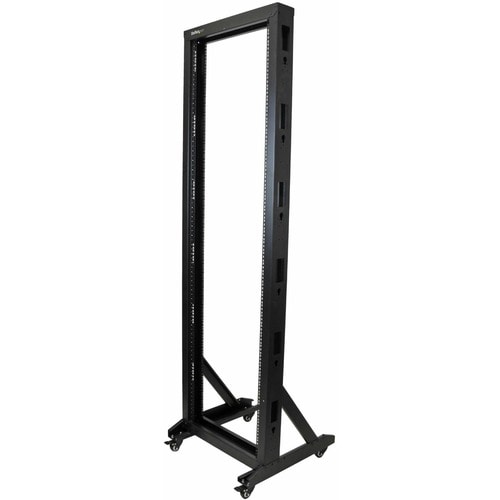
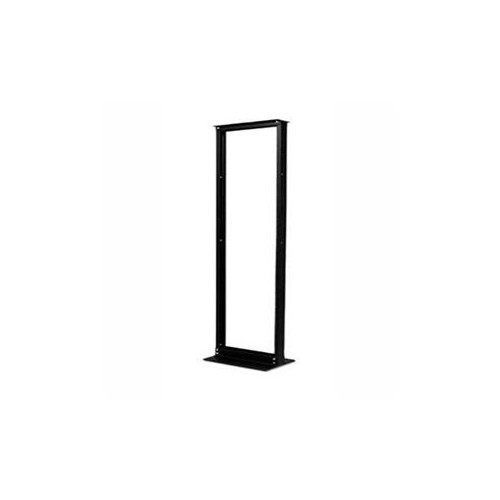

Top Collections:
Pokemon Centers, Kindle Devices, Best Budget Office Chairs, Apple iPhones 16, Best Laptops for Writers, iPhone 15 Apple, Canon G7X Cameras, Refurbished Apple Laptops, Alarm Clock, Motorola Razr Phones
Some products may be subject to Environmental Handling Fees
(EHF) depending on your province.
Learn more about EHFs.