Weboost Cell Boosters
Enhance your mobile connectivity with a powerful cell booster designed to amplify your signal strength and ensure seamless communication. Whether you're navigating the urban jungle or exploring remote areas, this device works tirelessly to reduce dropped calls, improve voice clarity, and boost data speeds. Perfect for homes, offices, or on-the-go use, a cell booster is an essential tool for anyone looking to stay connected without interruption. Enjoy the freedom of reliable coverage and experience the convenience of uninterrupted communication wherever you are.
Sort
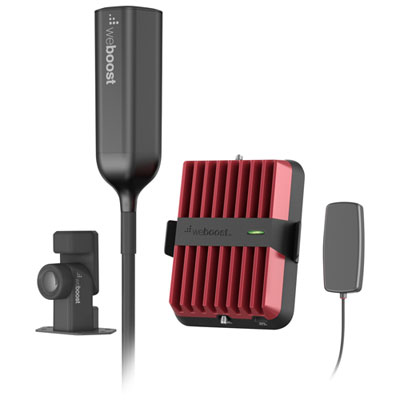
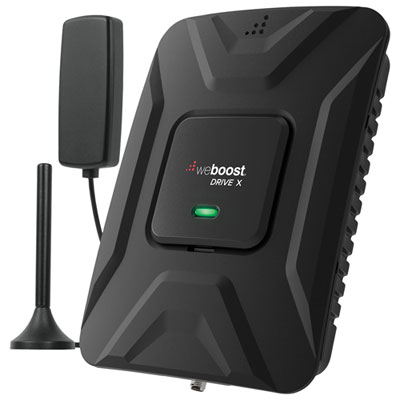
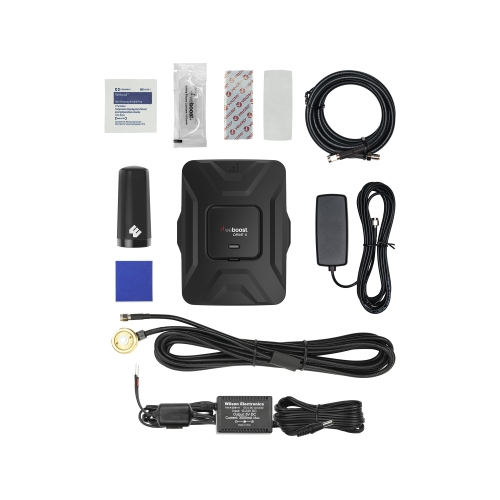
![WEBOOST Drive Sleek Otr [Single User] In-Vehicle Cell Phone Signal Booster Kit for Car, Truck Suv, All Carriers 3G/4G Lte](https://multimedia.bbycastatic.ca/multimedia/products/500x500/130/13041/13041808.jpeg)

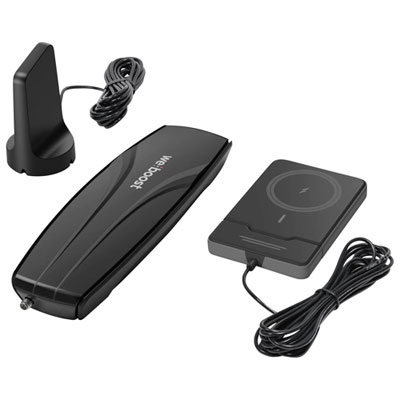
![WEBOOST Drive Reach [Multi User] In-Vehicle Cell Phone Signal Booster Kit for Car, Truck Suv, All Carriers 3G/4G Lte](https://multimedia.bbycastatic.ca/multimedia/products/500x500/136/13699/13699526.jpeg)

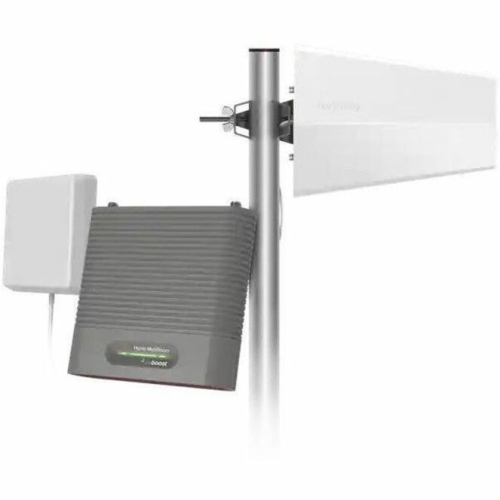
![WEBOOST Home Multiroom [Up to 5000 Sq Ft] In-Home Cell Phone Signal Booster Kit for Home/office, All Carriers 3G/4G Lte](https://multimedia.bbycastatic.ca/multimedia/products/500x500/142/14206/14206691.jpeg)

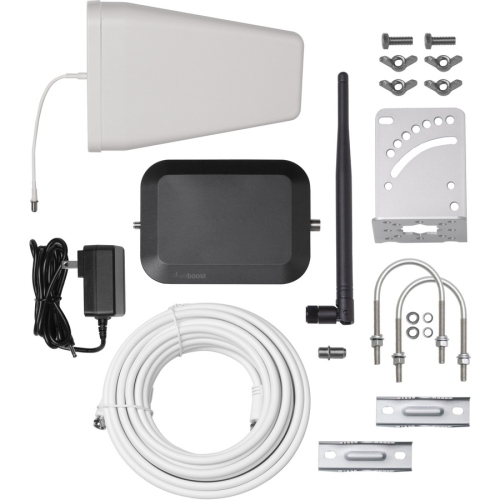
Stronger indoor coverage starts with an existing outside signal
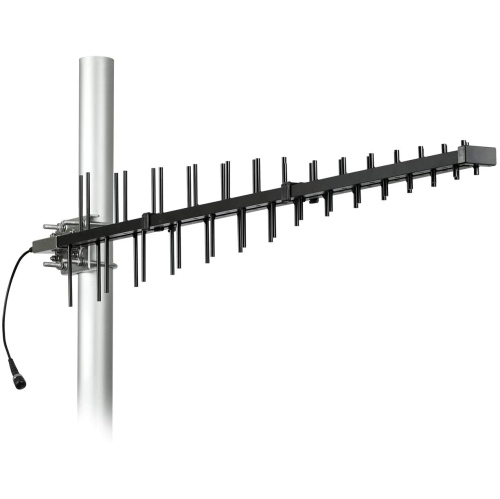
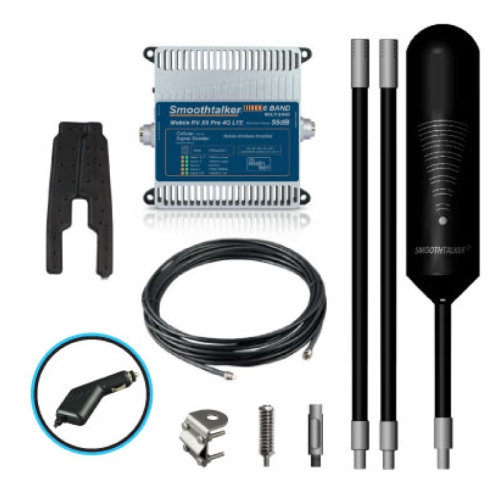
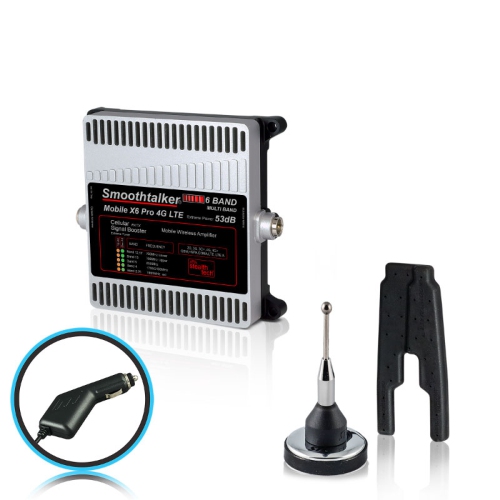
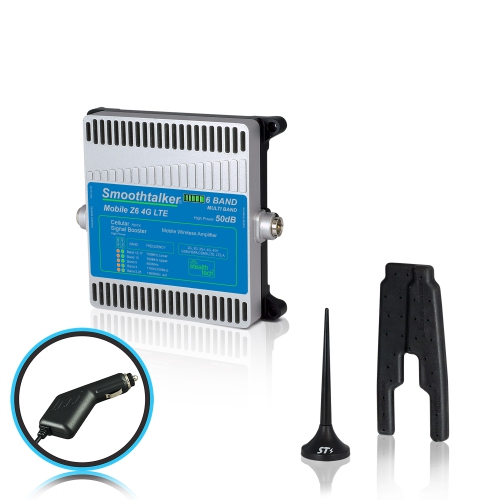
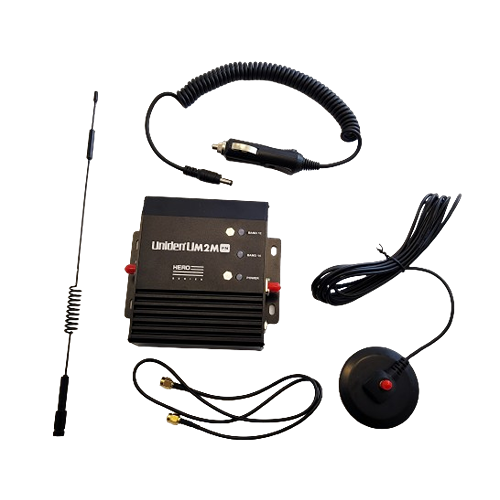
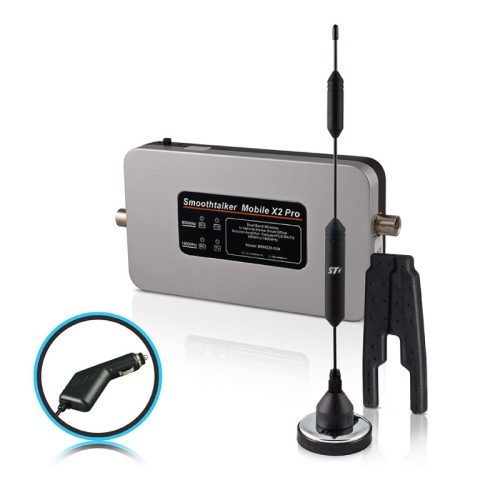
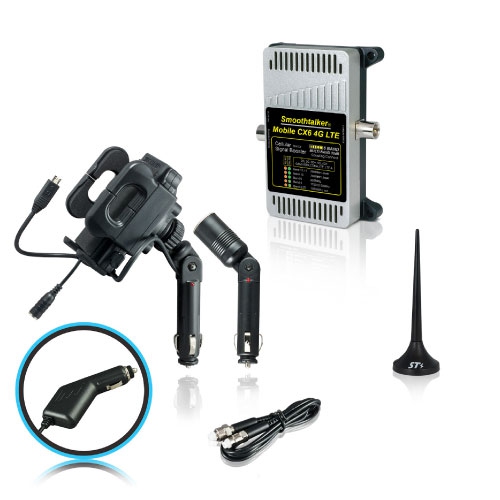
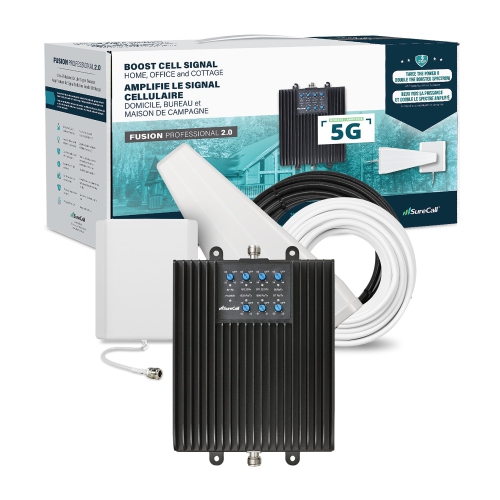
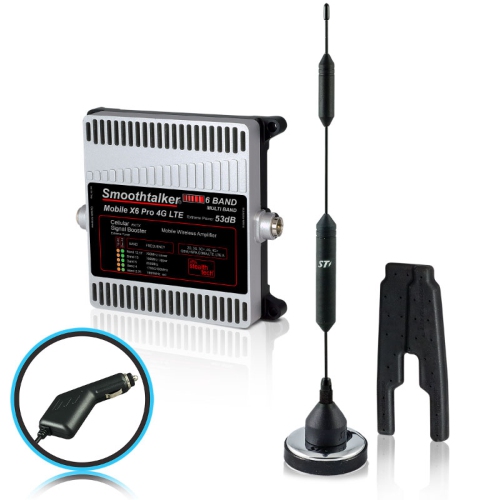
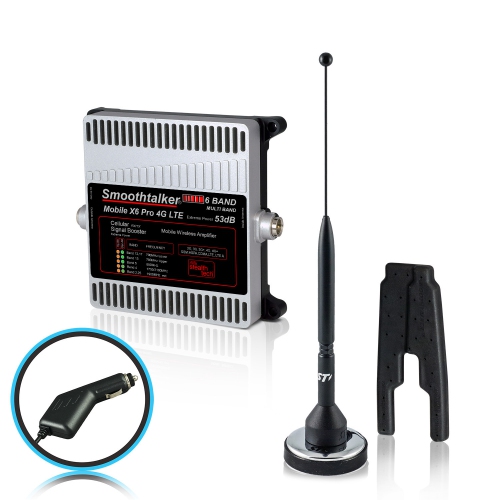
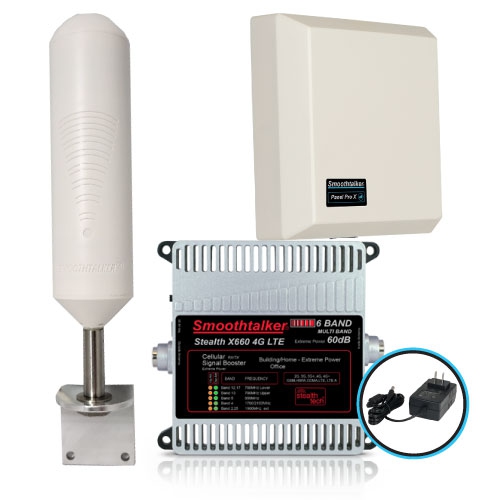
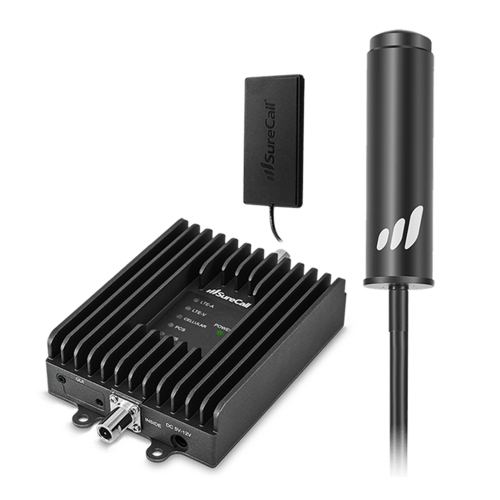
Cell signal boosters are designed for places where a usable cellular signal exists outside but becomes weak, inconsistent, or difficult to reach indoors or inside a vehicle. They can be helpful in rural homes, cabins, workshops, garages, offices, recreational vehicles, passenger cars, trucks, and other spaces where walls, metal construction, distance from a tower, hilly terrain, or dense tree cover can interfere with reception. A booster does not create cellular service from nothing; it captures an existing outside signal, strengthens it, and rebroadcasts it in a nearby area. This makes the quality of the signal outside the building or vehicle an important starting point. If a phone can connect outdoors, even with limited bars or fluctuating reception, a compatible booster may help improve call reliability, support more consistent mobile data, and make it easier to stay connected indoors. In a true dead zone with no detectable signal anywhere nearby, results will be limited. Standard systems generally include three essential parts: an exterior antenna that reaches for a nearby cellular tower, a powered amplifier that increases the signal, and an interior antenna that distributes the improved signal to compatible devices. Coaxial cable connects the antennas to the booster, while a power adapter supplies the energy needed for amplification. Since these systems work with the signal already available from the carrier network, they typically do not require a separate monthly service plan. They can be especially practical for households that rely on mobile phones for work calls, wireless internet access, safety check-ins, navigation, or communication with family members. A booster may also be a considerate gift for someone who spends weekends at a remote property, travels long distances by road, works from a rural location, or regularly deals with dropped calls at home. For shoppers comparing options, SureCall Boosters offer another category to explore alongside other compatible signal-improvement solutions.
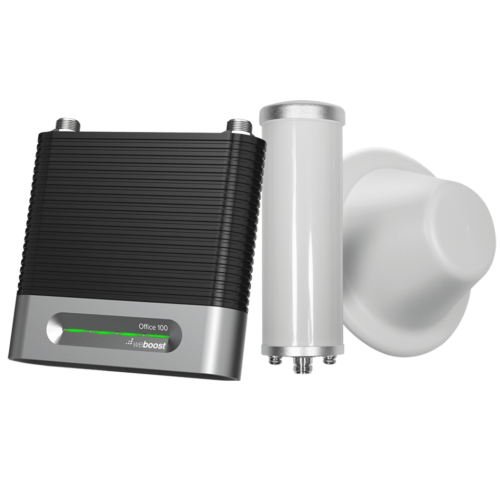
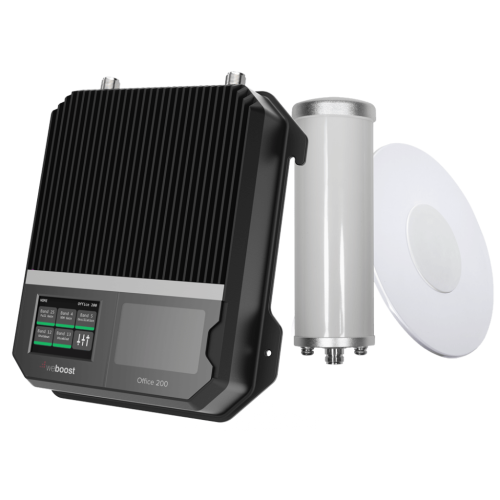
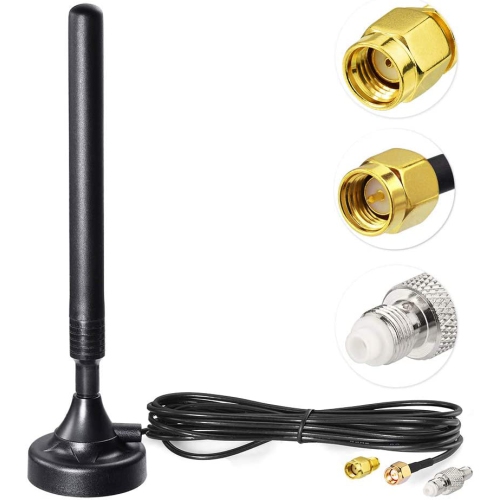
The best choice depends on where the booster will be used, how much space needs coverage, and how strong the outside signal is. Vehicle boosters are built for a focused area around one car, SUV, van, truck, or recreational vehicle, and many are intended to support a phone or several devices while travelling. Look for details such as the vehicle type, antenna mounting method, cable length, power connection, and whether the system is intended for a single device or broader in-vehicle coverage. A magnetic exterior antenna can be convenient for occasional use, while a permanent mounting solution may suit frequent road trips, work vehicles, or commercial drivers. Truck and RV owners should pay close attention to antenna height, cable routing, weather resistance, and how the setup will handle vibration, changing road conditions, and exposure to the elements. Building systems are different because they need to move a signal from outside to one or more indoor rooms. Coverage claims vary by model and conditions, so advertised square footage should be treated as a reference rather than a guarantee. A compact home office may need a simpler setup than a large home, multi-room cabin, or detached workshop. Thick concrete, foil-backed insulation, metal siding, low-emissivity windows, and multiple floors can reduce the area reached by the interior antenna. In a home, cabin, or office, take a moment to identify where an exterior antenna can receive the clearest signal and where indoor coverage matters most. A central interior location may distribute coverage more evenly, while a directional exterior antenna can help aim towards a known tower in a rural area. Some systems are suited to a single room, while others use additional interior antennas to reach several connected spaces. Review supported frequencies and network compatibility carefully, particularly if members of the household use different wireless providers or a mix of 4G LTE and 5G devices. A booster can improve the connection between compatible phones and the carrier network, but it does not replace Wi-Fi, increase a carrier’s maximum network speed, or guarantee 5G performance in an area where 5G service is unavailable.
Installation quality has a direct effect on performance. The exterior and interior antennas need enough physical separation to prevent feedback, sometimes called oscillation, which can cause the booster to reduce its output or shut down. This separation is easier to achieve on a detached home, cabin, barn, or large RV than in a compact vehicle, where careful antenna placement becomes particularly important. Keep the outside antenna as far as practical from the inside antenna, follow the manufacturer’s recommended orientation, and avoid sharply bending or pinching the coaxial cable. The exterior antenna should have a clear path to the surrounding signal environment, while the interior antenna should be placed near the area where stronger service is needed. In extremely weak-signal locations, a phone may need to remain close to the interior antenna for the most noticeable improvement. Before installation, check the included mounting hardware, cable lengths, power requirements, antenna type, and whether extra accessories are needed for the intended space. It is also wise to confirm that the booster is approved for use in Canada and to follow the wireless provider’s activation, registration, or consent instructions where required under applicable ISED rules and carrier policies. Keep the receipt and product documentation in an accessible place, particularly for systems installed seasonally at a cabin or moved between vehicles. With the right match between outside signal, coverage area, antenna placement, and carrier compatibility, a cell signal booster can make a remote kitchen, busy roadside, chilly campsite, or home office feel far less disconnected during the warmer and cooler parts of the year.
The best choice depends on where the booster will be used, how much space needs coverage, and how strong the outside signal is. Vehicle boosters are built for a focused area around one car, SUV, van, truck, or recreational vehicle, and many are intended to support a phone or several devices while travelling. Look for details such as the vehicle type, antenna mounting method, cable length, power connection, and whether the system is intended for a single device or broader in-vehicle coverage. A magnetic exterior antenna can be convenient for occasional use, while a permanent mounting solution may suit frequent road trips, work vehicles, or commercial drivers. Truck and RV owners should pay close attention to antenna height, cable routing, weather resistance, and how the setup will handle vibration, changing road conditions, and exposure to the elements. Building systems are different because they need to move a signal from outside to one or more indoor rooms. Coverage claims vary by model and conditions, so advertised square footage should be treated as a reference rather than a guarantee. A compact home office may need a simpler setup than a large home, multi-room cabin, or detached workshop. Thick concrete, foil-backed insulation, metal siding, low-emissivity windows, and multiple floors can reduce the area reached by the interior antenna. In a home, cabin, or office, take a moment to identify where an exterior antenna can receive the clearest signal and where indoor coverage matters most. A central interior location may distribute coverage more evenly, while a directional exterior antenna can help aim towards a known tower in a rural area. Some systems are suited to a single room, while others use additional interior antennas to reach several connected spaces. Review supported frequencies and network compatibility carefully, particularly if members of the household use different wireless providers or a mix of 4G LTE and 5G devices. A booster can improve the connection between compatible phones and the carrier network, but it does not replace Wi-Fi, increase a carrier’s maximum network speed, or guarantee 5G performance in an area where 5G service is unavailable.
Installation quality has a direct effect on performance. The exterior and interior antennas need enough physical separation to prevent feedback, sometimes called oscillation, which can cause the booster to reduce its output or shut down. This separation is easier to achieve on a detached home, cabin, barn, or large RV than in a compact vehicle, where careful antenna placement becomes particularly important. Keep the outside antenna as far as practical from the inside antenna, follow the manufacturer’s recommended orientation, and avoid sharply bending or pinching the coaxial cable. The exterior antenna should have a clear path to the surrounding signal environment, while the interior antenna should be placed near the area where stronger service is needed. In extremely weak-signal locations, a phone may need to remain close to the interior antenna for the most noticeable improvement. Before installation, check the included mounting hardware, cable lengths, power requirements, antenna type, and whether extra accessories are needed for the intended space. It is also wise to confirm that the booster is approved for use in Canada and to follow the wireless provider’s activation, registration, or consent instructions where required under applicable ISED rules and carrier policies. Keep the receipt and product documentation in an accessible place, particularly for systems installed seasonally at a cabin or moved between vehicles. With the right match between outside signal, coverage area, antenna placement, and carrier compatibility, a cell signal booster can make a remote kitchen, busy roadside, chilly campsite, or home office feel far less disconnected during the warmer and cooler parts of the year.
Top selling and popular products
-
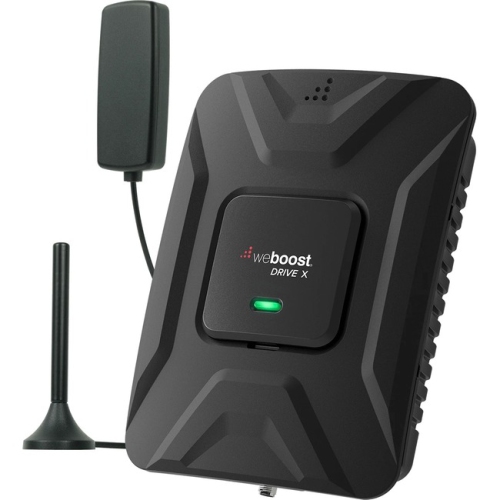 Your price for this item is $484.99
 -
 Your price for this item is $839.99
 -
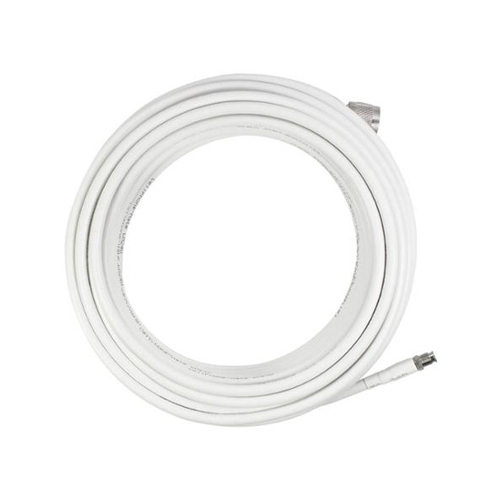 Your price for this item is $34.99
 -
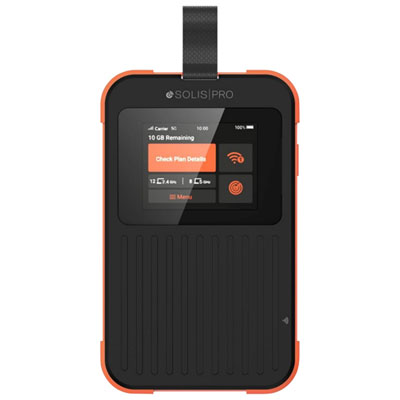 Your price for this item is $399.99
 -
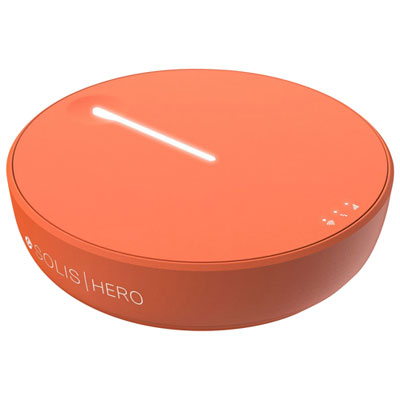 Your price for this item is $199.99
 -
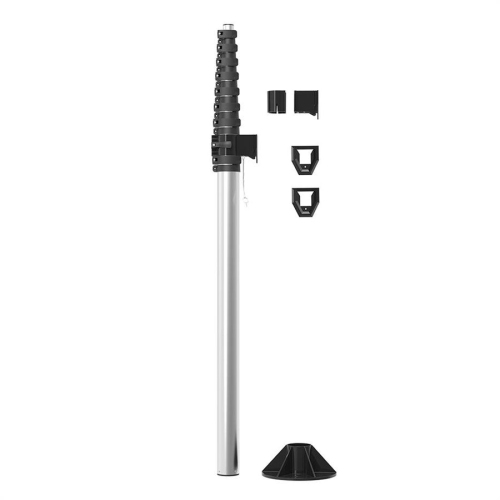 Your price for this item is $309.99
 -
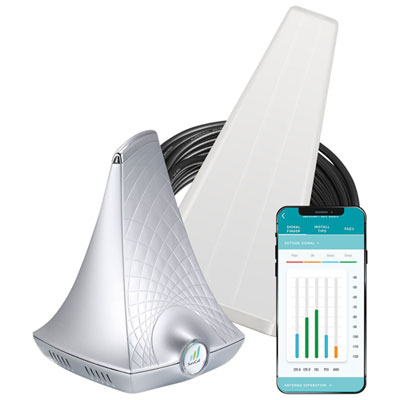 Your price for this item is $499.99
 -
 Your price for this item is $149.99
Discover more categories related to Weboost Cell Boosters
Top Collections:
Pokemon Centers, Best Cameras for Sports Photography, Kindle Devices, Samsung Galaxy Phones, Canon G7X Cameras, Pokémon 30th Celebration Cards, Refurbished Apple Laptops, iPhone 15 Apple, Laptops for Students, Budget Smartphones
Some products may be subject to Environmental Handling Fees
(EHF) depending on your province.
Learn more about EHFs.