Best Home Theater Projectors
Bring movie nights to life with the best home theatre projectors for your space. Whether you’re setting up a dedicated theatre room or enjoying big-screen entertainment in your living room, explore projectors ranked by customer review ratings to help guide your choice. Compare picture quality, resolution, and connectivity to find the right fit for your viewing needs and budget.
What to look for in home theatre projectors
1. Resolution and Picture Quality
2. Brightness and Room Lighting
3. Throw Distance and Placement
4. Connectivity and Audio
-
1
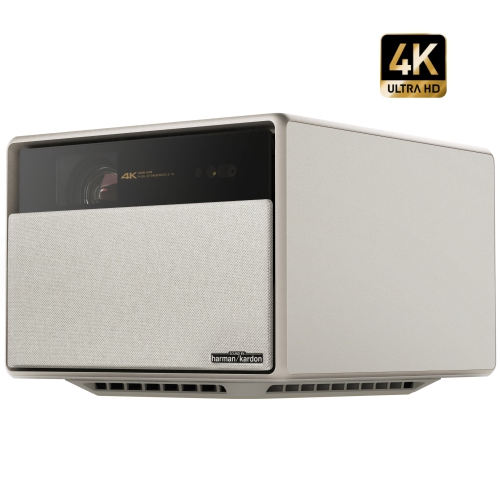
XGIMI - Horizon Ultra Native 4K Uhd Projector for Home Cinema Theatre, Dual Laser, Auto Focus & Keystone, Dolby Vision, Built-In Speakers, Full
About this product
An advanced 4K projector with Dolby Vision, 2300 ISO lumens, built-in speakers, Bluetooth, and Wi-Fi connectivity.
(8)$1,799.99Your price for this item is $1799.99SAVE $599 -
2
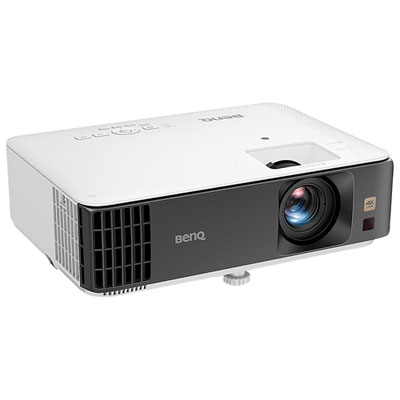
BenQ 4K UHD Gaming Home Theatre Projector (TK700)
About this product
A high-brightness 4K UHD home theatre projector with low latency and black detail enhancement.
(15)$1,399.99Your price for this item is $1399.99SAVE $100 -
3

Hisense 4K Ultra HD Laser Home Theatre Projector (PT1)
About this product
A gunmetal laser projector delivering 4K Ultra HD visuals, Dolby Vision, IMAX Enhanced, and immersive audio.
(11)$2,199.99Your price for this item is $2199.99SAVE $800 -
4
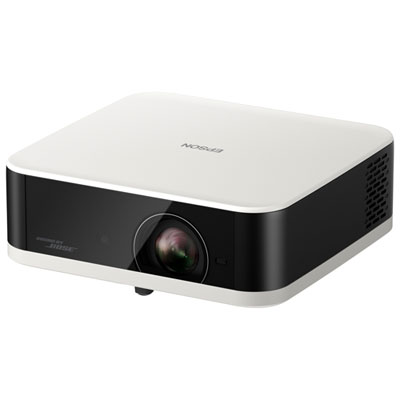
Epson POP 1080p HD LED Home Theatre Projector (V11HB72020)
About this product
A white LED projector delivering 1080p HD visuals and Bose-powered audio with built-in Google TV access.
(10)$899.99 Your price for this item is $899.99 -
5

XGIMI - Horizon 20 4K Projector for Home Cinema Theatre, RGB Triple Laser, 3200 Iso Lumens, Google Tv, Optical Zoom & Lens Shift, Gaming, Like New
About this product
A 4K home projector with RGB triple laser, 3200 ISO lumens, Google TV, and Dolby audio.
(5)$2,099.99Your price for this item is $2099.99SAVE $1199 -
6

BenQ W2720i 4K Ultra HD LED Smart Home Theatre Projector with AI Picture (W2720i)
About this product
An AI-powered 4K UHD projector delivering vivid, cinematic colours and brightness for immersive home entertainment.
(3)$1,999.99Your price for this item is $1999.99SAVE $500 -
7
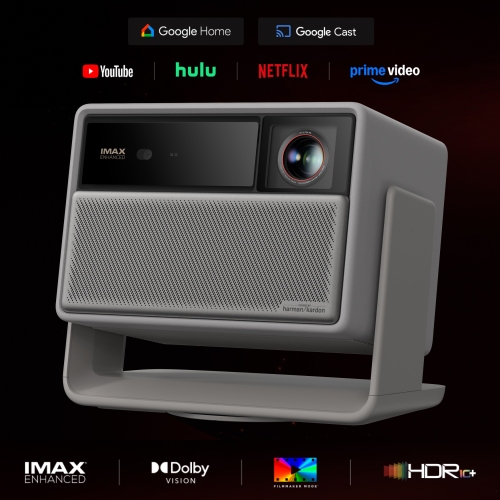
XGIMI Horizon 20 Pro 4K Projector for Home Cinema Theatre, RGB Triple Laser, 4100 Iso Lumens, Google Tv, Netflix, Imax, Dolby Vision, Gaming, Up To
About this product
A 4K RGB triple laser projector with 3100 ISO lumens, IMAX Enhanced, Google TV, and licensed Netflix.
(3)$2,999.99Your price for this item is $2999.99SAVE $1299 -
8

XGIMI Aura 2 (Black) 4K Laser Ultra Short Throw Projector + 100" Alr Projector Screen Bundle, Home Cinema Theatre, Movies, Gaming, Laser Tv (Gtv)
About this product
A black 4K laser ultra-short-throw projector bundle with an ambient light-rejecting screen for bright rooms.
(3)$3,999.99Your price for this item is $3999.99SAVE $1999
FAQ
Native 4K refers to a projector’s imaging resolution, while 4K input support means it can accept a 4K video signal. Some projectors accept 4K content but display it at a lower resolution; others use pixel shifting to create a 4K image. Check the native resolution and display technology rather than relying on the 4K label alone.
HDMI is the main connection for streaming devices, Blu-ray players, game consoles and AV receivers. Other connections may include USB for power or media playback, Ethernet for networking, and audio outputs. USB functions vary, so check whether a port supports file playback, device power or service functions only.
Yes, depending on its audio connections. HDMI ARC or eARC can connect compatible projectors and sound bars, while some projectors offer optical, analogue or Bluetooth audio. An AV receiver can also route video from your source device to the projector while sending audio to connected speakers.
A smart projector includes software for features such as streaming apps, Wi-Fi connectivity and screen casting. A standard projector typically relies on an external source, such as a streaming device or Blu-ray player. Supported apps, subscription requirements and casting compatibility vary by platform.
Common display technologies include DLP, LCD and LCoS. DLP uses microscopic mirrors to form an image, LCD passes light through liquid crystal panels, and LCoS reflects light from liquid crystal imaging chips. These are separate from the light source, which may be a lamp, LED or laser.
Top selling and popular products
Discover more categories related to Best Home Theater Projectors


Some products may be subject to Environmental Handling Fees (EHF) depending on your province. Learn more about EHFs.