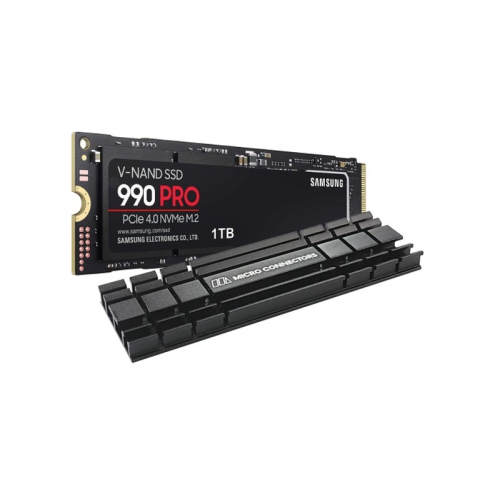
Best 1TB SSDs

Upgrade your storage with the best 1TB SSDs, ranked by customer review ratings to help you shop with confidence. Whether you need space for games, work files, or everyday essentials, a 1TB solid-state drive offers generous capacity and fast access to your data. Compare highly rated options and find the right fit for your device, performance needs, and budget.

Read More

What to look for in the best 1TB SSDs

1. Compatibility and Form Factor

Check which drive sizes and interfaces your computer or console supports before choosing an internal SSD. M.2 NVMe and 2.5-inch SATA drives require different connections, and not every M.2 slot supports every drive type.

2. Speed and Everyday Performance

NVMe SSDs generally offer faster transfers than SATA models, making them well suited to large files and demanding workloads. Compare read and write speeds, but remember that your device’s interface and the type of task affect actual performance.

3. Usable Capacity

A 1TB SSD provides space for applications, games, and personal files, but the capacity displayed by your device may be lower than the advertised figure. Allow room for your operating system, updates, and future downloads rather than planning to fill the drive completely.

4. Endurance and Warranty

Compare endurance ratings, typically listed as terabytes written (TBW), especially if you frequently save or move large files. Check the warranty’s duration and write limits, and keep a separate backup of important data.
Citrus catapult arrow
  1. 1

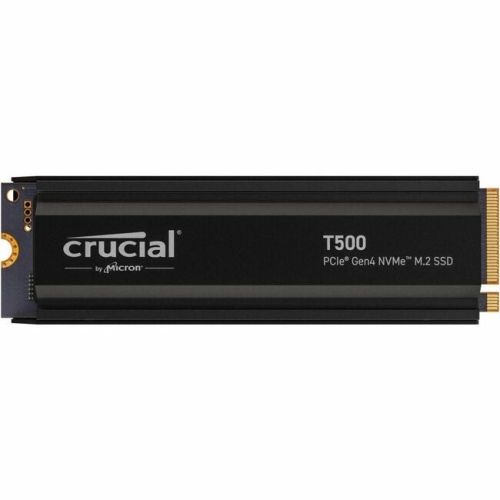
    CRUCIAL Solid State Drive (Ct1000T500SSD5)

    About this product

    A high-speed 1TB M.2 NVMe PCIe 4.0 internal SSD designed for notebook compatibility.

    What customers like

    • Expanded storage capacity
    • Fast performance
    • Great value for price
    • Easy installation
    • Reliable functionality
    (30)
    $430.68 Your price for this item is $430.68
  2. 2

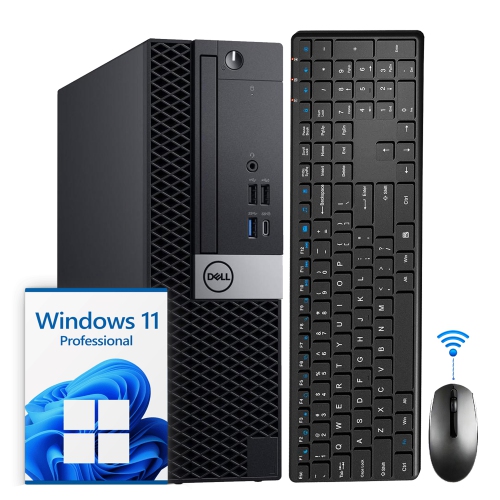
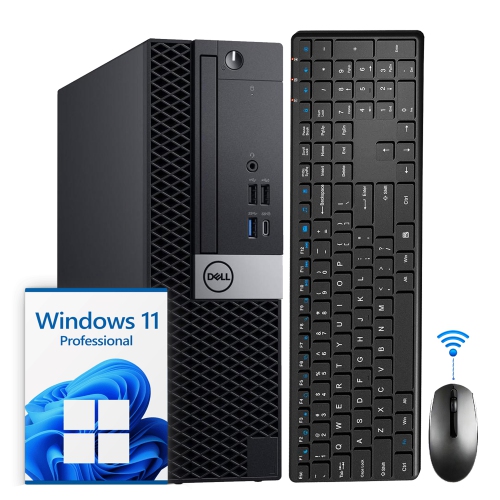
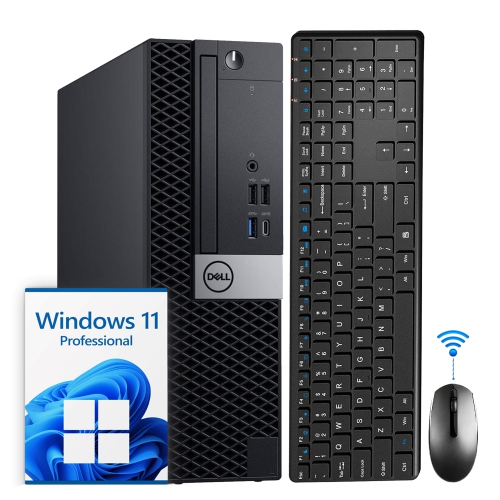
    DELL Refurbished (Good) - Optiplex Small Form Factor Desktop - Intel Core I5-8500, 16GB Memory, 1Tb SSD, Win 11 Pro + Wi-Fi, Bluetooth

    About this product

    A refurbished black desktop PC featuring an Intel i5-8500, 16GB DDR4 RAM, and 1TB SSD.

    (3)
    $467.99
    SAVE $32
    Your price for this item is $467.99
  3. 3

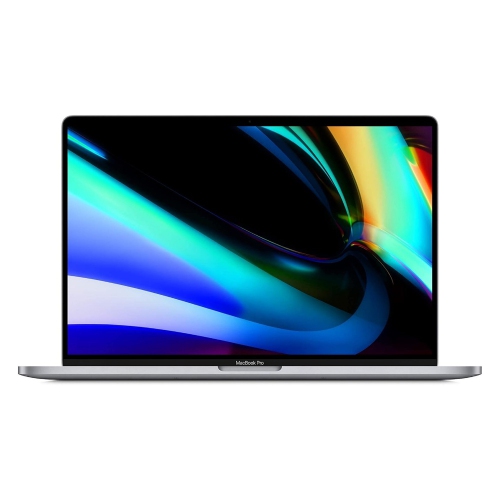
    APPLE Refurbished (Excellent) - Macbook Pro (16-Inch, 2019) Space Intel Core I9-9980H 16GB 1Tb SSD 16In 3072 X 1920 Radeon Pro 5500 Macos In Gray

    About this product

    A refurbished gray laptop featuring Intel Core i9, 16GB RAM, 1TB SSD, and Radeon Pro 5500M graphics.

    (2)
    $849.77
    SAVE $449
    Your price for this item is $849.77
  4. 4

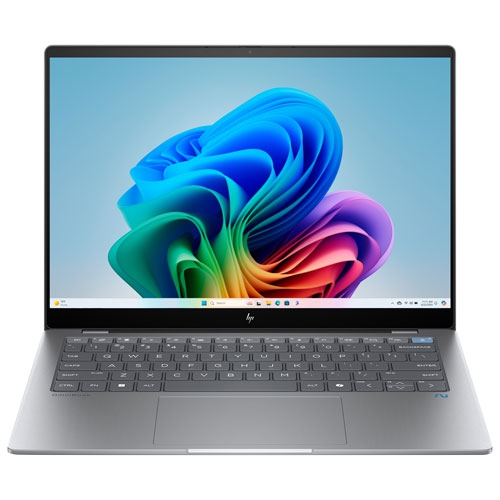
    HP Refurbished (Excellent) - Omnibook X 14" Touchscreen Copilot+ PC Laptop - Snapdragon X Elite - 16GB Lpddr5X - 1Tb SSD - Windows 11 Home - Meteor

    About this product

    An AI-powered touchscreen laptop with Snapdragon X Elite, 16GB RAM, 1TB SSD, and a 5MP camera.

    $854.97
    SAVE $445
    Your price for this item is $854.97
  5. 5

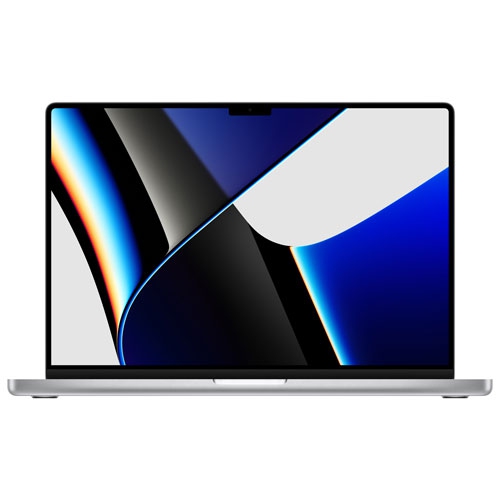
    APPLE - Macbook Pro 16" (2021) - ( M1 Pro Chip / 1Tb SSD / 16GB Ram) - English In Silver

    About this product

    A powerful silver laptop featuring the M1 Pro chip, 1TB SSD, and 16GB RAM for pro-level performance.

    $2,564.97
    SAVE $235
    Your price for this item is $2564.97
  6. 6

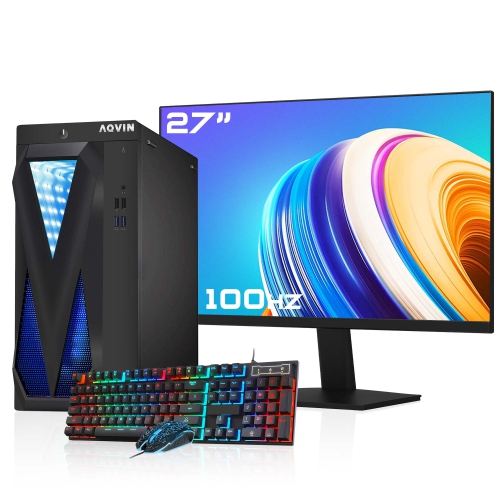
    AQVIN Refurbished (Excellent) - Gaming PC - Rx 550, Intel Core I7, 32GB Memory, 1Tb SSD, Win 10 Pro, RGB + 27" Monitor

    About this product

    An RGB desktop computer featuring AMD Radeon RX 550 graphics, Intel Core i7 CPU, 32GB RAM, and 1TB SSD.

    $999.99 Your price for this item is $999.99
  7. 7

    DELL Refurbished (Good) - Optiplex Small Form Factor Desktop - Intel Core I5-8500, 32GB Memory, 1Tb SSD, Win 11 Pro + Wi-Fi, Bluetooth

    About this product

    A powerful and compact Dell OptiPlex SFF desktop computer with an Intel i5 processor and 32GB RAM.

    $599.00
    SAVE $251
    Your price for this item is $599
  8. 8

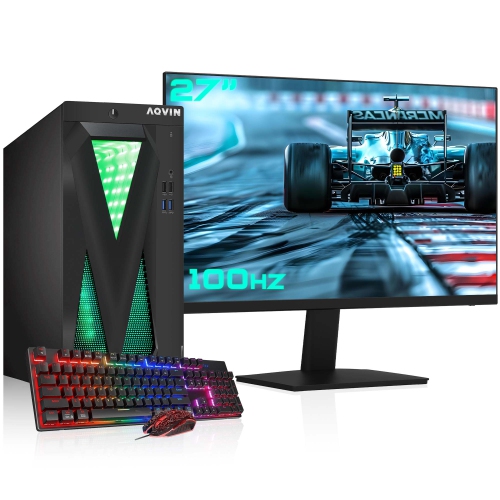
    AQVIN Refurbished (Excellent) - Gaming PC - Gtx 1650 4GB, Intel Core I7, 32GB Memory, 1Tb SSD, Win 10 Pro, RGB + 27" Monitor

    About this product

    An RGB desktop computer with Intel Core i7, 32GB RAM, 1TB SSD, and Nvidia GTX 1650 graphics.

    $1,099.99 Your price for this item is $1099.99
  9. 9

    DELL Refurbished (Good) - Optiplex Small Form Factor Desktop - Intel Core I5-8500, 8GB Memory, 1Tb SSD, Win 11 Pro + Wi-Fi, Bluetooth

    About this product

    A powerful and compact Dell OptiPlex SFF desktop computer with an Intel i5 Hexa-Core processor and 1TB SSD.

    $629.99 Your price for this item is $629.99
  10. 10

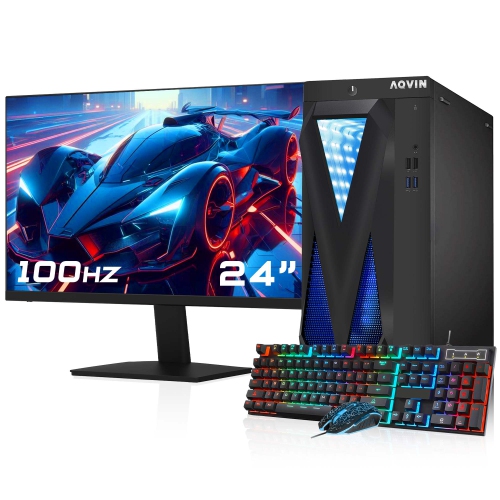
    AQVIN Refurbished (Excellent) - Gaming PC - Gtx 1650 4GB, Intel Core I7, 32GB Memory, 1Tb SSD, Win 10 Pro, RGB + 24" Monitor

    About this product

    An RGB gaming PC combo with Intel Core i7, GTX 1650 4GB, 1TB SSD, and 24" FHD monitor.

    $1,059.99 Your price for this item is $1059.99

There’s more to SSD performance than advertised speeds

The best 1TB SSDs pair responsive performance with the right connection, physical fit, and endurance for the device they support. A 1TB solid-state drive provides room for an operating system, everyday applications, and a substantial collection of documents, photos, or games, although large game installations and high-resolution video can fill that space quickly. Unlike a traditional hard drive, an SSD stores data in flash memory rather than on spinning platters, so it has no moving mechanical parts and operates silently. That design helps make starting a computer, opening applications, and searching through folders feel more immediate, particularly when replacing an older hard drive. For a student moving between research notes and presentations, or a household computer handling schoolwork and photo libraries, responsiveness often matters more than the highest advertised transfer speed. Gaming and creative work introduce different demands: shorter loading screens, quick access to large project files, and consistent performance during lengthy transfers become more important. Internal SSDs sit inside a compatible desktop or laptop, while external SSDs connect by cable and suit portable storage, backups, and sharing files between compatible devices. Neither format is automatically better; each serves a different purpose. An internal drive can keep a main workspace uncluttered, while a portable drive can carry a photography project from a home computer to a studio. The stated 1TB capacity uses decimal measurement, and some operating systems report that space differently, so the displayed figure may be lower even before formatting, system files, and applications take their share. Leaving some capacity free gives the drive room to manage data and helps support consistent performance. For everyday use, a well-matched 1TB SSD can be a practical middle ground between a smaller system drive that needs frequent tidying and a larger drive whose capacity may go unused. It can also make a thoughtful gift for a gamer, student, or photographer when the recipient’s device compatibility and storage needs are known.

Connection type and physical dimensions determine whether an SSD belongs in a particular system. A 2.5-inch SATA SSD typically uses separate data and power connections in a desktop, or a compatible drive bay and connector in a laptop. It is a common replacement format for older laptop hard drives, though bay height and mounting requirements still matter. M.2 drives are slim circuit boards that attach directly to a supported slot, making them well suited to compact computers and many newer laptops. M.2 describes the physical format, not the transfer protocol: an M.2 drive may use SATA or PCIe with NVMe, and the slot must support the chosen type. The designation 2280 refers to a board measuring 22 millimetres wide and 80 millimetres long; shorter formats exist, and they are not interchangeable in every device. For compatible systems, 1TB NVMe SSDs use PCIe connections to offer much higher potential transfer speeds than SATA drives. A newer PCIe drive can often work with an older PCIe generation, but only within the limits of the host connection and device support. Maximum sequential read and write figures describe favourable conditions for moving large, continuous files; they do not capture every aspect of opening software or switching between tasks. Random access performance, the operating system, and the rest of the computer also influence how fast a machine feels. For someone transferring a folder of large video clips, sustained write behaviour may matter more than a brief peak speed. Some drives slow after a fast write cache fills, especially during long transfers or when little free space remains. Dedicated DRAM can assist data mapping, while certain DRAM-less NVMe designs use Host Memory Buffer technology to access a small portion of system memory on supported systems. Neither feature alone determines overall quality. Console expansion adds its own requirements for dimensions, interface, performance, and cooling, so a drive suited to a desktop is not necessarily suitable for every console.

Durability, heat management, and everyday handling also distinguish SSDs that otherwise look similar on a specification sheet. Flash memory has a finite write lifespan, commonly expressed through a terabytes written rating, or TBW. This figure is useful for comparing endurance within the same capacity, but it is not a countdown to failure or a guarantee that stored files will remain safe indefinitely. Warranty duration and any associated write limits provide additional context, particularly for people regularly exporting video, working with large photo libraries, or moving sizeable datasets. The type of flash memory can affect endurance and sustained performance: TLC stores three bits per cell, while QLC stores four, though controller design, caching, and workload shape the experience as well. Internal M.2 drives expose their circuit boards and components, so careful handling during installation matters. Their heat spreaders or heatsinks, when fitted, help move heat away from the controller and memory, but extra thickness can create clearance problems in a slim laptop or beneath another component. A compatible cooling arrangement and unobstructed airflow help limit thermal throttling during demanding transfers. External SSDs usually protect their electronics with a plastic or metal enclosure; metal housings can become warm as they disperse heat. Compact construction is convenient for a laptop bag, but resistance to drops, dust, or water depends on the stated testing and rating, not appearance alone. A protective pouch and a cable that is not bent sharply at the connector can help prevent avoidable wear during travel. External transfer speeds also depend on the computer’s port, the cable, and the enclosure interface, so a fast drive cannot overcome a slower connection. For routine care, keeping firmware updated through supported tools, safely ejecting external storage, and avoiding excessive heat are sensible habits. Moving an operating system to a new internal SSD may require cloning software or a fresh installation, with important files backed up beforehand. Regardless of speed or endurance, an SSD should never hold the only copy of irreplaceable photos, coursework, or business records; separate backups remain essential.
Read More

FAQ

Some products may be subject to Environmental Handling Fees (EHF) depending on your province. Learn more about EHFs.