Best Drum Pedals

Find your rhythm with the best drum pedals, ranked by user review ratings to help you compare top-rated options. Whether you’re fine-tuning your setup or choosing your first pedal, explore options with the responsiveness, control, and comfort to suit your playing style.

Read More

What to look for in the best drum pedals

1. Single or Double Pedal

A single bass drum pedal suits many playing styles, while a double pedal lets you play one bass drum with both feet for faster patterns. Consider your music, available floor space and how a double pedal will fit alongside your hi-hat stand.

2. Drive Type

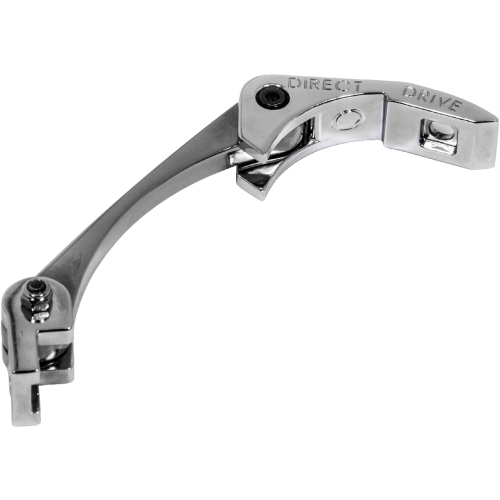
Chain-drive pedals offer a familiar feel and dependable performance, while belt-drive models tend to feel smooth and light. Direct-drive pedals provide a close connection between footboard movement and beater response, which some drummers prefer for precise, fast playing.

3. Feel and Adjustability

Look for adjustable spring tension, beater angle and footboard height to help tailor the pedal’s response to your technique. A longer footboard may offer more room for sliding or heel-toe techniques, but comfort depends on your foot position and playing style.

4. Build and Kit Compatibility

Check that the pedal’s clamp fits your bass drum hoop and that its base stays secure on your playing surface. For electronic kits, confirm that the kick pad supports your chosen pedal configuration and follow the pad manufacturer’s guidance on beater material.
  1. 1

    YAMAHA Foot Pedal - Single Chain

    About this product

    A durable single chain foot pedal designed for smooth, responsive performance with electric pianos and keyboards.

    (1)
    $109.99 Your price for this item is $109.99
  2. 2

    MAPEX 400 Series Single Pedal

    About this product

    A durable single bass drum pedal designed for smooth, responsive performance during drumming sessions.

    $99.99 Your price for this item is $99.99
  3. 3

    MAPEX Design Lab Swift Single Pedal In Multicolor

    About this product

    A multicolour single drum pedal designed for smooth, responsive performance and precise control.

    $419.00 Your price for this item is $419
  4. 4

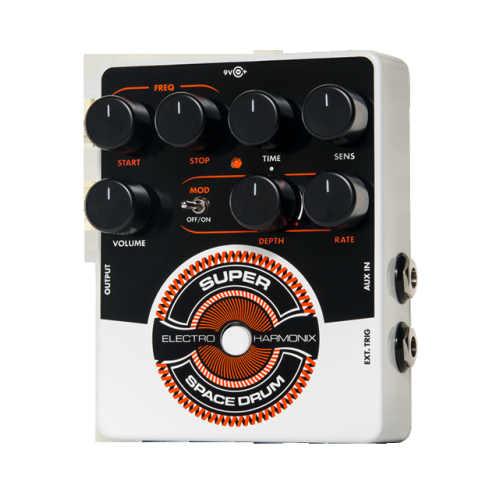
    ELECTRO-HARMONIX Analog Drum Synth Pedal

    About this product

    A versatile analog drum synth pedal for creating unique and dynamic drum sounds.

    $185.80 Your price for this item is $185.80
  5. 5

    DIXON P1 Single Bass Drum Pedal, Single Chain

    About this product

    A single chain bass drum pedal designed for smooth, responsive performance during drumming sessions.

    $172.95
    SAVE $27
    Your price for this item is $172.95
  6. 6

    MAPEX 400 Series Double Pedal

    About this product

    A double bass drum pedal featuring single chain drive and a duo-tone beater for versatile drumming.

    $249.00 Your price for this item is $249
  7. 7

    MAPEX 800 Series Double Pedal

    About this product

    A durable double pedal for drummers, part of the MAPEX Armory 800 Series.

    $459.00 Your price for this item is $459
  8. 8

    MAPEX Falcon Direct Drive Pack

    About this product

    A direct drive pack designed for drummers seeking smooth, responsive pedal action and enhanced performance.

    $99.00 Your price for this item is $99
  9. 9

    MAPEX 600 Series Single Pedal

    About this product

    A durable single bass drum pedal designed for smooth, responsive performance during drumming sessions.

    $129.00 Your price for this item is $129
  10. 10

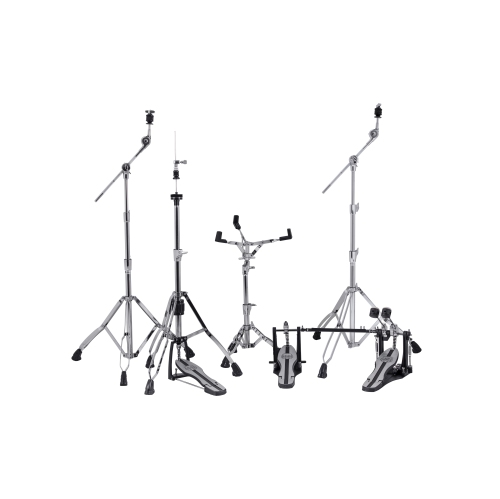
    MAPEX 600 Series 5 Piece Hardware Pack With Double Pedal - Chrome

    About this product

    A chrome hardware pack featuring five essential pieces and a double pedal for drummers.

    $719.00 Your price for this item is $719

How pedal mechanics shape the feel of every stroke

The best drum pedals combine smooth action, dependable construction, and a feel that suits the drummer’s technique. A bass drum pedal translates foot movement into the beater’s strike, making it central to everything from a restrained jazz pulse to a driving rock groove. Small differences in its mechanism can affect how easily a player controls volume, repeats notes, or moves between quiet passages and strong accents. Single bass drum pedals operate one beater with one foot and suit a wide range of acoustic and electronic drum setups. Double bass drum pedals use two linked footboards to operate two beaters on one bass drum, allowing alternating strokes without adding another drum. They are especially useful for fast patterns in metal and progressive music, though their possibilities extend well beyond those styles. Drive type is another important distinction. Chain-drive pedals connect the footboard to the beater assembly through a chain, offering a familiar, substantial feel; dual-chain designs can provide added lateral stability. Strap-drive pedals use a flexible belt and often feel light and fluid underfoot, although their response depends on the whole mechanism, not just the strap. Direct-drive pedals use a rigid linkage for a closely connected response that makes subtle foot movements readily apparent. None of these designs is automatically faster or more comfortable for every player. A drummer laying down steady eighth notes for a rehearsal may value predictable resistance, while someone practising rapid alternating strokes may prefer a more immediate connection between footboard and beater. Cam shape also influences the stroke: a round cam generally provides a more consistent relationship between footboard travel and beater movement, while an offset cam changes that relationship through the stroke. The most suitable pedal makes the intended rhythm easier to control, rather than asking the player to adapt constantly to an unfamiliar motion. Smooth movement matters at low volume as much as it does during a forceful chorus.

Fit involves both the drummer’s foot and the kit itself. Footboard length, surface texture, and heel-plate shape affect where the foot rests and how comfortably it moves. A longer footboard can offer more room for sliding or heel-toe techniques, but it is not reserved for larger feet, nor does it guarantee quicker playing. Some players prefer a textured surface that helps hold their shoe in place; others favour a smoother board that allows small shifts during repeated strokes. Heel-down playing often benefits from a comfortable resting position and manageable resistance, while heel-up playing places greater emphasis on balance and controlled movement through the leg and ankle. Adjustable spring tension helps tune resistance and return feel, but simply tightening the spring can make the pedal harder to press without improving control. Beater angle, footboard angle, and beater height also shape the stroke, with independent adjustments offering more flexibility where the design supports them. For acoustic bass drums, the hoop clamp should grip securely without damaging the finish, and the beater should contact the head at an appropriate height. Hoop thickness, clamp clearance, and the space around nearby stands all deserve attention. With an electronic kit, compatibility depends on the kick pad’s mounting arrangement, playing surface, and supported pedal type. A double pedal needs enough usable pad area for both beaters, and a switch-style kick controller is not interchangeable with a conventional pedal and kick pad. Beater material matters too: felt typically gives an acoustic drum a softer attack, while harder plastic or wood surfaces can produce a more pronounced initial strike. Electronic pad manufacturers may specify suitable beater surfaces, particularly for mesh heads, so their compatibility advice takes priority. A double pedal also needs room for the connecting shaft and auxiliary footboard beside the hi-hat stand. Looking at the wider Drum Hardware setup helps keep pedals, stands, and seating positioned so the drummer can reach each playing surface without twisting or stretching.

Durability comes from the quality of the moving parts and connections as well as the strength of the frame. Metal footboards and frames, often made with aluminium components, balance strength with manageable weight, while steel shafts and securely fitted fasteners support repeated use. Bearings, hinges, springs, and drive connections should move freely without excessive sideways play. A solid baseplate can help the pedal stay planted during energetic playing, especially when paired with a suitable drum rug. Spurs and grip strips can reduce movement on appropriate surfaces, but sharp anchors need care around finished floors. For a drummer carrying equipment between lessons, rehearsals, and performances, a protective case and a design that packs down easily can be just as useful as extensive adjustment options. At home, stable placement helps preserve the same foot position from one practice session to the next. Pedal care is usually straightforward: wipe away dust and perspiration with a dry cloth, check accessible fasteners periodically, and inspect straps, chains, springs, and linkage joints for wear. Lubrication should follow the manufacturer’s directions, since some bearings are sealed and excess oil can attract dirt. A loosening hoop clamp, shifting beater, or developing squeak deserves attention before it interrupts a rehearsal. Double-pedal connecting shafts also need secure fittings and sensible alignment to keep the auxiliary side moving freely. Beginners often benefit from uncomplicated adjustments and a consistent response that supports timing practice, while experienced players may appreciate finer control over beater position and footboard geometry. For someone playing in a shared home during the cooler months, a pedal paired with a compatible practice pad can support regular technique work, although impact vibration may still travel through the floor. Drum pedals can also make thoughtful gifts for students, band members, or returning musicians when their kit compatibility and preferences are known. Whether the goal is a steady backbeat, quieter dynamic control, or articulate double-bass passages, a well-matched pedal should feel secure, respond predictably, and remain comfortable through the final song.
Read More

FAQ

Some products may be subject to Environmental Handling Fees (EHF) depending on your province. Learn more about EHFs.