Best Fitness Trackers for Walking And Cycling

Find the best fitness trackers for walking and cycling to help you stay motivated and track your progress. Whether you’re counting daily steps or logging weekend rides, features like heart rate monitoring, GPS tracking, and long battery life can help you make the most of every outing. Explore the options below, ranked by user review ratings, to find a fitness tracker that fits your routine.

Read More

What to look for in fitness trackers for walking and cycling

1. Walking and Cycling Tracking

Look for dedicated walking and cycling modes to track workout duration, distance, and heart rate. Step counting is useful for walks, while cycling speed and ride summaries help you review your time on the bike.

2. GPS and Phone Compatibility

Built-in GPS can record outdoor routes and distance without carrying your phone, while connected GPS relies on a compatible phone nearby. Check that the tracker works with your phone and any fitness apps you use.

3. Battery Life and Charging

Compare battery life during GPS workouts as well as typical daily use, since GPS tracking can drain the battery faster. For longer walks or rides, choose a model with enough workout battery life to last your planned outing.

4. Comfort and Outdoor Readability

Choose a lightweight tracker with an adjustable band and a display that is easy to read in sunlight. Check its water-resistance rating for sweaty workouts and rainy outings, and only operate on-screen controls when it is safe to do so.
  1. 1

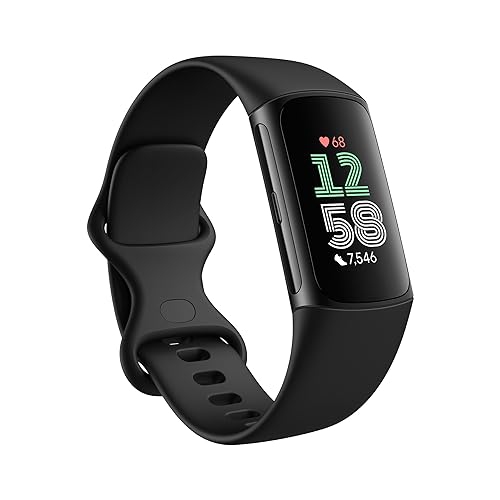
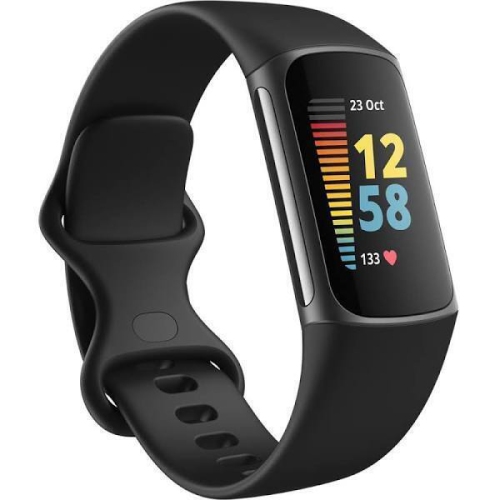
    FITBIT Charge 6 Fitness Tracker With Activity Tracking & Step Tracking – Built-In Gps – Obsidian/black

    About this product

    An advanced fitness tracker with Google integration, featuring YouTube Music, Google Maps, and Google Wallet.

    What customers like

    • Intuitive app and easy setup
    • Comfortable and lightweight design
    • Accurate heart rate and activity tracking
    • Long battery life with fast charging
    • Seamless Google integration and notifications
    (1,426)
    $199.99
    SAVE $100
    Your price for this item is $199.99
  2. 2

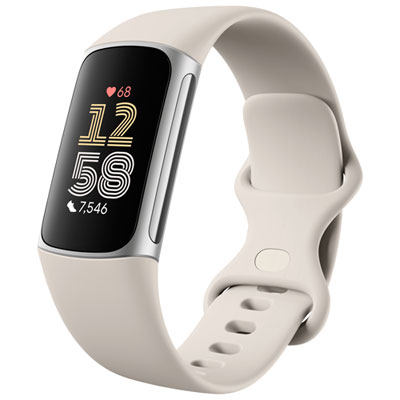
    Google Fitbit Charge 6 Fitness Tracker with Heart Rate Monitor & Sleep Tracking – Built-in GPS – Silver/Porcelain

    About this product

    A silver fitness tracker offering GPS, heart rate monitoring, sleep tracking, and Google app integration.

    What customers like

    • Accurate heart rate and sleep monitoring
    • Comfortable and lightweight design
    • Long battery life and fast charging
    • Easy setup and user-friendly interface
    • Comprehensive health and fitness tracking
    (727)
    $219.99 Your price for this item is $219.99
  3. 3

    Garmin vívoactive 5 Active AMOLED 42mm Bluetooth Fitness GPS Smartwatch - Navy

    About this product

    A navy Bluetooth smartwatch featuring GPS, heart rate monitoring, wellness tracking, and a bright, long-lasting display.

    What customers like

    • Bright, high-quality display
    • Comfortable and lightweight design
    • Accurate fitness and health tracking
    • Excellent battery life
    • Wide variety of sports and activity features
    (1,513)
    $349.99 Your price for this item is $349.99
  4. 4

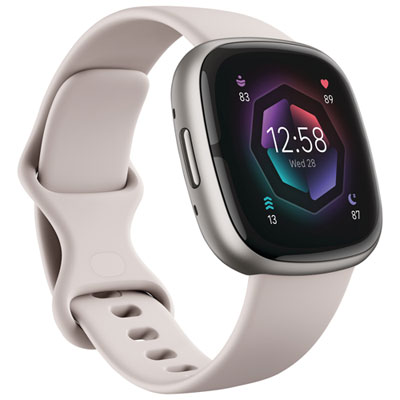
    Google Fitbit Sense 2 AMOLED Smartwatch with Bluetooth Calling, Built-in GPS, Heart Rate Monitor, Lunar White

    About this product

    A sleek white smartwatch that tracks heart rate, sleep, and stress for comprehensive daily health monitoring.

    What customers like

    • Sleek and comfortable design
    • Accurate heart rate and sleep monitoring
    • Easy-to-use features and navigation
    • Excellent battery life
    • Comprehensive health and fitness tracking
    (1,887)
    $329.99 Your price for this item is $329.99
  5. 5

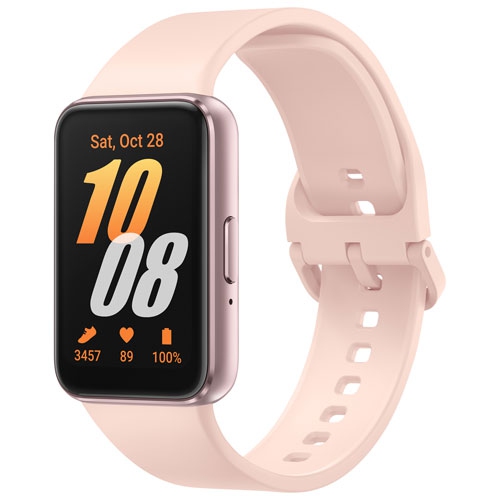
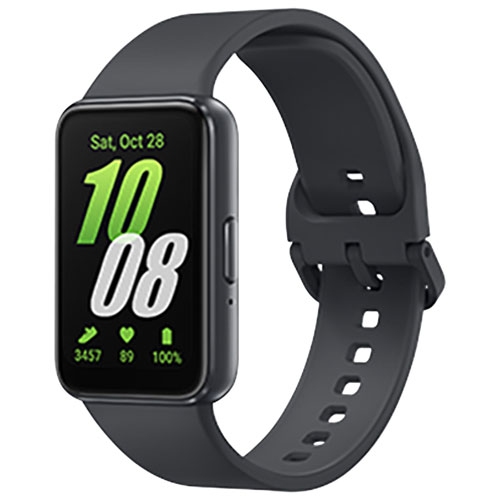
    SAMSUNG - Fitness Tracker With Heart Rate Monitor & Sleep Tracking – Built-In Gps – Gold In Pink

    About this product

    A sleek pink and gold fitness tracker with heart rate, blood oxygen, sleep, and stress monitoring features.

    (5)
    $59.00
    SAVE $26
    Your price for this item is $59
  6. 6

    SAMSUNG Refurbished (Excellent) - Fitness Tracker With Heart Rate Monitor & Sleep Tracking – Connected Gps – In Grey

    About this product

    A refurbished grey fitness tracker that monitors heart rate, blood oxygen, sleep, stress, and workouts.

    (6)
    $59.95
    SAVE $25
    Your price for this item is $59.95
  7. 7

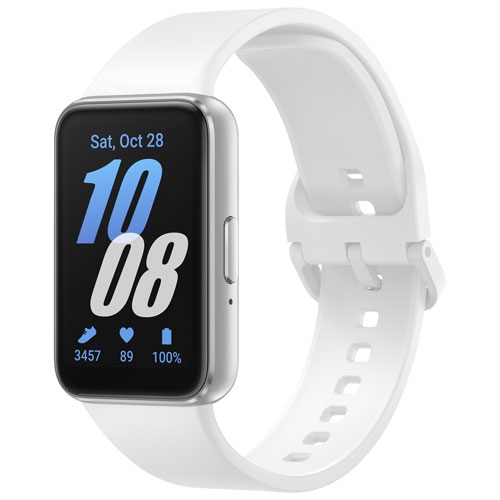
    SAMSUNG - Fitness Tracker With Heart Rate Monitor & Sleep Tracking – Connected Gps – In Silver

    About this product

    A sleek silver fitness tracker that monitors heart rate, blood oxygen, sleep, stress, and auto-detects workouts.

    (4)
    $69.95
    SAVE $15
    Your price for this item is $69.95
  8. 8

    FITBIT Refurbished (Excellent) - Charge 5 Fitness Tracker With Heart Rate Monitor & Sleep Tracking – Built-In Gps – In White

    About this product

    A refurbished fitness tracker in graphite with heart rate monitoring, stress management, and daily readiness insights.

    (3)
    $175.00
    SAVE $24
    Your price for this item is $175
  9. 9

    SAMSUNG - Fitness Tracker With Heart Rate Monitor & Sleep Tracking – Built-In Gps – In Grey

    About this product

    A sleek grey fitness tracker that monitors heart rate, blood oxygen, sleep, stress, and auto-detects workouts.

    (12)
    $74.95
    SAVE $10
    Your price for this item is $74.95
  10. 10

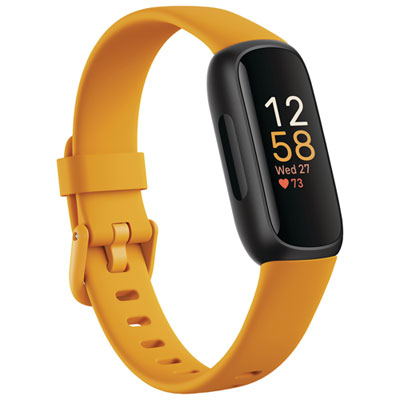
    Fitbit Fitness Tracker with Heart Rate Monitor & Sleep Tracking – Connected GPS – Morning Glow

    About this product

    A vibrant Morning Glow fitness tracker that monitors heart rate, sleep quality, skin temperature, and blood oxygen.

    (17)
    $129.99 Your price for this item is $129.99

Why bike rides need more than step counts

The best fitness trackers for walking and cycling combine a comfortable fit, useful activity tracking, clear workout displays, and battery life that suits the length of your outings. For someone who walks to work and cycles on weekends, a tracker with dedicated walking and cycling modes can keep those activities separate and make progress easier to follow. Walking summaries typically focus on steps, distance, pace, and active time, while cycling summaries may show distance, speed, duration, and heart rate, depending on the device. Step counts alone do not capture the effort of a bike ride, so a cycling mode is particularly useful when both activities are part of a regular routine. Built-in GPS allows compatible trackers to measure outdoor routes, distance, and speed without relying on a phone for location data; connected GPS uses a paired smartphone instead. That distinction matters on a short walk with only keys in a pocket or a longer ride when leaving the phone behind is appealing. GPS tracking does not necessarily include on-screen maps or turn-by-turn directions, however, and those functions vary by device. A readable display makes it easier to check elapsed time at a crossing or review distance after pulling off a shared path. Heart rate tracking can add context to a brisk uphill walk or a steady ride, although wrist-based readings are estimates and may be affected by movement, fit, cold skin, and pressure on the handlebars. Fitness trackers are useful for observing personal trends rather than providing a medical assessment. For everyday walkers, a slim activity band may offer enough detail without feeling bulky. Cyclists who spend more time outdoors may appreciate a larger screen, physical controls, and more detailed workout summaries. The strongest match is not necessarily the device with the most features, but the one that captures the activities that matter and feels natural to wear throughout the day.

Comfort becomes especially important when a fitness tracker stays on from a morning walk through an afternoon at a desk and an evening ride. A lightweight case and a smooth, flexible strap can help reduce rubbing, while a broad adjustment range makes it easier to find a secure fit without pinching. Silicone straps are commonly used for exercise because they are flexible and straightforward to wipe clean. Woven straps can feel soft and breathable, though they may hold moisture longer after a sweaty workout or a splash. Metal straps offer a different look for daily wear but can add weight and may feel less comfortable during vigorous activity. Replaceable bands, where supported, make it possible to switch between exercise and everyday wear or replace a worn strap without replacing the tracker. For optical heart rate tracking, the sensor generally needs steady contact with the skin; the manufacturer's fit instructions provide the right placement and tightness for the device. On a bike, a bulky case can press against the wrist when the hands bend towards the handlebars, so case size matters as much as strap length. During the cooler months, a low-profile tracker can also sit more comfortably beneath a jacket cuff. Physical buttons may be easier to operate than a touchscreen with damp fingers, but glove compatibility differs between devices. Durability involves both the case and the screen, particularly for a tracker that may brush against a door frame, bike lock, or backpack buckle. Water resistance should match the intended activity, and a rating suitable for sweat or rain should not be treated as permission for swimming, showering, or hot-water exposure unless the manufacturer allows it. Regular care helps maintain comfort: clean the strap and case as directed, dry them after moisture exposure, and let the skin dry before putting the tracker back on. Charging contacts should also be clean and dry before connecting the charger. These small habits can make a noticeable difference when the tracker is worn frequently.

Battery life, phone compatibility, and the quality of the companion app shape how useful a fitness tracker feels beyond the workout itself. Advertised battery life usually reflects particular settings, and continuous GPS, frequent screen use, and other active features can shorten the time between charges. Someone taking short neighbourhood walks may be well served by a simple charging routine, while a cyclist planning several hours on the road needs to consider battery life with GPS running, not just general daily use. A compatible smartphone and app may be needed for setup, syncing, route history, and notifications. Some functions may also require a separate subscription, so it helps to distinguish core tracking from optional extras. Clear activity histories can make it easier to compare familiar outings, such as the same lunchtime loop or a regular ride along a multi-use trail. Automatic workout detection can be convenient, but manually starting the appropriate mode helps capture the intended session from the beginning. Indoor exercise introduces different needs. GPS does not measure movement on a stationary bike or treadmill in the same way it measures an outdoor route. Treadmill distance estimates may rely on wrist movement and stride assumptions, while indoor cycling distance or cadence may require compatible equipment or external sensors; support varies by tracker. For routines that include more indoor walking, Best Fitness Trackers for Treadmill Walking focuses on that activity. A tracker can suit someone building a daily walking habit, an active commuter, or a recreational cyclist who wants a clearer picture of weekly activity. As a gift, its usefulness depends on the recipient's phone, preferred strap style, wrist size, and interest in workout data. Simple displays and easy controls may matter more to a casual walker than a long list of metrics. For an enthusiastic cyclist, GPS endurance and compatibility with existing accessories may take priority. Whether the routine involves a quiet walk around the block or a longer ride with friends, practical features and lasting comfort help make activity tracking a regular part of the day.
Read More

FAQ

Some products may be subject to Environmental Handling Fees (EHF) depending on your province. Learn more about EHFs.