Best Headphones for Mixing
Find the best headphones for mixing to help you fine-tune every track. Accurate sound, clear detail, and a comfortable fit are key considerations when comparing options for your setup. Explore headphones ranked by user review ratings to find a pair that suits your workflow, whether you’re balancing vocals, adjusting bass, or checking your final mix.
What to look for in headphones for mixing
1. Sound Accuracy
2. Open-Back or Closed-Back Design
3. Comfort and Fit
4. Connection and Power Requirements
-
1
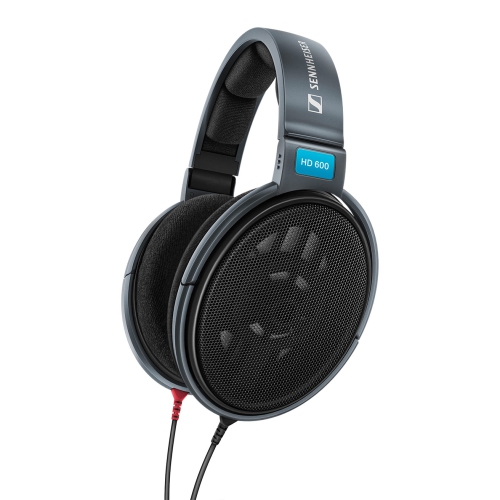
SENNHEISER HD 600 - Audiophile Hi-Res Open Back Dynamic Headphone
About this product
An open-back dynamic headphone delivering high-resolution, analytical sound for audiophile-grade listening experiences.
(16)$579.95 Your price for this item is $579.95 -
2
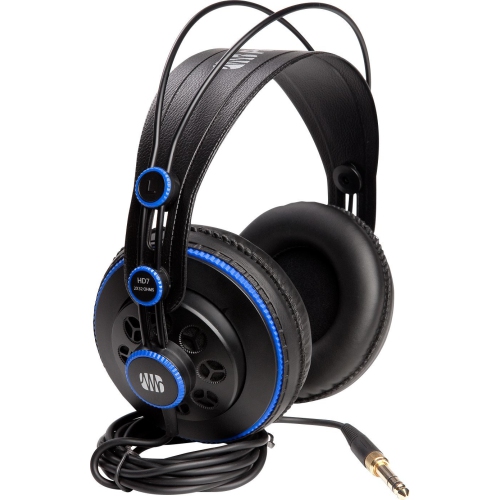
PRESONUS HD9 Monitoring Headphones
About this product
A pair of closed-back monitoring headphones delivering accurate sound and comfort for professional audio applications.
(8)$99.00Your price for this item is $99SAVE $1 -
3
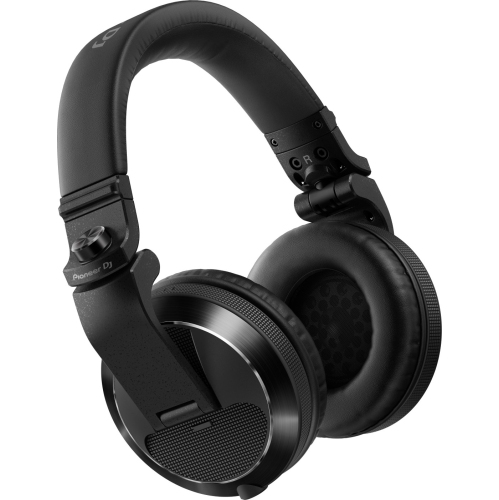
PIONEER DJ HDj-X7 Professional Over-Ear Dj Headphones - In Black
About this product
A pair of professional black over-ear headphones designed for DJs, delivering clear, high-quality sound.
(2)$299.00 Your price for this item is $299 -
4
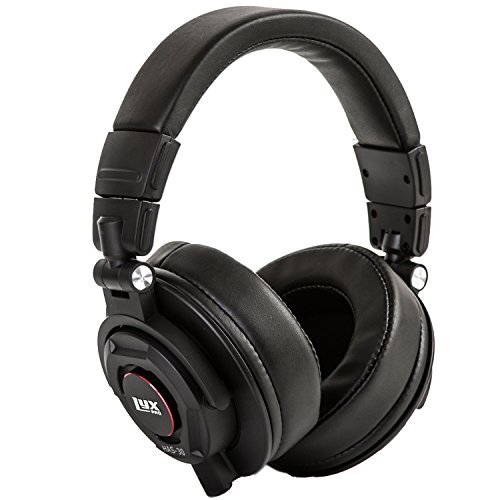
LYXPRO Has-30 Closed Back Over-Ear Professional Recording Headphones for Studio Monitoring, Dj And Home Entertainment, Black
About this product
A pair of black closed-back over-ear headphones offering excellent sound isolation for studio, DJ, and home use.
(1)$79.99Your price for this item is $79.99SAVE $16 -
5

LYXPRO Has-10 Closed Back Over-Ear Professional Studio Monitor & Mixing Headphones, Music Listening, Piano, Sound Isolation, Lig
About this product
A lightweight, closed-back over-ear headphone offering professional sound isolation for studio monitoring and music listening.
$59.99Your price for this item is $59.99SAVE $12 -
6
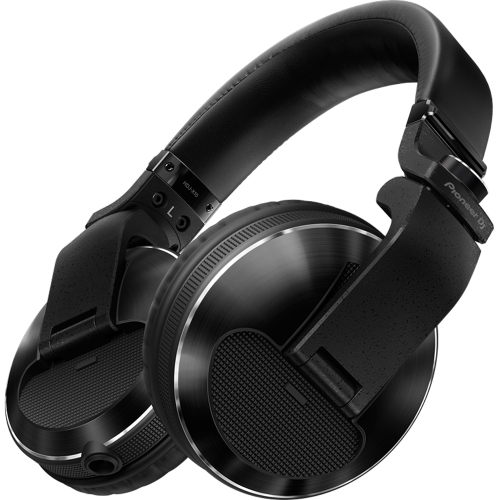
PIONEER DJ HDj-X10 Professional Over-Ear Dj Headphones - In Black
About this product
A pair of professional over-ear DJ headphones in black, delivering high-resolution audio and durable comfort.
$559.00 Your price for this item is $559 -
7
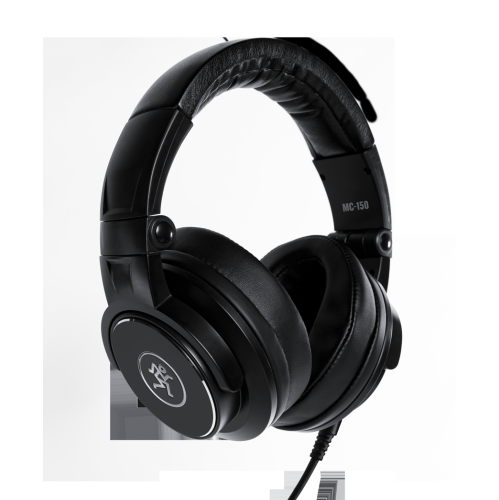
MACKIE Mc-150 Professional Closed-Back Headphones
About this product
A pair of closed-back headphones delivering professional sound isolation and clarity for studio monitoring.
$129.99 Your price for this item is $129.99 -
8
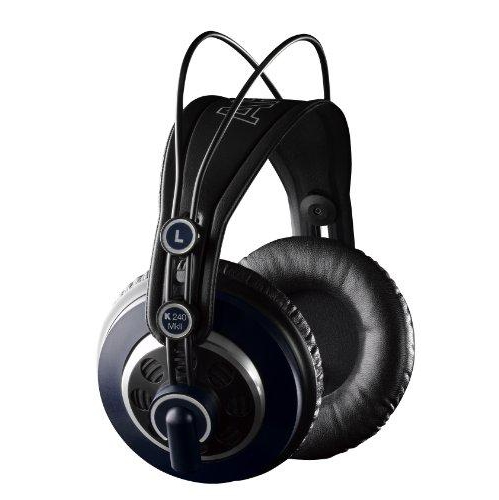
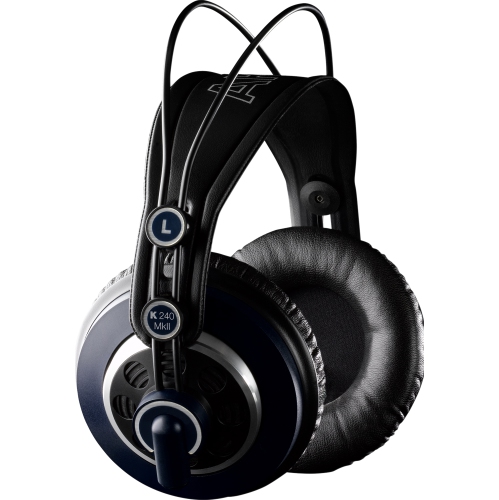
AKG Pro Audio K240 Mkii Channel Studio Headphones
About this product
A professional-grade over-ear headphone with semi-open technology and self-adjusting headband for comfort and accurate signal transfer.
$179.99 Your price for this item is $179.99 -
9
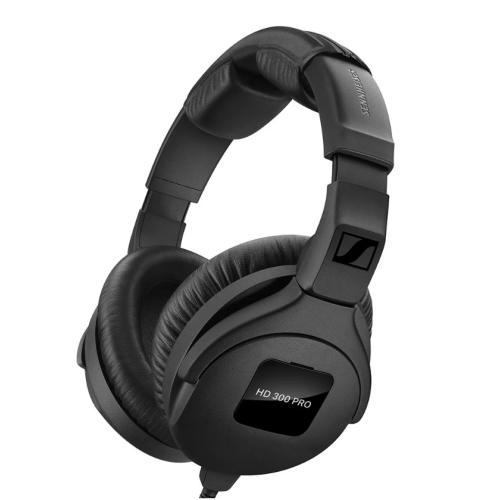
SENNHEISER HD 300 Pro Monitoring Headphones
About this product
A pair of professional monitoring headphones delivering accurate sound reproduction for studio recording and mixing.
$269.00 Your price for this item is $269 -
10
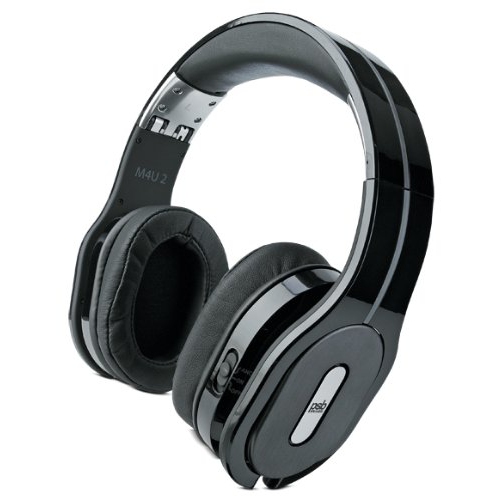
PSB M4U 2 Noise Cancelling Over-Ear Headphones - - M4U-2 Blk In Black
About this product
A black over-ear headphone with active noise cancelling, built-in amplifier, and in-line remote microphone.
(14)$439.99Your price for this item is $439.99SAVE $114
FAQ
Headphones for mixing generally aim for a neutral tonal balance rather than deliberately boosted bass or treble. Common descriptions include flat, balanced and reference-style sound. Frequency-response graphs can illustrate tonal differences, though published frequency ranges alone do not describe how headphones sound.
Open-back headphones have vented earcups that allow sound to pass in and out. Closed-back headphones have sealed earcups that provide more isolation and limit sound leakage. Open-back designs are common in quiet mixing spaces, while closed-back designs are often used for tracking and shared studios.
Impedance, measured in ohms, describes part of the electrical load headphones present to an audio source. It is usually considered alongside sensitivity when pairing headphones with an audio interface or headphone amplifier. Higher-impedance models may require more voltage, but impedance alone does not determine sound quality or amplification needs.
Wired connections are more common for mixing because they avoid Bluetooth transmission latency and codec compression. Studio headphones typically connect to an audio interface, mixer or headphone amplifier through an analogue plug. Some wireless models also support wired listening, although their sound may differ between connection modes.
Mixing headphones may include straight or coiled cables, detachable connections and screw-on plug adapters. Straight cables offer a simple layout, while coiled cables extend and retract as you move. Detachable cables allow separate cable replacement, but connector types and locking mechanisms vary between models.
Top selling and popular products
Discover more categories related to Best Headphones for Mixing
Some products may be subject to Environmental Handling Fees (EHF) depending on your province. Learn more about EHFs.