Open Back Headphones for Mixing
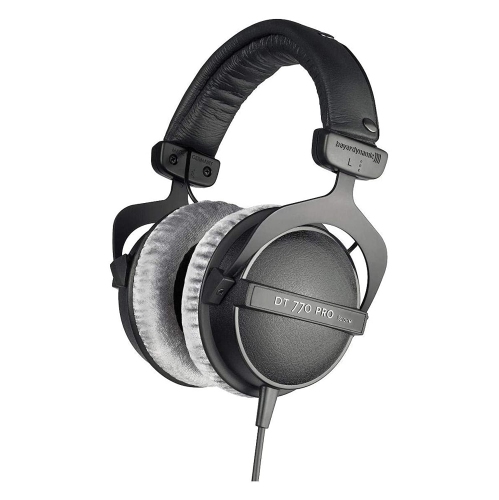
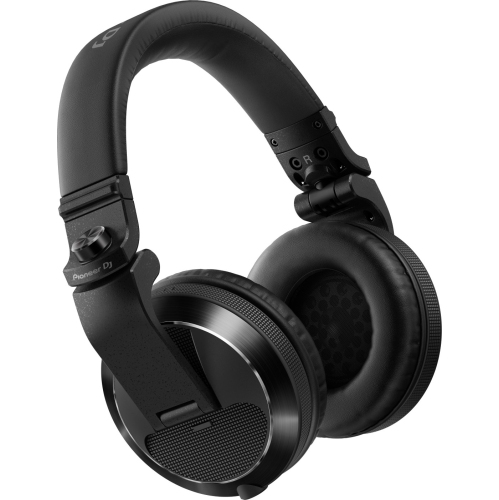
Looking to take your music production and mixing skills to the next level? Look no further than our collection of open back headphones for mixing. These headphones are specifically designed to provide accurate and detailed sound reproduction, making them essential tools for professional audio engineers, musicians, and producers. With their open-back design, these headphones allow for a more natural and spacious soundstage, ensuring that every nuance and detail of your music is accurately captured. Whether you're working in a studio or at home, our selection of open back headphones offers exceptional clarity, precise imaging, and extended frequency response. Upgrade your audio experience today with these high-quality headphones built for mixing.
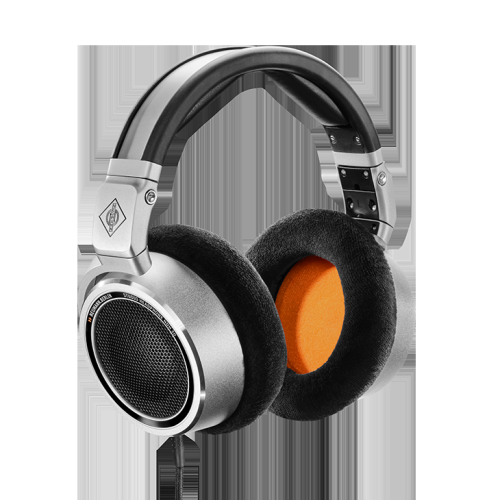
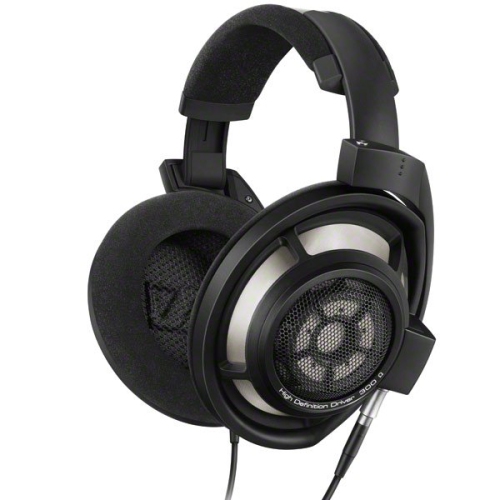
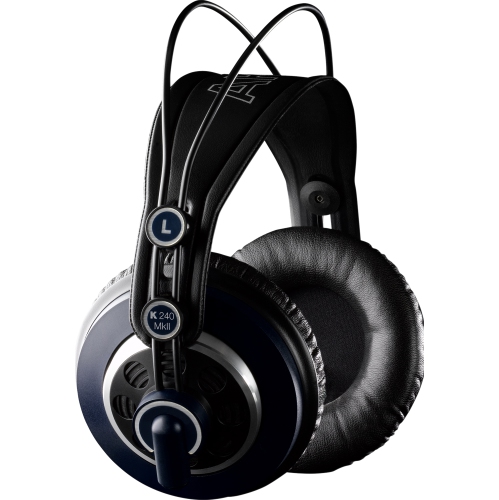
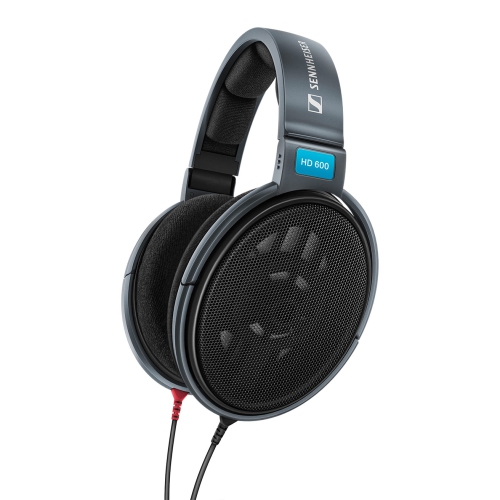
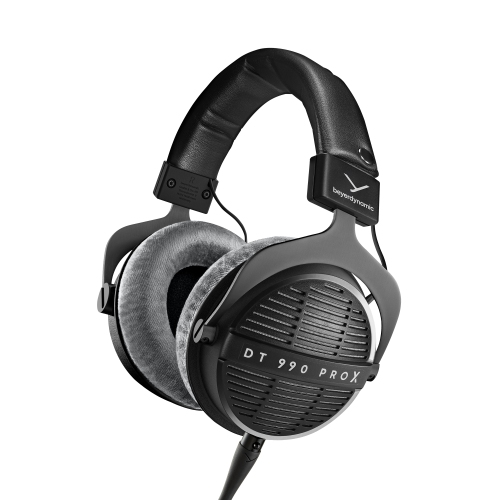
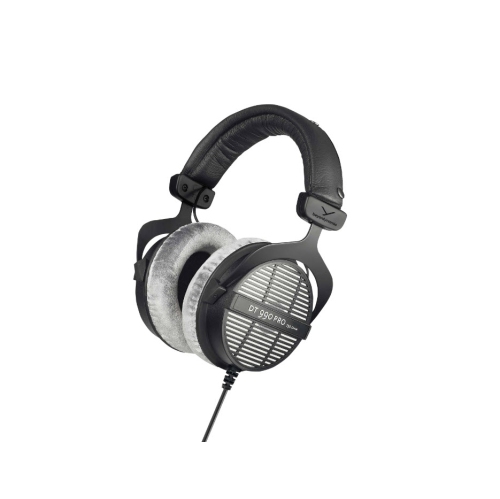
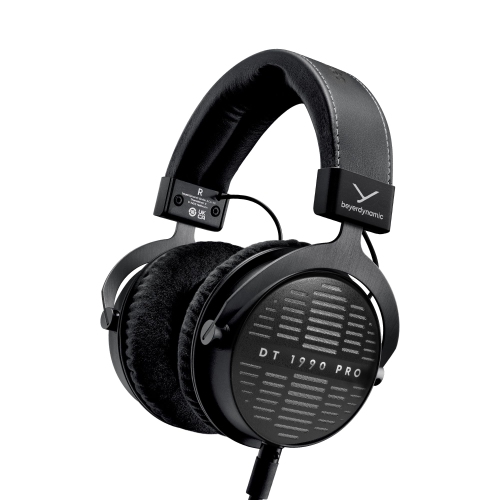
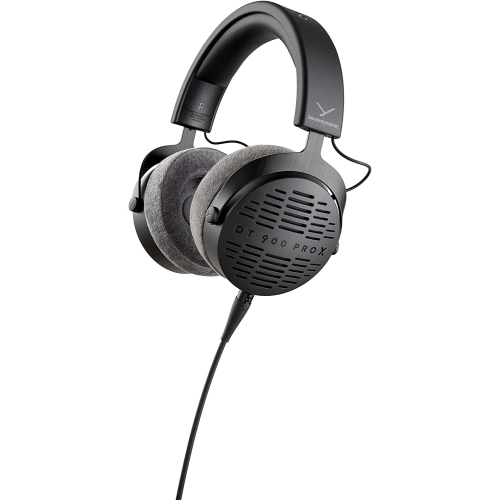

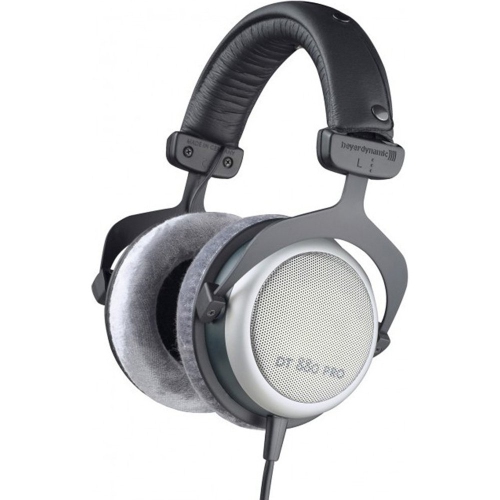
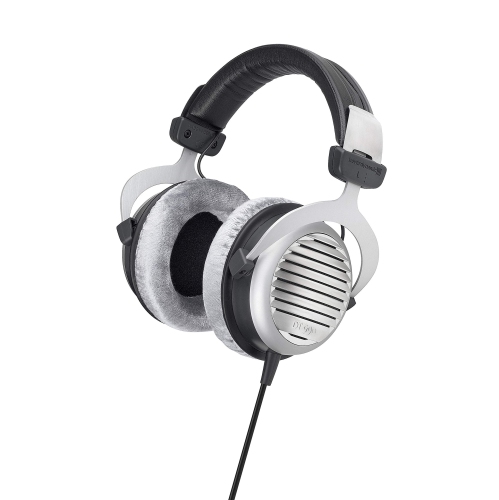
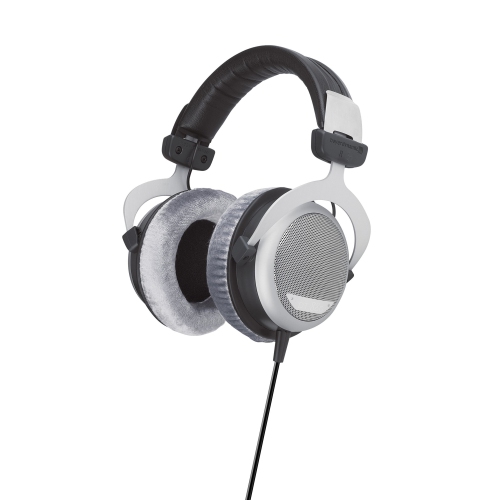
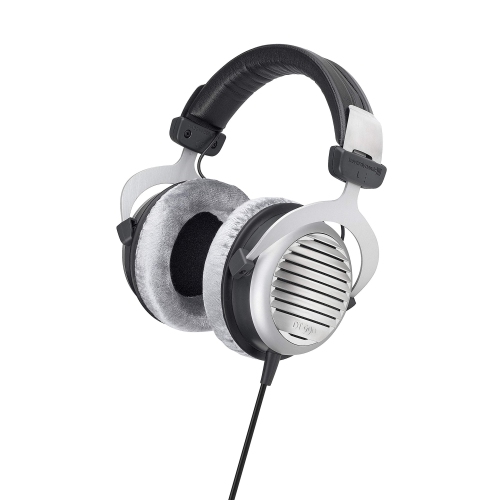
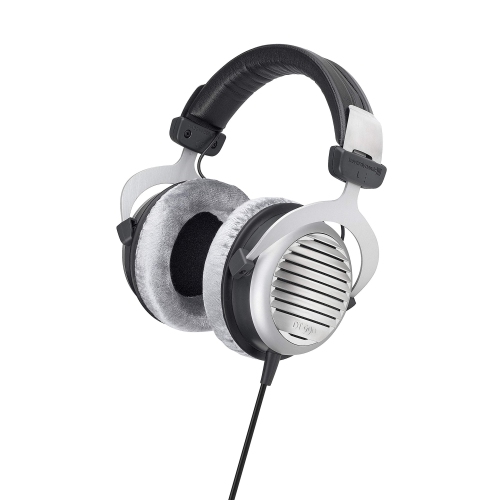
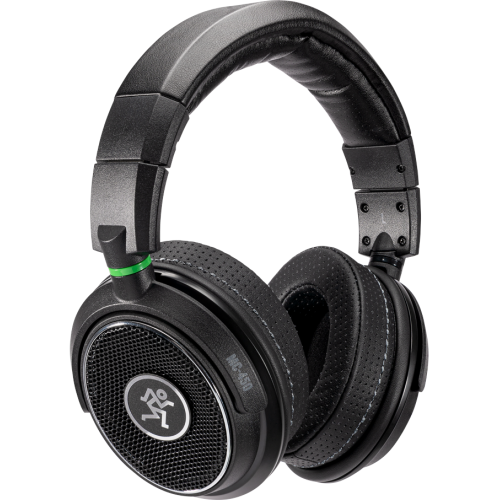

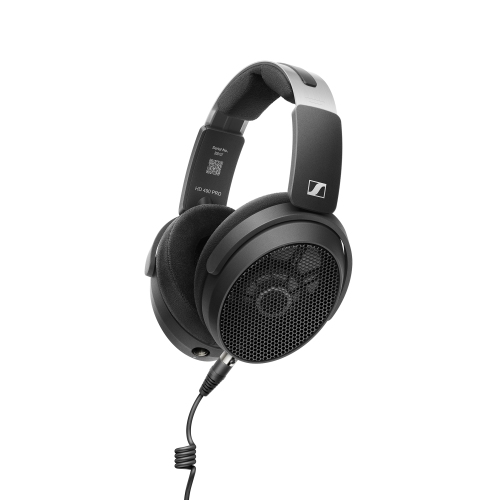
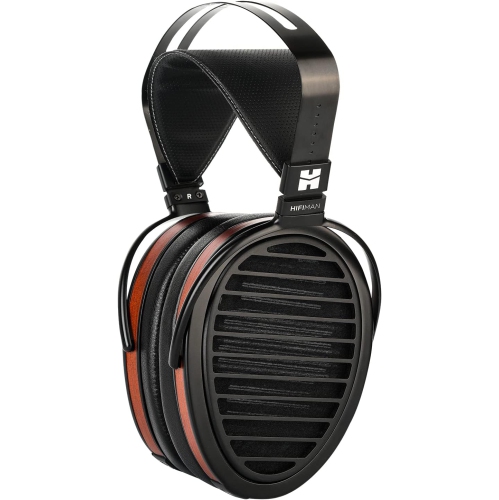
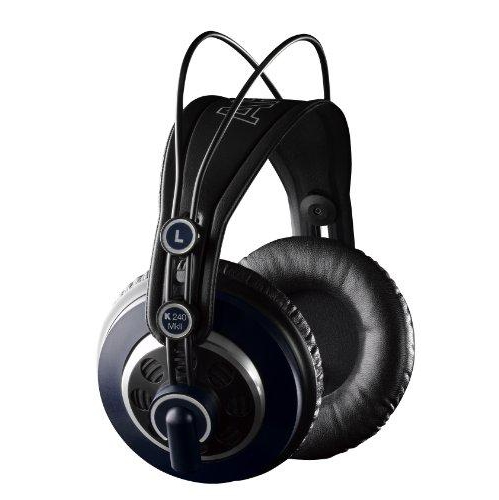
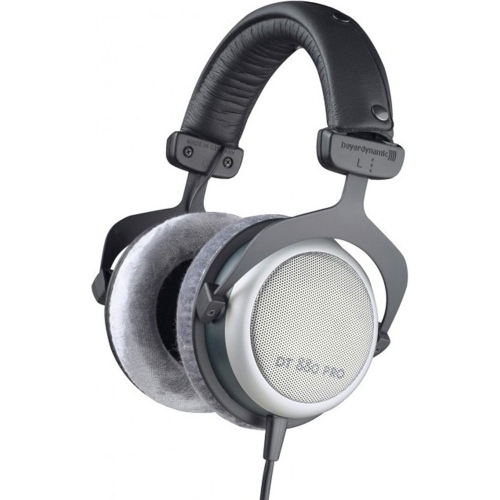
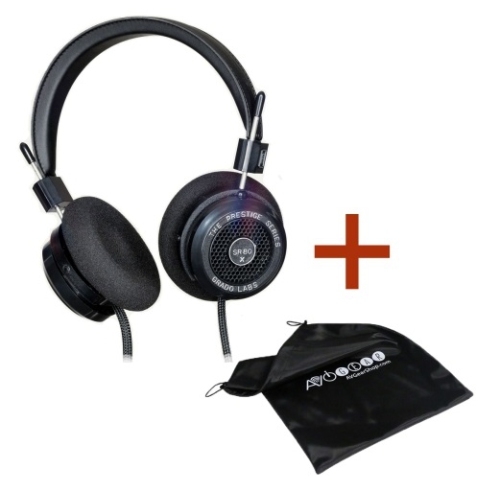
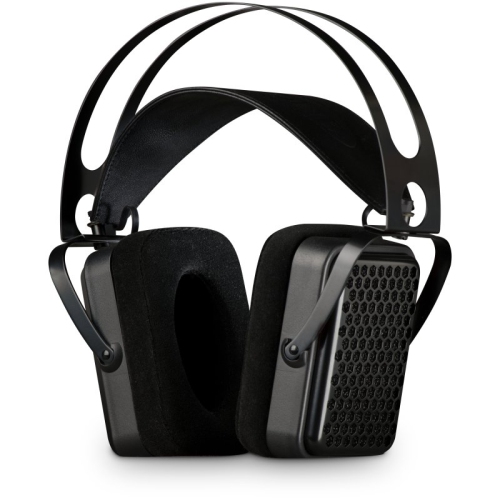
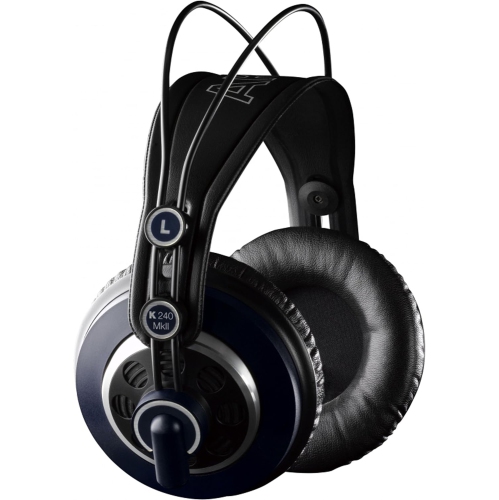
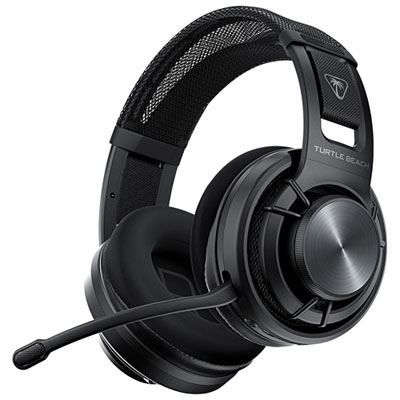
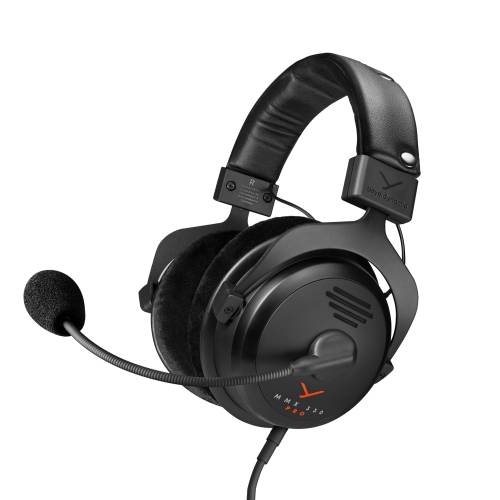

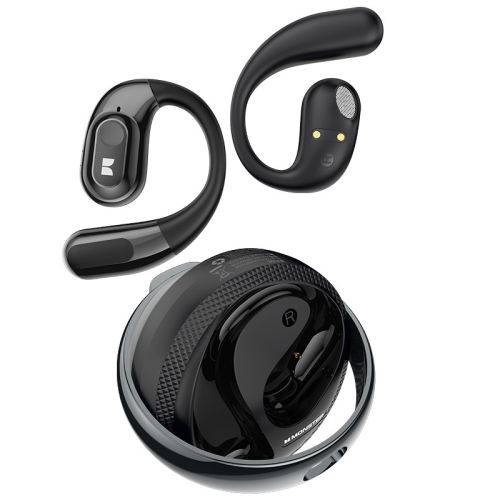
How open-back design supports accurate, comfortable mixing sessions
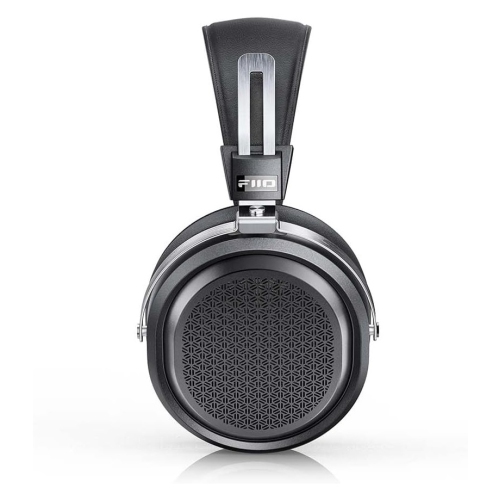
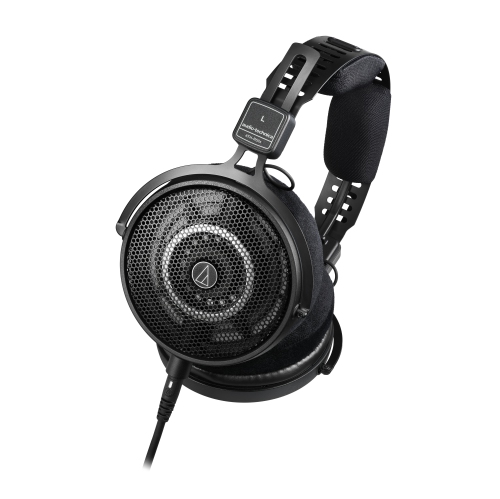
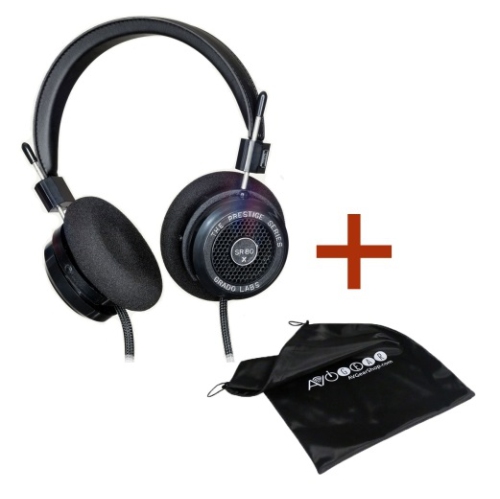
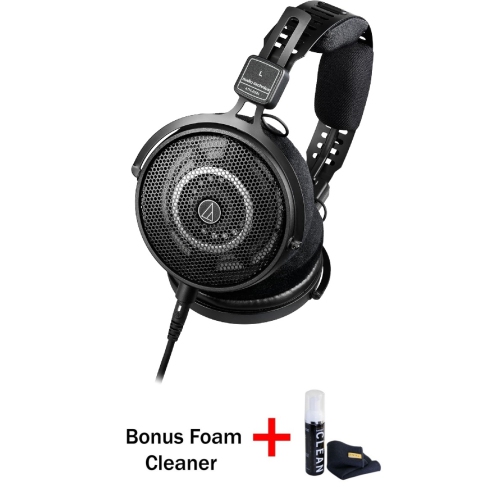
When choosing open-back headphones for mixing, pay close attention to the frequency response and how honestly the headphones present the full range. A useful mixing pair should reveal excessive brightness, muddy low mids, harsh upper mids, and weak sub-bass without making every recording sound artificially dramatic. No headphones are perfectly neutral, and each listener’s ears, room, and experience influence how a mix is interpreted, so it helps to learn the character of a pair over time by using familiar recordings as references. A broad soundstage can assist with stereo imaging, but width alone is not a sign of accuracy; precise left-to-right placement, clear centre imaging, and believable depth are equally valuable. Detail retrieval matters when identifying clicks, hiss, distortion, breath sounds, or small timing issues, while a controlled low end helps with bass lines and kick drums that can be difficult to assess in untreated rooms. Impedance and sensitivity also deserve consideration. Some open-back headphones are easy to drive from a laptop, tablet, phone, or compact audio interface, while others perform best with a dedicated headphone amplifier or a more powerful studio interface. If the headphones sound quiet, thin, or strained from the intended source, an amplifier may be needed to achieve a more reliable listening level. Detachable cables can make storage and replacement more convenient, and a sufficiently long cable can provide practical freedom around a studio workstation. It is also worth checking the earcup shape, swivel movement, included cable connections, and adjustment range, particularly for users who wear glasses or work with headphones for most of the day. For a broader look at suitable listening options, explore Best Headphones for Mixing.
The main trade-off with open-back headphones is their lack of isolation. Sound from the room enters freely, and audio from the headphones can be heard by people nearby. That makes them a strong choice for a quiet home office, studio, or dedicated listening space, but a poor fit for a noisy commute, shared workspace, library, or recording booth where microphone bleed could become a problem. They are generally not the first choice for tracking vocals, acoustic instruments, or any recording where a nearby microphone may pick up the headphone signal. In those situations, closed-back headphones are usually more practical because their sealed earcups help contain the playback. Many producers keep both styles available: closed-back headphones for recording and monitoring, open-back headphones for mixing, editing, and critical review, with speakers used when the room allows. Open-back headphones can also be useful beyond music production, including detailed film editing, game audio, sound design, classical listening, and video work where natural imaging and small spatial cues matter. During the cooler months, they may be comfortable for longer desk sessions without the enclosed sensation of heavily sealed earcups, while as the weather warms, their breathable construction can feel less fatiguing than a tightly closed design. Still, their performance depends on the environment, so listeners should use them at a moderate volume and take regular breaks to keep their hearing comfortable. A practical workflow is to make detailed adjustments with the headphones, compare the result with familiar tracks, and then check the mix on other playback systems such as speakers, earbuds, or a vehicle stereo. This helps prevent over-correcting for the unique character of any one pair and improves the chance that the finished music will translate well wherever it is played.
Top selling and popular products
-
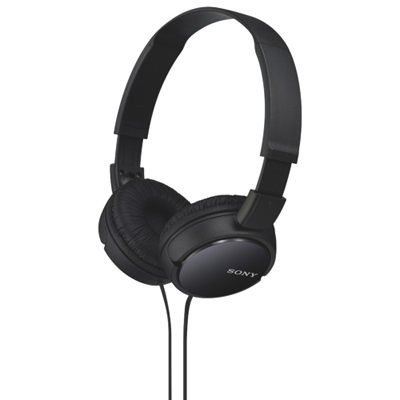 Your price for this item is $24.99
 -
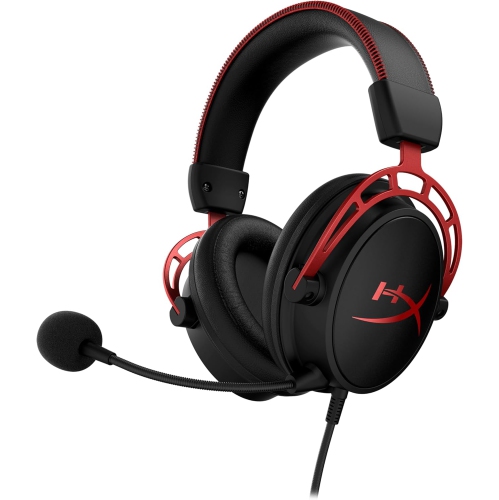 Your price for this item is $124.99
 -
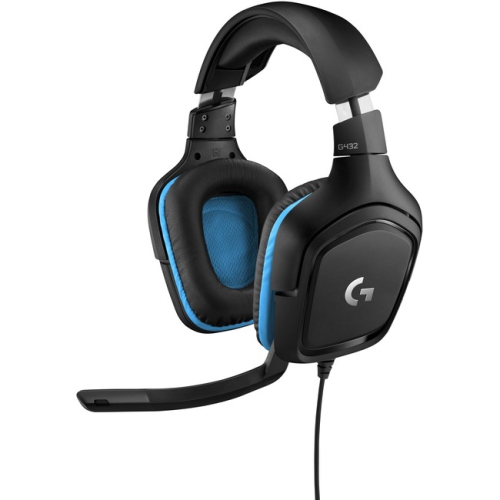 Your price for this item is $111.98
 -
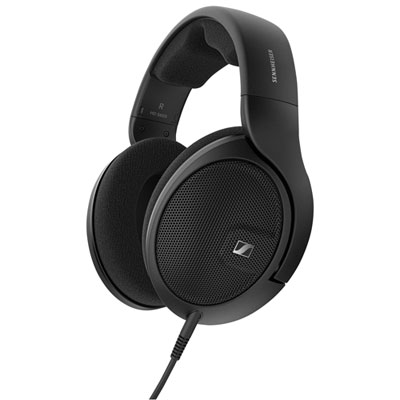 Your price for this item is $279.99
 -
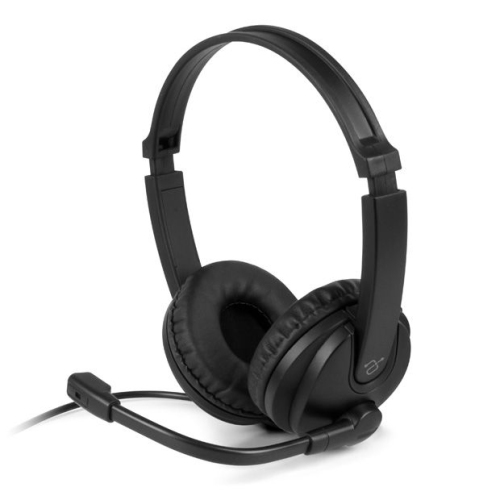 Your price for this item is $46.99
 -
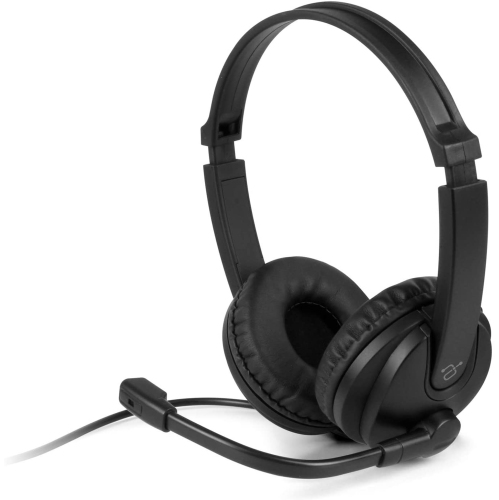 Your price for this item is $63.33
 -
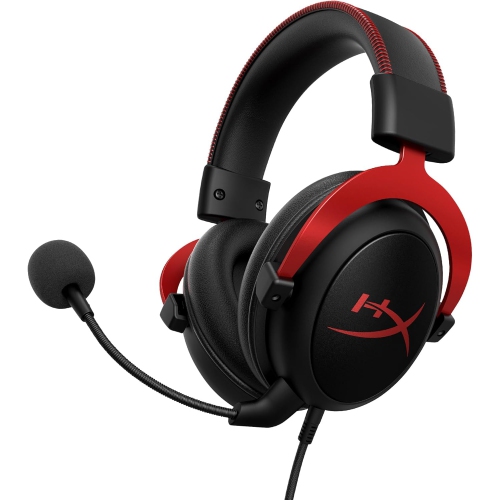 Your price for this item is $144.99
 -
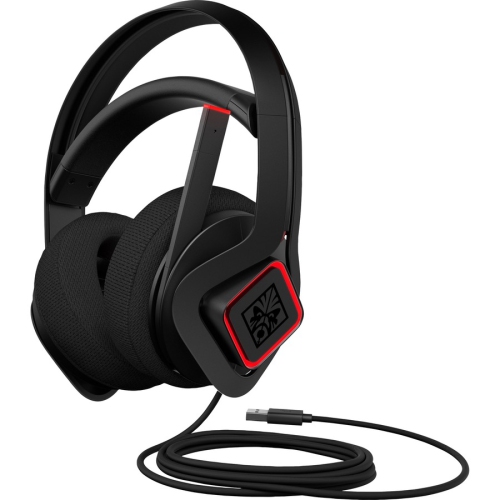 Your price for this item is $105.89