Nikon Binoculars for Bird Watching
Binoculars are a must-have for bird-watchers, whether you're looking for a pair to use while hiking or just want to keep an eye on the local feathered population from your backyard. Here are some great options made by Nikon.
Sort
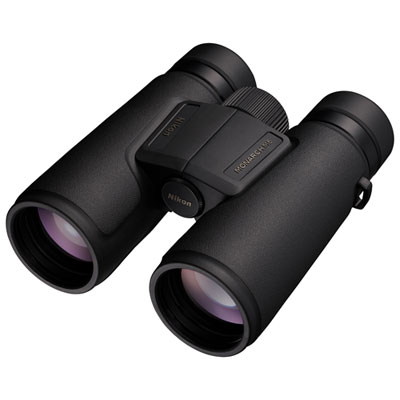
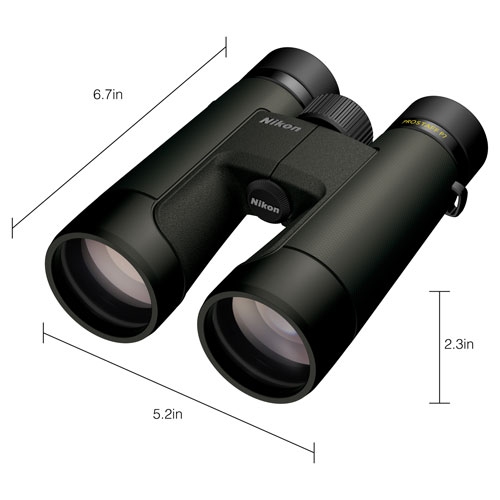
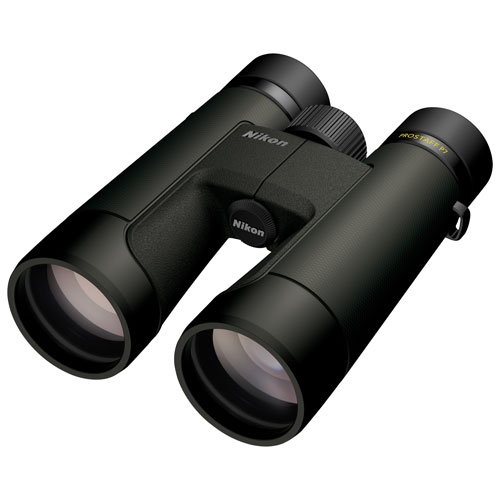
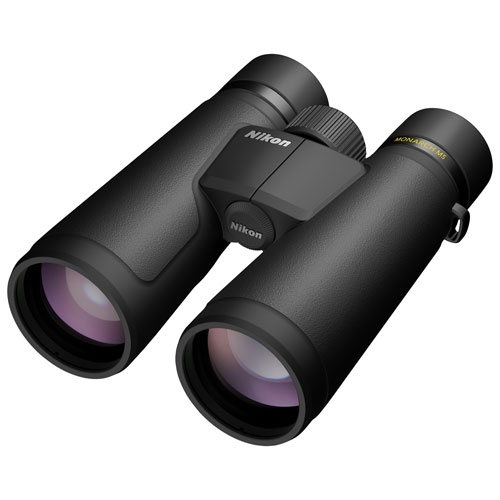
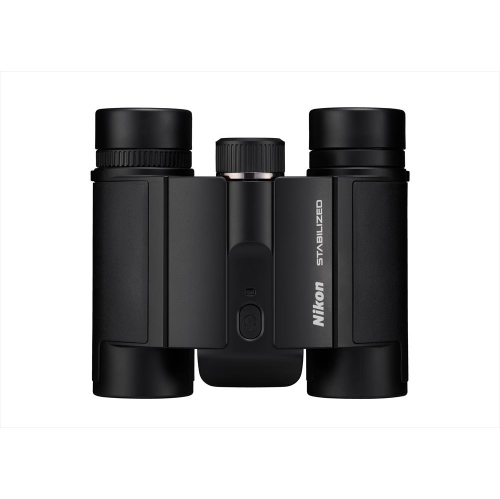

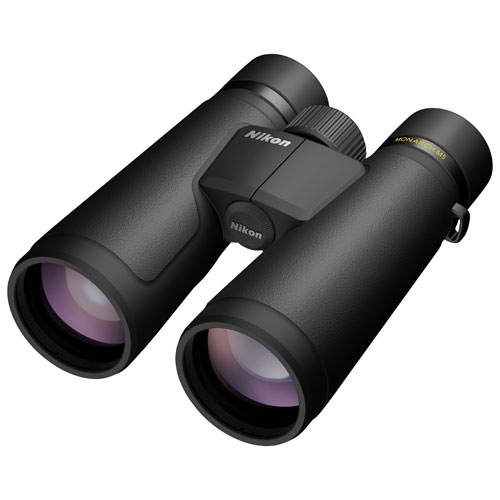
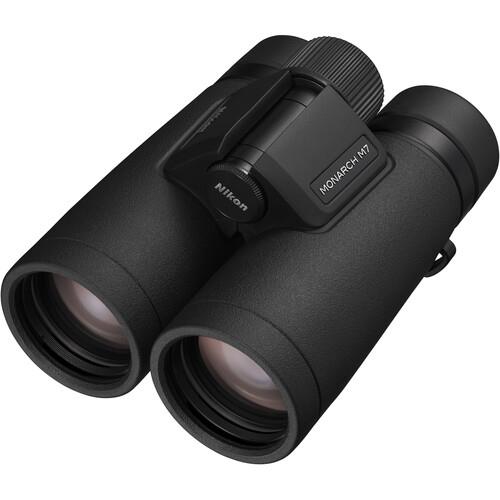
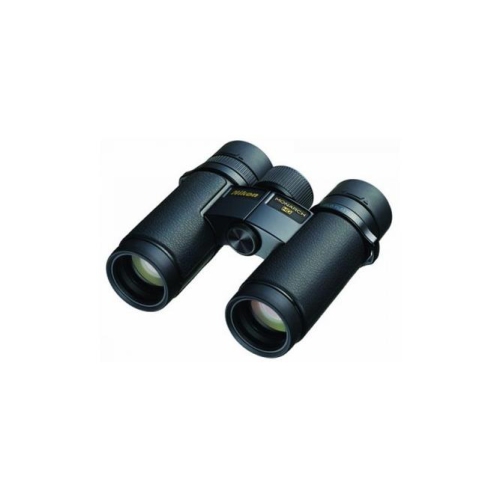
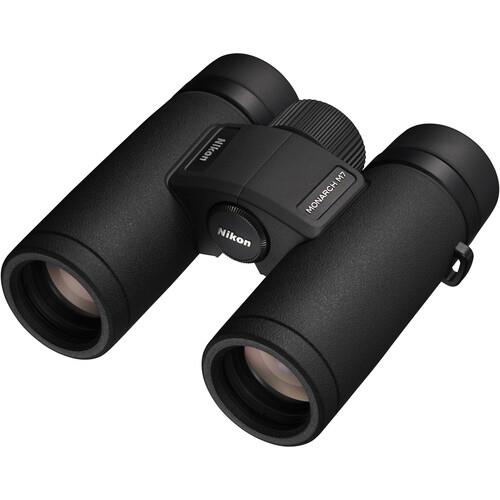
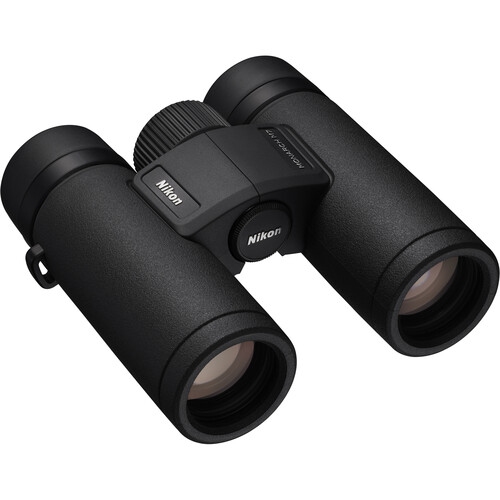
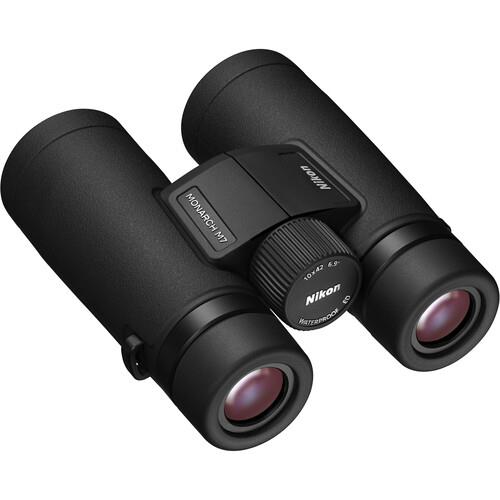


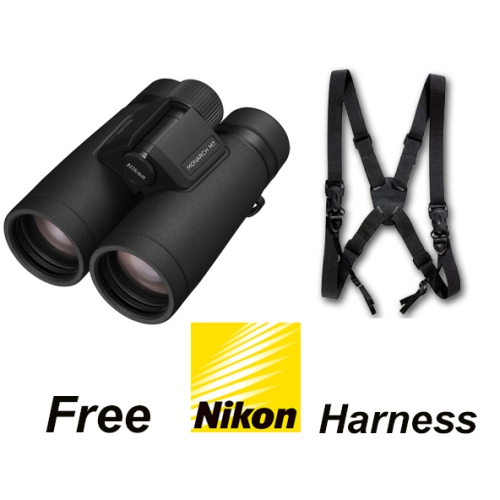
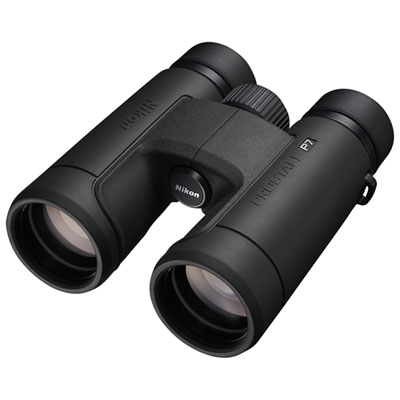


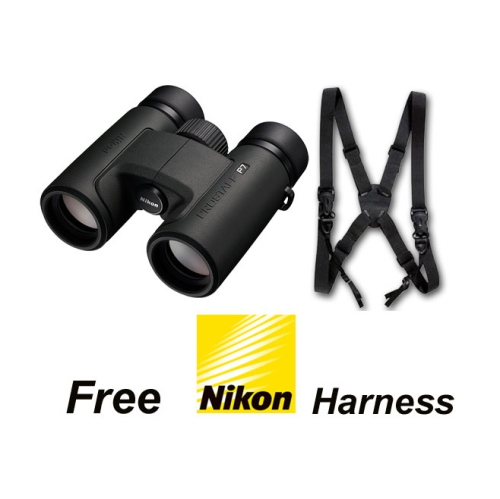


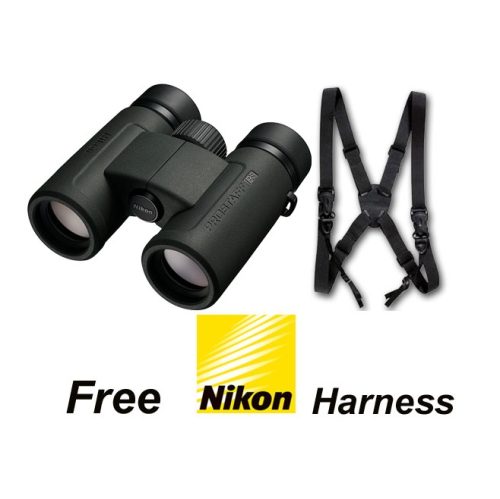


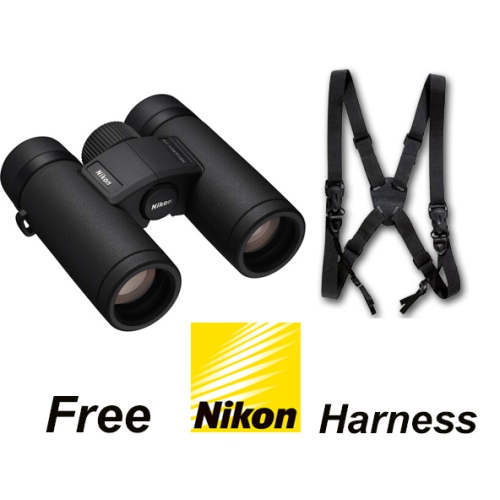

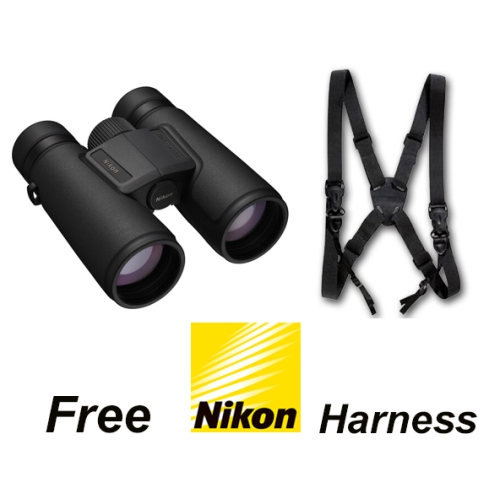
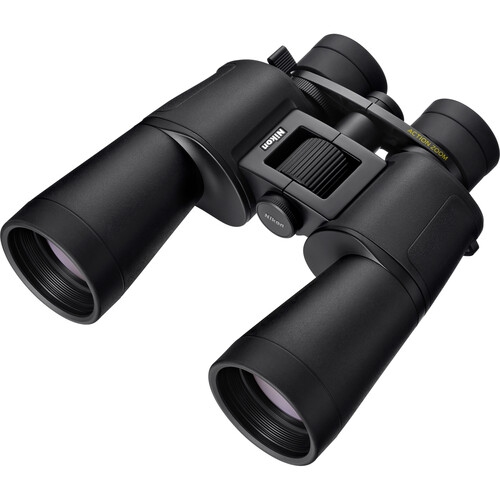
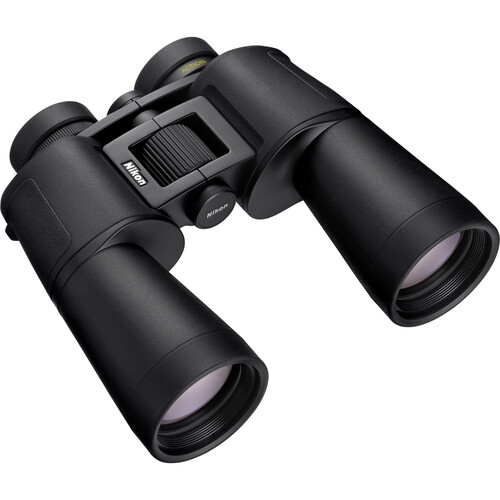
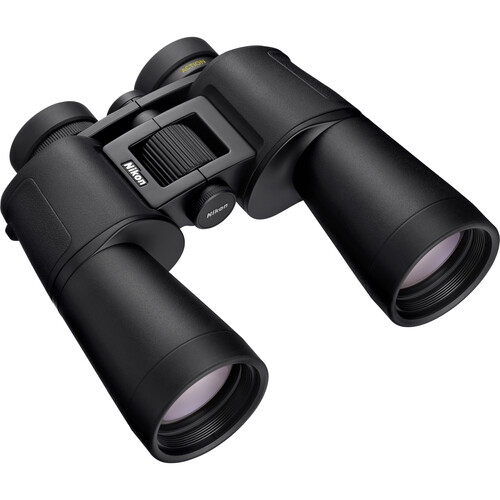
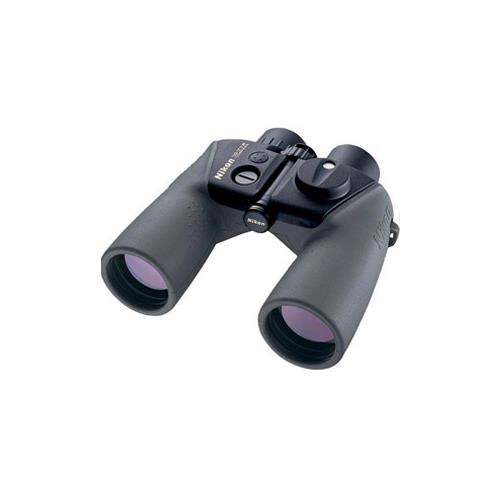
How magnification, eye relief, and optics shape viewing
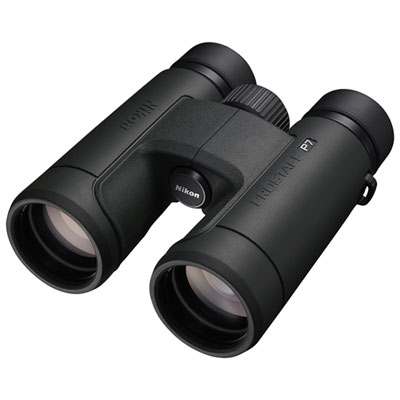
Bird-watching binoculars bring distant details into clear view, whether you are scanning a quiet shoreline, following movement through a wooded trail, or watching a backyard feeder from a comfortable distance. For most birders, an 8x or 10x magnification offers a practical balance between reach and ease of use. An 8x model provides a wider field of view, making it easier to locate a bird quickly as it moves between branches, while a 10x model can make more distant birds appear closer and reveal details such as feather patterns, eye markings, and the shape of a beak. A wider field of view is especially helpful for beginners and for tracking birds in flight, since there is more visible area around the subject. The objective lens also affects how the image appears in changing light. A 42 mm objective lens is a popular choice for bird watching because it gathers ample light during overcast afternoons, shaded woodland walks, and the early or later parts of the day without making the binoculars excessively bulky. More compact designs can be convenient for travel, casual walks, and children who may find full-size binoculars tiring to hold. When comparing options, consider how long you typically observe at a time, how far you carry your gear, and whether you prefer a lighter instrument or a brighter, more immersive view.
Comfort and focusing speed matter just as much as magnification when a bird appears unexpectedly. A smooth central focus wheel helps you move quickly from a nearby branch to a distant treeline, while a dioptre adjustment lets you fine-tune the view for differences between your eyes. If you wear eyeglasses, look for eye relief of approximately 15 mm or more and adjustable eyecups that allow you to see the complete image without removing your glasses. This can make a noticeable difference during a long outing, particularly when you are watching subtle movement through a broad field of view. Optical coatings and high-quality glass can improve brightness, contrast, and colour accuracy, helping separate a bird from leaves, bark, or a pale winter sky. Some binoculars use extra-low dispersion glass or field-flattening lens designs to maintain sharper detail toward the edges of the image, which is useful when several birds are visible at once or when you are scanning a wide wetland. Weather-resistant construction is another worthwhile consideration for outdoor use. Waterproof and fogproof features can help protect the optics when a trail is damp, mist gathers over a pond, or temperatures change quickly as you move between a warm vehicle and cool open air. A textured, comfortable grip makes the binoculars easier to hold securely, and a neck strap, protective case, lens covers, and cleaning cloth can make regular use simpler. To keep the view clear, use a proper lens cloth rather than a sleeve or paper tissue, and store the binoculars with the covers in place when they are not being used.
These binoculars can suit experienced birders who want to identify species in the field, families exploring nature together, hikers who enjoy observing wildlife along the route, and anyone who appreciates a closer look at the world around them. They can also make a thoughtful gift for a new birder, a gardener who keeps track of visiting species, or a traveller who enjoys bringing compact observation gear on scenic trips. During the cooler months, birds may be easier to spot among less dense foliage, while bright plumage and active behaviour can still make a walk rewarding in early fall. Dress for changing conditions, keep the binoculars accessible rather than buried in a pack, and allow time for your eyes to adjust when moving from open sunlight into shade. A comfortable pair encourages more frequent use, whether that means checking a feeder from a kitchen window, visiting a conservation area, or pausing beside a trail to listen for movement overhead. If you also want to capture the birds you observe, explore Nikon Telephoto Lenses for Bird Photography for equipment designed to record distant subjects. For a straightforward buying decision, start with the viewing conditions you encounter most often, then compare magnification, objective-lens size, field of view, eye relief, weight, focusing controls, and weather protection. The right combination should feel natural in your hands, provide a bright and steady image, and help you spend more time observing rather than adjusting your equipment.
Top selling and popular products
-
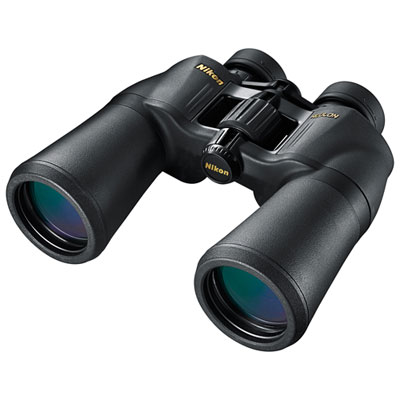 Your price for this item is $209.95
-
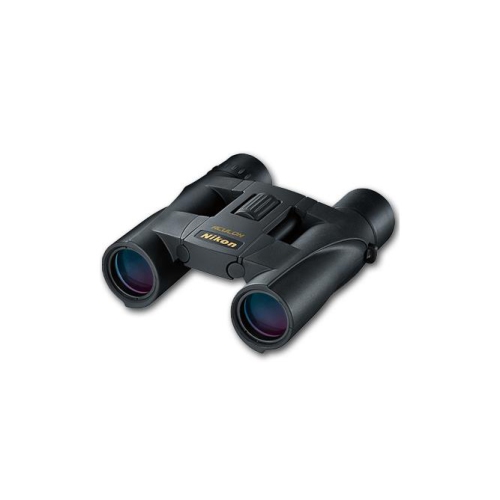 Your price for this item is $129.95
-
 Your price for this item is $28.99
-
 Your price for this item is $349.99
-
 Your price for this item is $117.98
-
 Your price for this item is $199
-
 Your price for this item is $199
-
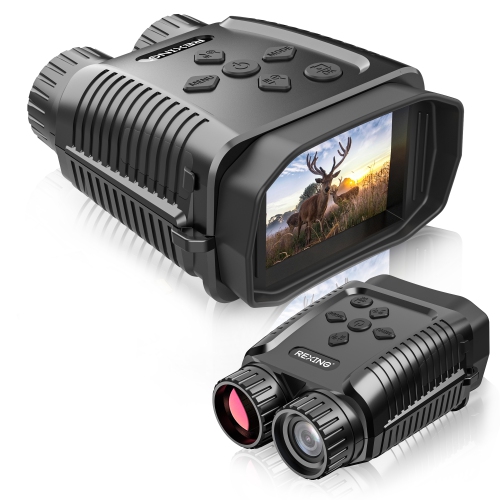 Your price for this item is $219.99
Discover more categories related to Nikon Binoculars for Bird Watching
Top Collections:
Pokemon Centers, Kindle Devices, Best Budget Office Chairs, Canon G7X Cameras, Apple iPhones 16, Samsung Galaxy Phones, Refurbished Apple Laptops, Laptops for Students, iPhone 15 Apple, Budget Smartphones
Some products may be subject to Environmental Handling Fees
(EHF) depending on your province.
Learn more about EHFs.