Nikon Telephoto Lenses for Bird Photography
For bird photographers, a telephoto lens is a must. The ability to focus on distant objects while maintaining a sharp focus on nearby objects is a huge advantage for any photographer shooting in the field. Here are some of the best Nikon telephoto lenses for bird photography.
Sort
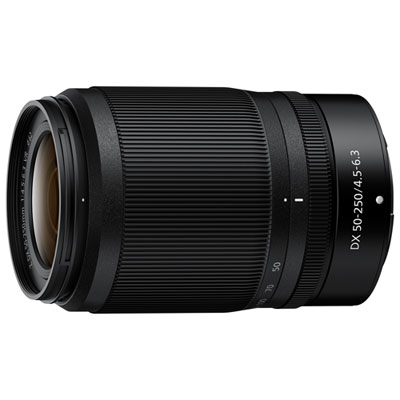
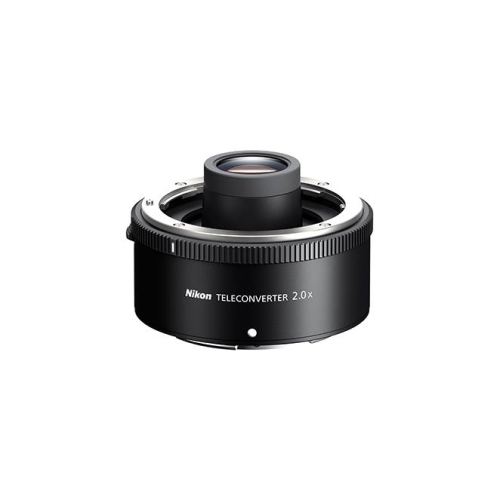
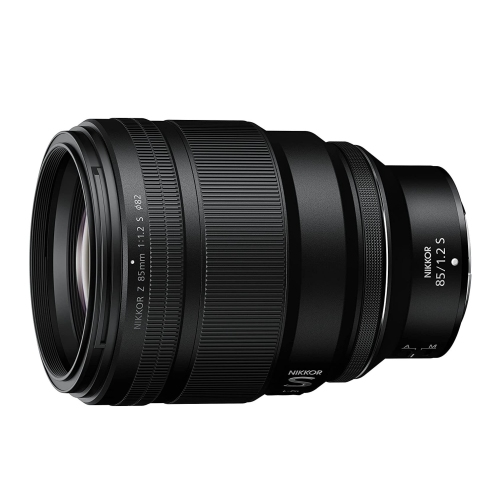
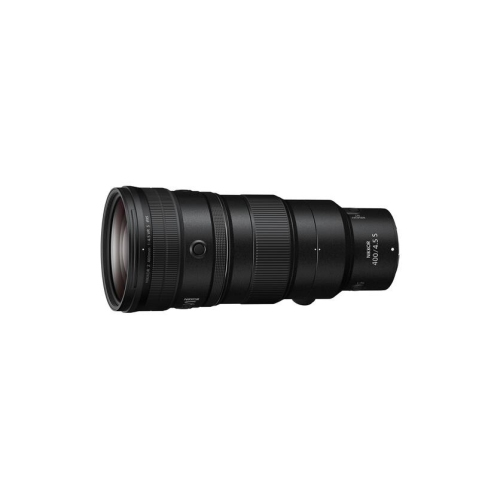
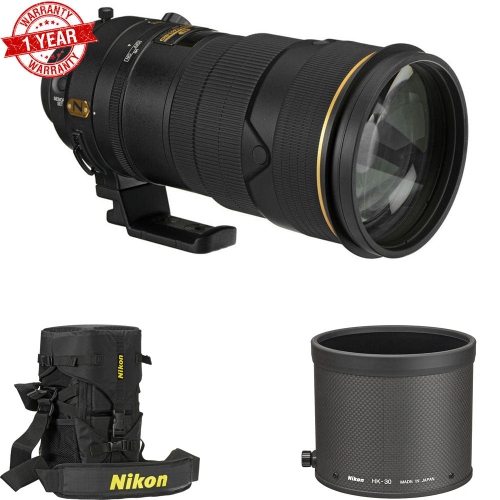
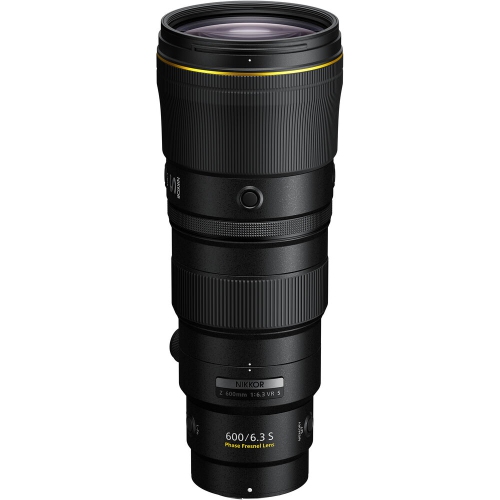
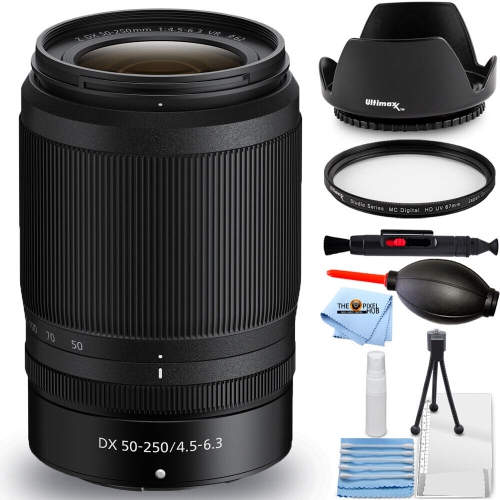
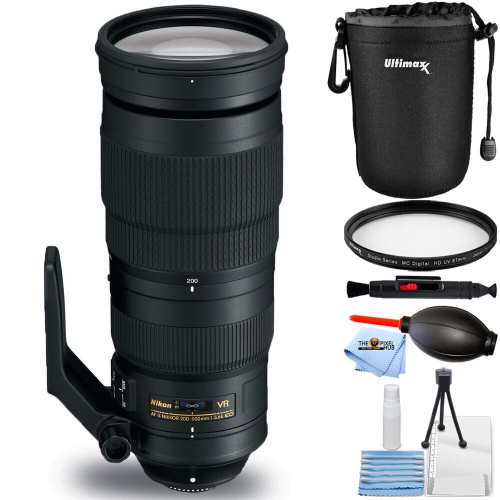
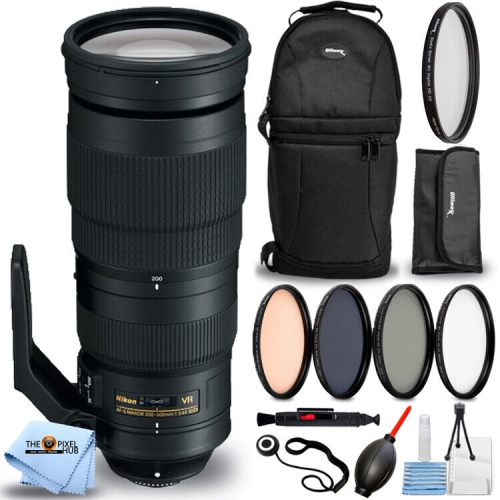
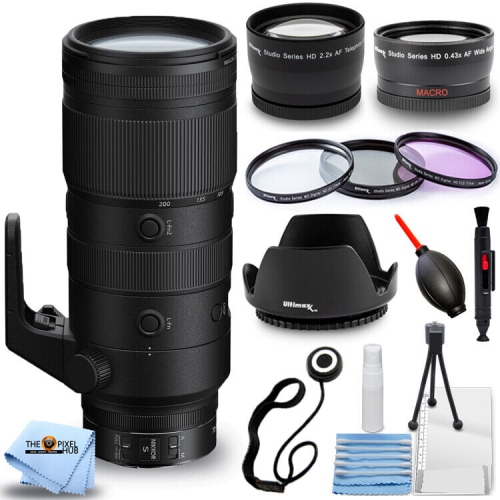


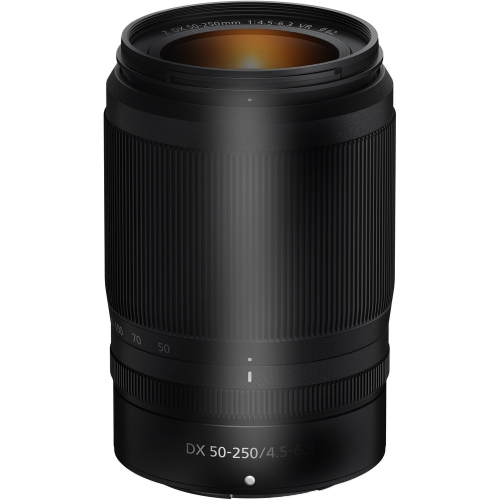
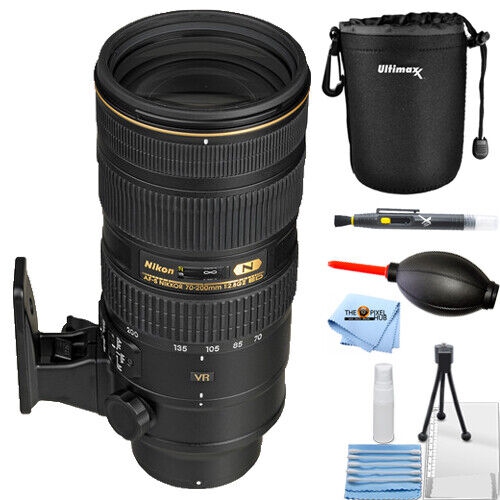
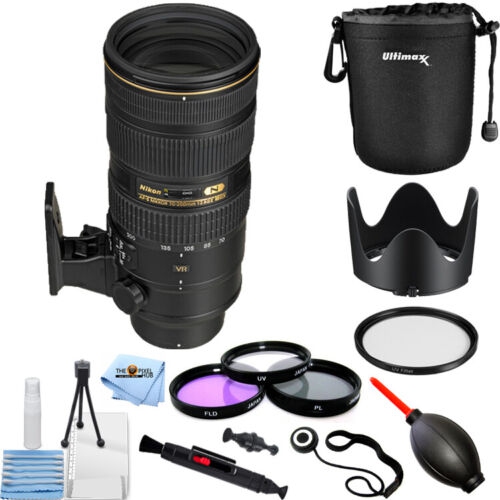
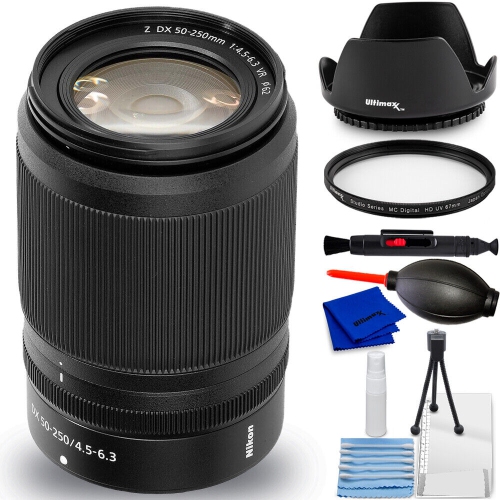
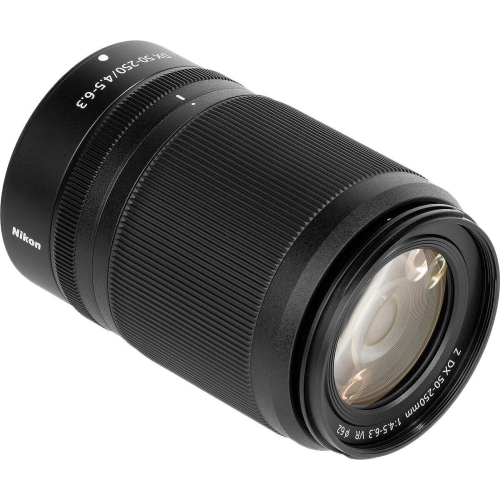
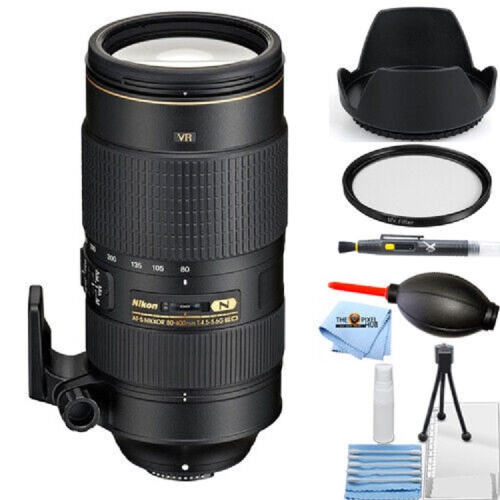
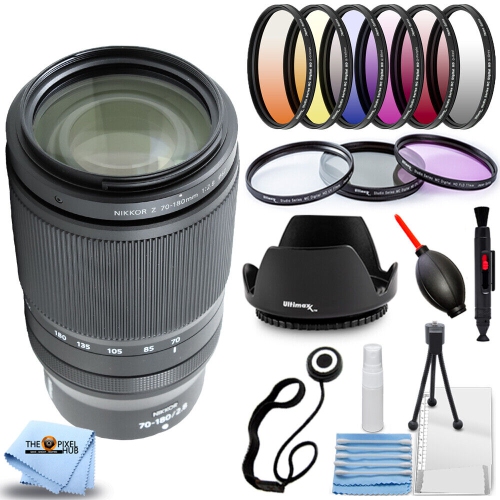
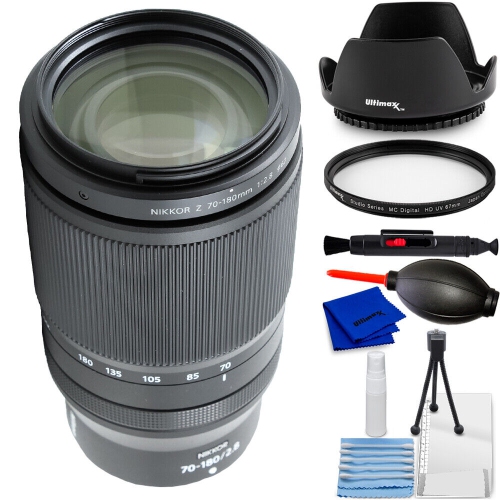
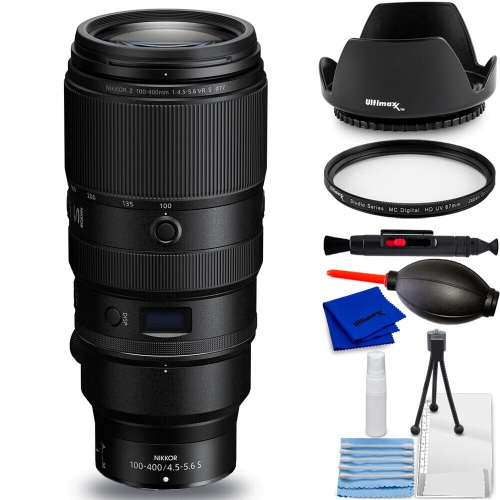
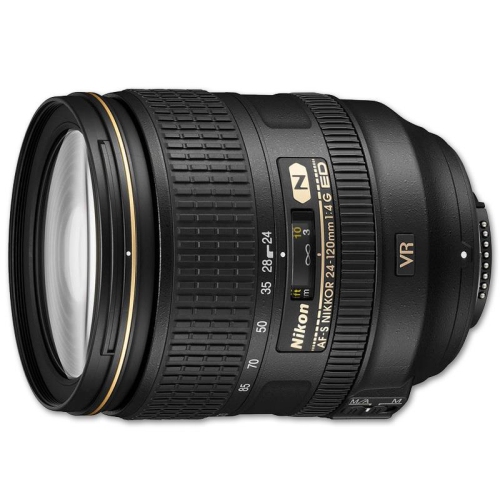
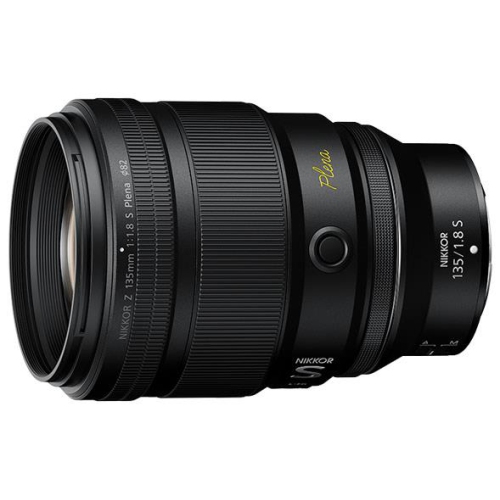
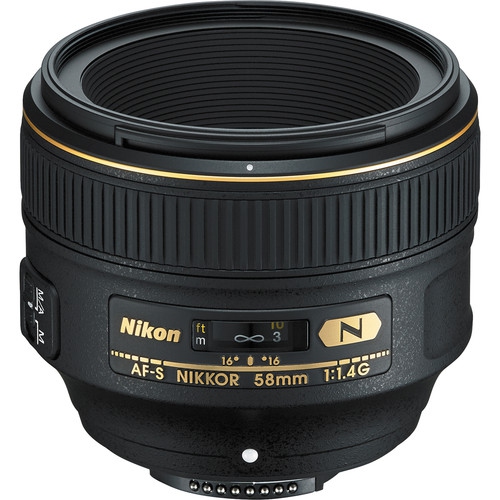
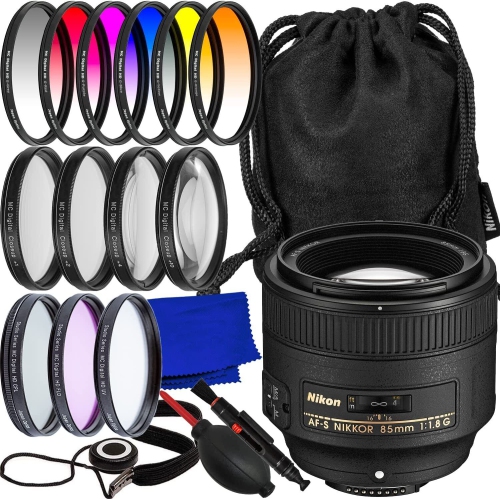
Capture fine feather detail from a comfortable distance
Bird photography demands reach, patience, and equipment that can respond quickly when a small subject appears between branches or takes flight across an open shoreline. Telephoto lenses designed for this type of photography bring distant birds closer without requiring you to move into their space, helping preserve natural behaviour while creating detailed images. A longer focal length is especially useful for songbirds, waterfowl, raptors, and other wildlife that may remain high in a tree or far across a field. Zoom lenses offer flexibility when a bird changes position or suddenly moves closer, while prime lenses provide a fixed focal length that can be appealing to photographers who value a lighter setup, consistent handling, and precise framing. When comparing options, consider the focal-length range, maximum aperture, focusing performance, stabilization, and overall weight. A lens that reaches 500mm or 600mm can fill the frame with a small bird from a comfortable distance, but a shorter telephoto may be easier to carry and more practical for woodland walks, backyard observation, or travel. Image stabilization can help reduce the effect of hand movement, particularly in changing light or when photographing from a handheld position. Stabilization does not freeze a bird’s motion, however, so fast shutter speeds and good autofocus remain important when capturing wingbeats, quick head turns, or a bird landing on a narrow perch. The right choice balances optical reach with the way you actually spend time outdoors, whether that means waiting quietly in a hide, walking along a marsh trail, or keeping a camera ready near a feeder.
Compatibility should be checked before choosing a lens from this collection. Mirrorless cameras and DSLR cameras can use different lens mounts, and an adapter may be needed when pairing a lens with a camera from another system. Adapter compatibility, autofocus support, stabilization behaviour, and the ability to control the aperture should all be confirmed rather than assumed. Photographers using a mirrorless body may appreciate the balance and focusing features of lenses designed for that system, while DSLR owners may prefer a familiar mount and the option to continue using equipment already in their camera bag. Internal zoom designs keep the lens barrel from extending as focal length changes, which can make the setup feel more balanced and reduce the need to adjust a tripod or support position. A constant maximum aperture can also simplify exposure settings as you zoom, while a wider aperture may help in dim woodland light and produce softer backgrounds around a perched bird. More compact telephoto designs can be particularly appealing for photographers who spend several hours walking, since reduced weight can make it easier to stay alert and ready. Larger lenses may provide greater reach or brighter apertures, but they can benefit from a monopod, tripod, or sturdy support with a compatible collar. Check the minimum focusing distance as well: a bird that approaches a blind or backyard perch may be too close for some long lenses, while a shorter focusing distance gives you more flexibility. Teleconverters can extend reach when supported, although they may reduce the maximum aperture and can affect autofocus performance in lower light. For the clearest results, look for a lens that suits your camera body, preferred support method, and typical subjects rather than choosing based on focal length alone. The selection of Nikon Telephoto Camera Lenses can help shoppers compare these characteristics in one place.
These lenses are suited to experienced wildlife photographers, beginners moving beyond a standard kit lens, and anyone who enjoys observing birds with a camera close at hand. They can also make a thoughtful gift for a photographer who already has a compatible camera body but wants to photograph subjects that are too distant for everyday lenses. Before giving one as a gift, confirm the camera mount and consider whether the recipient prefers a portable setup, a versatile zoom, or the brighter aperture and dedicated handling of a prime lens. Bird photography often takes place during the cooler months, when bare branches can reveal perched subjects and migrating birds may gather in open wetlands, fields, and shorelines. Cold conditions make comfort and handling especially important, so the lens should be manageable with gloves and easy to adjust without taking your eye away from the viewfinder. A rotating tripod collar, textured focus ring, smooth zoom control, and responsive autofocus can make a noticeable difference when a bird appears for only a few seconds. Weather-resistant construction may also provide reassurance during light mist, morning dew, or a sudden change in conditions, though camera equipment should still be protected from heavy rain and condensation. For sharper photographs, use a shutter speed suited to the bird’s movement, keep the focus point on the eye where possible, and allow enough space around the subject for unexpected motion. A fast-flying hawk may need a wider framing than a still chickadee on a branch, while a long zoom can help you adjust without disturbing your position. With the right combination of reach, stability, focusing speed, and portability, a telephoto lens can turn quiet outdoor moments into expressive photographs that show fine feather detail, alert posture, and the character of birds in their natural surroundings.
Compatibility should be checked before choosing a lens from this collection. Mirrorless cameras and DSLR cameras can use different lens mounts, and an adapter may be needed when pairing a lens with a camera from another system. Adapter compatibility, autofocus support, stabilization behaviour, and the ability to control the aperture should all be confirmed rather than assumed. Photographers using a mirrorless body may appreciate the balance and focusing features of lenses designed for that system, while DSLR owners may prefer a familiar mount and the option to continue using equipment already in their camera bag. Internal zoom designs keep the lens barrel from extending as focal length changes, which can make the setup feel more balanced and reduce the need to adjust a tripod or support position. A constant maximum aperture can also simplify exposure settings as you zoom, while a wider aperture may help in dim woodland light and produce softer backgrounds around a perched bird. More compact telephoto designs can be particularly appealing for photographers who spend several hours walking, since reduced weight can make it easier to stay alert and ready. Larger lenses may provide greater reach or brighter apertures, but they can benefit from a monopod, tripod, or sturdy support with a compatible collar. Check the minimum focusing distance as well: a bird that approaches a blind or backyard perch may be too close for some long lenses, while a shorter focusing distance gives you more flexibility. Teleconverters can extend reach when supported, although they may reduce the maximum aperture and can affect autofocus performance in lower light. For the clearest results, look for a lens that suits your camera body, preferred support method, and typical subjects rather than choosing based on focal length alone. The selection of Nikon Telephoto Camera Lenses can help shoppers compare these characteristics in one place.
These lenses are suited to experienced wildlife photographers, beginners moving beyond a standard kit lens, and anyone who enjoys observing birds with a camera close at hand. They can also make a thoughtful gift for a photographer who already has a compatible camera body but wants to photograph subjects that are too distant for everyday lenses. Before giving one as a gift, confirm the camera mount and consider whether the recipient prefers a portable setup, a versatile zoom, or the brighter aperture and dedicated handling of a prime lens. Bird photography often takes place during the cooler months, when bare branches can reveal perched subjects and migrating birds may gather in open wetlands, fields, and shorelines. Cold conditions make comfort and handling especially important, so the lens should be manageable with gloves and easy to adjust without taking your eye away from the viewfinder. A rotating tripod collar, textured focus ring, smooth zoom control, and responsive autofocus can make a noticeable difference when a bird appears for only a few seconds. Weather-resistant construction may also provide reassurance during light mist, morning dew, or a sudden change in conditions, though camera equipment should still be protected from heavy rain and condensation. For sharper photographs, use a shutter speed suited to the bird’s movement, keep the focus point on the eye where possible, and allow enough space around the subject for unexpected motion. A fast-flying hawk may need a wider framing than a still chickadee on a branch, while a long zoom can help you adjust without disturbing your position. With the right combination of reach, stability, focusing speed, and portability, a telephoto lens can turn quiet outdoor moments into expressive photographs that show fine feather detail, alert posture, and the character of birds in their natural surroundings.
Top selling and popular products
-
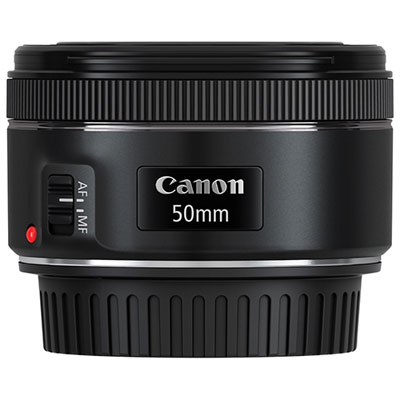 Your price for this item is $169.99
 -
 Your price for this item is $329.99
 -
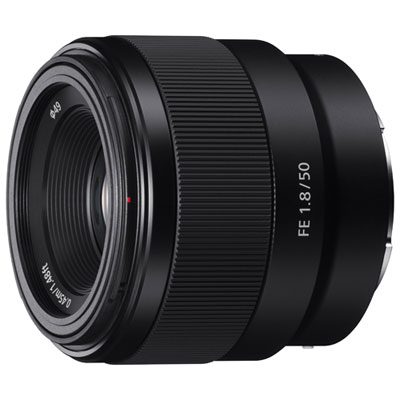 Your price for this item is $349.99
 -
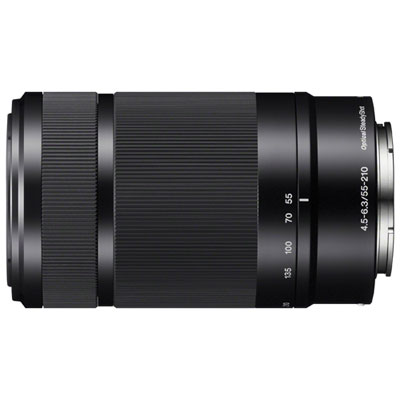 Your price for this item is $399.99
 -
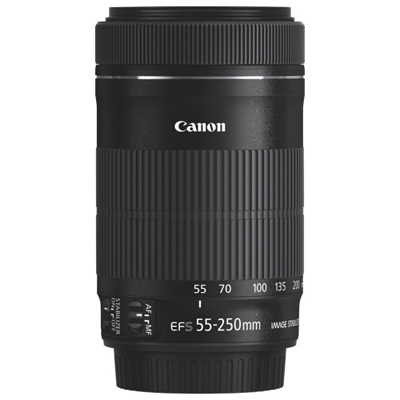 Your price for this item is $399.99
 -
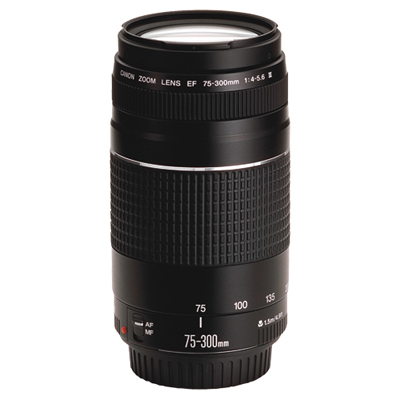 Your price for this item is $199.99
 -
 Your price for this item is $174.99
 -
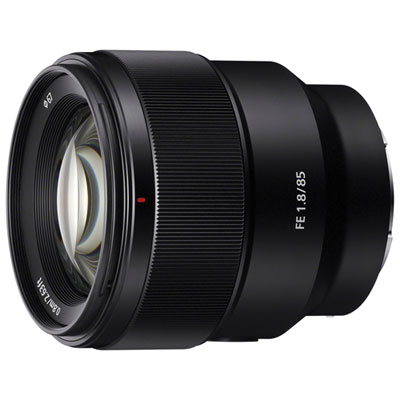 Your price for this item is $749.99
Discover more categories related to Nikon Telephoto Lenses for Bird Photography
Top Collections:
Pokemon Centers, Kindle Devices, Best Budget Office Chairs, Apple iPhones 16, Best Laptops for Writers, iPhone 15 Apple, Canon G7X Cameras, Refurbished Apple Laptops, Alarm Clock, Motorola Razr Phones
Some products may be subject to Environmental Handling Fees
(EHF) depending on your province.
Learn more about EHFs.