Black Friday Deals Coming Soon
Our Black Friday Sale returns in November 2026. In the meantime, shop our current top deals below.

Vinyl Records Black Friday Deals
Unlock incredible savings with vinyl records Black Friday deals and add new favorites to your collection. Whether you’re a seasoned collector or just getting started, now is the perfect time to explore a wide selection of classic albums and new releases. Discover exclusive discounts and limited-time offers designed to help you enjoy the rich sound and timeless appeal of vinyl. Don’t miss out on these unbeatable vinyl records Black Friday deals—find the perfect addition to your music library today. Remember, our Low Price Guarantee means you can shop confidently knowing that you'll find the best price at Best Buy, all year round. We encourage you to check our website frequently for the most up-to-date information on our latest offers and savings opportunities.


![SONY MUSIC Bring Me The Horizon - That's The Spirit [Audio Vinyl]](https://multimedia.bbycastatic.ca/multimedia/products/500x500/165/16593/16593042.jpeg)

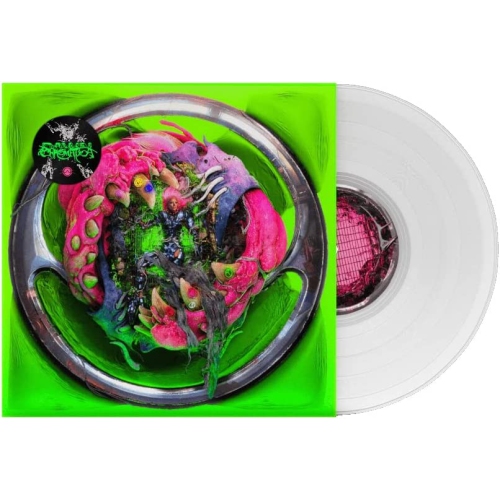
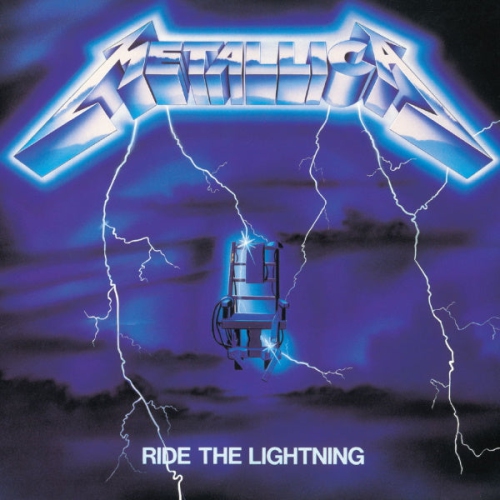


![UNIVERSAL MUSIC INTL The Rolling Stones - Tattoo You - (180 Gram Vinyl, Remastered, Anniversary Edition) - [Vinyl]](https://multimedia.bbycastatic.ca/multimedia/products/500x500/174/17467/17467523.jpeg)
![SONY MUSIC John Mayer - Battle Studies [Audio Vinyl]](https://multimedia.bbycastatic.ca/multimedia/products/500x500/165/16593/16593047.jpeg)


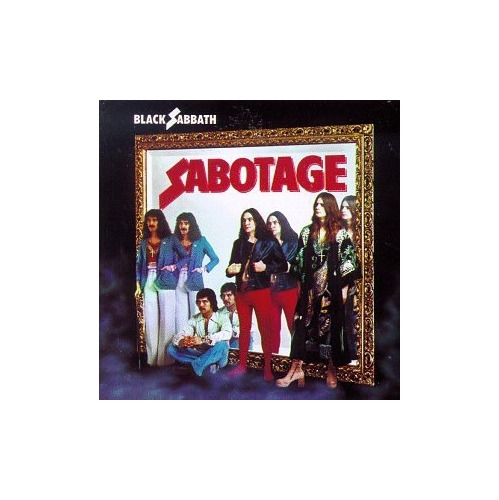
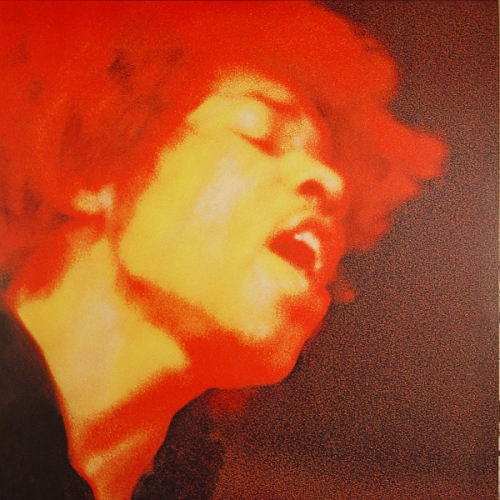
![VIDCO-345 Metallica (Remastered) [Lp]Metallica Great record, one of the best](https://multimedia.bbycastatic.ca/multimedia/products/500x500/163/16399/16399455.jpeg)

The artwork and rituals behind vinyl’s lasting appeal
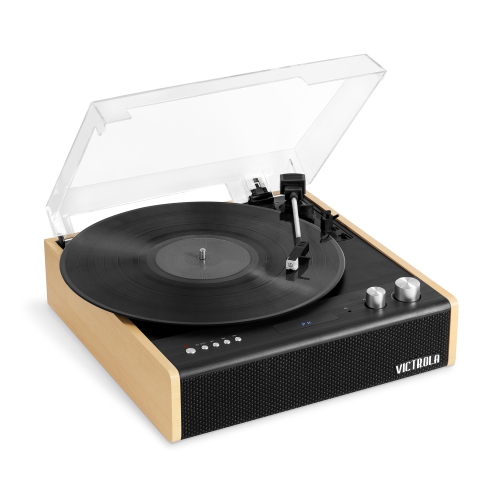
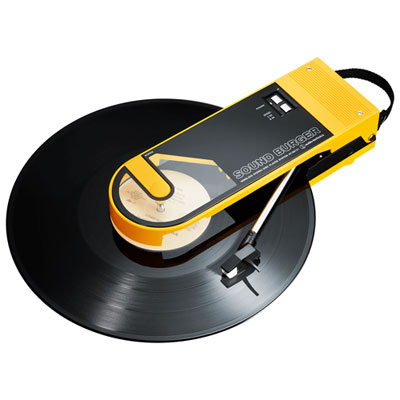
Most modern vinyl records are pressed from polyvinyl chloride, commonly called PVC, with grooves that a turntable stylus traces during playback. Black vinyl is familiar, but coloured, translucent, and patterned pressings can give an album a distinctive visual identity. Colour by itself does not establish sound quality, and a heavier disc does not guarantee a quieter surface or more detailed playback. A well-made standard-weight pressing can sound excellent, while the quality of a heavier pressing still depends on mastering and manufacture. Picture discs place artwork within the record’s layered construction and may have more audible surface noise than conventional pressings, making the balance between display appeal and listening performance especially relevant. Packaging deserves attention, too. A gatefold jacket opens to reveal a larger artwork spread or additional notes, and a printed inner sleeve may include lyrics, musician credits, or photographs. Box sets can bring several albums or recording sessions together, but their larger dimensions call for more shelf space than a single LP. For everyday listening, a compatible turntable is essential, along with amplification and speakers or another suitable audio setup. Some turntables include a phono preamp, while others need one built into an amplifier or connected separately; a turntable without a built-in phono preamp generally cannot connect directly to a standard line-level input without an additional phono stage. Supported playback speeds also matter, particularly for listeners mixing albums and singles. Some 7-inch records have a large centre hole and need an adapter to sit correctly on the spindle. A stable, level surface helps the stylus follow the grooves, and placing speakers away from the turntable can reduce vibration reaching the record. Where a tonearm allows adjustment, tracking force and anti-skate should match the cartridge manufacturer’s recommendations rather than guesswork. These details make vinyl a good fit for listeners who enjoy a hands-on routine, from selecting an album and checking its speed to gently lowering the stylus and turning the disc over when the side ends.
Care and storage have a direct effect on how a vinyl collection holds up over years of use. Records are durable enough for repeated listening, but their playing surfaces are vulnerable to scratches, dust, and residue from fingers. Holding a disc by its outer edge and labelled centre keeps contact away from the grooves. A record brush can lift loose surface dust before playback, while a suitable record-cleaning solution and method can address more persistent residue; ordinary household cleaners and rough cloths can damage the surface or leave material behind. Any wet-cleaned record should dry fully before returning to its sleeve. The stylus also needs appropriate care, following the cartridge manufacturer’s directions, because accumulated debris can affect playback even when the record itself looks clean. Inner sleeves protect discs inside their jackets, and outer sleeves help shield cover artwork from scuffs during regular handling. Store records upright with enough support to prevent leaning, rather than stacking them flat under the weight of other albums. Direct sunlight, heat sources, and damp storage areas can damage jackets or contribute to warping, so a stable indoor location is preferable. Shelves should support the collection’s weight and leave enough room to remove an album without dragging its cover against its neighbours. For gifting, musical taste is usually a stronger starting point than packaging alone. An album tied to a shared road trip, a memorable performance, or a recipient’s favourite soundtrack can feel personal without requiring an extensive collection. It also helps to know whether the recipient owns a turntable and whether they already have the recording; a different pressing is most meaningful when its particular artwork, track list, or presentation suits their interests. Someone beginning a collection may enjoy a familiar album they will play often, while a dedicated listener may appreciate detailed liner notes or a carefully assembled retrospective. Black Friday can be an occasion to explore those possibilities, and Best Black Friday Specials offers a starting point for broader event browsing. Within a vinyl collection, the most rewarding choices are often the records that keep finding their way back onto the turntable.
Top selling and popular products
-
![ATLANTIC Bruno Mars - 24K Magic - [CD]](https://multimedia.bbycastatic.ca/multimedia/products/500x500/192/19212/19212123.png) Your price for this item is $14.61
Your price for this item is $14.61 -
![FUELED BY RAMEN Twenty One Pilots - Blurryface - [CD]](https://multimedia.bbycastatic.ca/multimedia/products/500x500/186/18617/18617420.jpeg) Your price for this item is $16.07
Your price for this item is $16.07 -
![WB RECORDS Linkin Park - One More Light - [CD]](https://multimedia.bbycastatic.ca/multimedia/products/500x500/186/18617/18617410.jpeg) Your price for this item is $14.61
Your price for this item is $14.61 -
![REPRISE Disturbed - Immortalized [Deluxe Version] [Limited Edition] [Explicit Content] - (Parental Advisory Explicit Lyrics, Deluxe Edition, Limited](https://multimedia.bbycastatic.ca/multimedia/products/500x500/186/18609/18609237.jpeg) Your price for this item is $23.53
Your price for this item is $23.53 -
![REPRISE Disturbed - Immortalized [Explicit Content] - (Parental Advisory Explicit Lyrics) - [CD]](https://multimedia.bbycastatic.ca/multimedia/products/500x500/187/18709/18709690.jpeg) Your price for this item is $14.61
Your price for this item is $14.61 -
![WB RECORDS Hot Chili Peppers - Getaway [Import] - (United Kingdom - Import) - [CD] In Red](https://multimedia.bbycastatic.ca/multimedia/products/500x500/186/18617/18617551.jpeg) Your price for this item is $15.27
Your price for this item is $15.27 -
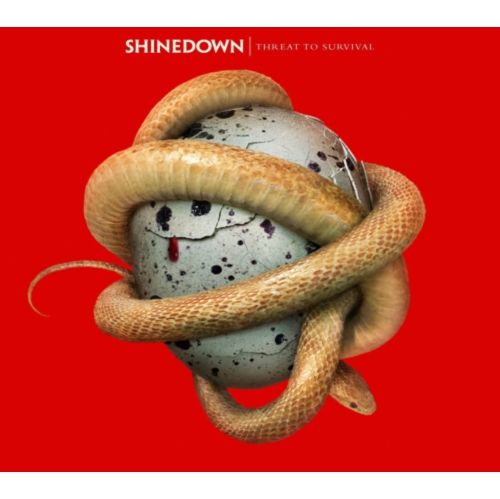 Your price for this item is $15.17
 -
![REPRISE RECORDS Day - Revolution Radio - [CD] In Green](https://multimedia.bbycastatic.ca/multimedia/products/500x500/191/19163/19163755.png) Your price for this item is $14.61
Your price for this item is $14.61