Blue Tooth Speakers for Motorcycle
If you're a motorcyclist, you know that the sound of your bike can be as important as the look. Bluetooth speakers are a great way to listen to music on the go. Some of these speakers are small enough to fit in your pocket, lightweight enough to throw in a bag, and portable enough to take with you just about anywhere. Here are some great Bluetooth speakers for motorcycles available today.
Sort
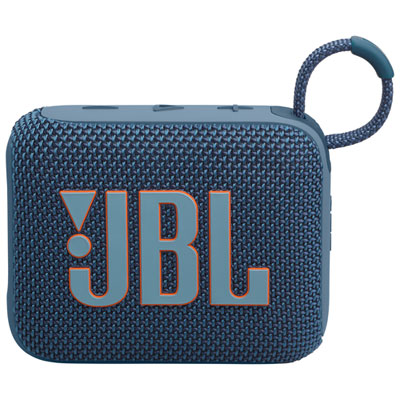
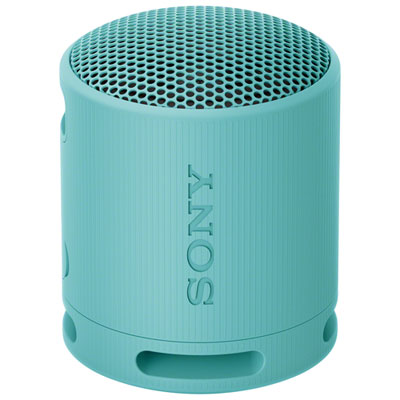
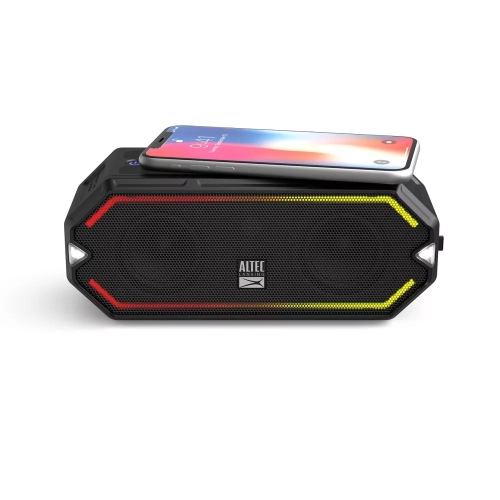
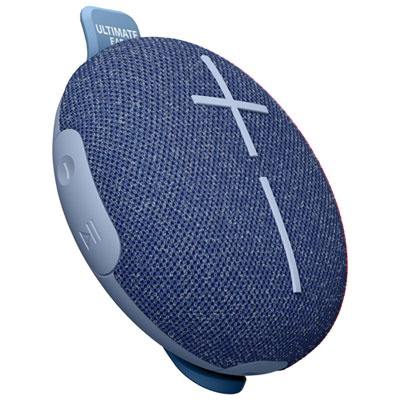
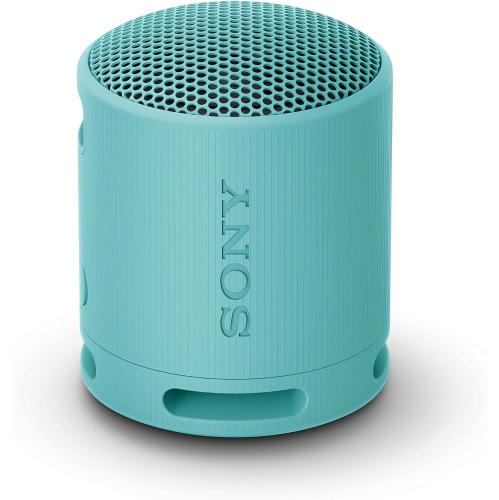
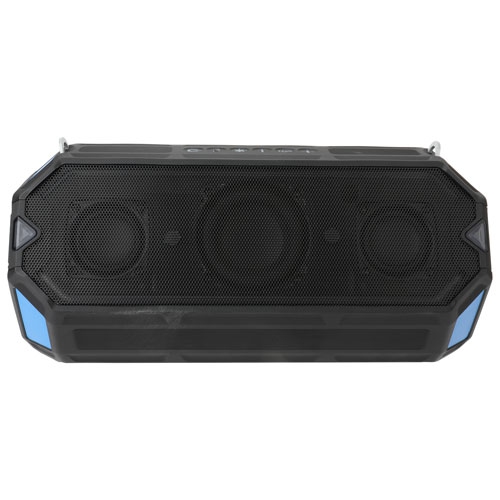
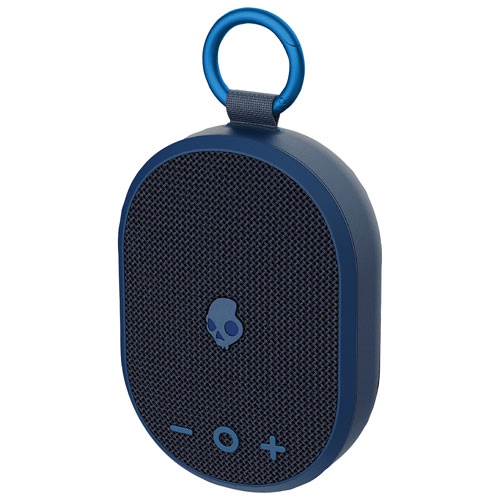
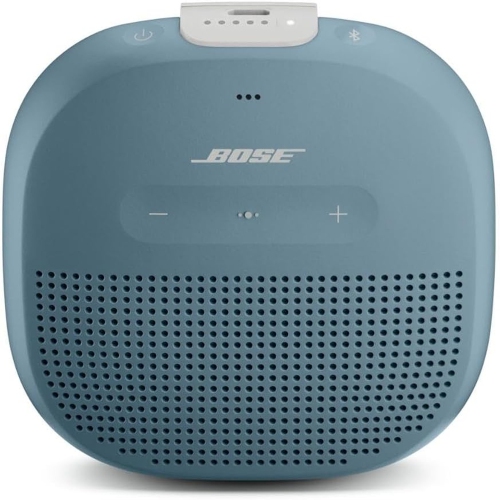
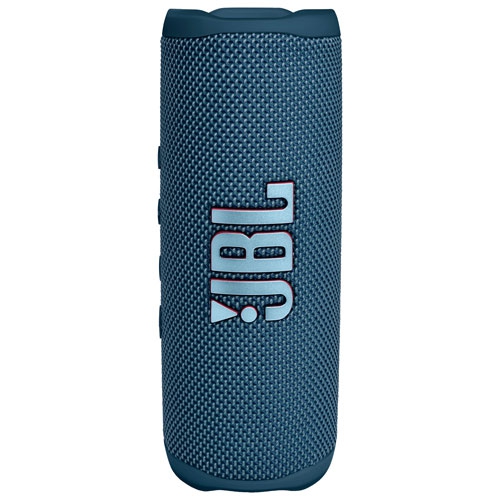
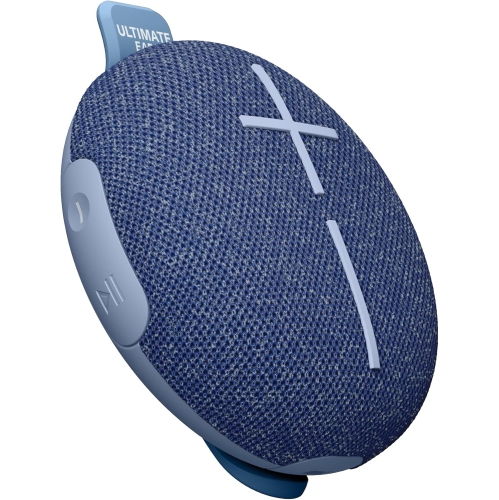
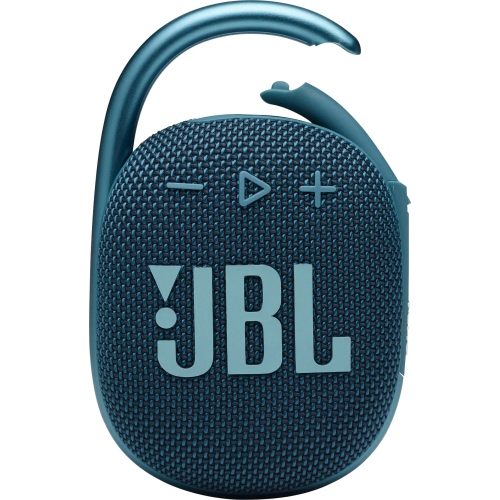
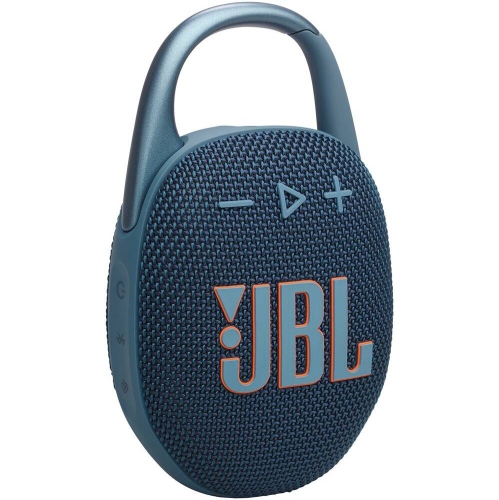
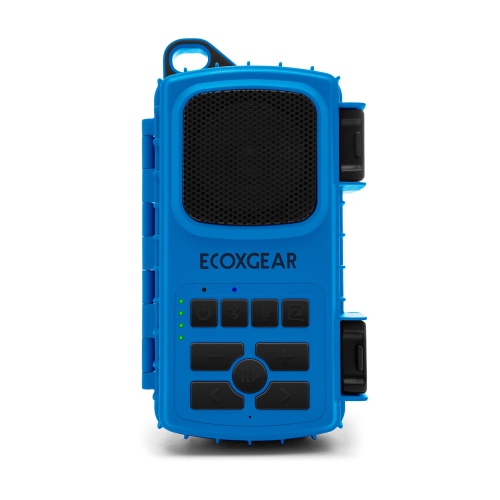
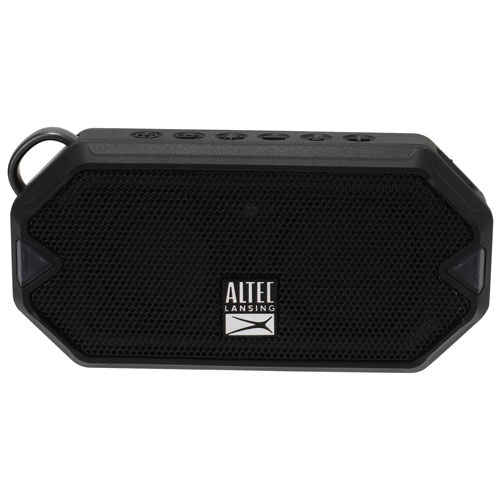

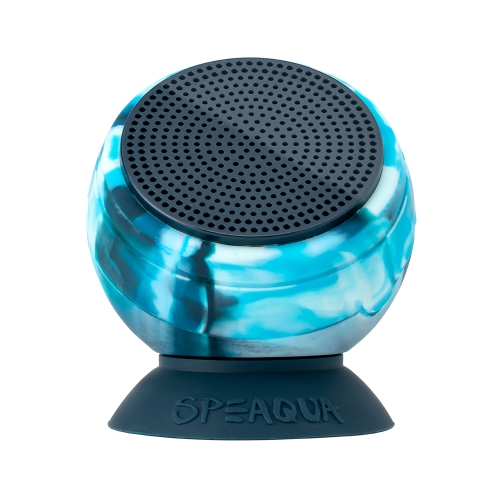
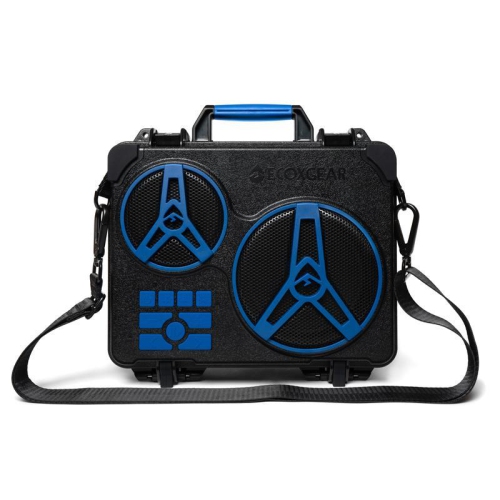
Audio built for changing weather, road noise, and vibration
Bluetooth speakers for motorcycles are designed to bring music, podcasts, navigation prompts, and hands-free calls to the open road without relying on earbuds. Unlike ordinary portable speakers, motorcycle audio systems are built with riding conditions in mind, including wind, engine noise, road vibration, dust, and changing weather. Many models are made for handlebar mounting, while others can attach to a mirror stem, fairing, crash bar, or another suitable point on the bike. A weather-resistant design is an important starting point, particularly for riders who travel longer distances or may encounter a sudden shower during a late-summer ride or the cooler months. Look for an IPX5 rating or higher when possible, as this indicates protection against water jets and can provide added confidence around rain and road spray. Weather resistance does not mean a speaker should be submerged, left exposed in heavy rain for extended periods, or washed with high-pressure water, so check the manufacturer’s care instructions and remove the system when the motorcycle is parked for long periods outdoors. Sound output matters as well. A compact speaker may be perfectly suitable for relaxed rides through town, while touring riders may prefer a higher-powered system with clearer midrange and stronger volume to remain audible over wind and engine noise. Stereo speaker kits can create a wider soundstage, while a single unit may be easier to install and better suited to smaller motorcycles. Think about the type of riding you do, the speed and traffic conditions you usually encounter, and whether you want background listening or a more immersive audio experience.
Fit and controls can make a significant difference in everyday use. Before choosing a Bluetooth motorcycle speaker, measure the handlebar or mounting area and compare it with the included clamp range; many universal brackets are designed for standard handlebars measuring approximately 0.75 inch to 1.25 inches, but sizes and available space vary between cruisers, touring motorcycles, sportbikes, scooters, and off-road models. A secure mount should resist vibration without interfering with the throttle, brake lever, mirrors, cables, instrument panel, or steering movement. Adjustable brackets are useful when the ideal mounting position is not perfectly straight, and a quick-release design can make it easier to store the speakers when you stop for the day. Controls should be large enough to find while wearing riding gloves, with prominent buttons, an inline volume dial, or a simple remote that reduces the need to look down. Even glove-friendly controls should be used only when it is safe and legal to do so; set up playlists, pair your phone, and adjust preferences before riding whenever possible. Bluetooth range, pairing stability, and automatic reconnection are worth considering for riders who regularly stop for fuel, refreshments, or scenic breaks. Some systems support USB playback, FM radio, auxiliary input, or charging functions, which can be useful when mobile coverage is inconsistent or when you want to connect a different audio source. Battery-powered units offer straightforward installation and portability, while hardwired systems can provide dependable power for longer rides but may require more involved installation. If connecting directly to the motorcycle, confirm voltage compatibility and consider professional installation if you are unfamiliar with the bike’s electrical system. Cable routing should be neat and protected from heat, moving parts, sharp edges, and moisture.
These speakers can suit daily commuters, weekend riders, touring enthusiasts, and anyone who enjoys adding music to a scenic route. A commuter might use a compact handlebar system for navigation prompts and traffic updates on the way to work, while a touring rider may value stronger sound, dependable power, and controls that remain accessible after hours on the road. They can also be a thoughtful gift for a motorcycle owner who already has protective riding gear but wants a more convenient way to enjoy audio without blocking the surrounding sounds of traffic. Riders who prefer a discreet listening experience may want to compare handlebar systems with Bluetooth Motorcycle Helmet Speakers, as helmet-mounted options place sound closer to the ears and can offer a different fit and listening style. Whichever format you choose, keep safety at the centre of the setup: volume should allow awareness of horns, sirens, nearby vehicles, and changing road conditions, and calls or track changes are best handled while stopped. During warmer rides, confirm that the mounting hardware remains tight after repeated vibration and that the phone stays protected from heat and direct sunlight. During cooler, wetter conditions, inspect seals, charging covers, and connections before heading out, and let equipment dry fully before storing it. With the right combination of weather resistance, mounting compatibility, clear audio, accessible controls, reliable power, and practical installation, Bluetooth motorcycle speakers can make a familiar route feel more inviting, whether you are heading across town or following a winding road through the countryside.
Fit and controls can make a significant difference in everyday use. Before choosing a Bluetooth motorcycle speaker, measure the handlebar or mounting area and compare it with the included clamp range; many universal brackets are designed for standard handlebars measuring approximately 0.75 inch to 1.25 inches, but sizes and available space vary between cruisers, touring motorcycles, sportbikes, scooters, and off-road models. A secure mount should resist vibration without interfering with the throttle, brake lever, mirrors, cables, instrument panel, or steering movement. Adjustable brackets are useful when the ideal mounting position is not perfectly straight, and a quick-release design can make it easier to store the speakers when you stop for the day. Controls should be large enough to find while wearing riding gloves, with prominent buttons, an inline volume dial, or a simple remote that reduces the need to look down. Even glove-friendly controls should be used only when it is safe and legal to do so; set up playlists, pair your phone, and adjust preferences before riding whenever possible. Bluetooth range, pairing stability, and automatic reconnection are worth considering for riders who regularly stop for fuel, refreshments, or scenic breaks. Some systems support USB playback, FM radio, auxiliary input, or charging functions, which can be useful when mobile coverage is inconsistent or when you want to connect a different audio source. Battery-powered units offer straightforward installation and portability, while hardwired systems can provide dependable power for longer rides but may require more involved installation. If connecting directly to the motorcycle, confirm voltage compatibility and consider professional installation if you are unfamiliar with the bike’s electrical system. Cable routing should be neat and protected from heat, moving parts, sharp edges, and moisture.
These speakers can suit daily commuters, weekend riders, touring enthusiasts, and anyone who enjoys adding music to a scenic route. A commuter might use a compact handlebar system for navigation prompts and traffic updates on the way to work, while a touring rider may value stronger sound, dependable power, and controls that remain accessible after hours on the road. They can also be a thoughtful gift for a motorcycle owner who already has protective riding gear but wants a more convenient way to enjoy audio without blocking the surrounding sounds of traffic. Riders who prefer a discreet listening experience may want to compare handlebar systems with Bluetooth Motorcycle Helmet Speakers, as helmet-mounted options place sound closer to the ears and can offer a different fit and listening style. Whichever format you choose, keep safety at the centre of the setup: volume should allow awareness of horns, sirens, nearby vehicles, and changing road conditions, and calls or track changes are best handled while stopped. During warmer rides, confirm that the mounting hardware remains tight after repeated vibration and that the phone stays protected from heat and direct sunlight. During cooler, wetter conditions, inspect seals, charging covers, and connections before heading out, and let equipment dry fully before storing it. With the right combination of weather resistance, mounting compatibility, clear audio, accessible controls, reliable power, and practical installation, Bluetooth motorcycle speakers can make a familiar route feel more inviting, whether you are heading across town or following a winding road through the countryside.
Top selling and popular products
-
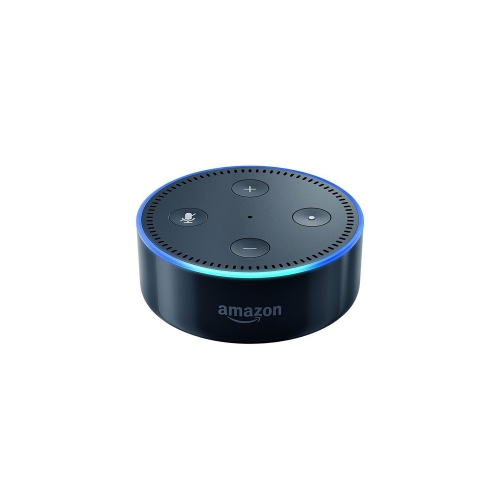 Your price for this item is $48.99
 -
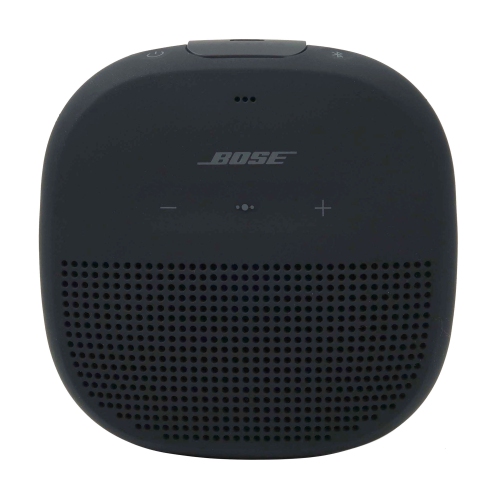 Your price for this item is $110
 -
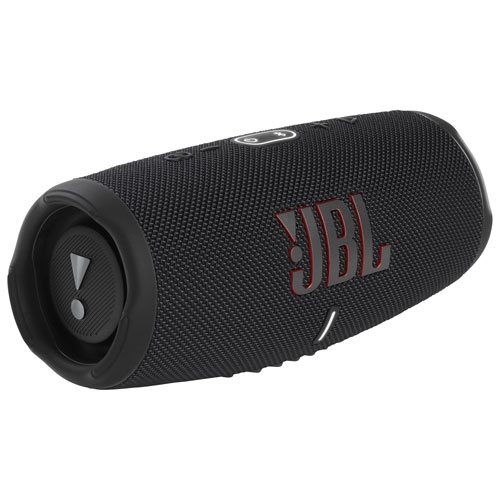 Your price for this item is $239.98
 -
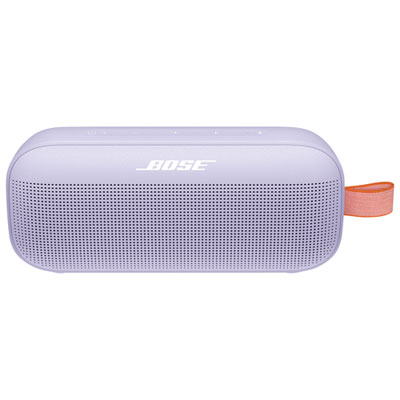 Your price for this item is $149.99
 -
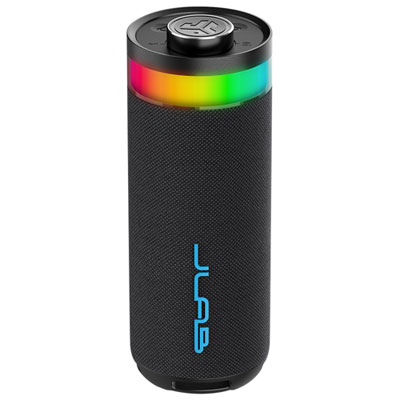 Your price for this item is $59.99
 -
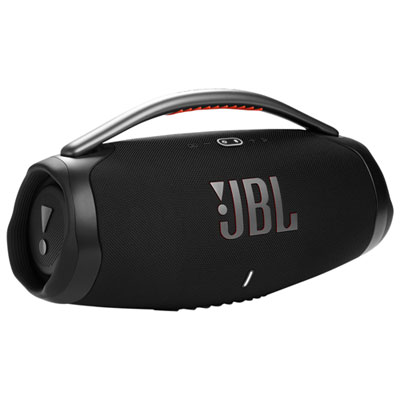 Your price for this item is $399.99
 -
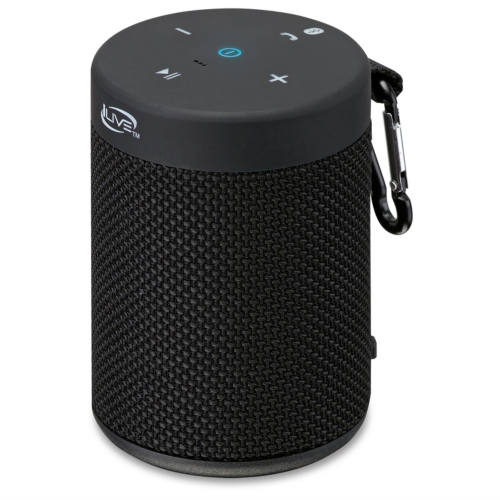 Your price for this item is $23.68
 -
 Your price for this item is $379.98
Discover more categories related to Blue Tooth Speakers for Motorcycle

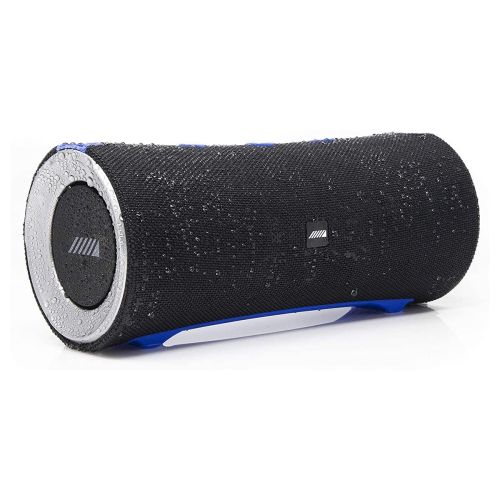
Top Collections:
Pokemon Centers, Kindle Devices, Best Budget Office Chairs, Apple iPhones 16, Best Laptops for Writers, iPhone 15 Apple, Canon G7X Cameras, Refurbished Apple Laptops, Alarm Clock, Motorola Razr Phones
Some products may be subject to Environmental Handling Fees
(EHF) depending on your province.
Learn more about EHFs.