Blue Tooth Speaker Phones
Looking for a convenient and hands-free way to take calls or listen to your favorite tunes? Look no further than a Bluetooth speaker phone. These innovative devices combine the functionality of a speaker and a phone, allowing you to enjoy crystal-clear audio and seamless connectivity without the hassle of wires. Whether you're working from home, hosting a party, or simply want to enhance your audio experience on the go, Bluetooth speaker phones are a versatile solution that offers both convenience and style. Here are some great options available.
Sort


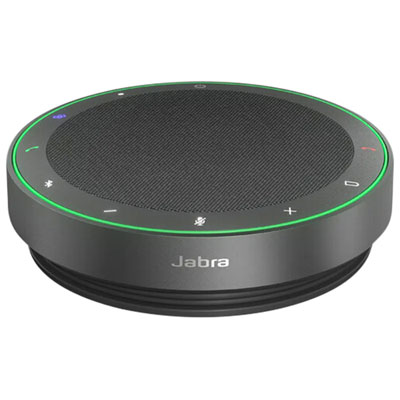
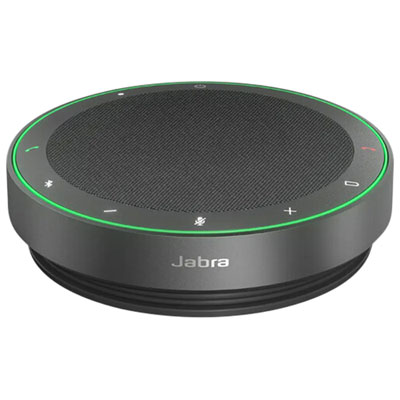
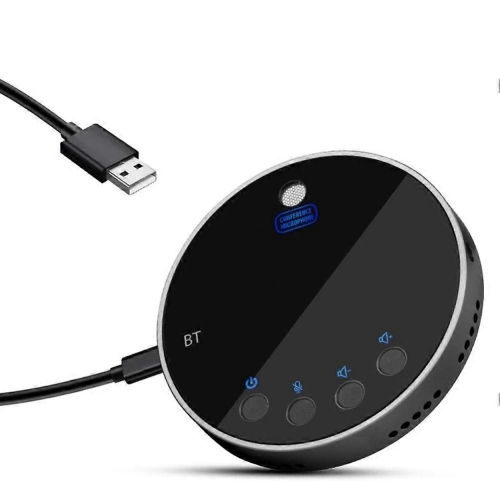
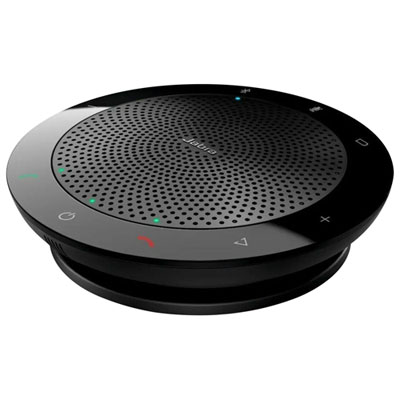












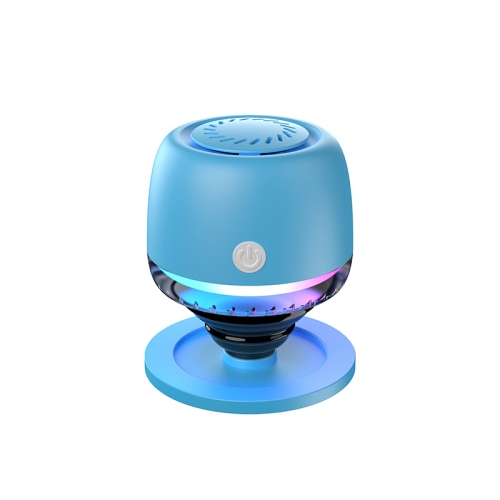


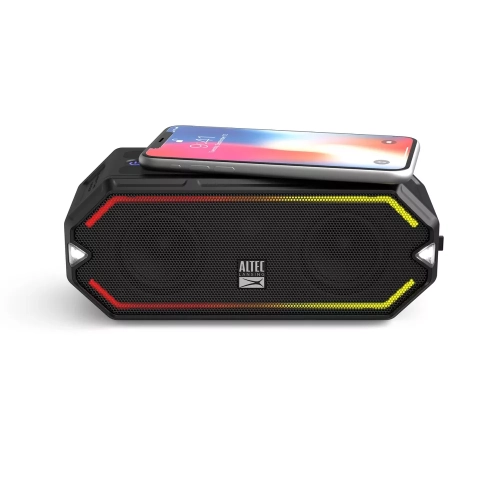


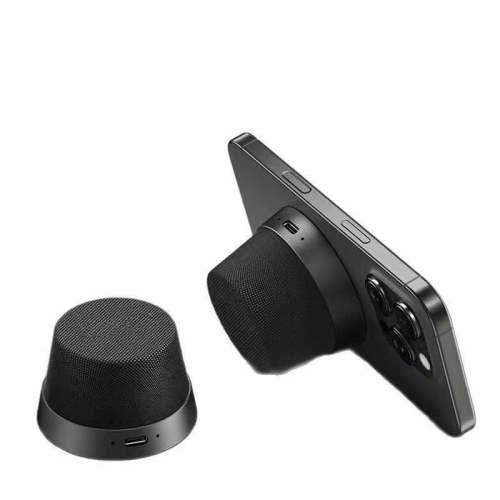
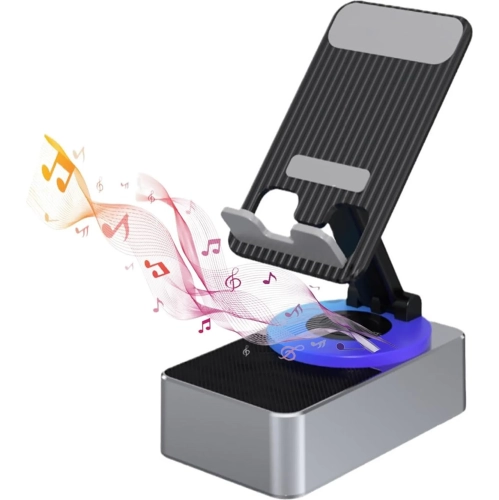

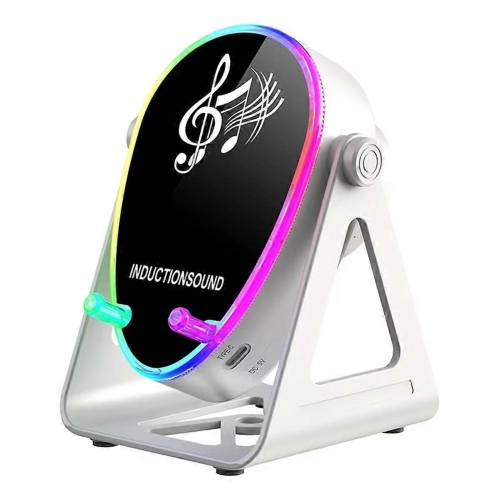
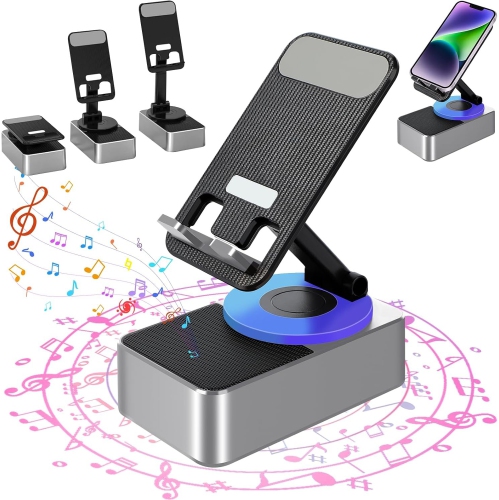

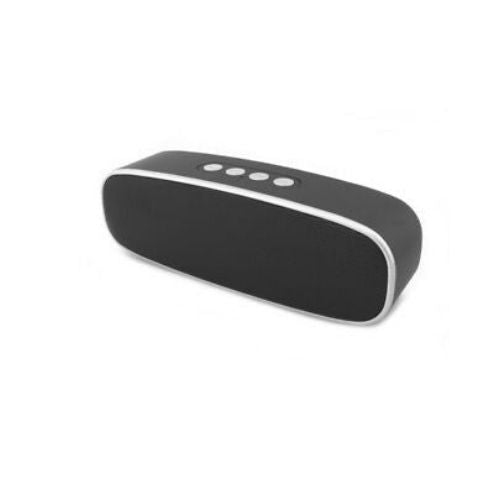
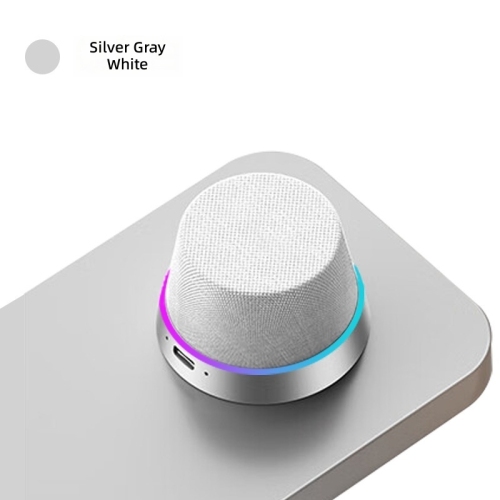
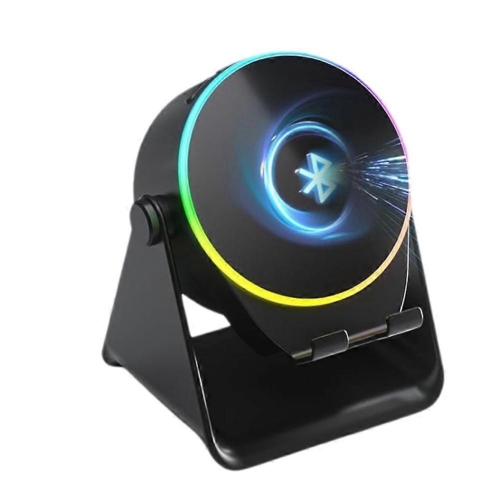


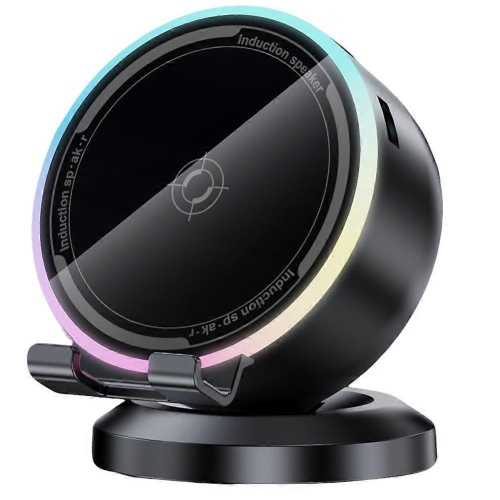
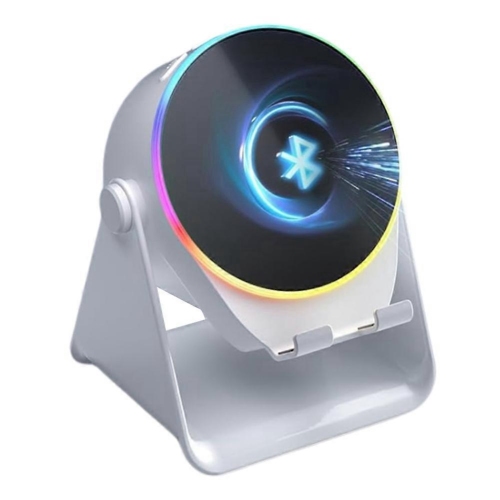
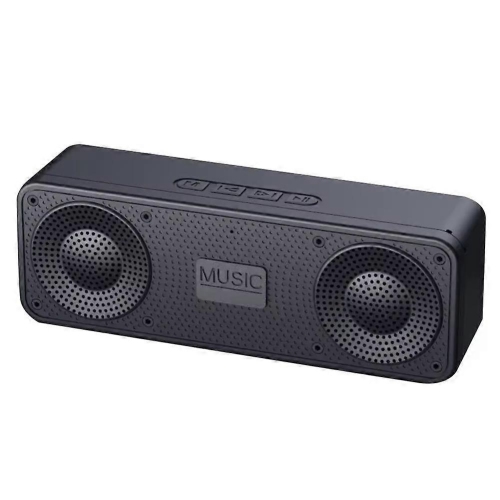
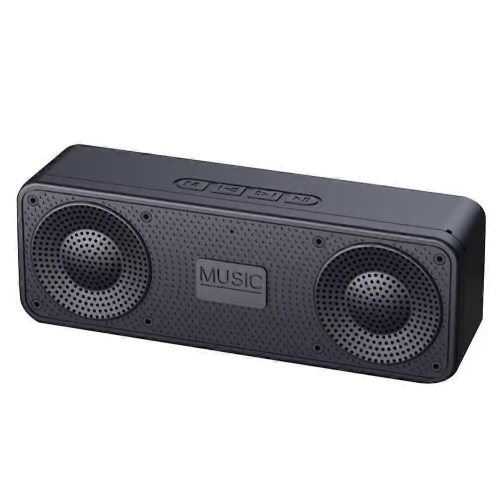


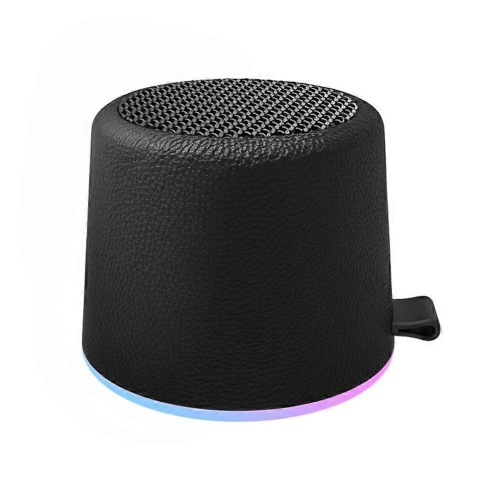
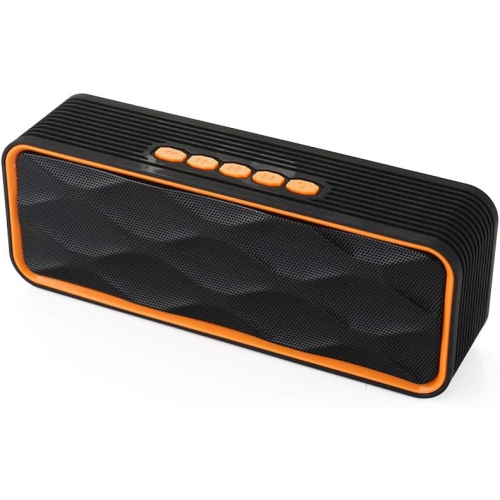
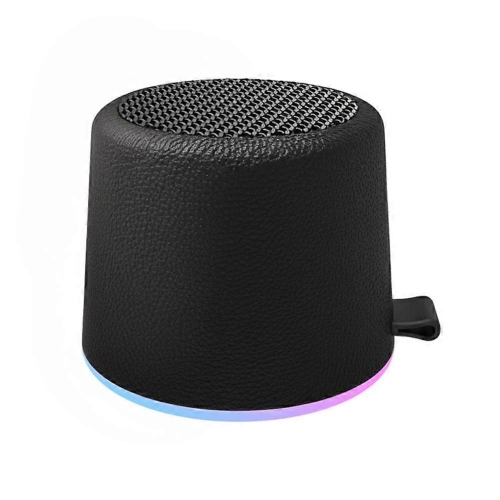
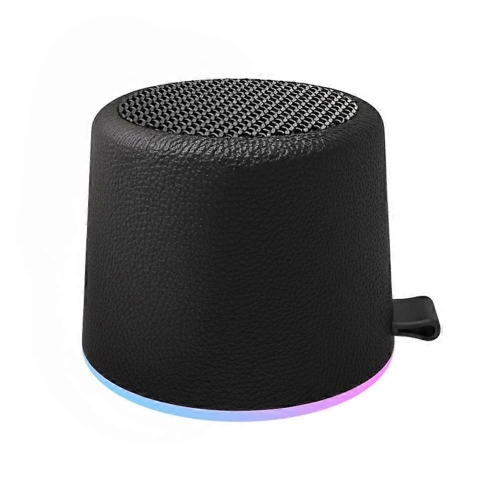


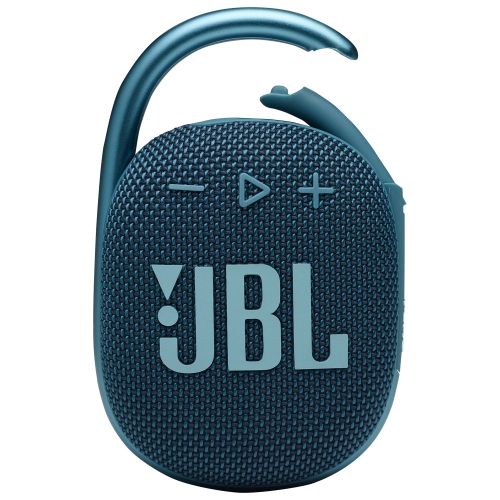
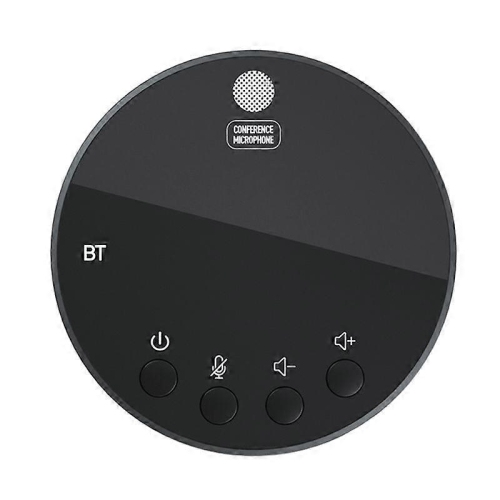

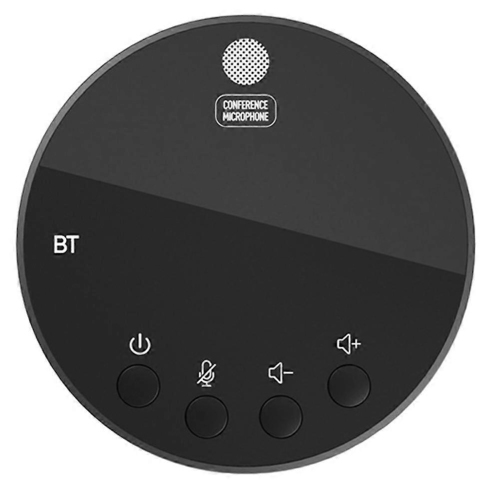
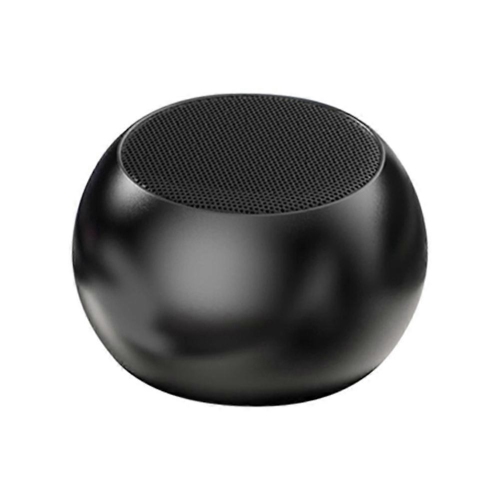

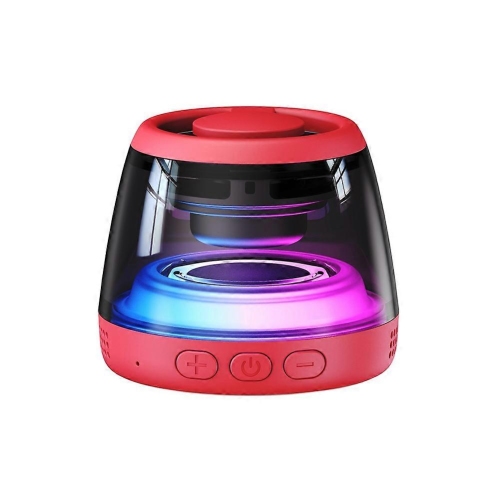
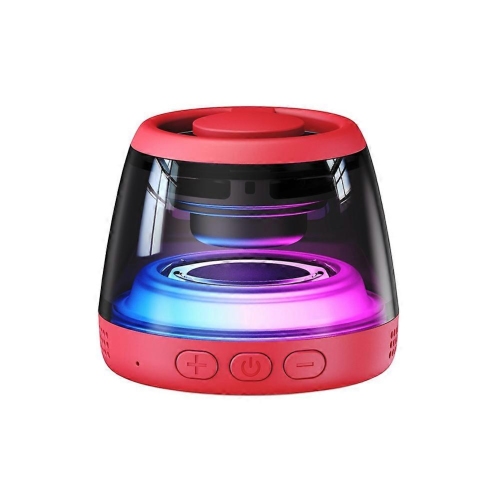
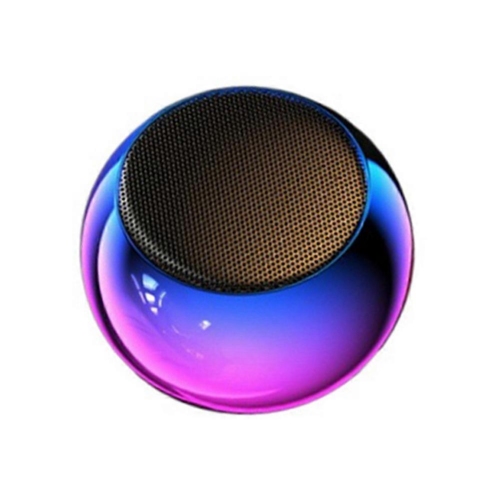
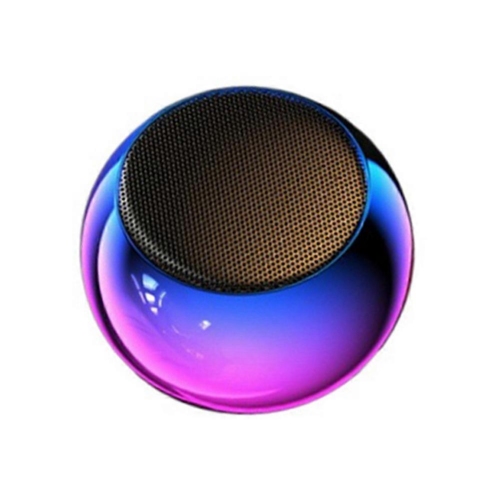
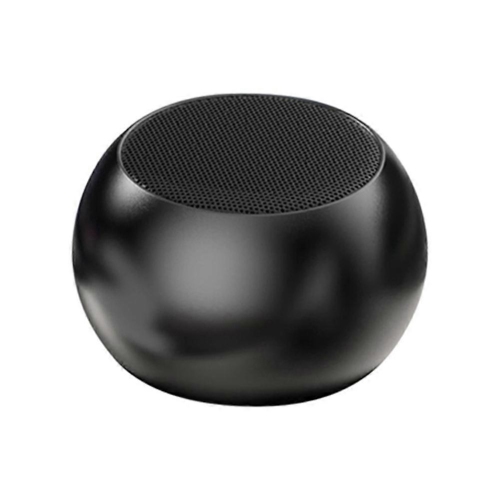
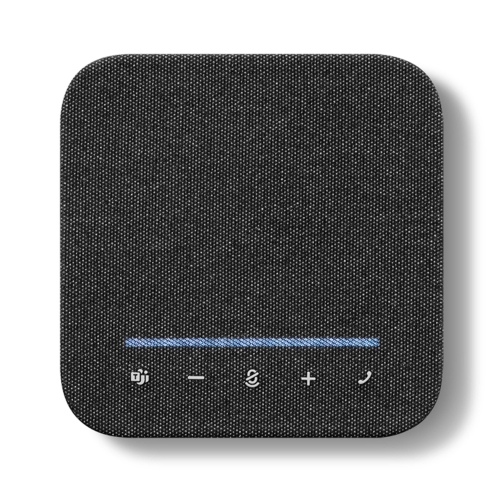
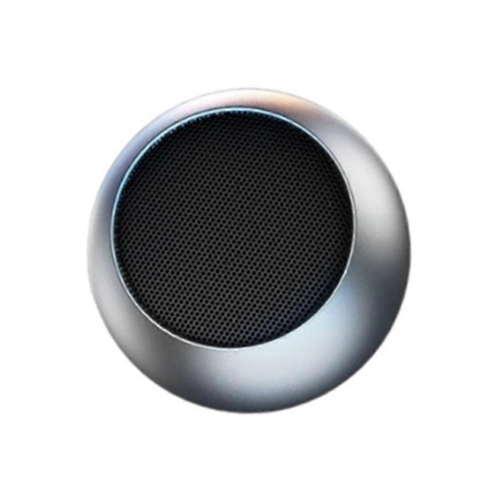
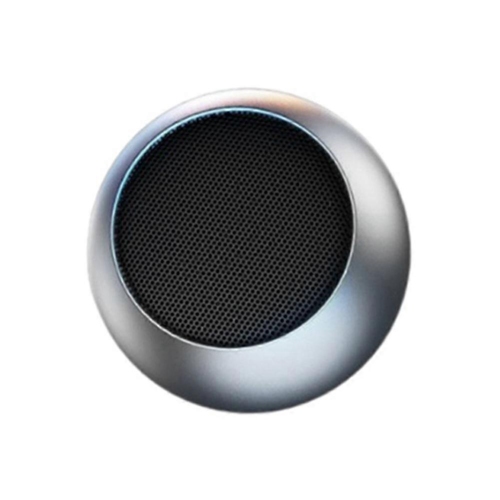


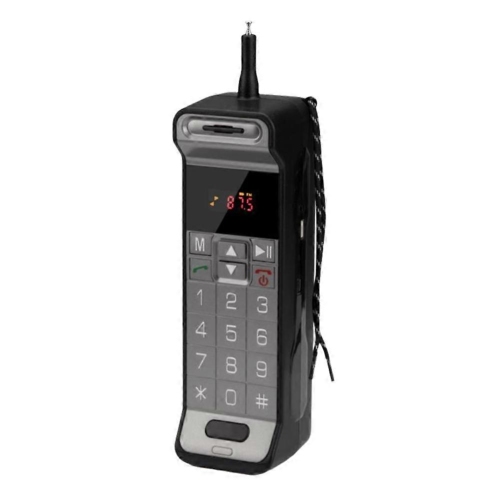

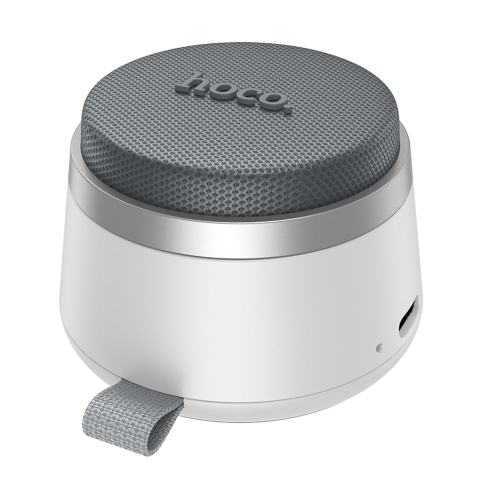


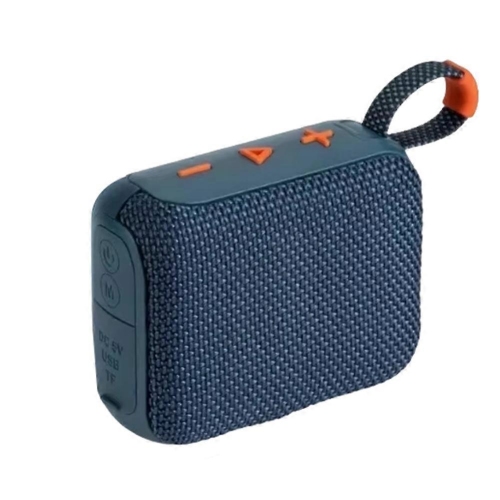
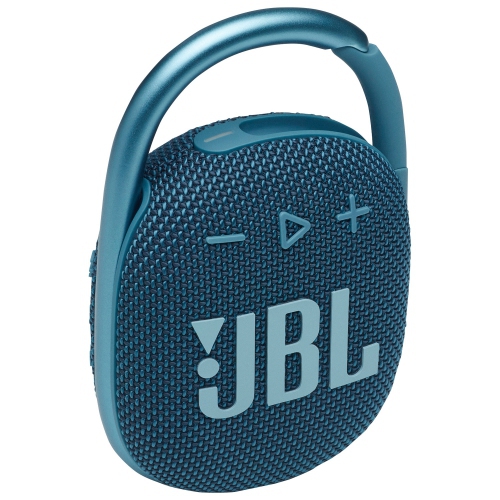
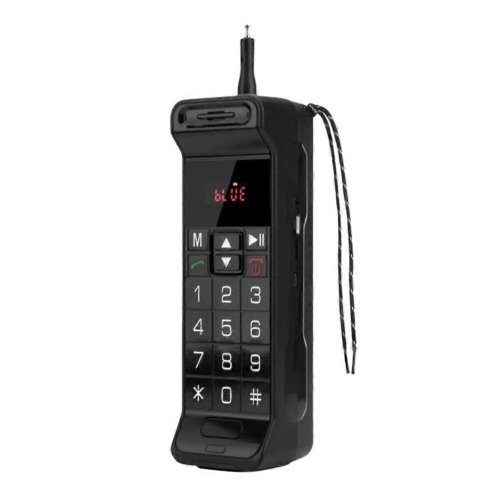


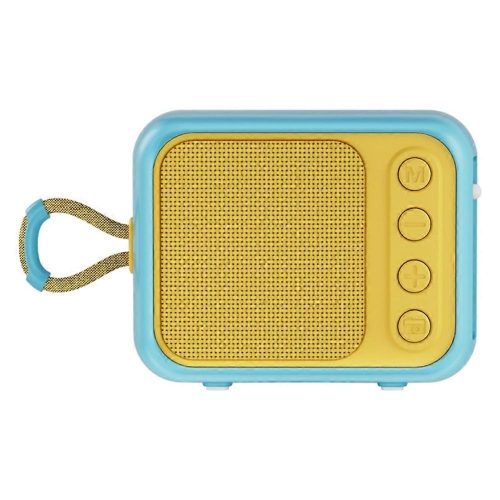


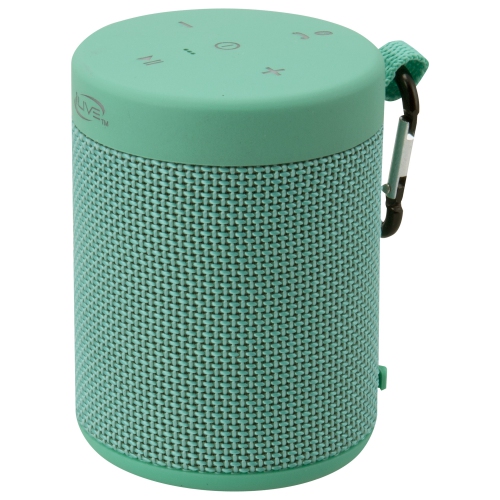


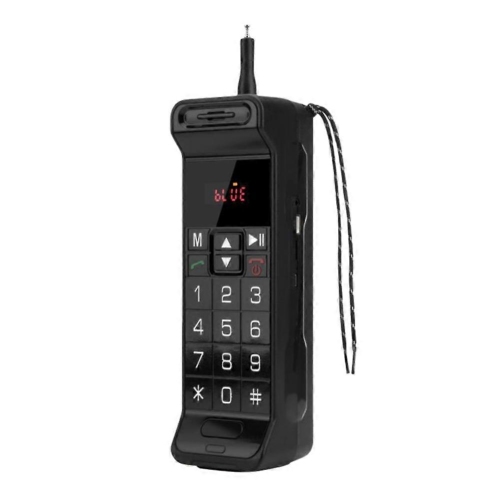
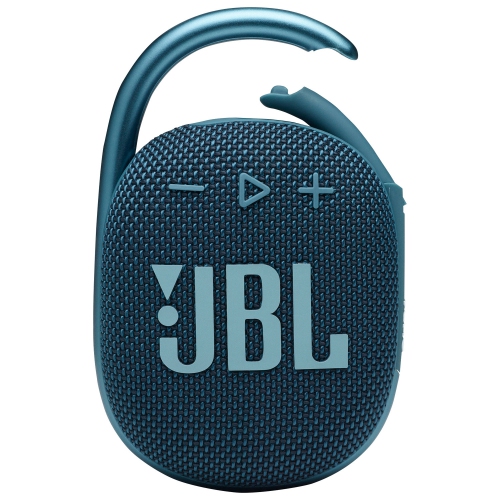

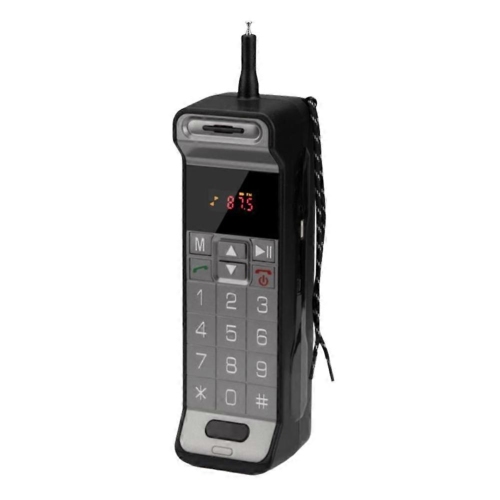
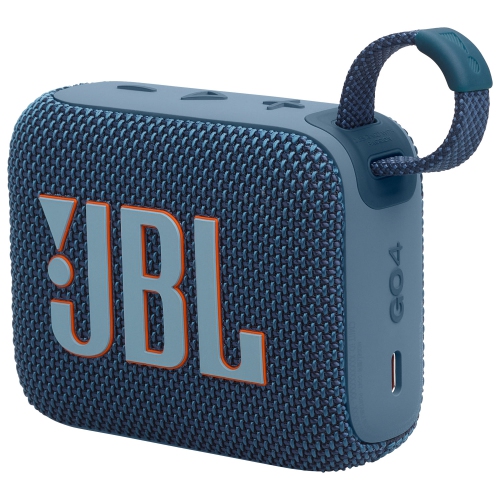
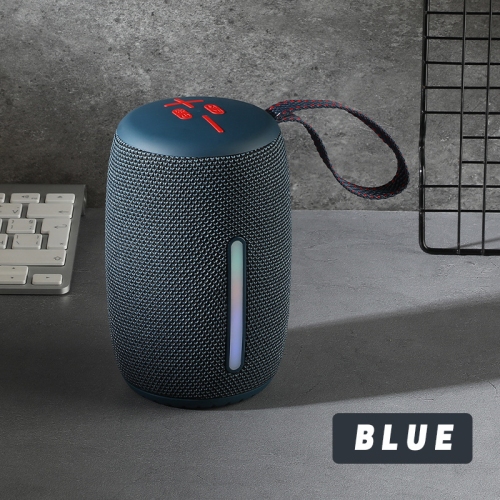
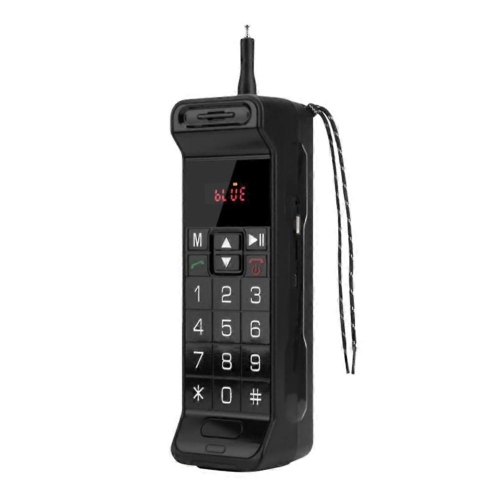
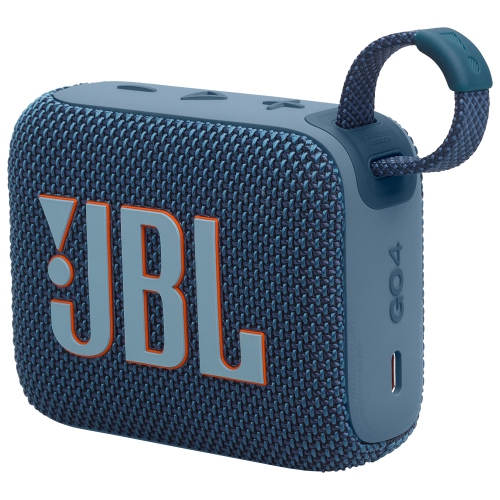


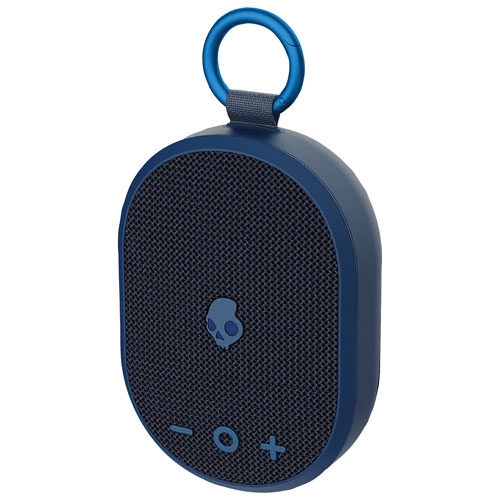






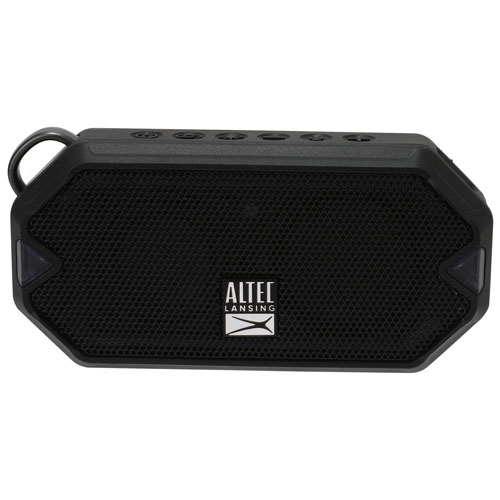


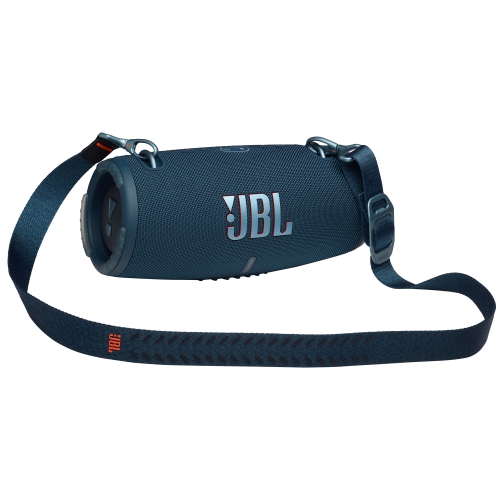
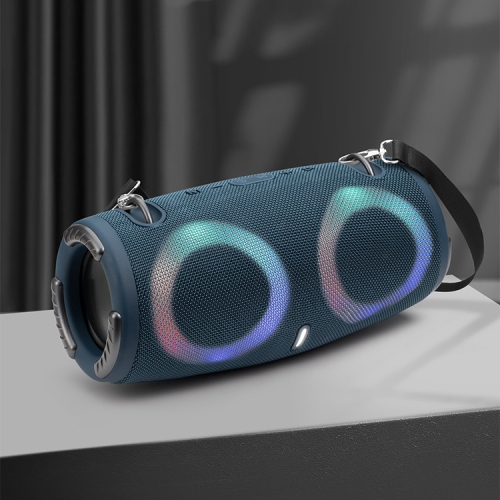
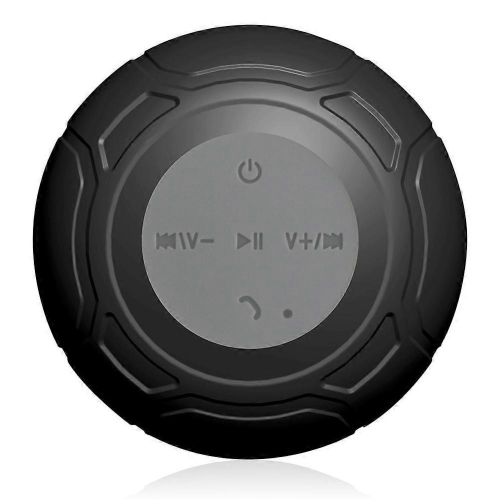


Clear hands-free calls start with the right microphone
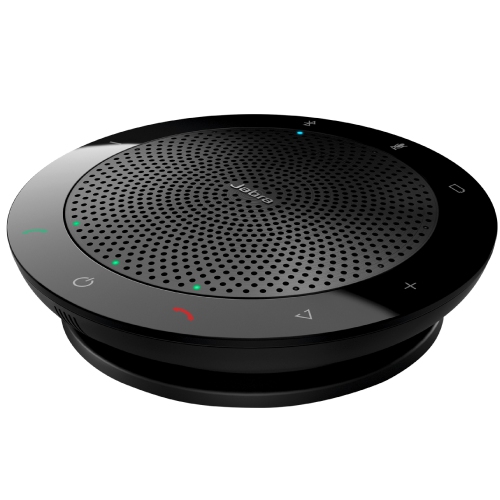
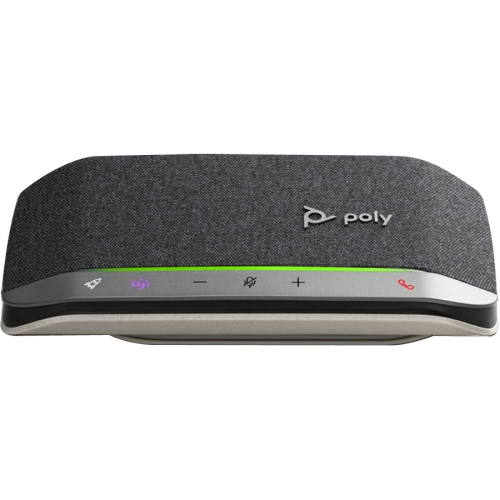
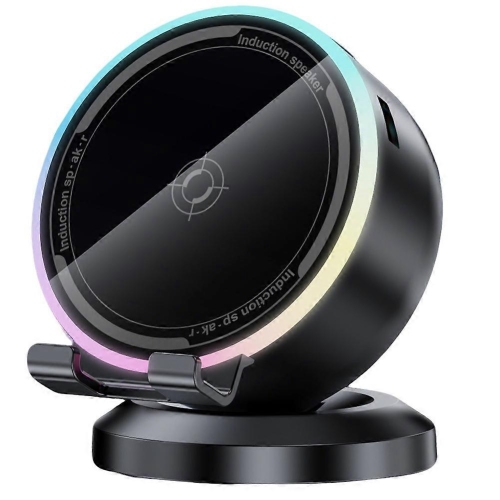
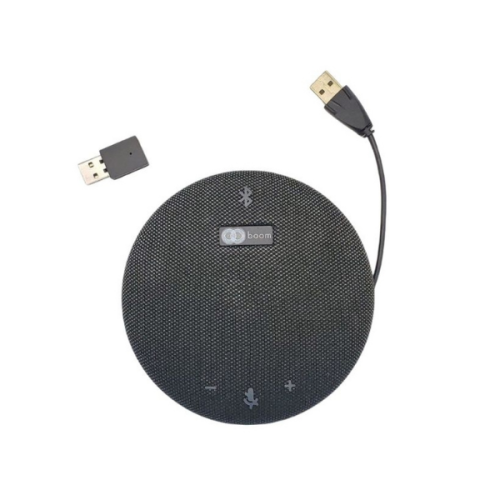
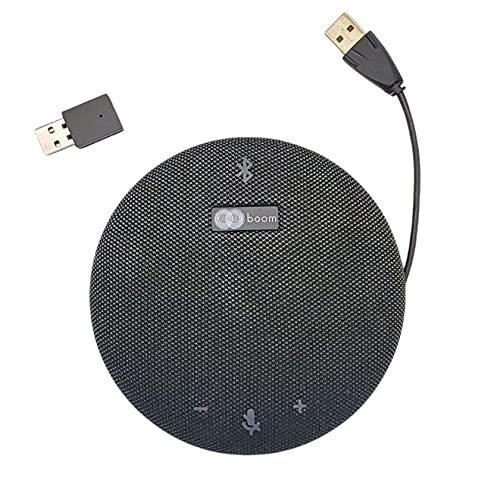
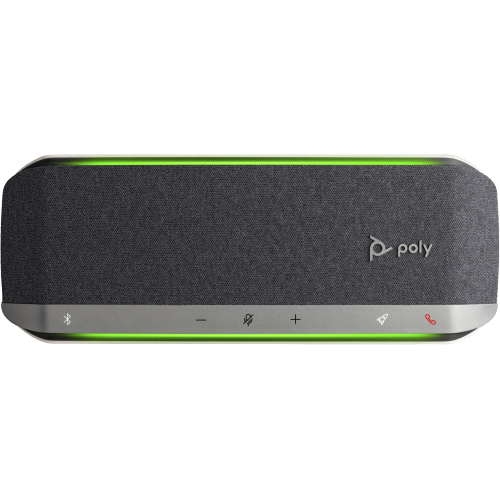
Bluetooth speakerphones are wireless calling devices that combine a loudspeaker and built-in microphones so people can hold hands-free conversations without wearing a headset or gathering around a phone. They connect to compatible smartphones, tablets, or computers through Bluetooth, while some also support a wired USB connection for desktop calling. Unlike a portable speaker designed mainly for music, a dedicated speakerphone puts speech pickup, voice clarity, and two-way conversation at the centre of its design. That makes it a useful addition to a home office, a shared meeting table, or a temporary workspace when travelling. A person working alone can keep both hands free to take notes or review a document, while a small group can join a remote colleague without passing a handset around. The microphone design plays an important part in how naturally those conversations unfold. An omnidirectional microphone captures sound from around the unit, and a microphone array uses multiple microphones to help focus on voices or reduce unwanted background sound. Coverage varies, so a compact unit intended for one person should not be assumed to cover a large boardroom. Full-duplex audio allows people at both ends of a call to speak and hear each other at the same time, helping brief acknowledgements and overlapping comments come through without one voice repeatedly cutting out. Acoustic echo cancellation helps prevent sound from the speaker from being picked up by the microphone and sent back to the other caller. Noise reduction can make steady background sounds less distracting, although it cannot guarantee that nearby conversations or a loud kitchen appliance will disappear. For everyday use, the most meaningful combination is a microphone suited to the number of participants, enough speaker volume for the room, and controls that are easy to reach. Clear speech matters more than powerful bass when a conversation involves names, appointment details, or decisions that everyone needs to hear correctly.
The best physical fit depends on where a Bluetooth speakerphone will spend its time. A low-profile, round unit can sit near the middle of a small table without blocking sightlines, while a more compact shape may fit neatly beside a laptop on a narrow desk. A stable base with non-slip feet helps keep the device in place when someone taps the mute button or moves a charging cable. Plastic housings can keep travel weight down, and metal grilles may provide a firmer protective surface over the speaker, though neither material alone establishes how well a device will withstand drops or spills. Fabric-covered surfaces bring a softer finish to a desk but may need more attention to prevent dust from settling into the weave. For shared spaces, visible microphone-mute indicators, clearly marked volume controls, and accessible call buttons help participants understand the device at a glance. Tactile controls can also be easier to operate without looking away from a screen, although functions such as answering or ending calls may depend on the connected device and calling application. Connection options deserve similar attention. Bluetooth offers the convenience of fewer cables, but compatible USB audio can be useful for a desk setup where a direct connection is preferred. A USB port may support charging, audio, or both, so its presence alone does not confirm wired calling support. Connector type and operating-system compatibility also affect how smoothly a speakerphone fits into an existing setup. Some devices can maintain connections with more than one source, but switching between a laptop and a phone is different from combining their calls. Battery-powered designs suit people who move between rooms or work away from an outlet; actual talk time depends on volume, features in use, battery condition, and other operating factors. Device-charging capability, where supported, can be handy during travel but draws from the same battery reserve. A protective pouch and a cable that packs without strain can make a portable speakerphone easier to carry between a home desk and an office meeting room.
Daily placement and care have a noticeable effect on both call quality and durability. Setting a speakerphone on a firm, level surface within its stated microphone pickup range gives it a better chance of capturing everyone clearly. On a small meeting table, a central position usually serves a group better than a spot tucked behind a laptop or beside one participant’s elbow. Papers covering the microphones, fingers resting over a grille, and a unit placed next to a rattling fan can all interfere with speech pickup. Bare rooms with hard floors and glass walls may produce more reflected sound than rooms with curtains, upholstered furniture, or rugs. Raising the volume is not always the answer when voices sound distant; moving participants closer to the microphone can be more effective. When several people join the same online meeting from one room, using a single active speaker and microphone setup helps avoid feedback and repeated audio. Speakerphones also make both sides of a conversation audible to nearby people, so a headset or a private room is more appropriate for confidential discussions. For cleaning, follow the manufacturer’s directions and use a soft, dry cloth where recommended rather than spraying liquid into microphone openings, buttons, or ports. Keep drinks at a safe distance unless the device has an appropriate, documented water-resistance rating, and avoid packing it loose with objects that could press against the grille. These practical details matter for students attending group discussions, freelancers speaking with clients, and families who want several people to take part in a call together. A speakerphone can also be a thoughtful gift for someone setting up a home office, provided it suits their computer, phone, and usual group size. Music listening is a different priority: Blue Bluetooth Speakers are a separate category for shoppers interested in that colour and type of speaker, rather than dedicated conference-call equipment. For hands-free calling, a well-matched Bluetooth speakerphone keeps the focus on comfortable conversation, straightforward connections, and voices that are easy to follow.
Top selling and popular products
-
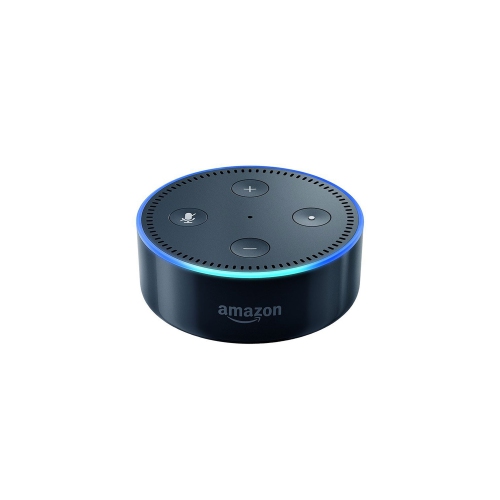 Your price for this item is $48.99
-
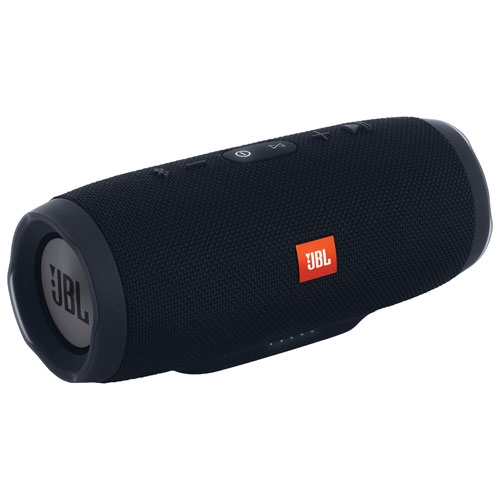 Your price for this item is $189
-
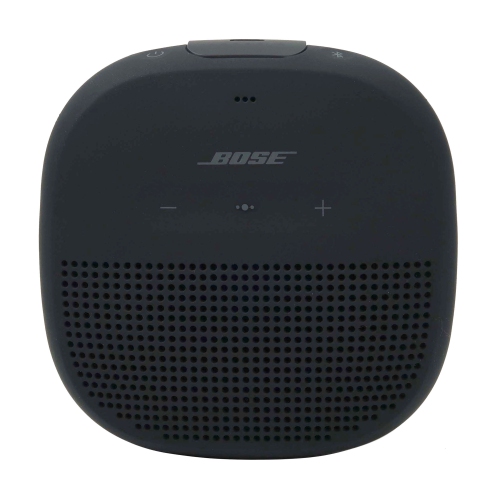 Your price for this item is $110
-
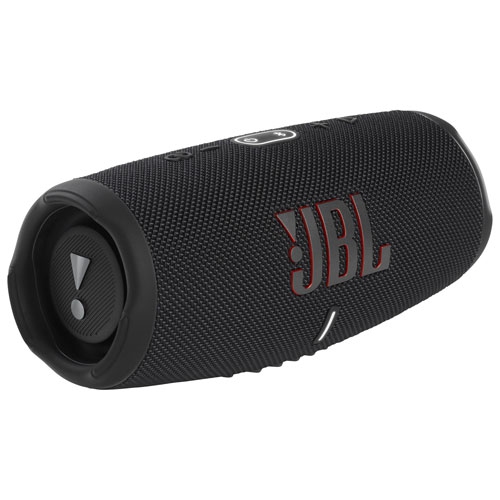 Your price for this item is $239.98
-
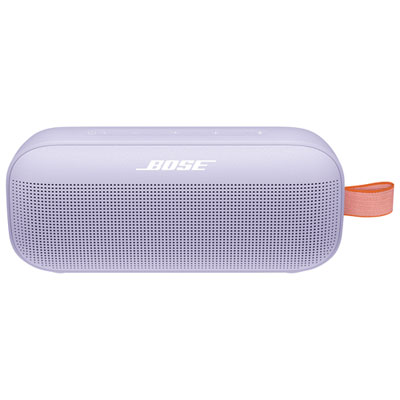 Your price for this item is $149.99
-
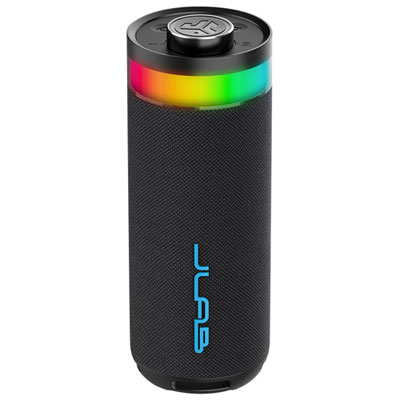 Your price for this item is $59.99
-
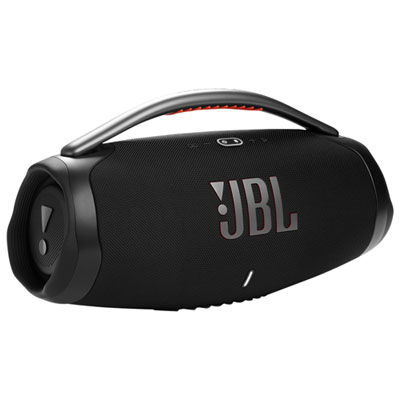 Your price for this item is $399.99
-
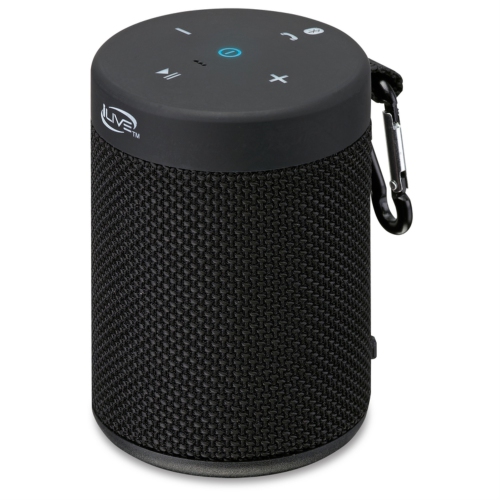 Your price for this item is $33.68
Discover more categories related to Blue Tooth Speaker Phones


Top Collections:
Pokemon Centers, Best Cameras for Sports Photography, Kindle Devices, Samsung Galaxy Phones, Canon G7X Cameras, Pokémon 30th Celebration Cards, Refurbished Apple Laptops, iPhone 15 Apple, Laptops for Students, Budget Smartphones
Some products may be subject to Environmental Handling Fees
(EHF) depending on your province.
Learn more about EHFs.