Large Rustic Shelves
A rustic shelf is a great way to add character and style to your home that can also be used in the living room or bedroom. There are many different types of rustic shelves available that are made with high-quality and sturdy materials to have their own unique look. Here are some great options for large rustic shelves available today.
Sort
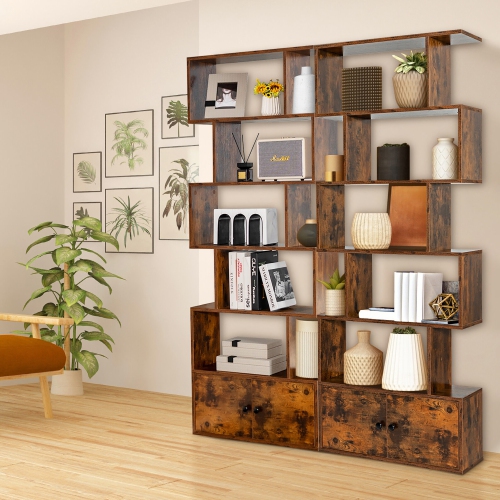
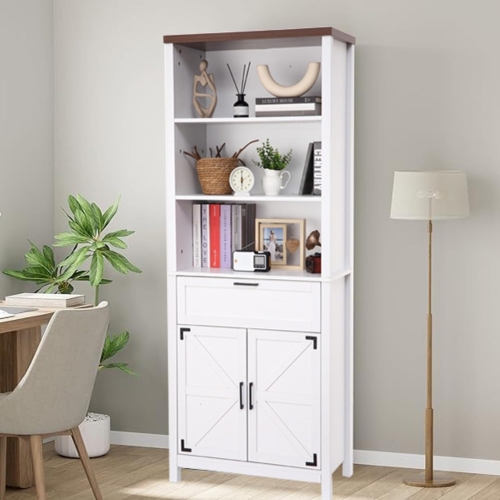
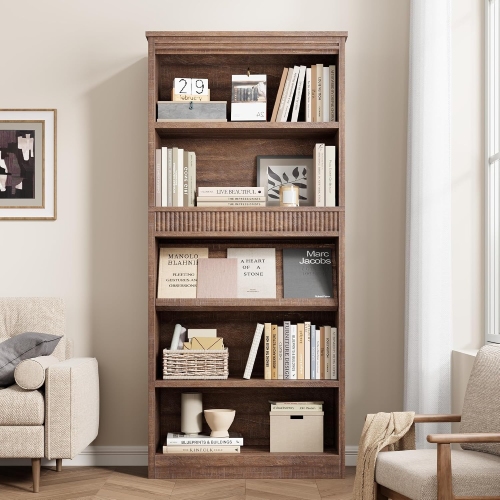
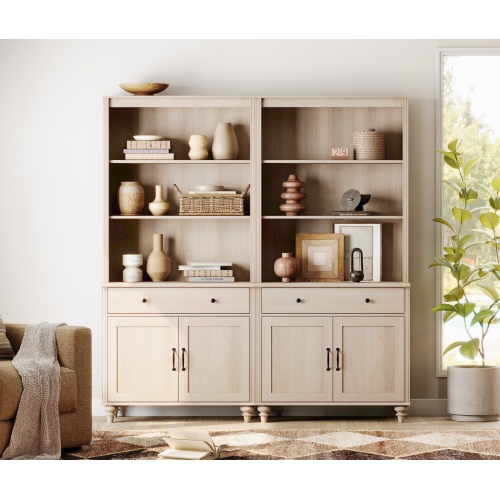
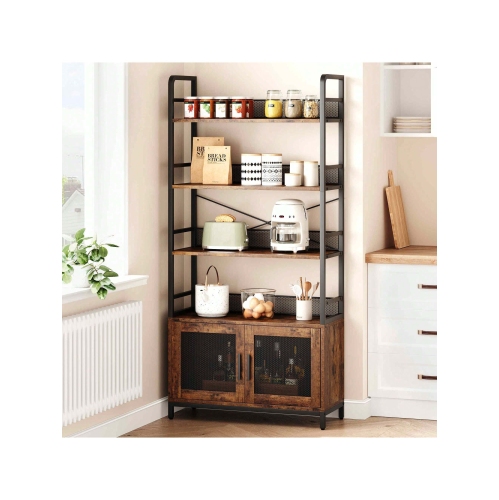
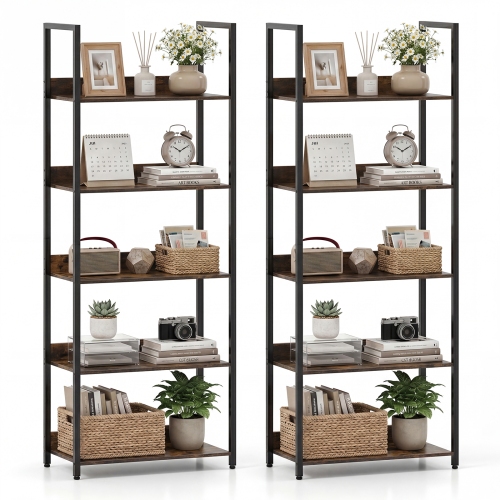
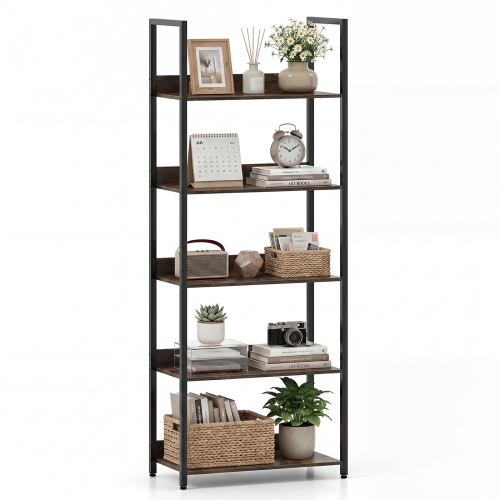
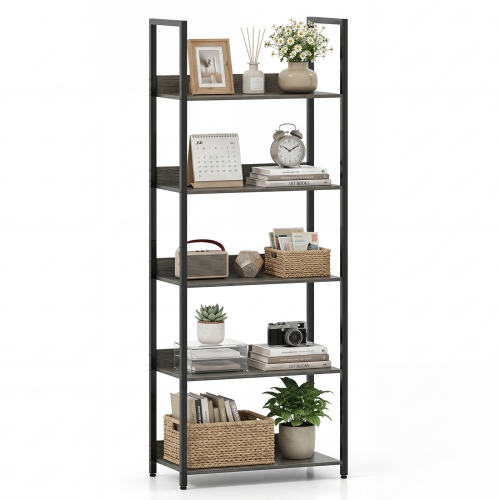
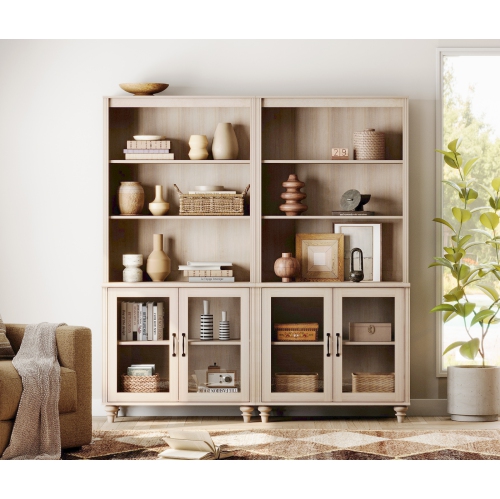
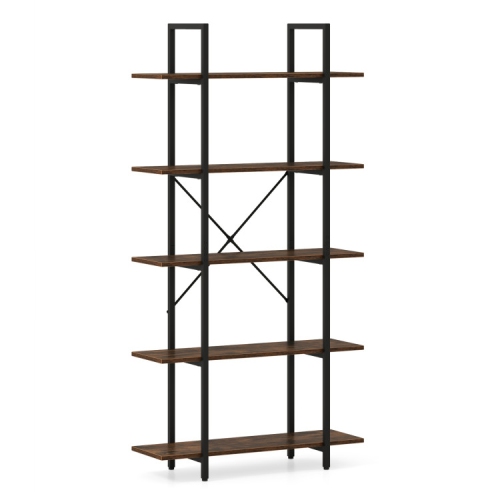
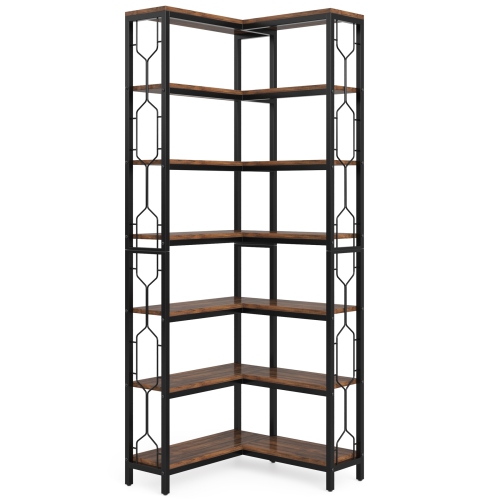
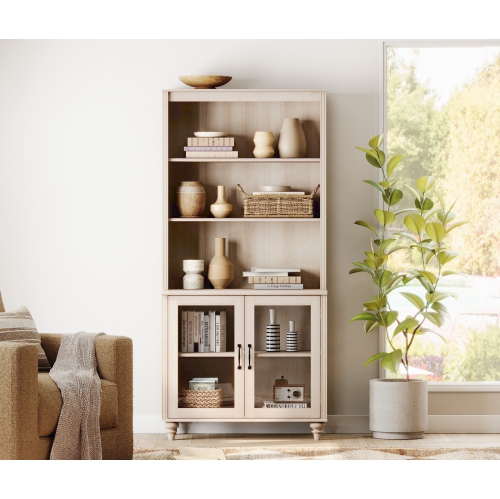
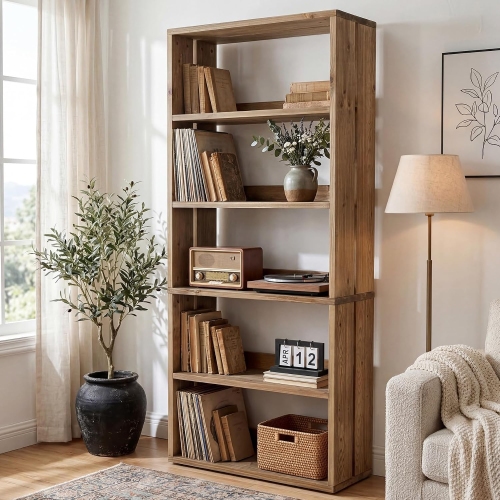
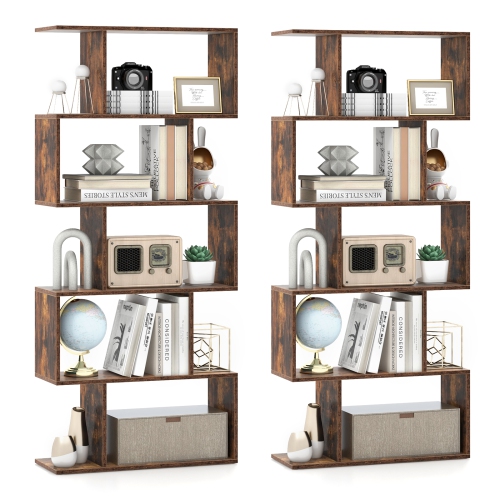
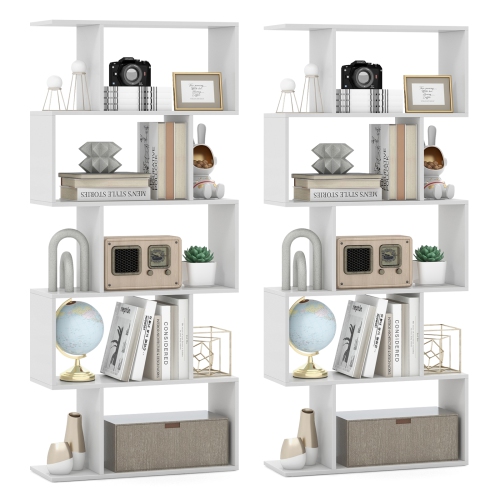
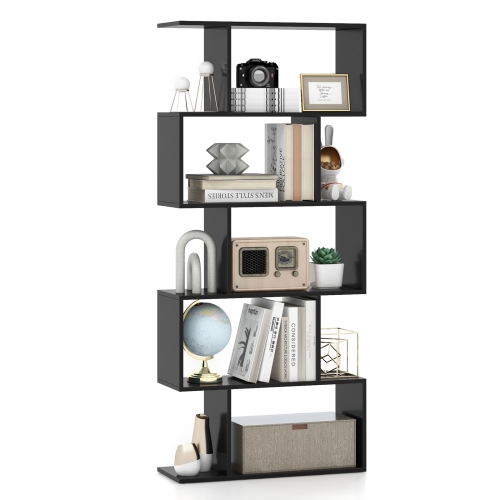
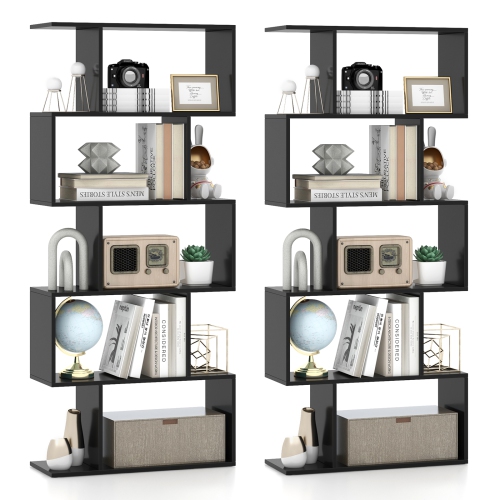
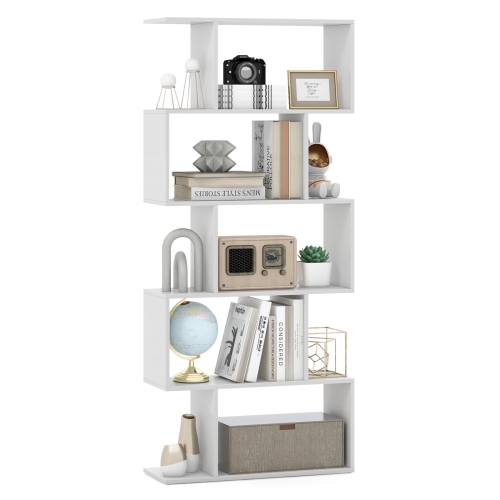
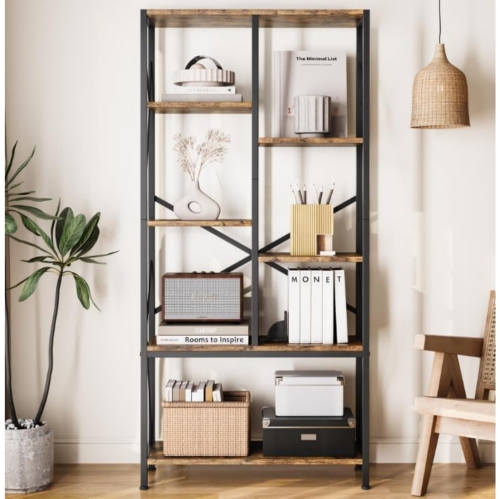
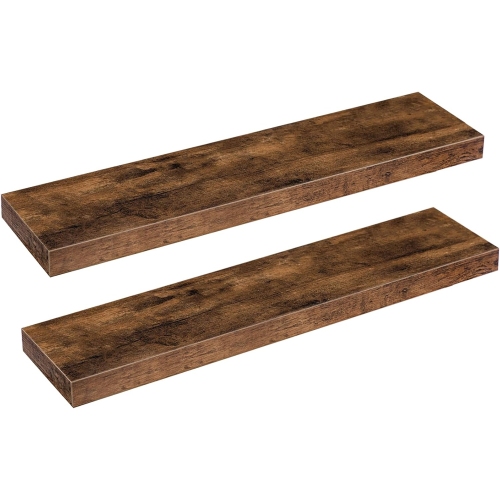
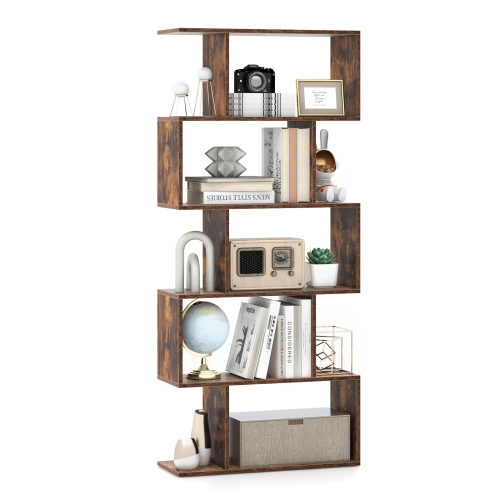
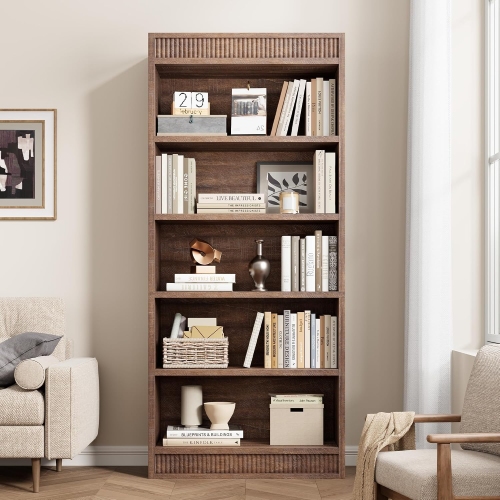
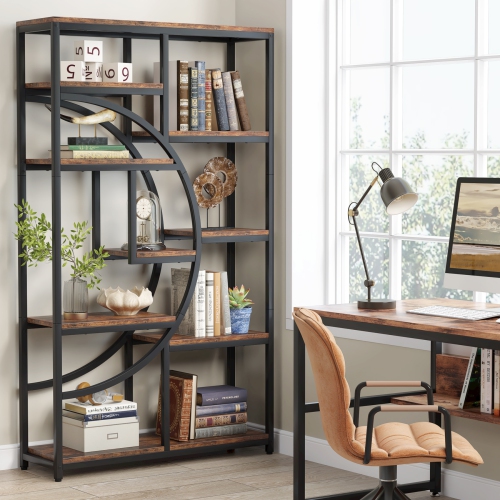
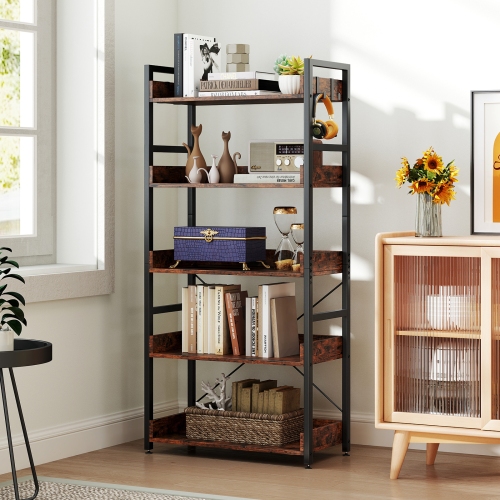
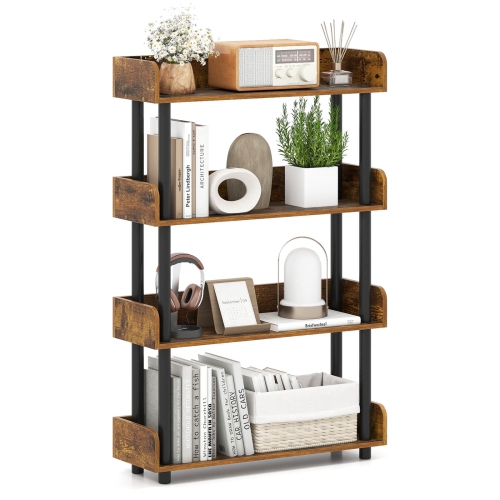
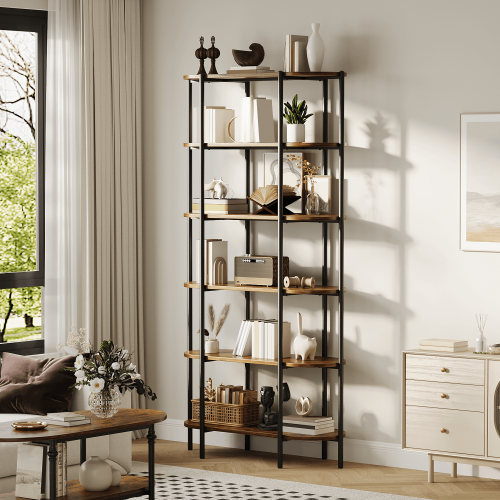
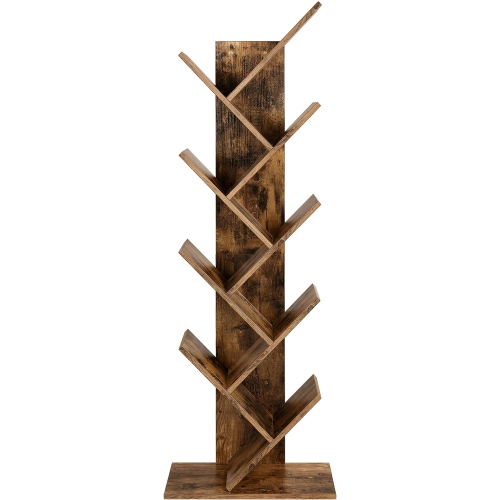
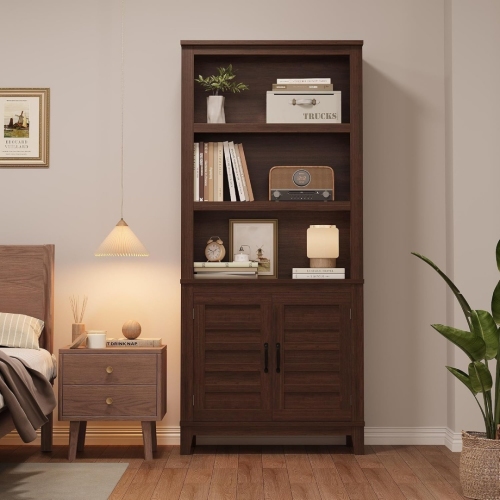
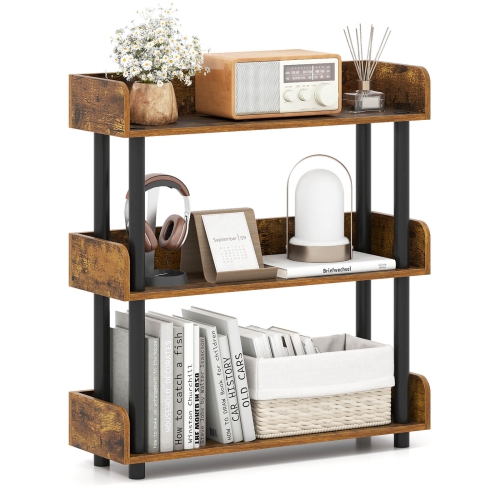
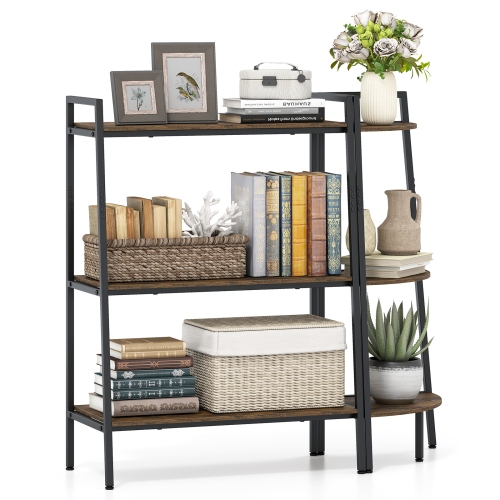
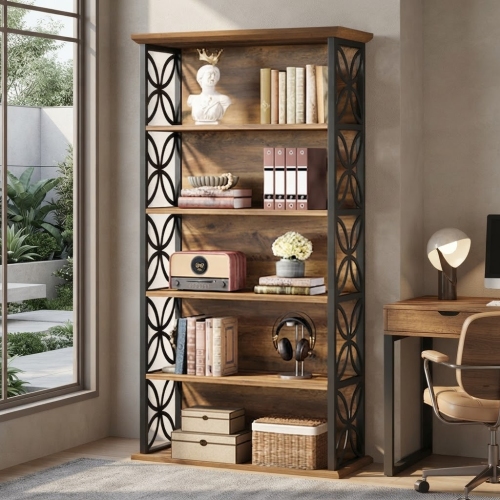


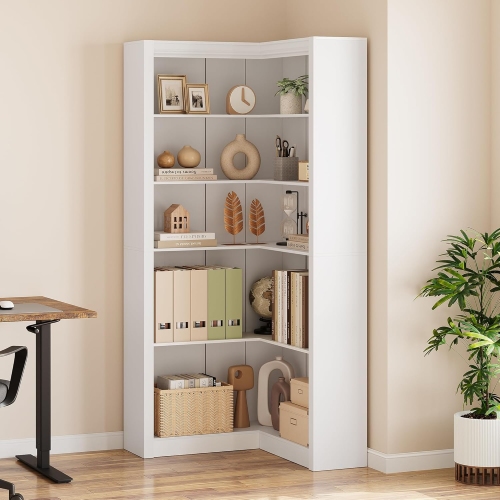
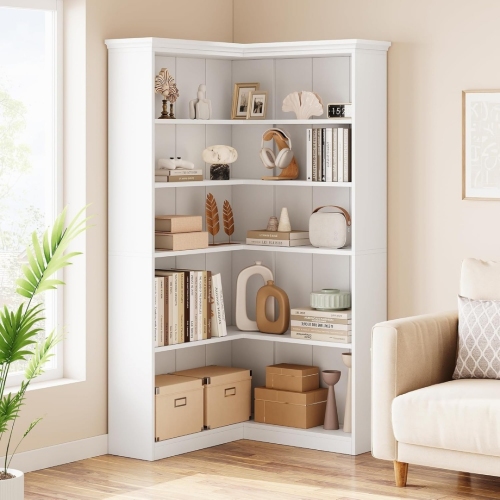
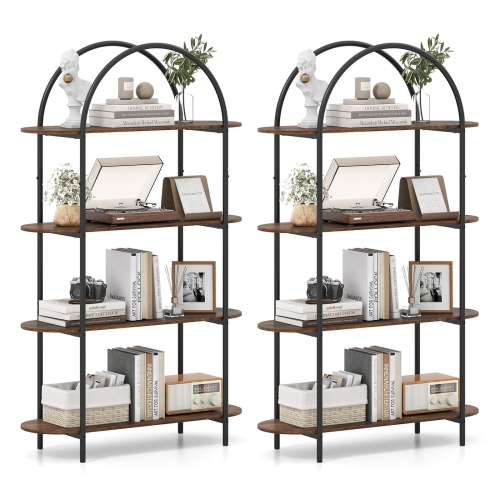

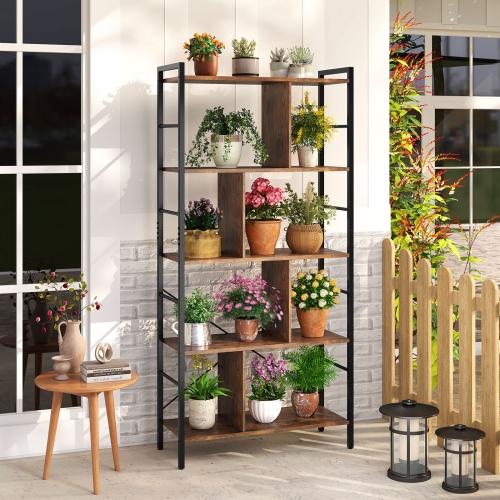
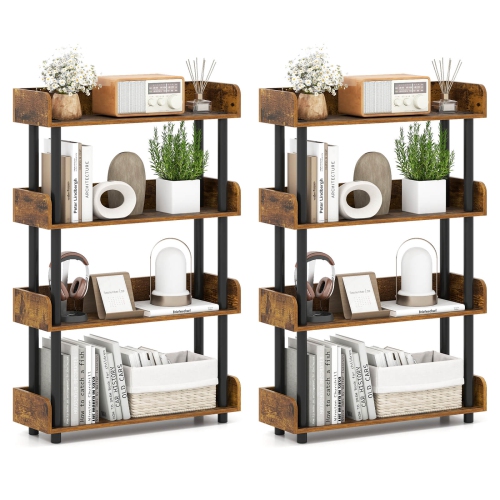
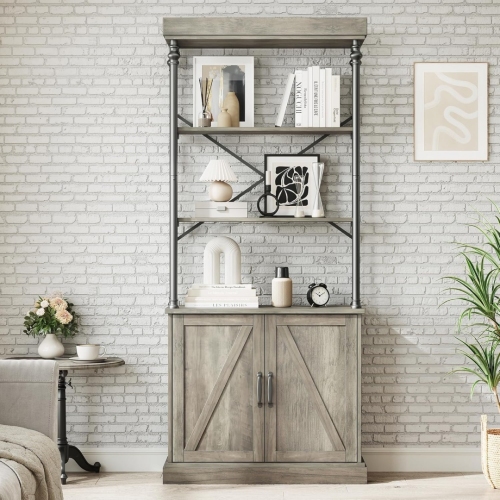
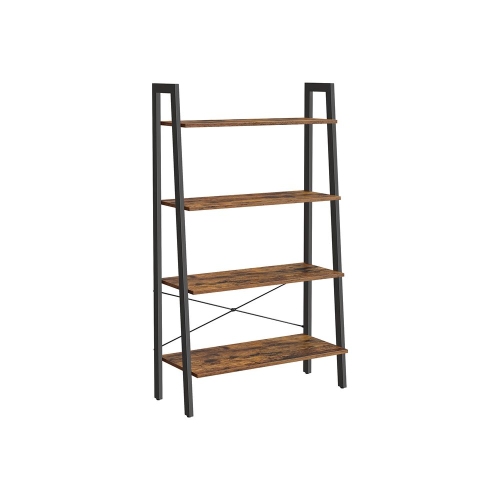
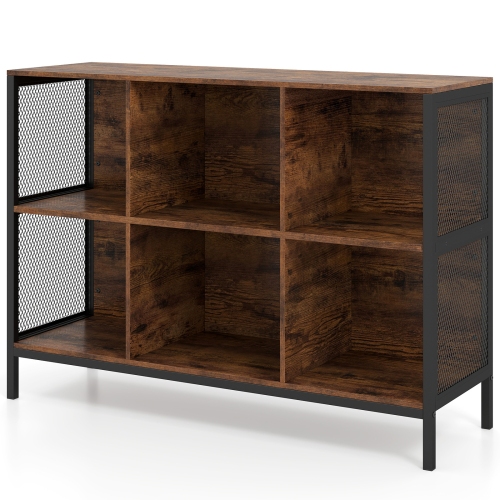
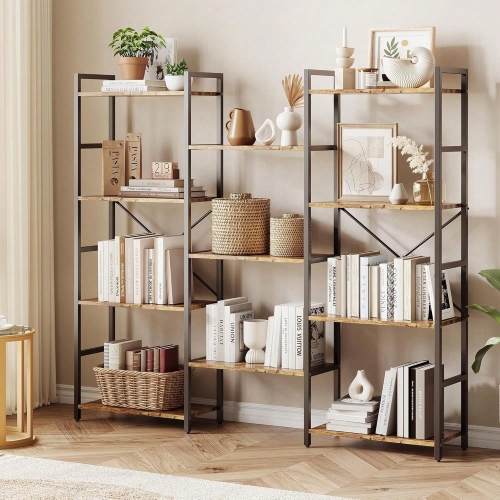
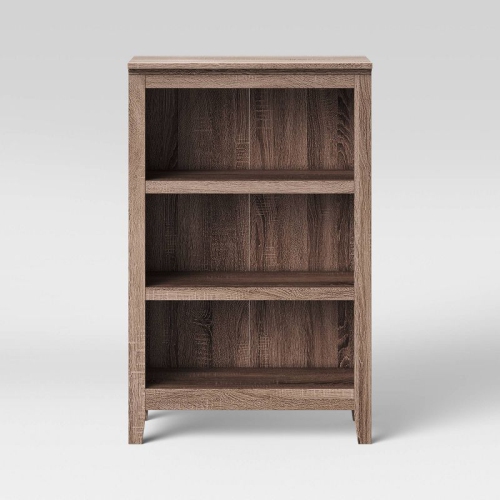
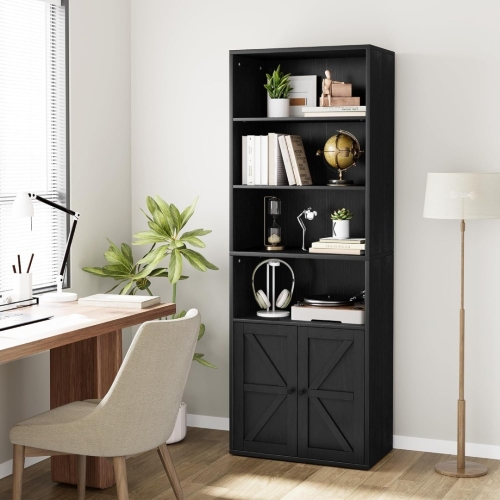

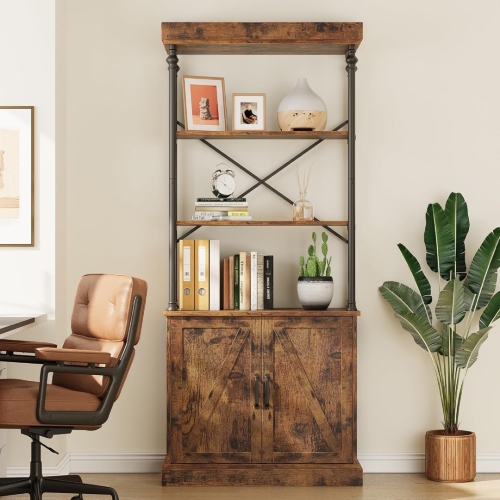
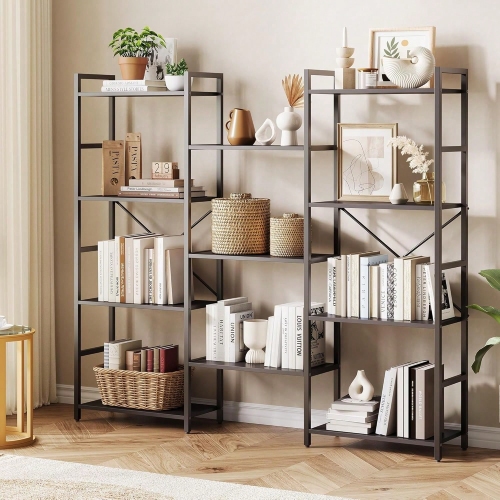

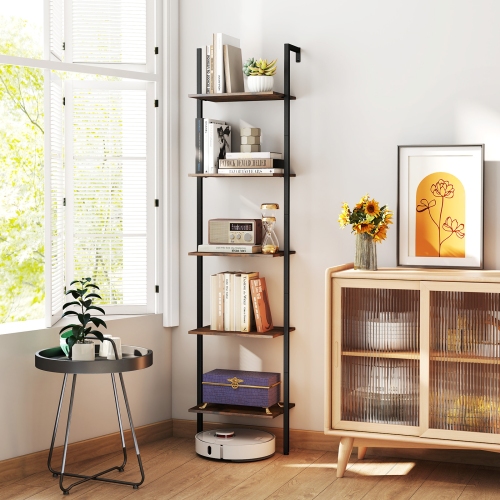
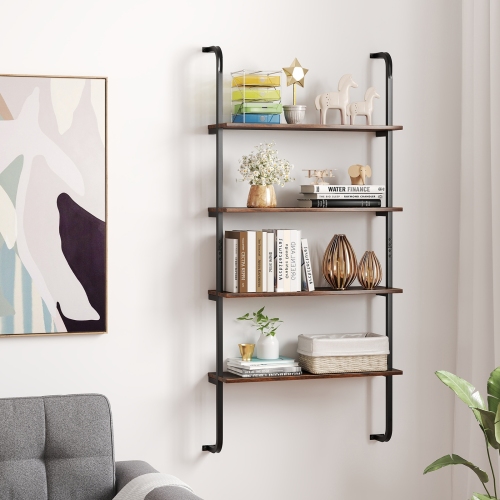
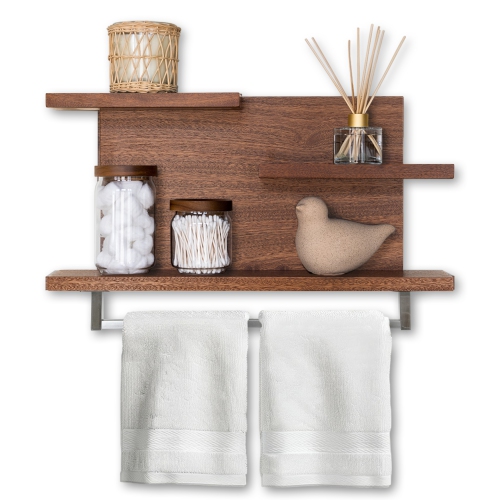
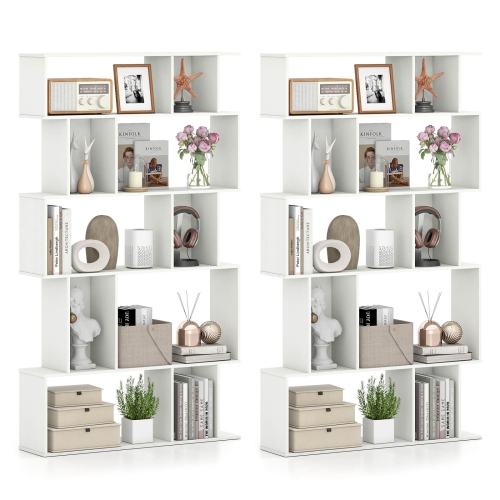
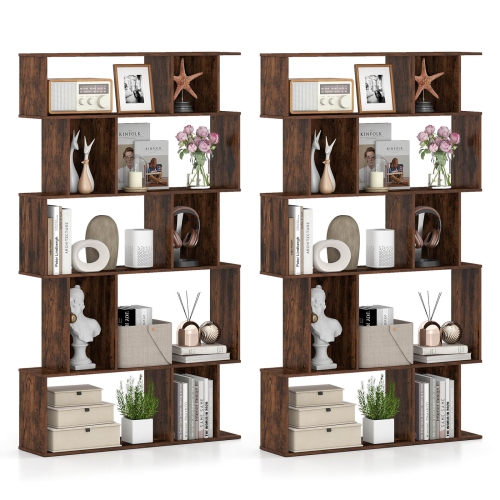
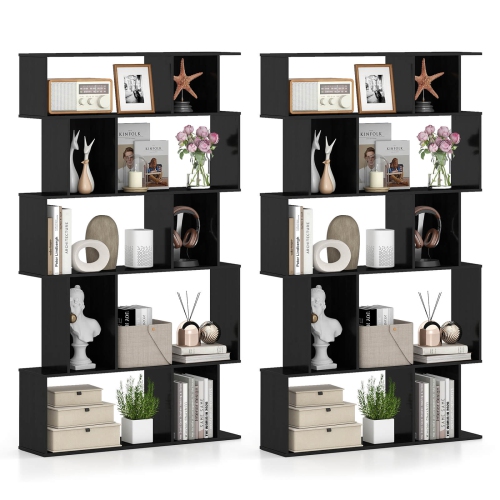
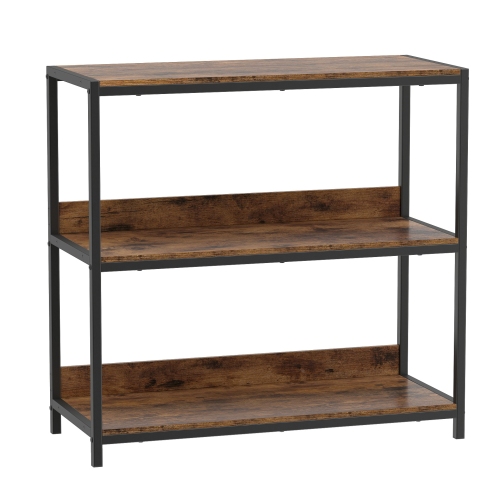
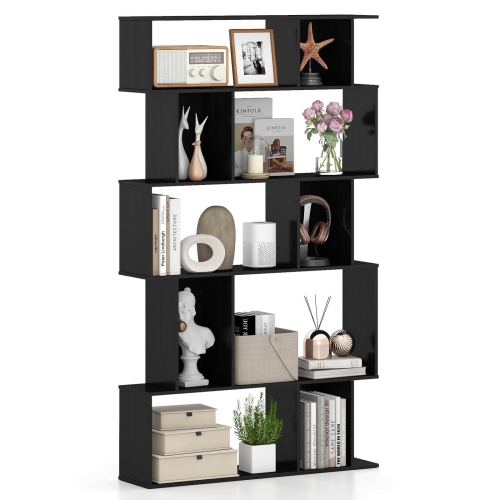
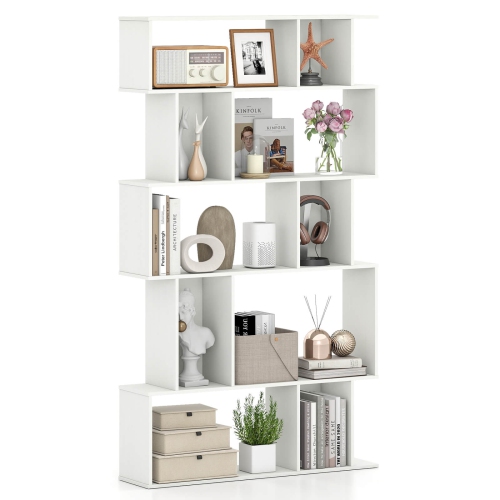

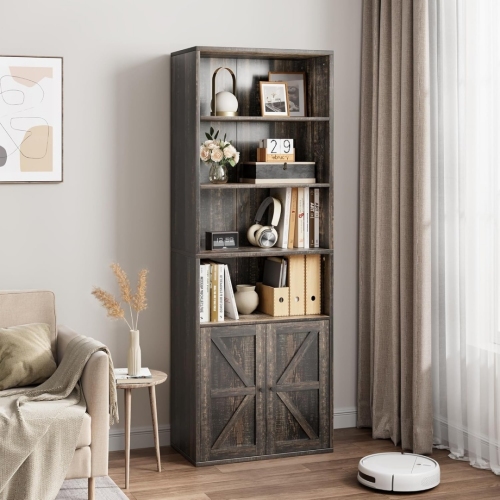
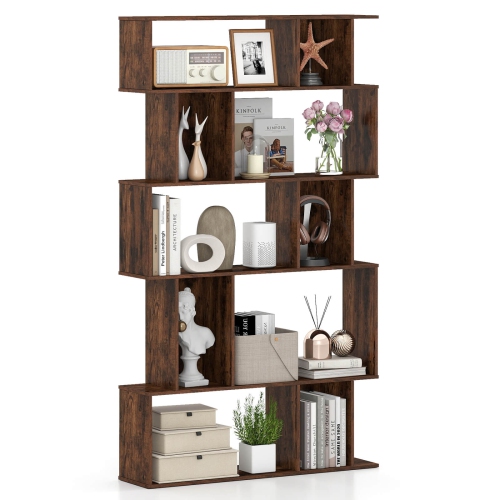

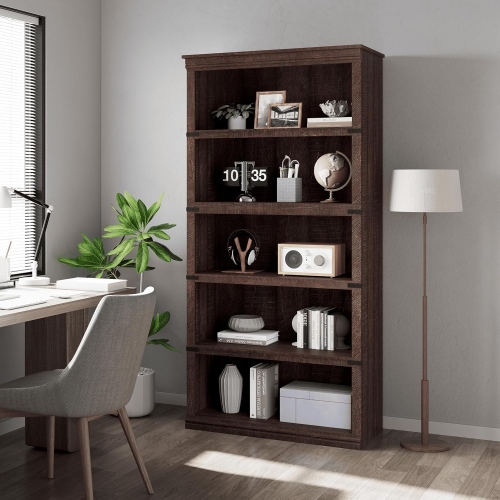
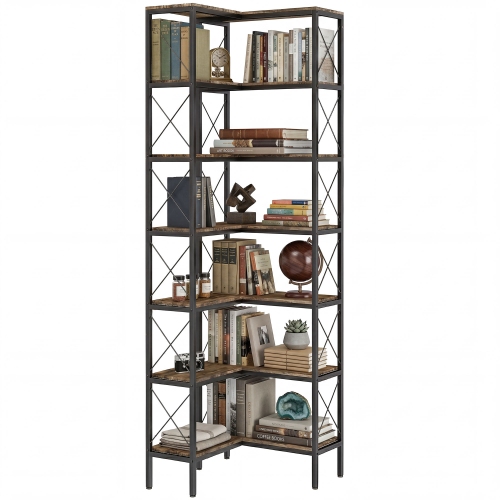
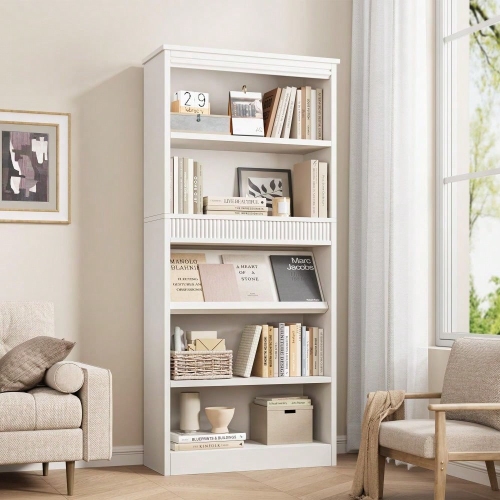

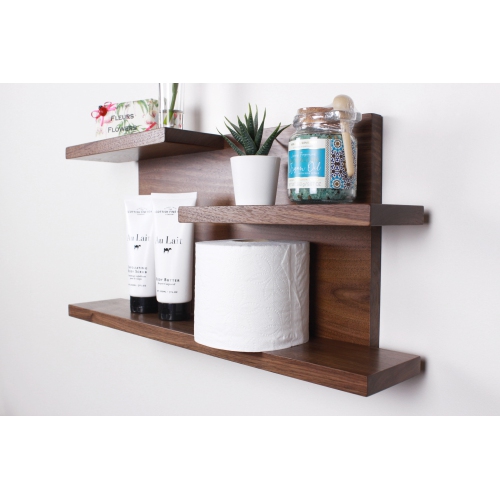
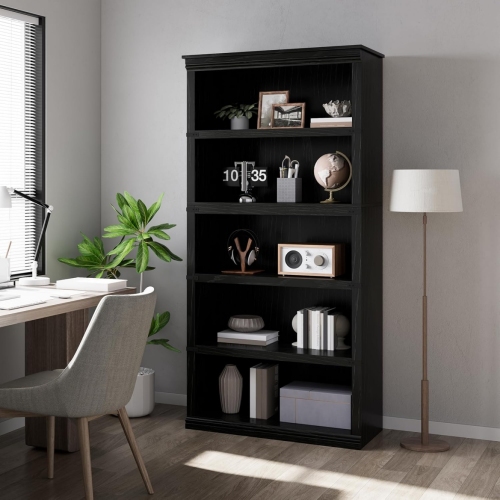
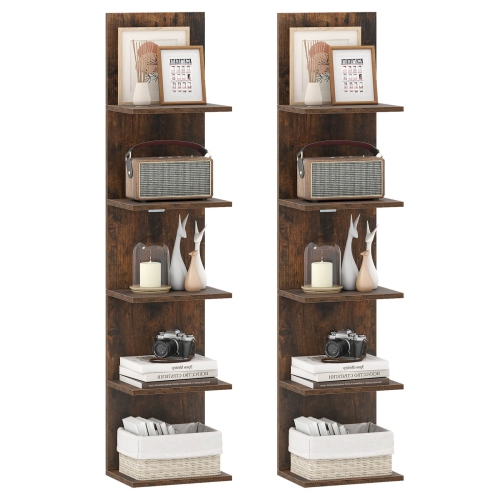
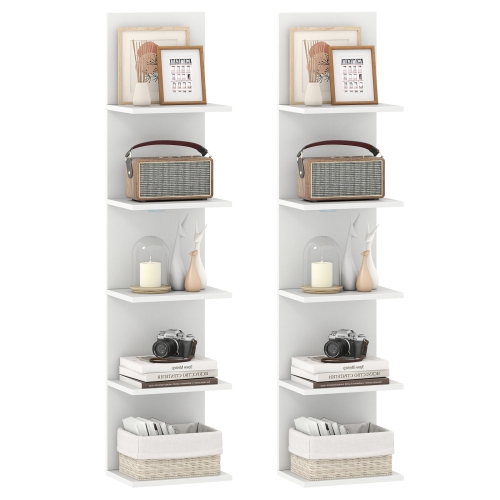
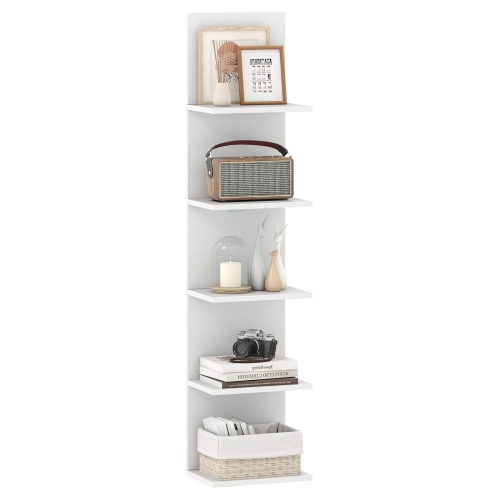
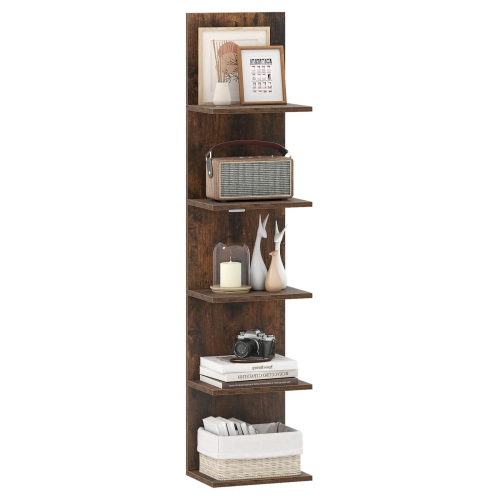
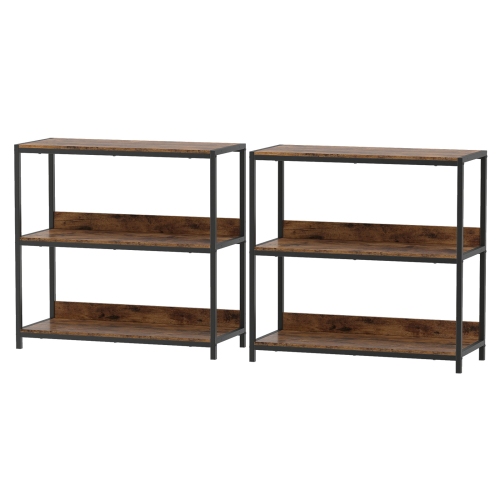
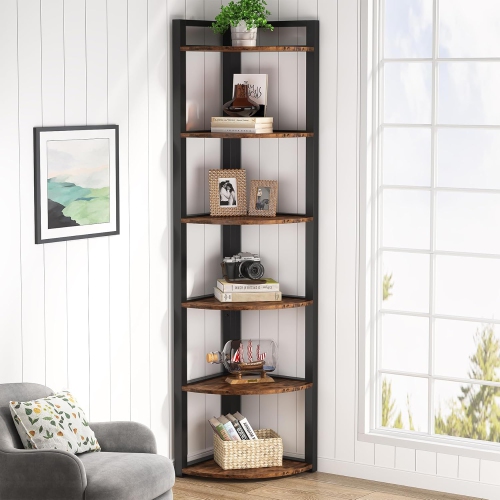
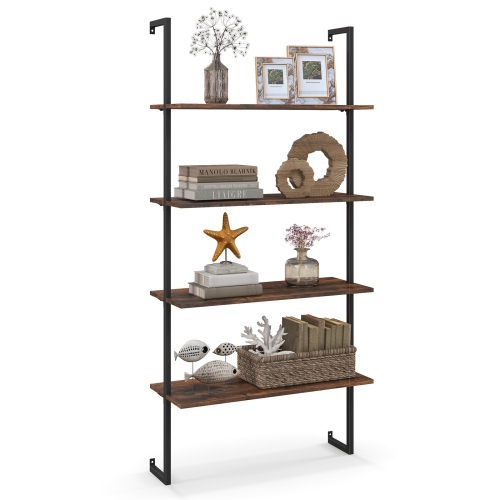
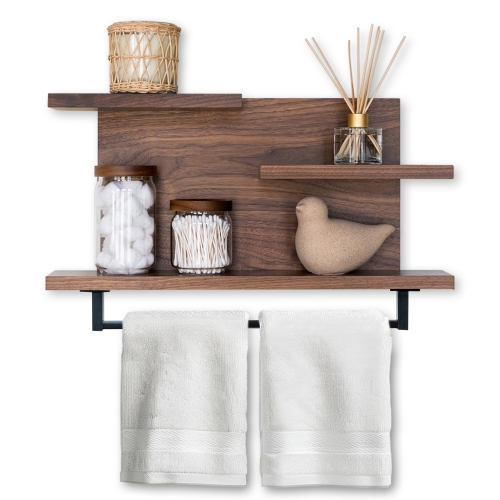

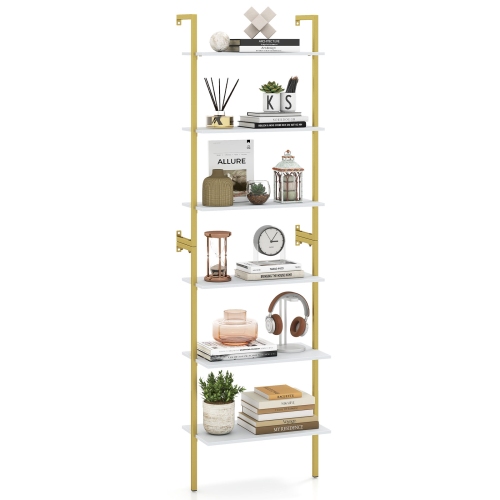
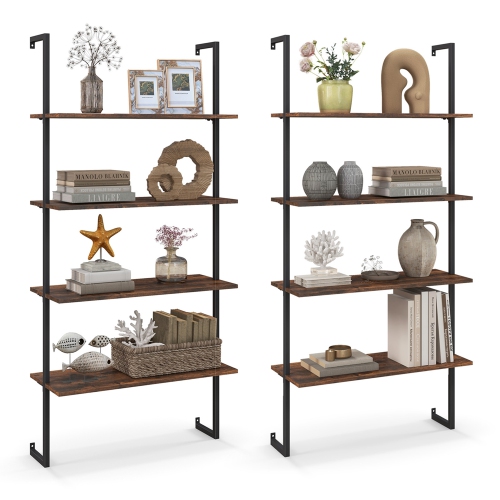
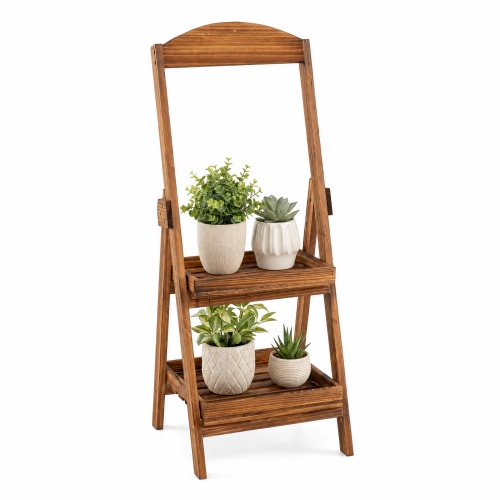
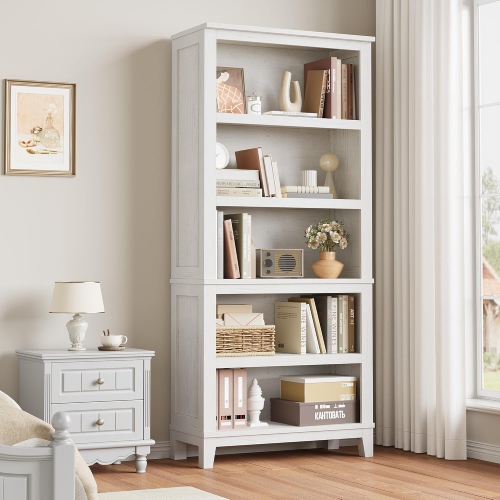
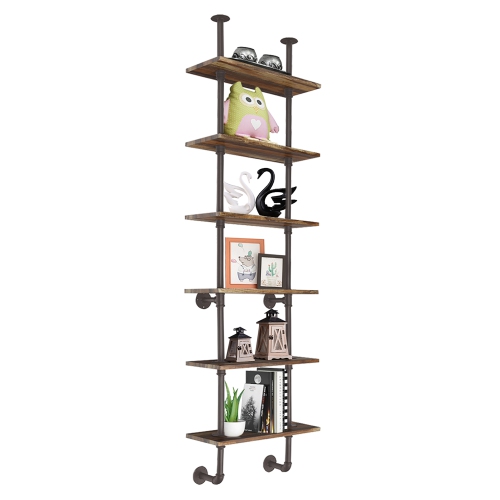
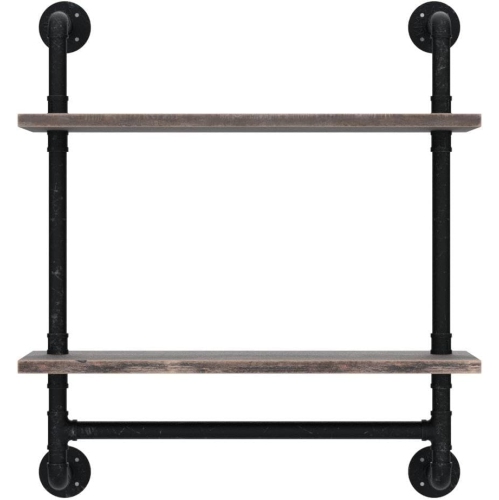
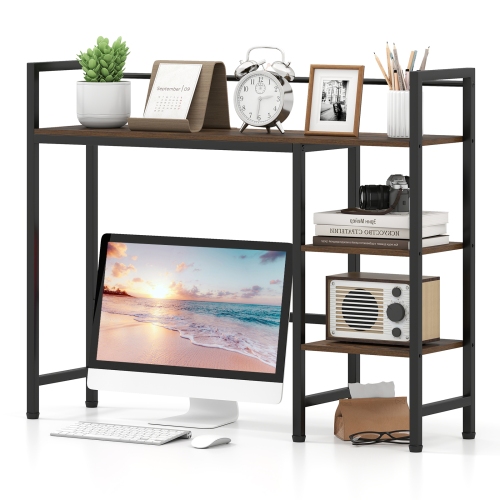
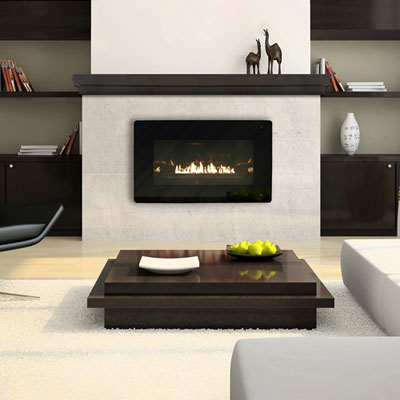
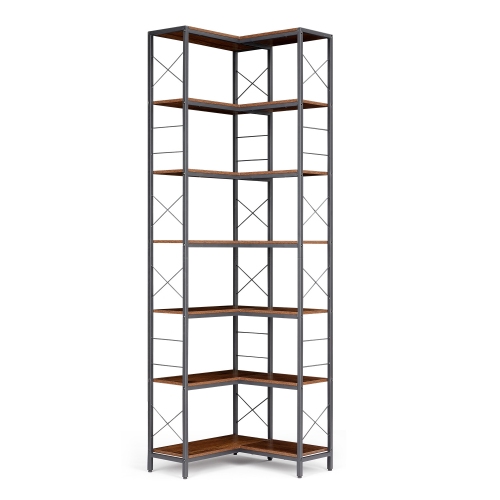
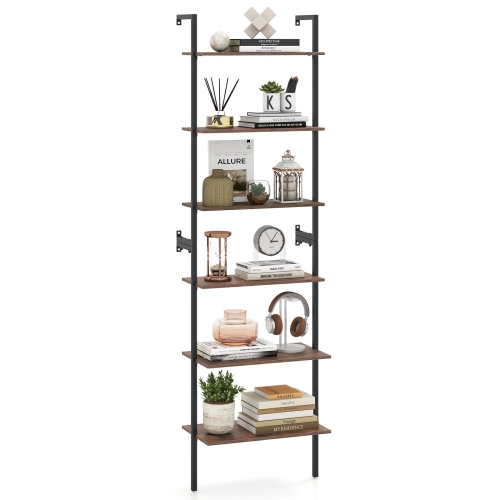
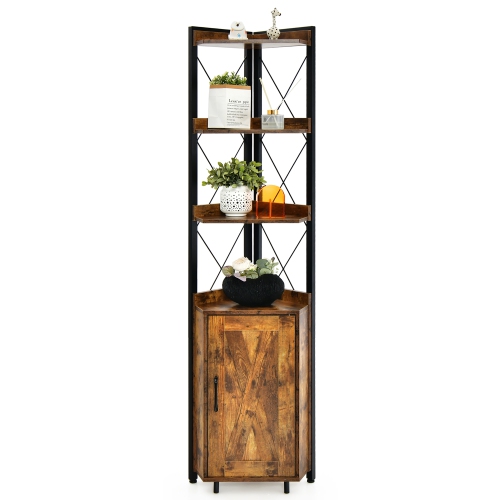
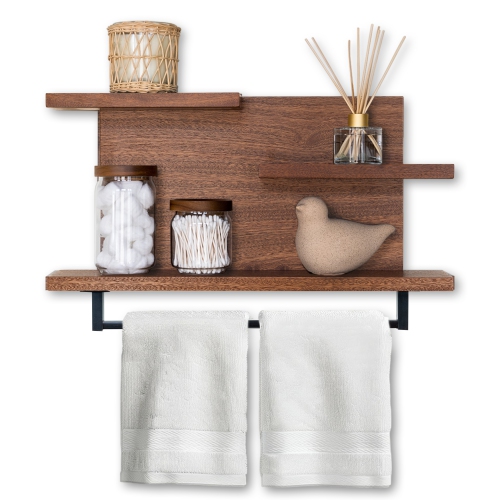
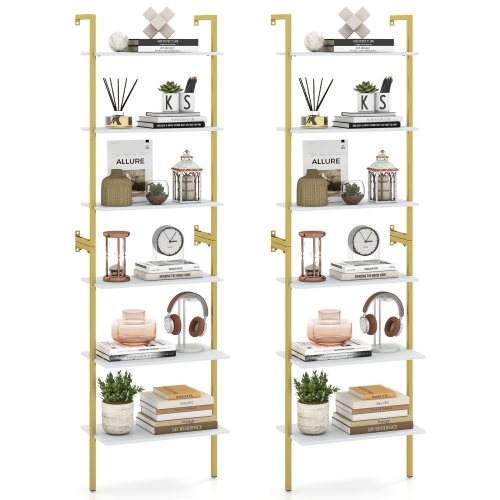
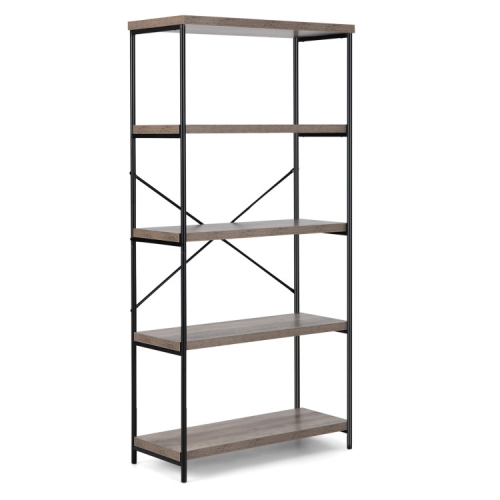
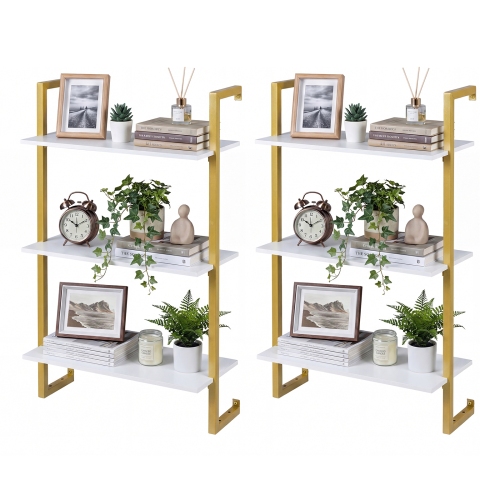
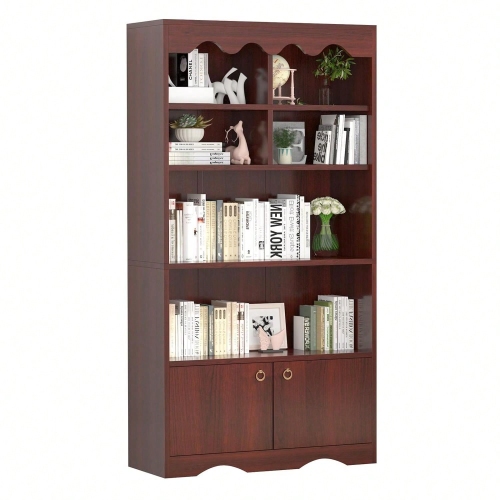
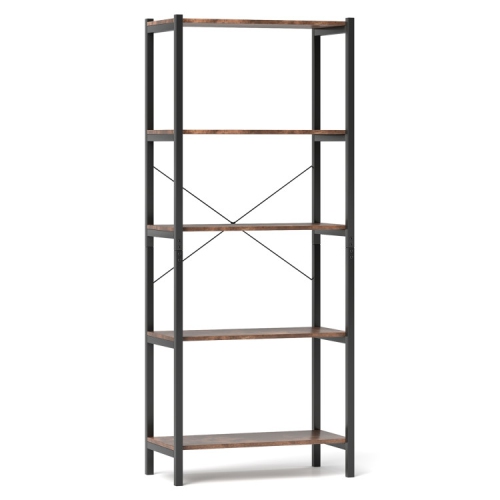
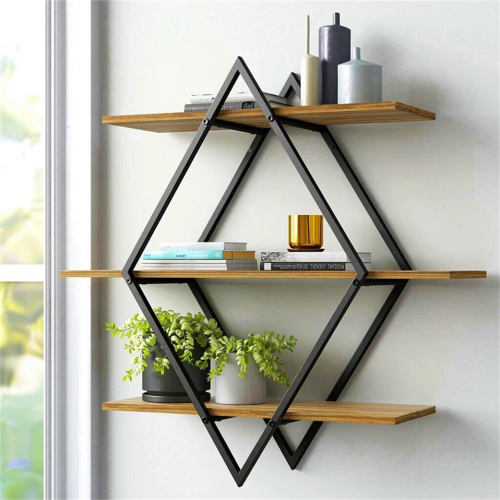
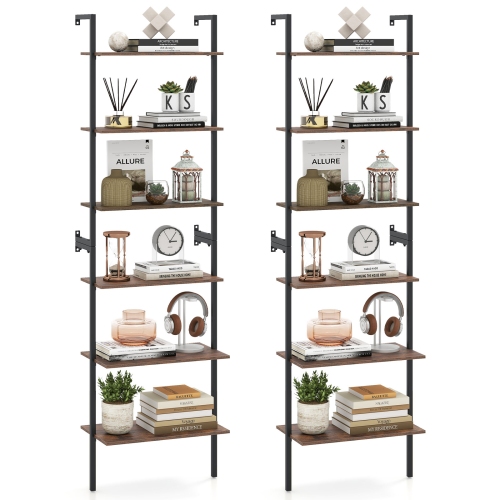
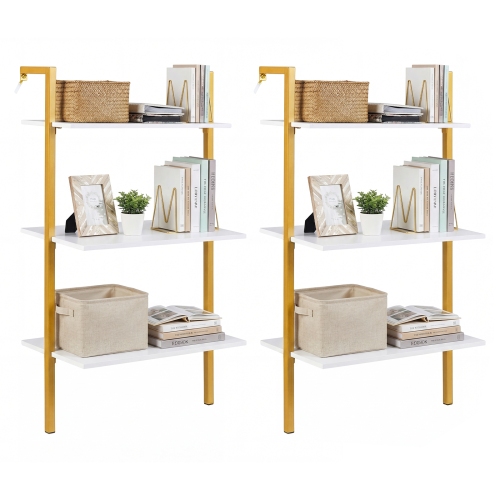

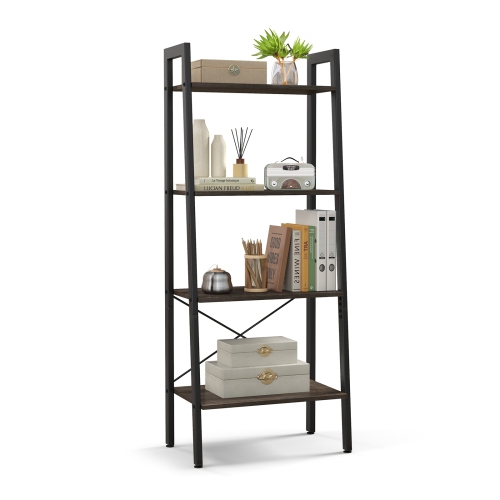
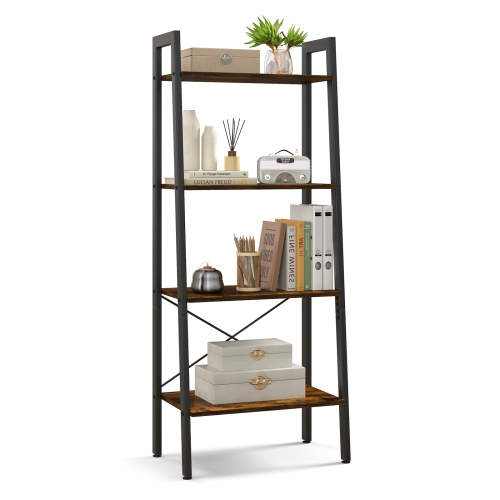
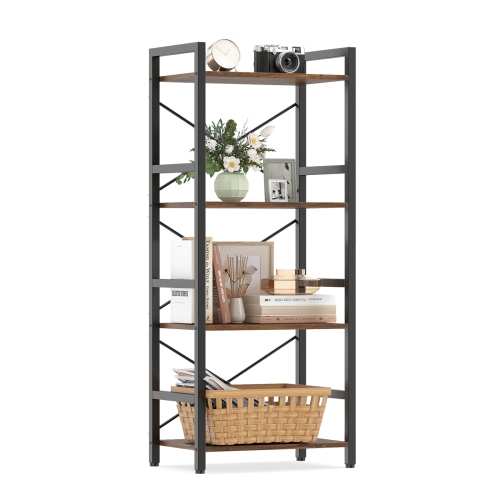
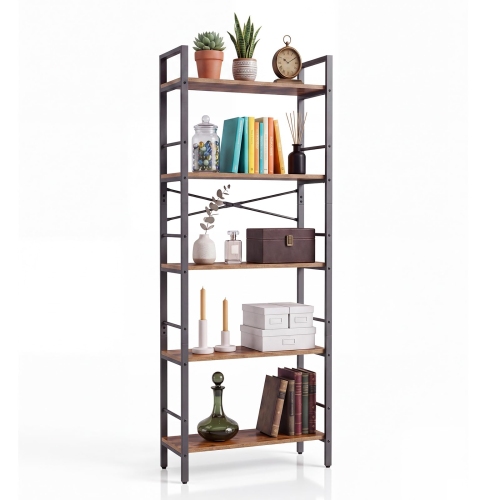
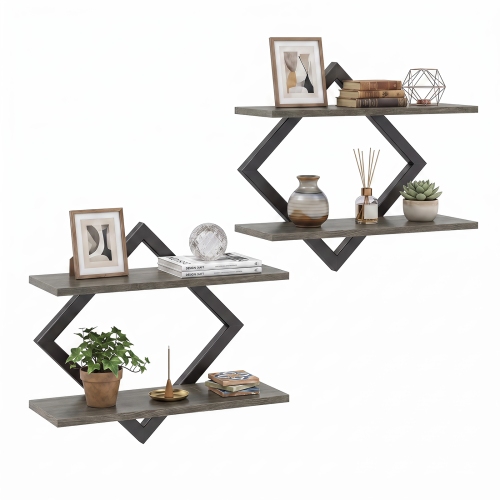
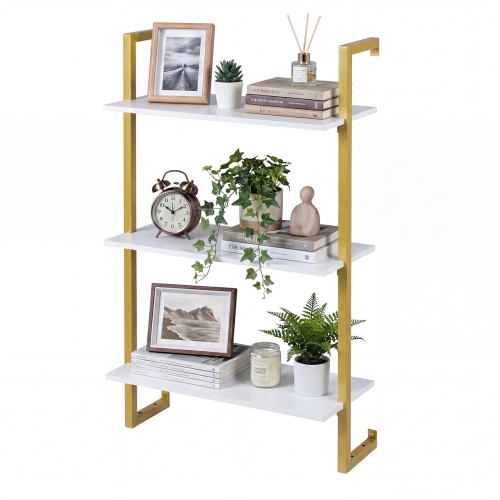
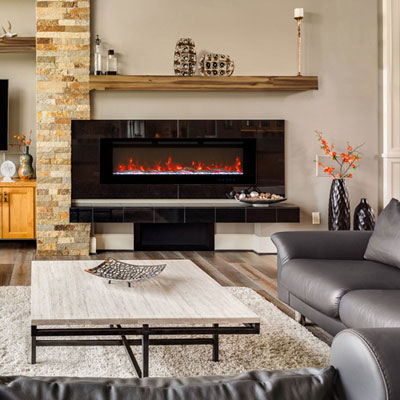
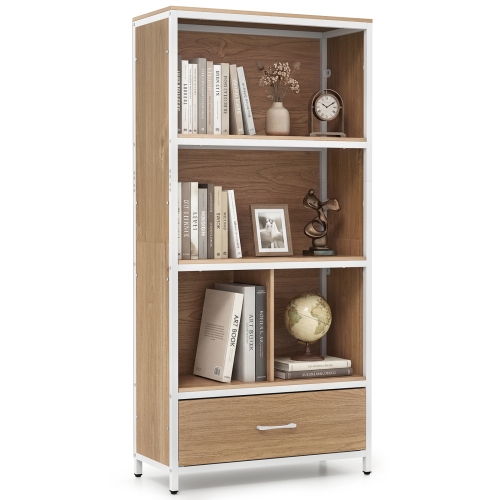
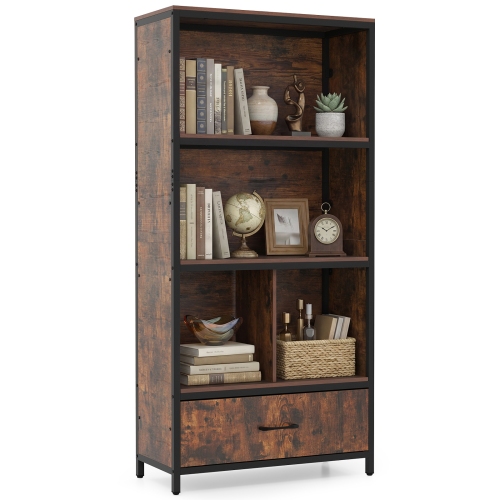
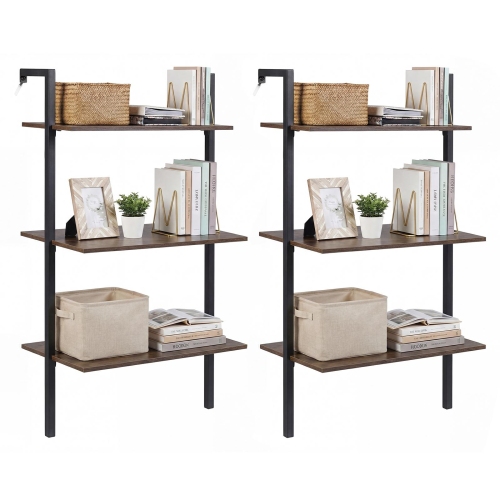
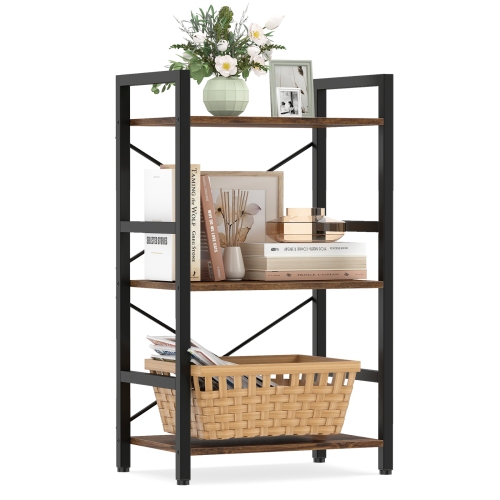
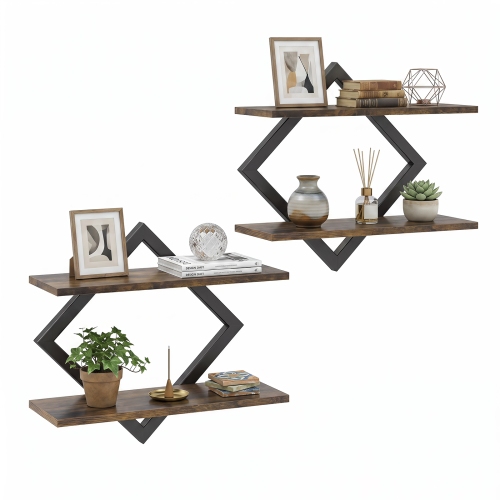
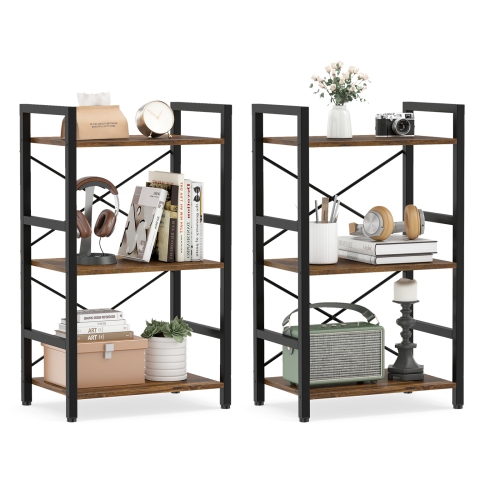
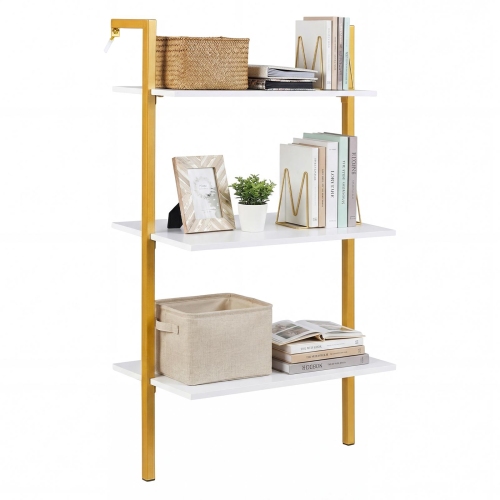
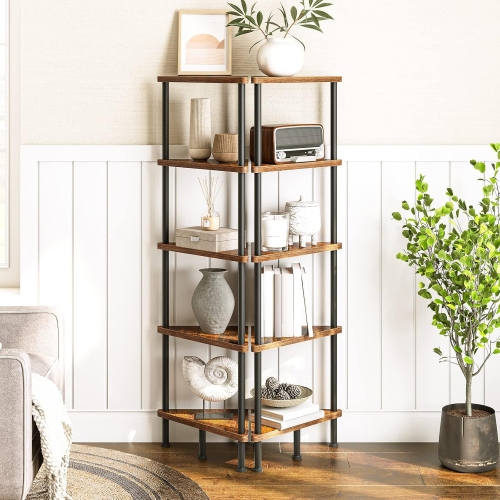
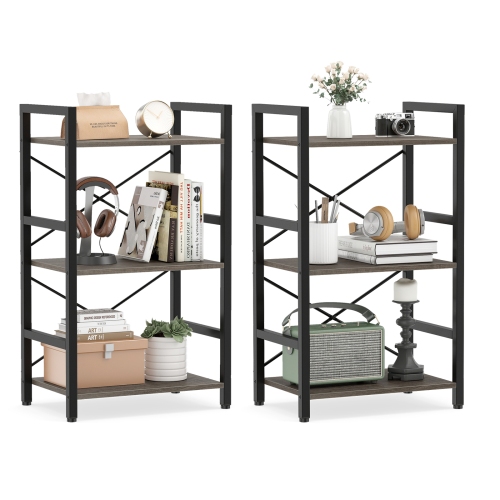
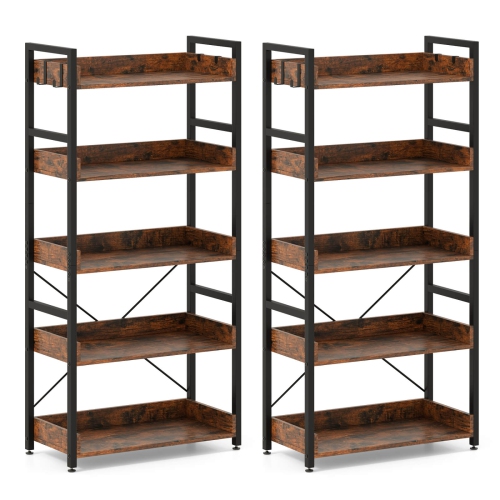
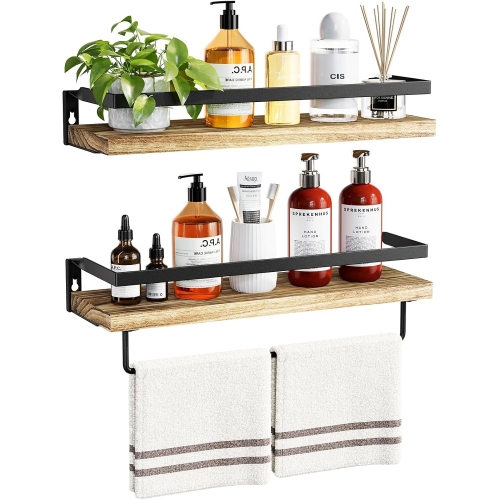
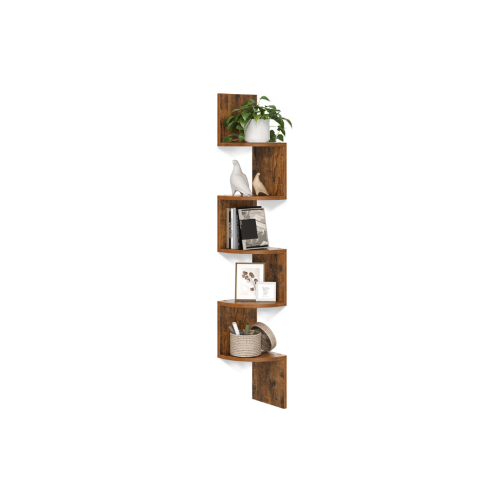
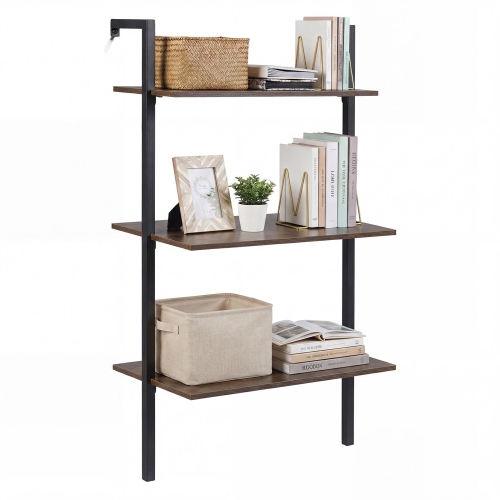
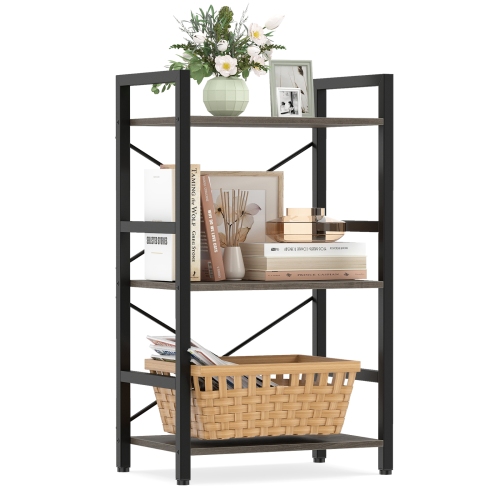
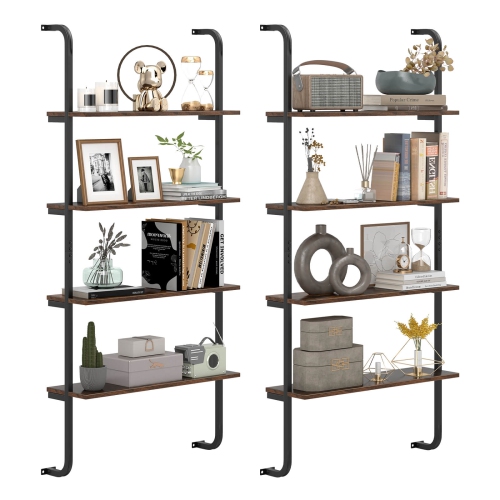
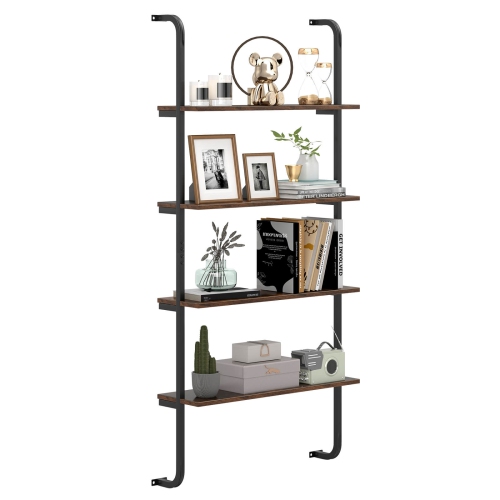
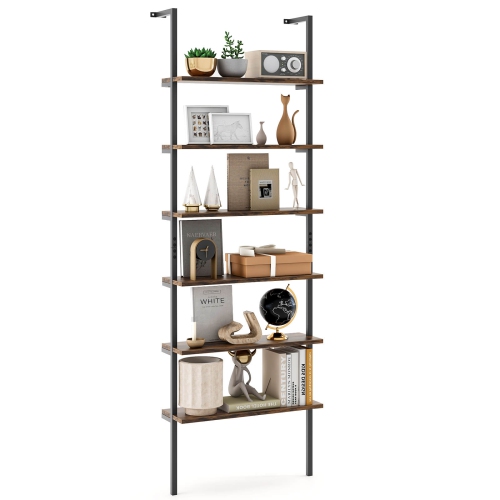

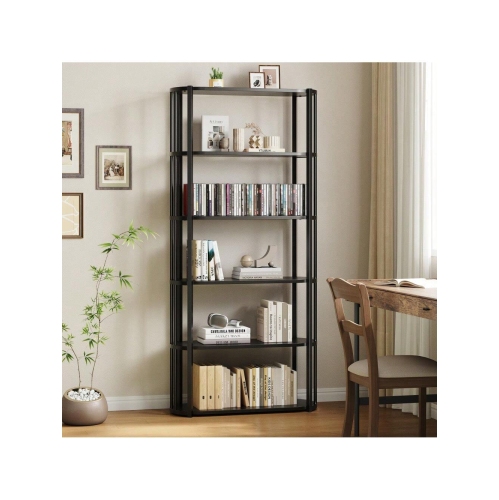
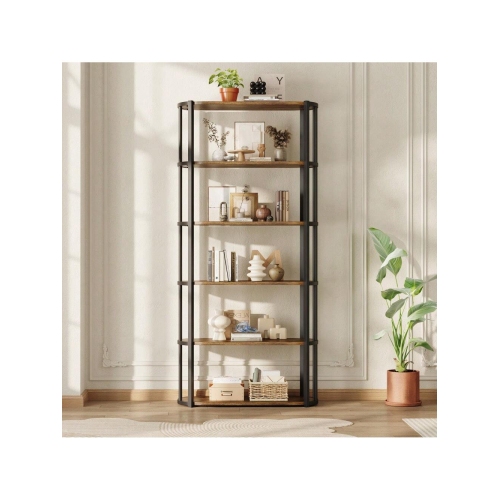
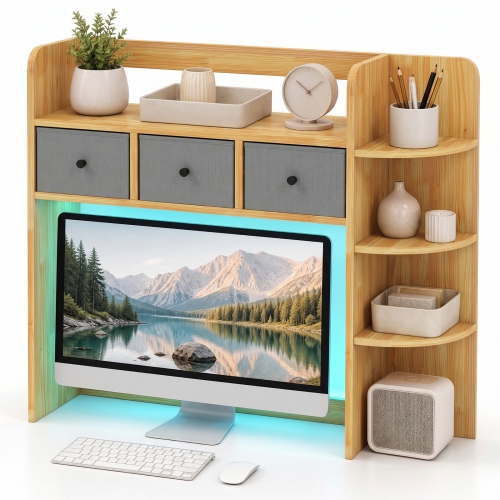
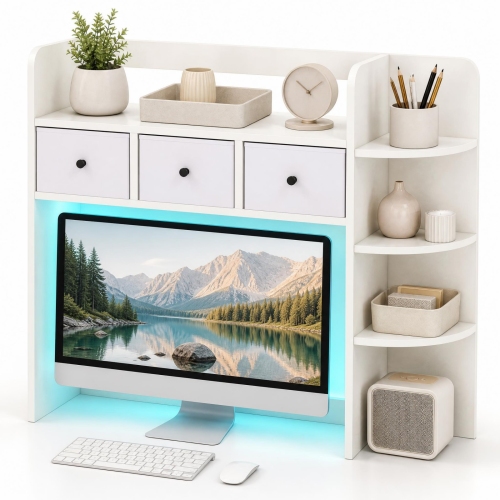
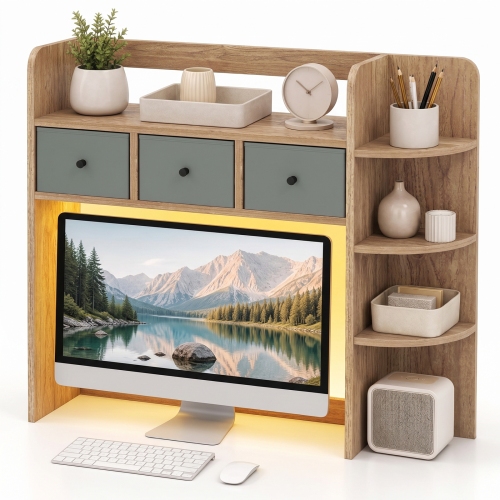
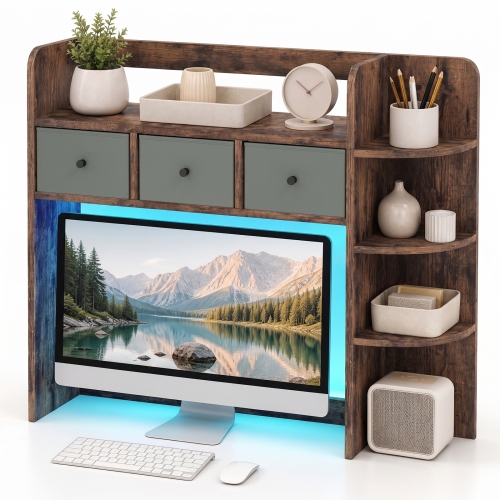
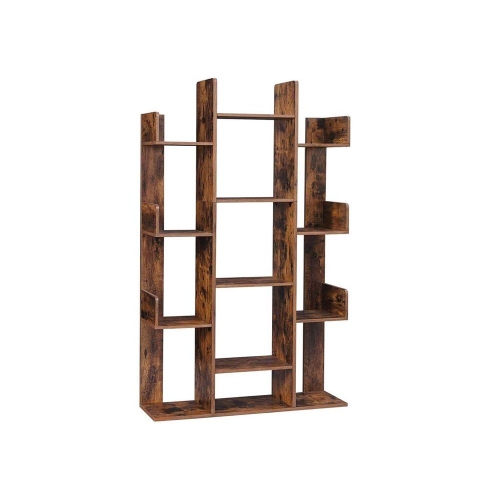
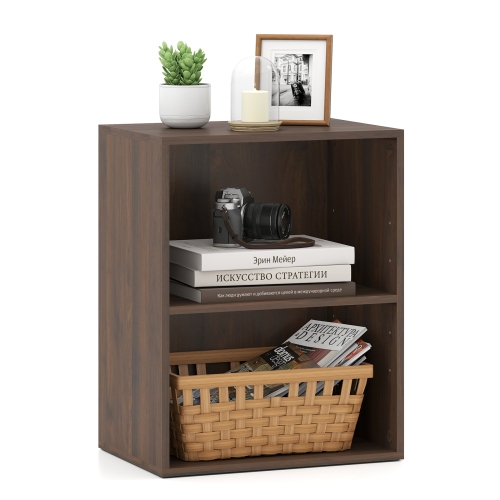
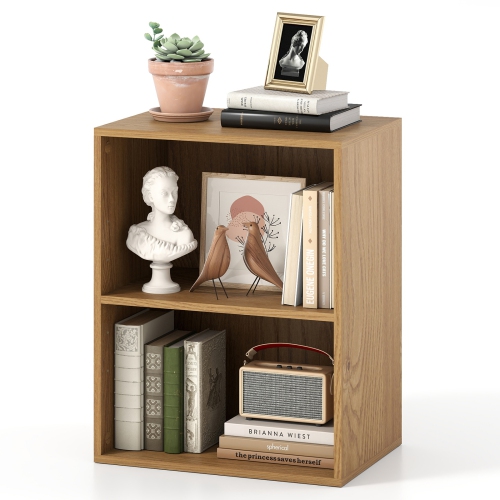
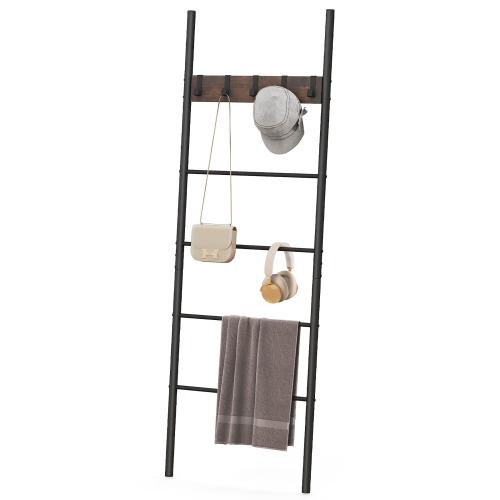

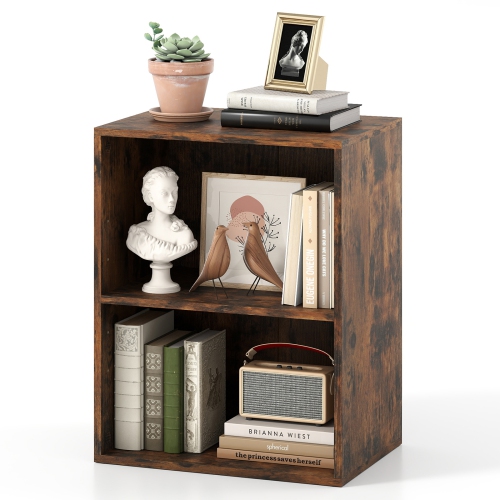
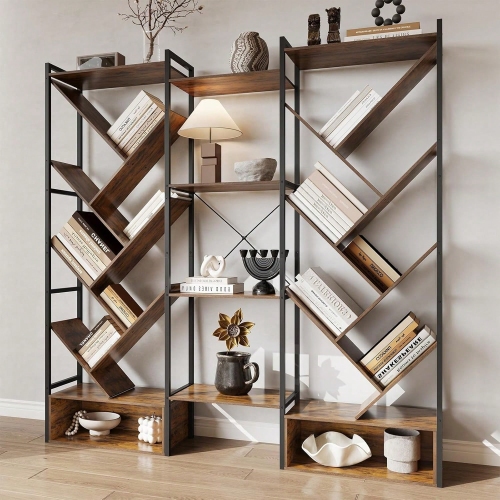
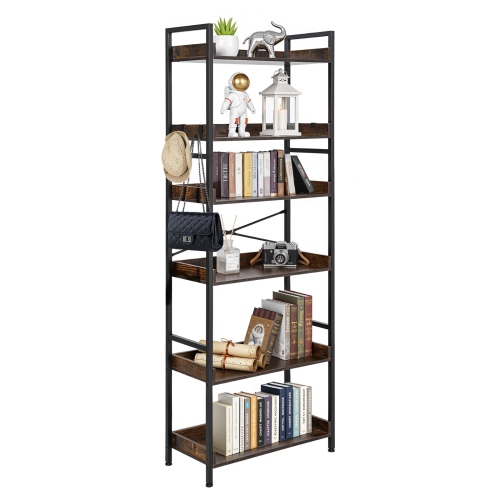
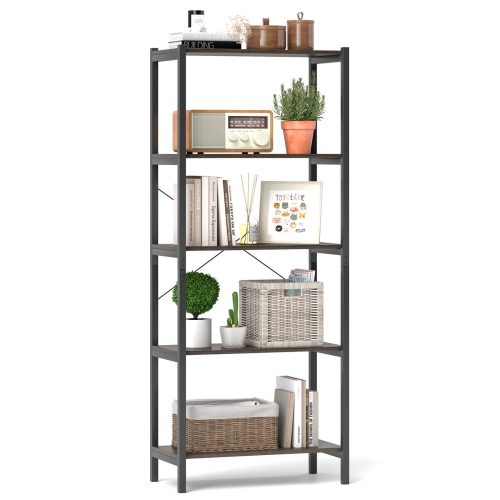
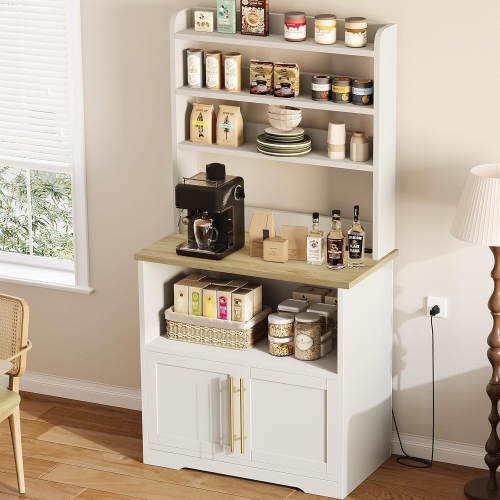
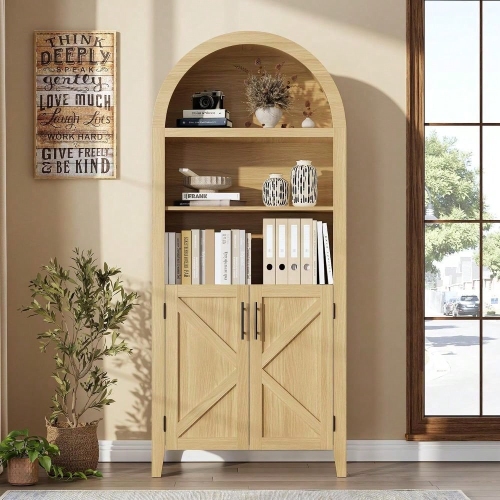
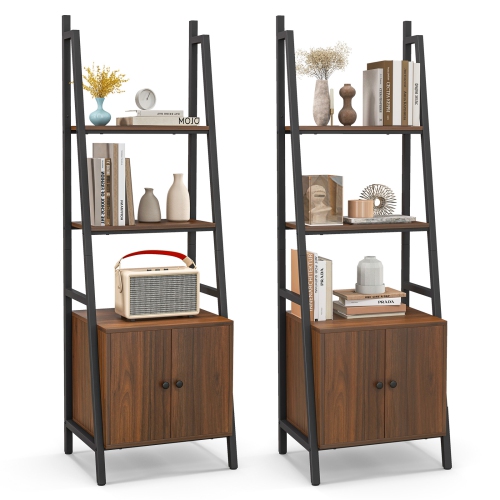
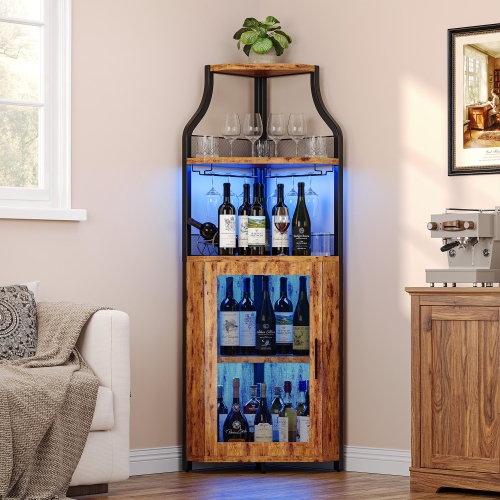
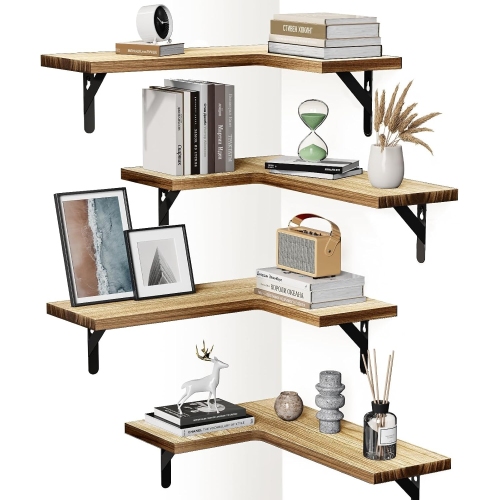
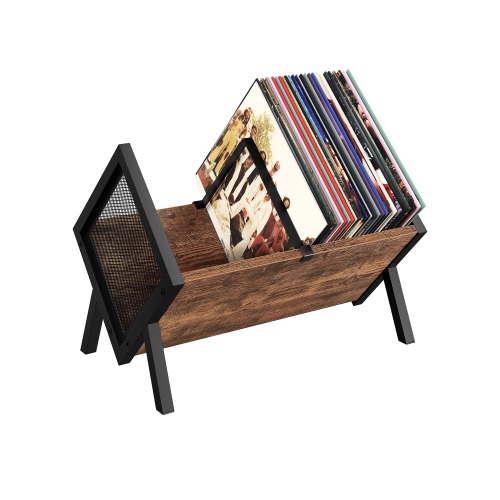
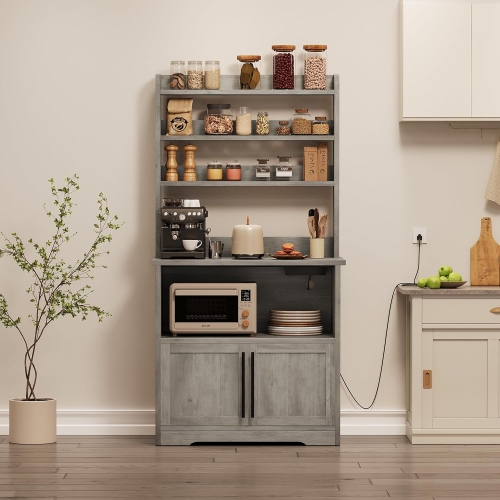
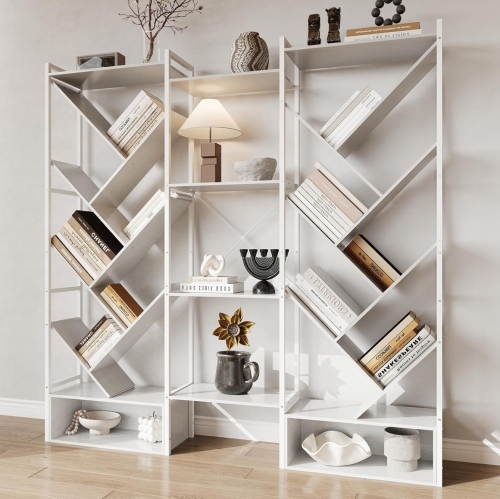
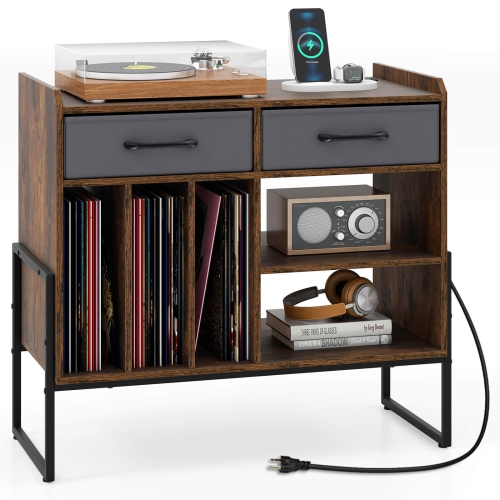

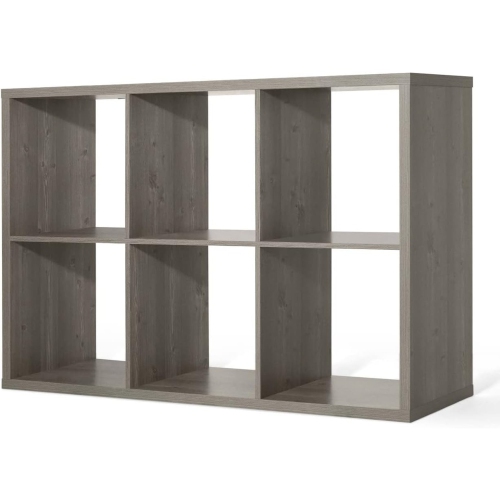
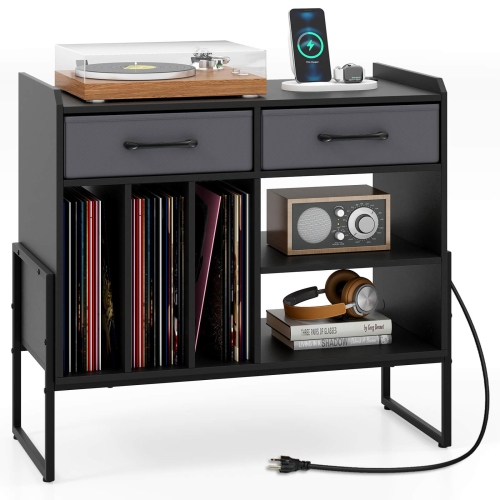
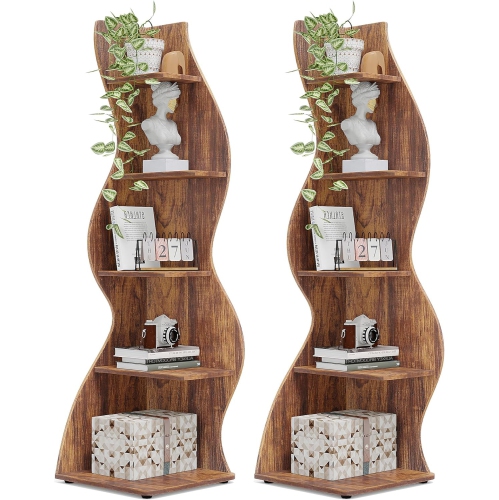
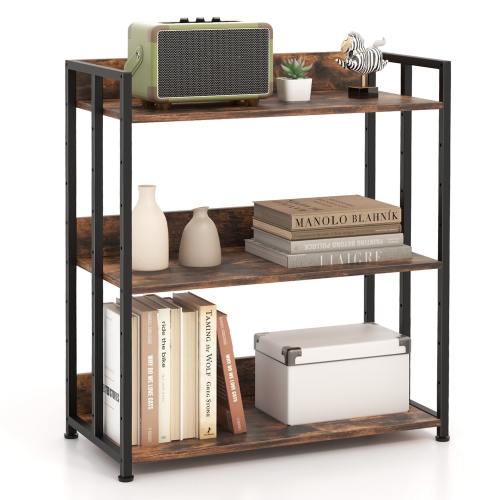
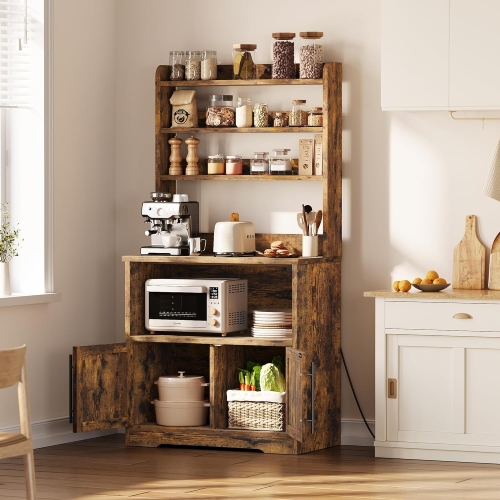
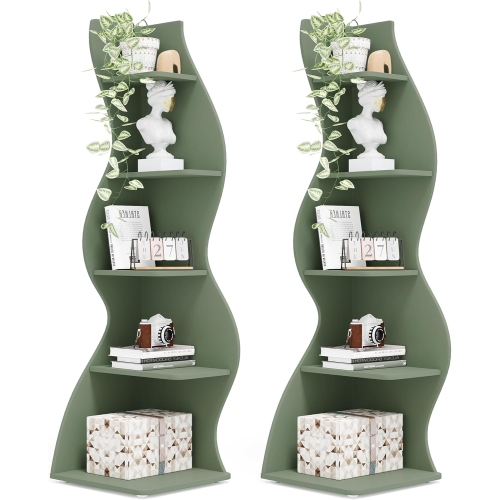
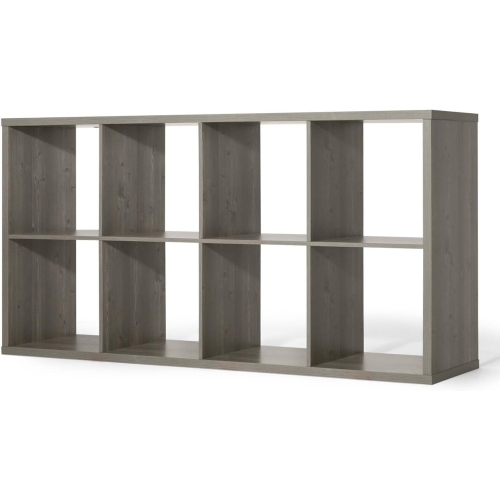
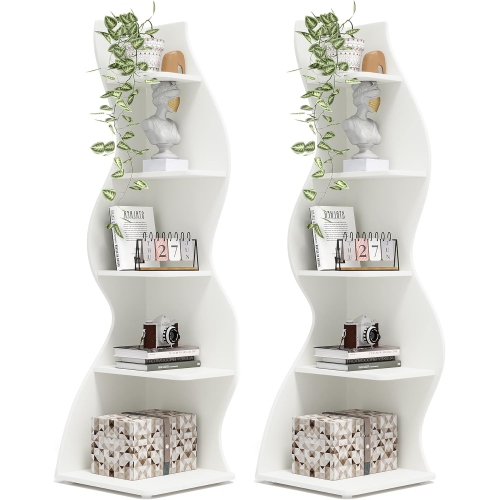
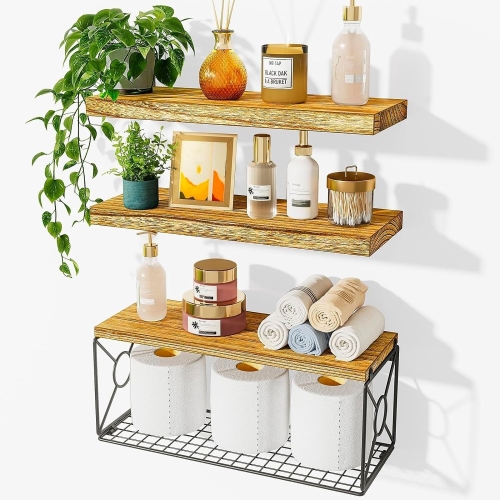
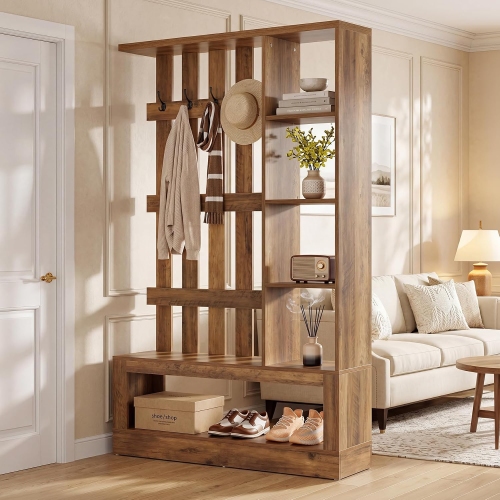
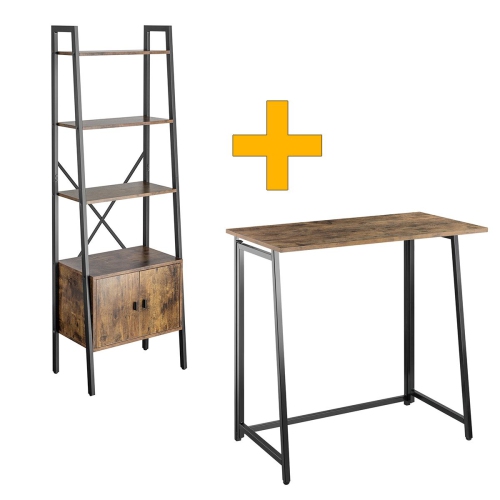
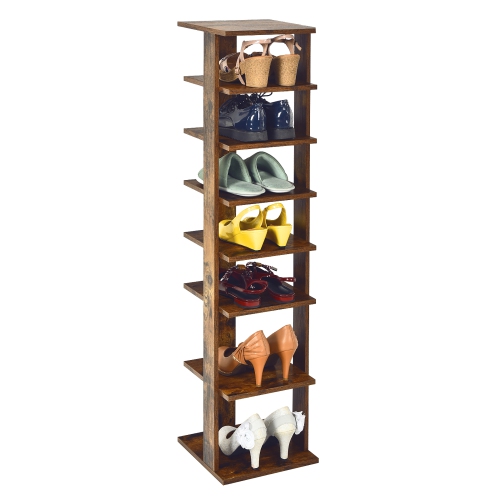
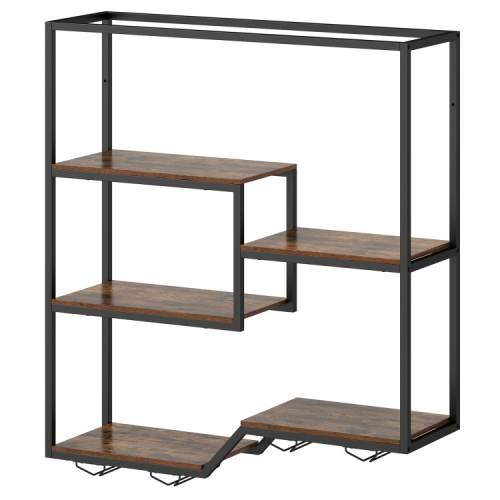
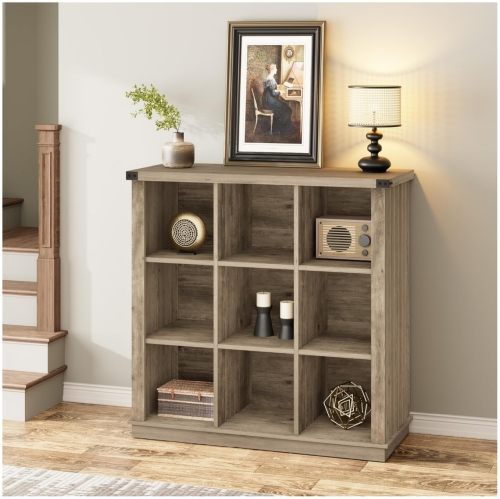
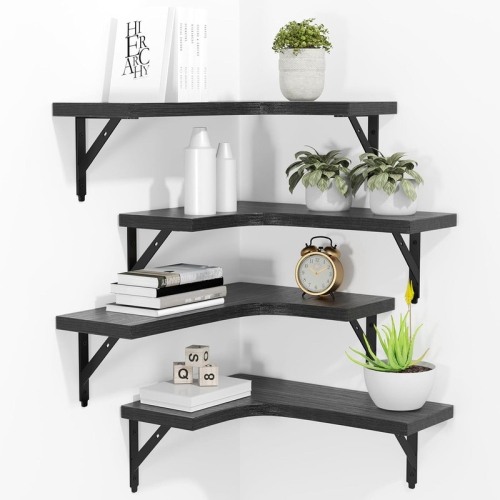
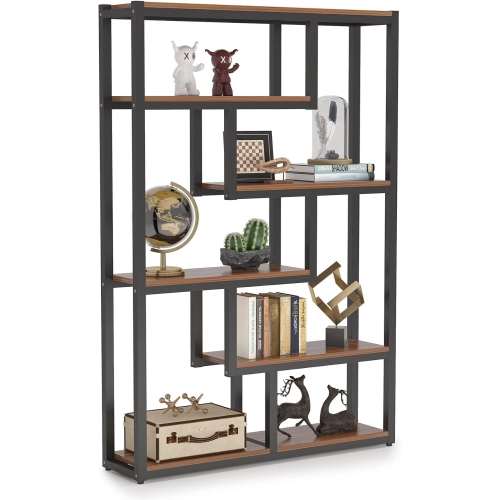
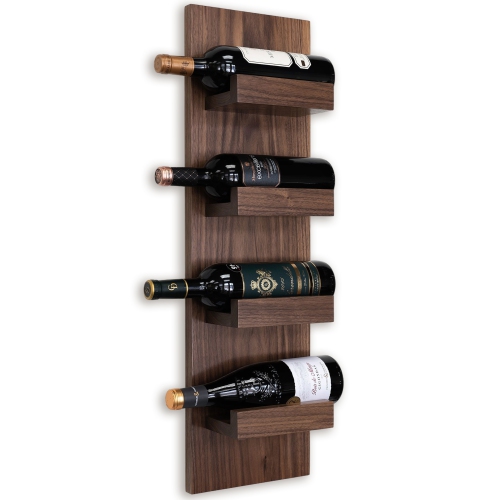
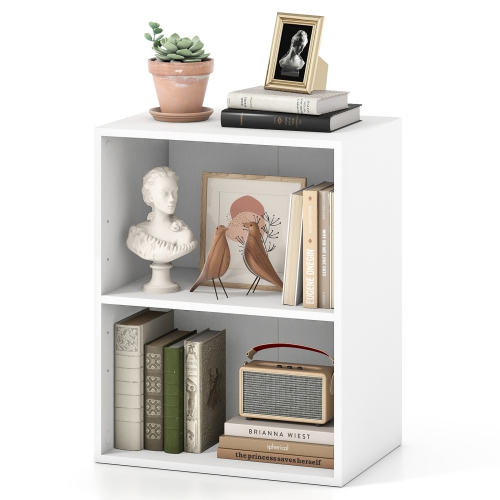
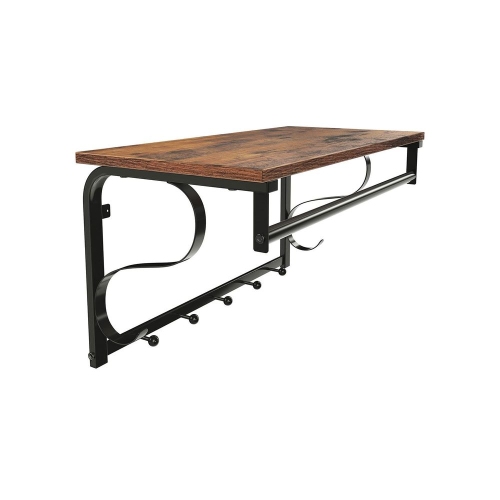
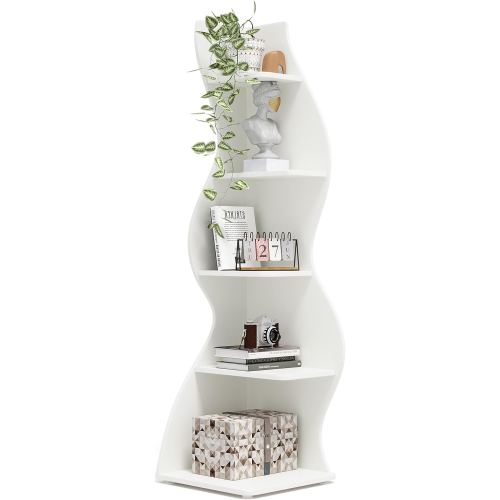
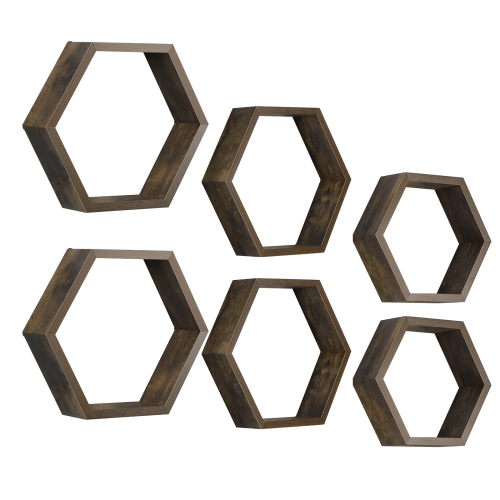
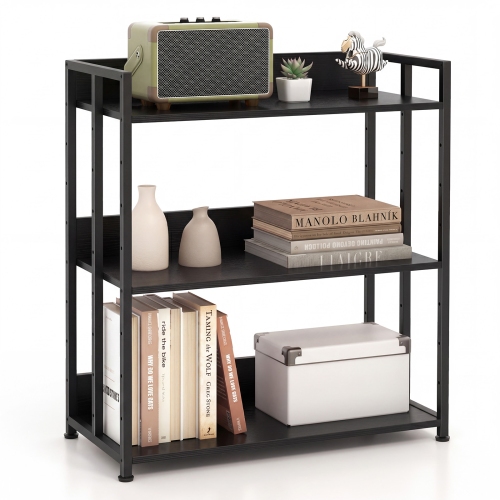
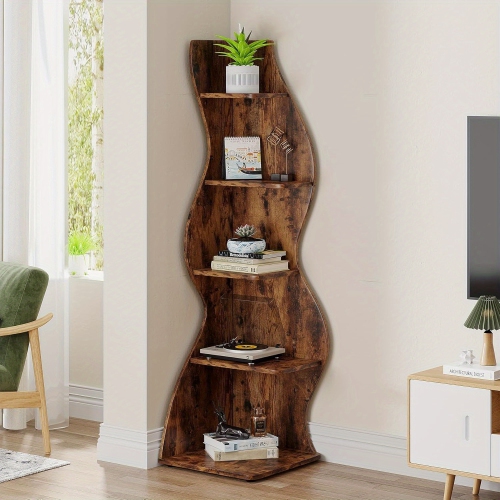
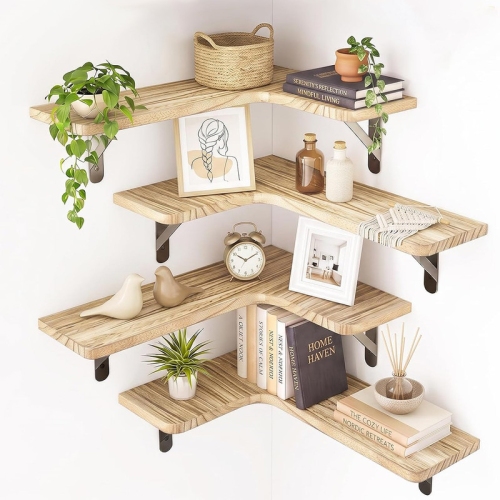
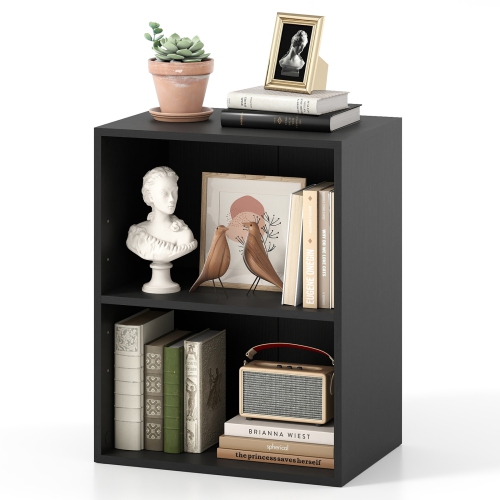

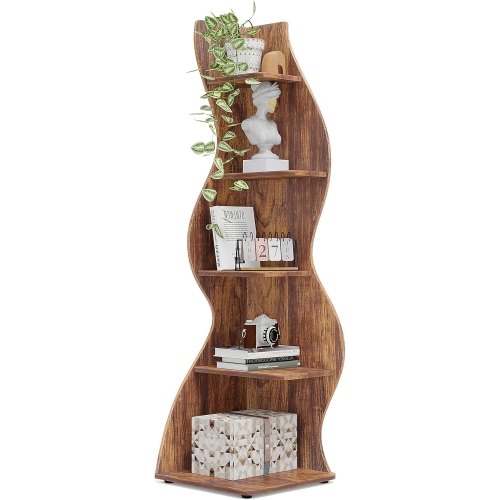
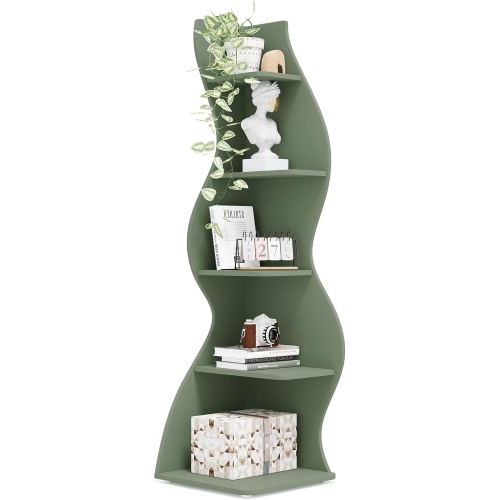
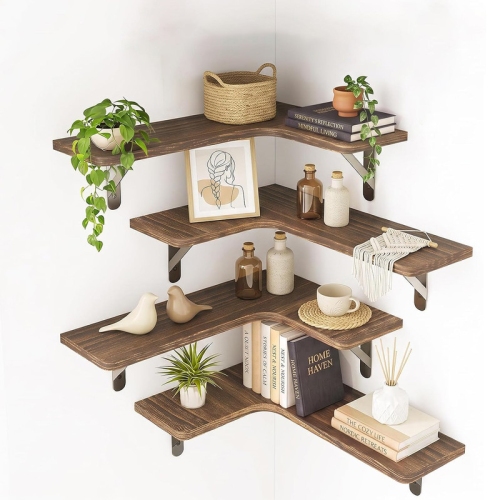
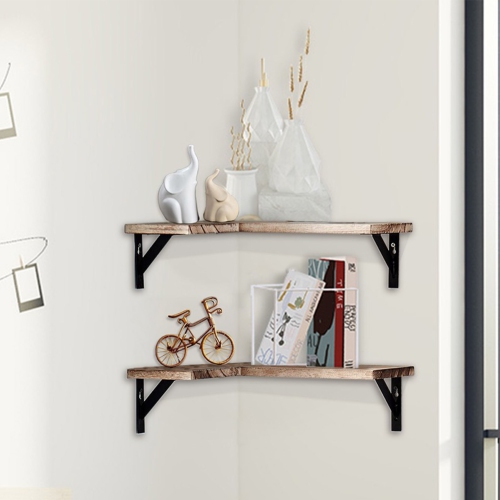
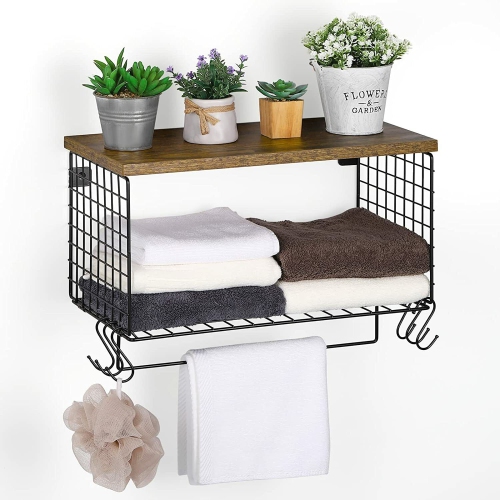
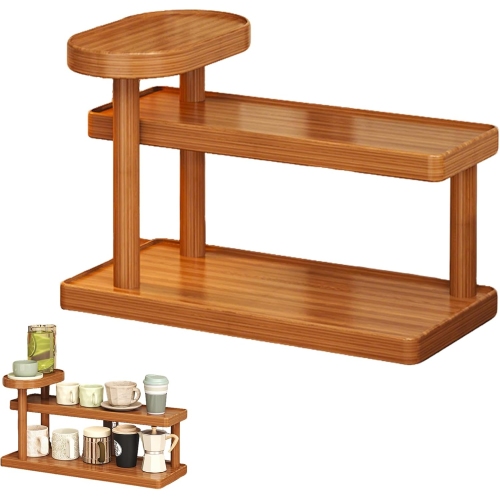
Generous storage meets the character of wood-inspired finishes
Large rustic shelves combine generous storage space with the texture and character of wood-inspired furniture. Their appeal comes from visible grain, substantial proportions, and finishes that feel relaxed rather than highly polished. A long shelf above a sideboard can bring framed photographs, pottery, and books into one cohesive display, while a tall, open shelving unit can turn an unused wall into practical storage. Rustic styling spans several looks: pale wood tones sit comfortably beside linen upholstery and light walls, warm brown finishes complement traditional furniture, and dark wood paired with black metal suits an industrial setting. Knots, brushed surfaces, uneven colour, and distressed edges may be part of the intended appearance, although the texture and variation depend on the material and finish. Large rustic floating shelves offer a clean profile with concealed supports, allowing the shelf surface and its contents to stand out. Bracketed shelves make the supporting hardware part of the design, with metal accents that can connect visually to nearby lighting, cabinet handles, or table legs. Freestanding rustic bookcases provide multiple tiers without requiring each shelf to be mounted individually, though some units still require wall anchoring for safety. These different formats suit different routines. A reader may need several levels of accessible book storage, while someone furnishing a dining room may prefer a broad display surface for serving bowls and a few favourite pieces. In a home office, rustic shelving can soften the appearance of monitors and other equipment while keeping reference books and supplies close at hand. The most useful arrangement leaves enough open space for everyday access rather than filling every centimetre. Repeating a wood tone or metal finish elsewhere in the room helps a large shelf feel connected to its surroundings, even when the furniture comes from different collections. Rustic furniture does not need to match perfectly; a shared undertone or similar hardware often provides enough continuity without making the space feel overly coordinated.
Materials, construction, and support determine how large rustic shelves perform beyond their appearance. Solid wood can show distinctive grain and natural variations from one board to the next, with pine often offering a visibly knotty look and hardwoods such as oak providing a different grain pattern and surface character. A wood veneer gives a shelf a real wood surface over a core material, while laminate and other decorative finishes can reproduce a rustic appearance with a more consistent pattern. None of these descriptions alone establishes how much weight a shelf can carry. Shelf thickness, the distance between supports, bracket design, joinery, and installation all affect its suitability for a particular load. A long span filled with hardcover books places different demands on a shelf than a display of small photographs and lightweight baskets. Published weight limits should be checked for each shelf or tier, including whether the rating assumes an evenly distributed load. For wall-mounted designs, the stated capacity also depends on the required hardware and wall construction. Fastening into studs or structural backing may be necessary; a fixing intended for one wall type should not be assumed suitable for another. Concealed floating-shelf supports need just as much attention as visible brackets, particularly when the shelf projects farther into the room. Freestanding units need a level base and any anti-tip restraints specified by the manufacturer, especially in homes with children or pets. Fit involves more than overall width. The full height, usable depth, spacing between tiers, and clearance around doors or nearby furniture all affect day-to-day comfort. A broad but shallow shelf can work well for framed pictures, while larger storage baskets and serving pieces need more front-to-back room. For storage that prioritizes that extra dimension, Deep Rustic Shelves offers a related shelving style to consider. Measuring the objects intended for storage helps distinguish between a shelf that looks substantial and one that actually accommodates them, with enough room to lift pieces out without catching the shelf above.
The intended room also influences which details matter most. In a living room, large rustic shelves can frame a seating area or provide a home for books, artwork, and small speakers without the visual bulk of enclosed cabinetry. Shelving used near electronics should leave the ventilation space required by the equipment and allow cables to pass without being pinched. In a kitchen or dining area, an easy-to-wipe finish is helpful for open storage, and frequently used dishes belong within comfortable reach on shelves rated to support them. A bathroom calls for a finish specifically suited to moisture exposure rather than an assumption that every wood-look surface can tolerate splashes. In an entryway, baskets can contain gloves, dog leads, and everyday accessories, while clear walking space keeps a deep shelving unit from becoming an obstacle. Shared rooms often benefit from a mix of display and concealed storage: a few open sections show off the rustic texture, and fitted bins keep loose belongings organized. Care is generally straightforward but should follow the instructions for the particular finish. A soft cloth removes dust from broad surfaces, while a soft brush can help with textured grooves and the corners around brackets. Spills should be wiped up promptly, and excess water, abrasive pads, or harsh cleaners may damage a coating or leave marks. Felt pads beneath pottery and other rough-bottomed objects help prevent scratches when displays are rearranged. Oils, waxes, and furniture polishes are not interchangeable, so they should only be used when suitable for the surface. Over time, checking for loose hardware, movement at wall fixings, or visible sagging helps identify a shelf that needs attention before it is loaded further. For a housewarming gift or a shared furnishing purchase, rustic shelving is most practical when the recipient’s measurements, preferred finish, and installation needs are known. Its lasting usefulness comes from balancing an inviting appearance with dependable construction and dimensions that suit the belongings it will hold.
Top selling and popular products
-
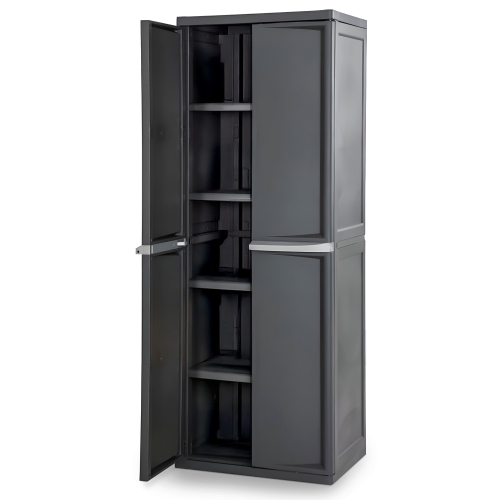 Your price for this item is $576.99
-
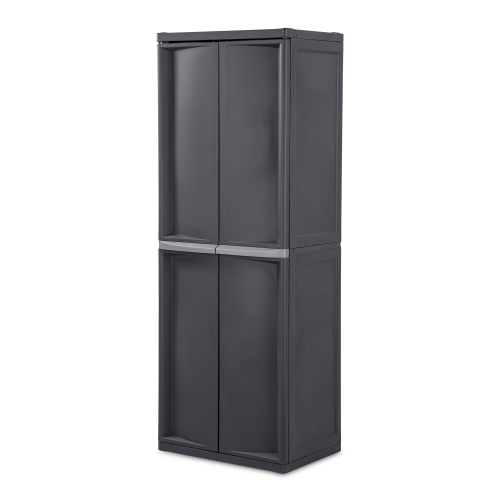 Your price for this item is $1132.99
-
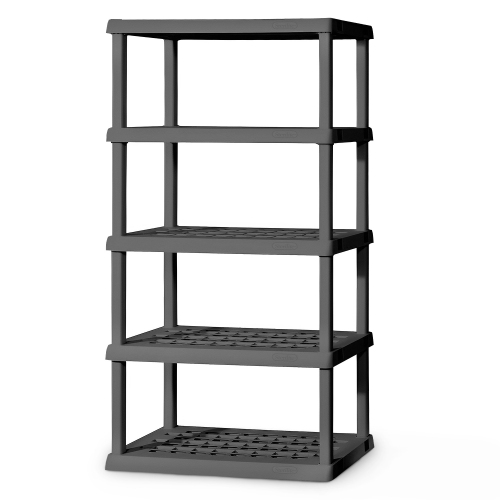 Your price for this item is $356.99
-
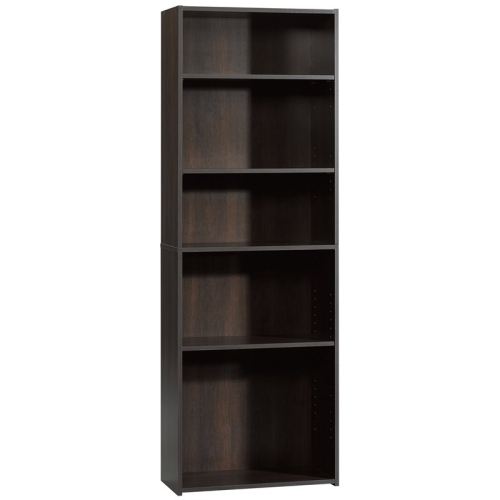 Your price for this item is $208.99
-
 Your price for this item is $169.99
-
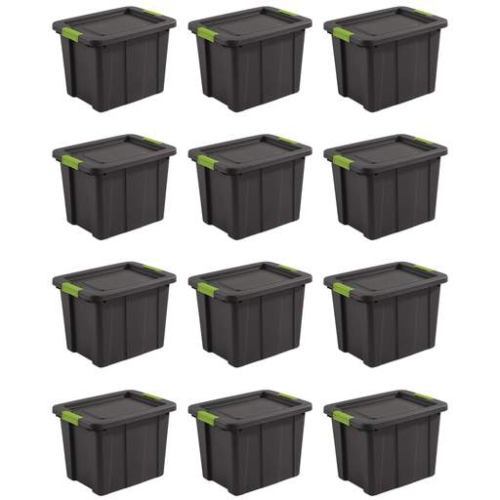 Your price for this item is $604.99
-
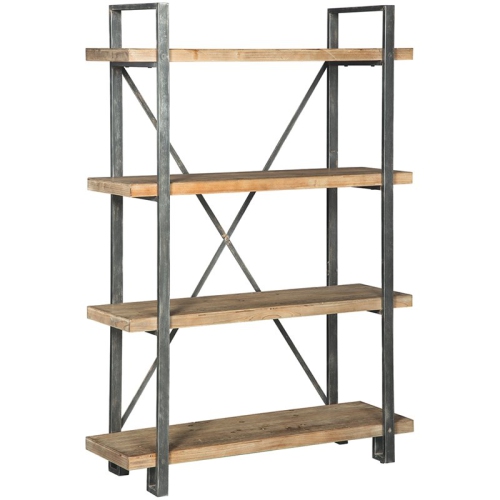 Your price for this item is $599
-
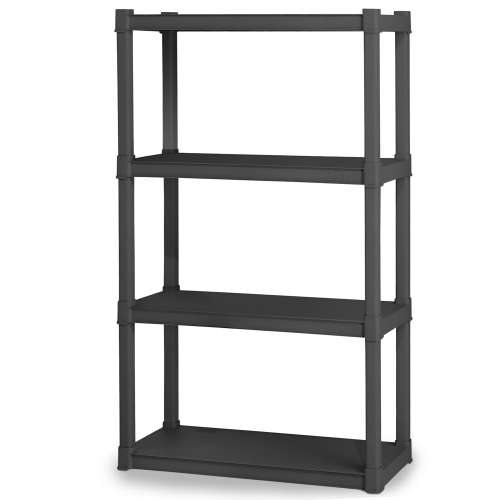 Your price for this item is $254.99
Discover more categories related to Large Rustic Shelves
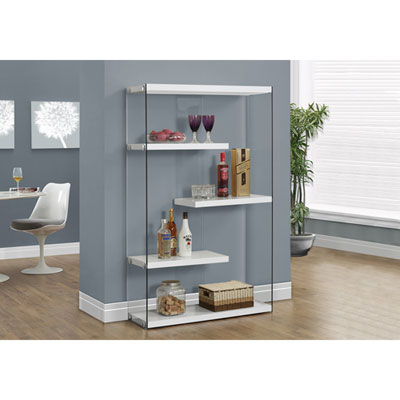
Top Collections:
Best Black Friday Deals This Year, Best Black Friday Deals On Electronics, Kindle Devices, Pokemon Centers, Best Black Friday Deals On Apple Products, Best Cameras for Sports Photography, Dyson Airwrap, Pokémon 30th Celebration Cards, Apple iPhone 17 Pro, Canon G7X Cameras
Some products may be subject to Environmental Handling Fees
(EHF) depending on your province.
Learn more about EHFs.