White Metal Bookshelf
A metal bookshelf is a great way to add storage and style to your home. White metal shelves are durable, easy to clean, and can match any color scheme. Here are some of the best white metal bookshelves available today.
Sort
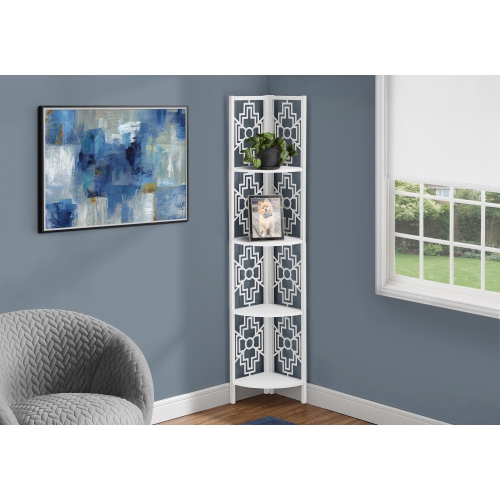
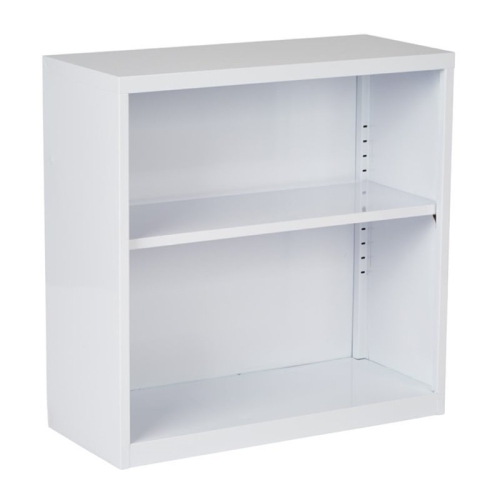
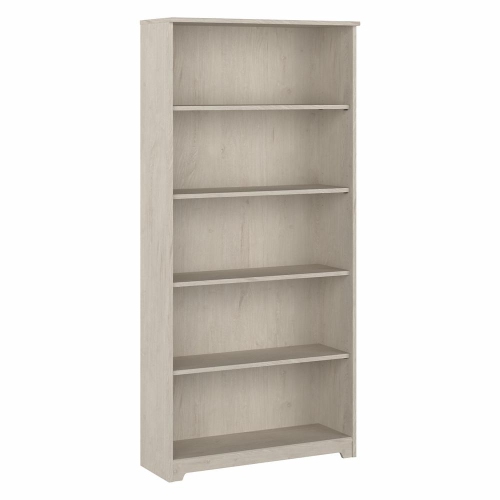
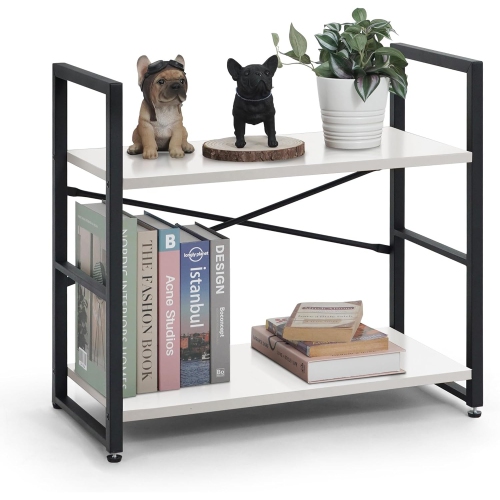
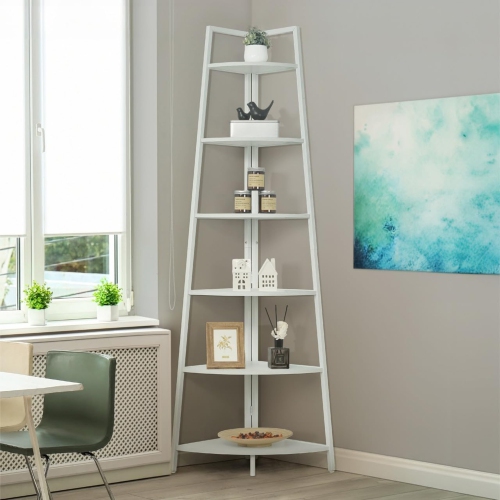
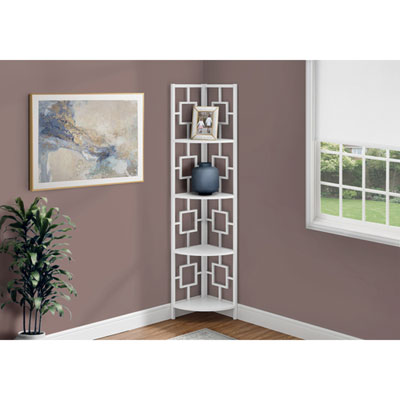
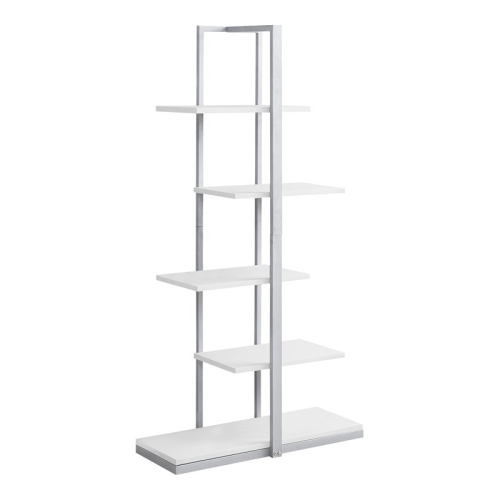

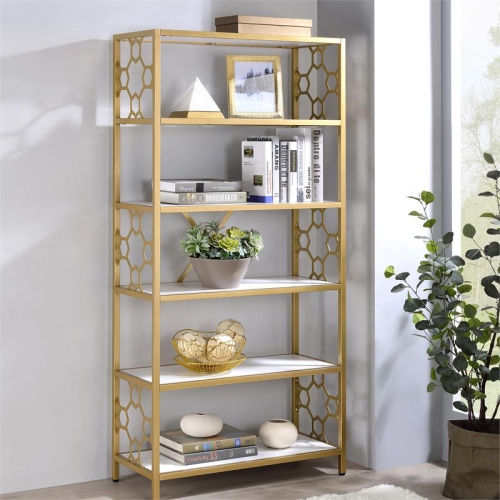
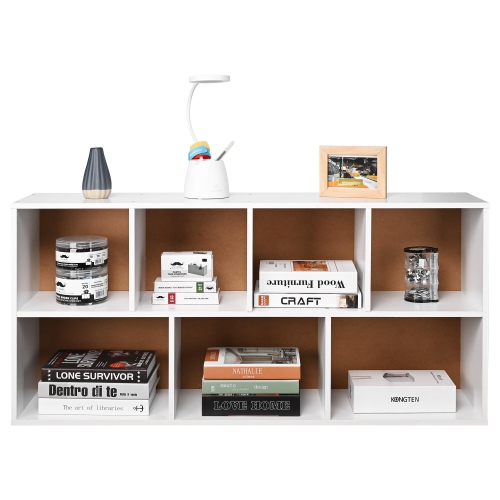
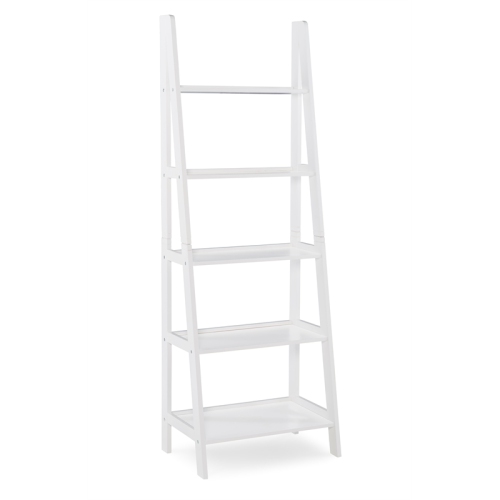
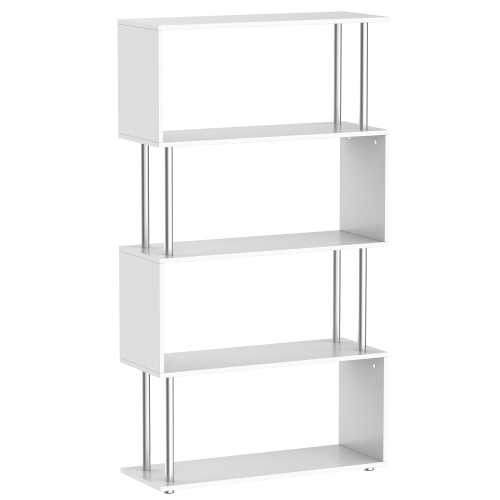
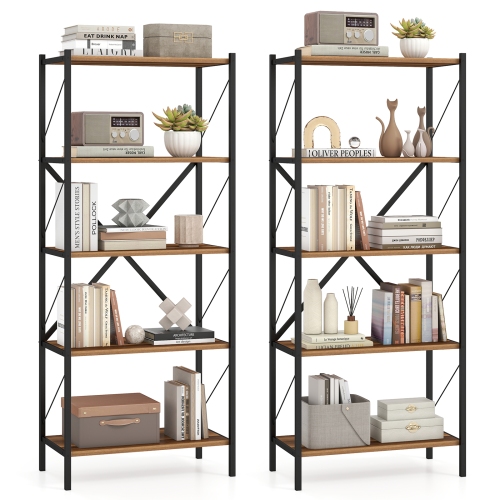
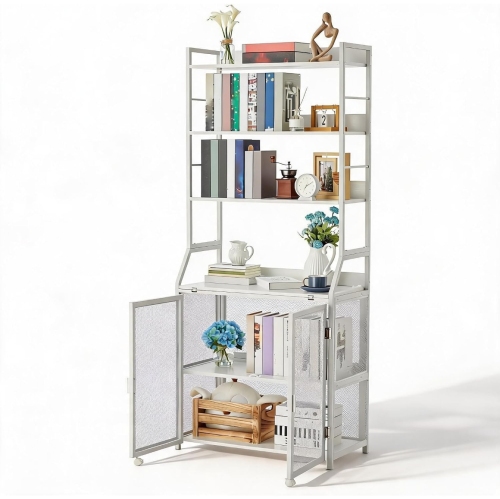
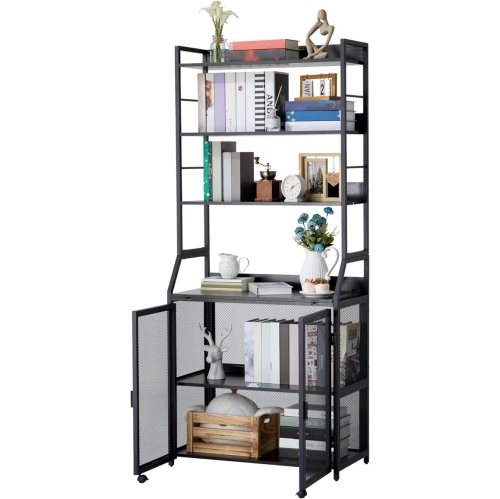
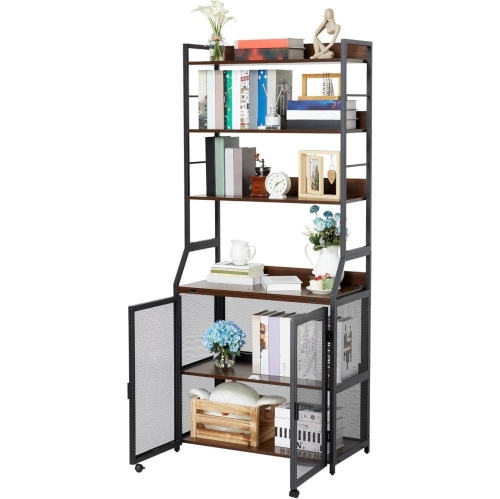
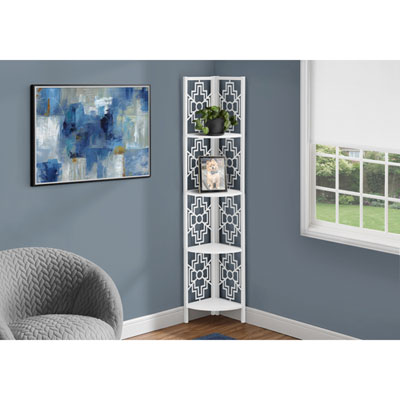
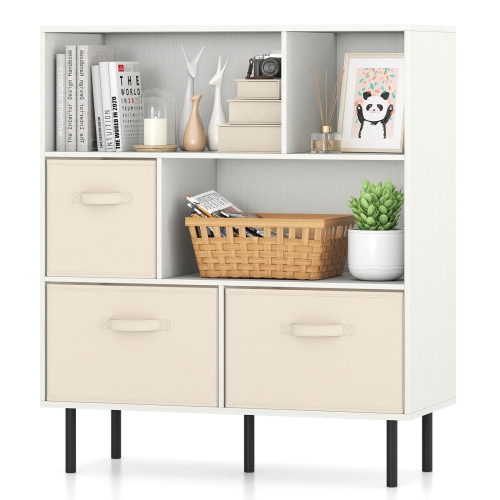
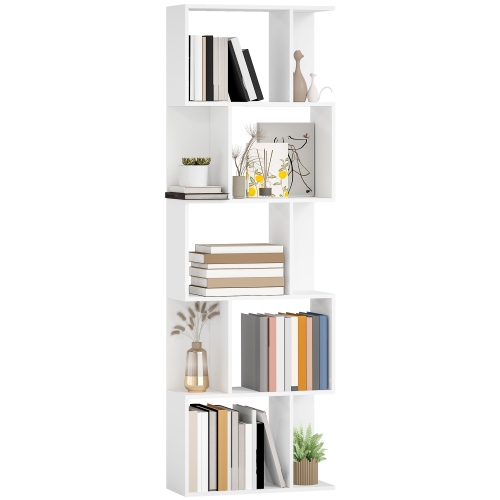
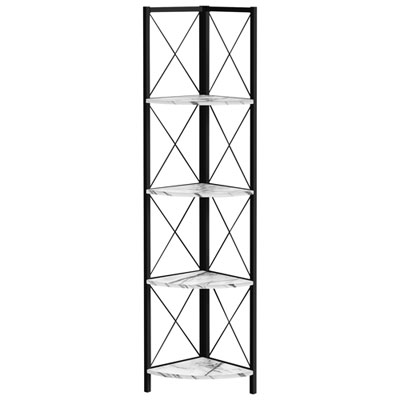
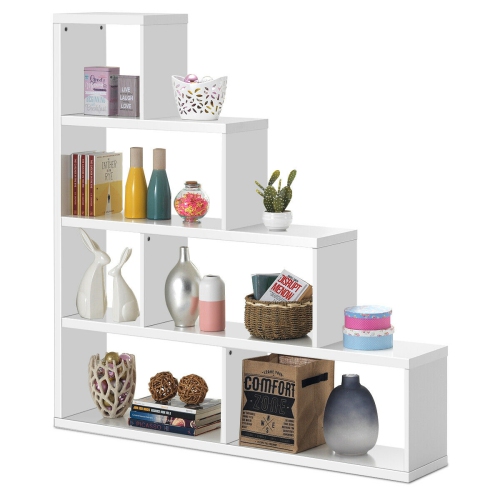
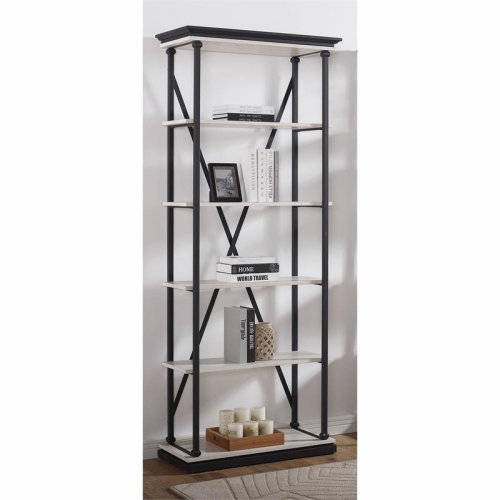
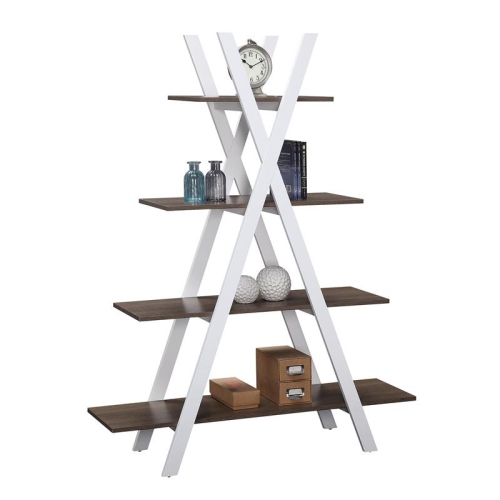

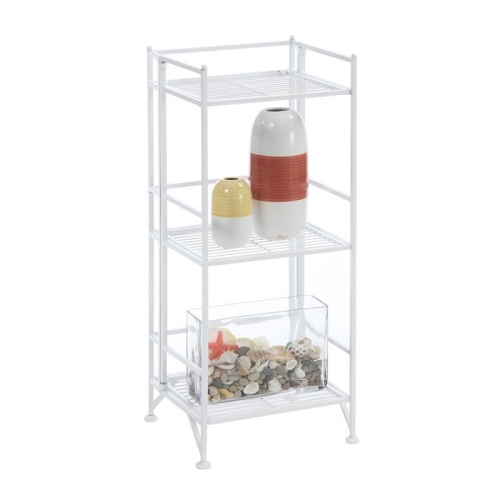
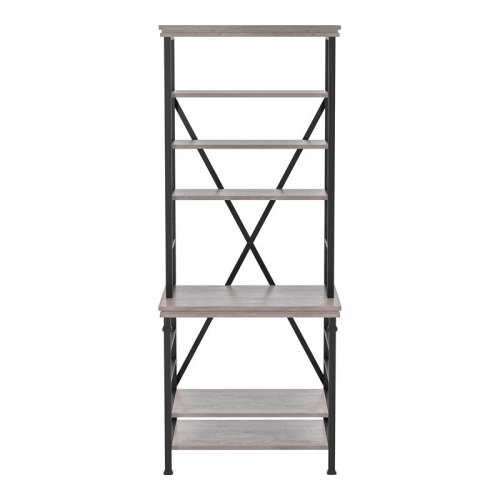
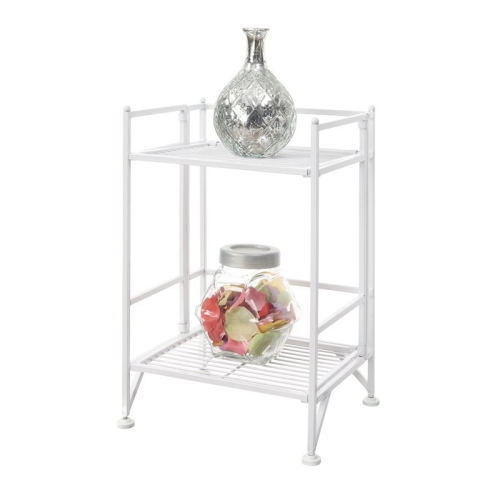
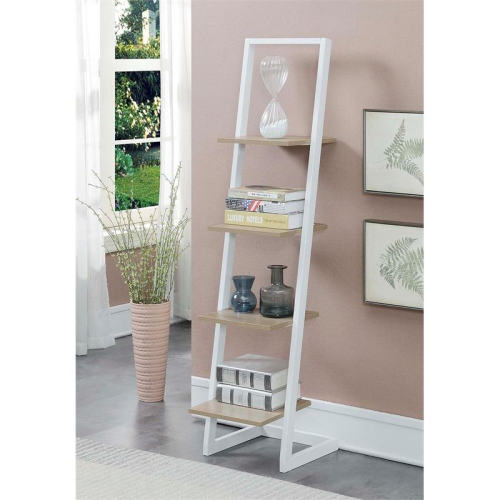
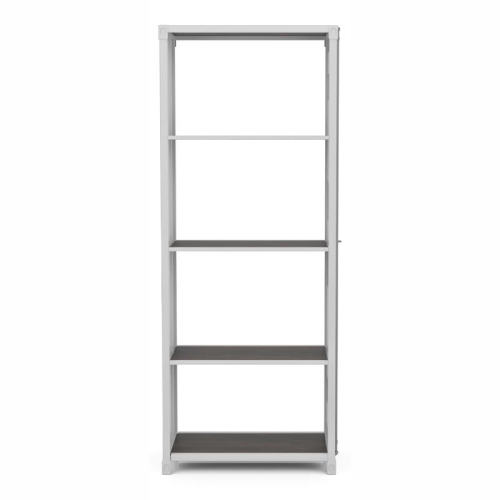
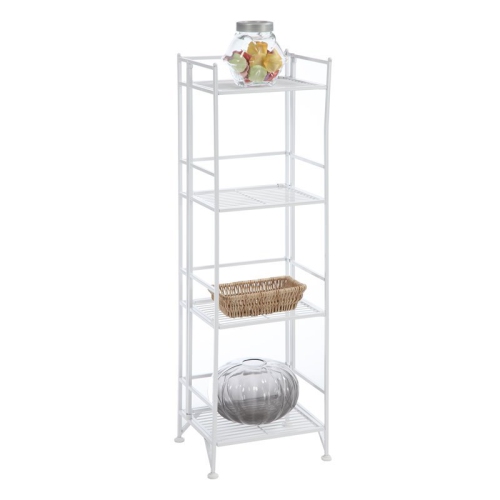
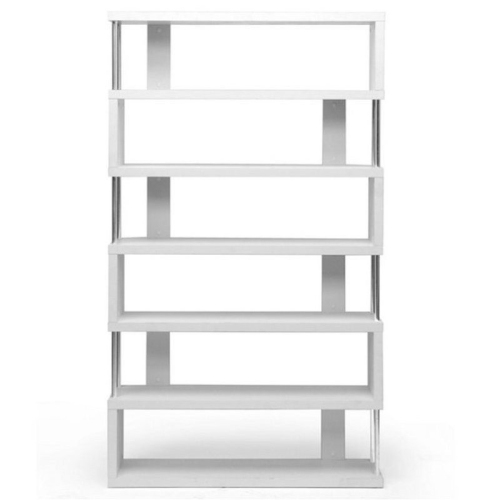
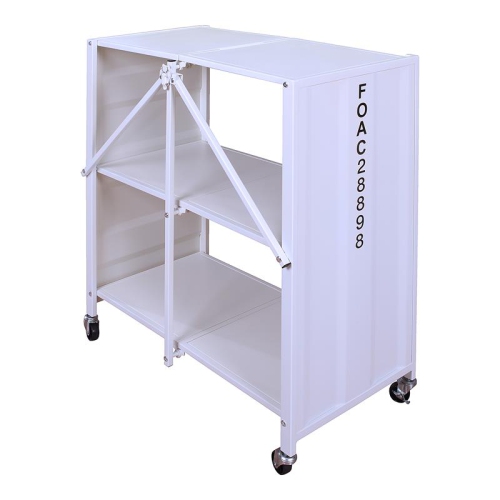
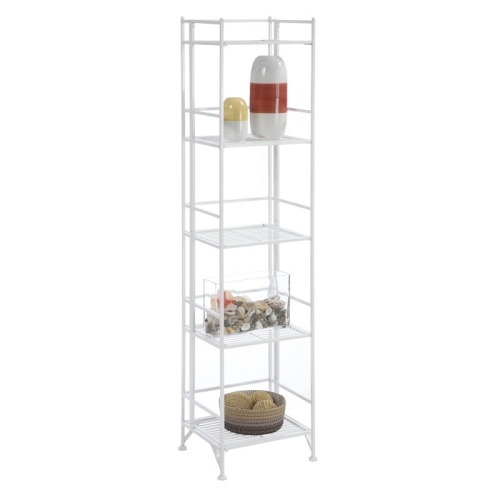
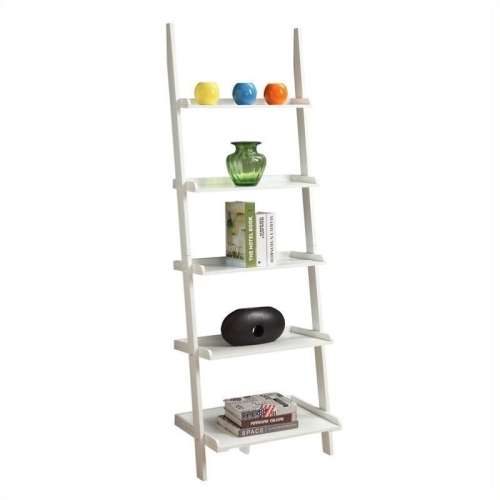
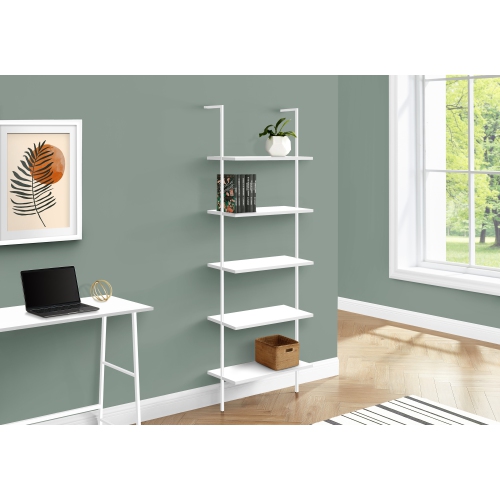

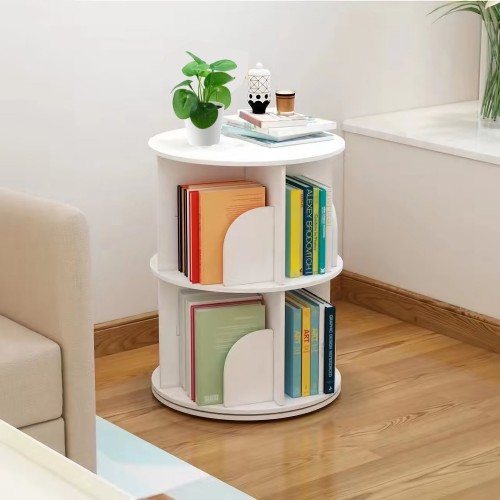

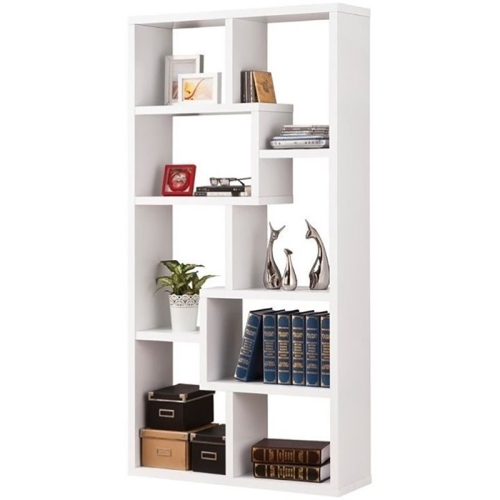
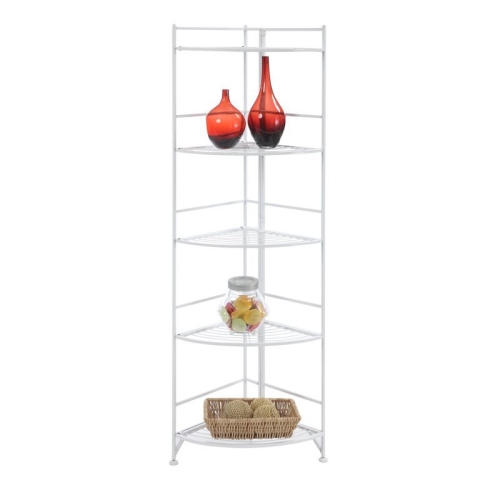


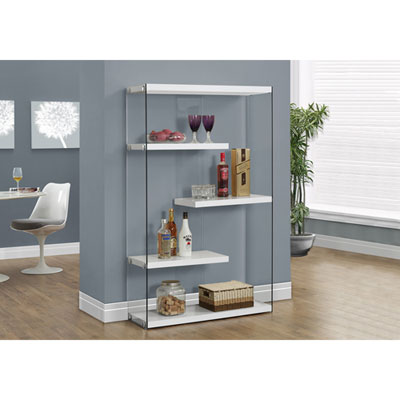
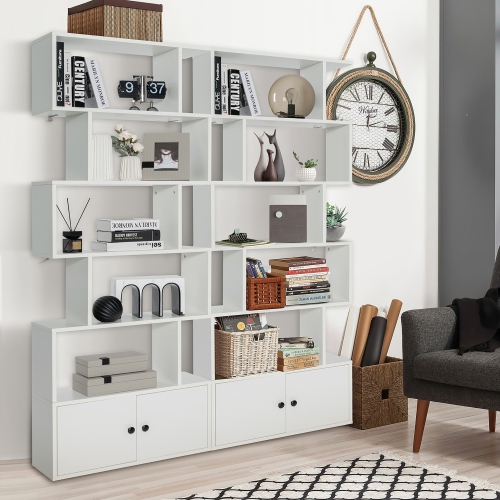
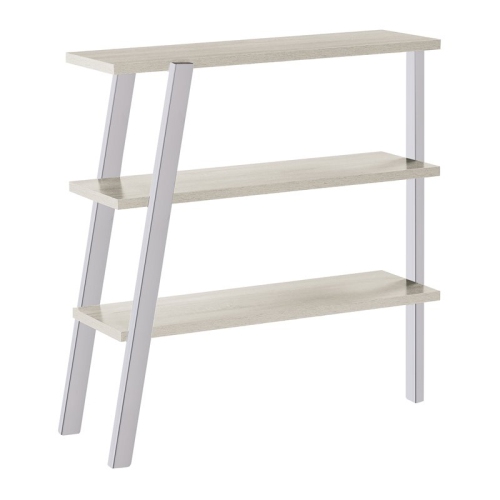
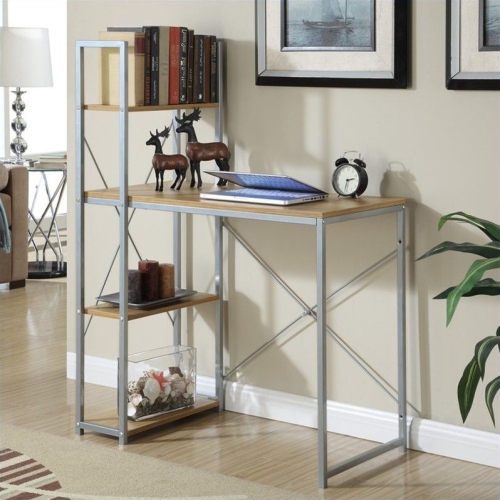
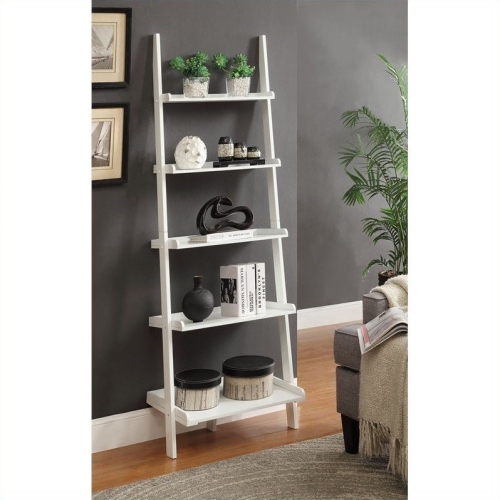
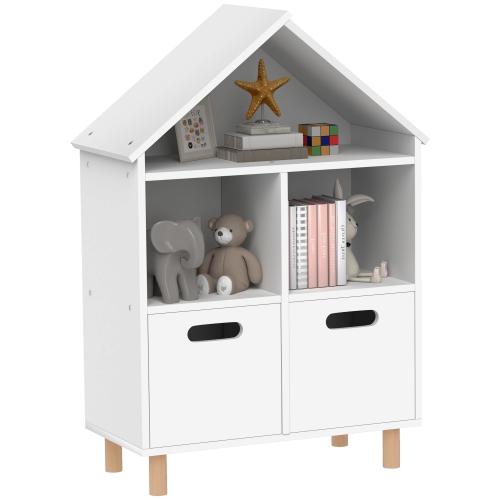

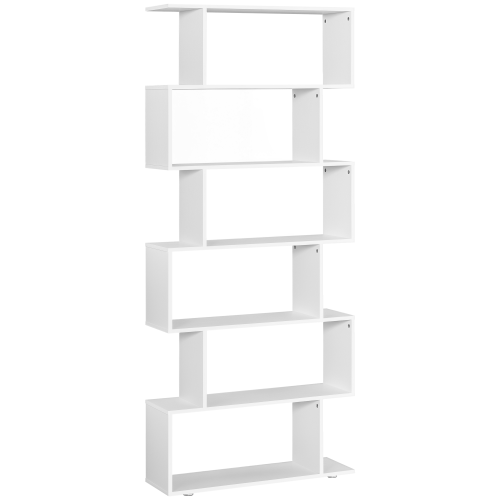
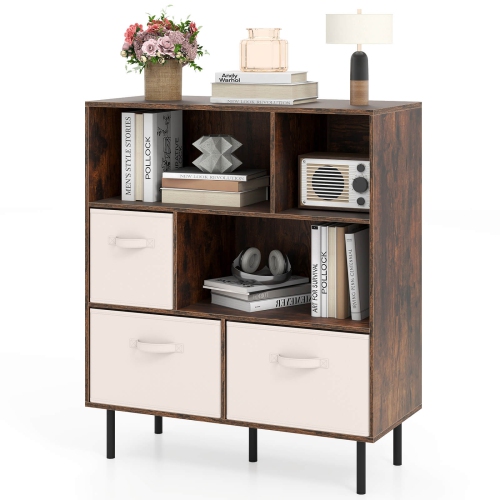
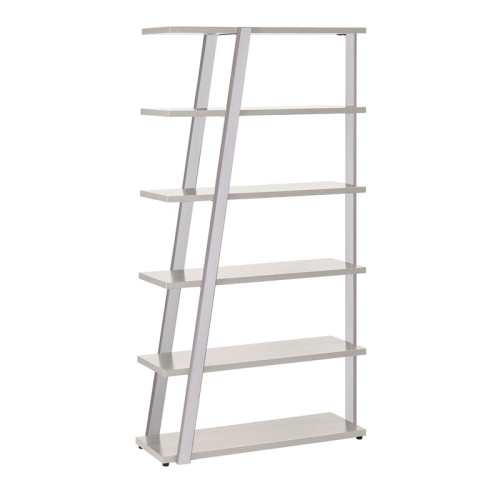
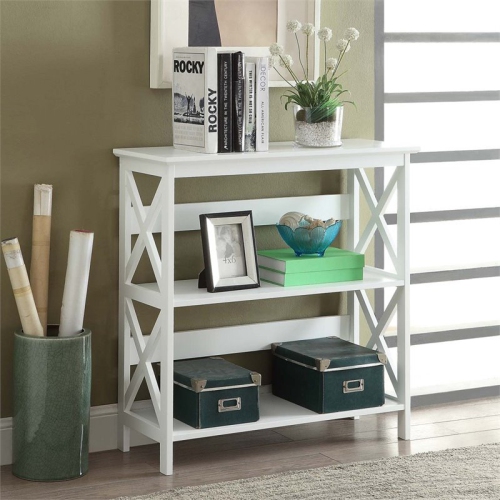
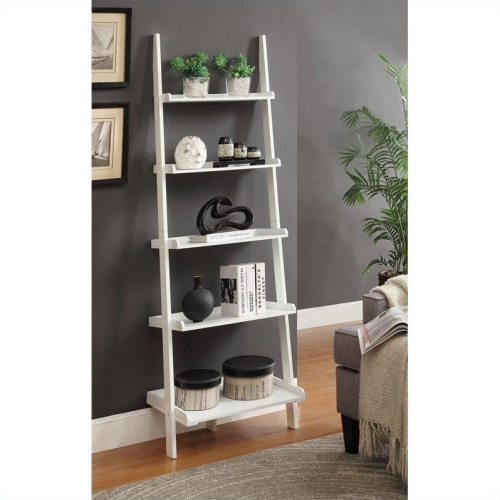
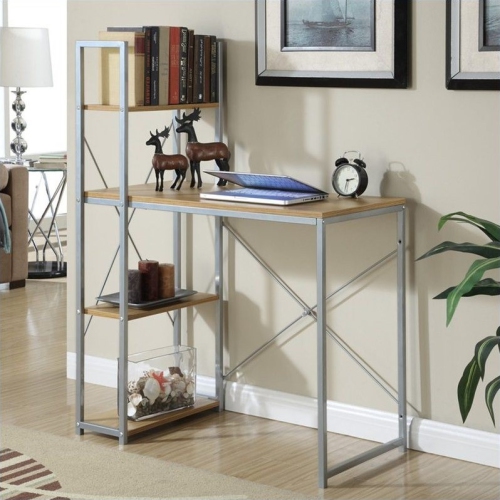
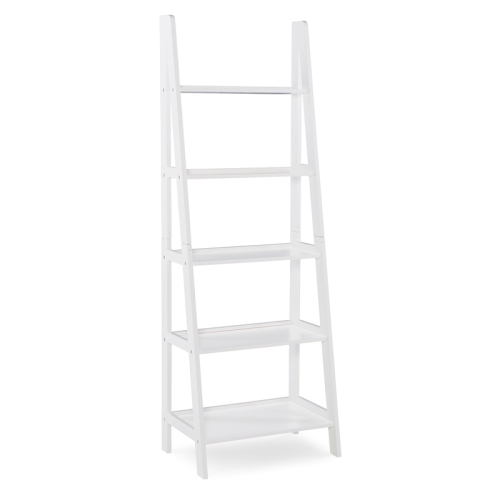
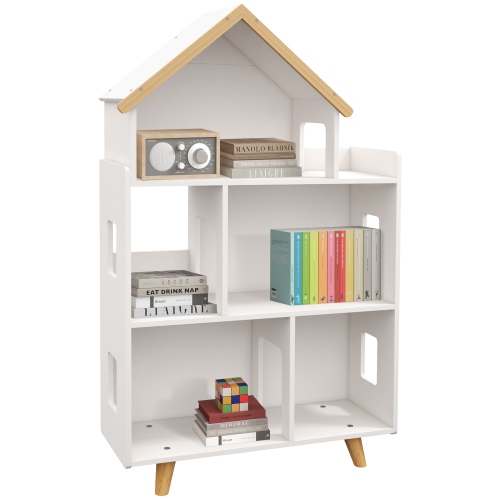
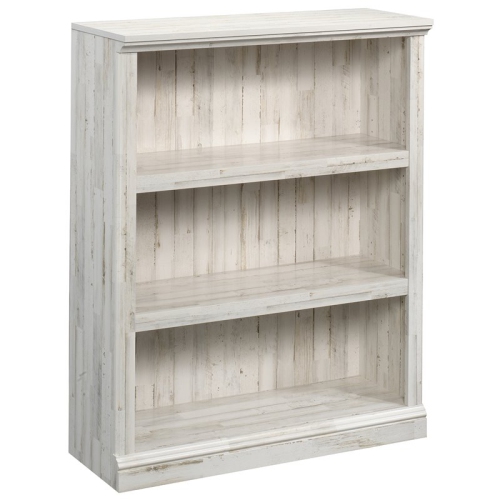
Open frames give book storage a lighter look
A white metal bookshelf combines practical book storage with a light, uncluttered appearance that suits living rooms, home offices, bedrooms, and smaller reading corners. Its pale finish can blend into white walls or stand out against darker paint, while an open frame allows the wall behind it to remain visible. That visual openness is useful in a compact room, where a solid-sided bookcase might feel more imposing beside a desk or sofa. The category includes tall, narrow shelving, low bookcases, ladder-style frames, and wider units with room for books and display pieces together. Some designs use metal throughout, while others pair a white metal frame with wood, engineered wood, or glass shelves; the frame material alone does not describe the entire construction. Steel is often used for its rigidity, but a bookshelf’s ability to support heavy books depends on its shelf materials, dimensions, joints, and stated load limits, not simply on whether it is metal. A row of large art books puts different demands on a shelf than a few paperbacks and a framed photograph. Solid shelves provide a continuous surface for small objects, while wire or mesh shelves have a more open appearance and may need suitable bookends to keep slim volumes upright. Raised edges, side rails, or a back panel can help contain books, although their shape and height affect how easily larger volumes fit. White finishes also vary: a matte surface looks softer under a reading lamp, while a glossier finish catches more light and may make fingerprints more noticeable. For a coordinated room, the undertone matters as much as the colour name. A cool white frame can look crisp beside grey upholstery, whereas a warmer white may sit more comfortably with cream textiles and pale wood. These differences give white metal bookshelves a place in a range of interiors, from straightforward study spaces to relaxed rooms with layered textures.
The right fit involves both the space a bookshelf occupies and the way its shelves will be used. Overall width, height, and depth establish whether a unit fits along a wall, but usable shelf dimensions determine whether it holds the intended collection. Deep hardcovers, binders, and oversized illustrated books may project beyond a shallow shelf, while closely spaced tiers can leave too little clearance for taller volumes. Adjustable shelves offer flexibility when a collection changes, provided the supports are installed as specified. A narrow bookshelf can make use of a gap beside a desk, but there should still be room to pull out a chair, reach nearby outlets, and open doors or drawers fully. Skirting boards can prevent a frame from sitting flush against the wall, and ladder-style shelves may occupy more floor space at the base than their upper profile suggests. Low shelving can keep frequently used books within comfortable reach; taller designs use vertical space but place upper shelves farther from seated readers and children. In a shared home office, separate shelf sections can give each person a place for reference books and folders without spreading them across the work surface. Beside a reading chair, a few open shelves can hold novels, magazines, and a small basket for reading accessories. For display-led spaces, a metal and glass bookshelf offers another way to combine a metal frame with transparent shelving, though glass thickness, edge protection, and load ratings remain important considerations. Whatever the shelf material, the stated weight allowance should be checked for both individual shelves and the complete unit. Heavy books belong on lower levels where practical, with weight distributed evenly rather than concentrated at one end. Tall and narrow furniture needs particular attention to stability, and wall anchoring should follow the manufacturer’s instructions using fixings suitable for the wall construction. An open frame or substantial-looking metal legs do not remove the need for secure installation.
Durability comes from the combination of sound construction, an intact finish, correct assembly, and use within the bookshelf’s limits. Powder-coated metal is common in shelving and can provide a hard-wearing surface, but it is not immune to scratches or chips. Welds, bolts, shelf brackets, and cross braces all contribute to how steady a unit feels once assembled. A frame that rocks on an uneven floor may need its adjustable feet set correctly, if included, rather than having books added to weigh it down. Assembly is usually easier in a clear area with a soft covering to protect the white finish, and fittings should be tightened in the sequence described by the manufacturer. Once in use, occasional checks for loosened fasteners or shifting shelf supports can help keep the structure secure. Everyday care is generally straightforward: dust with a soft cloth, then use a lightly damp cloth for marks if the care instructions permit it, drying the surface afterwards. Abrasive pads and harsh cleaners can damage coatings, while moisture left around joints or exposed metal may contribute to rust. Mixed-material designs need care suited to each surface, particularly where glass, wood, or engineered wood meets the frame. Felt pads beneath rough-bottomed display pieces can help reduce scratches, and plant pots need watertight protection so watering does not leave moisture on the shelf. A bookshelf intended for dry indoor rooms should not be assumed suitable for a damp bathroom, an unheated storage area, or outdoor use. In family spaces, keeping tempting objects off high shelves can discourage climbing, but it does not replace proper anchoring and supervision. For students, avid readers, or someone furnishing a first apartment, a white metal bookshelf can be a useful gift when room measurements, storage needs, and assembly arrangements are already known. Its everyday value lies in making a collection easier to see and reach: cookbooks grouped near a dining area, study texts beside a desk, or favourite novels within reach of a comfortable chair. Leaving some space between groups of books and display pieces keeps the shelves easy to dust and gives a growing collection room to expand without crowding every tier.
The right fit involves both the space a bookshelf occupies and the way its shelves will be used. Overall width, height, and depth establish whether a unit fits along a wall, but usable shelf dimensions determine whether it holds the intended collection. Deep hardcovers, binders, and oversized illustrated books may project beyond a shallow shelf, while closely spaced tiers can leave too little clearance for taller volumes. Adjustable shelves offer flexibility when a collection changes, provided the supports are installed as specified. A narrow bookshelf can make use of a gap beside a desk, but there should still be room to pull out a chair, reach nearby outlets, and open doors or drawers fully. Skirting boards can prevent a frame from sitting flush against the wall, and ladder-style shelves may occupy more floor space at the base than their upper profile suggests. Low shelving can keep frequently used books within comfortable reach; taller designs use vertical space but place upper shelves farther from seated readers and children. In a shared home office, separate shelf sections can give each person a place for reference books and folders without spreading them across the work surface. Beside a reading chair, a few open shelves can hold novels, magazines, and a small basket for reading accessories. For display-led spaces, a metal and glass bookshelf offers another way to combine a metal frame with transparent shelving, though glass thickness, edge protection, and load ratings remain important considerations. Whatever the shelf material, the stated weight allowance should be checked for both individual shelves and the complete unit. Heavy books belong on lower levels where practical, with weight distributed evenly rather than concentrated at one end. Tall and narrow furniture needs particular attention to stability, and wall anchoring should follow the manufacturer’s instructions using fixings suitable for the wall construction. An open frame or substantial-looking metal legs do not remove the need for secure installation.
Durability comes from the combination of sound construction, an intact finish, correct assembly, and use within the bookshelf’s limits. Powder-coated metal is common in shelving and can provide a hard-wearing surface, but it is not immune to scratches or chips. Welds, bolts, shelf brackets, and cross braces all contribute to how steady a unit feels once assembled. A frame that rocks on an uneven floor may need its adjustable feet set correctly, if included, rather than having books added to weigh it down. Assembly is usually easier in a clear area with a soft covering to protect the white finish, and fittings should be tightened in the sequence described by the manufacturer. Once in use, occasional checks for loosened fasteners or shifting shelf supports can help keep the structure secure. Everyday care is generally straightforward: dust with a soft cloth, then use a lightly damp cloth for marks if the care instructions permit it, drying the surface afterwards. Abrasive pads and harsh cleaners can damage coatings, while moisture left around joints or exposed metal may contribute to rust. Mixed-material designs need care suited to each surface, particularly where glass, wood, or engineered wood meets the frame. Felt pads beneath rough-bottomed display pieces can help reduce scratches, and plant pots need watertight protection so watering does not leave moisture on the shelf. A bookshelf intended for dry indoor rooms should not be assumed suitable for a damp bathroom, an unheated storage area, or outdoor use. In family spaces, keeping tempting objects off high shelves can discourage climbing, but it does not replace proper anchoring and supervision. For students, avid readers, or someone furnishing a first apartment, a white metal bookshelf can be a useful gift when room measurements, storage needs, and assembly arrangements are already known. Its everyday value lies in making a collection easier to see and reach: cookbooks grouped near a dining area, study texts beside a desk, or favourite novels within reach of a comfortable chair. Leaving some space between groups of books and display pieces keeps the shelves easy to dust and gives a growing collection room to expand without crowding every tier.
Top selling and popular products
-
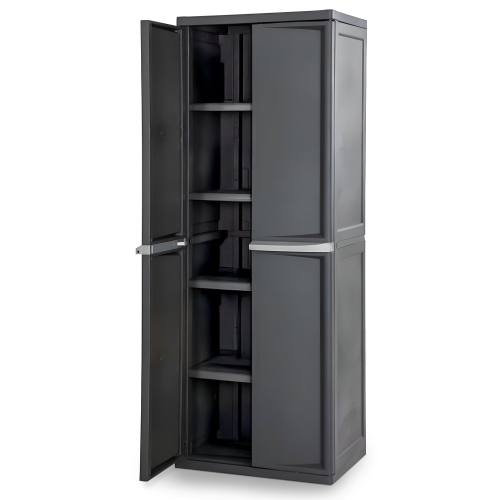 Your price for this item is $772.99
 -
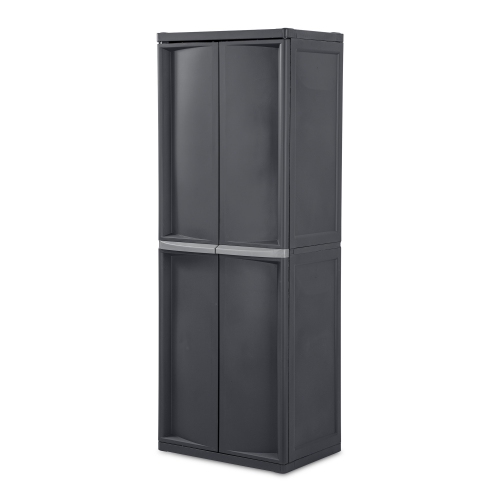 Your price for this item is $1522.99
 -
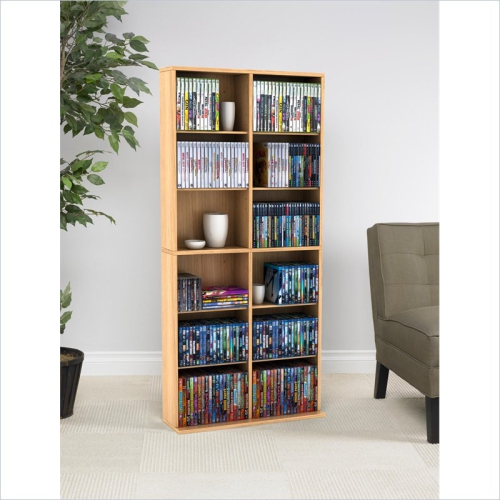 Your price for this item is $234.68
 -
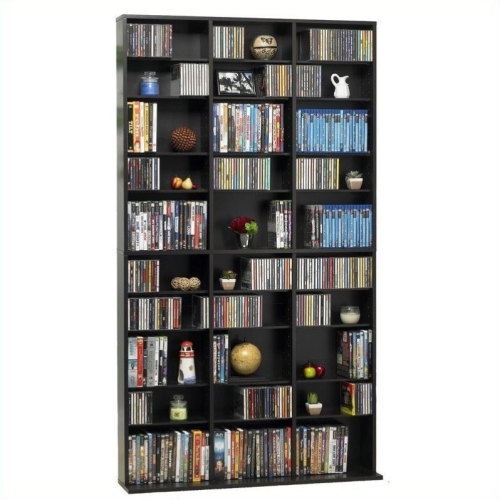 Your price for this item is $365.38
 -
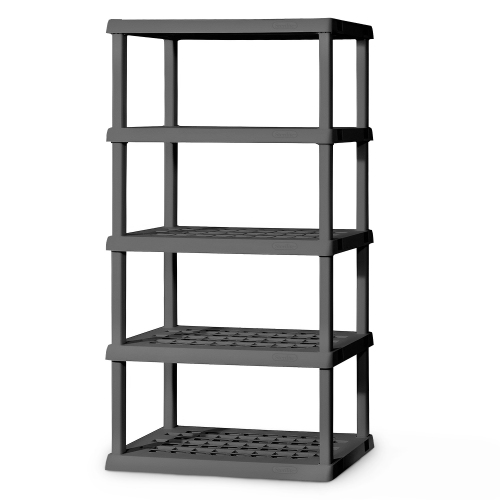 Your price for this item is $468.99
 -
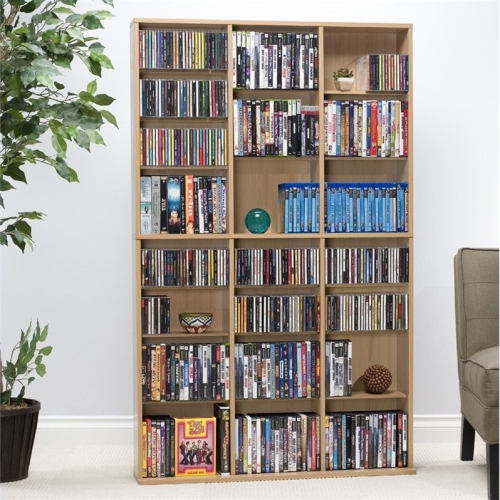 Your price for this item is $295.84
 -
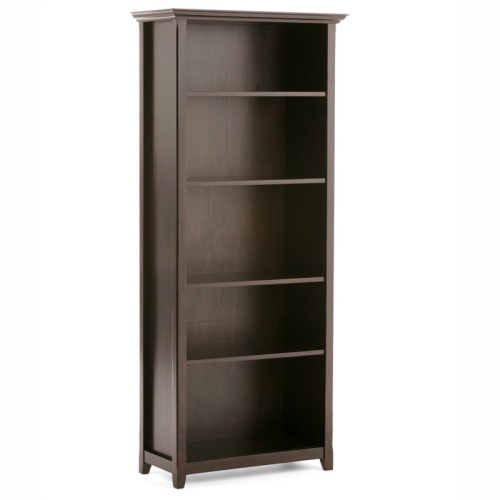 Your price for this item is $999.77
 -
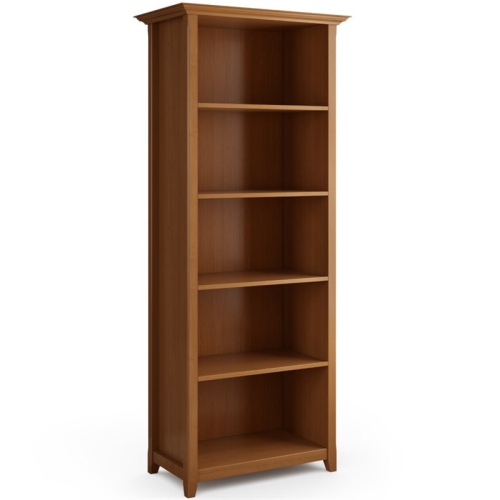 Your price for this item is $998.43
Discover more categories related to White Metal Bookshelf
Top Collections:
Pokemon Centers, Kindle Devices, Best Budget Office Chairs, Apple iPhones 16, Best Laptops for Writers, iPhone 15 Apple, Canon G7X Cameras, Refurbished Apple Laptops, Alarm Clock, Motorola Razr Phones
Some products may be subject to Environmental Handling Fees
(EHF) depending on your province.
Learn more about EHFs.