White Metal Shelves
A white metal shelf is a great addition of style and a pop of color to almost any home. These can be used for storage, decorating, and even as a work surface. These shelves are made of metal, making them both durable and stylish. Here are some of the best white metal shelves available to choose from.
Sort
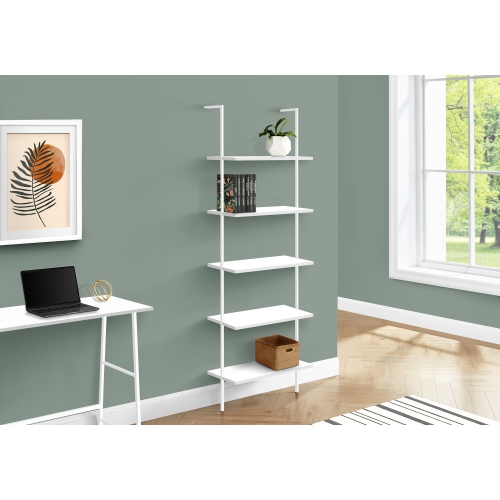
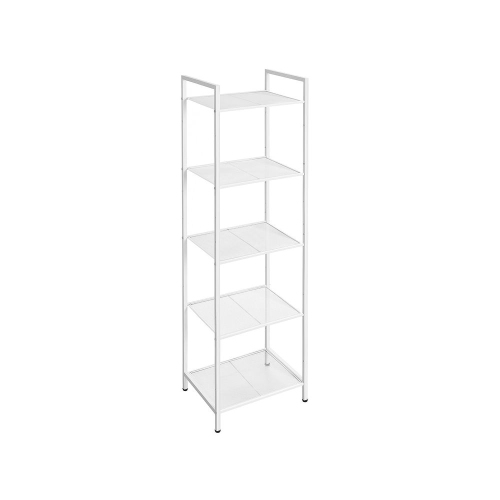
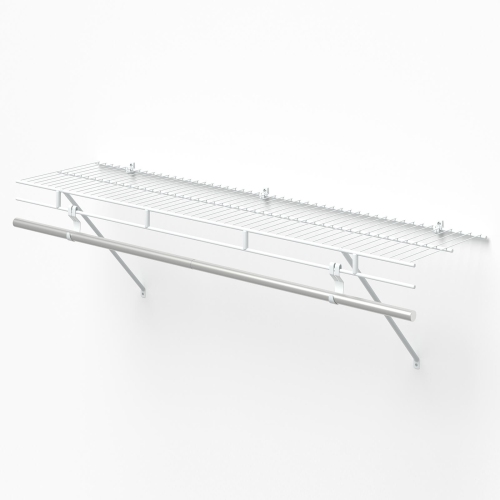
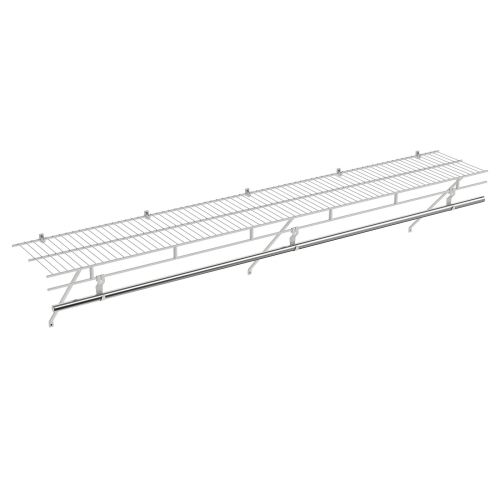
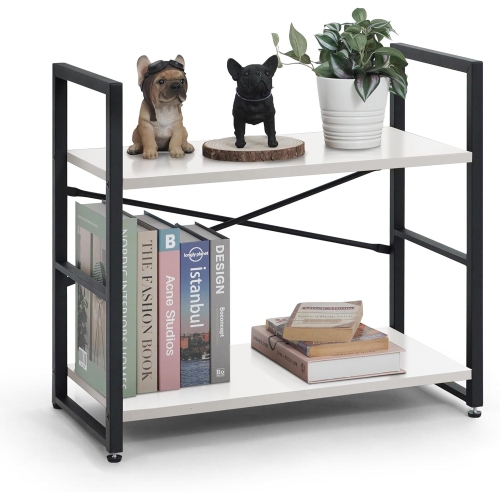
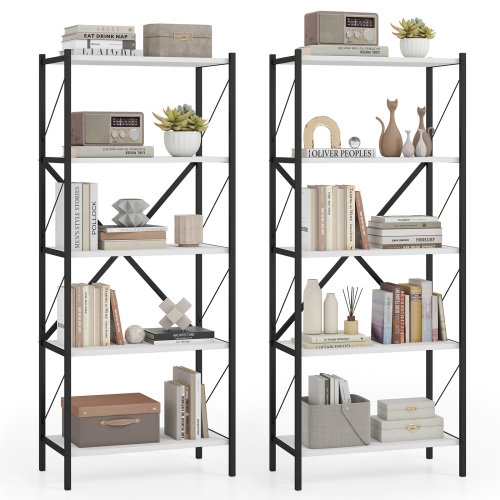
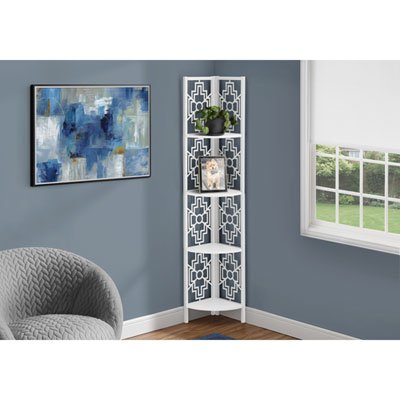
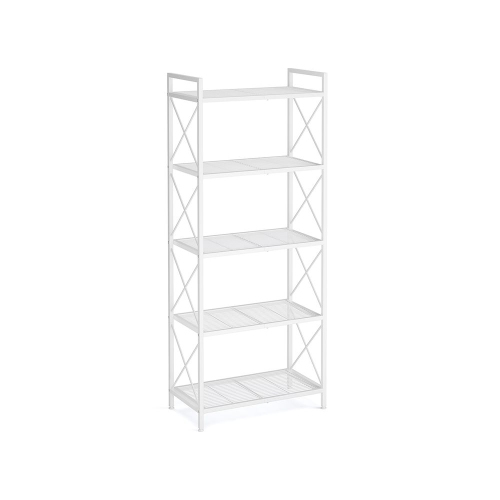
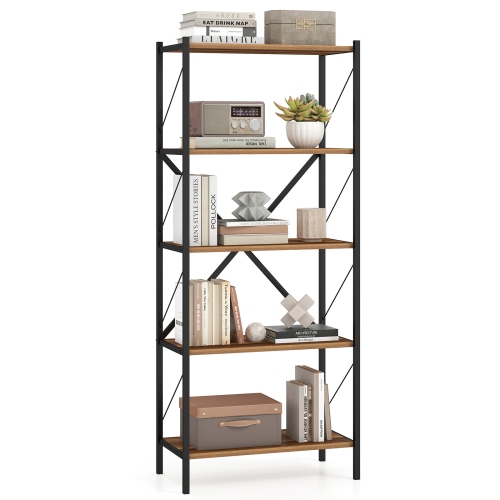
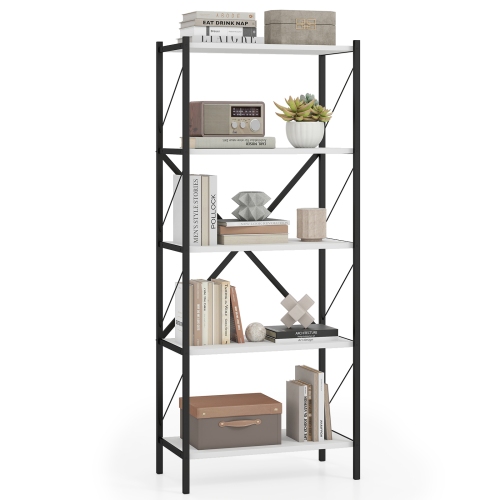
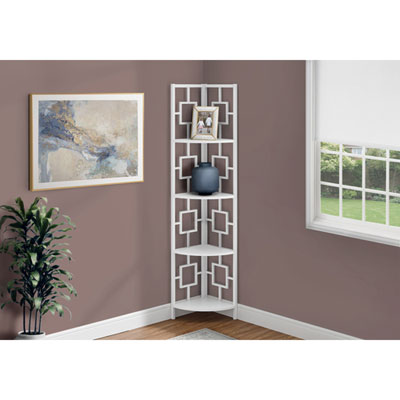
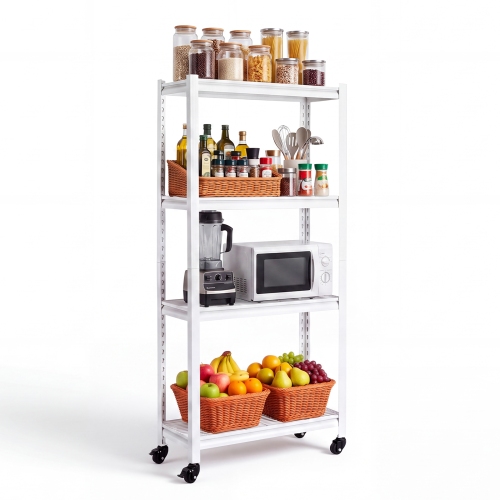
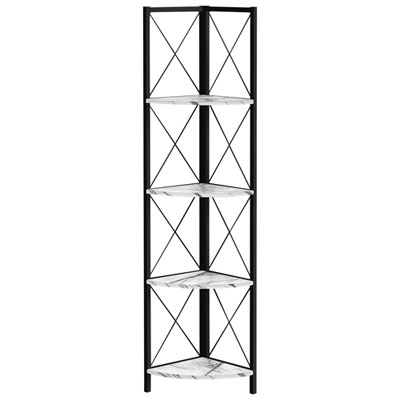
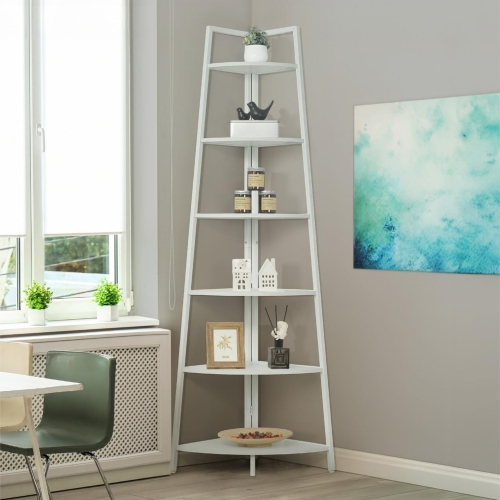
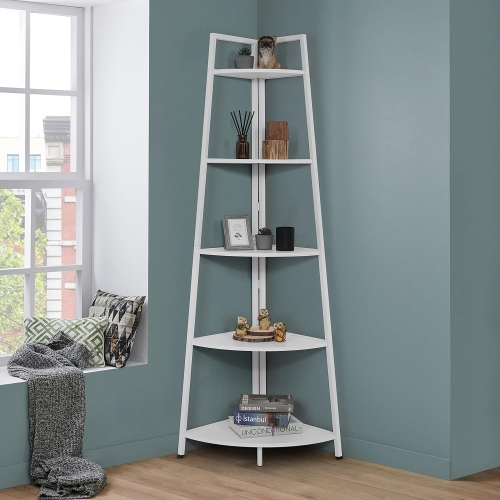

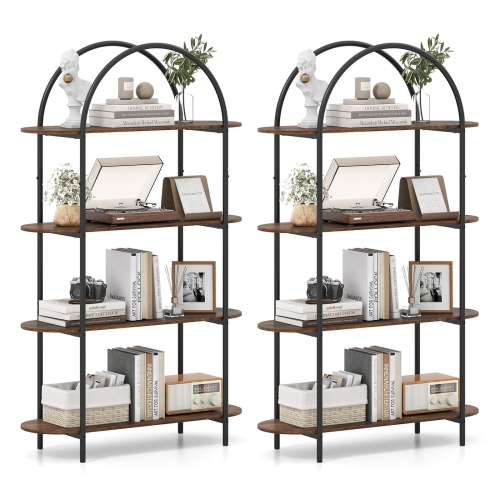
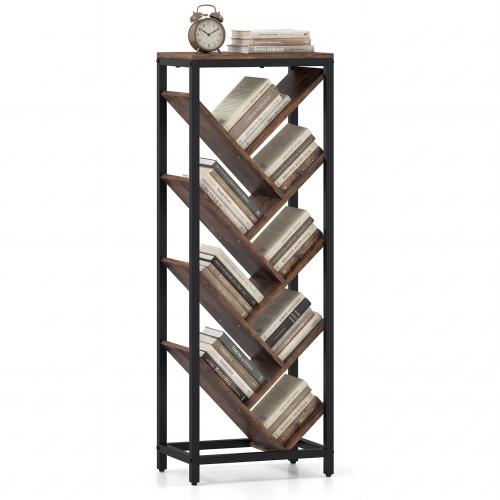
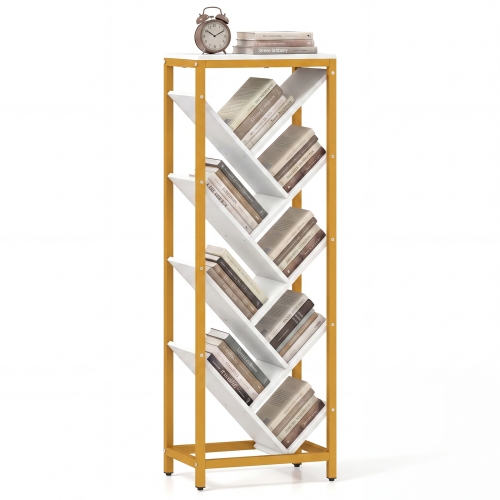
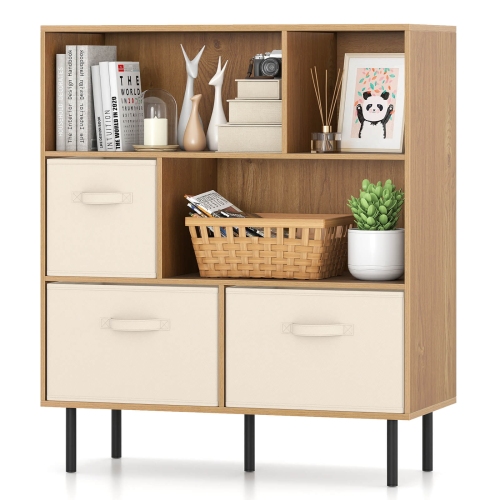
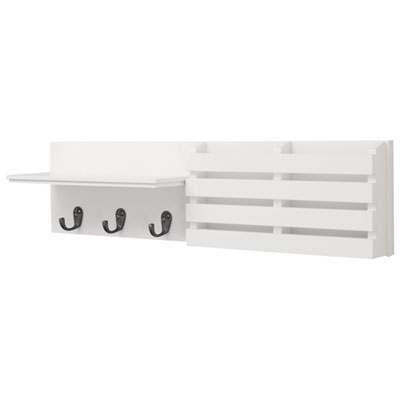
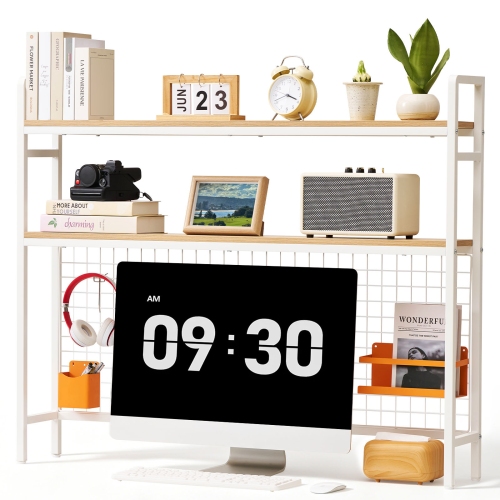
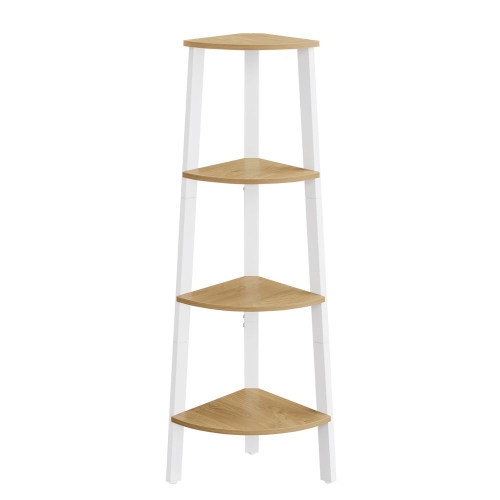
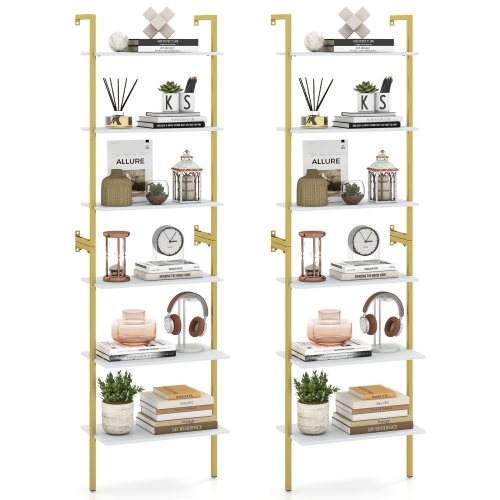
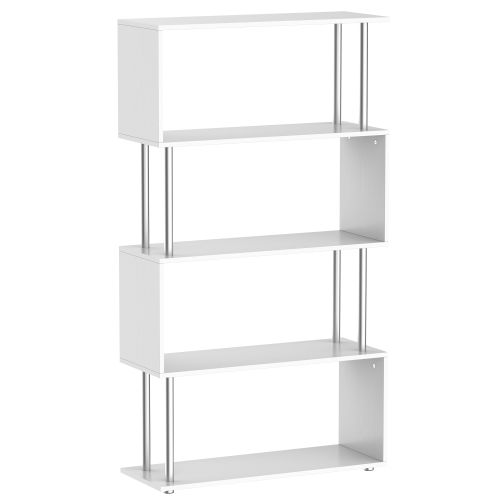
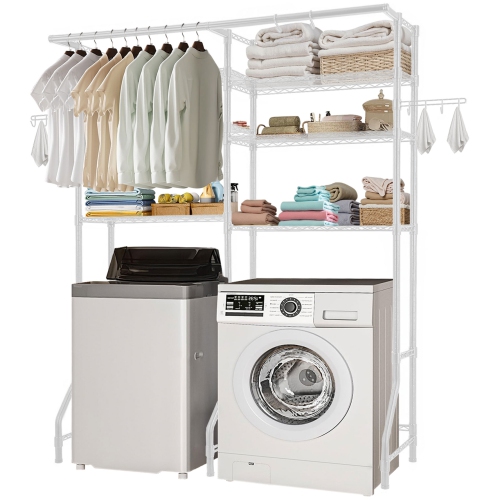
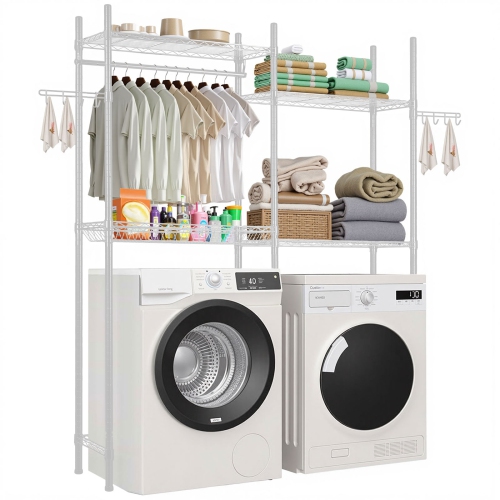
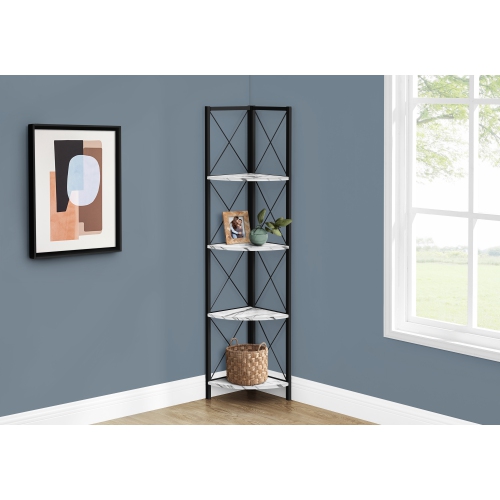
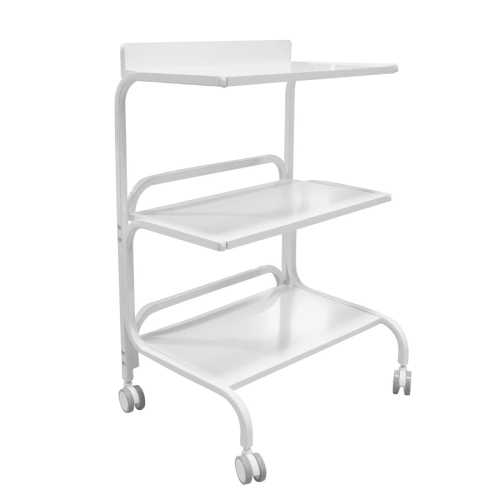
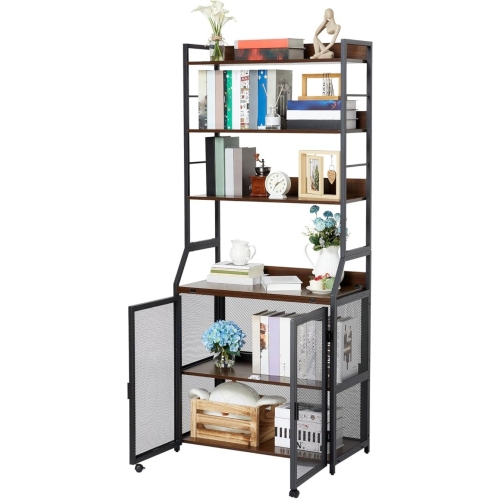
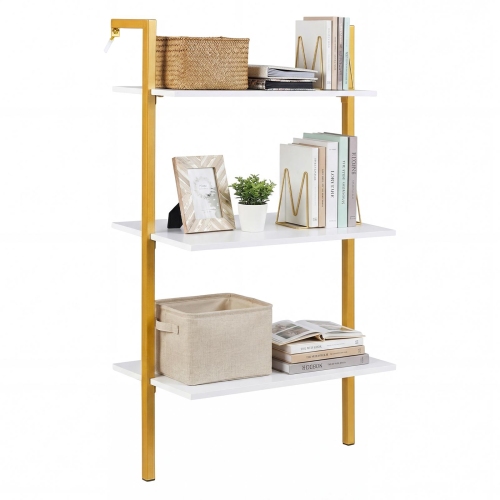
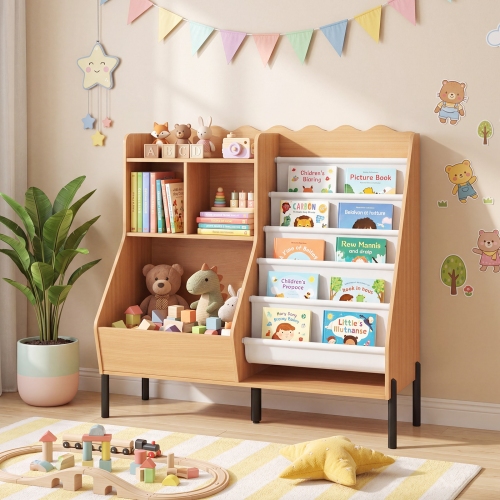
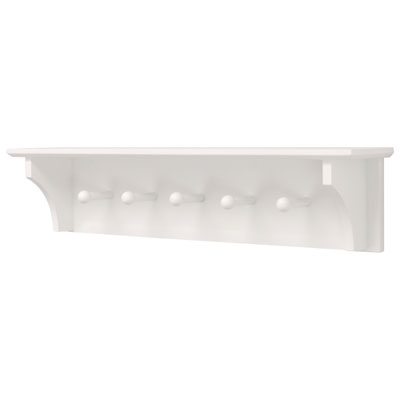
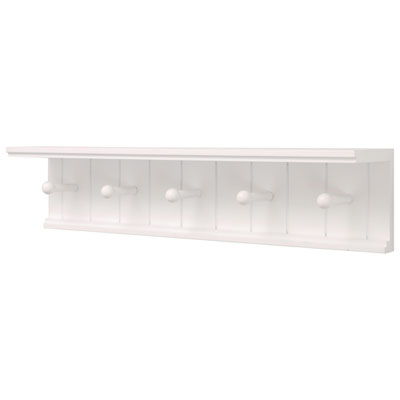
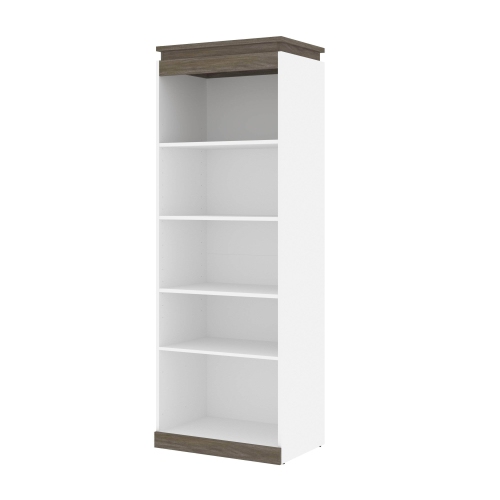
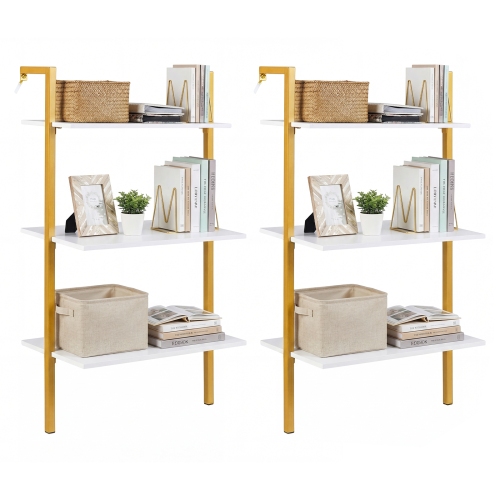
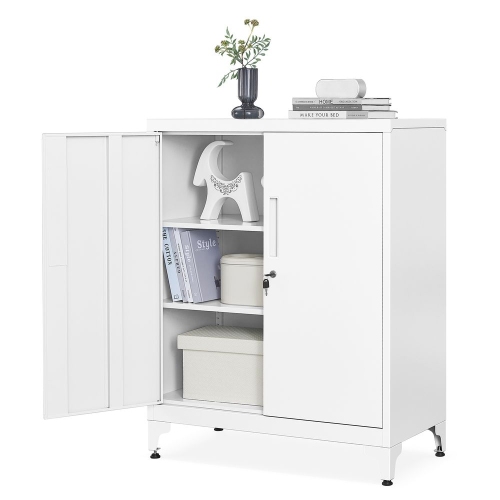
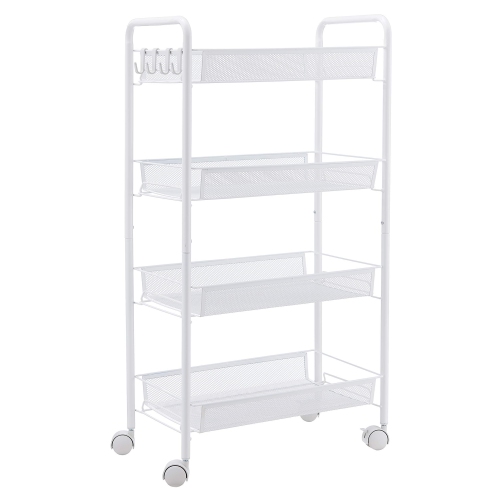
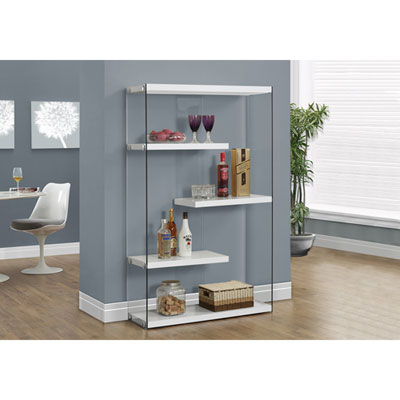
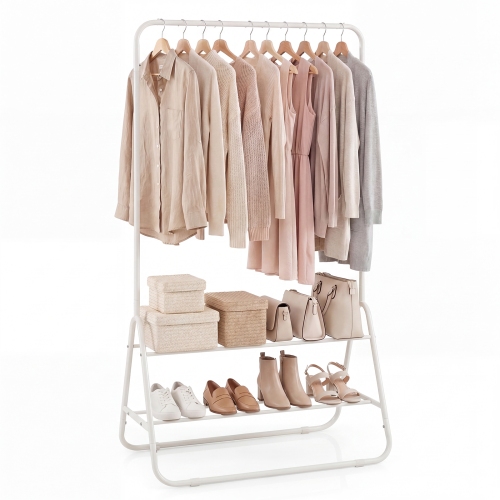
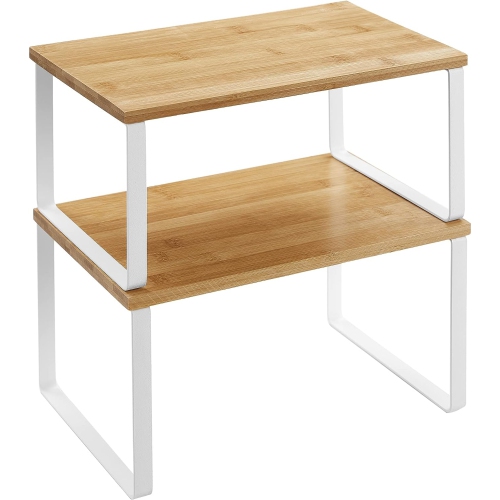
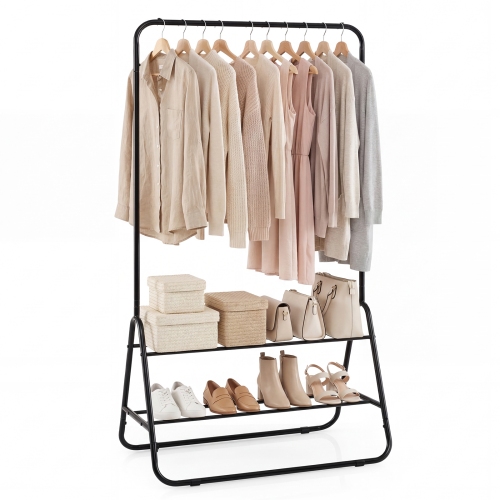
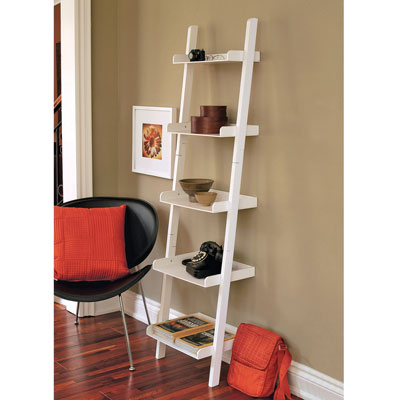
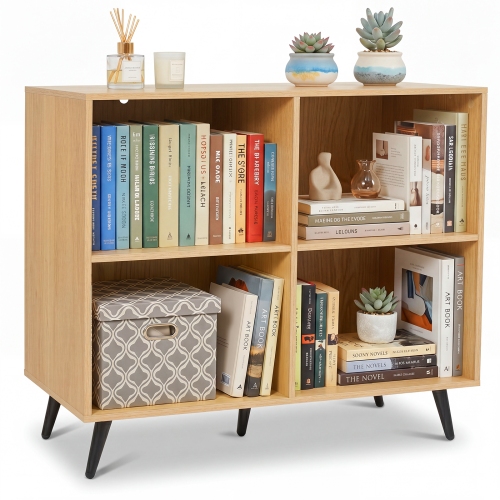

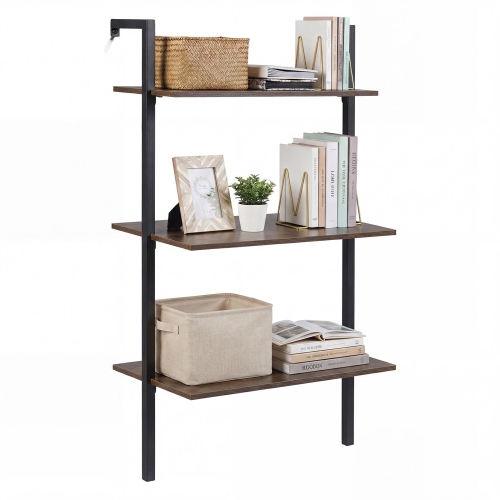

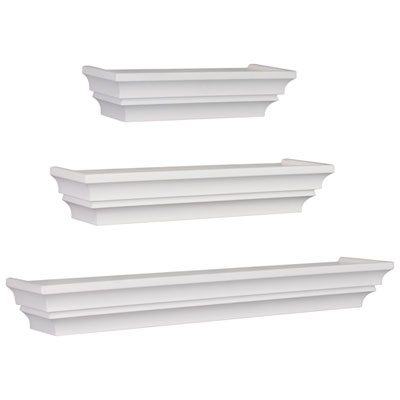

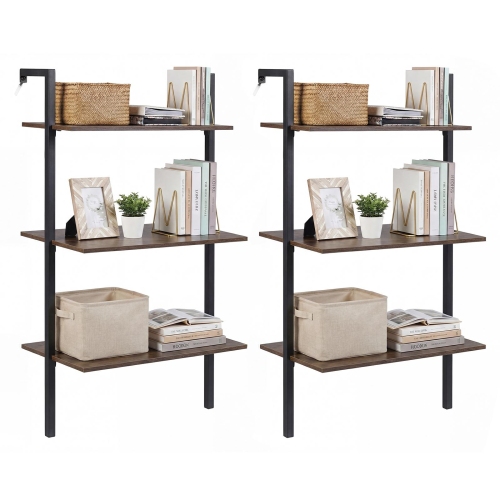
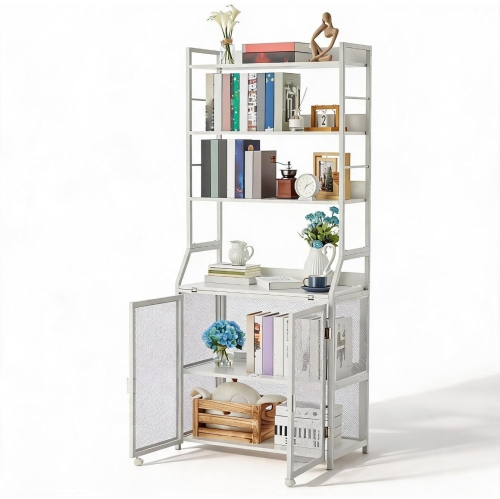
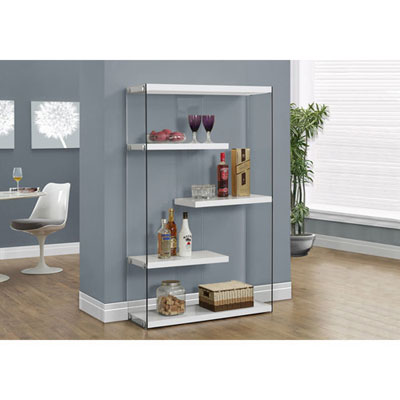
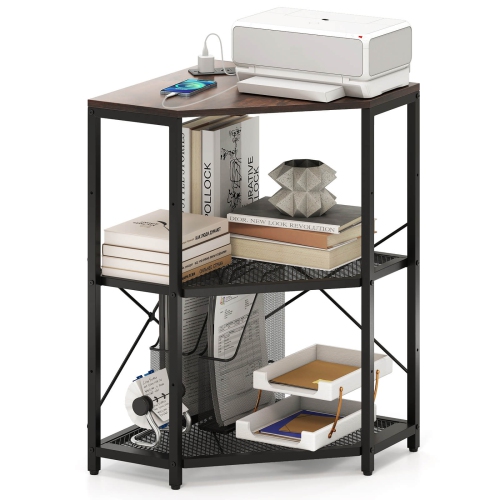
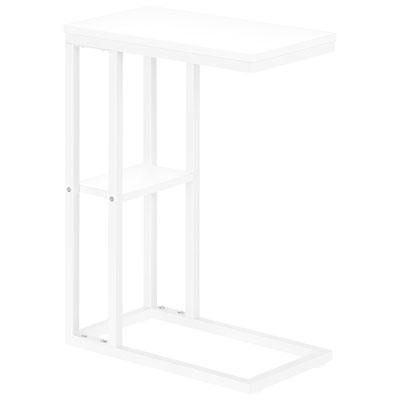
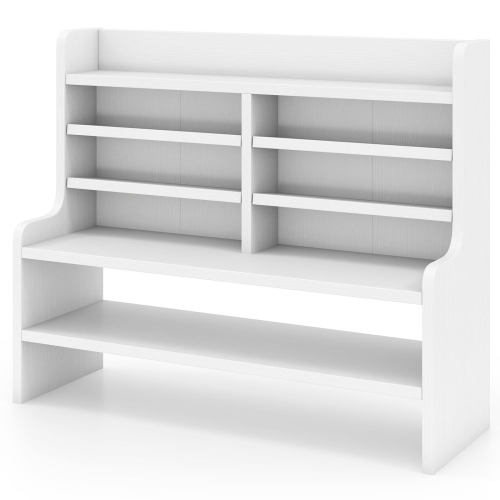
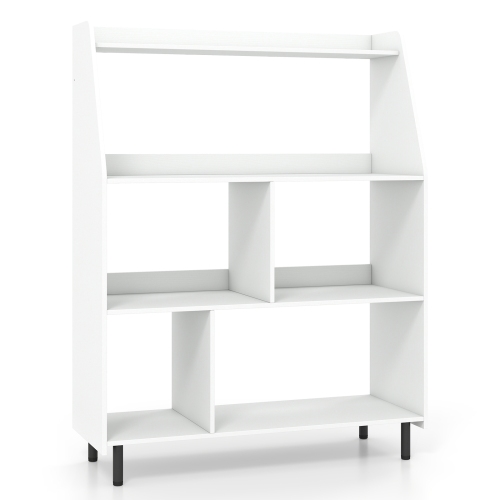
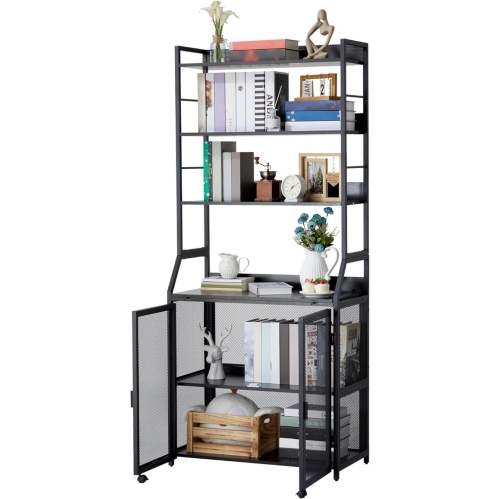
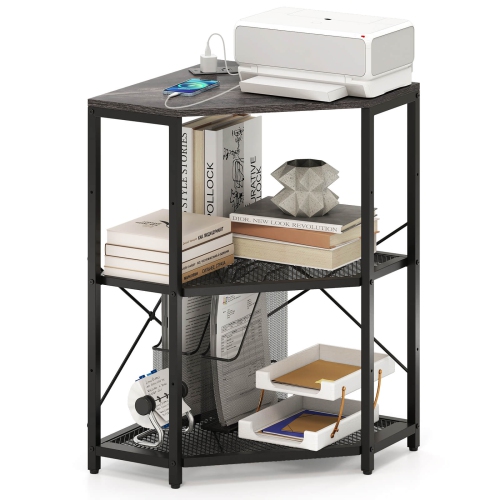

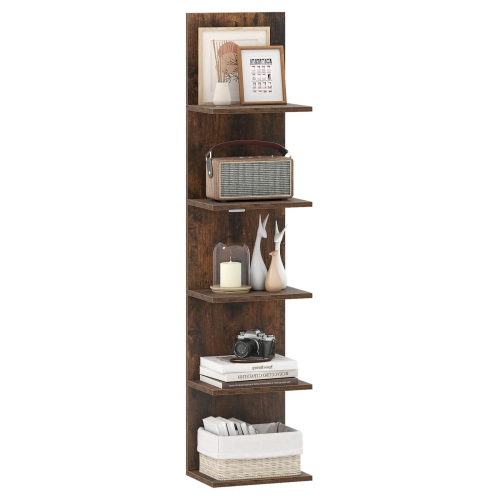
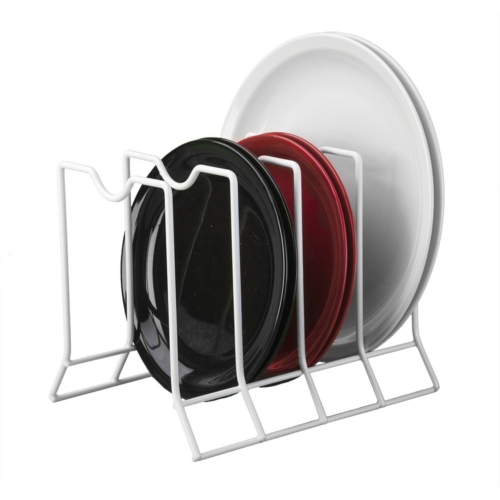
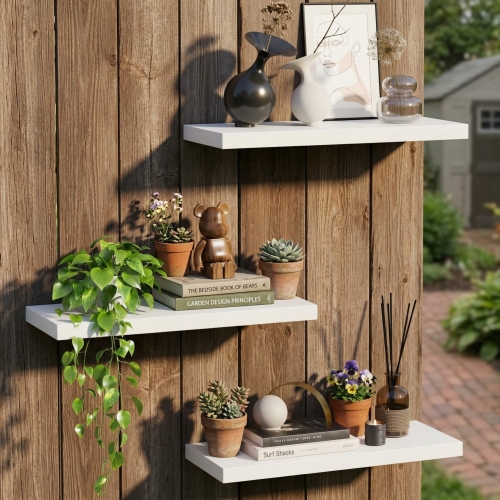
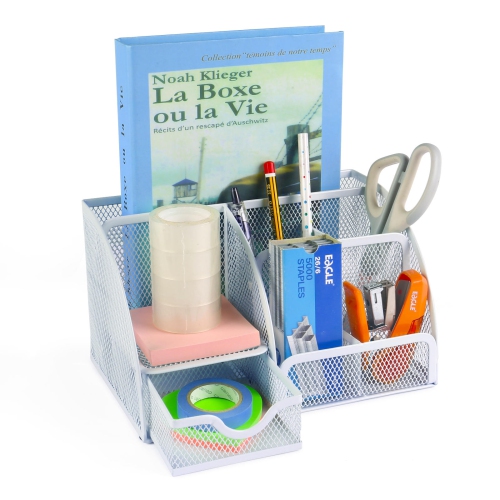
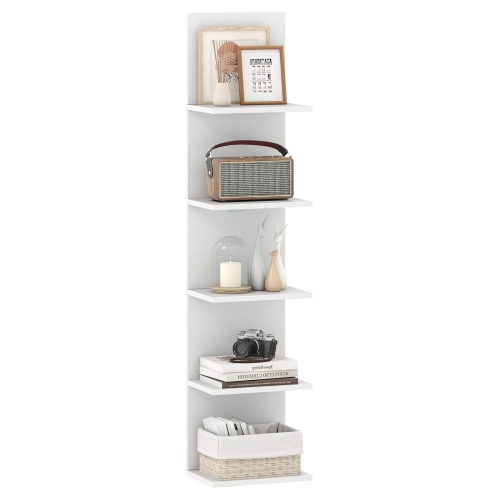
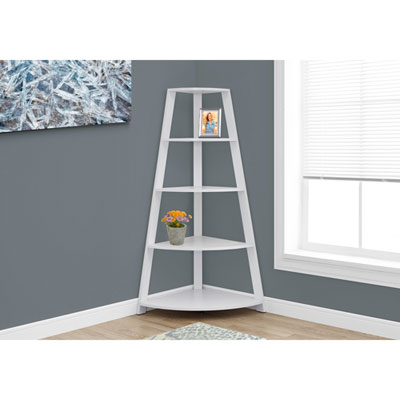

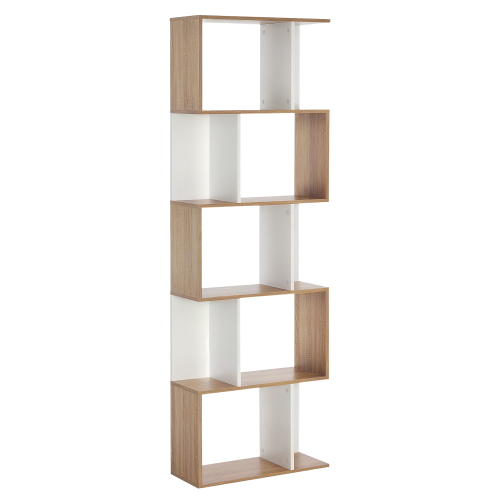
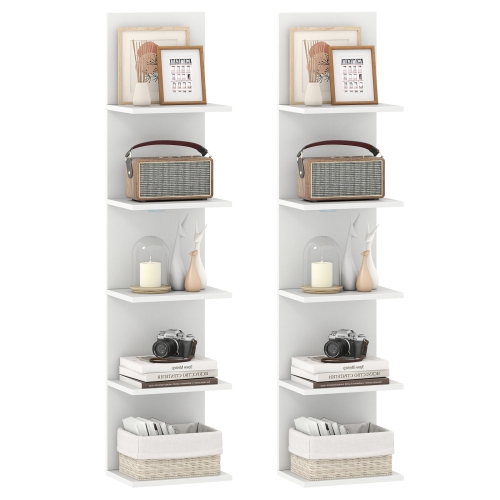
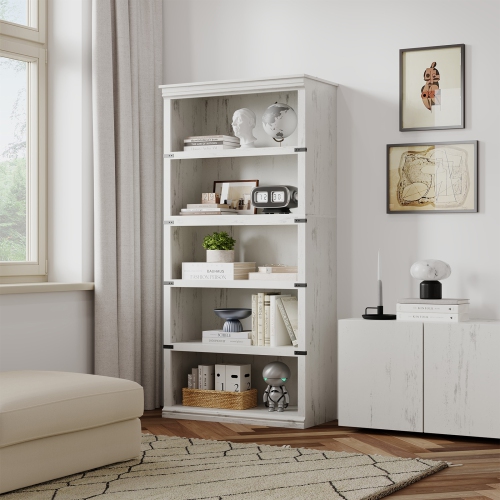
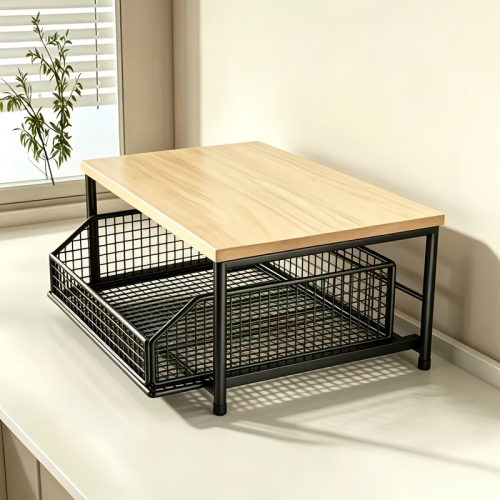
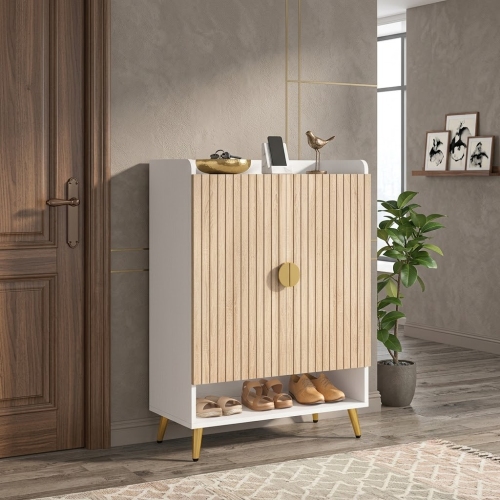
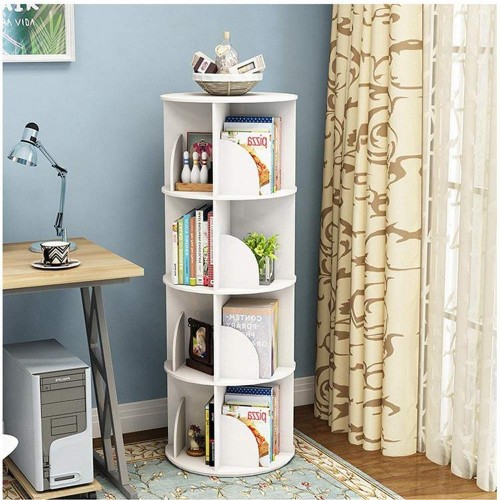
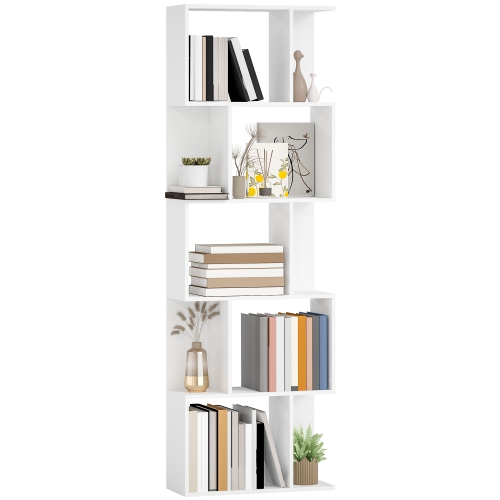
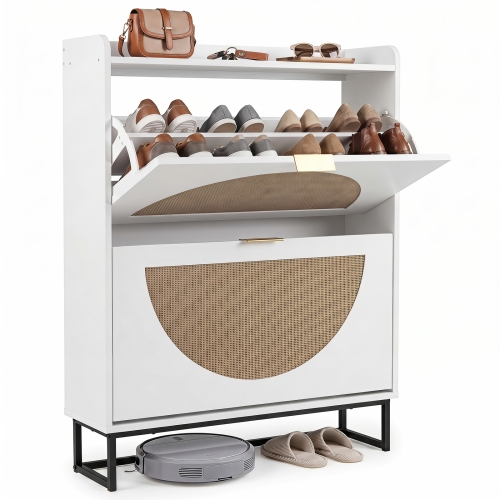
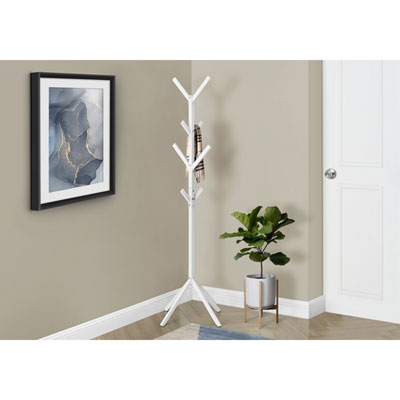
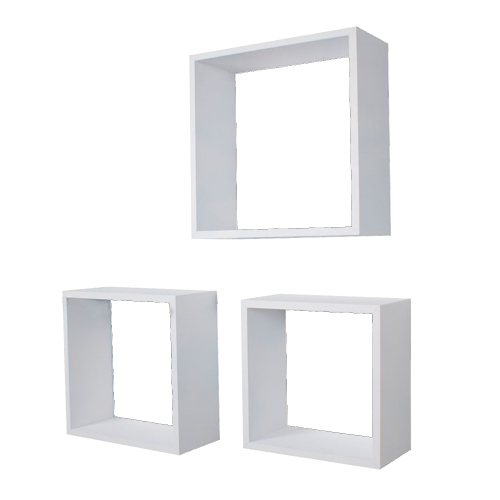


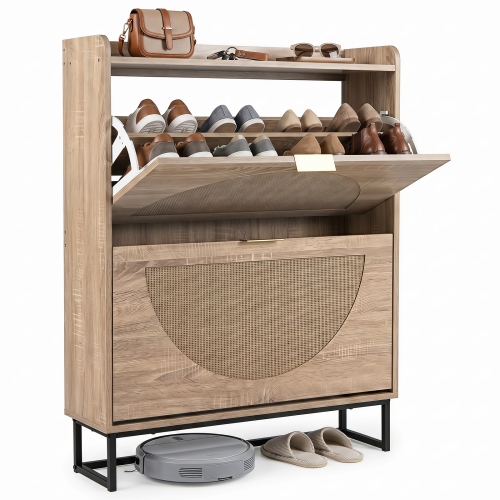
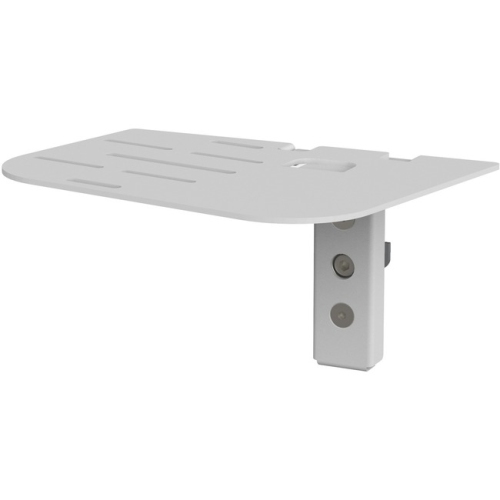
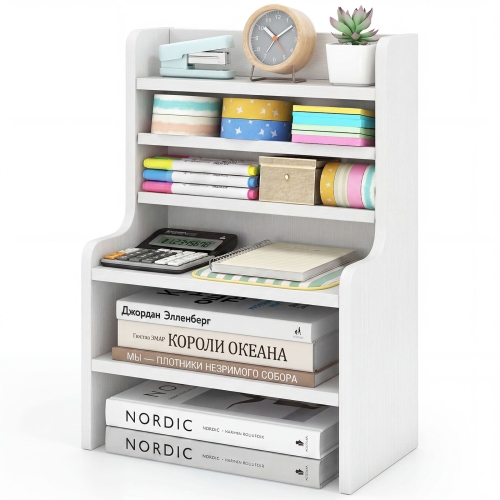
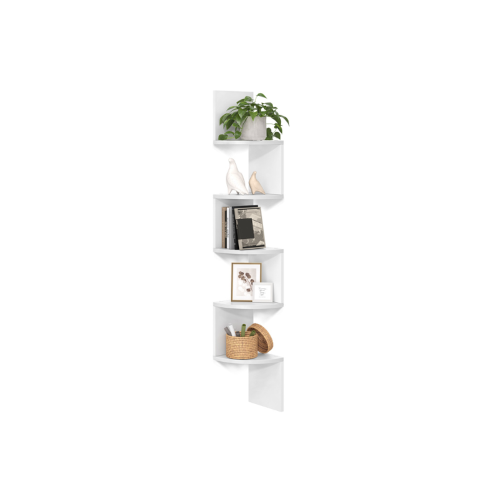
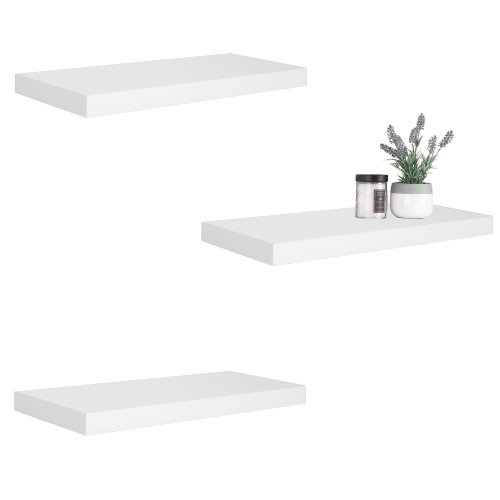
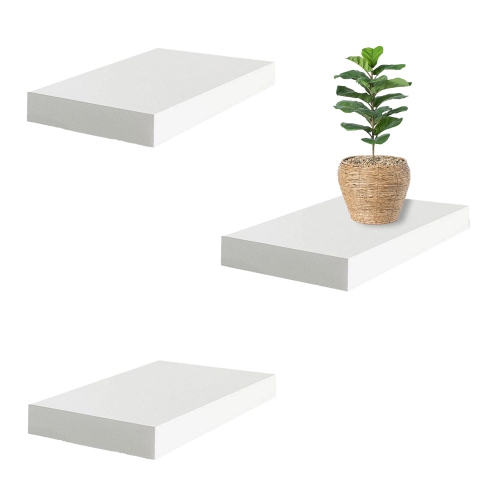
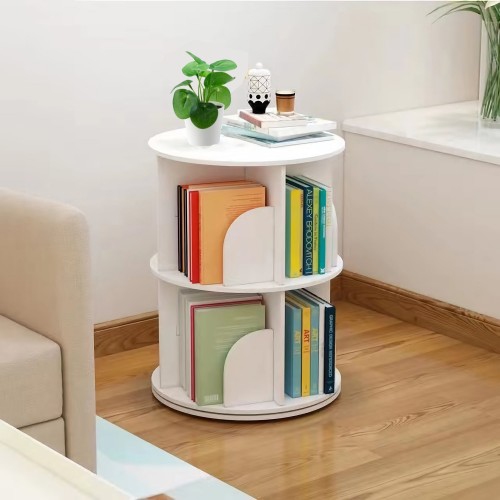

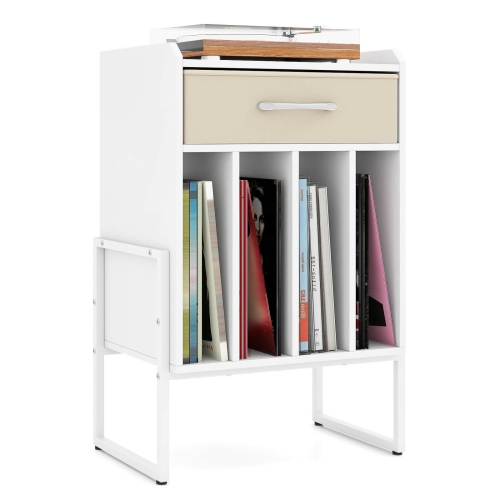
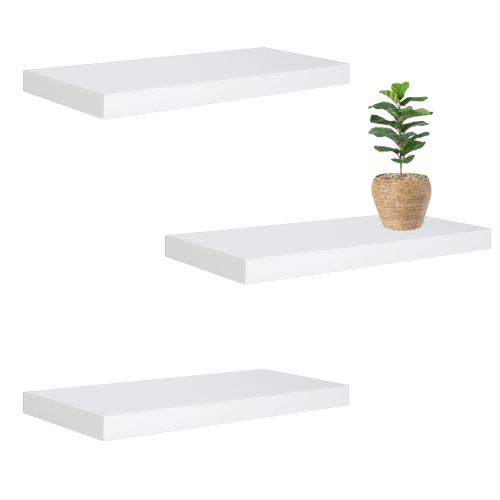
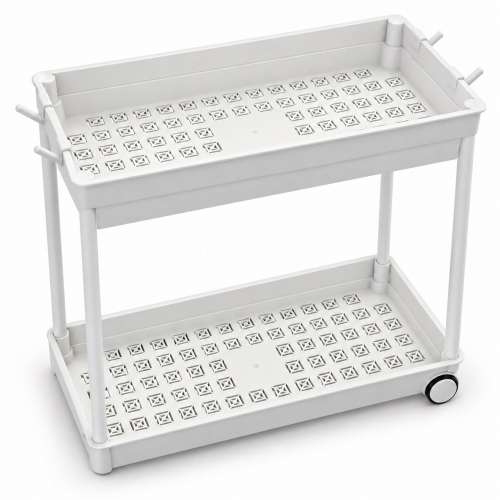

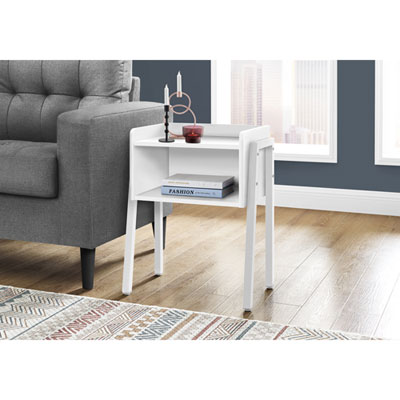
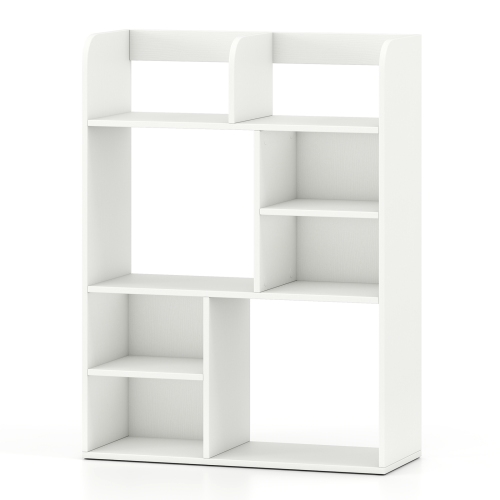
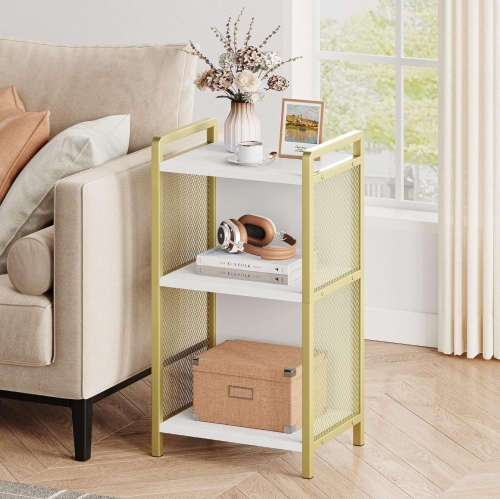
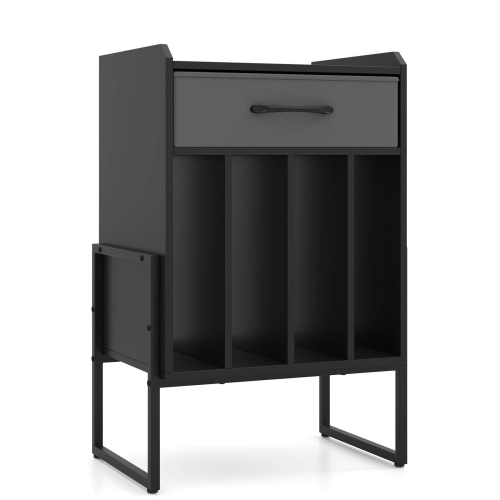
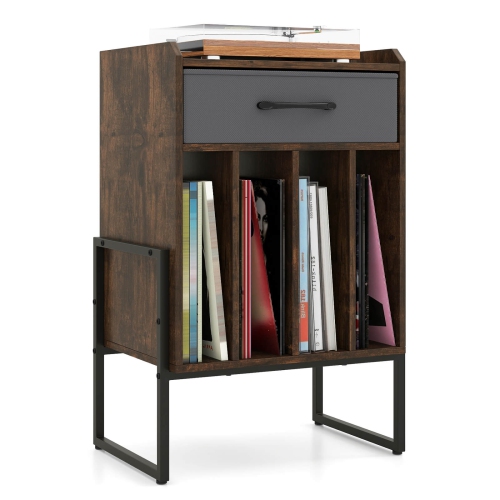
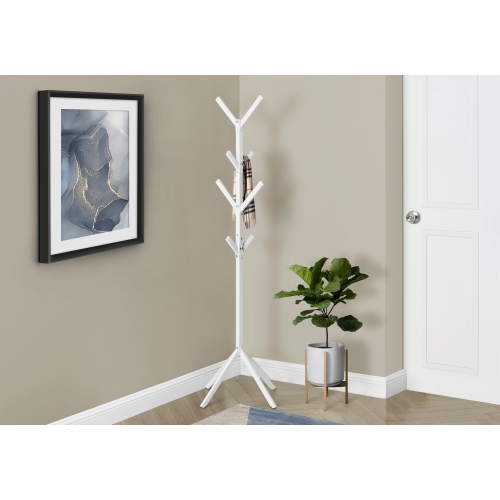
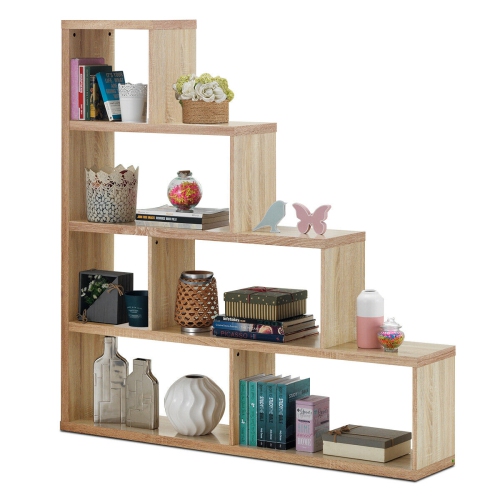

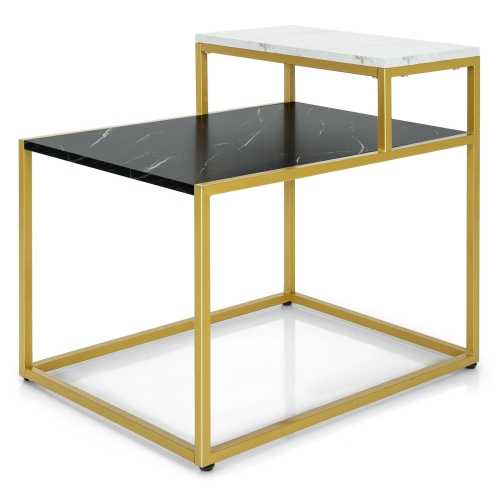
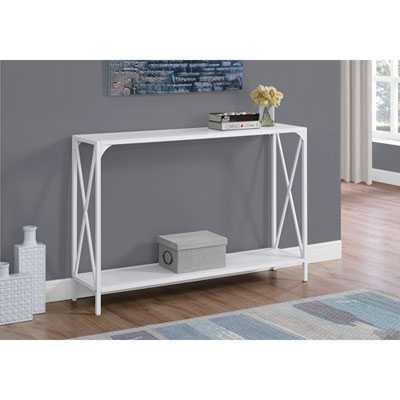
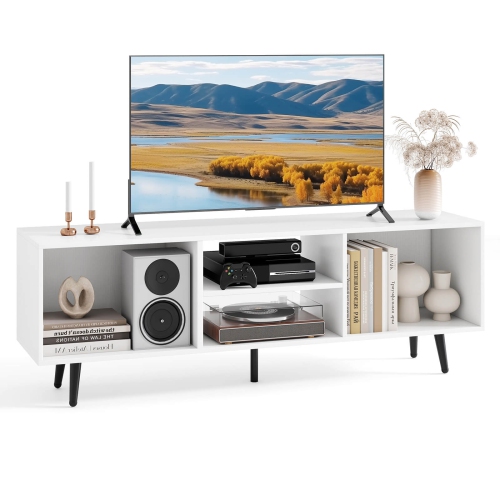

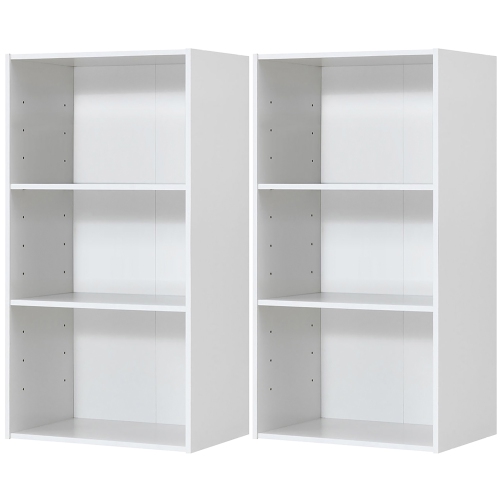
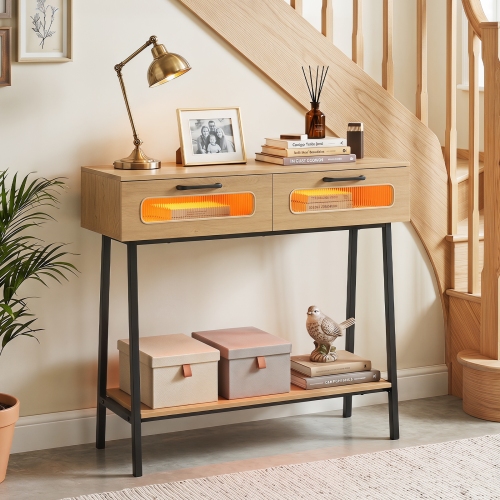
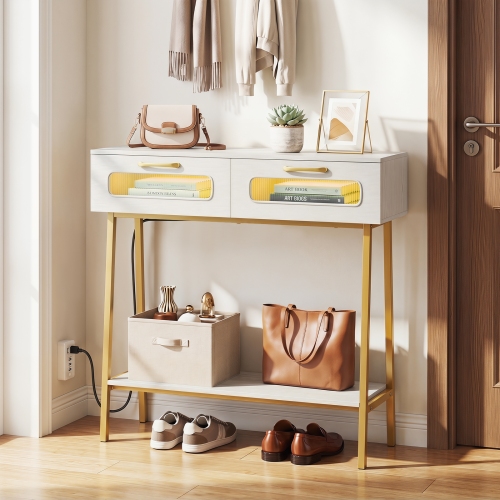
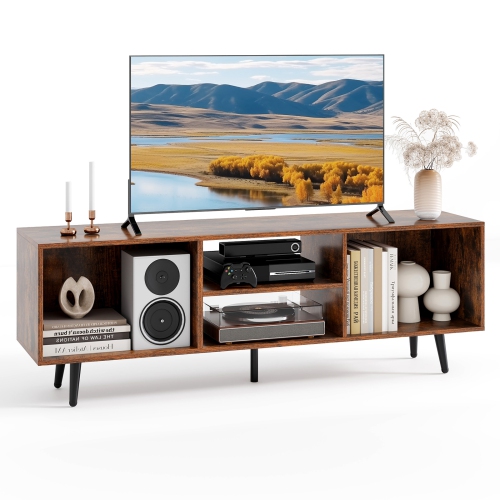
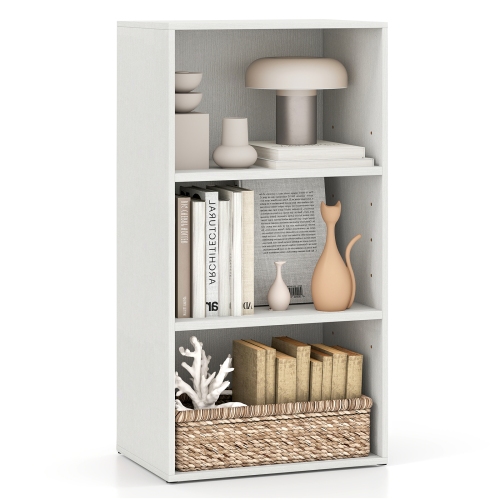
Open shelving for easy access and a lighter look
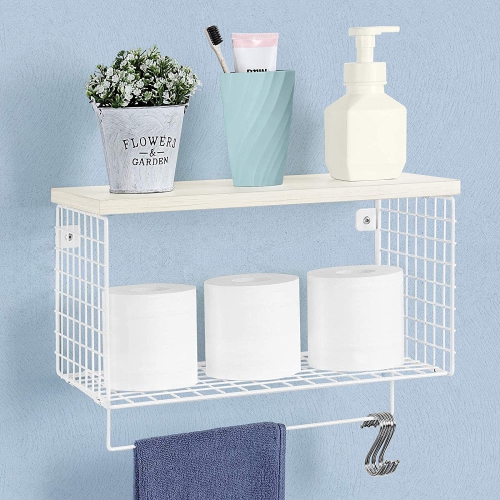
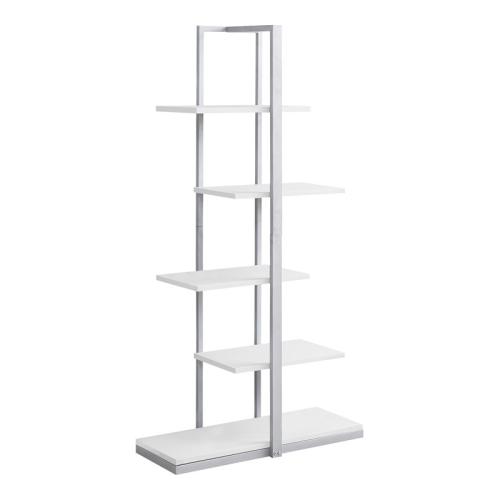
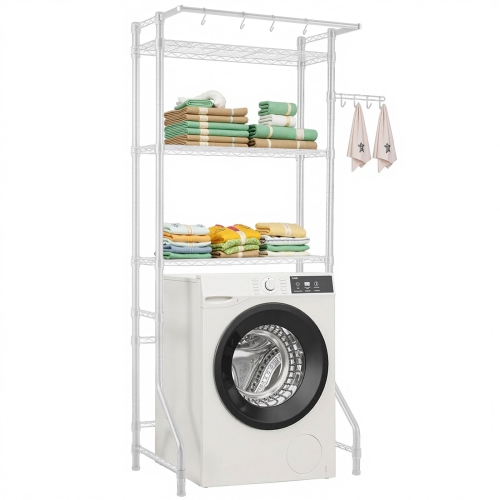
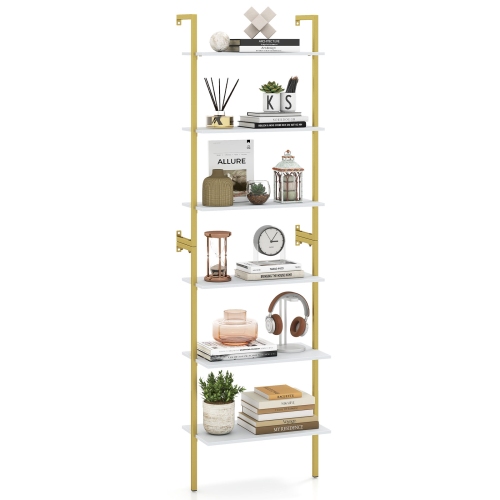
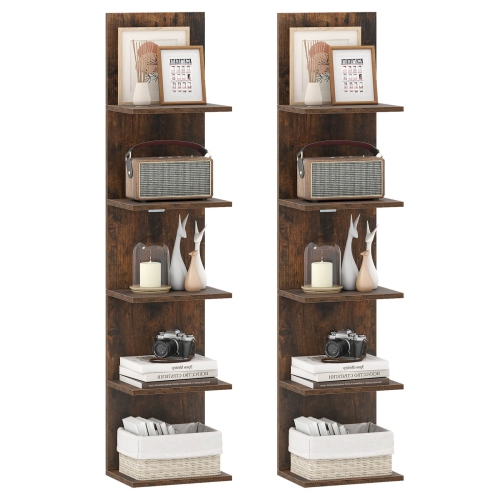
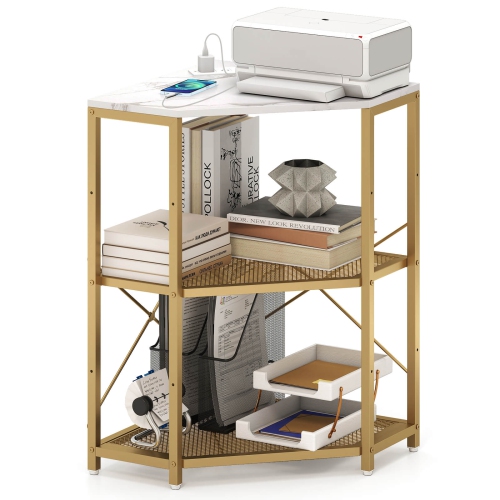
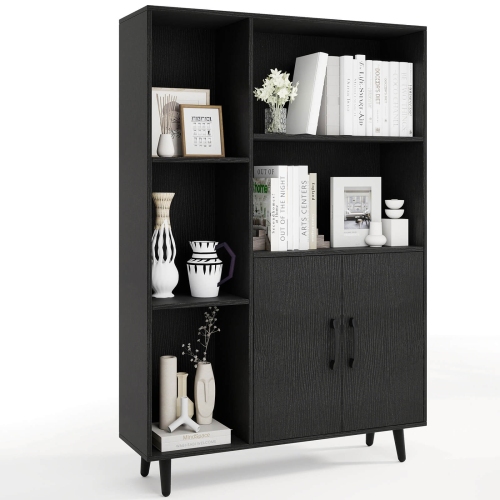
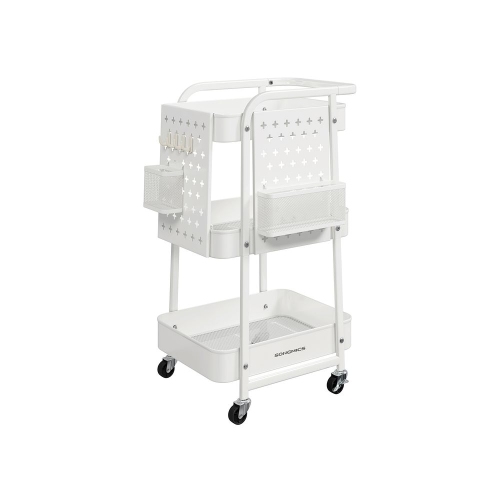
White metal shelves offer practical, space-saving storage with a clean finish that suits homes, offices, and utility spaces. Their pale colour can blend into white walls for a quieter look or stand out against darker paint, wood furniture, and patterned wallpaper. Open shelves keep everyday belongings visible, making it easier to find a mixing bowl in the kitchen, a reference book beside a desk, or a basket of toiletries in the bathroom. The right design depends on what needs a home: narrow shelving can make use of an awkward gap, taller units add storage above a small footprint, and low shelves can keep frequently used belongings within comfortable reach. Wall-mounted shelves leave the floor clear, while freestanding designs provide several storage levels without requiring every shelf to be attached separately to the wall. For storage arranged across multiple tiers, White Metal Shelving Units can help organize supplies in one defined area. Solid shelves provide a continuous surface for small containers and objects with narrow bases, while wire shelves allow airflow and make it easier to see contents from below. Open sides create an airy appearance, though smaller belongings may need baskets or suitable liners to stay neatly contained. In a home office, white metal shelving can hold files, stationery, and reference materials without visually overwhelming the work surface nearby. In a kitchen or pantry, it can separate packaged food, cookware, and serving pieces so that each has a clear place. A living room arrangement might combine books with ceramics and framed photographs, leaving some open space between groupings. The same simple finish can work with light oak, warm textiles, black accents, or colourful storage bins, making white metal shelves useful for both display and everyday organization. They also suit shared spaces where several people need a straightforward system that is easy to understand and maintain.
Fit involves more than finding a shelf with the right width. Overall height, depth, and clearance around the unit affect how comfortably it works in a room. A shallow shelf can keep a hallway or compact office usable, while deeper shelving may be better suited to bulky containers or folded linens. Measurements should account for baseboard trim, door swings, nearby outlets, and the space needed to lift belongings off a shelf without tilting or scraping them. Adjustable shelf spacing is helpful when storage needs include objects of different heights, such as tall cereal containers alongside shorter jars, although adjustment options depend on the design. Fixed shelves offer a consistent layout and may suit collections that change less often. Weight capacity is another important distinction: a stated limit may apply to each shelf, the entire unit, or a particular arrangement, and a capacity for evenly distributed weight does not mean the same load can safely sit in one small spot. Dense books, cookware, and filled storage containers can add weight quickly. Heavier belongings are generally better placed on lower shelves, with weight distributed as directed by the manufacturer. Wall-mounted shelving needs hardware suited to both the wall construction and the intended load; plasterboard alone should not be assumed to provide adequate support. Freestanding units may still require wall anchoring, particularly in homes with children or pets, and should never be treated as climbing furniture. In a laundry area, shelves need enough clearance to avoid interfering with appliance doors, controls, hoses, or servicing access. In an office, equipment placed on shelves needs ventilation and suitable cable routing rather than tightly packed storage. Shelving used in a garage or utility room should be intended for the expected loads and conditions, rather than chosen on appearance alone. These practical differences help distinguish a display shelf for a few lightweight objects from a storage unit intended for denser household supplies.
Materials, construction, and finish all influence how white metal shelves hold up to regular use. Steel is common in storage shelving, while some designs use aluminium or combine a metal frame with shelves made from other materials. A white frame does not necessarily mean that every component is metal, so the shelf surface, connectors, feet, and any additional panels are worth checking in the product specifications. Stability depends on the complete construction, including bracing, joints, hardware, and correct assembly, rather than metal thickness alone. Powder-coated and painted finishes provide the white appearance and help protect the underlying metal, but neither should automatically be treated as scratchproof or suitable for prolonged dampness. Bathrooms, laundry rooms, and basement storage areas call for attention to the manufacturer's guidance on moisture exposure. Keeping spills from sitting on the surface and allowing cleaned shelves to dry can help protect the finish. Routine care is usually straightforward: dust can be removed with a soft cloth, and many finished surfaces can be wiped with a lightly damp cloth and mild cleaner when permitted by the care instructions. Abrasive pads, harsh chemicals, and dragging rough-bottomed containers across the shelves can leave marks or damage the coating. Wire shelving may need extra attention around intersections, while solid shelves are easier to wipe across but can collect dust beneath stored belongings. Suitable shelf liners or trays can contain small objects and simplify cleaning, provided they are compatible with the shelving and do not interfere with secure placement. Checking fasteners periodically and following any instructions for levelling feet or locking castors helps keep the setup dependable. For households that rearrange rooms or change how they use storage, a simple white finish can remain easy to coordinate with different furniture and accessories. The most useful choice balances appearance with appropriate dimensions, load capacity, and care requirements, creating storage that feels like a considered part of the room rather than an obstacle within it.
Top selling and popular products
-
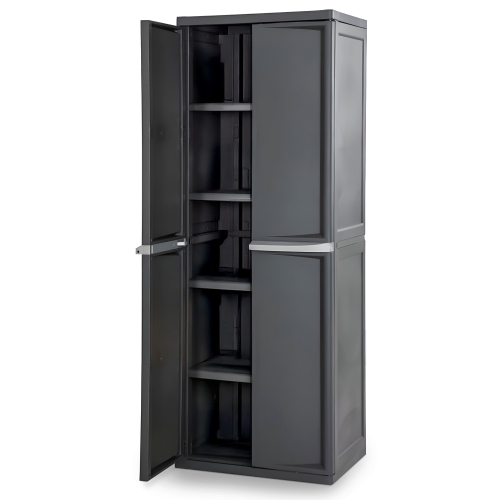 Your price for this item is $577.99
-
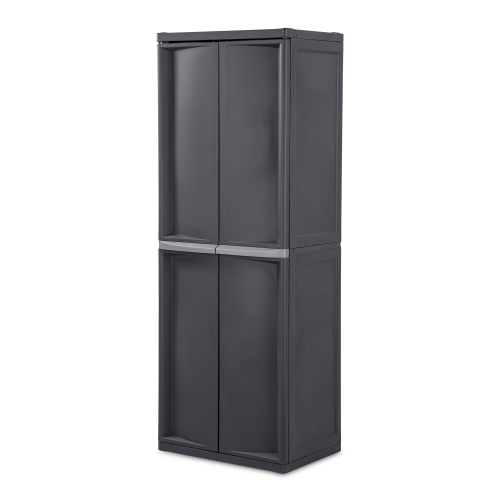 Your price for this item is $1167.99
-
 Your price for this item is $331.99
-
 Your price for this item is $208.99
-
 Your price for this item is $171.99
-
 Your price for this item is $592.99
-
 Your price for this item is $599
-
 Your price for this item is $229.99
Discover more categories related to White Metal Shelves
Top Collections:
Best Black Friday Deals This Year, Best Black Friday Deals On Electronics, Kindle Devices, Dyson Airwrap, Best Cameras for Sports Photography, Best Budget Office Chairs, Canon G7X Cameras, PS5 Pro Consoles, Best Black Friday Deals On Apple Products, XBOX One S Consoles
Some products may be subject to Environmental Handling Fees
(EHF) depending on your province.
Learn more about EHFs.