Bosch Stainless Steel Dishwashers

Shop Bosch stainless steel dishwashers to find a model that suits your kitchen layout and daily dishwashing needs. Compare dimensions, capacity, wash cycles and noise ratings, and check installation requirements to help narrow your choice.
Sort

The right dishwasher fit goes beyond the finish

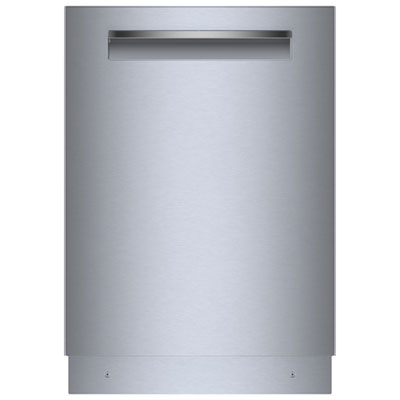
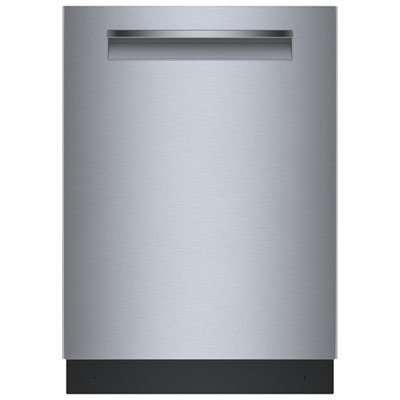
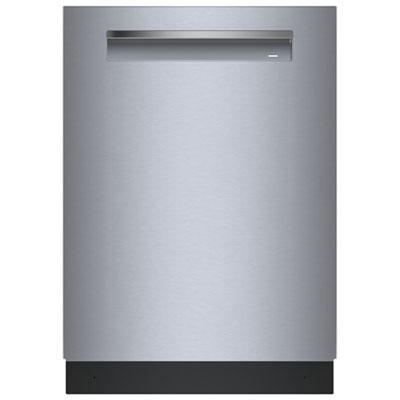
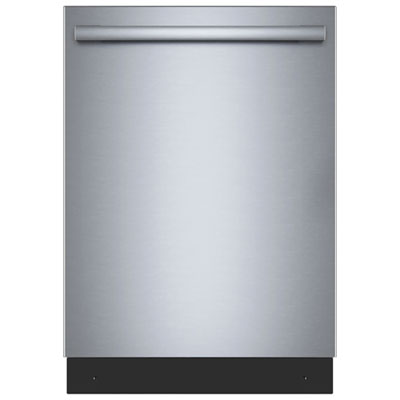
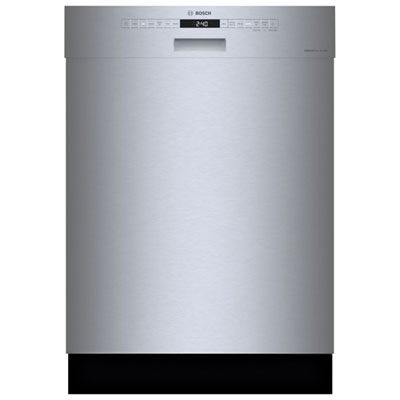
Stainless steel dishwashers bring a clean, understated finish to a kitchen while taking on the daily work of breakfast bowls, dinner plates, and cooking utensils. The metallic surface pairs naturally with a range of cabinet colours, from painted white doors to deep wood tones, and can complement other appliances without making the room feel overly matched. Appearance is only part of the decision, though. A dishwasher needs to suit the way the kitchen is used, whether that means frequent small loads in a compact household or a full rack after a shared family meal. Stainless steel on the exterior does not necessarily describe the material inside the appliance, so it is worth checking the tub construction separately. Interior materials, rack design, and drying features all contribute to the ownership experience. The finish also deserves a closer look: stainless steel can vary in tone, sheen, and resistance to visible fingerprints. In a kitchen with several metallic finishes, those differences may be noticeable under cabinet lighting. Fit is equally important. Many full-size built-in dishwashers are designed for a nominal 24-inch space, but the actual opening, appliance dimensions, and required clearances should always be checked together. Measure the height beneath the countertop, the width between cabinets, and the depth available for the appliance and its connections. Flooring added after the original kitchen installation can affect clearance, especially when removing an older dishwasher. The open door also needs enough room for comfortable loading without blocking a nearby drawer, cupboard, or walkway. A projecting handle may affect how adjacent cabinet doors open, while controls along the top edge need to remain accessible when the door is open. Water supply, drainage, electrical connections, and secure mounting all require attention during installation. For a replacement or kitchen renovation, checking these details before installation helps avoid an awkward fit and leaves the dishwasher properly positioned beneath the counter.

Inside the dishwasher, the most useful layout is the one that comfortably holds the dishes used every day. A household that cooks with deep bowls and large mixing utensils has different needs from one that mostly washes plates, mugs, and lunch containers. Adjustable upper racks can create clearance for taller pieces below, while folding tines may make room for a serving bowl or an unusually shaped pan. A cutlery basket keeps utensils together, whereas a separate upper tray can provide individual spaces for flatware and small kitchen tools; the preferred arrangement often comes down to loading habits and available rack space. Rack movement matters, too. A rack that slides smoothly when loaded with heavy dishes can make everyday unloading noticeably easier. Check how the layout accommodates dinner plates, tall glasses, and the handles of frequently used cookware rather than relying solely on a stated place-setting capacity. Good loading leaves room for water to reach surfaces and keeps dishes from nesting together. Bowls should not overlap tightly, tall utensils should not obstruct a spray arm, and lightweight containers need a secure position so they do not flip over during washing. Cycle choices are another practical consideration. Depending on the appliance, options may include an automatic programme, a more intensive setting for suitable heavily soiled cookware, or a shorter cycle for lightly soiled dishes. Cycle duration, recommended loading, and drying results vary, so the operating instructions are the best reference for each setting. Drying performance also depends on the material being washed: plastic containers often retain droplets differently from ceramic plates or glassware. Rinse aid, suitable loading, and the selected drying option can all affect the result. In an open-concept home, sound level may be particularly important when the dishwasher runs during conversation or television viewing. A lower stated decibel rating generally indicates quieter operation, although the sounds heard in the room can also depend on installation, surrounding cabinetry, and the stage of the wash cycle.

Regular care helps a stainless steel dishwasher keep its appearance and function reliably through repeated use. On the exterior, a soft cloth and a cleaner suitable for the particular finish are generally preferable to abrasive pads or harsh chemicals. Follow the direction of the grain where one is visible, and wipe away cleaner residue as directed to avoid streaks. Fingerprint-resistant coatings may have different care requirements from uncoated stainless steel, so a cleaner that works on one appliance is not automatically suitable for another. Door edges, the handle, and the area around the controls benefit from gentle, routine attention, particularly where damp hands leave marks. Inside, remove larger food scraps before loading and check the filter according to the appliance’s care instructions. A filter that needs manual cleaning should be removed, rinsed, and refitted correctly; cleaning intervals depend on use and the design of the machine. Spray-arm openings should remain clear, and anything caught near the door seal should be removed carefully. Use detergent intended for automatic dishwashers, since ordinary hand dish soap can create excessive suds. Local water hardness may also influence detergent performance, spotting, and mineral buildup, making the recommended settings and care routine worth reviewing. Dish suitability remains important even with a spacious rack and a powerful wash setting. Wooden utensils, delicate decorative finishes, and some cookware coatings may require handwashing, so check their care directions before loading. For a broader comparison of layouts and everyday features, the Best Stainless Steel Dishwashers collection provides another way to explore the category. The strongest match for a particular kitchen balances the visible finish with practical details: a comfortable loading height, racks that accommodate familiar dishes, controls that are easy to read, and a care routine that fits household habits. Those details make a difference long after installation, when clearing the table and resetting the kitchen become part of an ordinary day.

FAQ

Some products may be subject to Environmental Handling Fees (EHF) depending on your province. Learn more about EHFs.