Boxing Day Deals Coming Soon
Our Boxing Day Sale returns in December 2026. In the meantime, shop our current top deals below.

55 Inch TV Boxing Day Sale
Discover unbeatable deals during the highly anticipated 55-inch TV Boxing Day sale at Best Buy. Whether you’re upgrading your home theater or searching for the perfect gift, now is the ideal time to find incredible savings on a wide selection of stunning screens. Enjoy deep discounts and special offers designed to help you get more entertainment value for less. Don’t miss out on these limited-time Boxing Day savings on top-rated TVs in the popular and versatile size of fifty-five inches. Remember, our Low Price Guarantee means you can shop confidently knowing that you'll find the best price at Best Buy, all year round. We encourage you to check our website frequently for the most up-to-date information on our latest offers and savings opportunities.





What matters beyond a 55-inch TV’s screen size
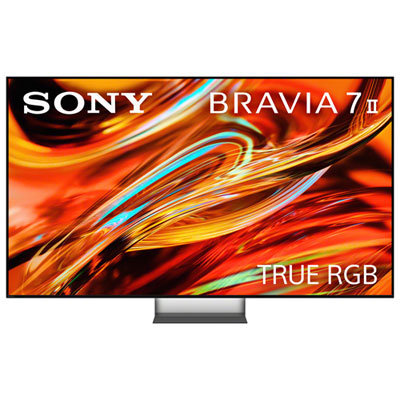
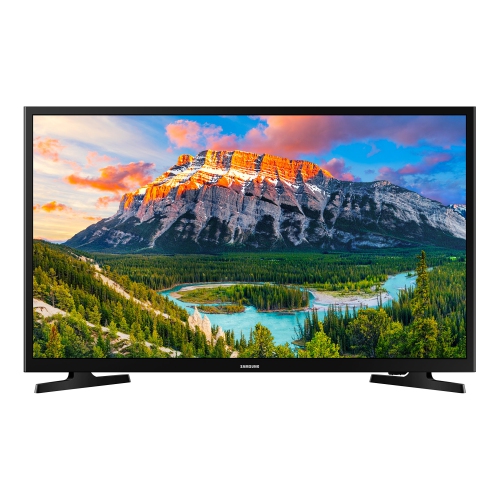
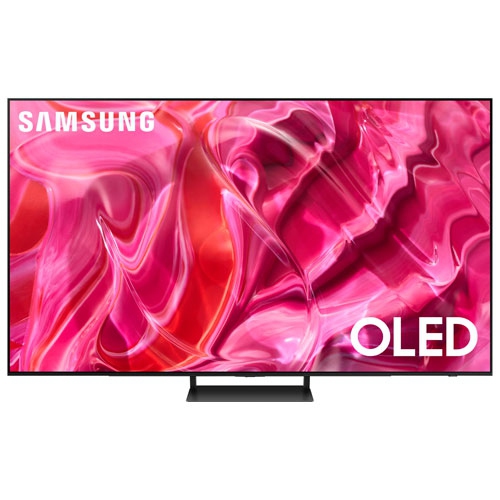
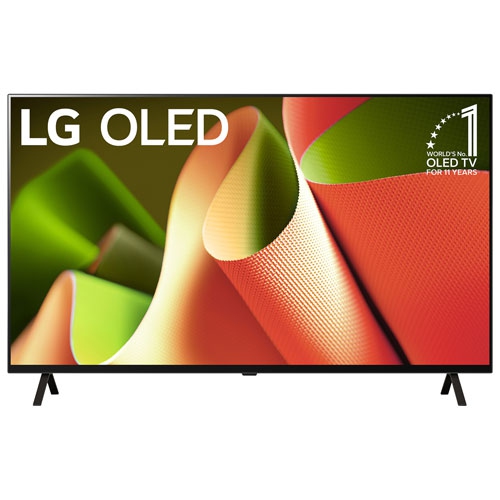
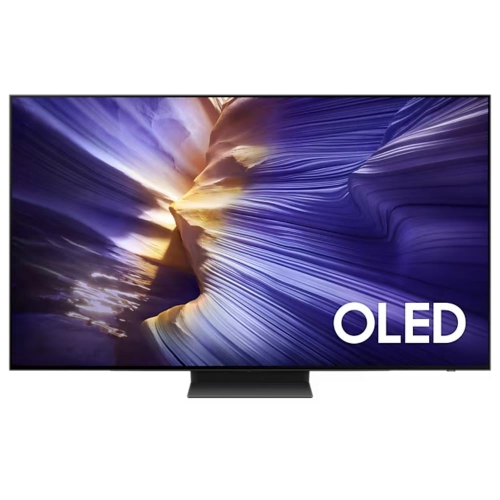
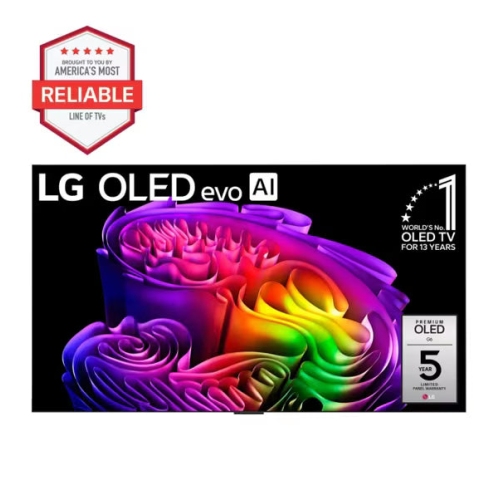
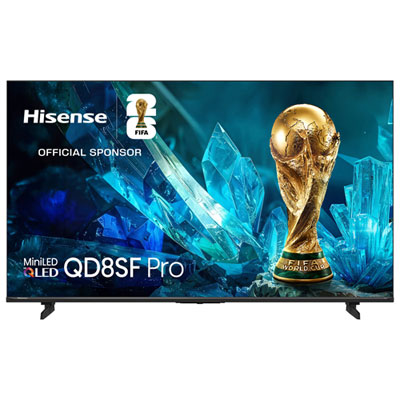
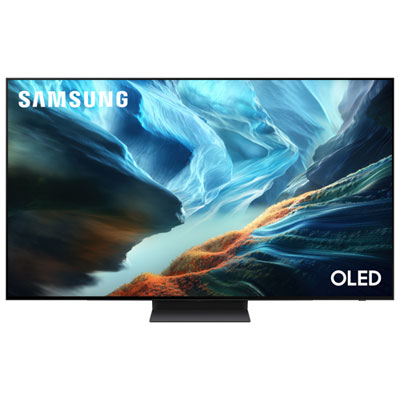
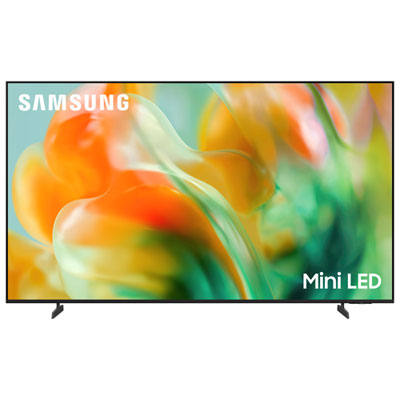
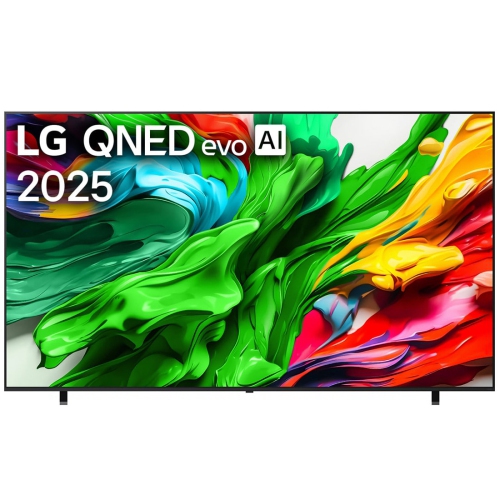
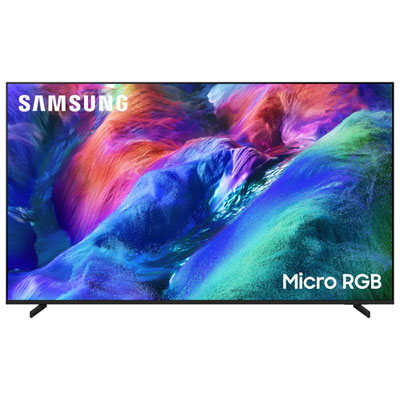
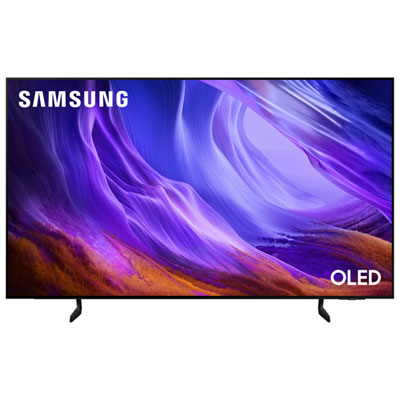
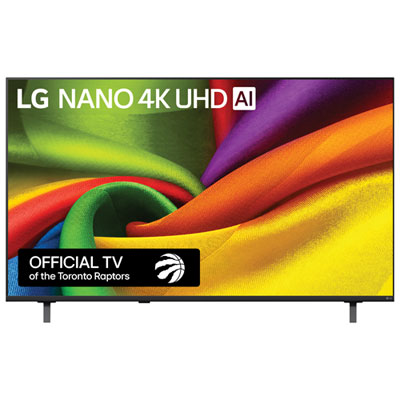
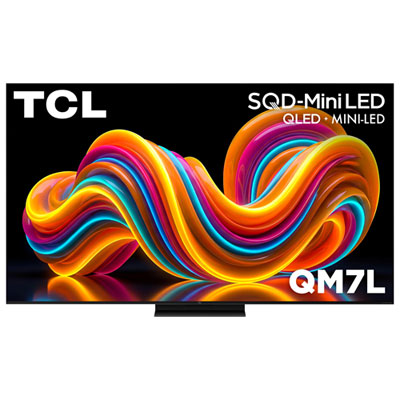
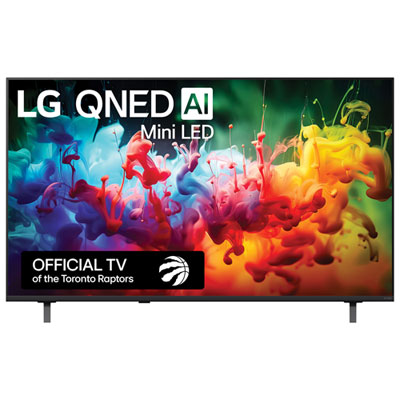
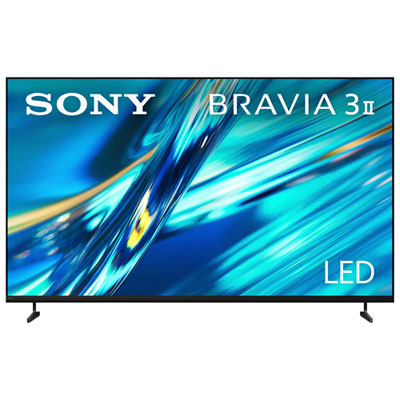
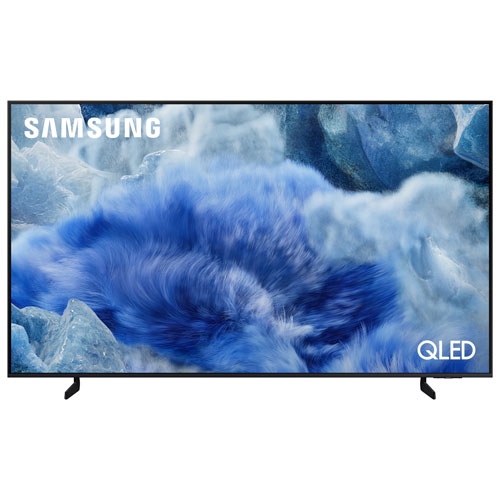
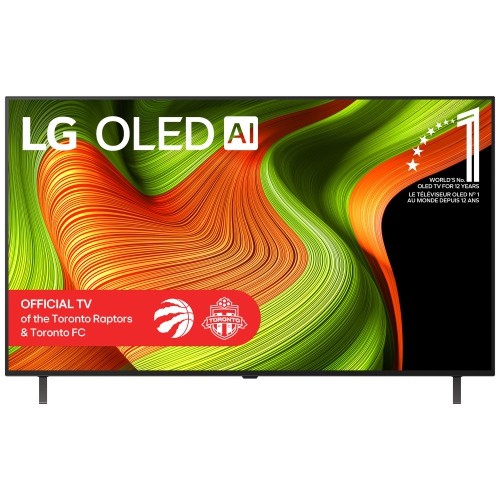
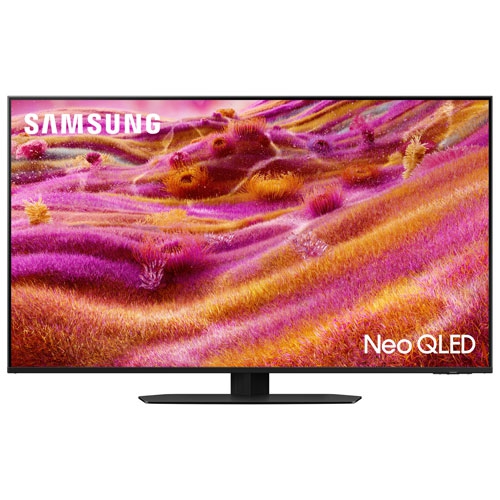
Picture technology gives 55-inch TVs different strengths, even when their dimensions and resolution are similar. LED-backlit LCD televisions use a separate light source behind the panel, and their contrast depends partly on how precisely that light is controlled. Full-array local dimming can improve the separation between bright and dark areas, though its effectiveness varies with the implementation. Mini-LED backlighting uses smaller light sources and can support more precise dimming; the result still depends on the panel, processing, and number of independently controlled zones. QLED generally refers to an LCD television that uses quantum dots to help produce colour, rather than a screen whose pixels illuminate themselves. OLED pixels emit their own light and can switch off individually, creating deep blacks and clear contrast in scenes such as city lights against a night sky. OLED also calls for some attention to viewing habits, since prolonged, repeated display of static graphics can contribute to permanent image retention. A household that leaves the same channel logo or game interface onscreen for extended periods has different needs from one that watches varied content. High dynamic range, or HDR, can reveal brighter highlights and more detail across a scene, but support for an HDR format alone does not guarantee a dramatic improvement; brightness, contrast, and the source material all play a part. Motion handling deserves similar context. A native 120 Hz panel can offer benefits for sports and compatible games, while advertised motion enhancement figures are not necessarily the panel’s actual refresh rate. For gaming, low input lag helps actions feel responsive, and variable refresh rate can reduce visible tearing when supported by both the television and the connected device. Playing at 4K and 120 Hz requires support throughout the connection, including the relevant input and cable. These distinctions matter most when matched to real habits: a puck moving across the ice, small text in a game menu, or a dimly lit film scene places different demands on the display.
A television’s everyday usefulness also depends on the details that surround the picture. Smart TV platforms differ in their menus, app support, accessibility settings, and remote layouts, so familiar navigation can be especially valuable in a shared household or when a television is given as a gift. Streaming services may require separate subscriptions, and app support can change over time. Reliable Wi-Fi helps with streaming, while an Ethernet connection, where supported, provides a wired alternative when the router is within reach. Enough HDMI inputs allow a game console, streaming device, and other equipment to remain connected without frequent cable swapping. An HDMI port with eARC can carry supported audio formats to compatible sound equipment, but both devices need the appropriate capability. Built-in speakers may be sufficient for casual viewing; clearer dialogue or a fuller film soundtrack may call for a separate audio setup. The height of the screen’s feet matters here, since a speaker placed in front should not cover the picture or block the remote sensor. Materials and handling are equally practical considerations. Thin panels, plastic or metal frames, and compact stands create a streamlined appearance, but the screen surface remains vulnerable to pressure and impact. Moving a television is safer with two people supporting it as directed by the manufacturer, rather than gripping or pressing the display. Wall installation requires a mount matched to the television’s weight and mounting pattern, with suitable fixings for the wall structure. On furniture, a stable surface and an appropriate anti-tip restraint are important, particularly around children or pets. Clear ventilation space helps prevent heat buildup, and accessible cable routing makes cleaning and connection changes easier. Routine care usually involves a clean, dry microfibre cloth, with any additional cleaning method checked against the manufacturer’s instructions; liquid should never be sprayed directly onto the screen. For rooms where seating is farther away or a larger picture would better suit shared viewing, 70-inch TVs for Boxing Day offer another screen size to consider alongside the furniture layout and mounting space. A well-fitted 55-inch television remains a versatile centre for everyday entertainment, with room placement, clear sound, straightforward controls, and thoughtful care all contributing to its long-term enjoyment.
Top selling and popular products
-
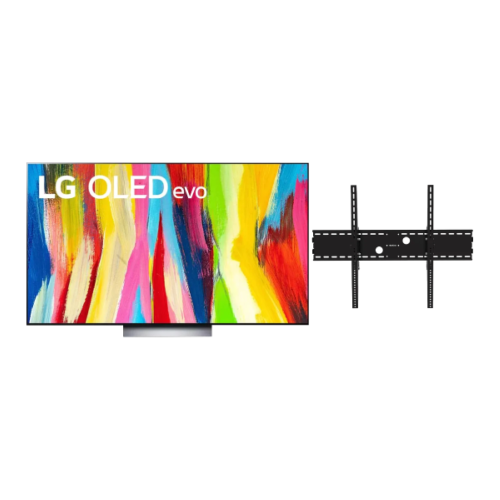 Your price for this item is $1527.99
-
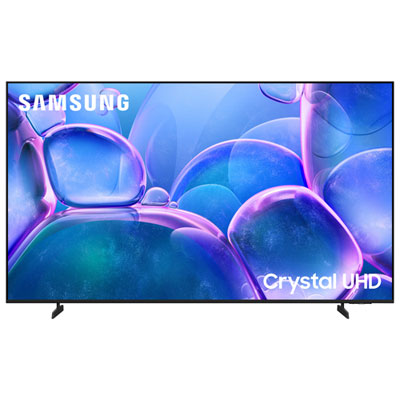 Your price for this item is $549.95
-
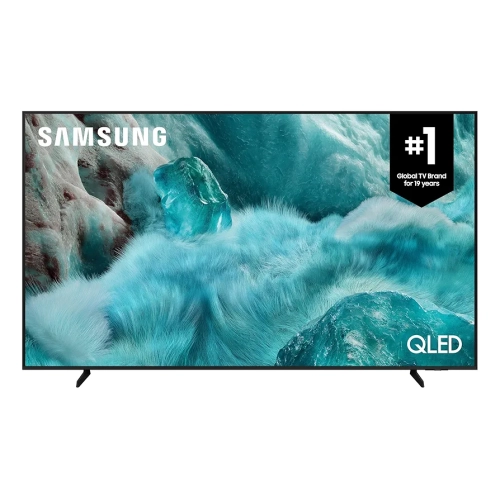 Your price for this item is $479.99
-
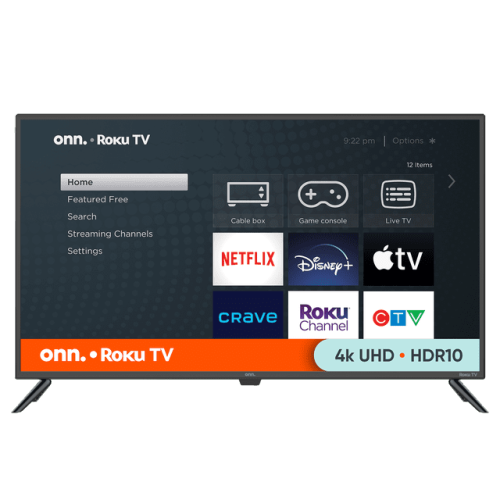 Your price for this item is $399.98
-
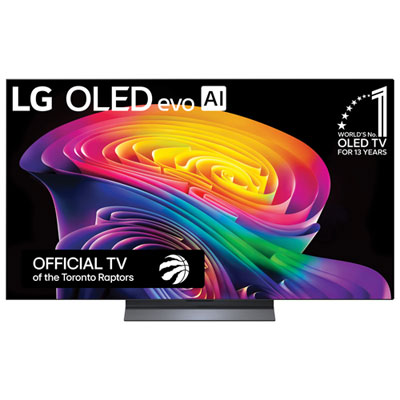 Your price for this item is $2299.99
-
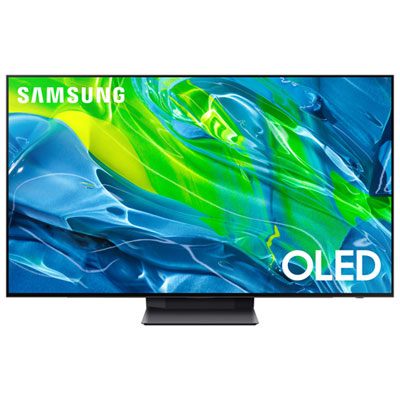 Your price for this item is $1699.97
-
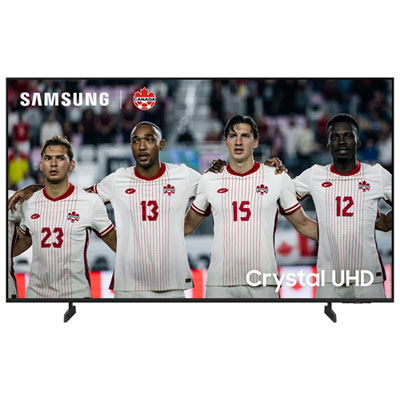 Your price for this item is $649.99
-
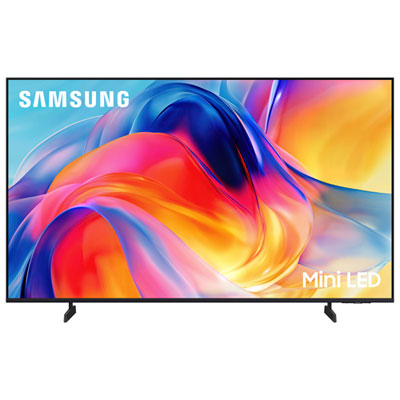 Your price for this item is $799.99