Boxing Day Deals Coming Soon
Our Boxing Day Sale returns in December 2026. In the meantime, shop our current top deals below.

Boxing Day Sale On Bracelets
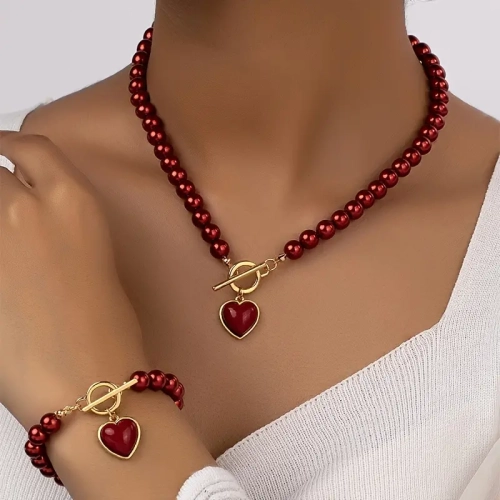
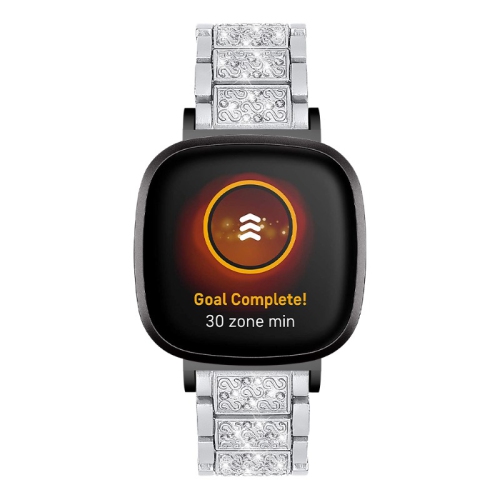
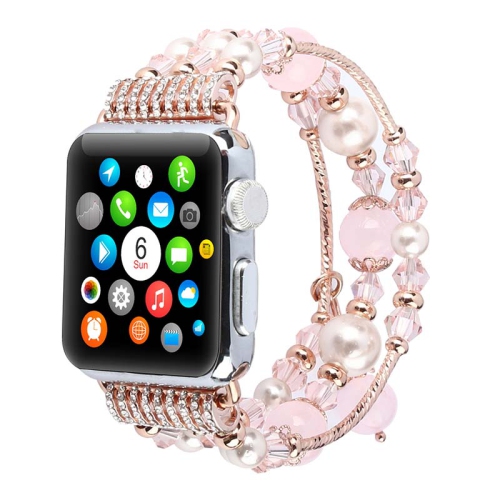
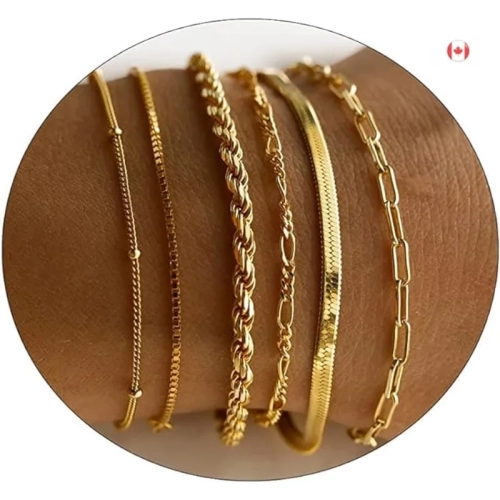
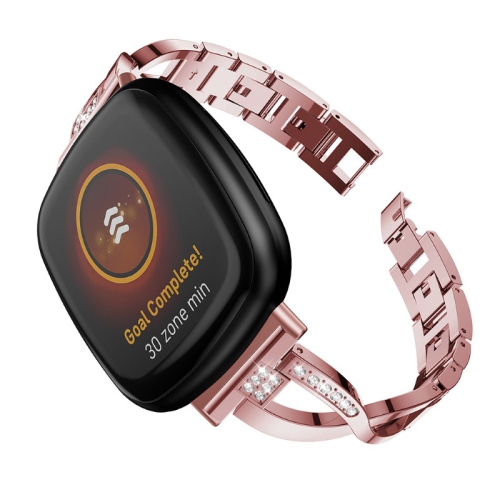
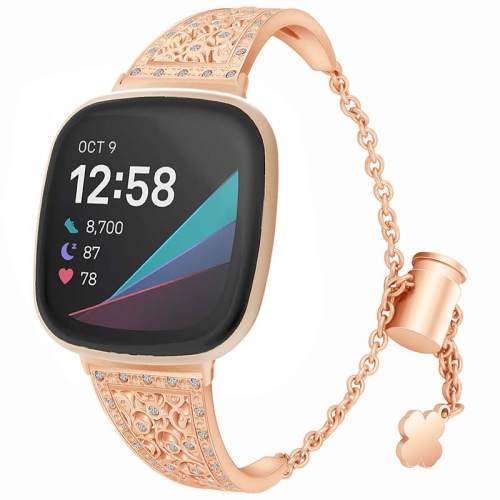
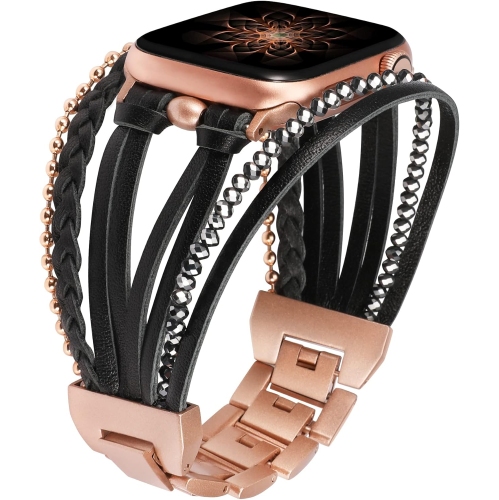
Get ready to dazzle with incredible savings during our Boxing Day Sale on bracelets! Whether you're searching for the perfect gift or looking to treat yourself, this is the ideal opportunity to find stunning pieces that complement any style. Explore a wide selection of bracelets featuring timeless designs and contemporary trends, all at unbeatable prices. From elegant classics to bold statement pieces, there's something for everyone. Don't miss out on these limited-time offers to add a touch of elegance to your jewelry collection while enjoying fantastic discounts. Remember, our Low Price Guarantee means you can shop confidently knowing that you'll find the best price at Best Buy, all year round. We encourage you to check our website frequently for the most up-to-date information on our latest offers and savings opportunities.
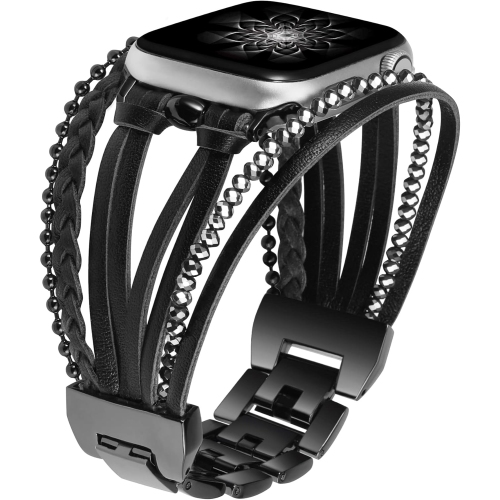
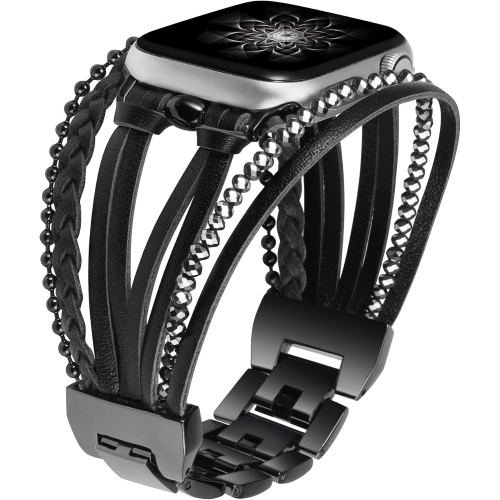
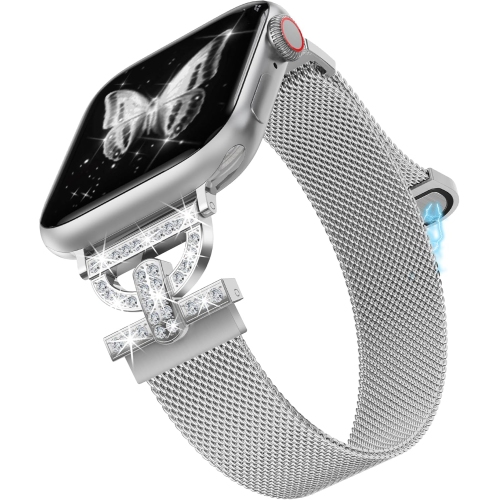
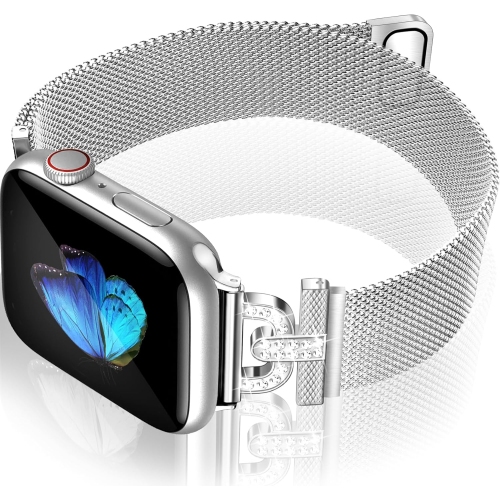
Why bracelet fit matters as much as finish
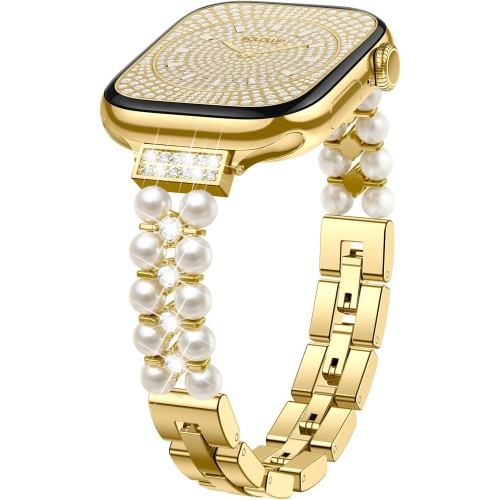
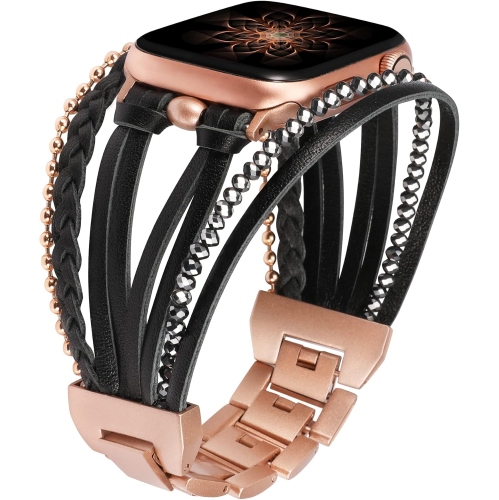
Materials influence a bracelet’s appearance, weight, care needs, and how its surface changes with wear. Gold jewellery varies by karat, which indicates the proportion of gold in the alloy; the other metals contribute to colour and hardness. Higher gold content does not automatically make a bracelet better suited to every activity, particularly when a fine chain or delicate setting is involved. Sterling silver has a bright appearance and can develop tarnish over time, so occasional cleaning with a method appropriate to the piece helps maintain its finish. Stainless steel is often chosen for its strength and resistance to corrosion, although the construction, coating, and care instructions still matter. Plated jewellery has a surface layer over a base metal, and that layer can gradually wear at points that rub against skin, clothing, or nearby jewellery. Terms such as gold-plated, gold-filled, and solid gold describe different constructions and should not be treated as interchangeable. For anyone with metal sensitivities, the full material description is more useful than colour alone, since similar-looking bracelets may contain different alloys. Nickel content can be especially relevant, and a broad claim such as “hypoallergenic” does not guarantee that a piece will suit every wearer. Leather and cord bracelets offer a softer, more textured look, but repeated exposure to moisture may affect their shape, colour, or flexibility. Beads, pearls, and gemstone accents have their own care requirements; some tolerate routine wear better than others, and softer or porous materials can be damaged by harsh cleaners. Durability also depends on details that are less obvious in a photograph, including link thickness, the strength of connecting rings, the security of settings, and the quality of the clasp. A substantial-looking bracelet is not necessarily heavy or solid throughout. Clear material and construction information helps distinguish a comfortable everyday piece from one that needs a gentler approach. For frequent wear, smooth edges and secure connections can matter just as much as the finish that first catches the eye.
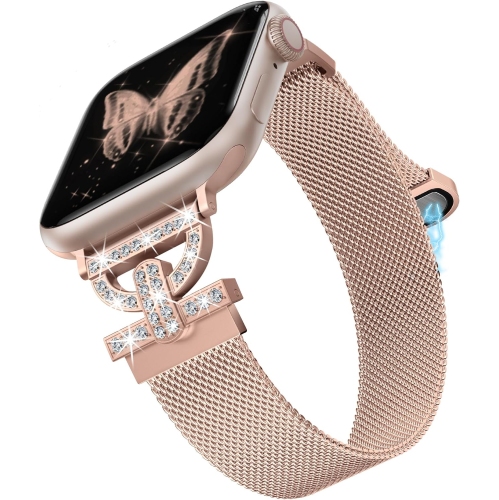
Fit is where an attractive bracelet becomes a comfortable one. Measure around the wrist where the bracelet will sit, then compare that measurement with the stated length and any sizing instructions. Wrist circumference and bracelet length are not identical: a comfortable fit needs room for movement, and large beads or thick links can reduce the space inside a bracelet. A chain that sits neatly above the hand should not pinch when the wrist bends, but excessive looseness can let it slide into the palm or catch on handles and sleeves. Slip-on bangles must pass over the widest part of the hand, so wrist measurement alone is not enough; the opening’s dimensions and shape are important. Hinged bangles open for placement, while cuffs have a gap that may allow them to slide onto the wrist from the side. Not every cuff is designed to be bent repeatedly, so adjustment should follow the maker’s instructions. Clasps deserve similar attention, especially for someone who fastens jewellery one-handed or has limited finger dexterity. Small spring rings, lobster clasps, toggles, and magnetic closures each feel different in use, and ease of fastening should be balanced with how securely the closure suits the wearer’s routine. For a gift when an exact measurement is difficult to obtain, an adjustable length can offer useful flexibility, provided its range suits the recipient. Bracelets can also form part of a coordinated gift with earrings; the Boxing Day Sale On Earrings page offers a related category to explore. Matching metal tones can create a cohesive look without requiring identical shapes or details. Once a bracelet is part of the daily rotation, simple habits help protect it: remove it before activities that expose it to impact, chemicals, or moisture unless its care instructions permit that use, and store it separately to limit scratches and tangles. A soft pouch or divided jewellery box keeps fine chains from knotting around larger pieces. Check clasps and connecting rings periodically, and have loose settings or damaged links assessed before wearing the bracelet again. Thoughtful fit, suitable materials, and consistent care help a bracelet remain both wearable and meaningful.
Top selling and popular products
-
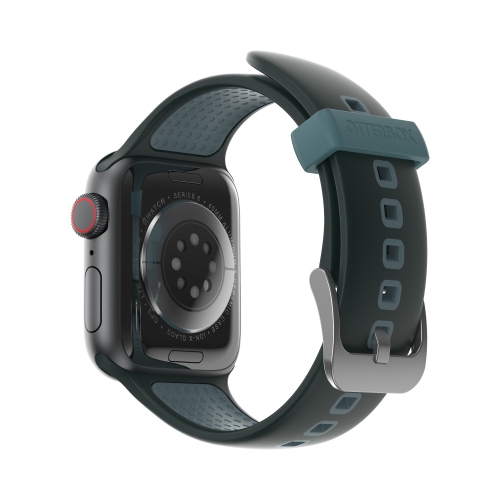 Your price for this item is $44.99
 -
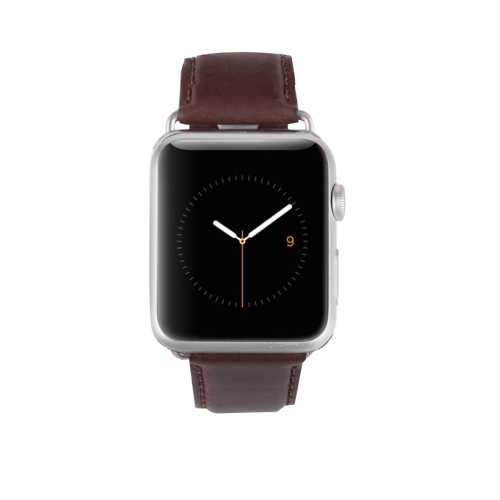 Your price for this item is $29.99
 -
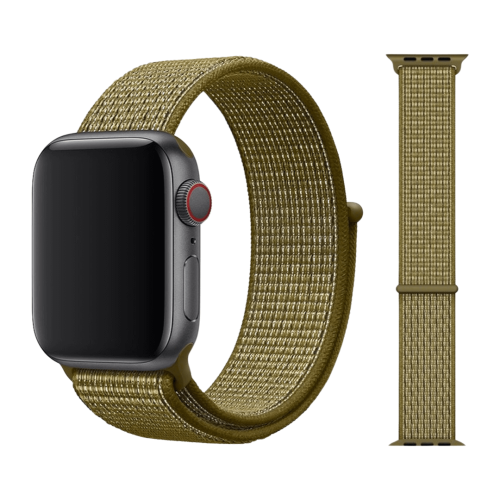 Your price for this item is $59.99
 -
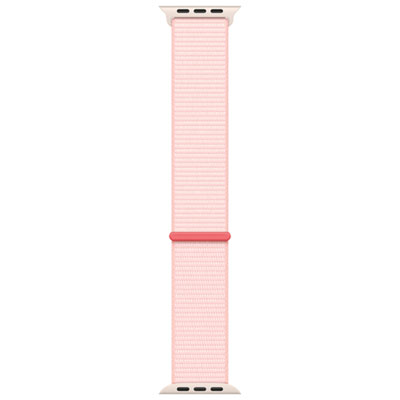 Your price for this item is $59.99
 -
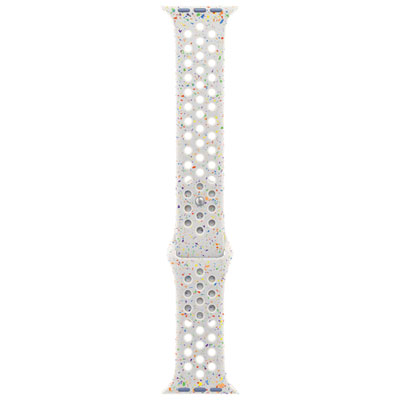 Your price for this item is $59.99
 -
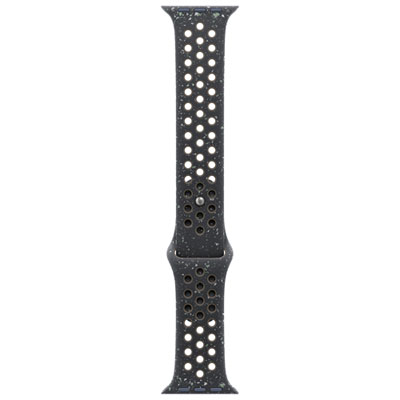 Your price for this item is $59.99
 -
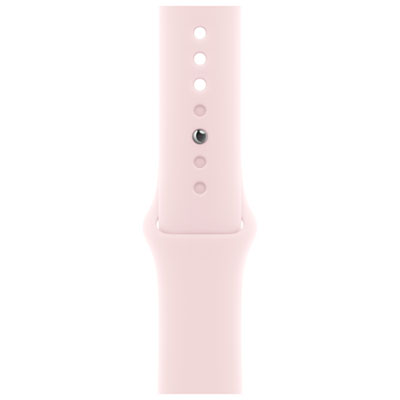 Your price for this item is $59.99
 -
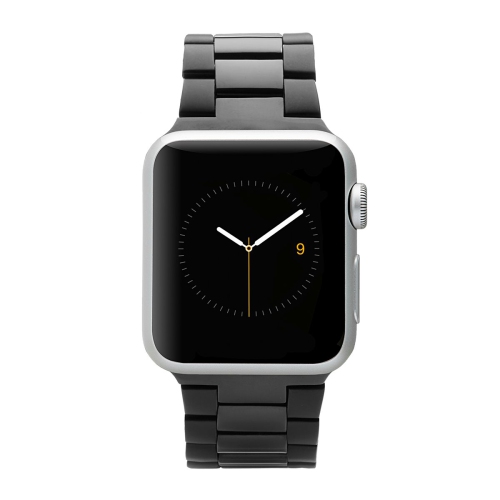 Your price for this item is $23.69