Boxing Day Deals Coming Soon
Our Boxing Day Sale returns in December 2026. In the meantime, shop our current top deals below.

Boxing Day Sale On Cooking Utensils
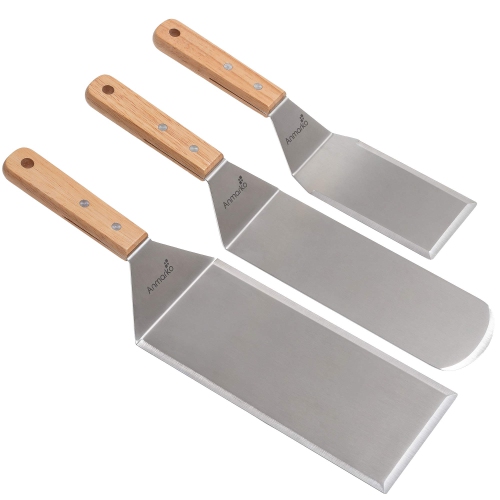
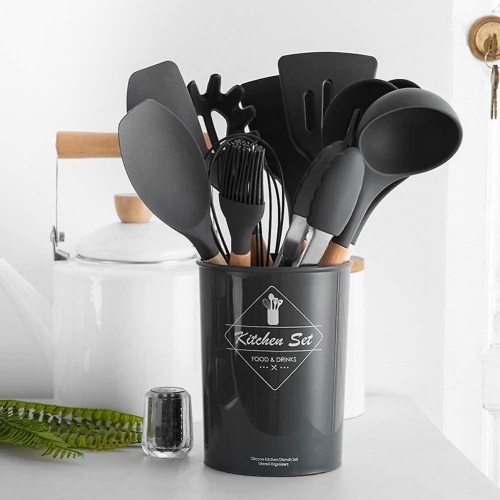
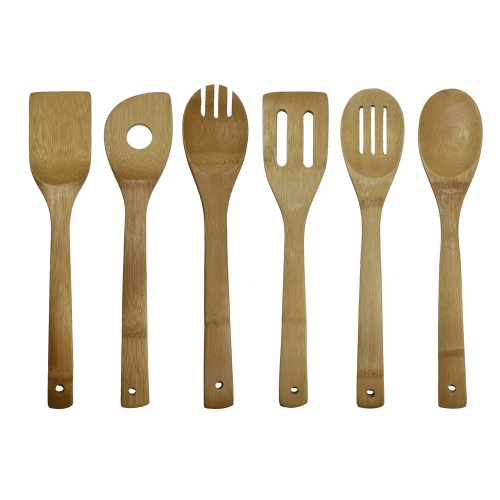
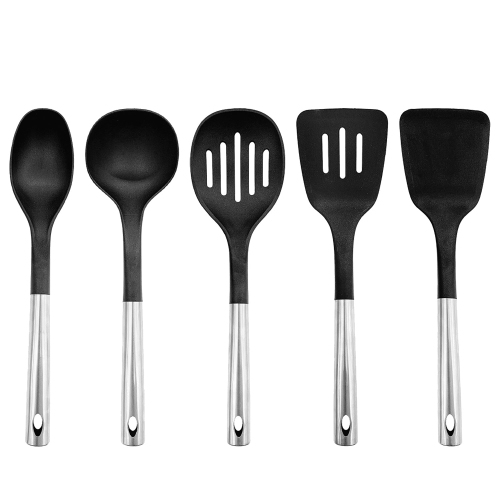
Unlock the culinary potential of your kitchen with our Boxing Day Sale on cooking utensils, where irresistible deals meet top-quality essentials. Whether you're a seasoned chef or a home-cooking enthusiast, now is the perfect time to elevate your culinary creations with the right tools. Discover an extensive selection of utensils designed to make meal prep more efficient and enjoyable, all while taking advantage of unbeatable discounts. From versatile spatulas to precision knives, these kitchen must-haves are crafted to inspire creativity and enhance every cooking experience. Don't miss out on the opportunity to upgrade your kitchen toolkit at exceptional prices this Boxing Day. Remember, our Low Price Guarantee means you can shop confidently knowing that you'll find the best price at Best Buy, all year round. We encourage you to check our website frequently for the most up-to-date information on our latest offers and savings opportunities.







Why utensil shape matters as much as material
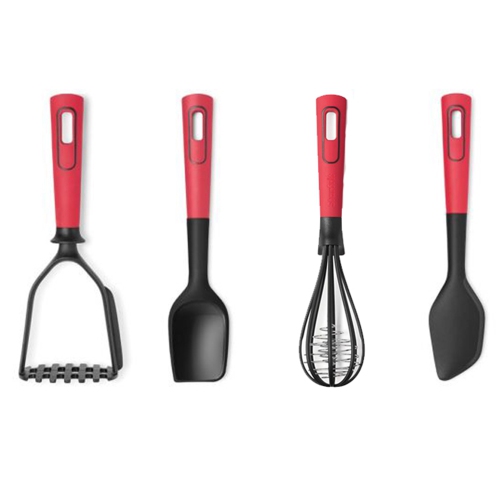
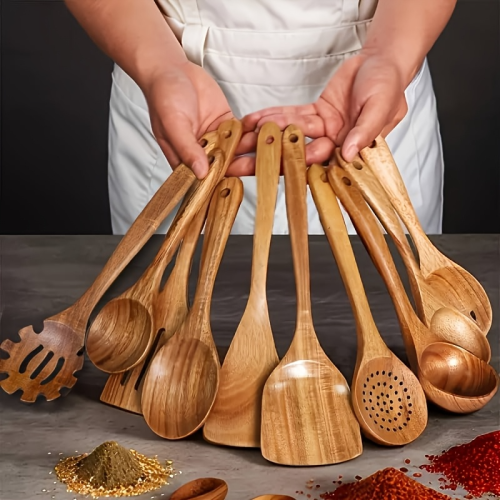
The fit of a cooking utensil is partly about cookware dimensions and partly about the person holding it. A long handle can provide useful reach into a deep stockpot, but the same length may feel cumbersome when stirring a small saucepan. A wide utensil head works well across a roomy cooking surface, while a narrower shape can move more freely around the sides of a compact pan. Depth matters, too: a ladle should reach comfortably into the pot without leaving the handle resting against the rim. For cooks with smaller hands or limited grip strength, handle thickness, weight, and texture can make a noticeable difference during repeated movements. Rounded edges and a balanced construction may feel more comfortable than a narrow handle that presses into the palm. A textured grip can help with control, although hands and handles should still be kept clean and dry. The working end deserves just as much attention. A thin leading edge helps a turner slide beneath food, while a firmer centre gives it support. Tongs need enough spring to open smoothly without making every squeeze tiring, and their tips should hold food securely without crushing it. A locking mechanism can keep them compact in a drawer. For whisks, the spacing and firmness of the wires affect how easily they move through different mixtures and reach the corners of a vessel. Cooking utensils sold together can create a coordinated setup, while individual tools allow a kitchen to be organized around particular habits. Someone who bakes frequently may value flexible scraping surfaces and comfortable mixing tools; someone who prepares stir-fries or grilled meals may put more emphasis on reach and control. Duplicate tools can also be practical when separate utensils are needed for raw ingredients and ready-to-eat food. For households sharing cooking duties, clear storage and familiar handle shapes make it easier for everyone to find the right tool without interrupting meal preparation.
Care and construction help determine how well cooking utensils hold up to repeated use. A smooth, securely joined handle should not twist or loosen during stirring, and the working end should retain the shape needed for its task. One-piece designs have fewer joints where food can collect, while tools with separate components need careful cleaning around seams and connection points. Dishwasher suitability depends on the complete utensil rather than its main material alone, so care directions remain important even when a tool appears sturdy. Wooden utensils generally benefit from prompt handwashing and thorough drying instead of prolonged soaking, which can contribute to swelling or splitting. Silicone and nylon should be checked for cuts, damaged edges, or changes caused by excessive heat, and metal tools deserve attention around welds and joins. No utensil should be left against a hot element or open flame, and heat resistance does not mean a handle can safely remain on a hot pan rim. After washing, allowing tools to dry fully before storage helps keep drawers and countertop holders clean. Storage is also part of everyday convenience: hanging loops suit kitchens with rails, utensil crocks keep frequently used tools within reach, and drawer compartments separate smaller tools from long handles. Enough space around each piece makes it easier to retrieve a whisk without catching its wires on neighbouring utensils. When cookware is also part of a kitchen refresh, the Boxing Day Sale On Pots & Saucepans page provides a related place to browse, with utensil compatibility depending on the cookware’s surface, depth, and care requirements. Cooking utensils can also make thoughtful gifts for someone setting up a first apartment, sharing a new home, or spending more time preparing meals. The strongest match reflects the recipient’s actual routine: compact storage for a small kitchen, comfortable handles for frequent cooking, or tools suited to a favourite baking project. Whether intended for a gift or everyday household use, well-chosen utensils earn their place through comfortable handling, straightforward care, and dependable performance at the stove and counter.
Top selling and popular products
-
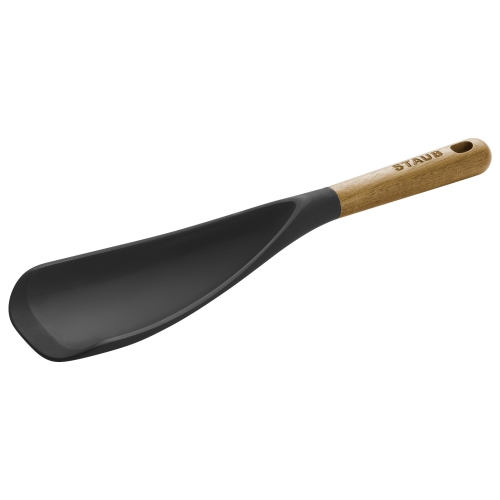 Your price for this item is $24.99
-
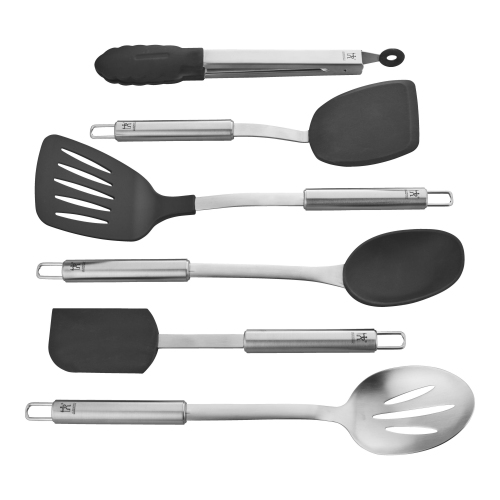 Your price for this item is $159.99
-
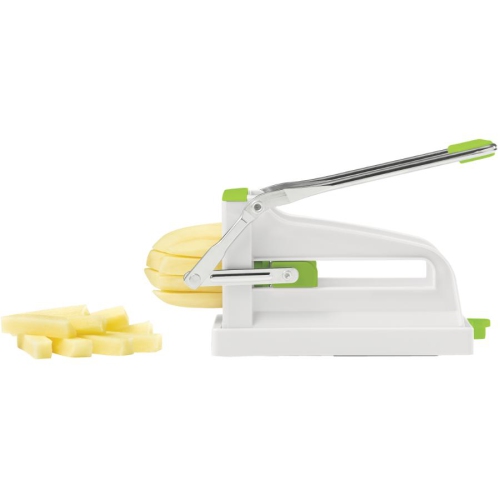 Your price for this item is $29.97
-
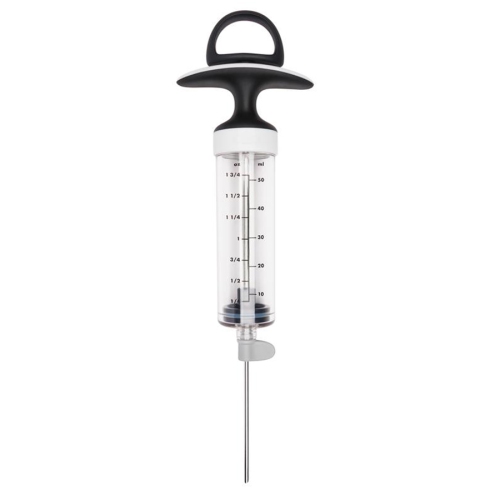 Your price for this item is $14.7
-
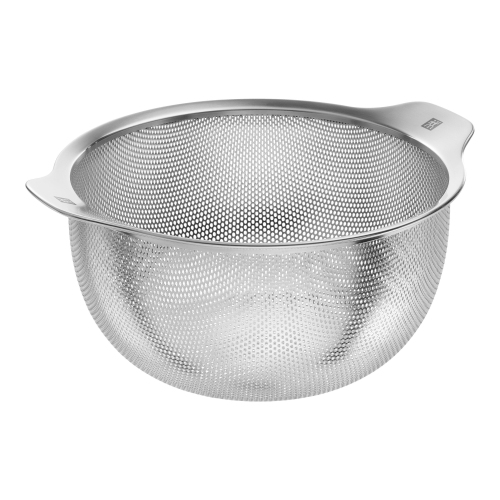 Your price for this item is $34.99
-
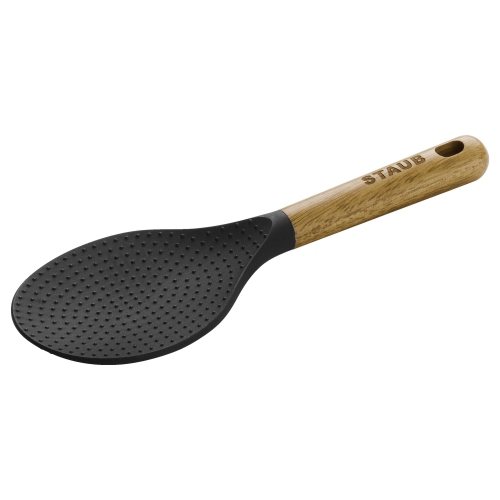 Your price for this item is $24.99
-
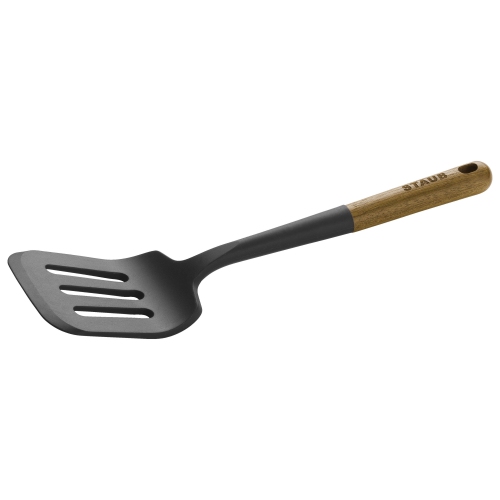 Your price for this item is $24.99
-
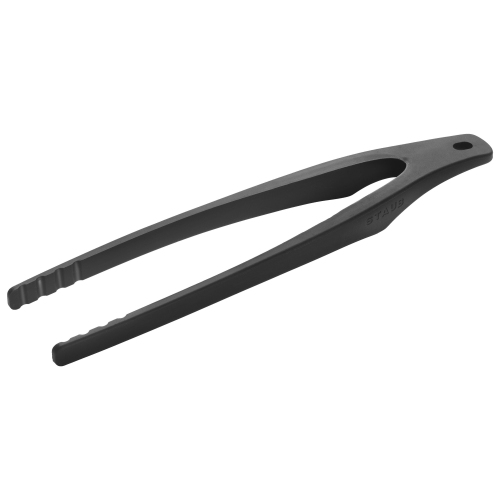 Your price for this item is $24.99