Boxing Day Deals Coming Soon
Our Boxing Day Sale returns in December 2026. In the meantime, shop our current top deals below.

Boxing Day Sale On Crib Mattresses
Get ready to transform your nursery into a cozy haven with our Boxing Day Sale on crib mattresses! Discover incredible deals that make it easier than ever to provide your little one with comfort and support during those precious early years. Whether you're preparing for a new arrival or upgrading your current setup, our selection offers a range of options to suit every need and budget. Dive into savings and ensure your baby sleeps soundly while you enjoy the peace of mind that comes with knowing you've made a smart choice. Shop now and experience the joy of finding the perfect fit for both your nursery and wallet. Remember, our Low Price Guarantee means you can shop confidently knowing that you'll find the best price at Best Buy, all year round. We encourage you to check our website frequently for the most up-to-date information on our latest offers and savings opportunities.
Why crib mattress fit matters more than plushness
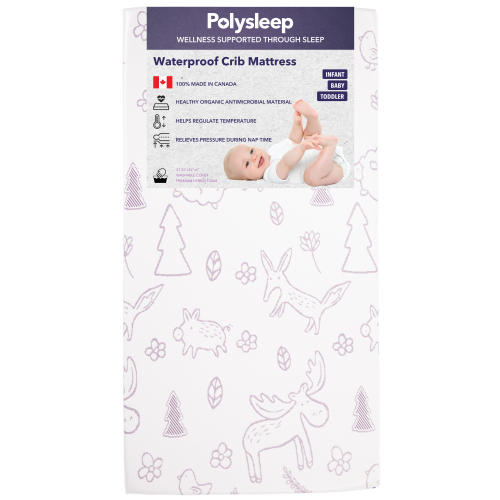
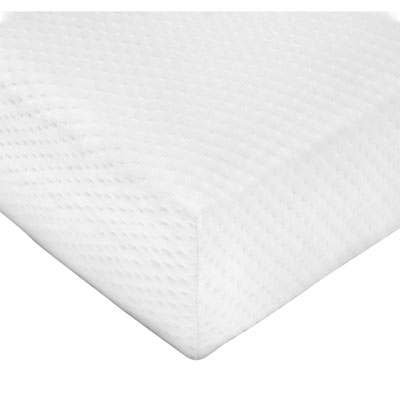
Materials and cover construction influence how a crib mattress handles everyday use, especially when sheets need changing in the middle of the night. Beneath the sheet, an outer cover may be wipe-clean, removable for washing, or paired with a separate protective layer permitted by the mattress manufacturer. These designs call for different care routines. A wipe-clean surface can make small spills easier to manage, while a removable cover may require washing and thorough drying before the mattress can be used again. Check whether washing instructions apply to the cover alone or to other components, since a washable outer layer does not mean the entire mattress can be soaked. Seams, zips, and edges are worth examining, too: neatly finished joins and an intact cover help the mattress stand up to repeated handling. Any waterproof protector should be correctly sized, fit tightly, and be suitable for the mattress without adding soft cushioning. Stacking protective layers or placing folded towels beneath a sheet can change the firmness and fit of the sleep surface. The same care applies to sheets, which should remain secure around the corners rather than bunching or pulling free when the baby moves. Descriptions such as breathable, natural, or hypoallergenic refer to particular materials or stated features; they do not replace safe sleep practices or establish that a mattress prevents sleep-related harm. For infants, back sleeping on a firm, flat surface in a clear crib remains essential regardless of the cover fabric. Day-to-day durability also depends on how well the mattress retains its shape. A surface that sags, develops an indentation, or no longer sits evenly needs attention rather than an extra layer to disguise the problem. Follow instructions for turning or rotating the mattress only where those actions are permitted, and allow cleaned components to dry fully before replacing bedding. In a busy household, straightforward care can be especially valuable: a mattress that can be lifted comfortably and cleaned as directed makes an unexpected sheet change less disruptive without introducing unnecessary bedding into the crib.
Intended use becomes particularly important when a mattress is expected to serve beyond the earliest months. Some crib mattresses have a single sleep surface, while others have separately labelled infant and toddler sides with different firmness levels. A dual-sided design should stay on its infant side until the manufacturer’s criteria for using the toddler side are met; the ability to roll over or a preference for a softer feel is not, by itself, a reason to turn it. Likewise, a mattress that fits a convertible crib may also fit that crib’s toddler-bed configuration, but this depends on the bed’s instructions and the mattress dimensions. Thinking about that transition can help families compare designs without assuming that every crib mattress suits every stage. Mattress weight is another practical consideration for caregivers who find bending over crib rails difficult or who expect to change bedding frequently. A lighter construction may be easier to handle, but ease of lifting should sit alongside firmness, fit, and clear care directions rather than replace them. When choosing a crib mattress as a gift, confirming the exact crib model and the parents’ preferences helps avoid a well-intended mismatch. This is especially useful for relatives furnishing a second nursery, where a compact crib may need a different mattress from the one used at home. Travel cots and playpens also require their own specified sleep surfaces; an additional crib mattress should not be added unless the sleep-space manufacturer expressly permits it. For a previously used mattress, known care history, an undamaged cover, retained firmness, and correct fit all matter, and any applicable recalls should be checked. Boxing Day shopping may involve several bedrooms, but adult bedding and infant sleep products serve distinctly different needs. For a separate adult-bed refresh, the Boxing Day Sale On Mattress Toppers page covers another bedding category; mattress toppers should not be added to an infant’s crib. Keeping those uses separate helps families focus on a crib mattress that provides an appropriate sleep surface and stands up to the daily realities of nursery care.
Top selling and popular products
-
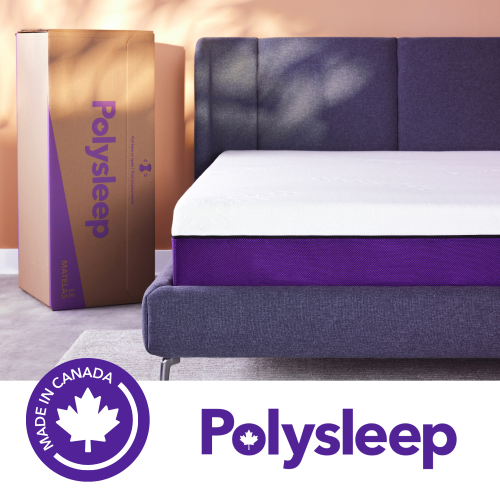 Your price for this item is $1195
 -
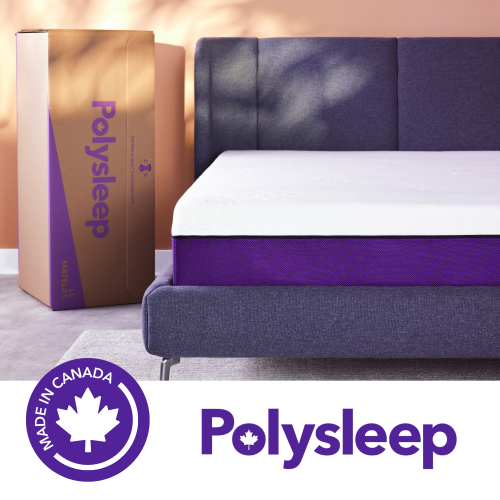 Your price for this item is $1395
 -
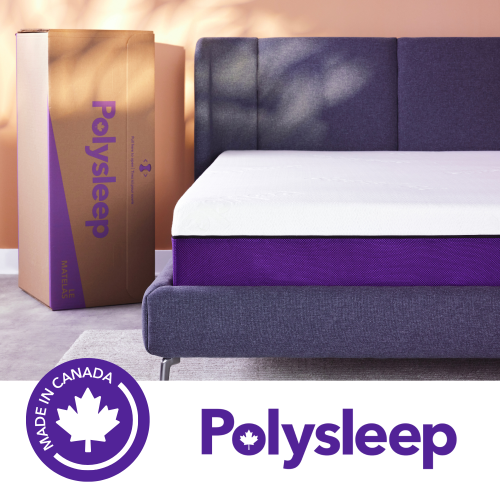 Your price for this item is $1095
 -
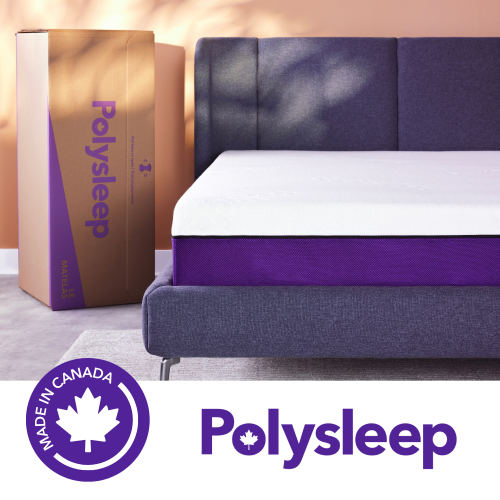 Your price for this item is $945
 -
 Your price for this item is $1199
 -
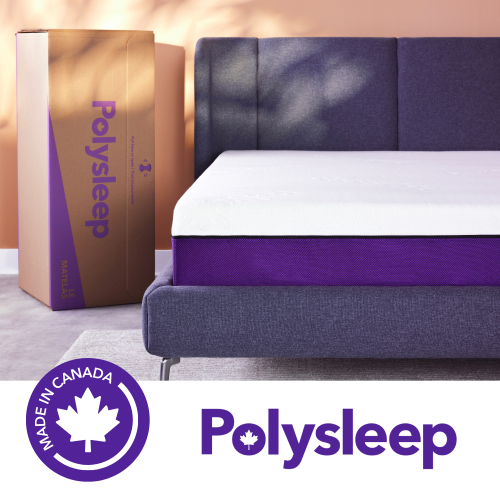 Your price for this item is $1395
 -
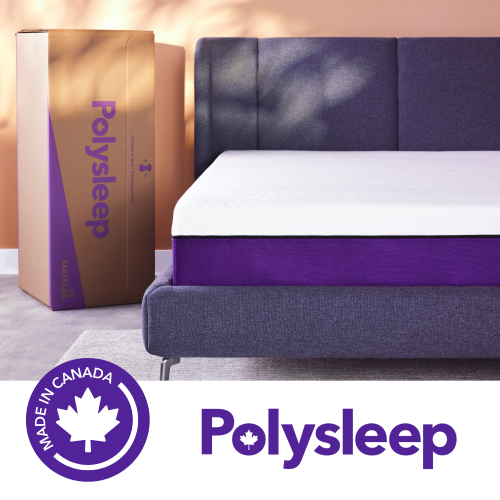 Your price for this item is $895
 -
 Your price for this item is $690