Boxing Day Deals Coming Soon
Our Boxing Day Sale returns in December 2026. In the meantime, shop our current top deals below.

Boxing Day Sale On Dining Chairs
Boxing Day is the perfect time to refresh your dining space with incredible savings on dining chairs at Best Buy Canada. Whether you're looking to upgrade your kitchen nook, formal dining room, or casual eating area, our Boxing Day sale offers a wide selection of styles and designs to suit any home décor. From sleek modern silhouettes to timeless classics, discover the perfect seating options that combine comfort and style. Remember, our Low Price Guarantee means you can shop confidently knowing that you'll find the best price at Best Buy, all year round. We encourage you to check our website frequently for the most up-to-date information on our latest offers and savings opportunities.

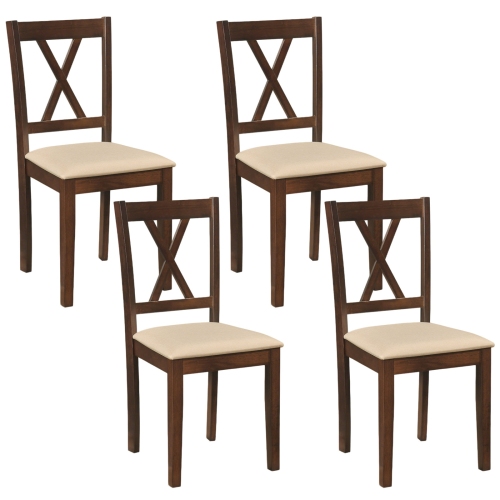

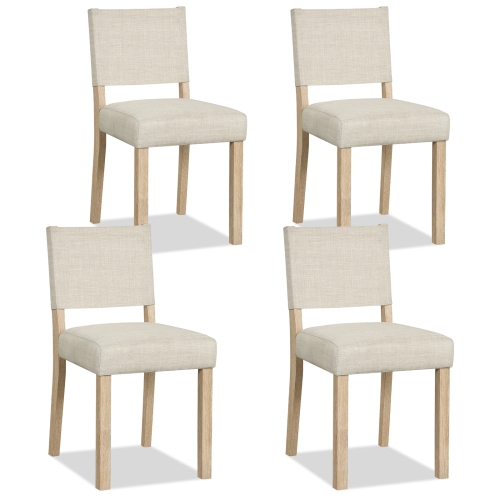


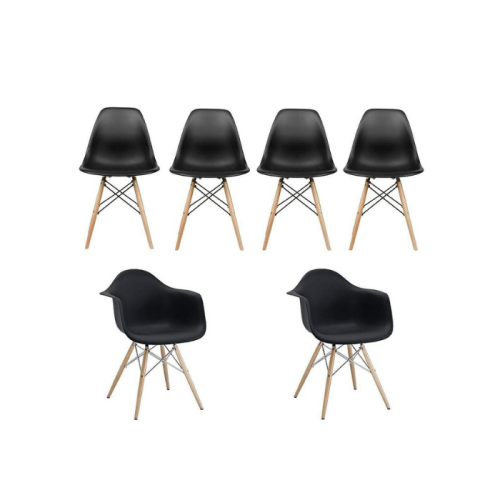

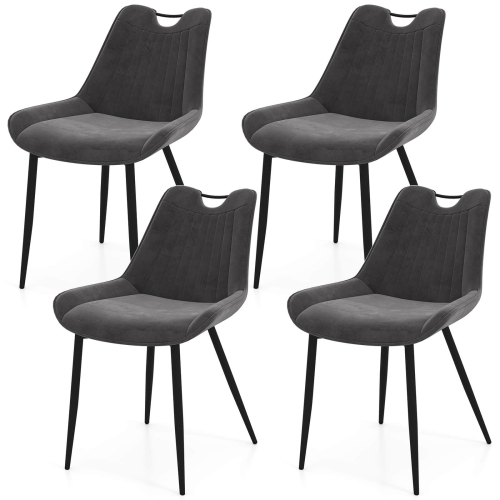


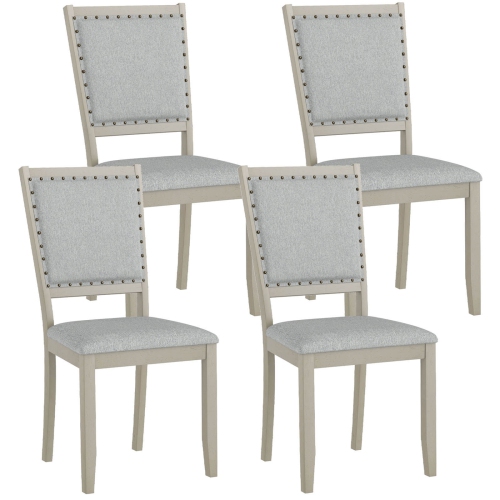


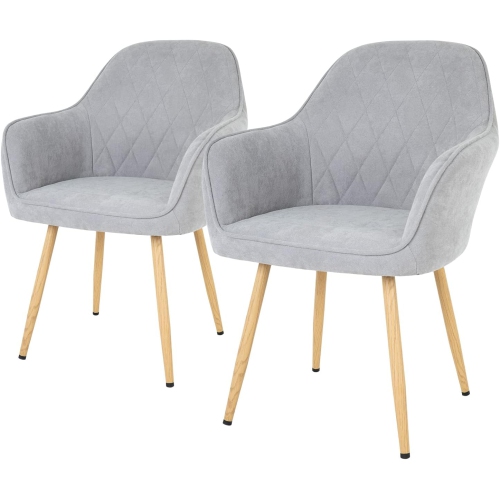

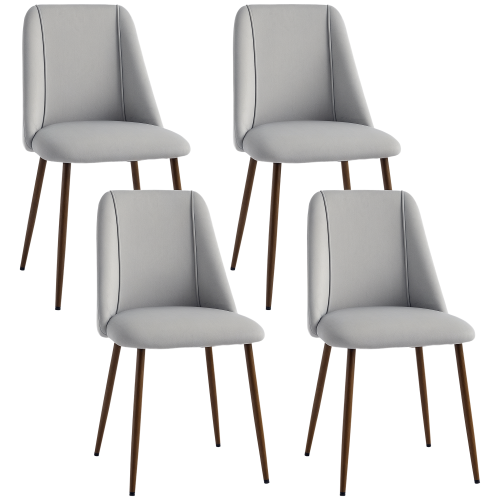
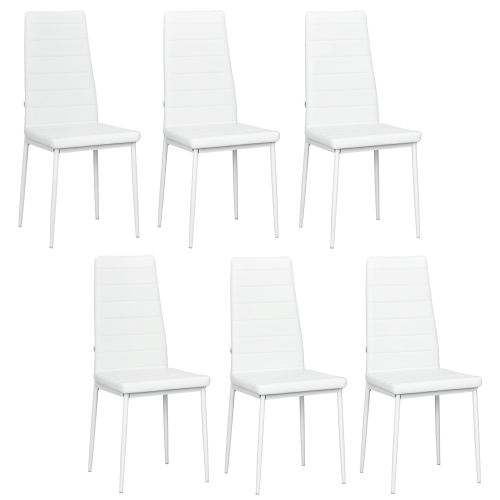


Dining chairs that fit more than just your table
Fit becomes especially noticeable once everyone sits down together. Many standard dining tables stand roughly 71 to 76 cm high, while dining chair seats commonly sit about 43 to 48 cm above the floor. These are general ranges rather than guarantees, and the relationship between the actual chair and table matters most. Around 25 to 30 cm between the seat and tabletop is a useful reference for comfortable dining, but a deep table apron can reduce usable thigh space. Armrests need clearance beneath that apron if the chairs are meant to tuck in fully. Seat width also affects how many people can sit comfortably: allowing roughly 60 cm of table edge per person is a common starting point, with wider chairs or arms requiring more room. Table legs and pedestal bases can interrupt that space, particularly at corners or where two chairs sit close together. A chair that looks compact from the front may have angled rear legs or a curved back that extends farther than expected. Overall depth therefore matters in a narrow dining nook, where pulling out a seat can bring it close to a wall or sideboard. About 90 cm between the table edge and a wall or other furniture can provide useful room for getting in and out, while a route that people regularly walk through may need more clearance. Comfort depends on more than cushioning, too. Seat depth should allow the sitter’s back to reach the backrest without the front edge pressing behind the knees, and feet should rest comfortably on the floor. A gently shaped back can feel supportive during longer meals, while a firm seat may be easier to rise from than a deeply padded one. For households with different ages and mobility needs, stable frames, manageable chair weight, and well-positioned armrests deserve particular attention. Dining-height chairs should also be distinguished from counter-height and bar-height seating, which are designed for taller surfaces and are not interchangeable with standard dining chairs.
Materials and construction influence how dining chairs feel after months of daily use. Solid wood can offer a substantial feel, with grain patterns that vary naturally from chair to chair; painted, stained, and clear-coated finishes each bring different care requirements. Wood veneer provides a real wood surface over another material, so cleaning and refinishing options depend on the full construction rather than the visible grain alone. Metal frames can suit busy dining spaces, although joint quality, protective finishes, and the condition of floor glides all affect their performance over time. Upholstered seating deserves equal attention beneath the surface. Padding density, fabric texture, seam placement, and back support help determine whether a chair remains comfortable through a long meal. A tightly woven fabric may be easier to keep tidy than a loose weave, but stain resistance and cleaning methods vary by material. Leather and faux leather should not be treated as identical: each has its own care needs, and unsuitable cleaners can damage the finish. For homes with children or frequent guests, smooth surfaces and accessible seams can make crumbs and small spills easier to manage. Removable covers may simplify upkeep when the care label permits washing, while fixed upholstery may require spot cleaning or professional attention. Routine care generally means removing crumbs promptly, blotting spills rather than rubbing them, and following the manufacturer’s instructions before applying any cleaning product. Chair legs deserve attention as well, especially on hardwood, laminate, or tile floors. Suitable protective pads can reduce scraping, but they need to remain clean and securely attached. On a dining rug, the pile and rug size affect how smoothly chairs slide back from the table. Assembly quality also contributes to everyday stability: correctly fitted hardware, even contact with the floor, and occasional checks for loosened fasteners help keep seating steady. Weight limits and intended-use information remain important, particularly when chairs will serve several purposes. A dining chair used for occasional paperwork has different demands from a dedicated desk chair, and choosing it primarily for mealtimes helps keep comfort expectations realistic.
Top selling and popular products
-
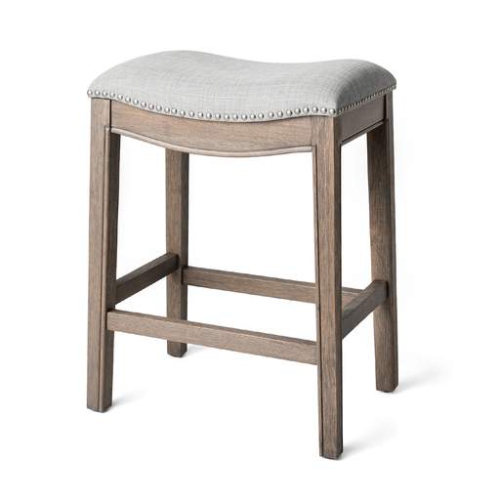 Your price for this item is $227.99
-
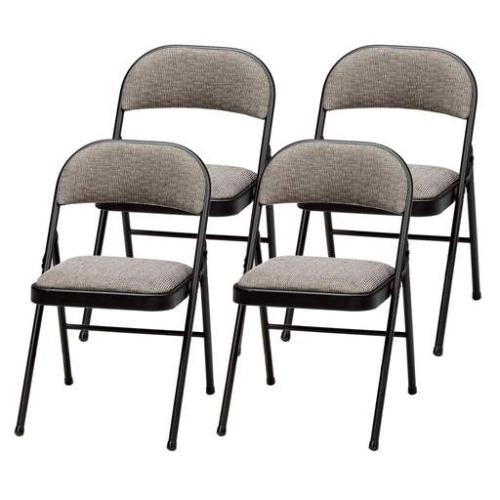 Your price for this item is $376.99
-
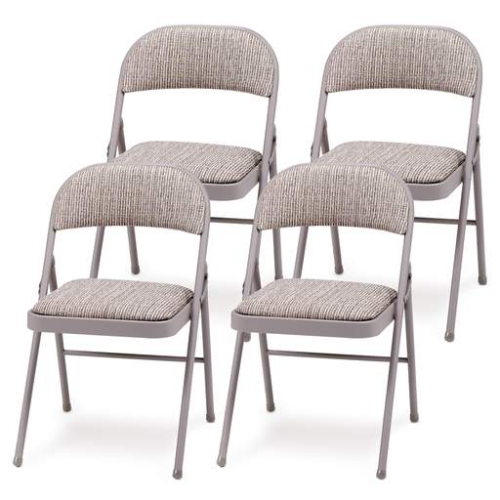 Your price for this item is $399.99
-
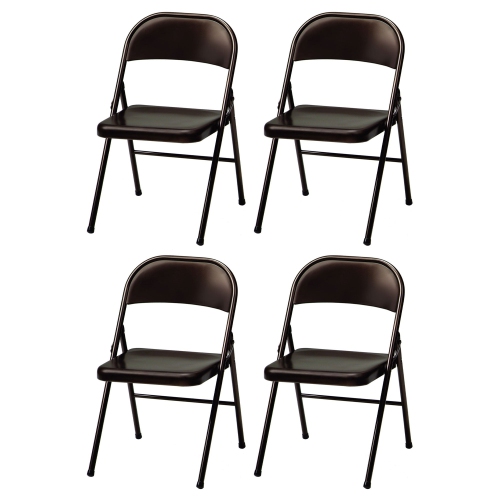 Your price for this item is $212.99
-
 Your price for this item is $291.99
-
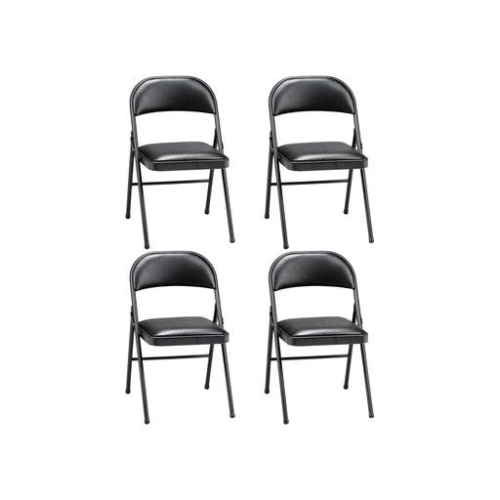 Your price for this item is $374.99
-
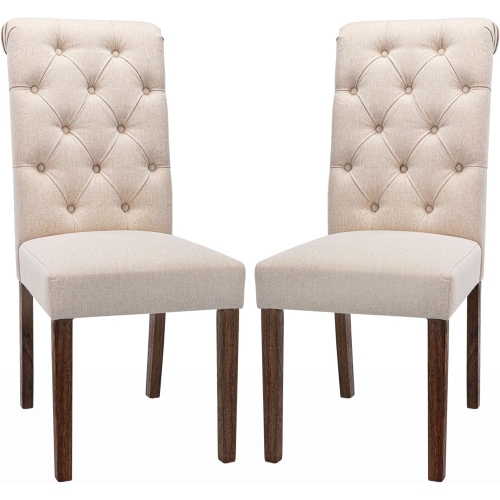 Your price for this item is $210
-
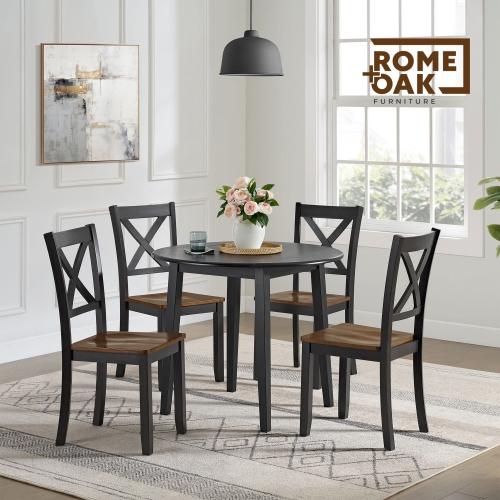 Your price for this item is $424.99