Boxing Day Deals Coming Soon
Our Boxing Day Sale returns in December 2026. In the meantime, shop our current top deals below.

Boxing Day Sale On Duvet Covers & Sets
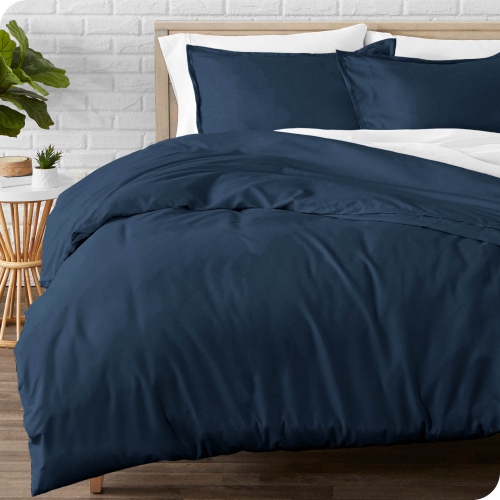
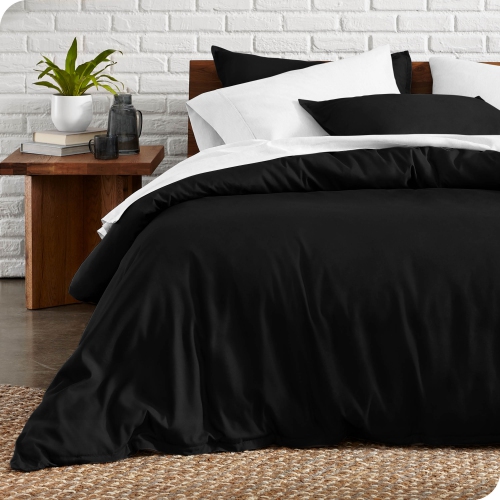
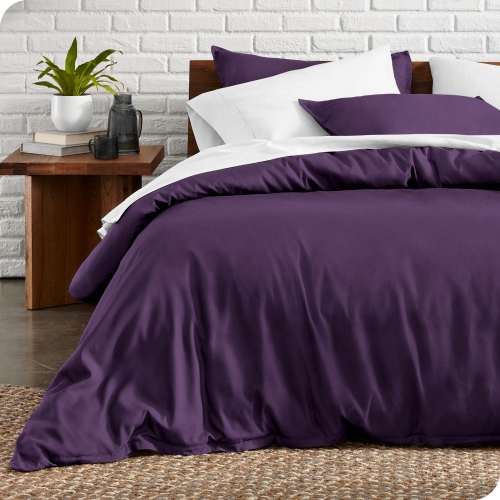
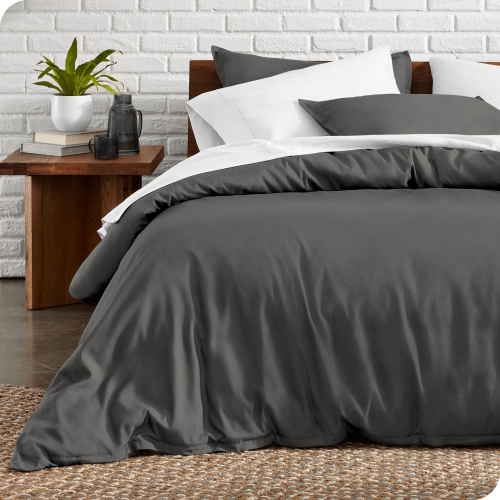
Boxing Day is the perfect opportunity to refresh your bedroom with incredible deals on duvet covers and sets. Dive into a wide selection of stylish and cozy options that promise to transform your sleeping space into a dreamy retreat. Whether you're looking to add a pop of color, embrace minimalist elegance, or indulge in luxurious comfort, our Boxing Day Sale offers something for every taste and budget. Enjoy the thrill of finding the perfect set to match your decor while taking advantage of unbeatable prices. Don't miss out on this chance to enhance your home with quality and style during one of the biggest sales events of the year. Remember, our Low Price Guarantee means you can shop confidently knowing that you'll find the best price at Best Buy, all year round. We encourage you to check our website frequently for the most up-to-date information on our latest offers and savings opportunities.







Why duvet cover fabric and fit matter every night
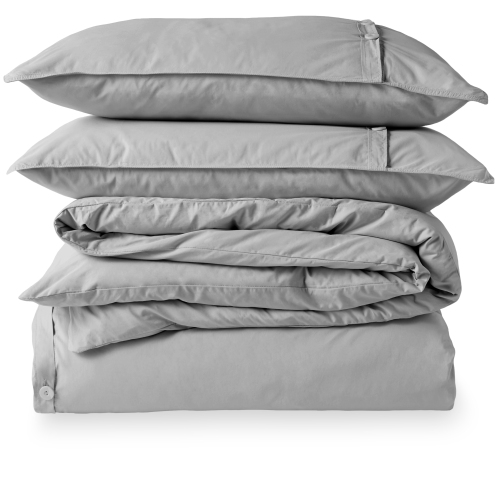
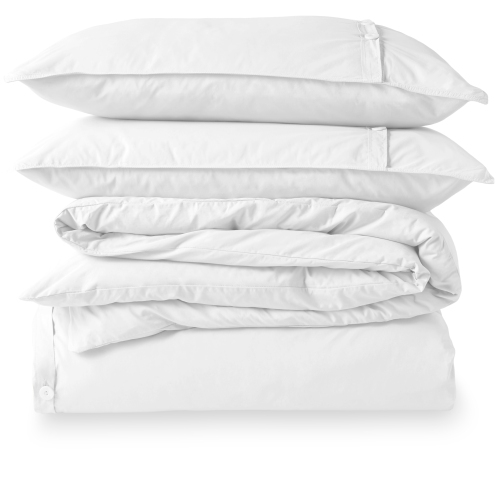
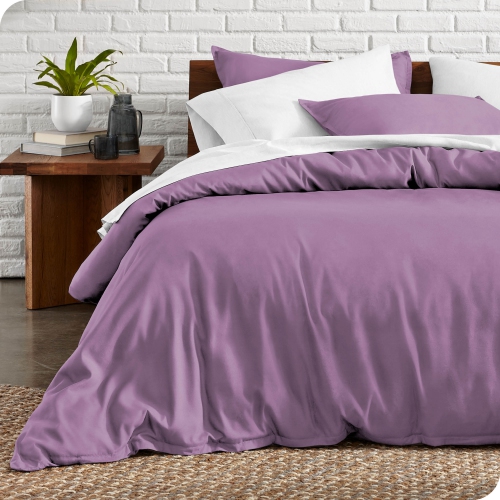
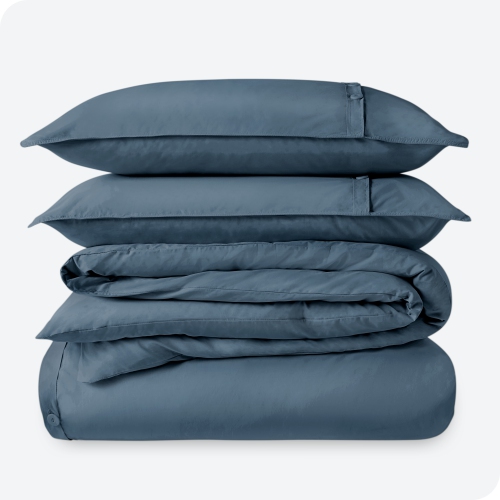
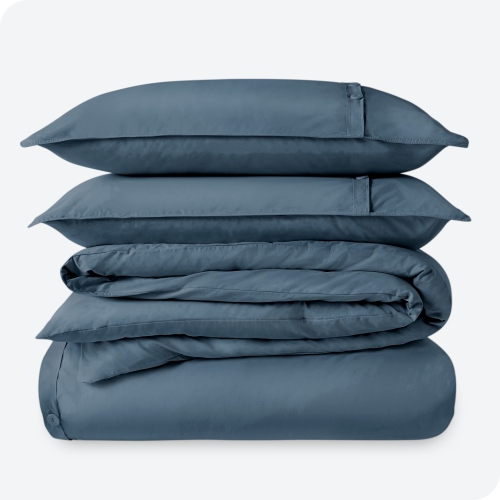
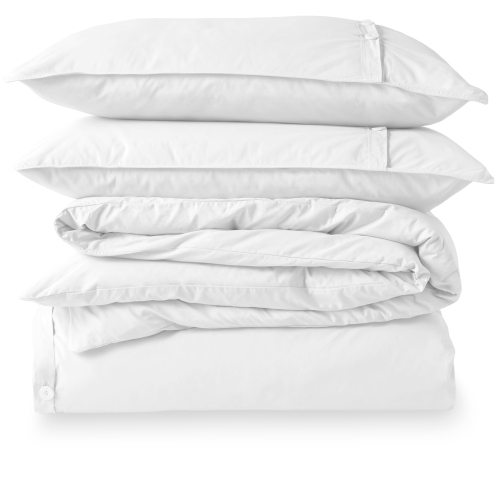
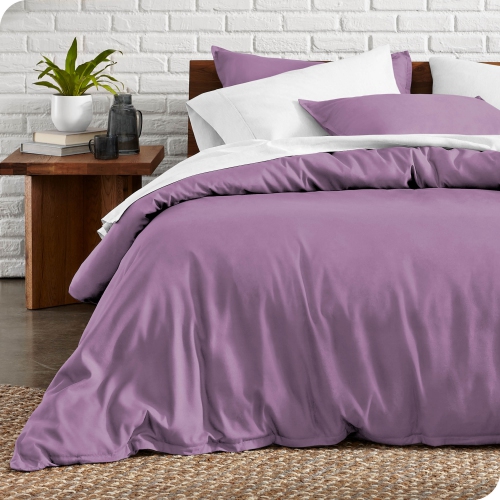
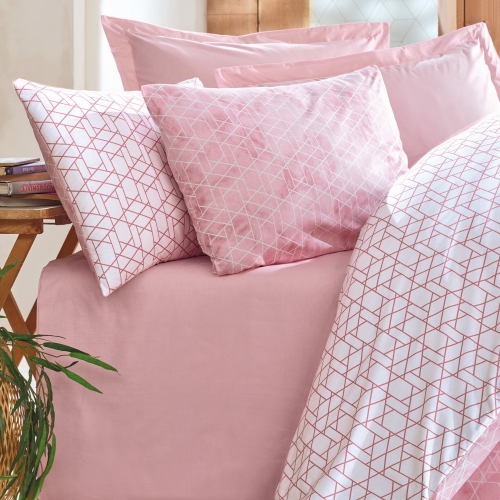
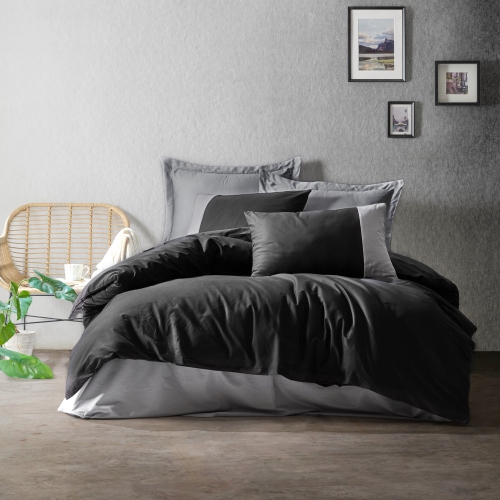
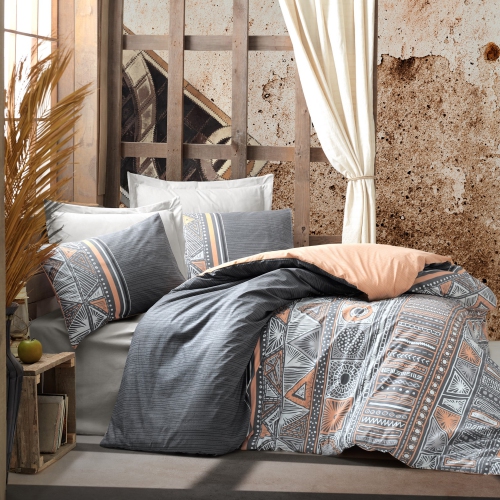
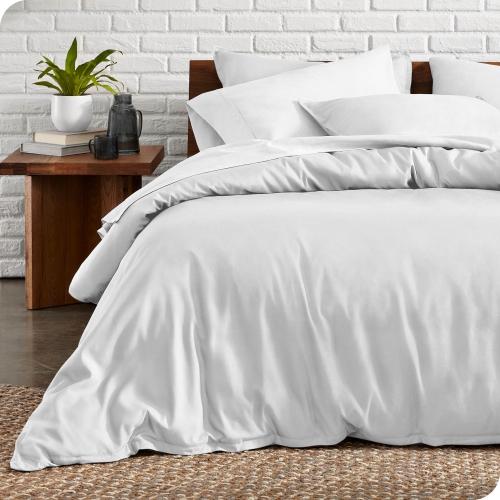
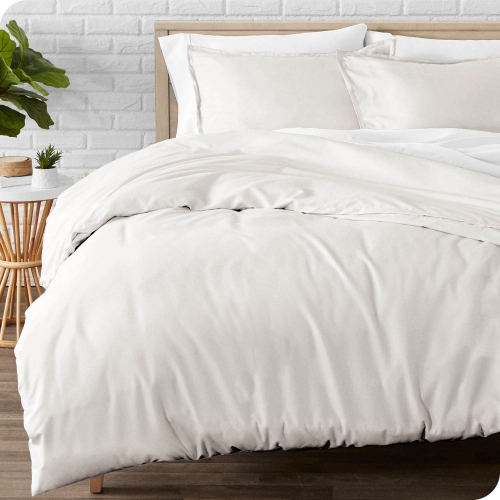
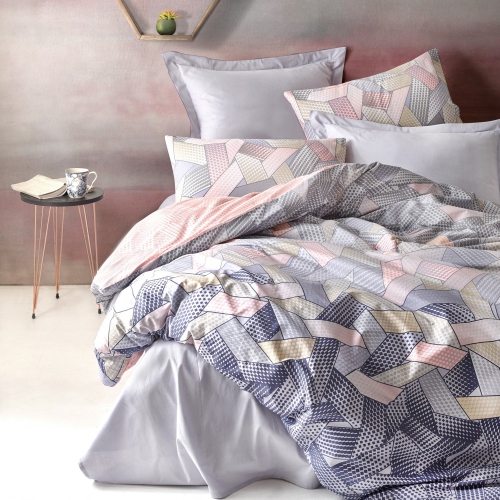
Fit makes a noticeable difference to both the appearance of a duvet cover and the way it behaves overnight. Bed-size names such as twin, double, queen and king are useful references, but the cover’s actual dimensions should be compared with the duvet insert rather than relying on the mattress size alone. Measurements can vary between bedding makers, and a cover that is substantially larger than its insert may leave empty fabric at the edges. A cover that is too small can compress the filling and make the bed look uneven. Mattress depth influences how far the finished bedding appears to fall down each side, especially on a taller bed, although the cover still needs to fit the insert properly. Closure details are worth considering, too. Buttons provide a familiar finish, while a concealed zipper can create a tidy edge; either should be securely attached and easy to operate. Interior corner ties can help hold an insert in place when the insert has compatible loops, reducing the shifting that can otherwise leave one side full and the other flat. Set contents deserve the same attention as dimensions. Some sets include one pillowcase, while others include two or more pieces, and a decorative sham may have a different shape or closure from a sleeping pillowcase. Matching pieces create a pulled-together look, but an entire bedroom does not need to use the same pattern. A small-scale print can sit comfortably beside plain sheets, while a solid duvet cover can balance patterned curtains or a textured headboard. Light neutrals create a quiet backdrop, deeper colours give the bed more visual weight, and reversible designs offer another way to vary the look when that feature is included. For a guest room, familiar textures and straightforward care are practical considerations. For a student, someone moving into a first apartment or a recipient of a bedding gift, confirming the duvet dimensions and preferred colours helps ensure the set suits the space and feels personal rather than simply matching a standard bed-size label.
Everyday care is part of choosing duvet covers and sets that will remain comfortable and presentable through repeated use. A removable cover helps protect the duvet insert from direct contact with skin oils and everyday marks, but the insert still has its own cleaning requirements. Care labels should determine washing temperature, drying method and any restrictions, since fabrics, dyes and decorative details can respond differently to laundering. A plain cotton cover may have different requirements from one with embroidery, a textured weave or contrasting trim. Enough room in the washing machine allows a large cover to move freely, while overloading can make washing and rinsing less effective. Following the recommended drying settings helps limit unnecessary wear and shrinkage, and removing bedding promptly can reduce the creases that form when it sits bundled in the drum. Covers with zippers, buttons or delicate surface details may also have specific instructions for fastening closures or turning the fabric inside out. For a bed used every night, dependable seams, securely finished edges and sturdy closures are useful signs of practical construction. Households with pets may find that intricate raised textures catch more easily on claws, while smooth fabrics can be simpler to brush free of loose hair. A frequently used guest bed benefits from bedding that can be washed without complicated handling, and keeping a second cover set makes it easier to remake the bed while another is being laundered. Storage matters as well: clean, fully dry bedding folded in a cupboard is ready for the next change without trapping dampness. Coordinating the cover with existing sheets and pillowcases can create a finished look without replacing every layer, particularly when colours share a similar undertone. For a bedroom refresh beyond duvet covers and sets, explore Boxing Day sale on bedding with the same attention to fabric, dimensions and everyday care. A well-chosen cover brings together comfortable texture, a secure fit and a style that feels at home in the room, whether the bed is used daily or prepared for visiting family and friends.
Top selling and popular products
-
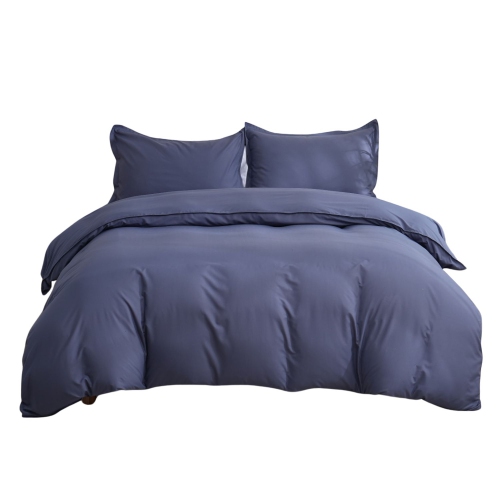 Your price for this item is $240
-
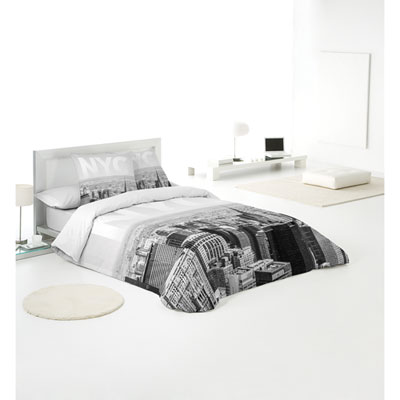 Your price for this item is $181.99
-
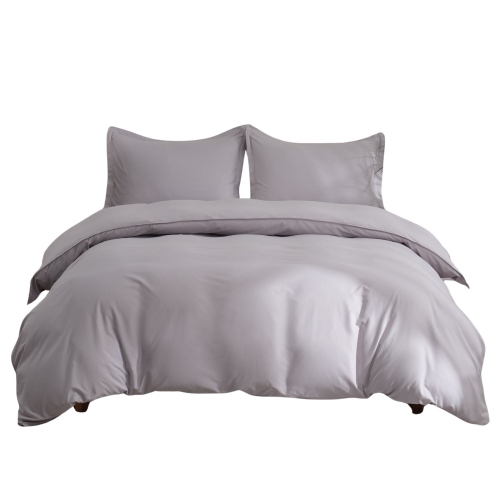 Your price for this item is $270
-
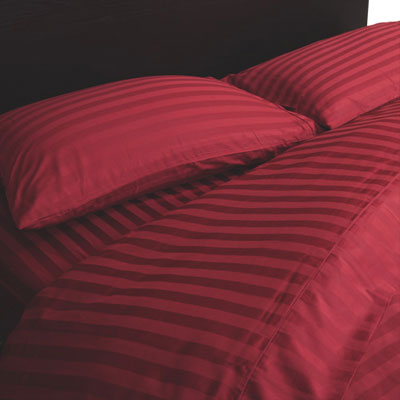 Your price for this item is $134.99
-
 Your price for this item is $163.99
-
 Your price for this item is $85.99
-
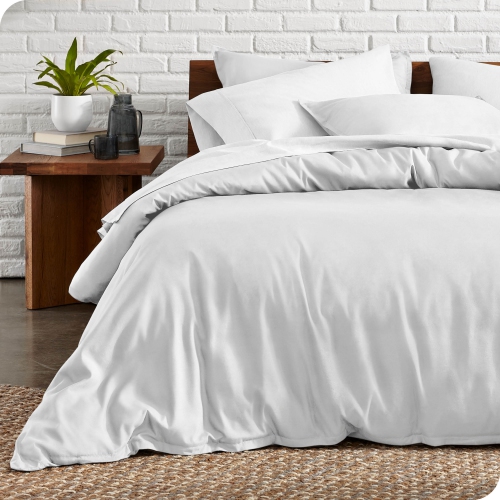 Your price for this item is $89.99
-
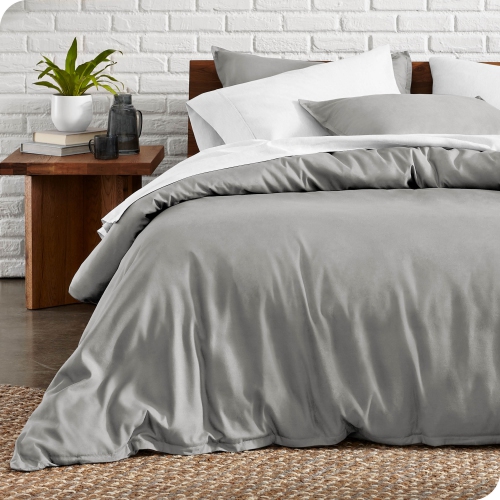 Your price for this item is $91.99