Boxing Day Deals Coming Soon
Our Boxing Day Sale returns in December 2026. In the meantime, shop our current top deals below.

Boxing Day Sale On Fitbit Wearables
Score incredible deals during the Boxing Day sale on Fitbit wearables and take your fitness journey to the next level. Whether you're looking to track your activity, monitor your wellness, or stay connected on the go, now is the perfect time to upgrade your gear. Enjoy unbeatable prices on a wide selection of Fitbit wearables and find the perfect match for your lifestyle. Don’t miss out—shop the Boxing Day sale on Fitbit wearables and start the new year with smart savings. Remember, our Low Price Guarantee means you can shop confidently knowing that you'll find the best price at Best Buy, all year round. We encourage you to check our website frequently for the most up-to-date information on our latest offers and savings opportunities.
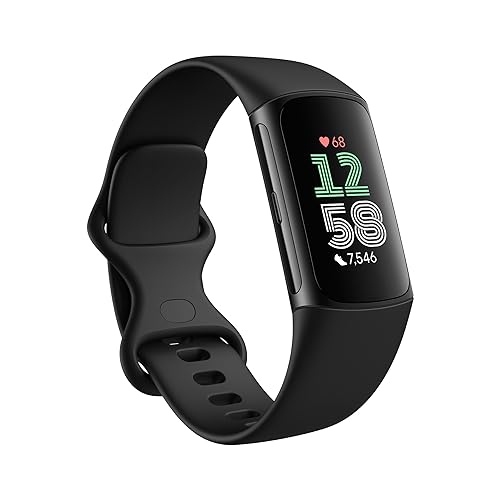
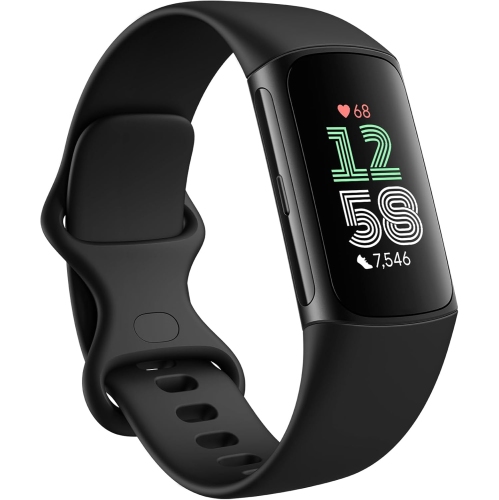
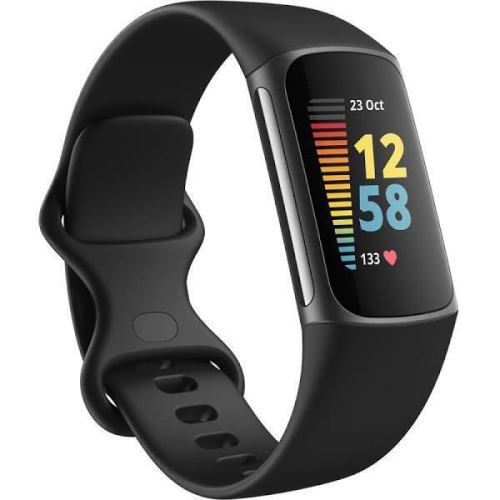
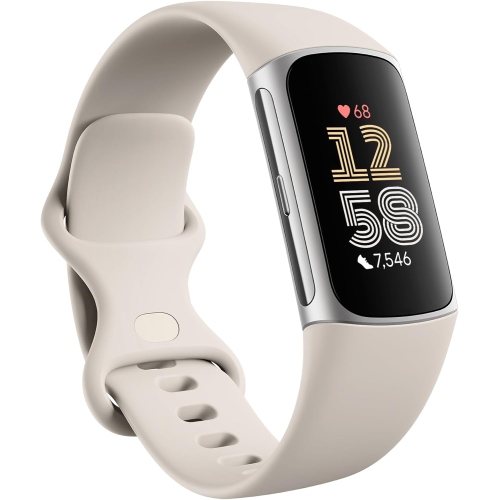
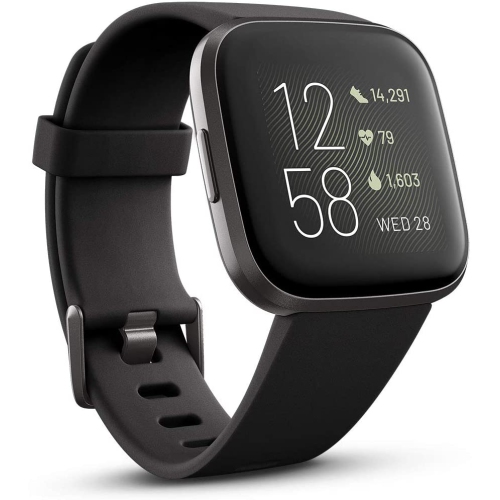
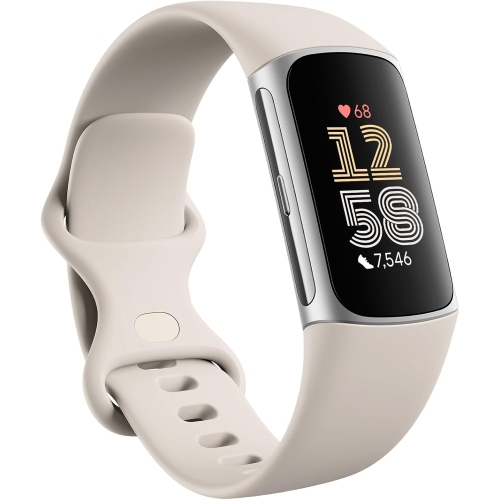
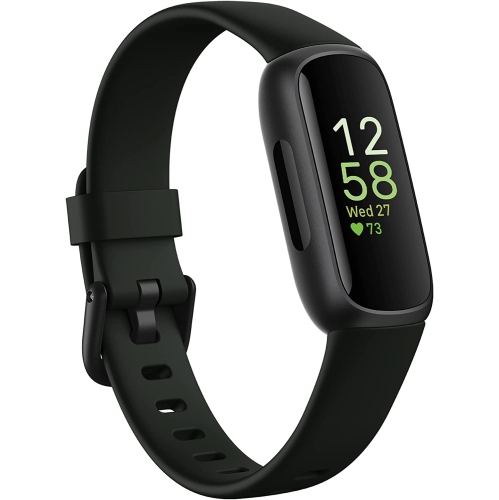
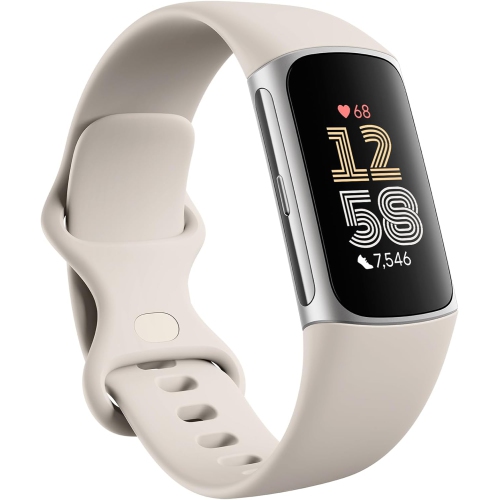
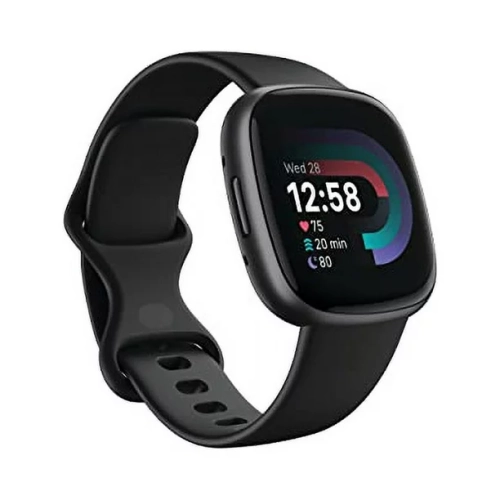
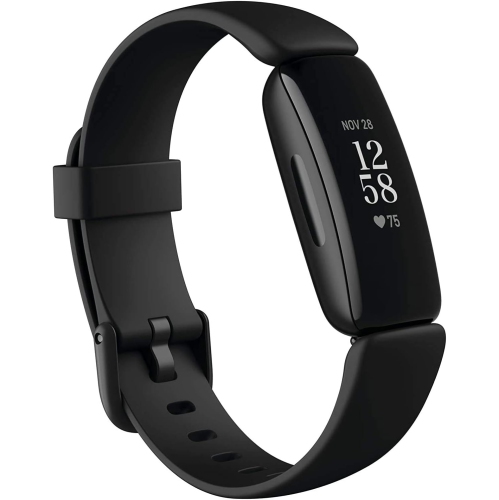
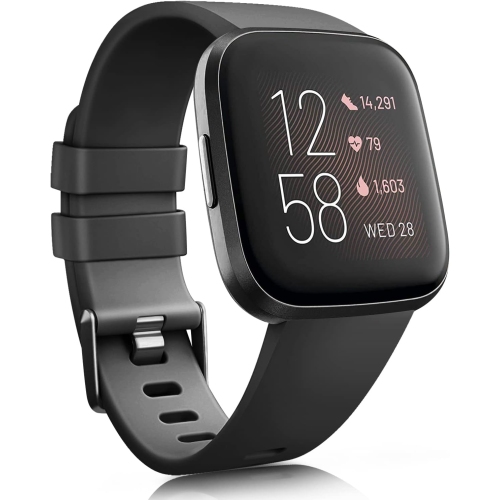
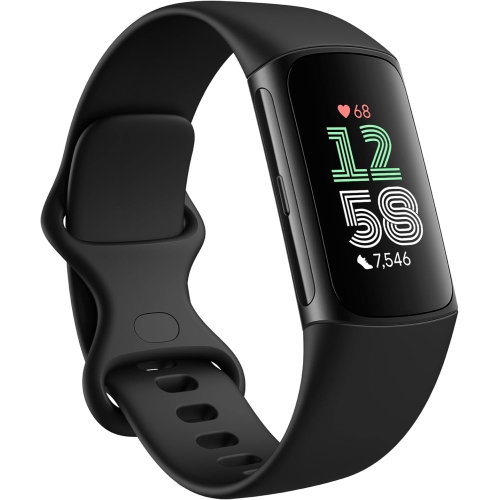

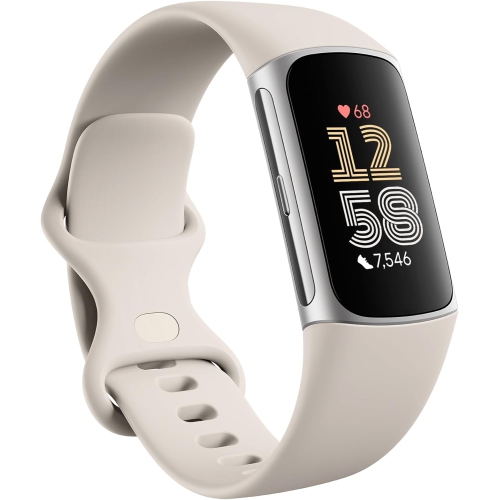
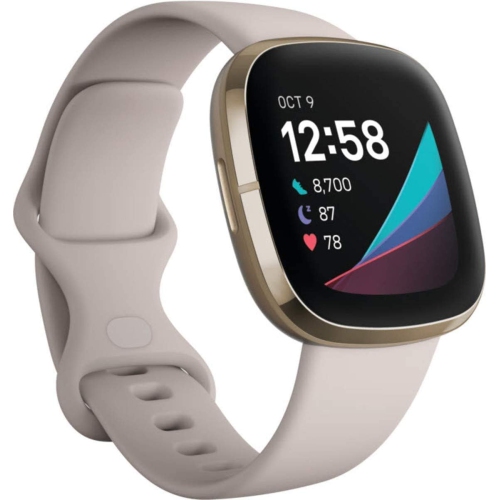
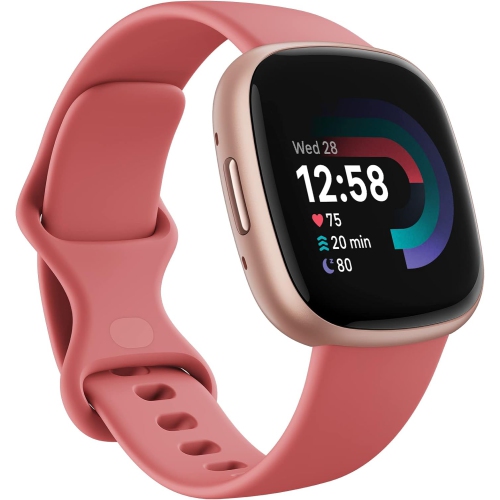
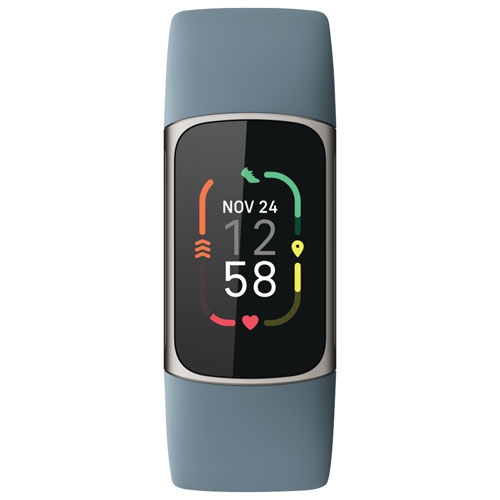
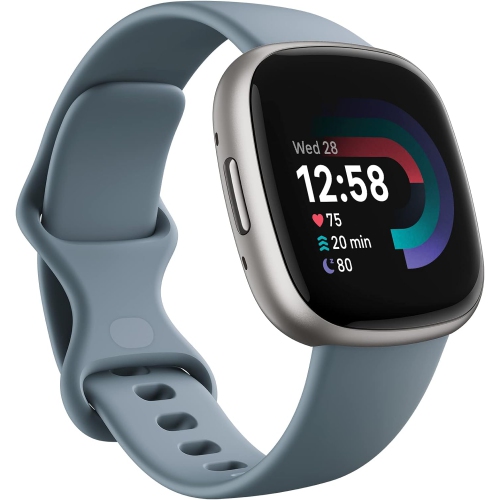
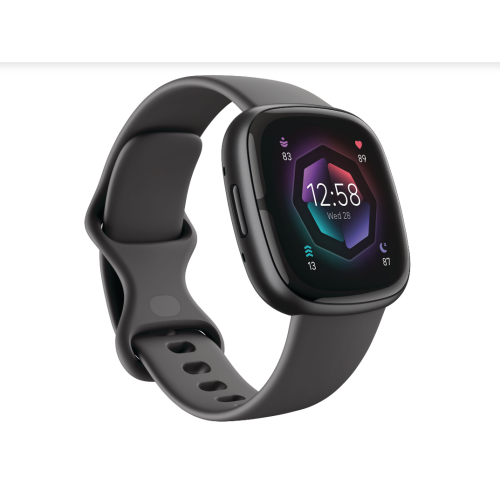
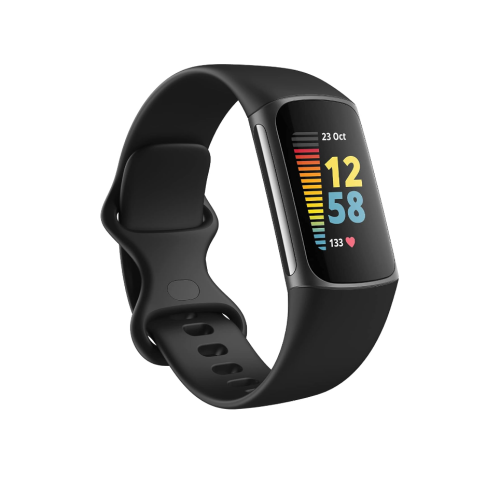
Fitness tracking that fits your day and your wrist
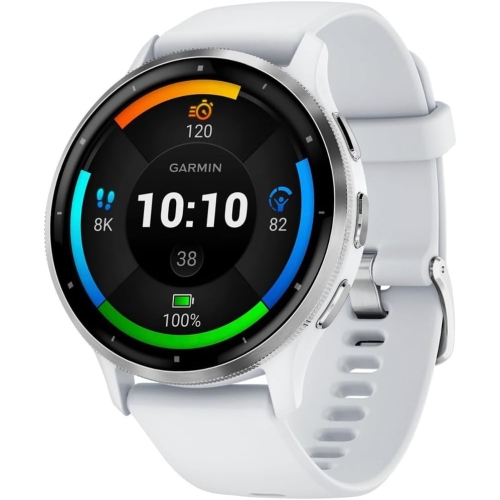
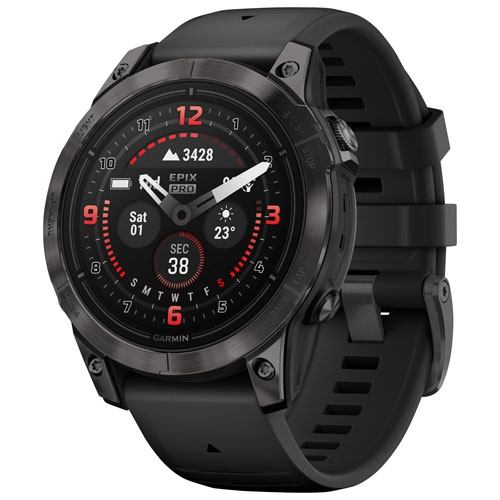
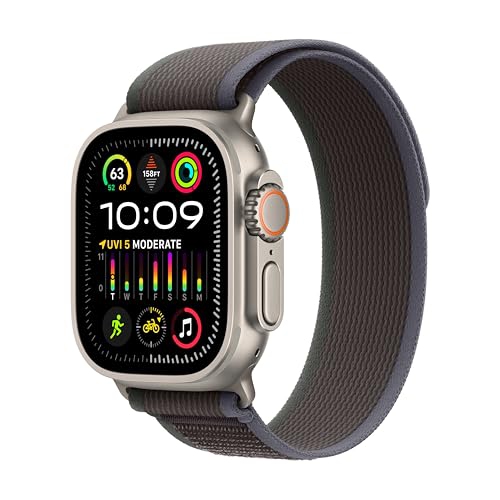
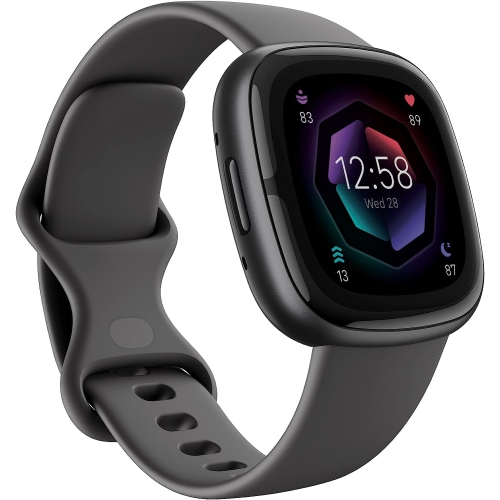
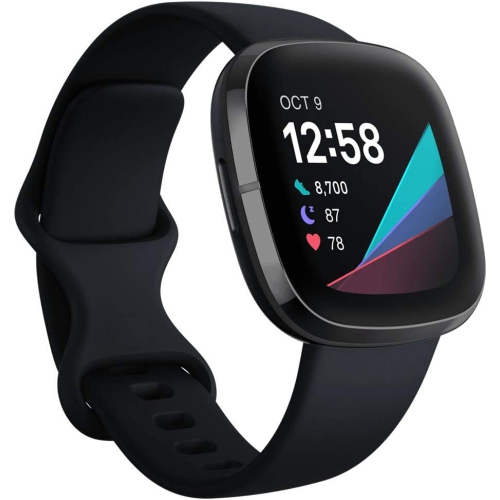
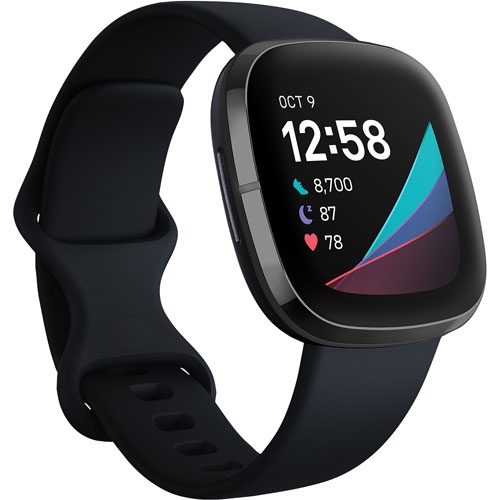
Comfort matters because a fitness wearable may stay on through commuting, exercise, household tasks, and sleep. Band material, case size, clasp design, and overall weight all affect how it feels after several hours. Flexible silicone bands are common for active use because they are easy to wipe clean, while woven bands can offer a softer feel for everyday wear. Metal or leather-style bands may create a more watch-like appearance, but their suitability for sweat, water, and frequent cleaning depends on the material and the manufacturer’s care instructions. A band should hold the sensor steadily against the skin without pinching, leaving deep marks, or restricting movement. Wrist measurements are more useful than guessing from a photograph, particularly for gifts or for anyone whose preferred fit falls near the end of a band’s adjustment range. The shape of the case matters too: a wider face can feel quite different on a smaller wrist, even when the strap fastens correctly. During strength training, a bulky case may press against the back of the hand when the wrist bends; during sleep, a flatter profile may feel less intrusive against bedding. Interchangeable bands can make it easier to adapt a wearable for different activities, provided the replacement is designed for the correct attachment system and case size. Colour and finish also influence whether a device feels like part of an everyday wardrobe or something reserved for workouts. Durability involves more than the band alone. Display glass, case construction, fastening points, and charging contacts all face regular handling, while contact with gym equipment or hard surfaces can leave marks. Water resistance should always be understood according to the device’s stated rating and permitted uses, rather than treated as a promise that every water activity is suitable. After sweaty exercise or permitted water exposure, cleaning and drying the wearable as directed helps keep it comfortable. Skin should also be clean and dry before the band goes back on, and irritation is a reason to remove it and allow the area to recover.
Daily convenience often determines whether a wearable becomes a lasting part of someone’s routine. Battery life varies with the device and its settings, particularly when features such as GPS, frequent screen use, or an always-on display are involved. Someone interested in overnight tracking may prefer a charging routine that leaves the device ready for bedtime, such as topping it up while showering or sitting down with a book. The charging connection and cable are worth considering alongside the wearable itself, since compatibility is not universal. Phone compatibility also shapes the experience: setup, data syncing, notifications, and app functions can depend on the phone’s operating system and supported software versions. Some features may require an account, an internet connection, or a separate membership, so the distinction between built-in functions and optional services matters. Clear menus and readable text can be especially valuable for someone who wants a straightforward daily summary rather than a screen full of charts. For more detailed fitness interests, supported workout modes may help separate a bike ride from a treadmill session, while route information can add context to outdoor walks and runs. No single measurement tells the whole story, and differences in terrain, effort, and device placement can affect comparisons between sessions. Personal data deserves attention as well, particularly settings for notifications, location access, and sharing activity with others. For a gift recipient, the freedom to choose those settings and establish personal goals is part of making the wearable feel genuinely useful. A fitness wearable can also complement familiar exercise equipment without replacing it: a comfortable mat supports floor exercises, resistance bands add variety to strength sessions, and a water bottle stays within reach during a workout. Related essentials are also grouped on the Boxing Day sale on fitness accessories page. Whether the intended use is regular walking, structured training, or a better understanding of daily activity and rest, lasting usefulness comes from a comfortable fit, manageable upkeep, and features that serve the wearer’s actual routine.
Top selling and popular products
-
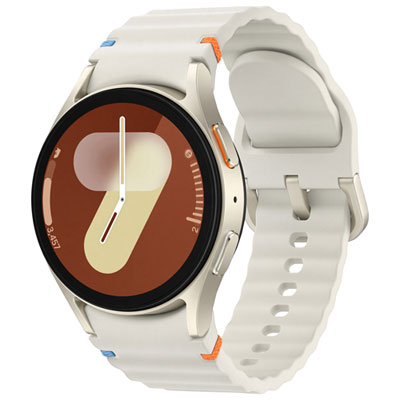 Your price for this item is $229.97
 -
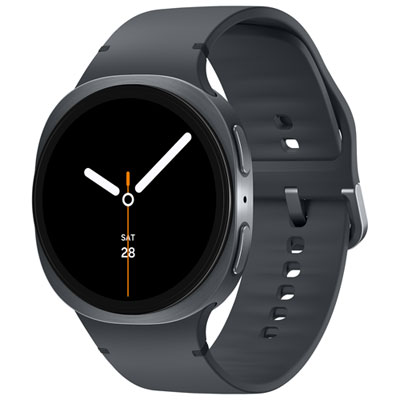 Your price for this item is $399.99
 -
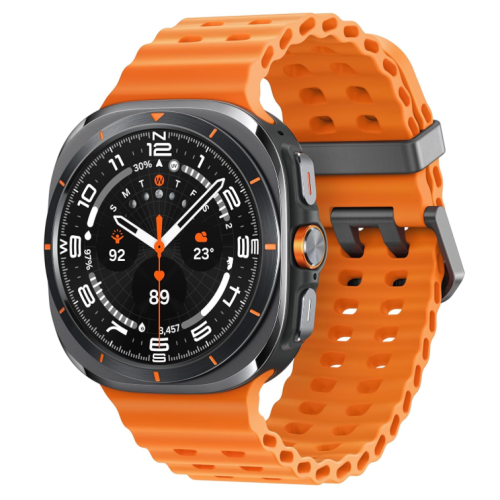 Your price for this item is $579.99
 -
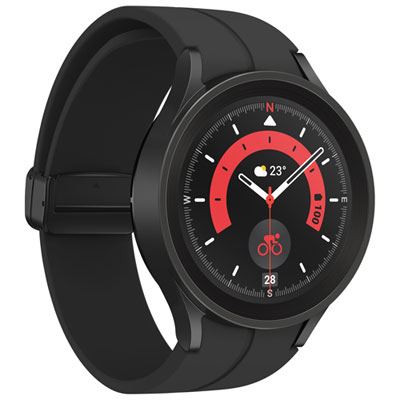 Your price for this item is $569.97
 -
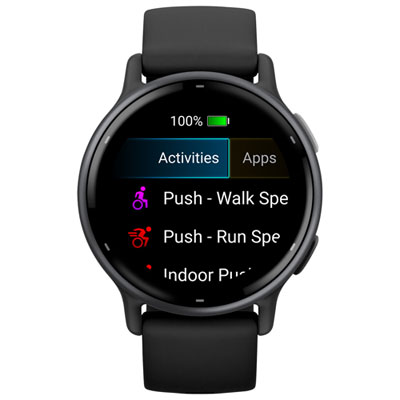 Your price for this item is $349.99
 -
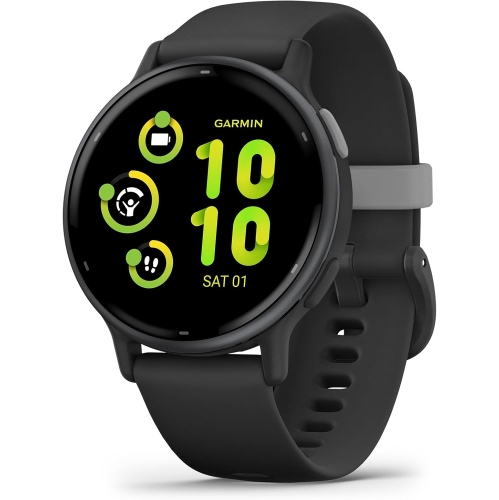 Your price for this item is $371.79
 -
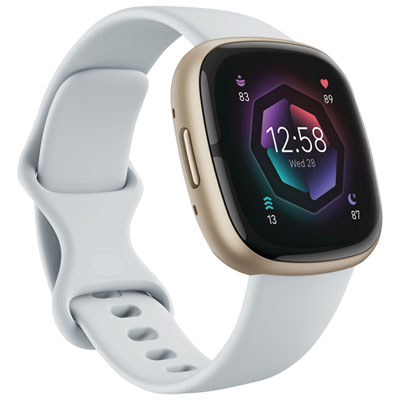 Your price for this item is $329.99
 -
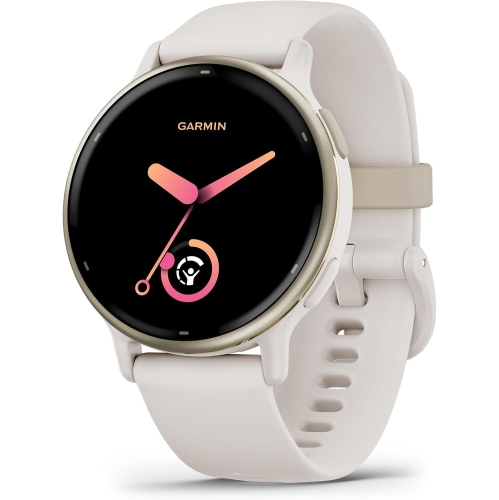 Your price for this item is $328.89