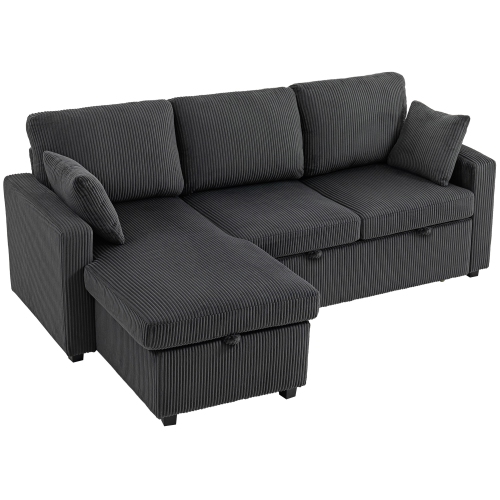
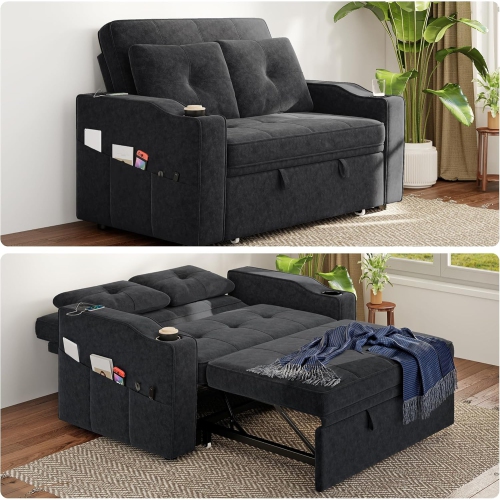
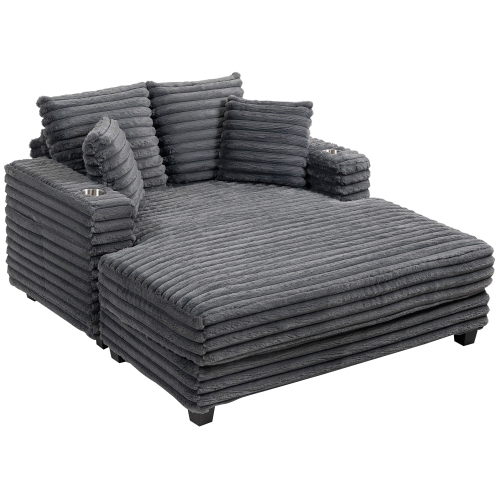
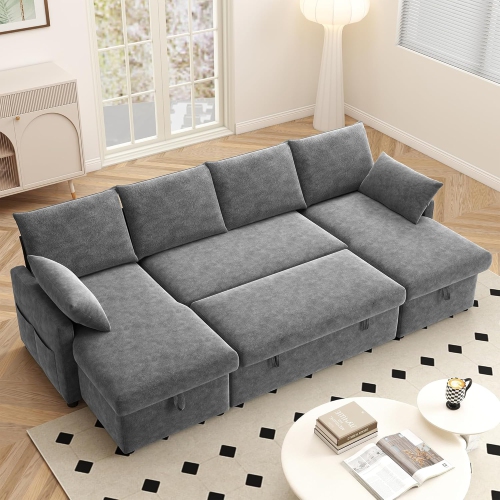
Boxing Day Sale On Futons
Boxing Day is the perfect time to transform your living space with incredible deals on futons. Whether you're looking to add a versatile piece of furniture to your home or seeking an affordable solution for accommodating guests, our Boxing Day sale offers a fantastic selection of futons that blend style and functionality. From sleek modern designs to cozy traditional options, you'll find the perfect fit for any room. Remember, our Low Price Guarantee means you can shop confidently knowing that you'll find the best price at Best Buy, all year round. We encourage you to check our website frequently for the most up-to-date information on our latest offers and savings opportunities.
Sort
What makes a futon work for sitting and sleeping
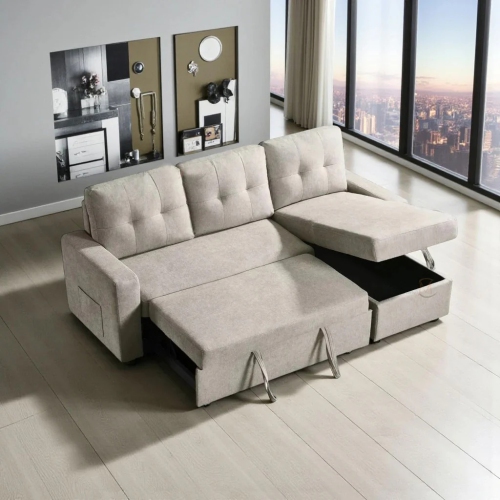
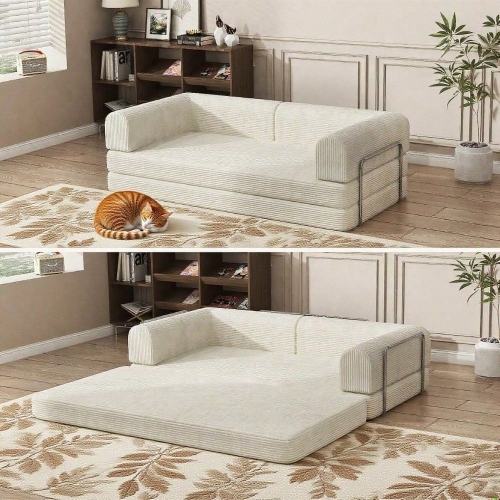
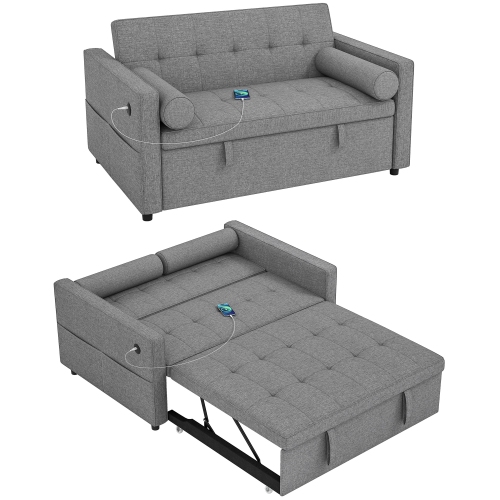
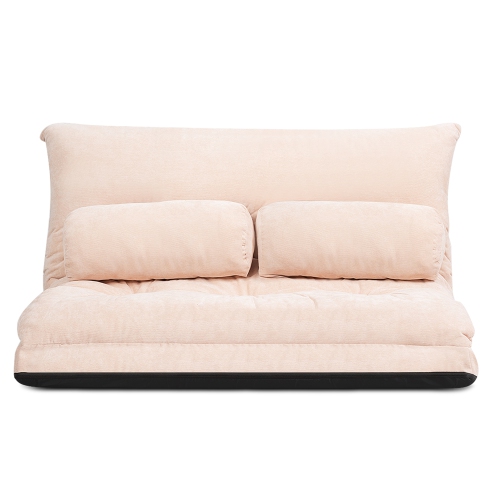
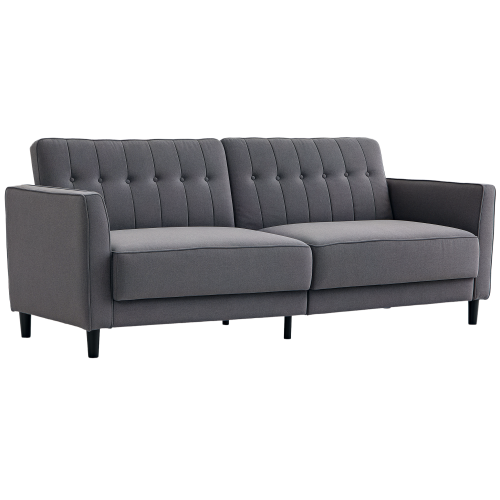
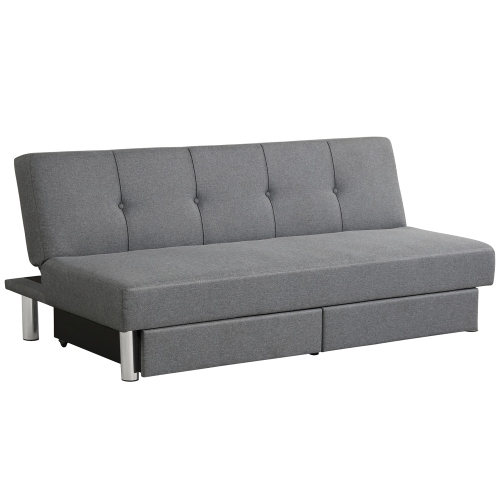
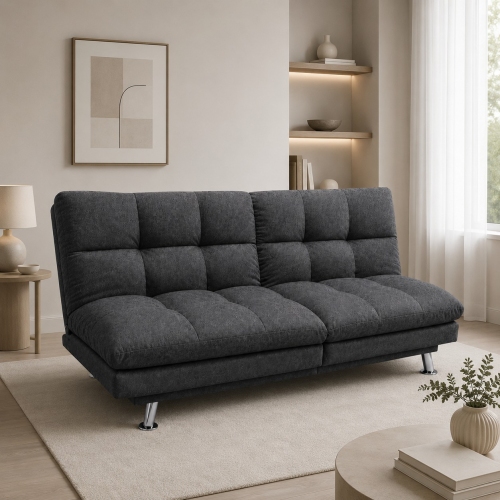
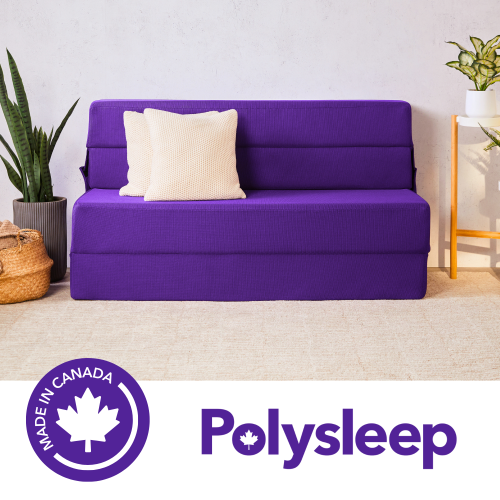
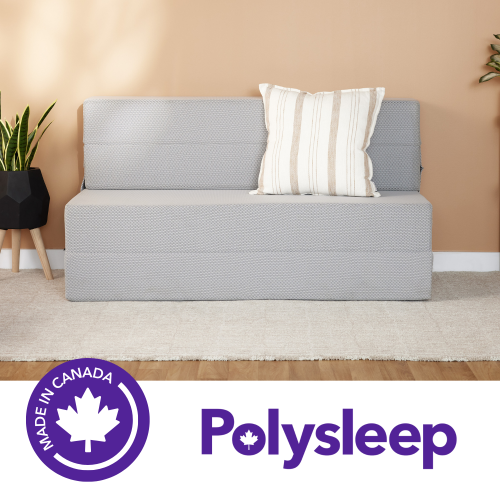
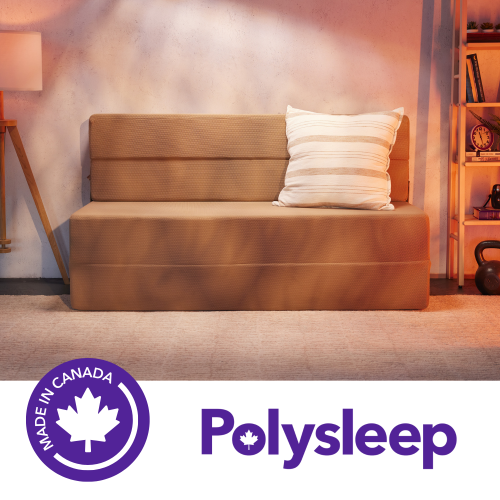
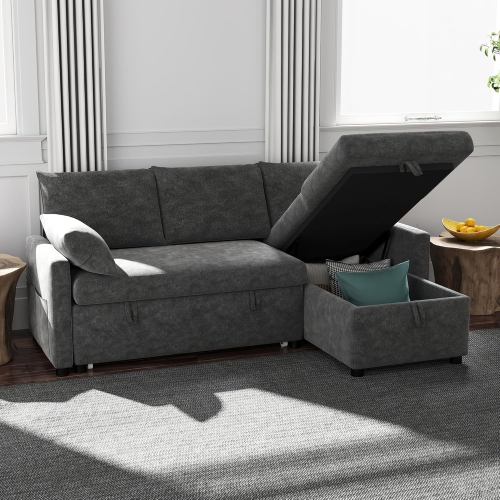
For households planning a room refresh around Boxing Day, futons offer a practical way to combine everyday seating with an extra place to sleep. They suit spaces that need to serve more than one purpose: a home office that hosts visiting family, a studio apartment where floor space matters, or a finished basement used for movies and overnight stays. A traditional futon generally pairs a folding frame with a separate mattress, while many sofa-style futons use upholstered seats and backs that fold into a sleeping surface. The distinction matters because it affects comfort, maintenance, and how the furniture fits into a room. A separate mattress may be replaceable when it wears out, provided its dimensions and flexibility suit the frame. An upholstered fold-flat design creates a more sofa-like appearance, though its seat cushions and backrest usually form the bed itself. Some designs have independently adjustable back sections, allowing one side to recline while the other stays upright; the permitted positions and operating method depend on the model. For someone who mainly needs a place to sit, seat depth, back support, and arm placement may matter most. For an overnight guest, the length, width, and evenness of the opened sleeping surface deserve closer attention. A central seam that goes unnoticed while sitting can feel more prominent when lying down, and a supportive seat does not necessarily feel comfortable for a full night’s sleep. Someone furnishing a first apartment might value a straightforward conversion mechanism and a compact footprint, while a household welcoming relatives may place more importance on room to stretch out. A futon can also be a thoughtful furnishing gift for a student or someone moving into a new home, but it is best chosen with their input on dimensions, comfort, and style. Its usefulness comes from fitting the person’s routine as well as the room, rather than simply fitting an empty spot against a wall.
Size is one of the most important considerations when comparing futons, and the seated dimensions tell only part of the story. Measure the space with the futon both upright and fully opened, allowing for any clearance required behind the backrest or in front of the frame. A design that looks compact as a sofa may need to move away from the wall before it can lie flat. In a home office, the opened bed should leave enough space to reach the door without shifting a desk or squeezing past a filing cabinet. In a living room, consider where a coffee table will go when the futon becomes a bed, and whether a nearby lamp or side table will remain easy to reach. Check the actual sleeping dimensions rather than relying only on size labels, since a fold-flat surface may not match standard mattress measurements. Armrests can also reduce usable sleeping length even when the overall furniture width seems generous. Delivery and assembly need similar attention: doorways, stair turns, elevator openings, and the dimensions of packaged components can all affect how easily a futon reaches its intended room. Frame materials influence appearance and handling, but construction details are just as important. Wood can bring visible grain and a warmer look, while metal often suits a simpler, more streamlined setting. Secure joints, suitable centre support, and a conversion mechanism that locks properly contribute to stability. Follow the stated weight limits and operating instructions, including any differences between seated and sleeping use. Low seating can be comfortable for lounging, but a higher seat and supportive arms may be easier for someone who finds standing up difficult. Households comparing different ways to accommodate guests can also explore Boxing Day sale on sleeper sofas for another furniture category that combines seating and sleeping. Sleeper sofas often use a pull-out mattress or another conversion system, although construction varies, so the mechanism and sleeping surface remain more useful comparison points than the category name alone.
Upholstery, cushioning, and care requirements shape how a futon feels after the first few uses and how well it stands up to everyday life. Woven fabric can add texture to a room, while a smoother upholstery finish creates a cleaner visual line. A linen-look fabric describes an appearance rather than guaranteeing a particular fibre content, so checking the material composition helps clarify what to expect. Polyester blends, cotton covers, velvet-style finishes, and leather-look coverings have different cleaning needs, and none should be treated as universally stain-proof or maintenance-free. In a family room where snacks and drinks are common, clearly stated cleaning instructions and a removable, washable cover can make upkeep simpler. A removable cover is not automatically machine washable, however; follow its care label before washing or drying it. For homes with pets, consider how the fabric’s texture may hold hair or catch claws, and keep loose threads from becoming an invitation to scratch. Cushion construction also deserves attention. Foam density, cushion thickness, springs, and mattress fill each influence support, firmness, and how the surface responds to repeated use. A thick cushion is not necessarily more supportive than a thinner one, and softness alone does not indicate durability. For frequent sleeping, look closely at whether the futon is intended for that use and whether its support suits the sleeper’s preferences. A compatible topper may soften the feel or make seams less noticeable, but it cannot correct an unsuitable frame or a sagging surface, and it may need to be removed before folding. Bedding storage is worth planning too: a nearby cupboard or storage ottoman keeps pillows and blankets close without leaving them on the seat all day. Routine care usually starts with vacuuming using an appropriate attachment, dealing with spills promptly according to the upholstery instructions, and checking accessible fasteners as directed by the manufacturer. Rotate or turn a separate mattress only when its care instructions allow it. With the right proportions, a suitable sleeping surface, and manageable upkeep, a futon can feel like a deliberate part of the home rather than furniture kept solely for an occasional guest.
Top selling and popular products
Top Collections:
Pokemon Centers, Best Cameras for Sports Photography, Kindle Devices, Samsung Galaxy Phones, Canon G7X Cameras, Pokémon 30th Celebration Cards, Refurbished Apple Laptops, iPhone 15 Apple, Laptops for Students, Budget Smartphones
Some products may be subject to Environmental Handling Fees
(EHF) depending on your province.
Learn more about EHFs.