Boxing Day Deals Coming Soon
Our Boxing Day Sale returns in December 2026. In the meantime, shop our current top deals below.

Boxing Day Sale On Kennels & Houses
Unleash the savings this Boxing Day with incredible deals on kennels and houses for your furry companions. Whether you're looking to upgrade your pet's cozy retreat or need a sturdy outdoor shelter, our selection offers comfort and style at unbeatable prices. Explore a variety of options designed to suit different needs and preferences, ensuring your pet enjoys their space as much as you enjoy the savings. From spacious kennels to charming pet houses, find the perfect home-away-from-home for your beloved animals during this limited-time sale event. Remember, our Low Price Guarantee means you can shop confidently knowing that you'll find the best price at Best Buy, all year round. We encourage you to check our website frequently for the most up-to-date information on our latest offers and savings opportunities.




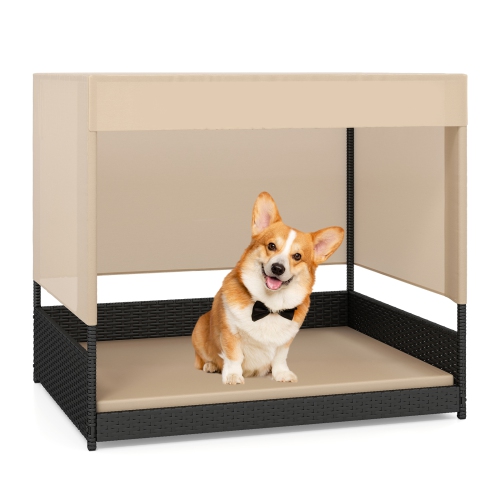
Why kennels and pet houses serve different purposes
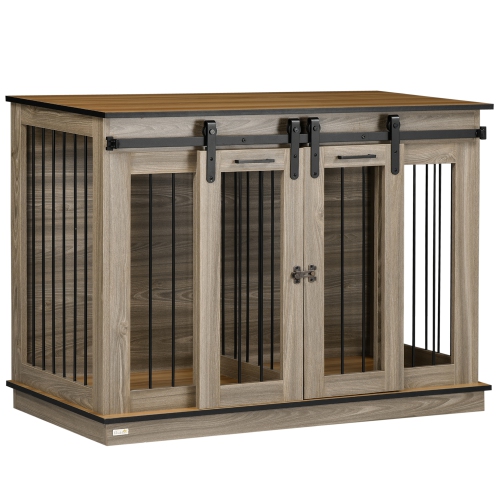
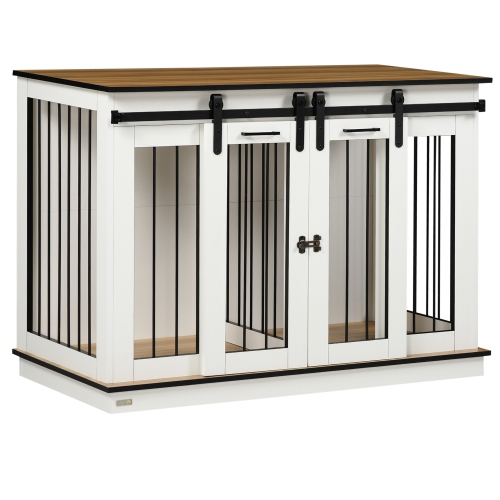
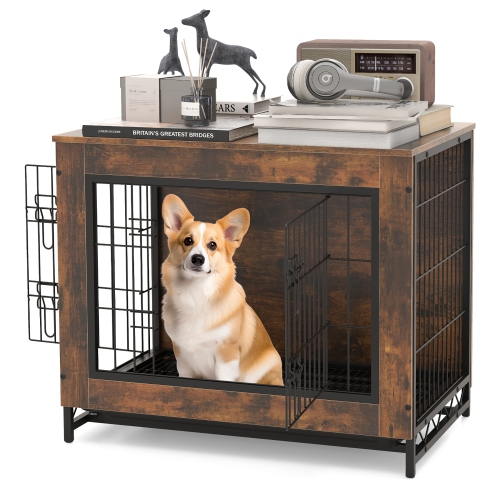
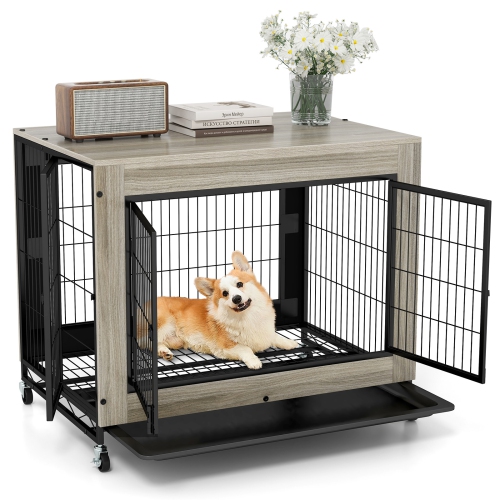
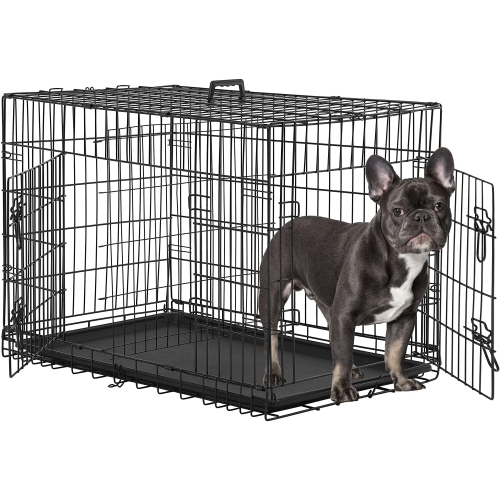
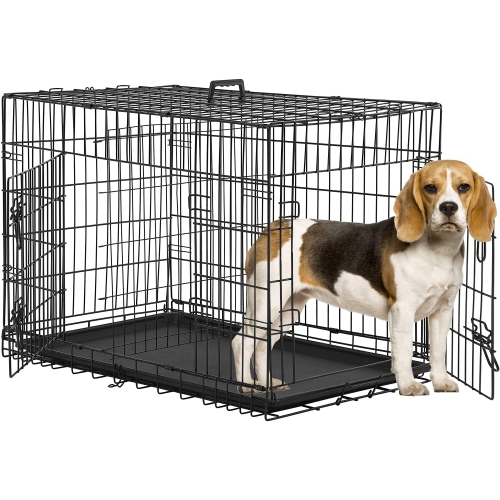
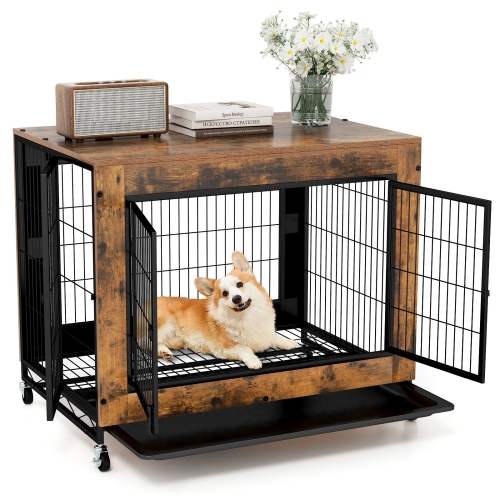
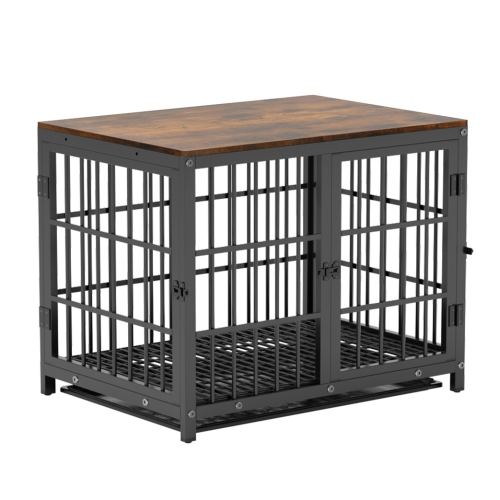
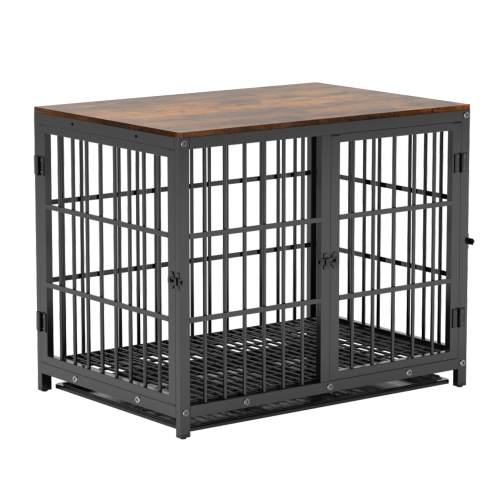
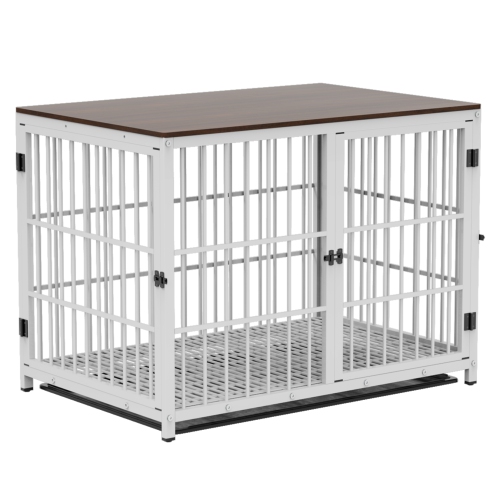
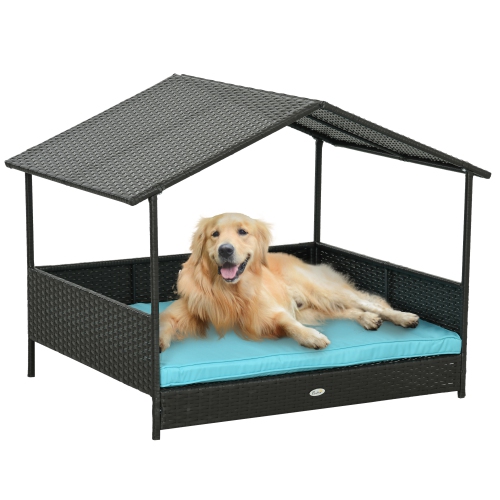
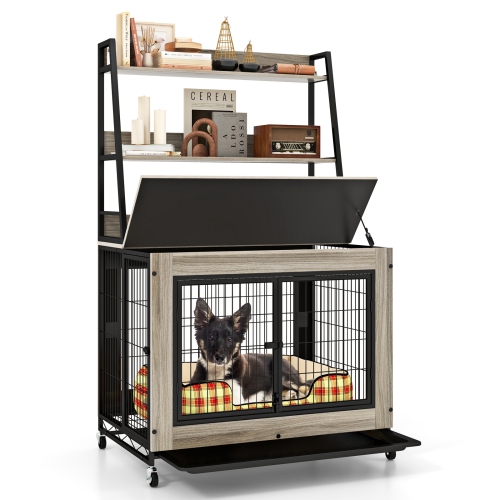
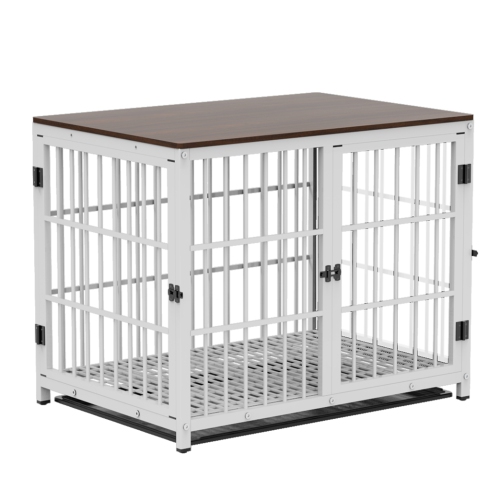
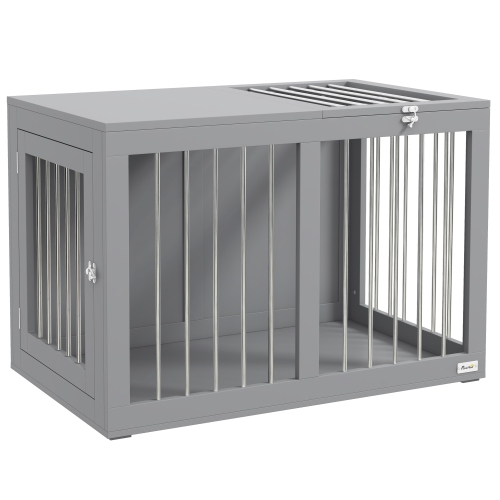
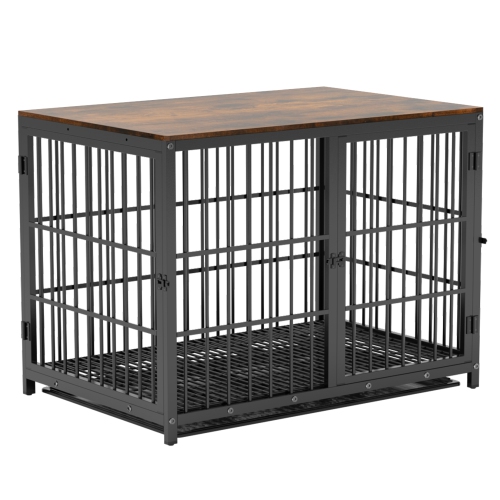
Indoor kennels are part of the living space as well as the pet’s routine, so construction and placement influence how comfortably they work in a home. Wire panels offer visibility and airflow, which may suit a dog that likes to watch people moving between rooms. More enclosed sides provide visual privacy, although ventilation still needs to remain unobstructed. Furniture-style kennels can blend with nearby cabinetry or side tables, but decorative finishes do not necessarily make them suitable for a dog that persistently chews or scratches. Metal gauge, panel connections, hinges, and latch design all contribute to durability, and any surface within reach should be free from sharp edges or exposed fasteners. Door placement can make a noticeable difference in a narrow room: an entrance on the side may leave a clearer walking path than one opening towards a sofa. The space needed for the door to swing fully open belongs in the room measurements, along with clearance for removing a cleaning tray. A quiet location near normal household activity often works better than a busy passage where people repeatedly step around the kennel. Bedding adds another layer of fit. A pad should lie flat without bunching against the doorway, and its thickness should not leave the dog short of standing room. Complementary pet beds and mats can provide cushioning, with washable covers and securely enclosed filling offering practical benefits for everyday care. For puppies or dogs that chew fabric, bedding suitability needs individual attention rather than an assumption that extra padding is always better. Removable trays, accessible corners, and smooth surfaces make it easier to clear shed hair, muddy paw marks, and occasional accidents. Cleaning methods should suit the material and follow the manufacturer’s care directions, with surfaces rinsed where required and dried before bedding goes back inside. A kennel is most useful as a familiar resting place introduced gradually through positive experiences, not as punishment or a substitute for exercise, companionship, and toilet breaks.
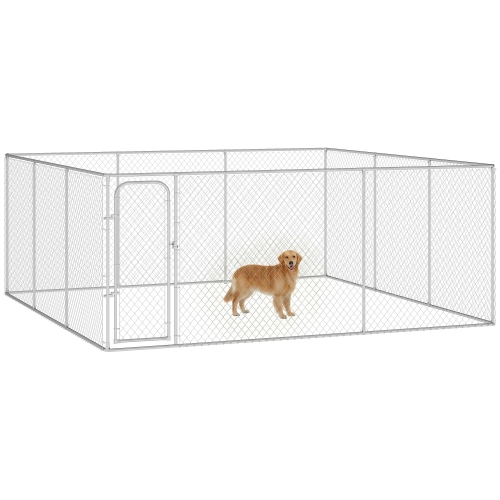
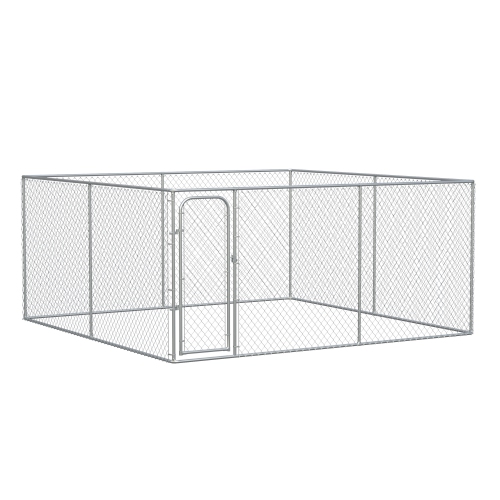
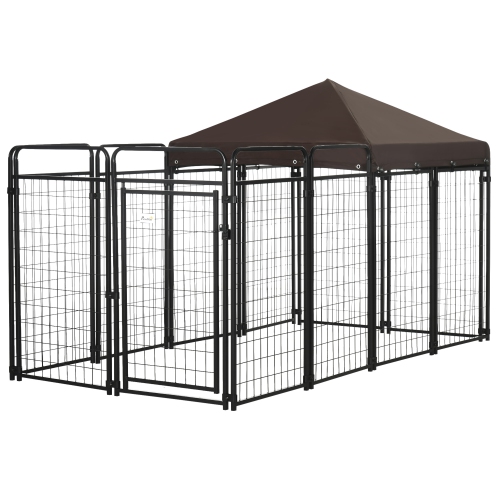
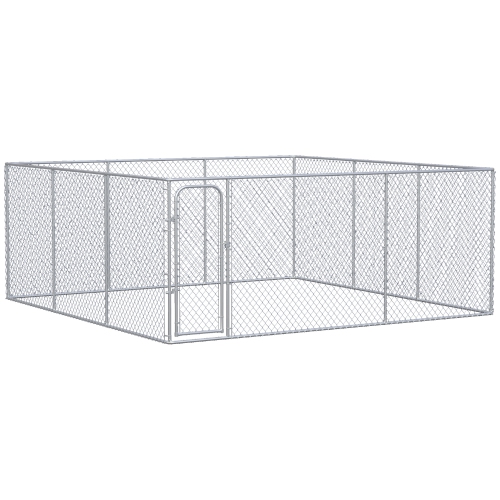
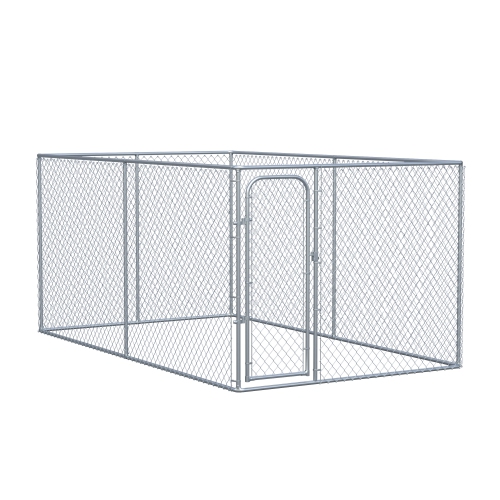
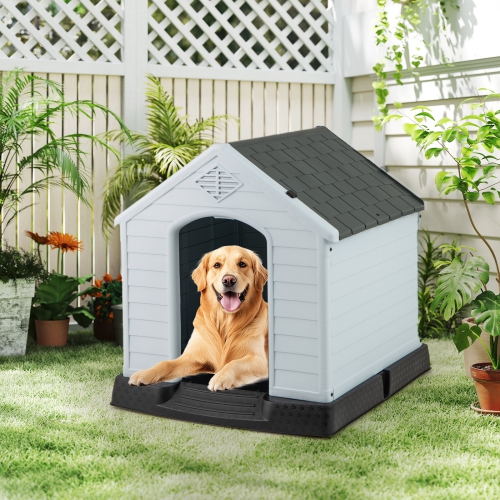
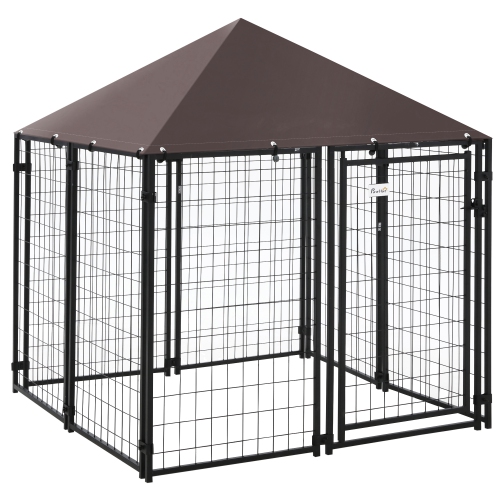
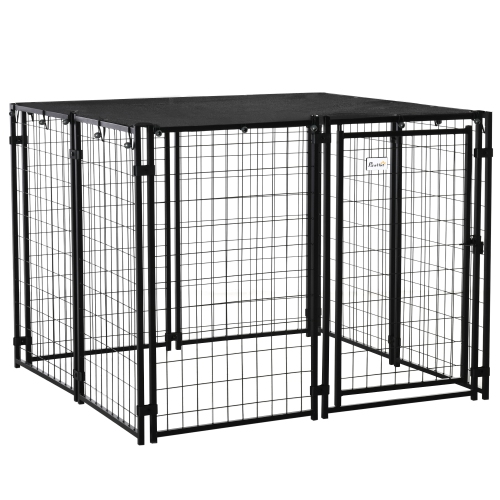
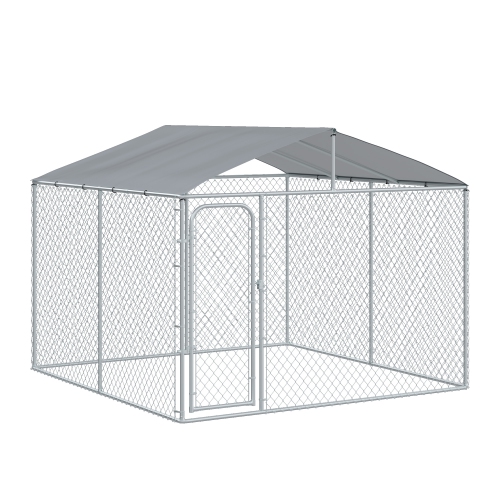
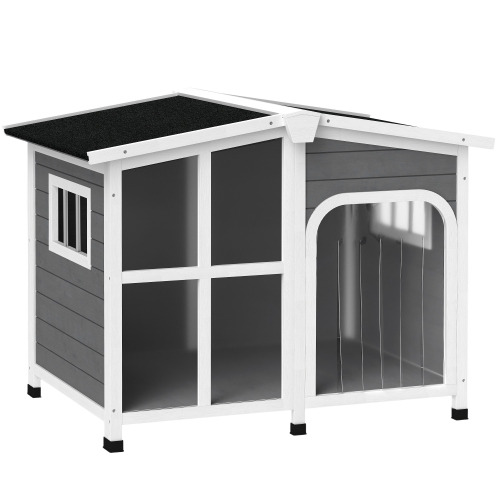
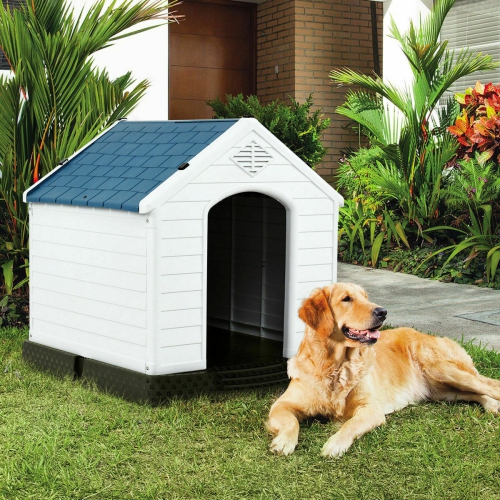
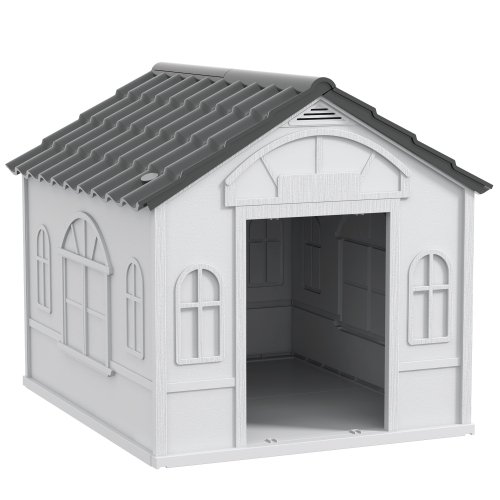
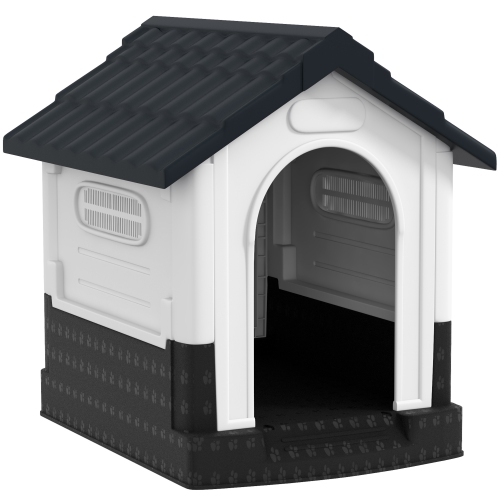
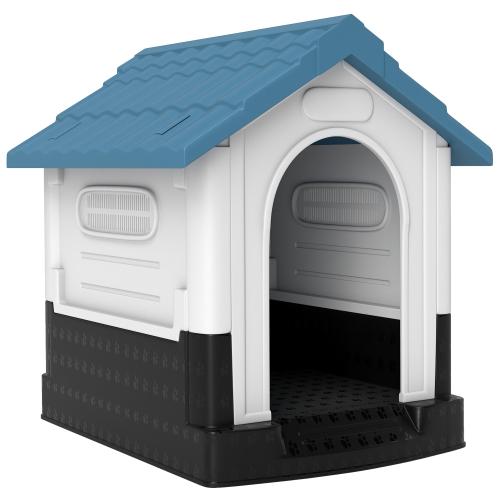
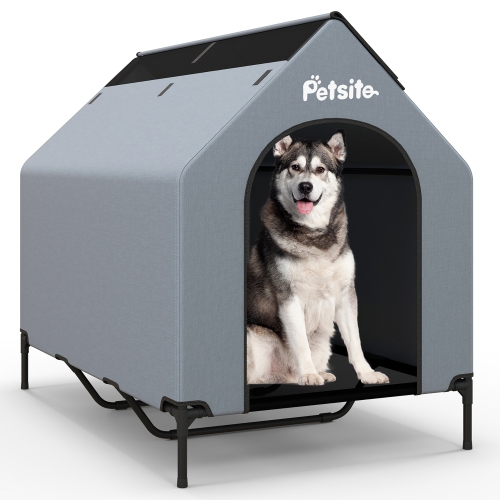
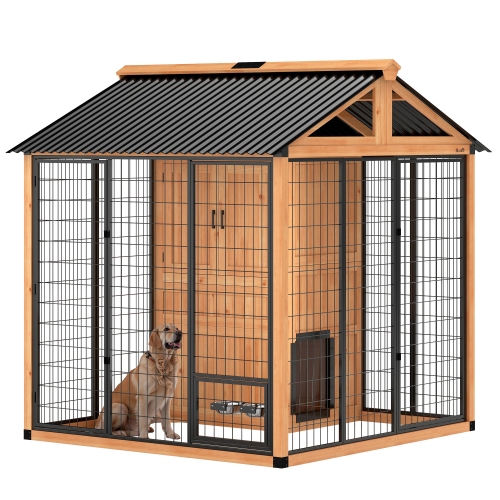
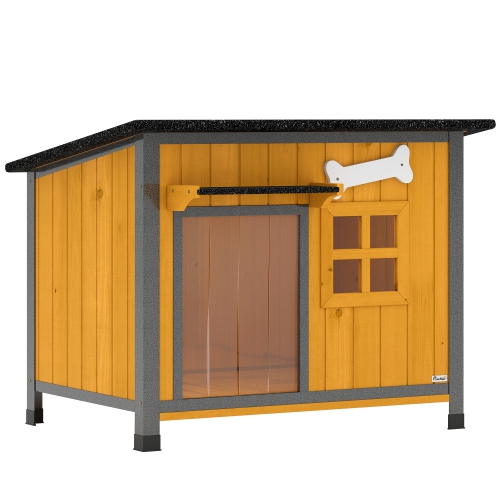
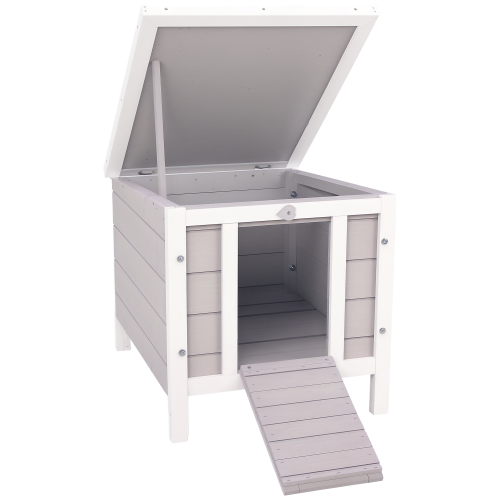
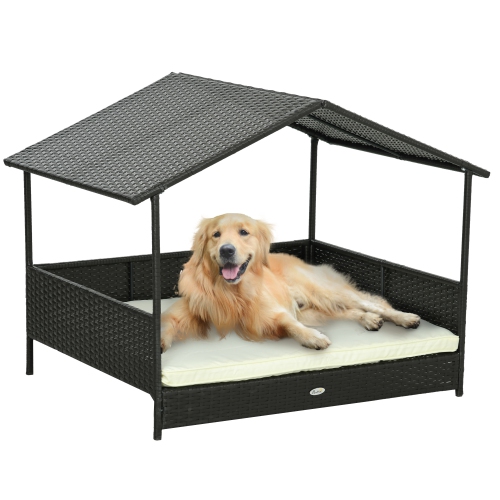
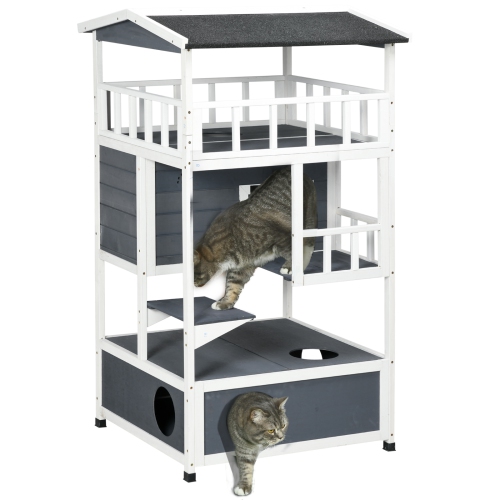
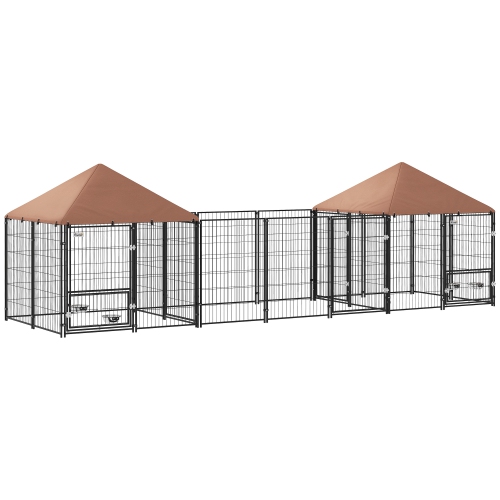
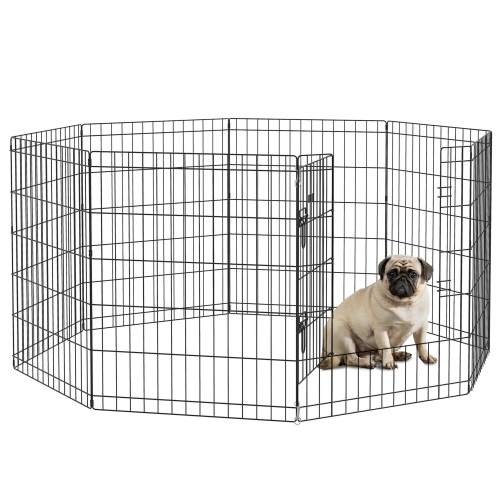
Outdoor kennels and pet houses bring a different set of construction details into focus because their bases, roofs, doors, and joins must suit the intended location. A level, stable foundation helps prevent rocking and keeps entrances usable, while drainage around the structure reduces the chance of water collecting beneath the floor. Raised floors can separate a resting surface from damp ground, but the height of the step still needs to suit the dog’s mobility. Wood offers a solid appearance and may need periodic finish maintenance; plastic surfaces are often straightforward to wipe down, while metal frames require attention to protective coatings and any signs of corrosion. Durability depends on the complete structure rather than the main material alone. Roof attachments, floor supports, mesh connections, and fasteners all bear use over time, especially when an active dog leans against panels or pushes at a gate. For enclosed runs, appropriate panel spacing, secure latches, and installation suited to the ground surface help address escape risks. A roof or cover may provide shade or shelter, but it does not automatically prevent digging, climbing, or exposure through open sides. Pet houses likewise vary in their roof overhang, entrance position, ventilation, and access for cleaning. A lift-up or removable roof can make it easier to inspect the interior, replace bedding, and reach corners that would otherwise be difficult to clean. Insulation may help moderate conditions inside a house, but no outdoor structure makes prolonged exposure to extreme heat or cold safe. Dogs still need supervision, drinking water, and access to suitable indoor shelter, with particular care for puppies, senior animals, and pets with health concerns. Placement also affects day-to-day convenience: a clear route from the home makes checking on a pet and cleaning the space simpler than a position tucked behind other yard structures. Gates should open freely without creating gaps, and bedding should stay dry and clear of the entrance. Whether the purpose is an indoor retreat or a sheltered outdoor resting spot, the most useful kennels and houses combine enough room for natural movement with sound construction, manageable care, and a layout that fits the animal’s daily life.
Top selling and popular products
-
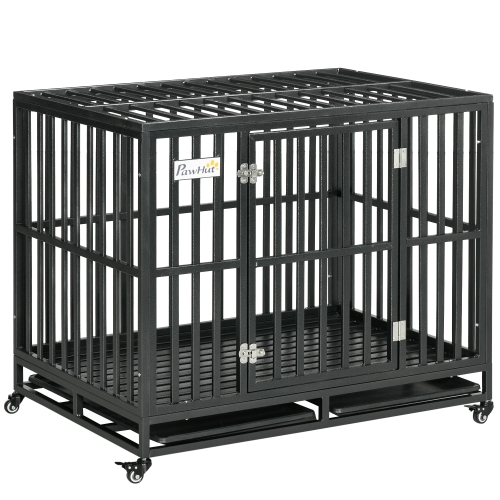 Your price for this item is $229.99
 -
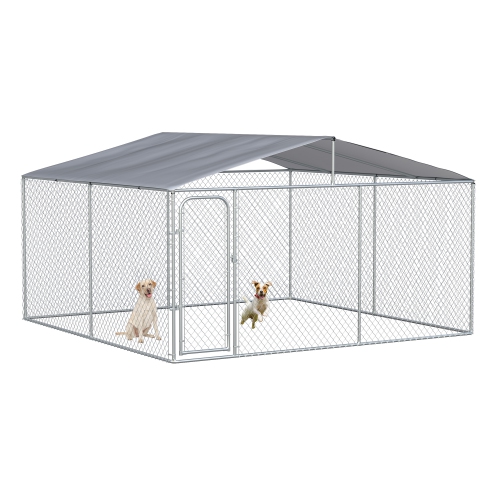 Your price for this item is $499.99
 -
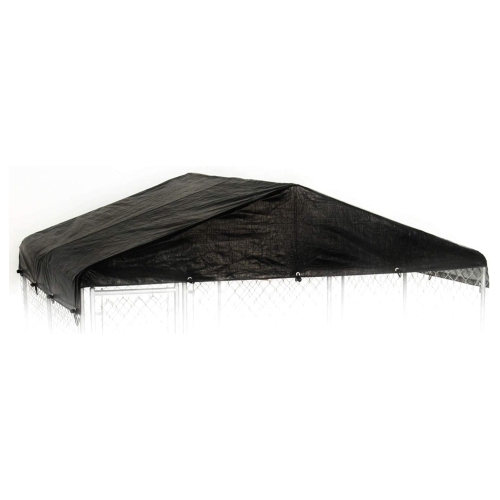 Your price for this item is $647.99
 -
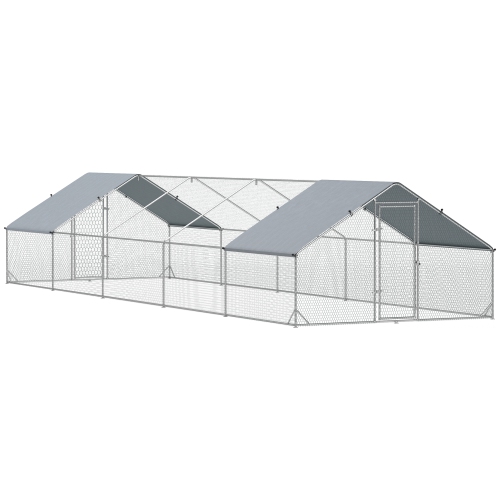 Your price for this item is $479.99
 -
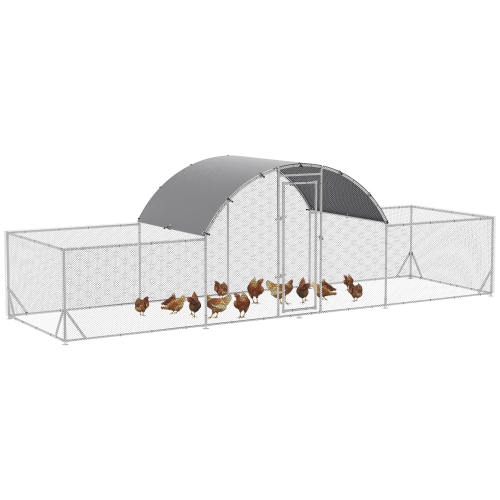 Your price for this item is $216.99
 -
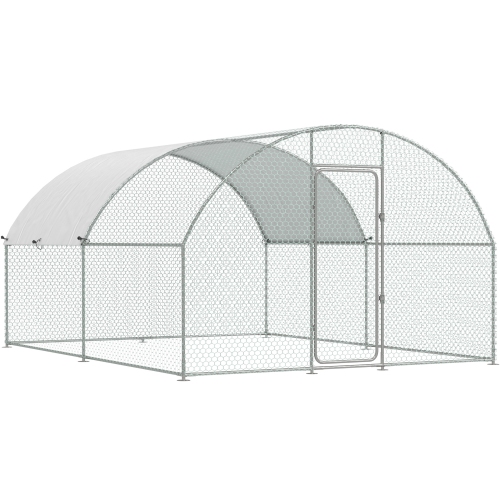 Your price for this item is $239.99
 -
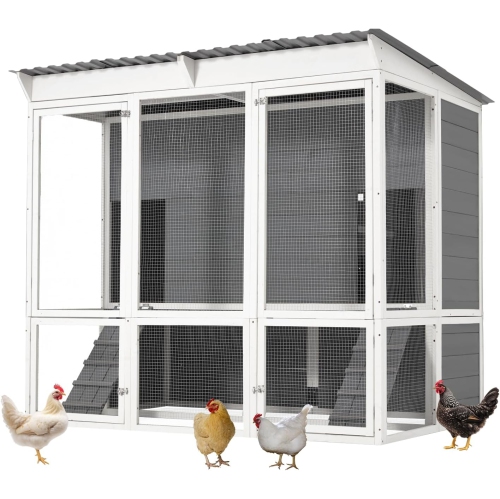 Your price for this item is $539.99
 -
 Your price for this item is $399.99