Boxing Day Deals Coming Soon
Our Boxing Day Sale returns in December 2026. In the meantime, shop our current top deals below.

Boxing Day Sale On Kids Toys
Get ready to unwrap the joy of savings with our Boxing Day Sale on kids toys! Dive into a world of excitement and discovery with an incredible selection designed to spark imagination and bring smiles to little faces. Whether you're searching for educational toys that inspire learning or playful gadgets that promise endless fun, our sale offers something special for every child. Explore unbeatable deals and make this holiday season unforgettable with gifts that will create cherished memories for years to come. Remember, our Low Price Guarantee means you can shop confidently knowing that you'll find the best price at Best Buy, all year round. We encourage you to check our website frequently for the most up-to-date information on our latest offers and savings opportunities.


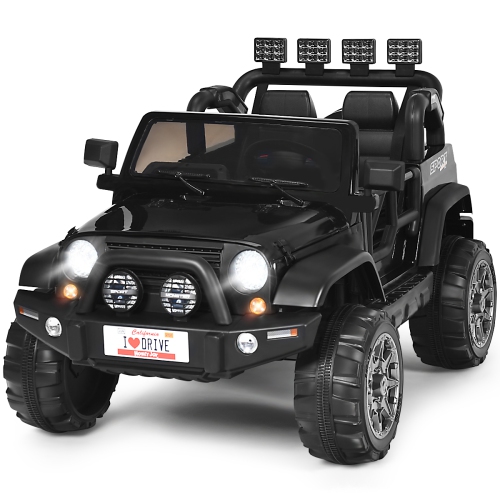
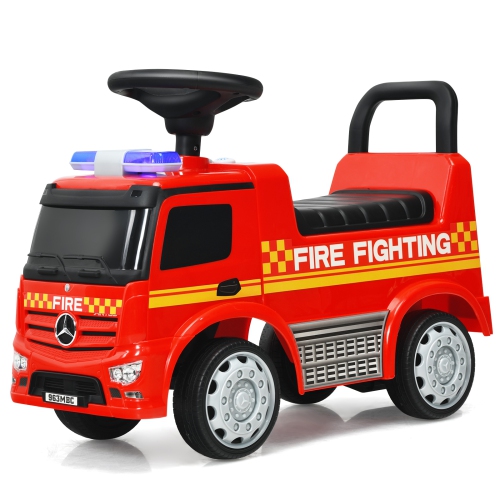
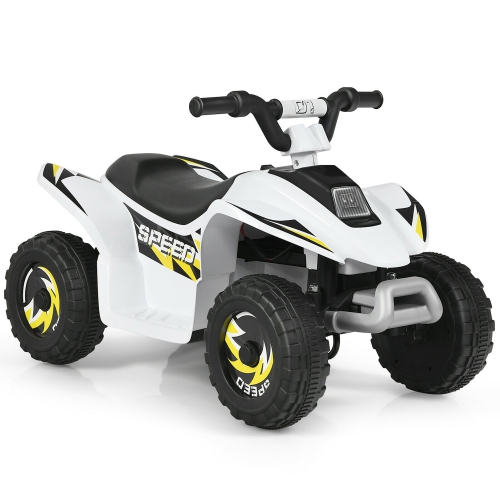
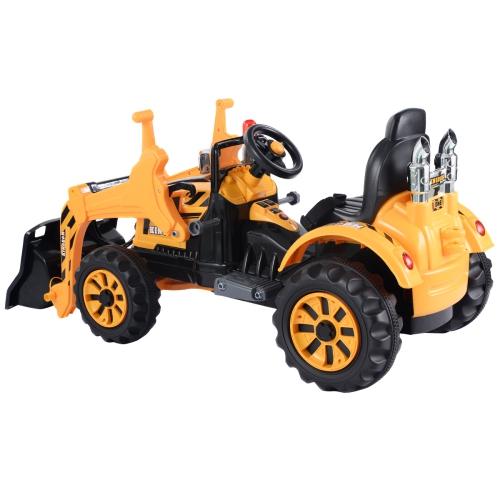
Toys that fit how your child actually plays
Materials and construction affect how a toy feels in small hands, how it stands up to repeated use, and how much care it needs. Wood can provide a solid feel for hands-on play, though finishes, joints, and edges still need attention. Plastic varies considerably in weight, rigidity, and surface texture; the material name alone does not establish durability. Fabric and plush surfaces offer softness, but their care requirements depend on the filling, stitching, and any components inside. Removable washable covers can simplify cleanup when the manufacturer provides them, while electronic components generally require more cautious surface cleaning according to the care instructions. A toy that spends time on the floor, travels between homes, or accompanies a child through a busy day needs construction suited to that use. Secure seams, firmly attached parts, smooth edges, and closures that remain intact matter more than an impressive first appearance. For anything worn or ridden, fit deserves separate attention: check the stated dimensions, adjustment range, and applicable height or weight limits rather than relying on the suggested age alone. Room to grow should not come at the expense of control or a secure fit. Intended use matters just as much. A toy designed for indoor play may not tolerate moisture, rough pavement, or prolonged exposure outdoors, and a decorative feature may not be built to serve as a handle. Follow the manufacturer’s instructions for assembly, supervision, cleaning, and storage, and inspect toys periodically for cracks, loose parts, or damaged battery compartments. Small components require particular care in households where younger siblings may reach an older child’s play area. Button and coin batteries must remain inaccessible in secured compartments, with loose batteries kept out of children’s reach. Magnets also warrant close attention to age restrictions and safety directions. Thoughtful storage supports both care and safer use: keeping components together makes the next play session easier, while separating age-specific activities helps prevent pieces from finding their way into the wrong hands.
The space and routines around a toy often determine how much enjoyment it brings after the first few sessions. An activity that spreads across a dining table may be a good match for a child who likes settling into a project, provided there is somewhere to keep unfinished work. In a shared living room, a more contained activity may be easier to bring out and put away. Sound levels also matter in apartments, shared bedrooms, and homes where someone works nearby; adjustable volume or a silent mode can make electronic play more comfortable for everyone. Before choosing a powered toy, check its battery requirements, charging method, and whether any necessary accessories are included. Connected play may involve an app, a compatible device, an account, or adult setup, so device compatibility, privacy settings, and ongoing access requirements deserve attention. Hands-on activities have practical needs too, from a wipe-clean work surface to enough floor space for movement. For children who enjoy playing together, simple turn-taking and cooperative tasks can create opportunities to practise communication without making every session a competition. Creative and construction play can leave room for experimenting, taking something apart, and trying a different approach. More structured activities may appeal to children who enjoy clear goals and visible progress. Neither style is inherently better; variety allows play to suit a child’s mood and energy. A caregiver might join in for the first attempt, demonstrate one action, and then step back as confidence grows. When choosing a gift for a niece, nephew, grandchild, or family friend, checking with a caregiver can clarify space constraints, sensory preferences, and household rules about screens or sound. It can also reveal whether the child prefers a familiar interest or is eager to try something different. Boxing Day toy choices can have a place well beyond the occasion when they fit these ordinary details of family life: manageable cleanup, comfortable handling, engaging play, and enough flexibility for children to return with a new idea.
Top selling and popular products
-
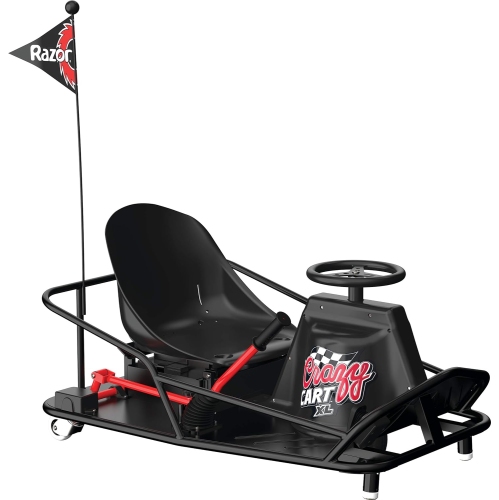 Your price for this item is $1829.99
-
 Your price for this item is $191.99
-
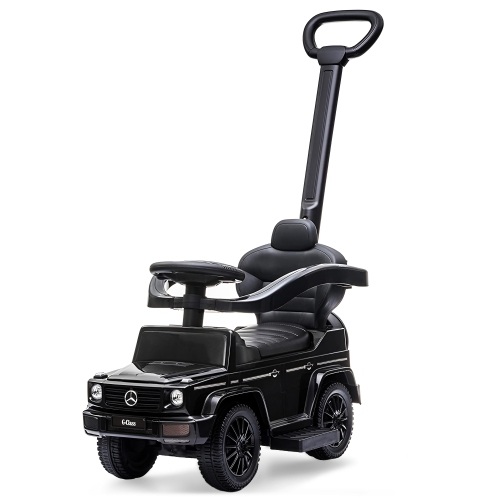 Your price for this item is $176.99
-
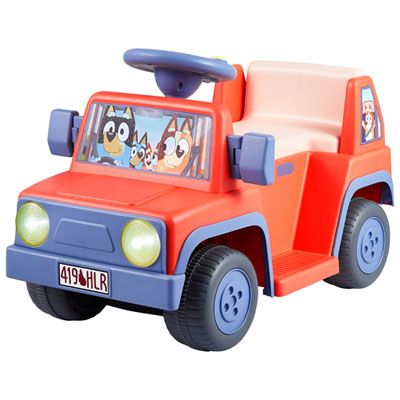 Your price for this item is $199.99
-
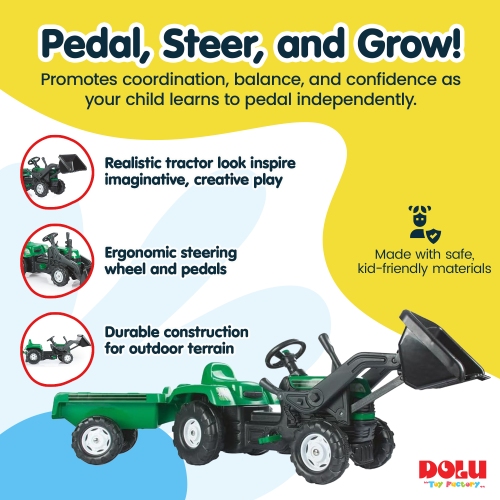 Your price for this item is $223.99
-
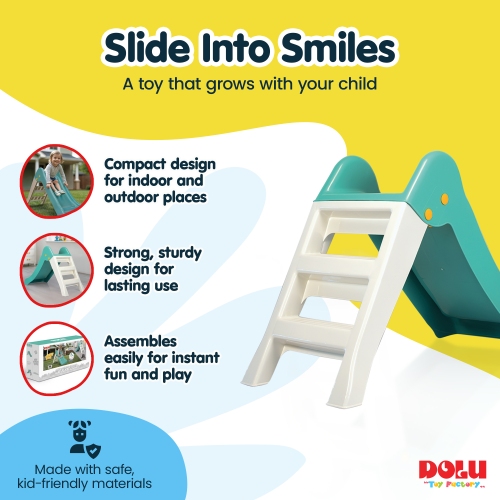 Your price for this item is $178.99
-
 Your price for this item is $99.99
-
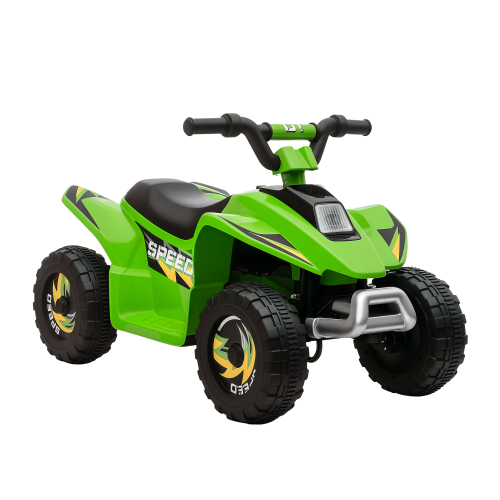 Your price for this item is $79.99