Boxing Day Deals Coming Soon
Our Boxing Day Sale returns in December 2026. In the meantime, shop our current top deals below.

Boxing Day Sale On Nursery Furniture
Boxing Day is the perfect time to transform your nursery into a cozy haven with unbeatable deals on nursery furniture. Discover a wide selection of stylish and functional pieces designed to create a nurturing environment for your little one. Whether you're setting up a brand-new nursery or looking to refresh an existing space, our Boxing Day sale offers incredible savings on cribs, dressers, changing tables, and more. With options that blend comfort, safety, and aesthetic appeal, you can craft the ideal space for your baby while enjoying fantastic discounts. Remember, our Low Price Guarantee means you can shop confidently knowing that you'll find the best price at Best Buy, all year round. We encourage you to check our website frequently for the most up-to-date information on our latest offers and savings opportunities.
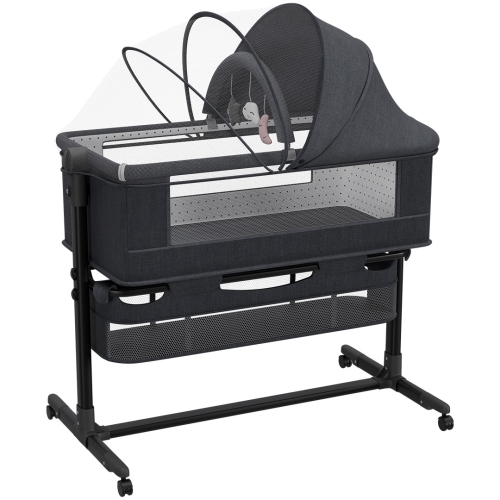
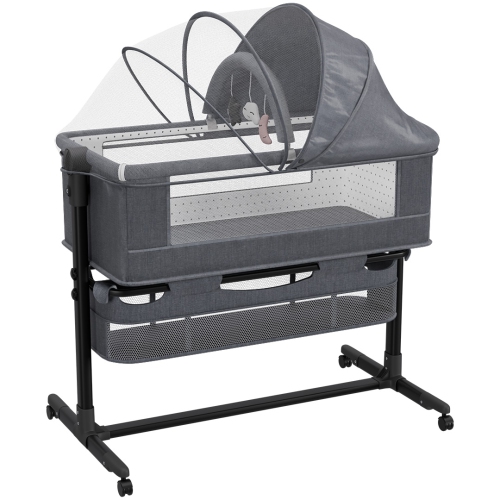





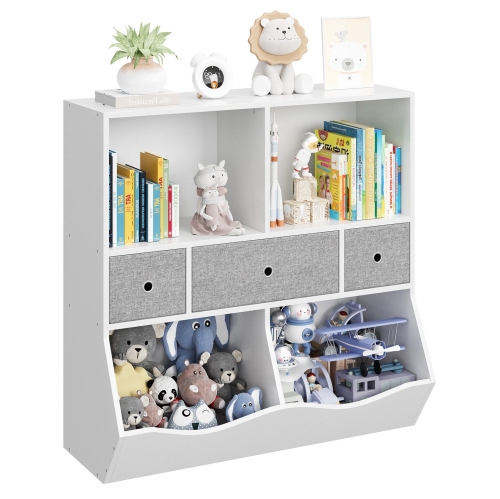

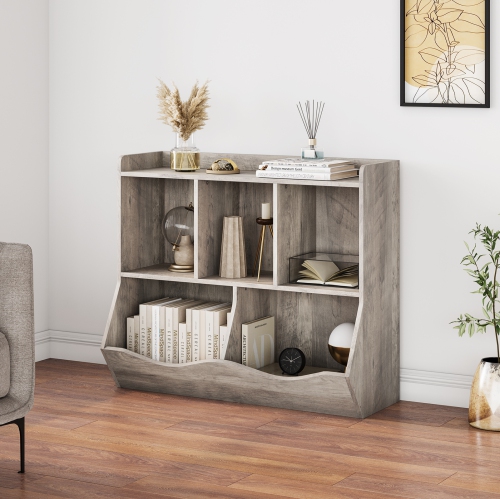
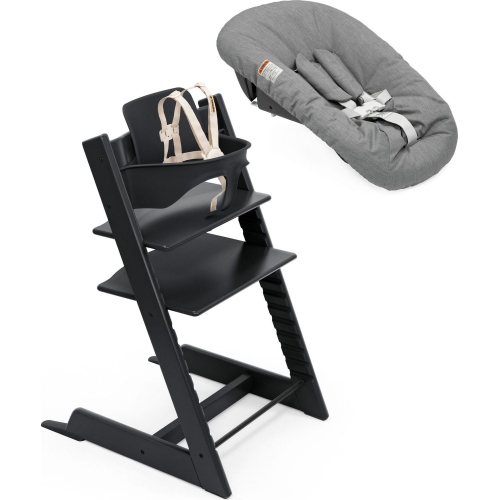
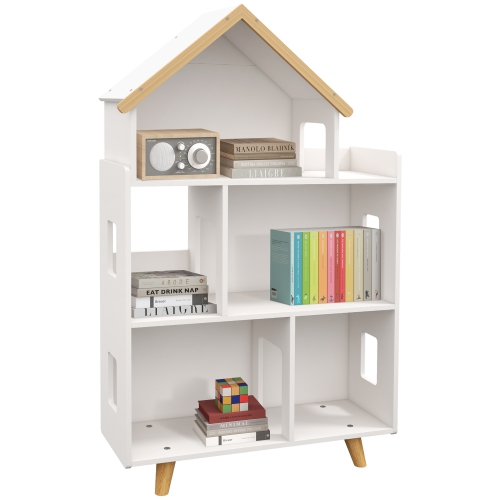
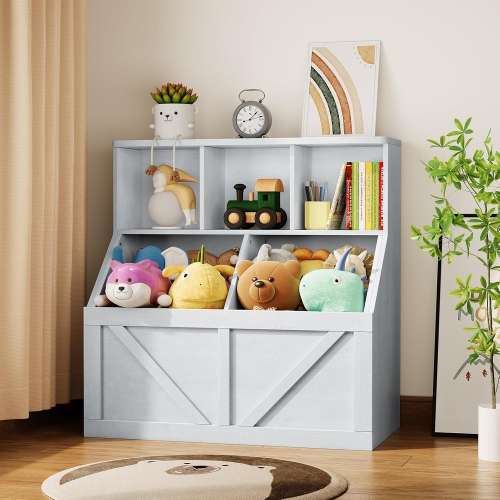
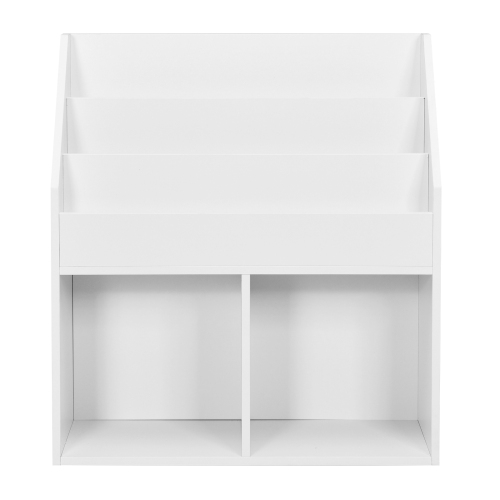




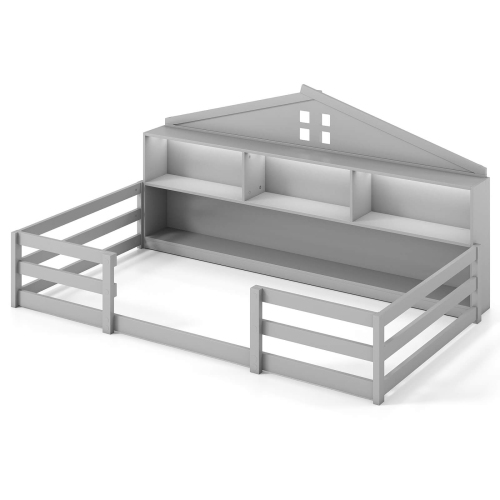
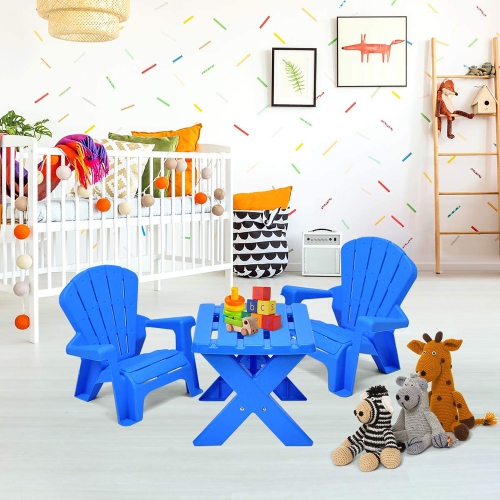
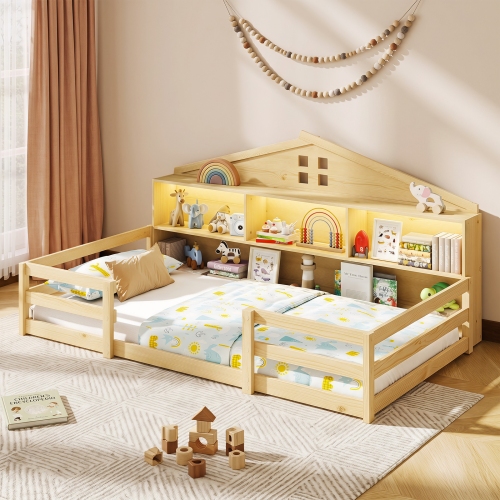
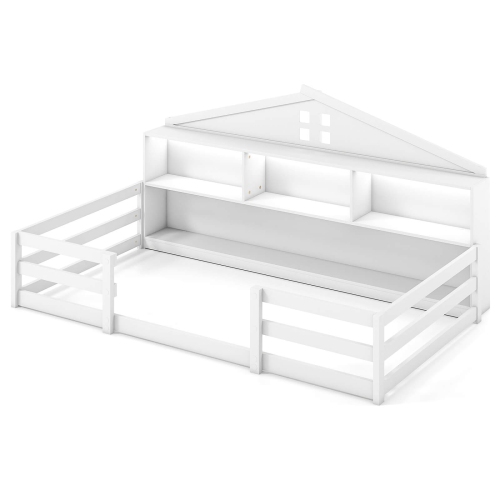
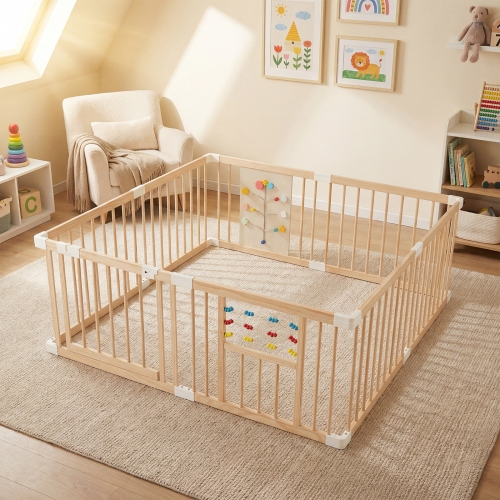
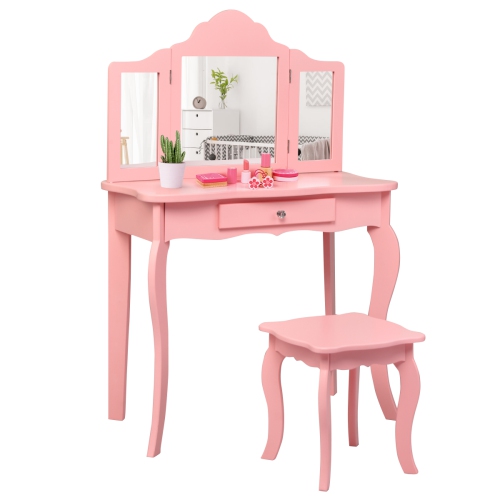
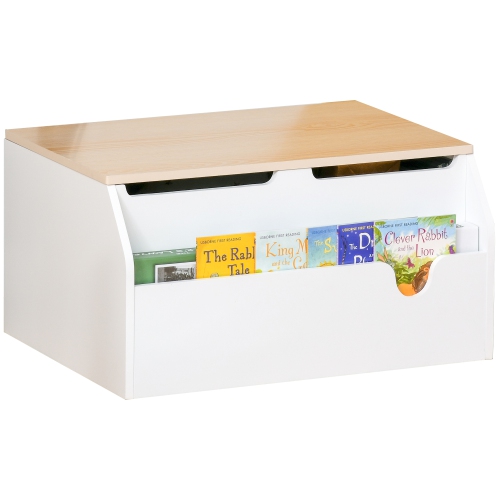
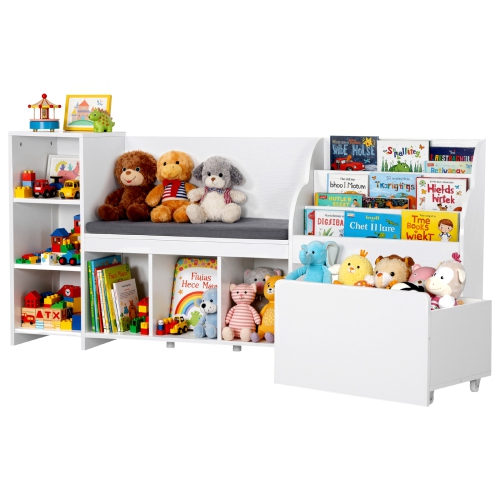

A nursery layout that works from day to night
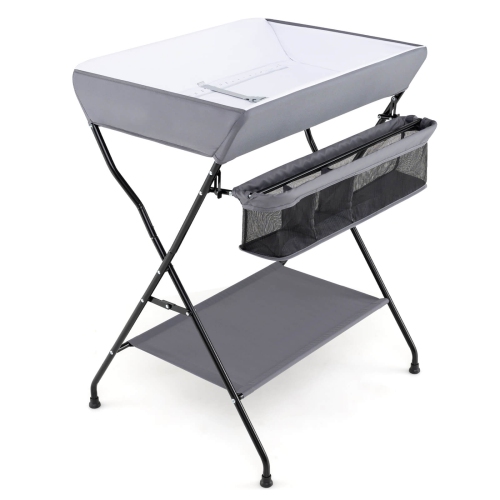
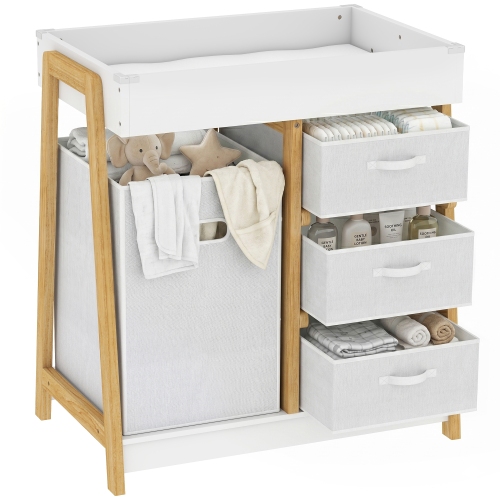
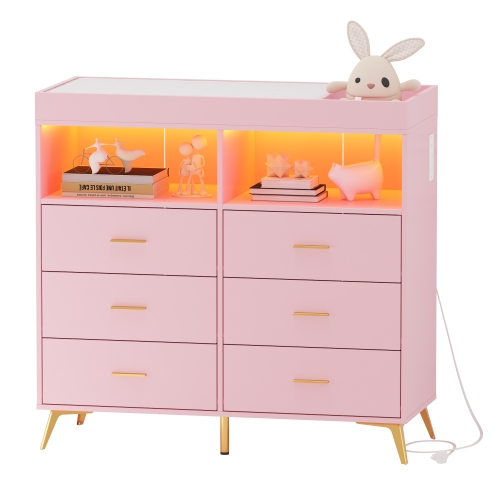
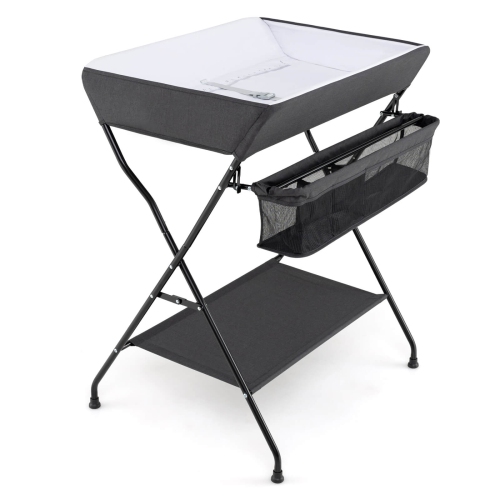
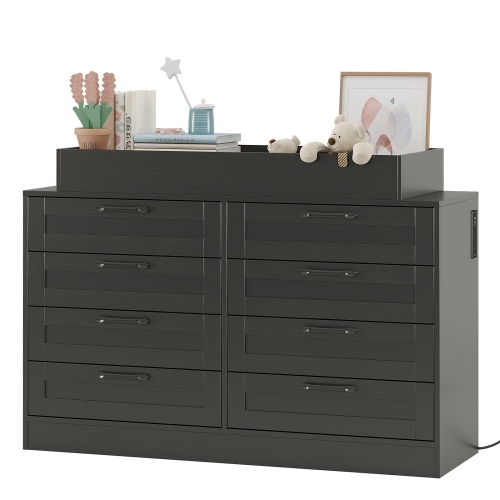
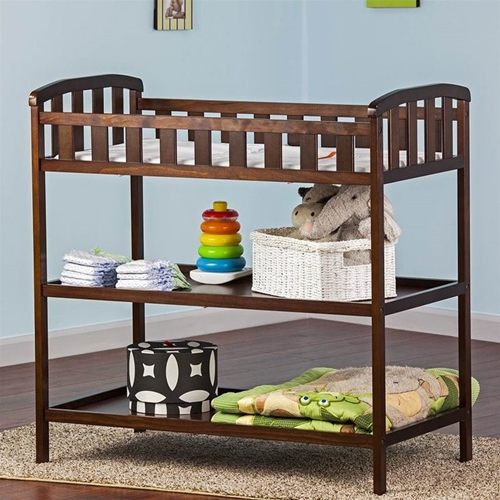
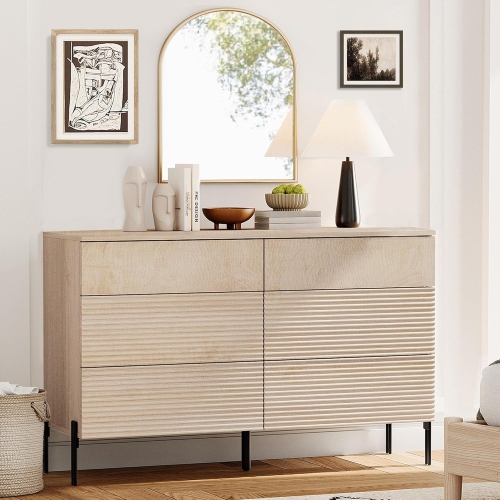
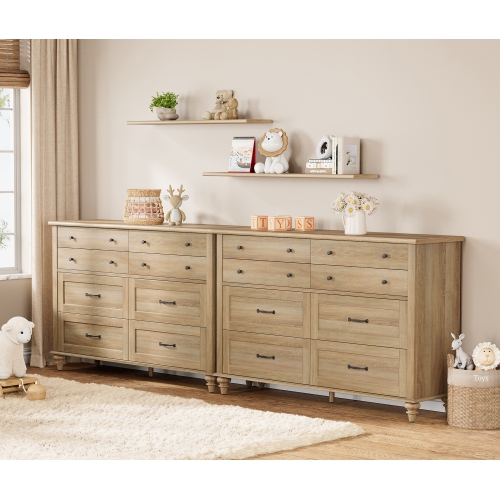
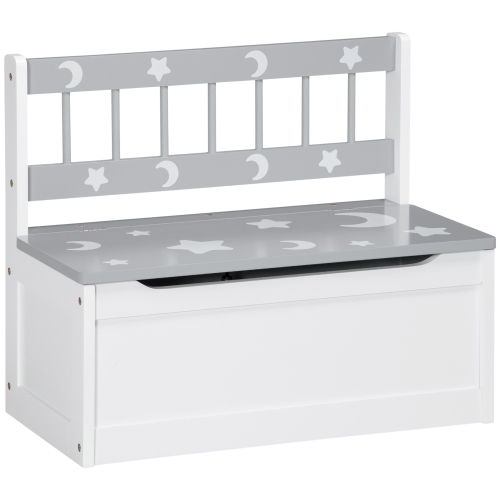
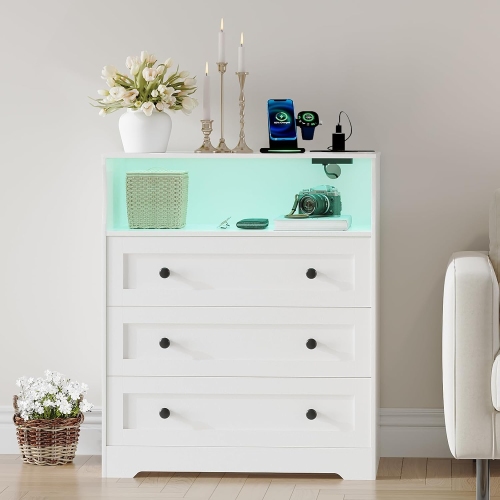
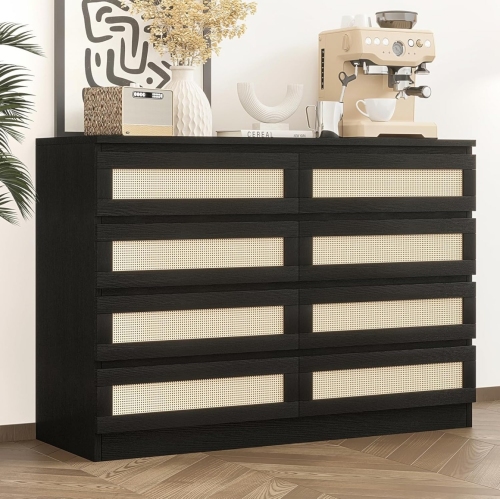
Dressers and changing furniture carry much of the practical work in a nursery, holding everything from tiny sleepers to spare sheets and everyday clothing. Drawer depth and internal proportions influence how easily those belongings stay organized: shallow drawers can make small garments easier to see, while deeper drawers accommodate bulkier folded bedding. Smooth drawer operation and handles that are comfortable to grasp become noticeable details during repeated daily use. Tall furniture and dressers need secure anchoring according to the manufacturer’s instructions, even before a child begins pulling up or climbing. Storage arrangements should also keep tempting objects off the tops of dressers so children are not encouraged to reach for them. Where a dresser supports a changing surface, that use must be approved by the manufacturer, with any specified attachment system fitted correctly. Changing supplies should be within the caregiver’s reach, and a baby should never be left unattended on a raised surface; keeping one hand on the baby remains important throughout a change. Materials affect both appearance and upkeep. Solid wood can bring visible grain and variation, while engineered wood can provide a smooth, consistent surface; construction quality, hardware, and finish all contribute to how furniture holds up. Rounded edges, neatly finished surfaces, and securely fitted components are worth examining alongside colour and style. Painted finishes can brighten a room, while wood tones add depth alongside soft textiles and simple wall colours. Neither finish removes the need to follow the care instructions. A soft cloth and an approved cleaning method help avoid damage from abrasive cleaners or excess moisture, especially around joints and edges. Spills are easier to manage when wiped promptly, and changing mats should be cleaned as directed rather than allowing moisture to sit beneath them. As furniture settles into regular use, periodic checks for loose fasteners, damaged surfaces, and worn moving parts help identify maintenance needs. Keeping assembly instructions and product information accessible makes those checks, and any later adjustments, more straightforward.
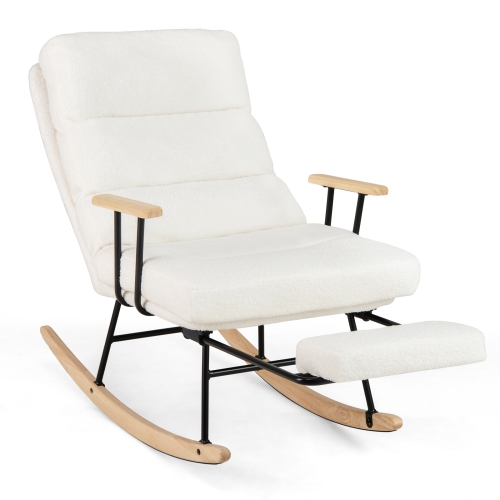
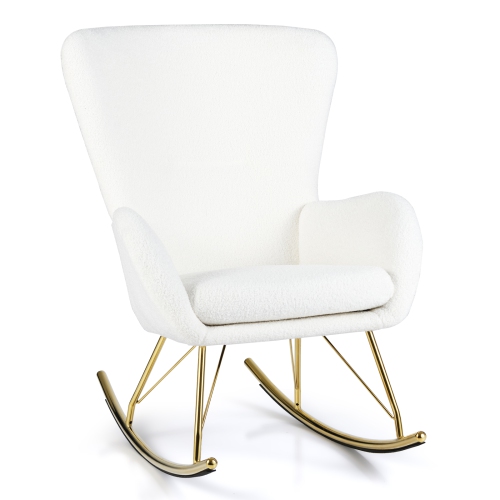
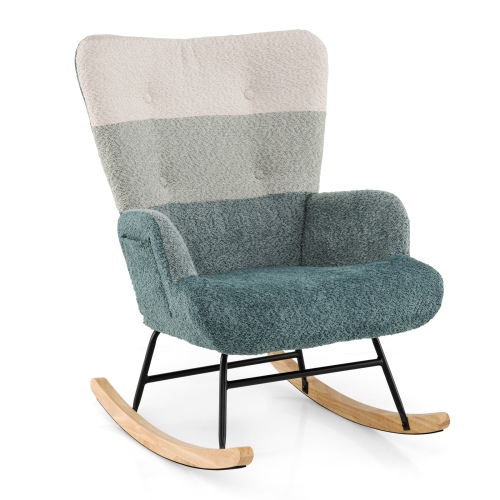
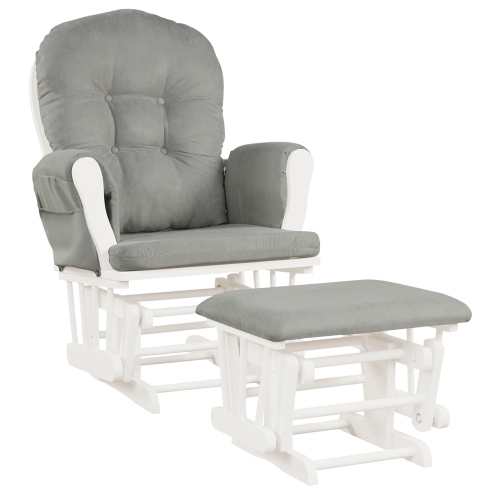
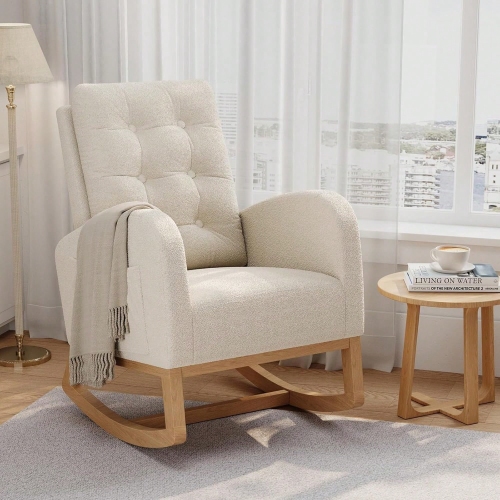
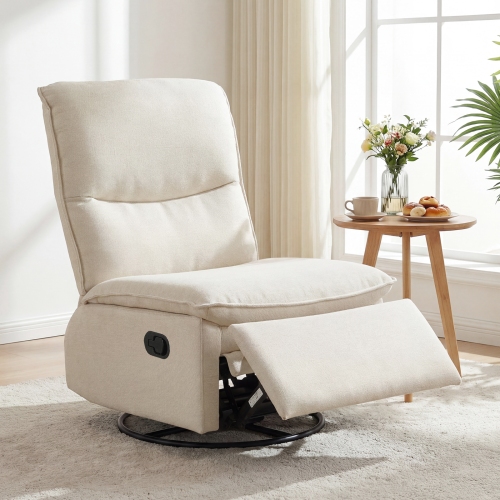
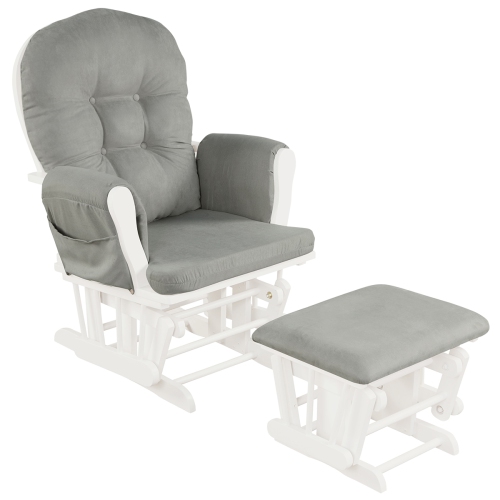
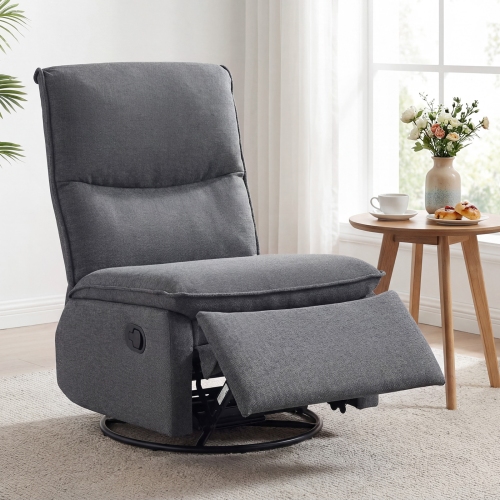
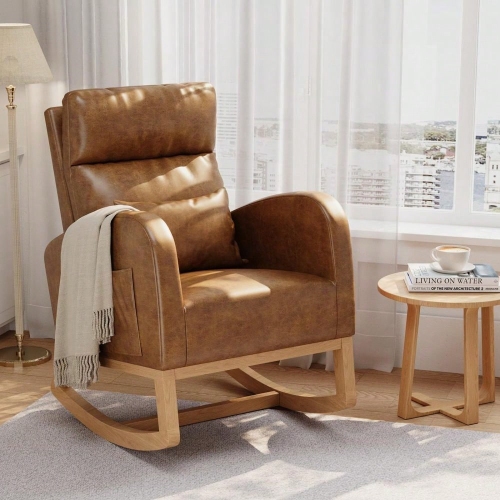
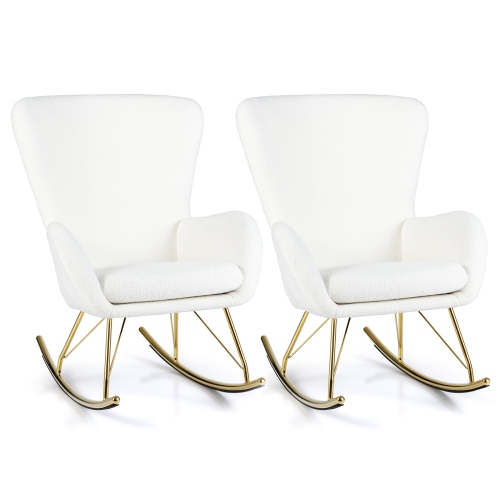
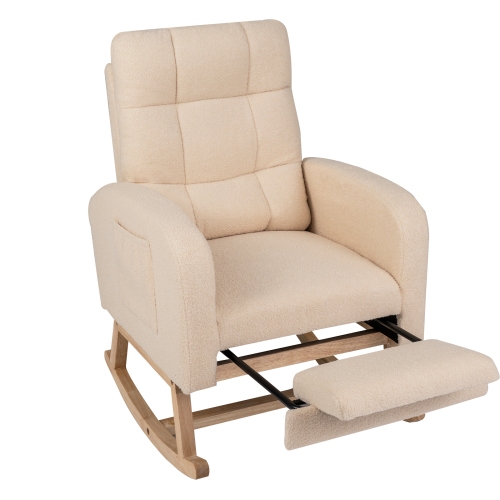
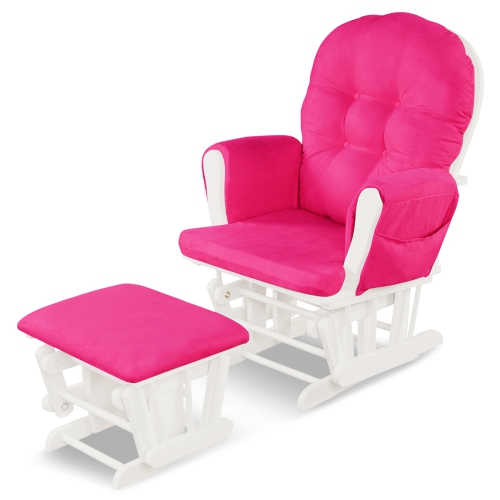
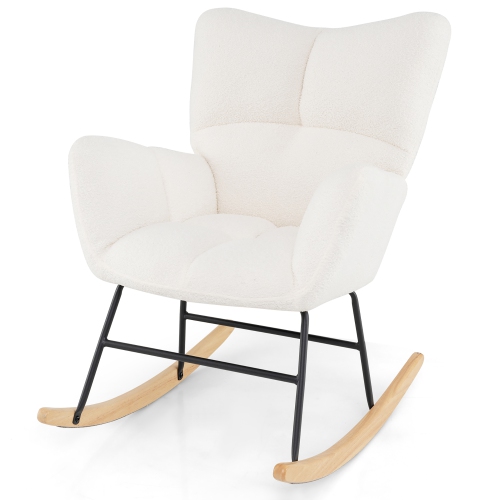
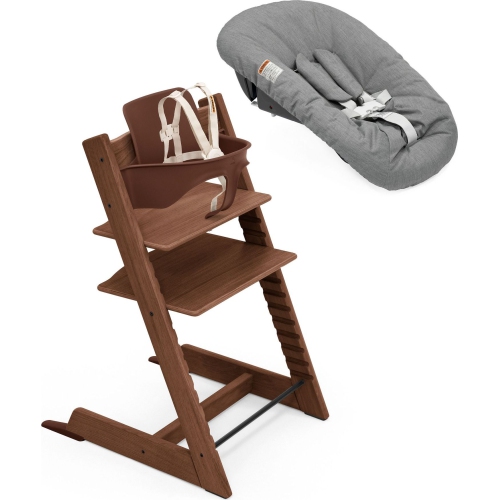
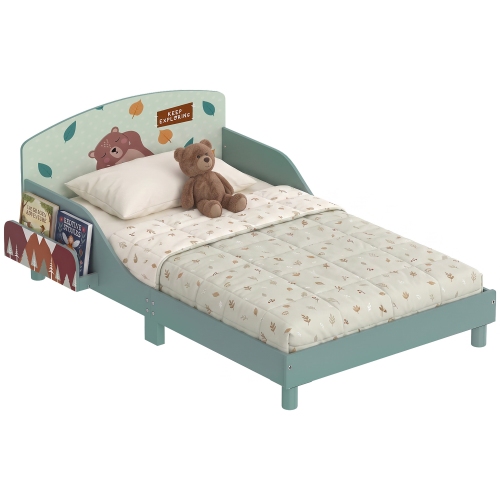
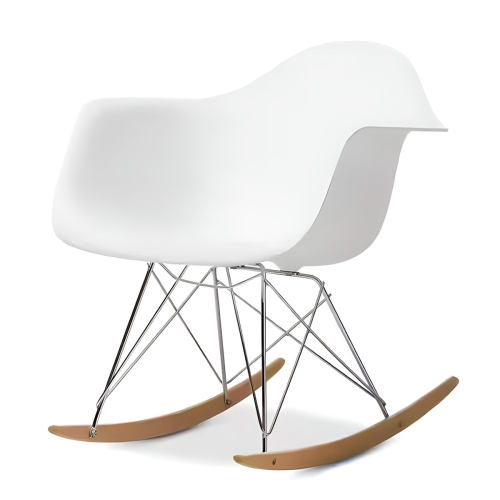
Nursery seating adds another layer of comfort, particularly when feeding, reading, or soothing becomes part of a repeated routine. A chair that feels comfortable for a brief sit may feel different during a longer feeding, so seat depth, back support, arm height, and ease of standing all matter. Caregivers of different heights may prefer different proportions, and supportive armrests can reduce the effort of holding a baby in position. Gliding, rocking, swivelling, and reclining mechanisms each need suitable clearance from walls and neighbouring furniture, with moving parts kept away from children. Footrests also occupy floor space when extended, which can affect the route between the chair and crib. Upholstery brings its own practical considerations: tightly woven fabrics, removable covers where provided, and clearly stated cleaning instructions can make everyday care more manageable. A pale fabric may show marks differently from a deeper shade, while texture can change how a chair feels against bare arms during feeding. Whatever the seating style, an armchair or sofa is not a safe infant sleep surface; a baby should be returned to an appropriate crib or other approved infant sleep space before a caregiver sleeps. Beyond seating, a consistent palette can help nursery furniture feel connected without requiring every finish to match. A white crib, warm wood dresser, and softly coloured chair can sit comfortably together when their scale suits the room. For households also arranging an adult sleeping space, Boxing Day sale on bedroom furniture provides a related category to explore for that separate room. Nursery furniture can also be a meaningful gift from grandparents or close family, especially when the recipients have confirmed their measurements, preferred style, and practical needs. Larger gifts benefit from agreement on assembly and placement as well as appearance. With comfortable proportions, accessible storage, and care suited to the materials, the room can remain useful through changing routines, from the first weeks of frequent feeds to bedtime stories beside a toddler’s bed.
Top selling and popular products
-
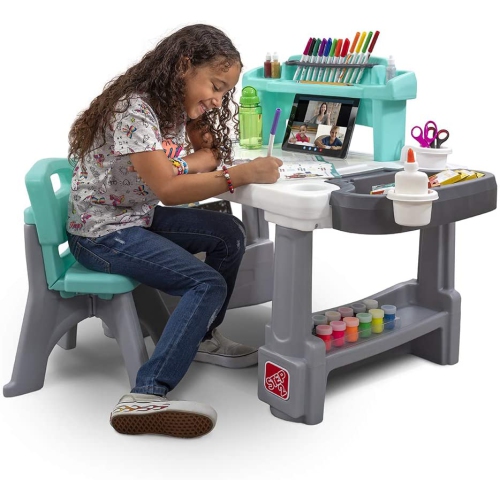 Your price for this item is $362.99
-
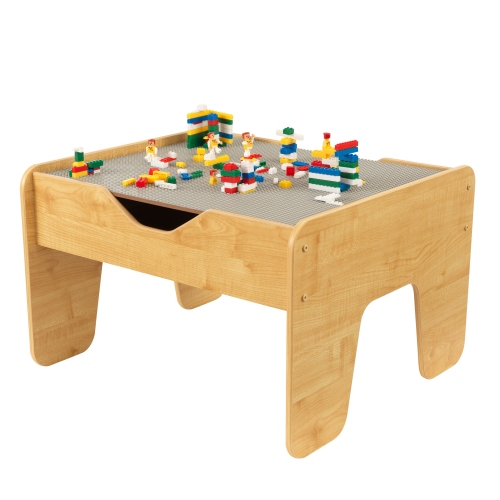 Your price for this item is $89.99
-
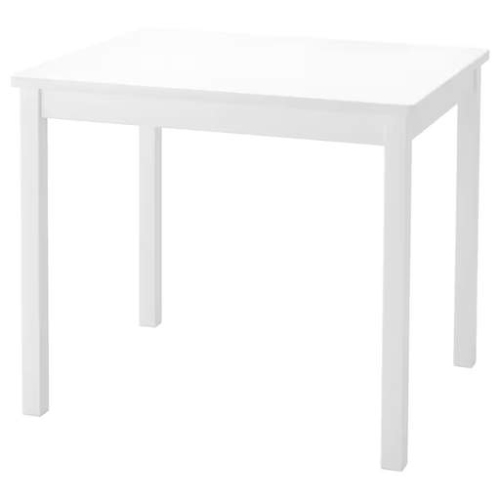 Your price for this item is $132.99
-
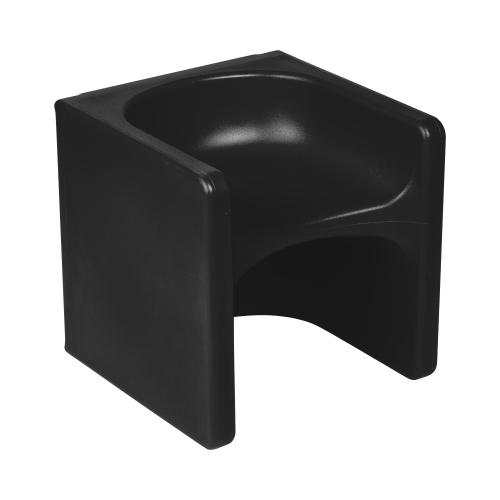 Your price for this item is $124.99
-
 Your price for this item is $124.99
-
 Your price for this item is $124.99
-
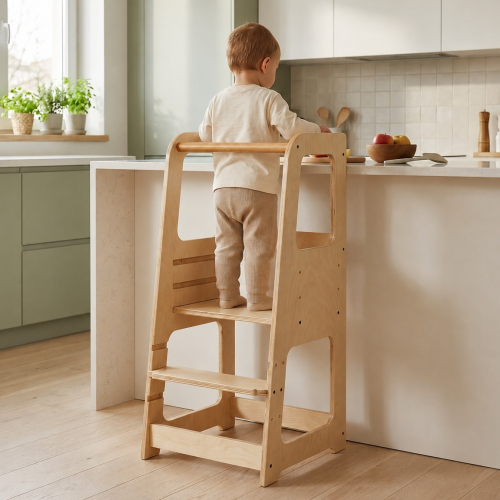 Your price for this item is $149.99
-
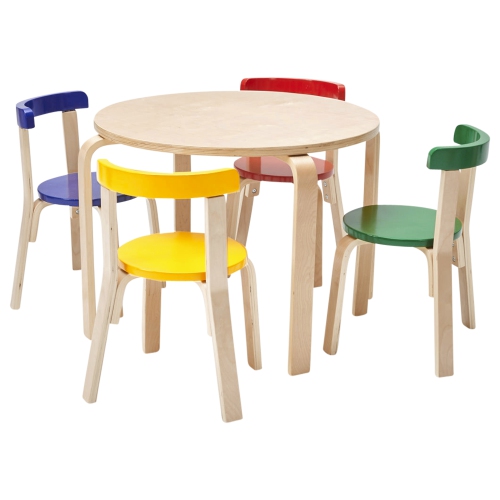 Your price for this item is $279.99