Boxing Day Deals Coming Soon
Our Boxing Day Sale returns in December 2026. In the meantime, shop our current top deals below.

Boxing Day Sale On Office Furniture
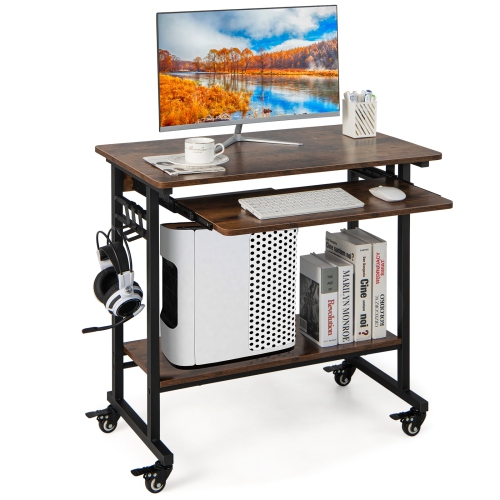
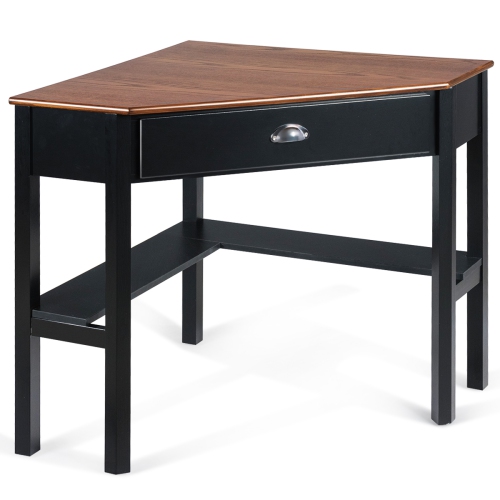
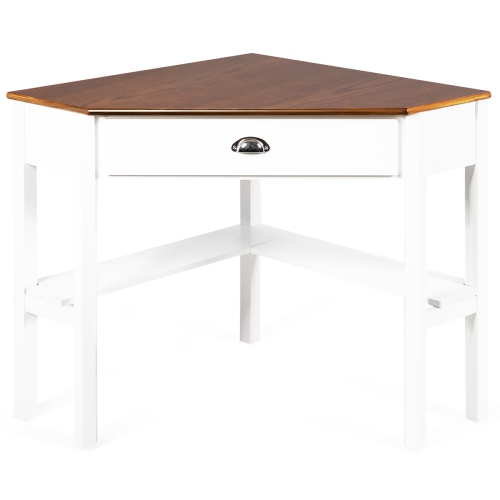
Get ready to elevate your workspace with unbeatable deals during our Boxing Day Sale on office furniture! Whether you're setting up a home office or refreshing your professional environment, this is the perfect opportunity to find stylish and functional pieces at incredible prices. Explore a wide selection of desks, chairs, storage solutions, and more, all designed to enhance productivity and comfort.
Remember, our Low Price Guarantee means you can shop confidently knowing that you'll find the best price at Best Buy, all year round. We encourage you to check our website frequently for the most up-to-date information on our latest offers and savings opportunities.
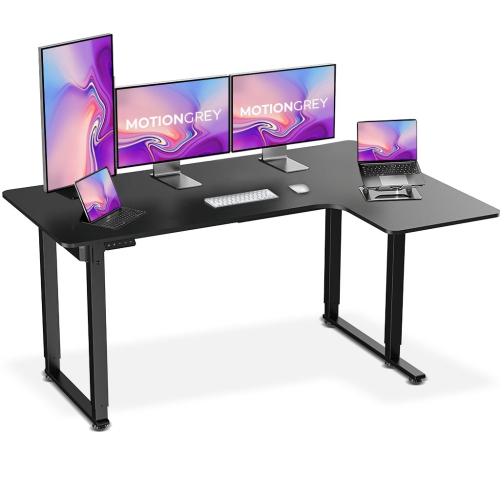
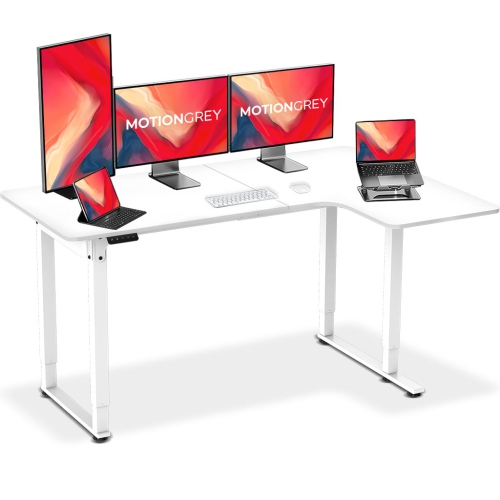
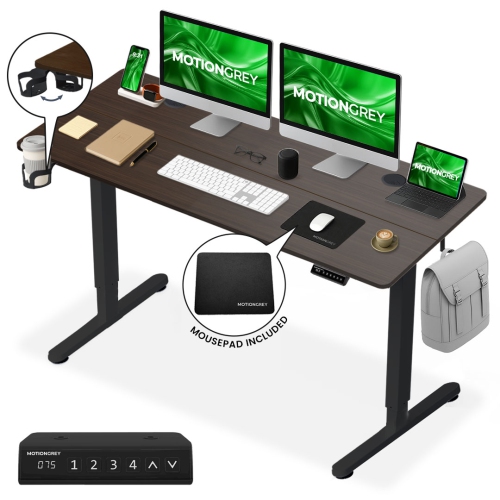
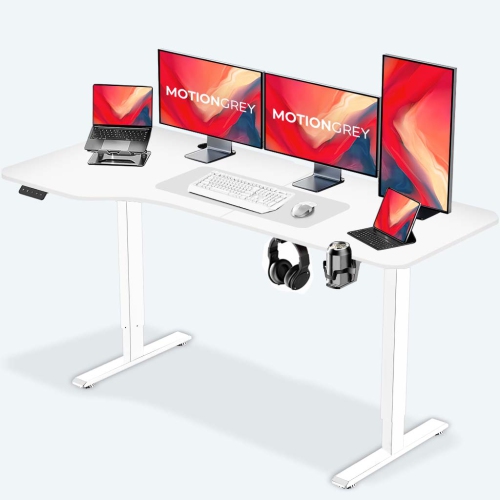
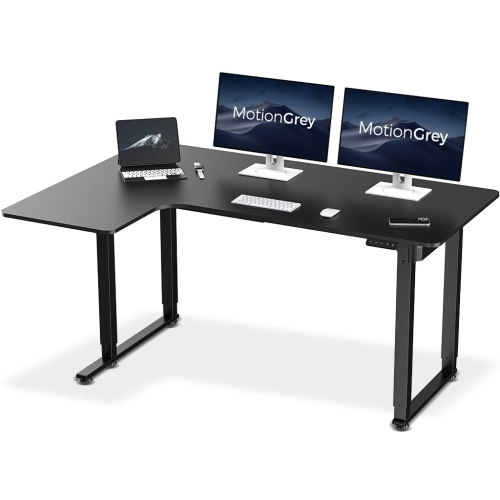
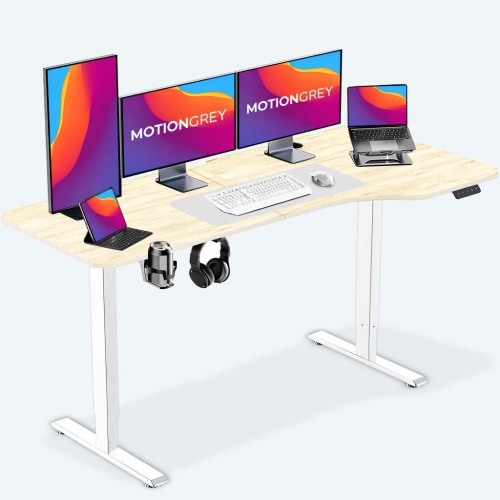
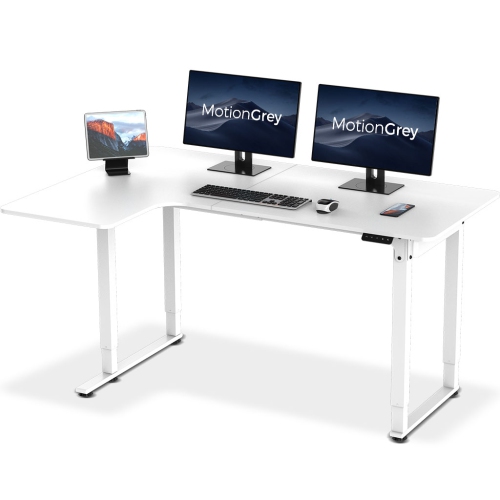
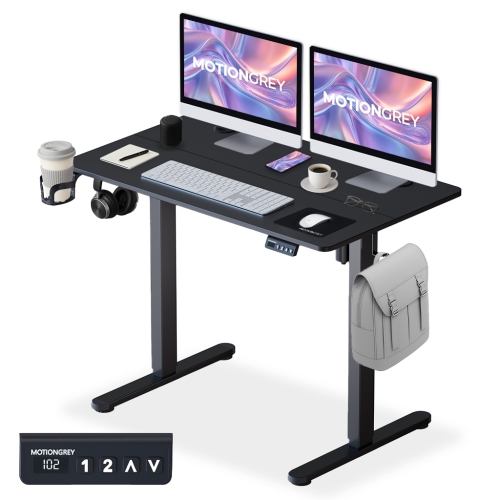
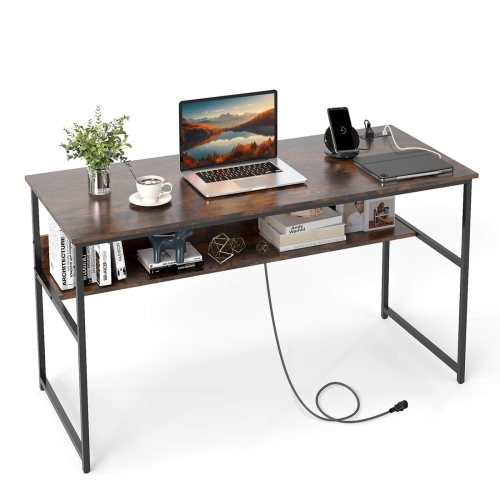
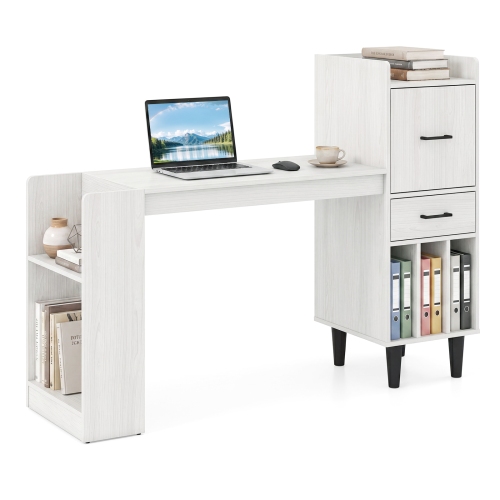
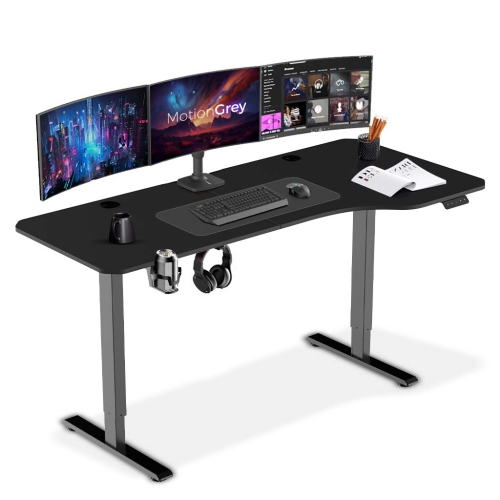
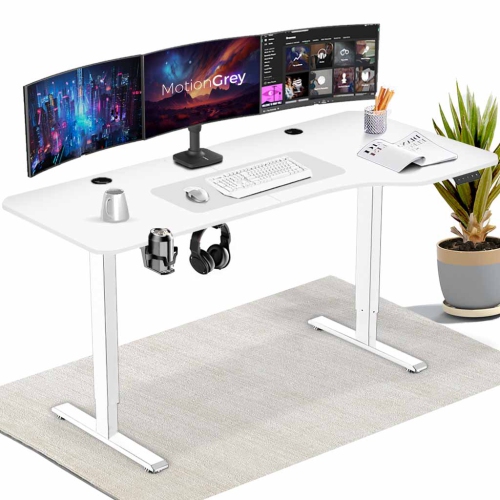
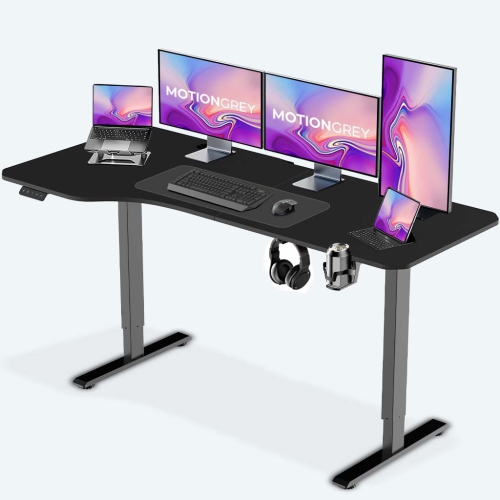

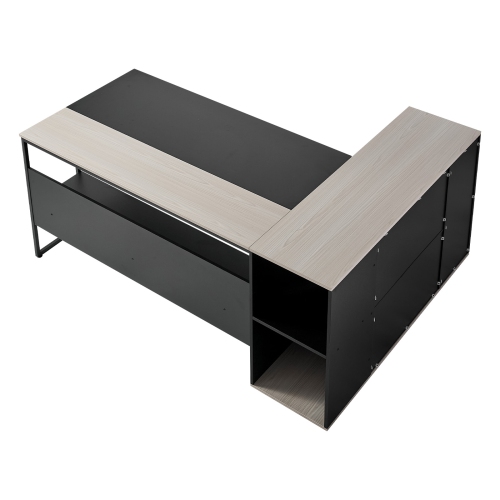
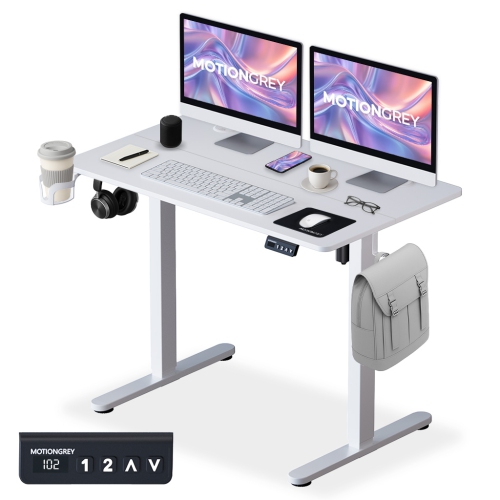
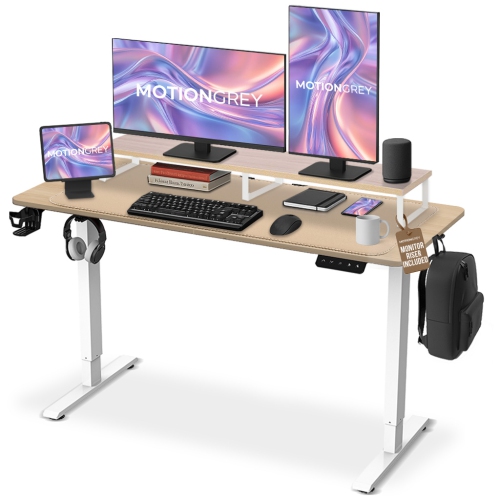
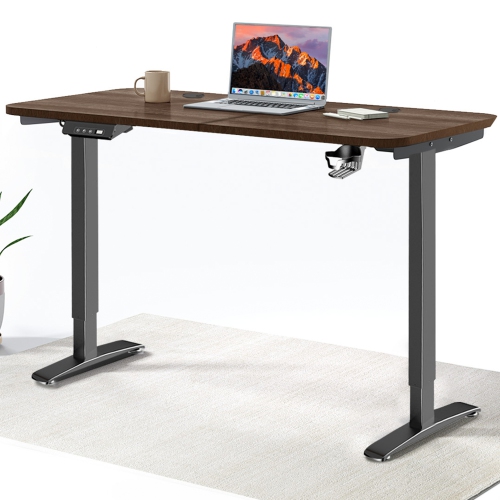

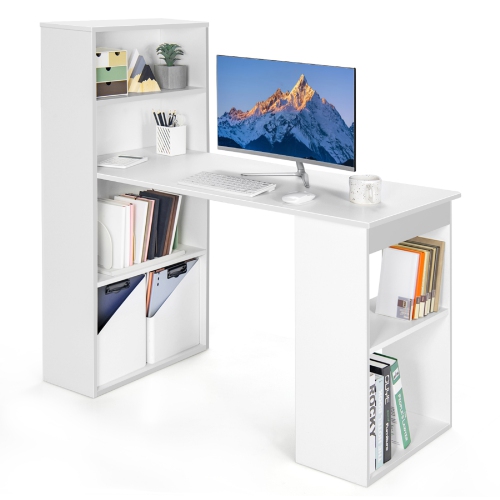
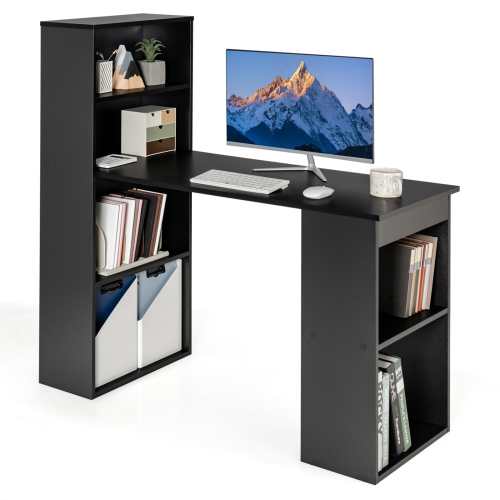
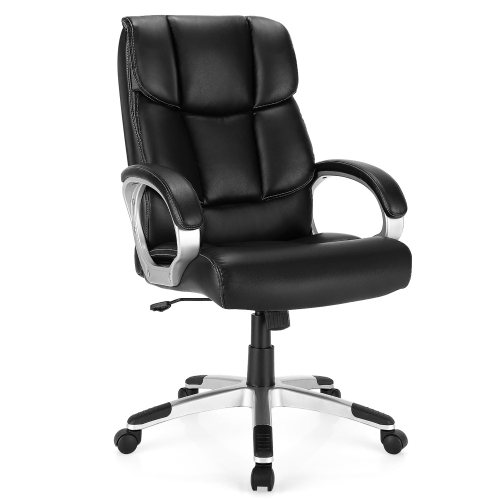
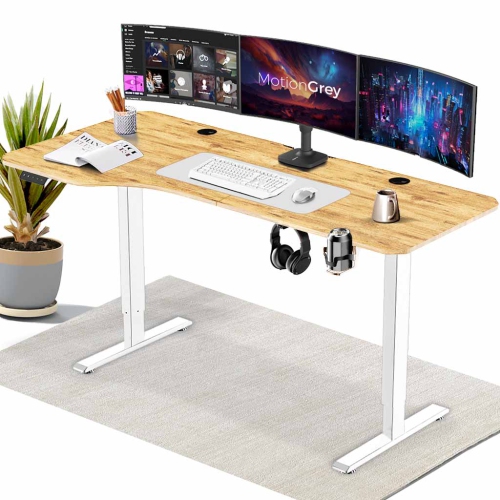
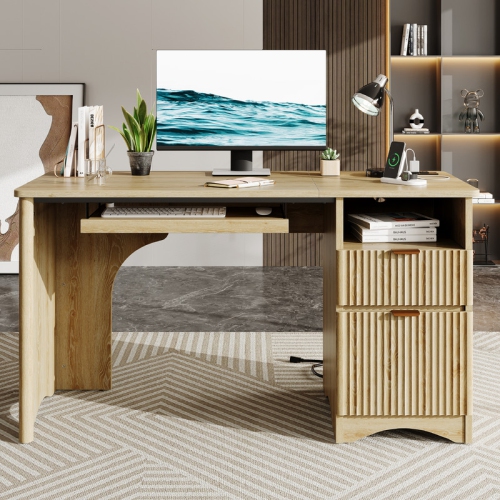
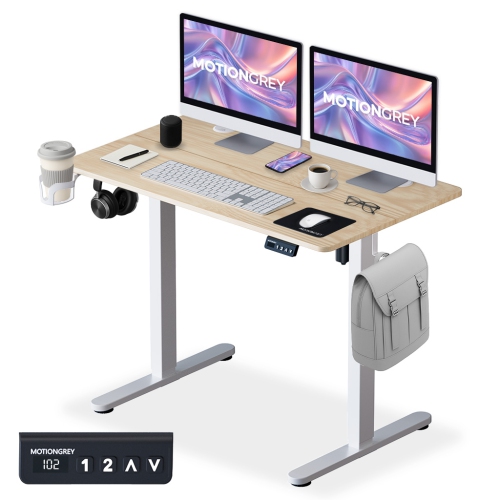
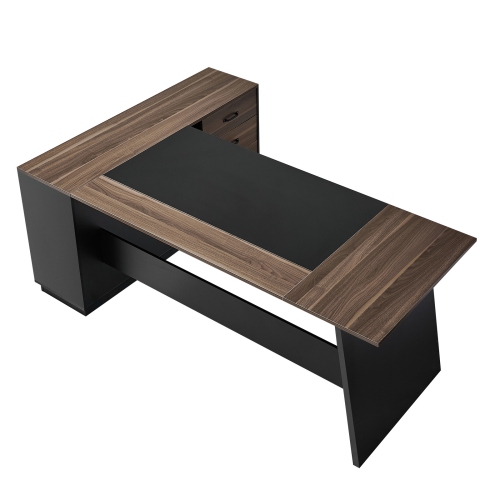
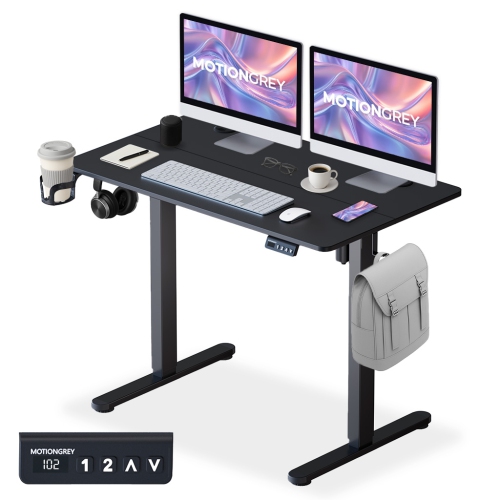

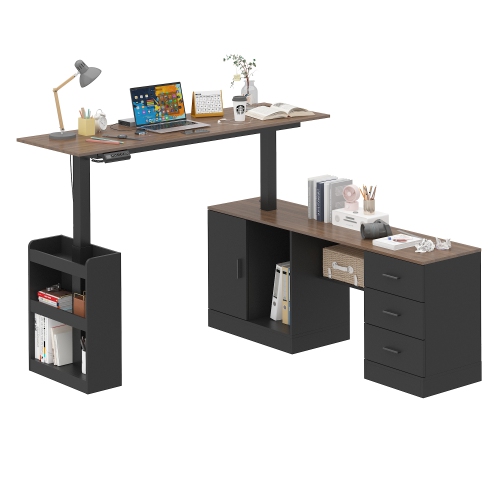
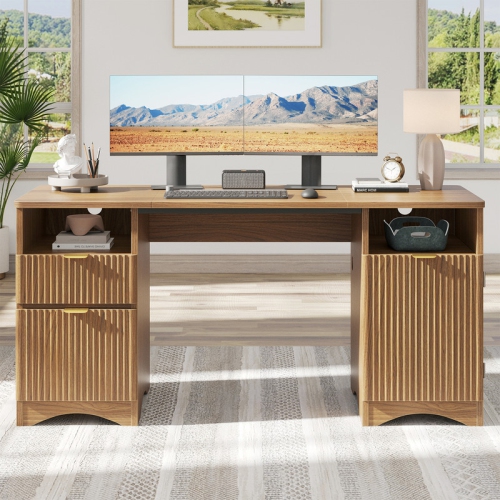
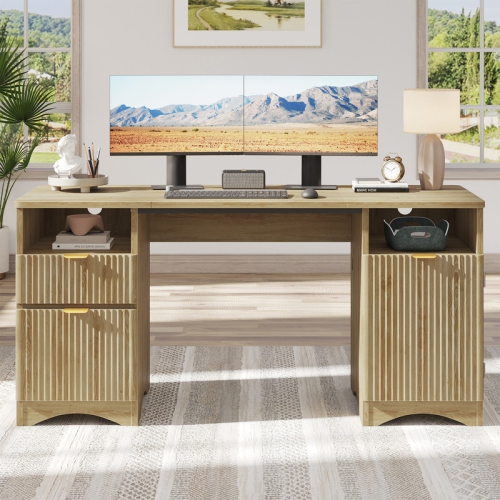
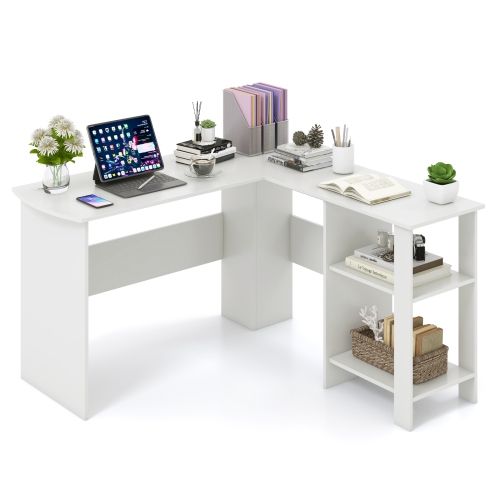
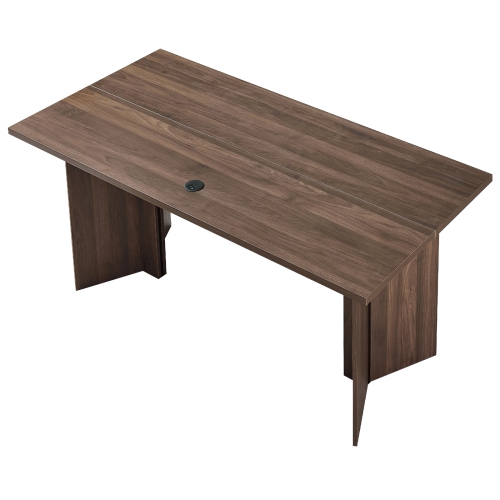
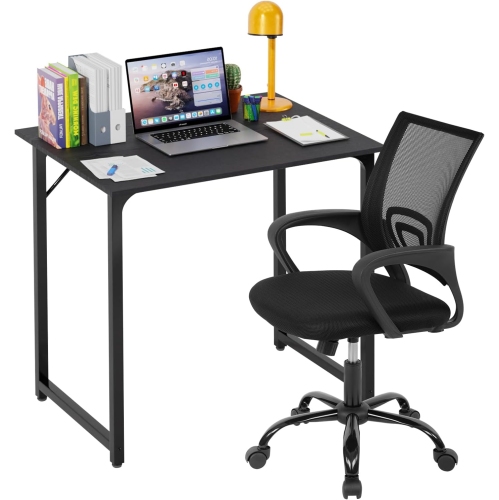
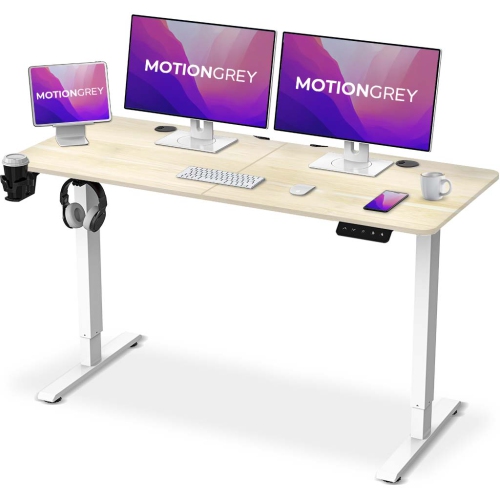
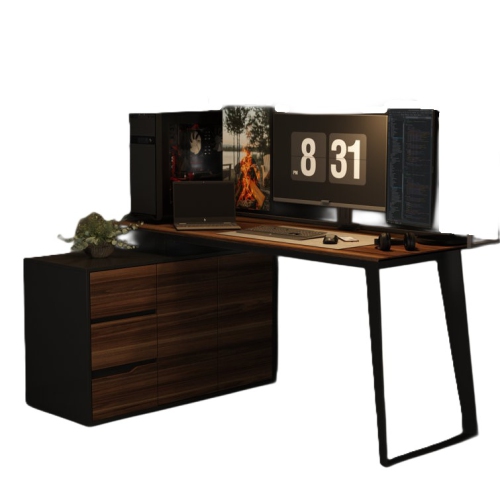
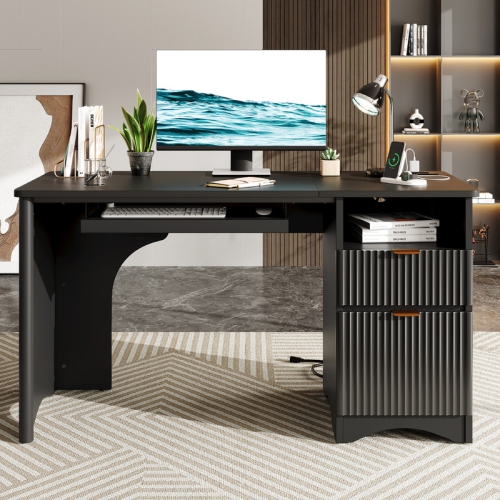
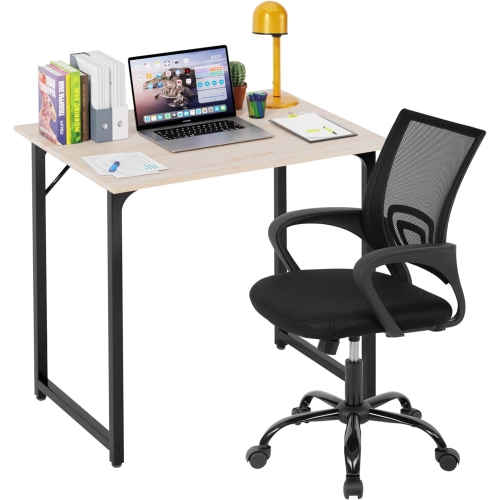
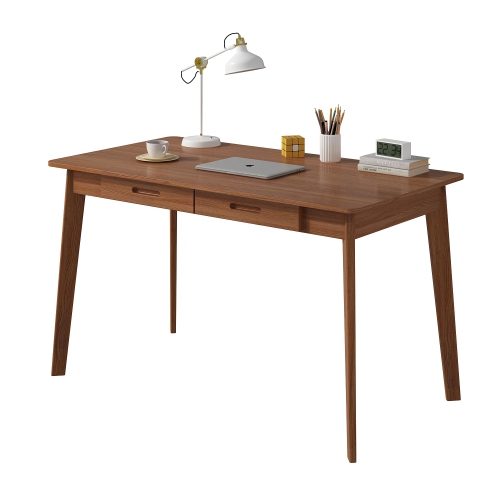
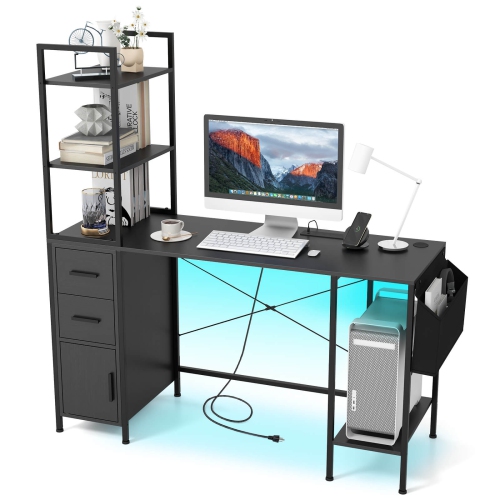
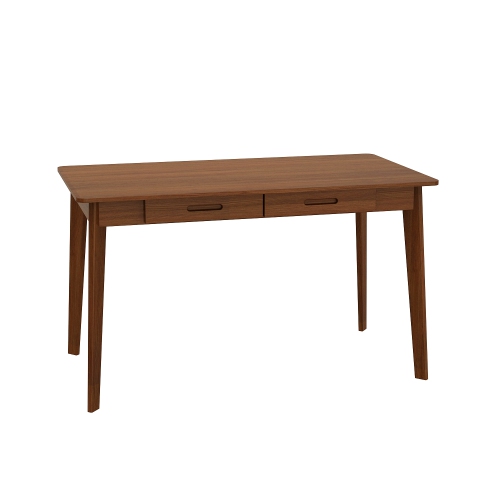
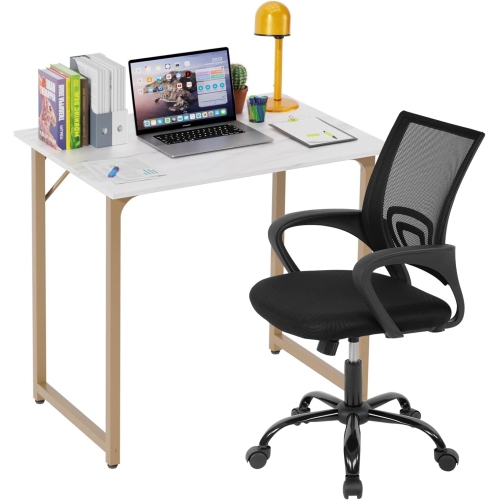
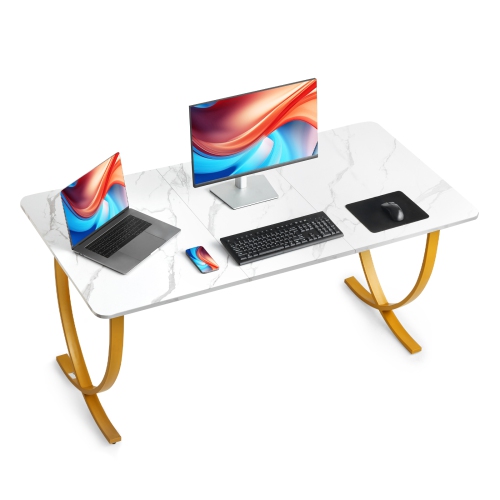
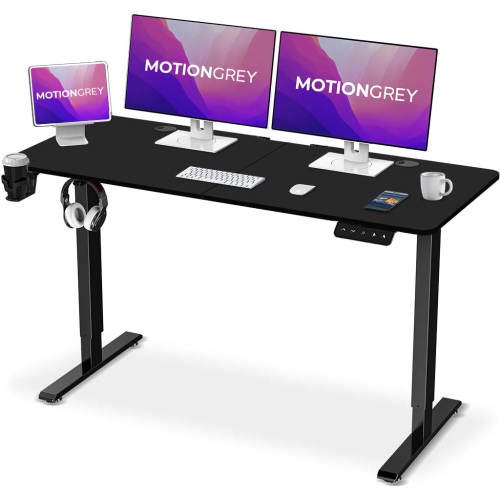
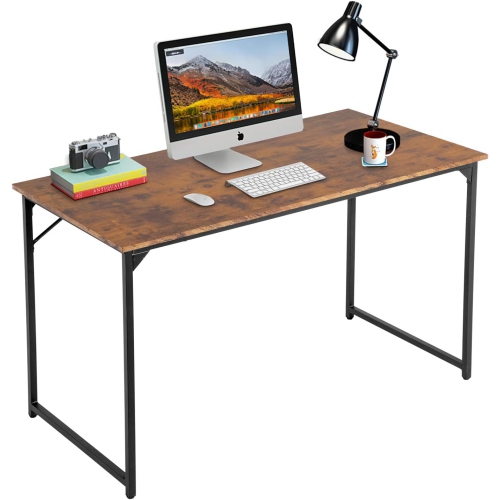

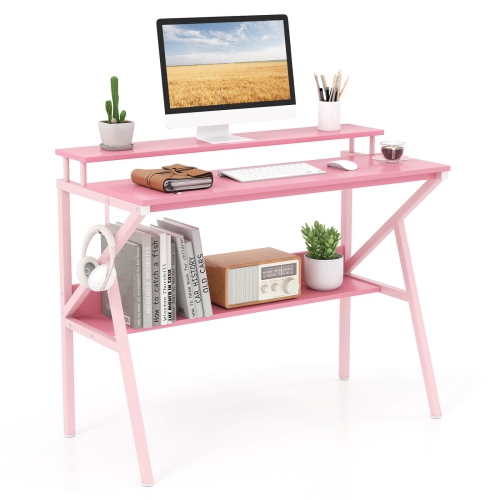

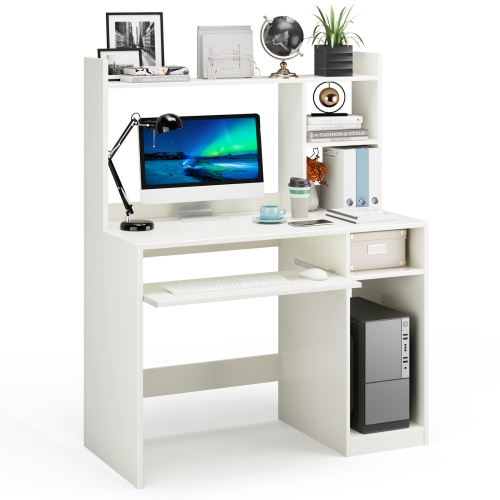
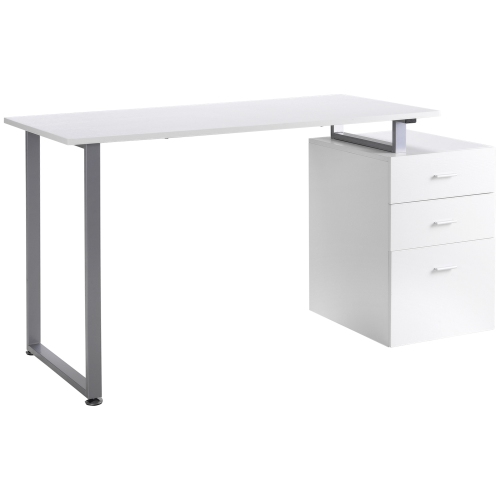

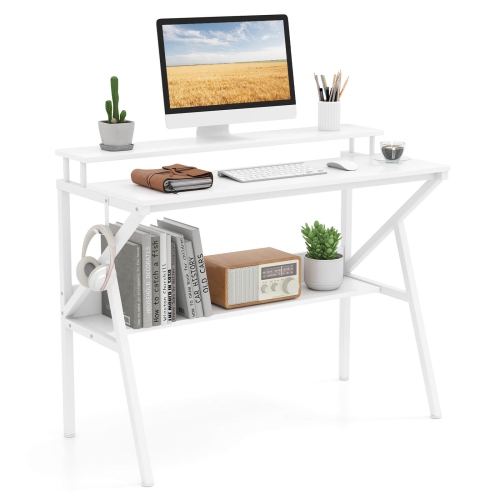
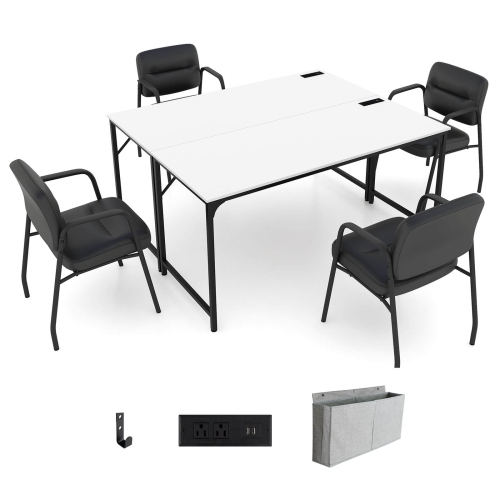

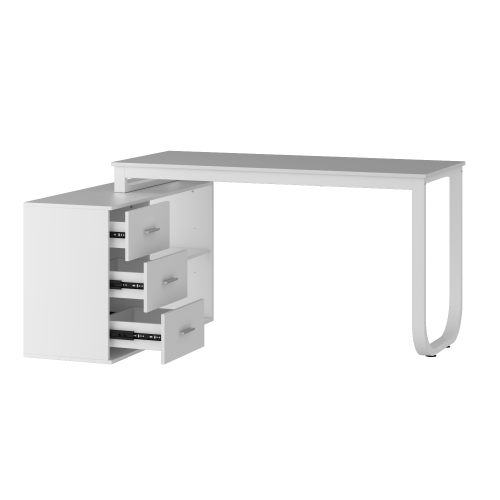
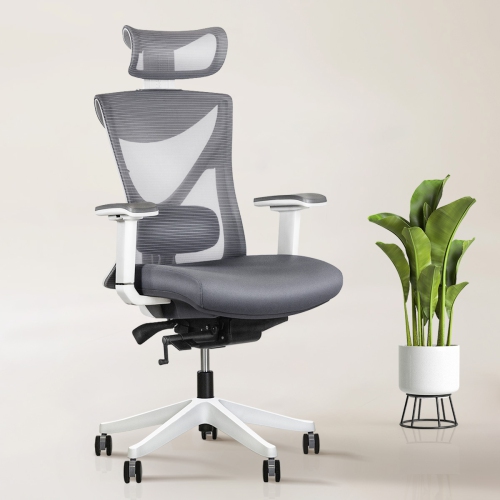
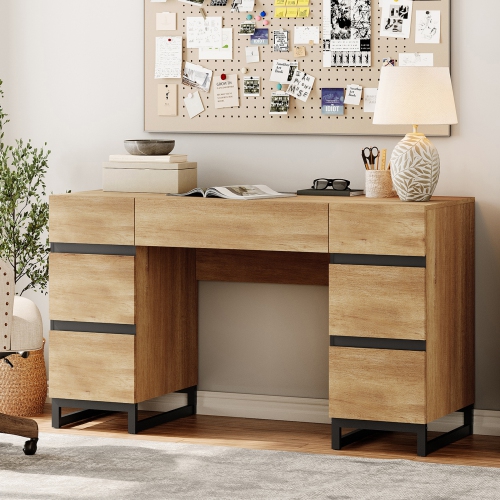
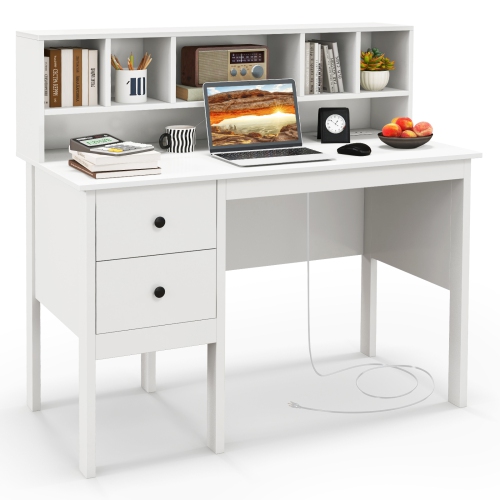

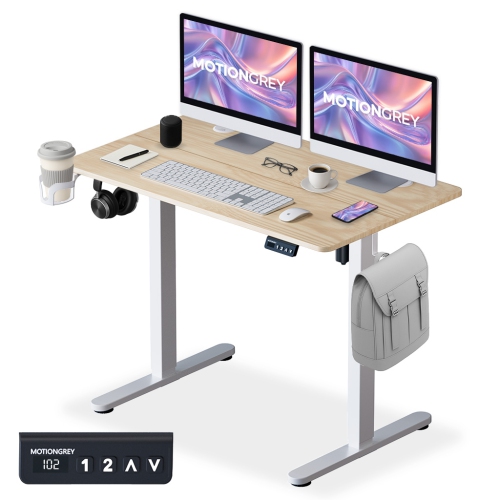
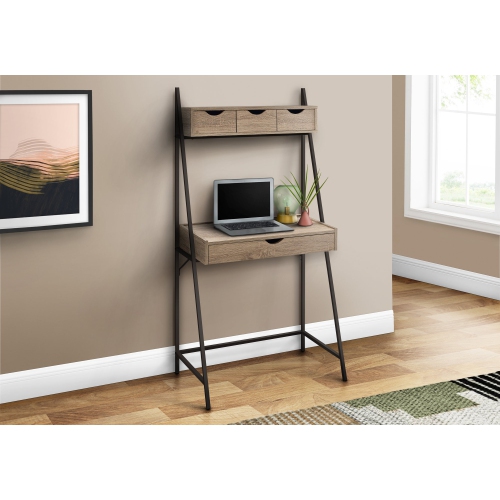
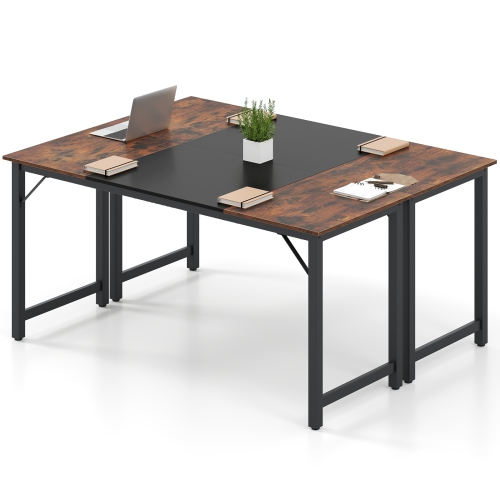
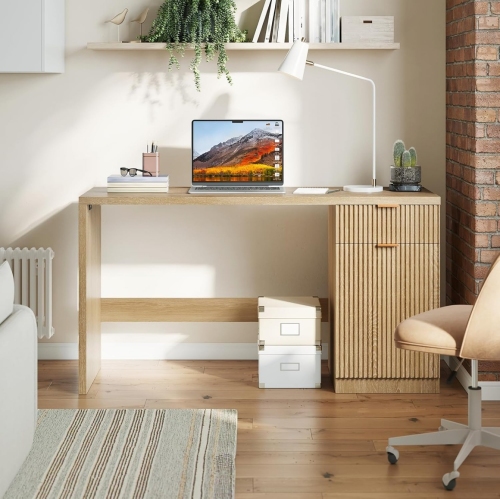

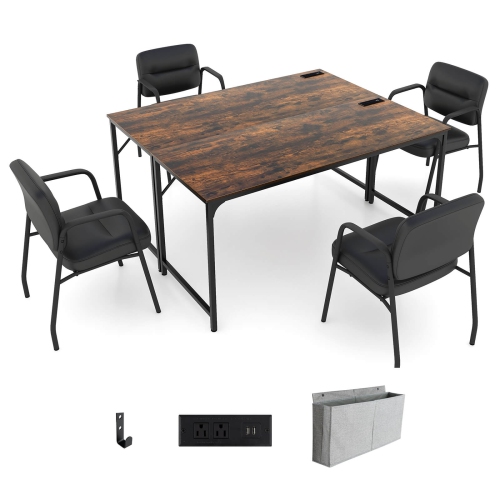
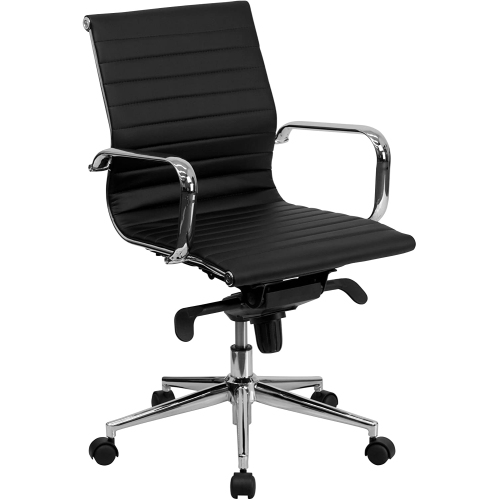
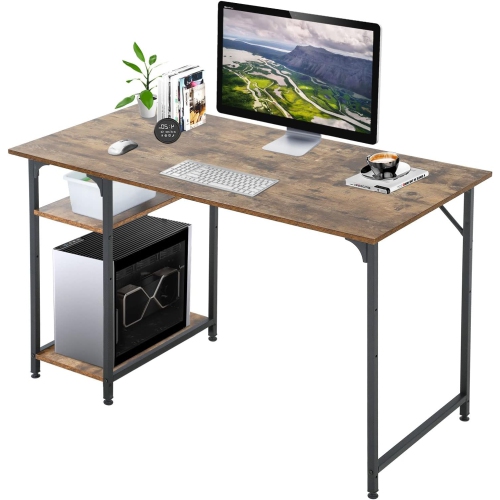
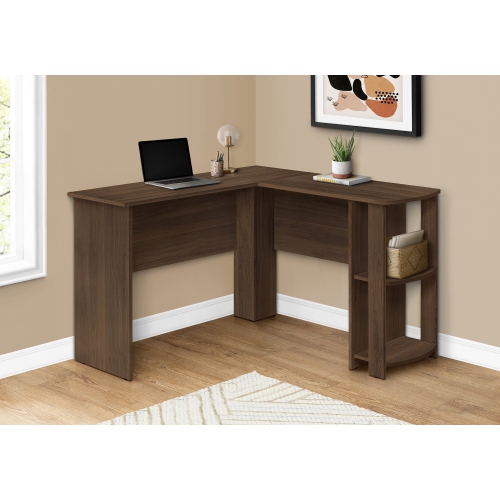
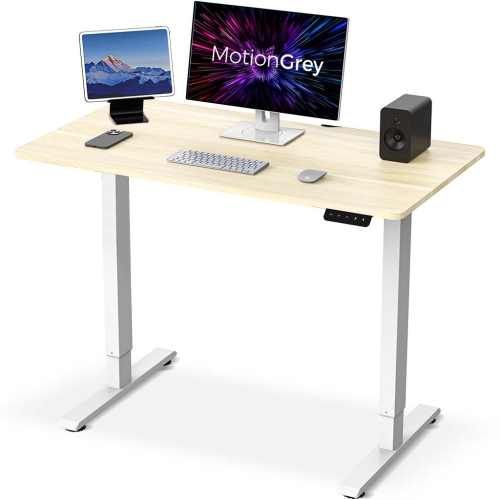
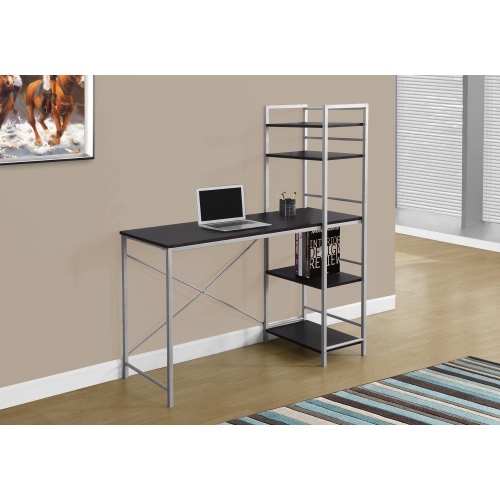
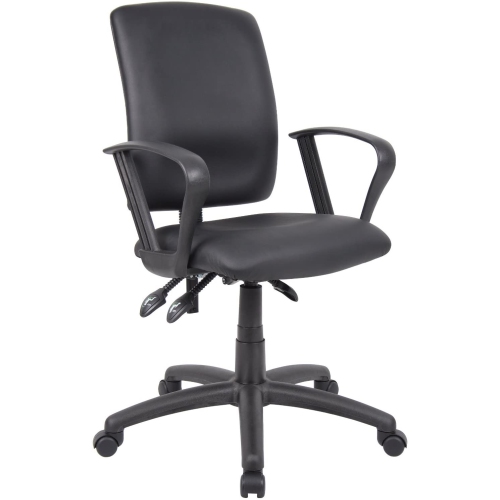
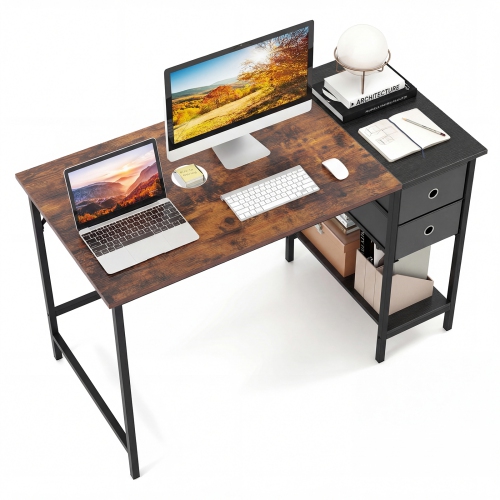
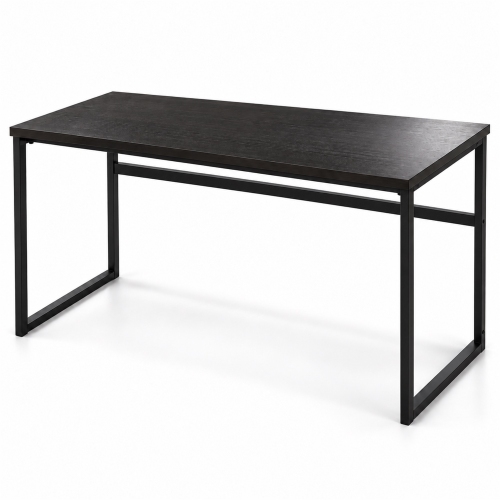
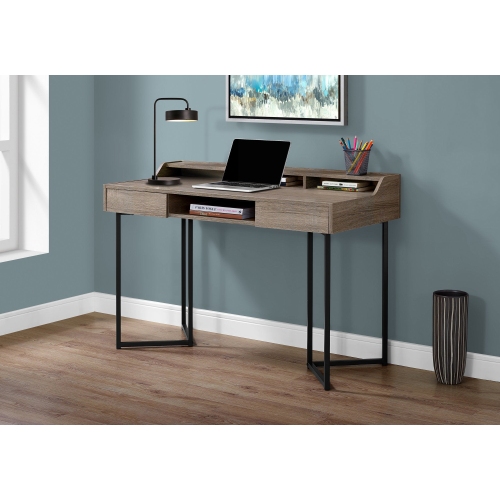
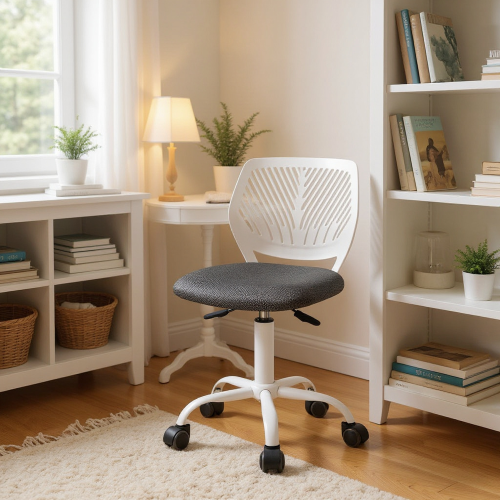
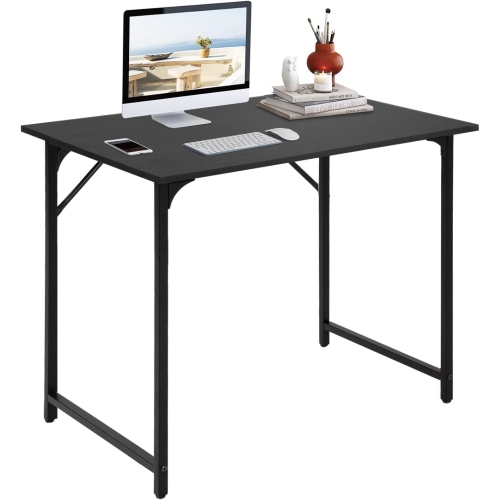
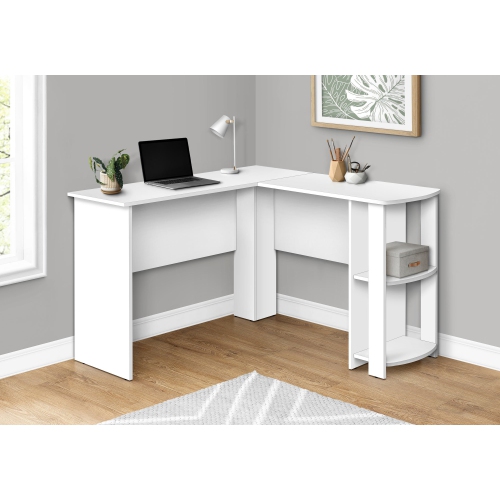
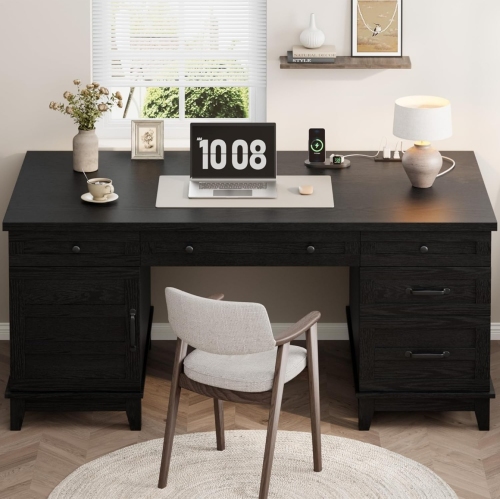

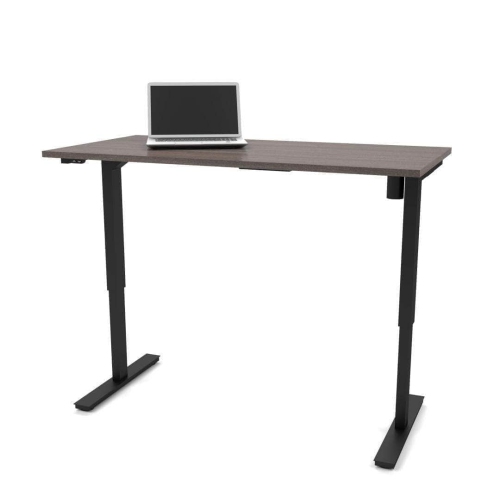
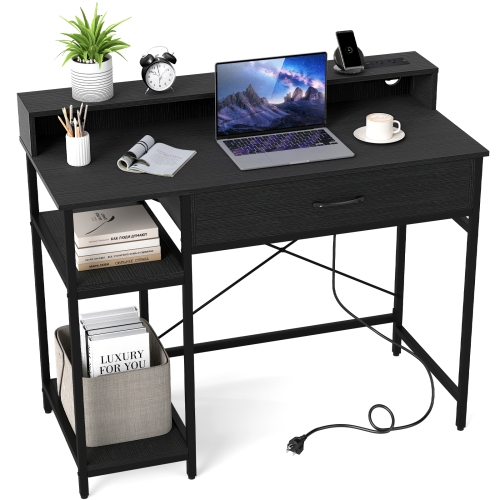
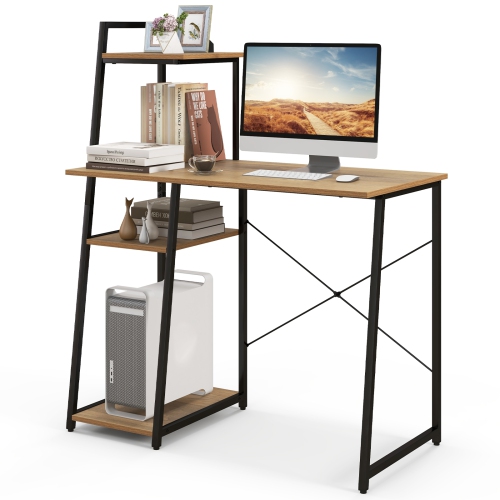
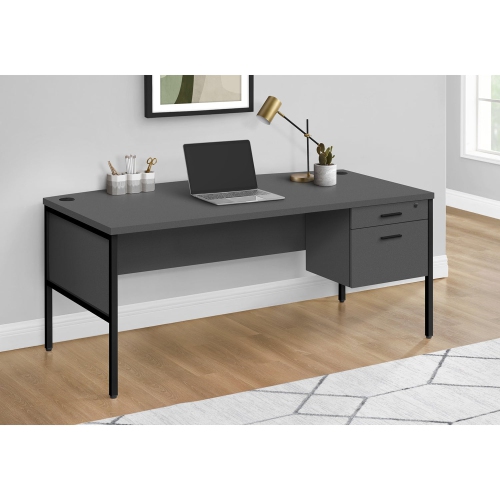
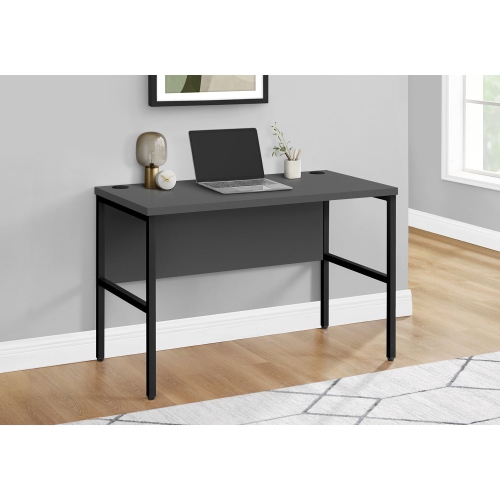
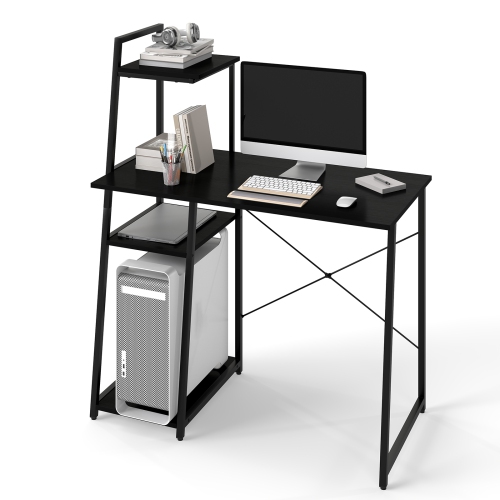
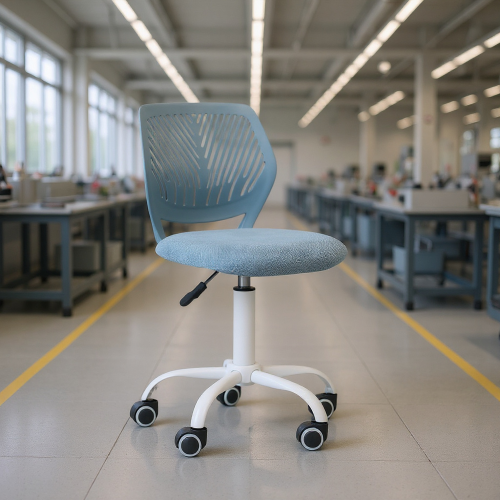
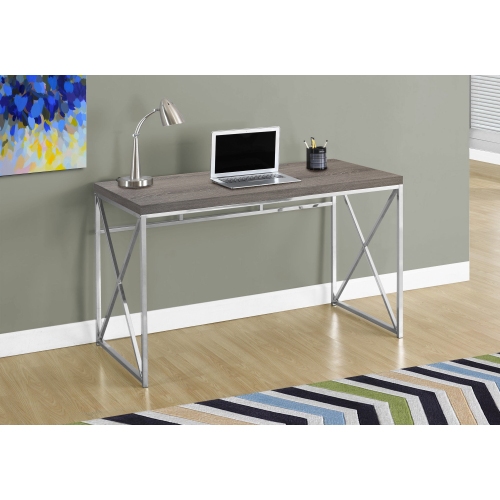
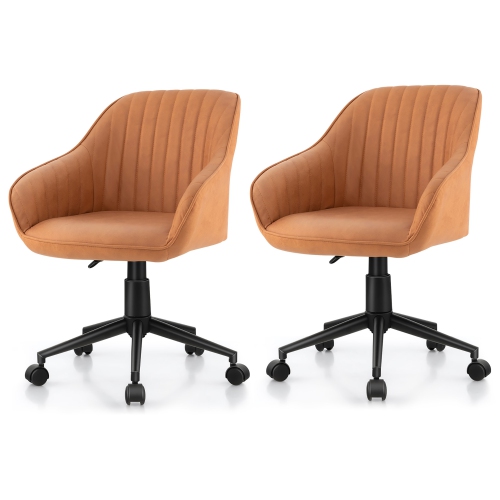
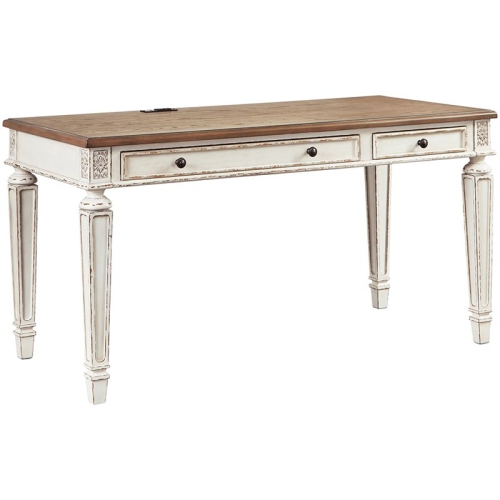
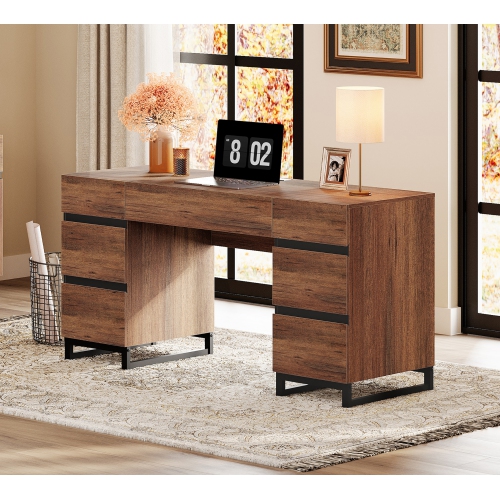
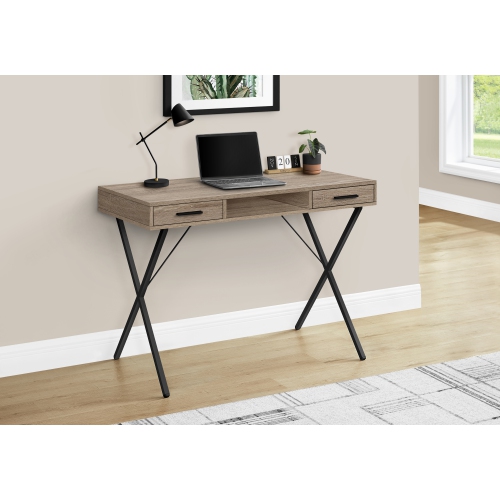
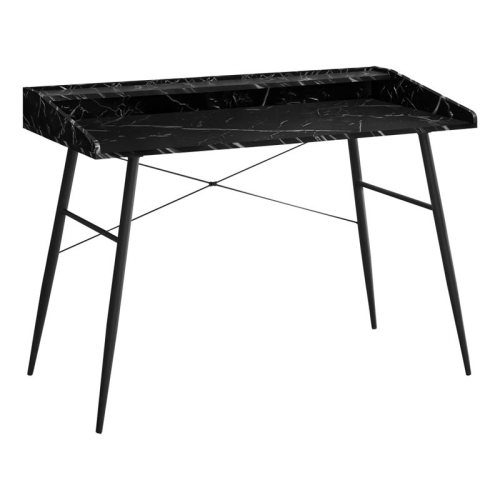

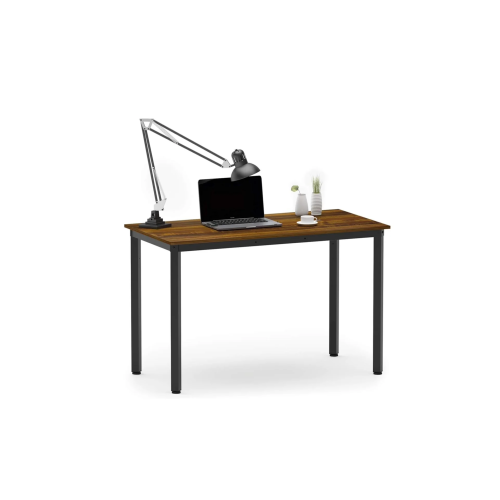
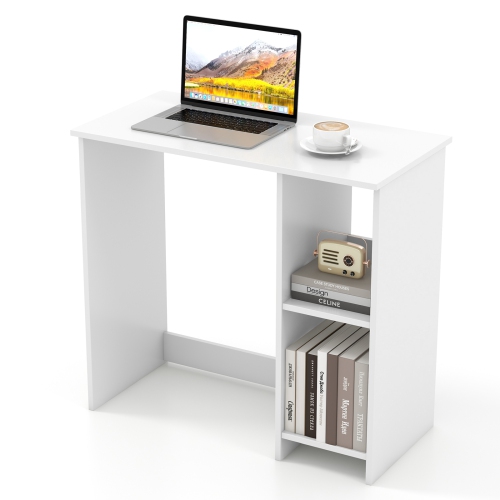
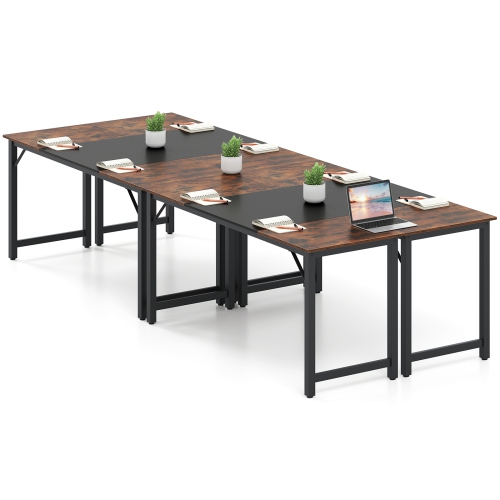
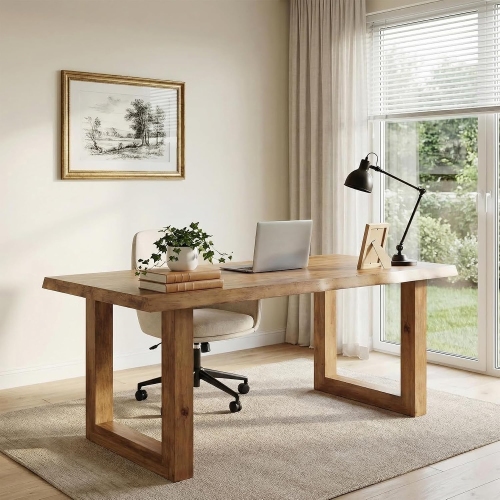
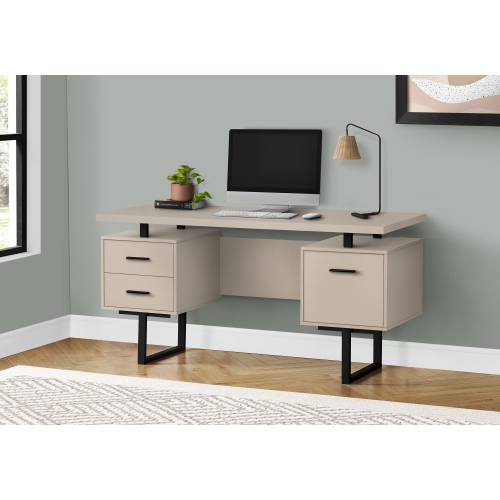
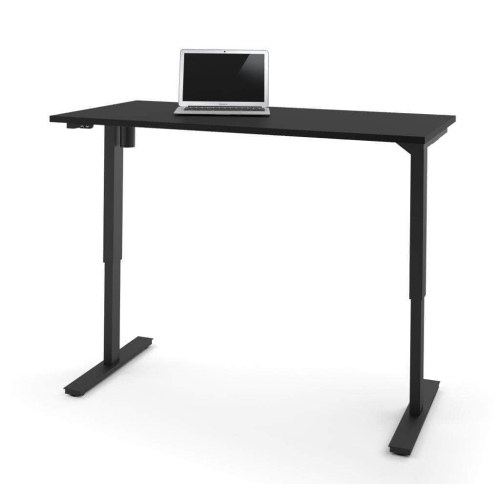
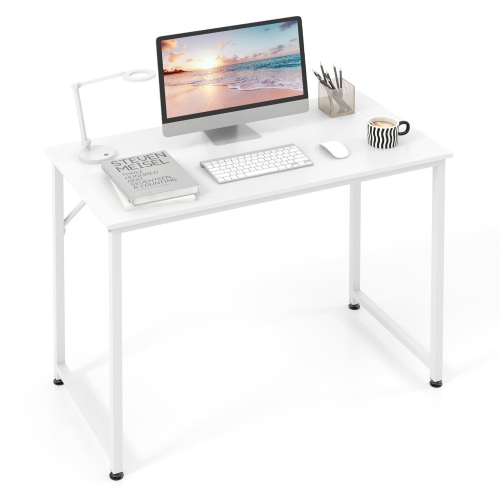
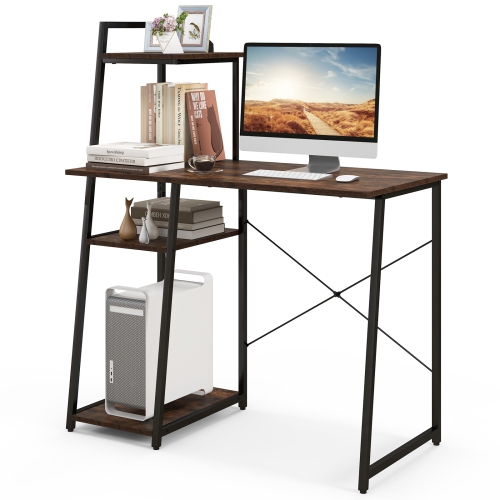
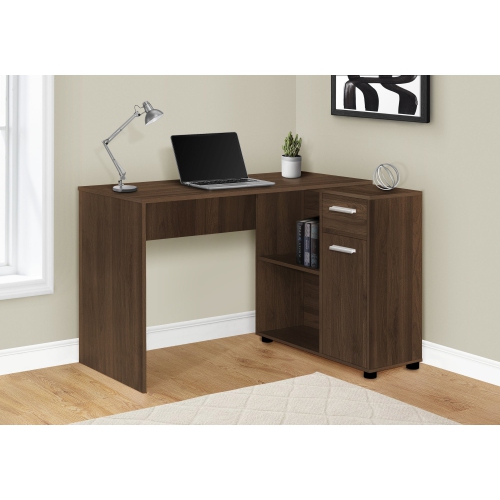
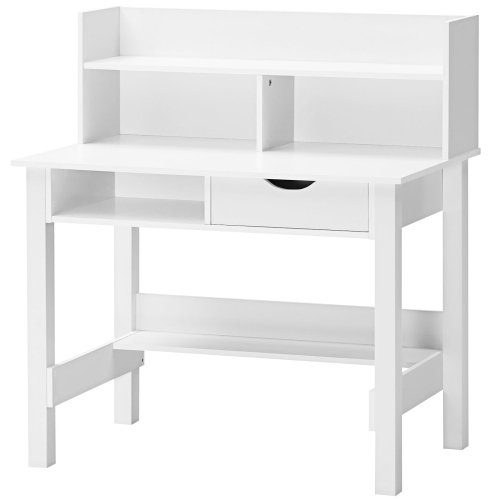
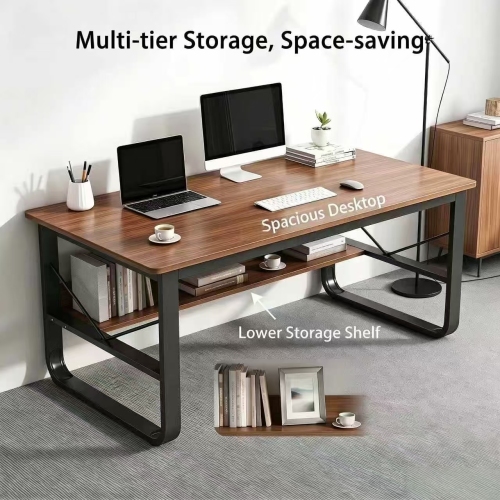




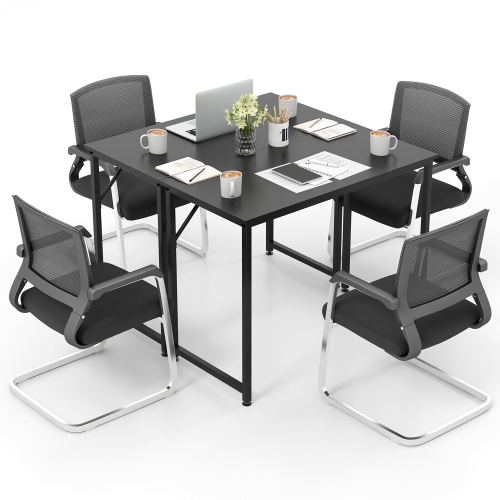
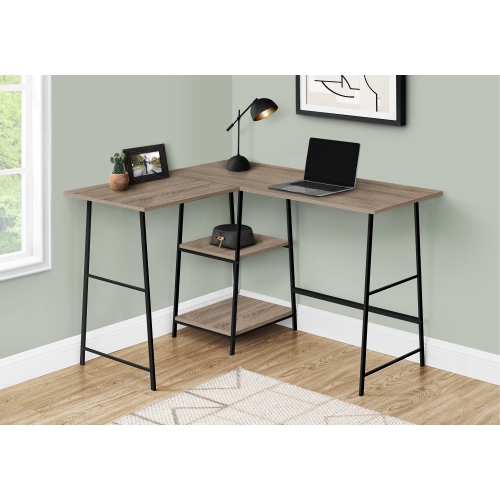
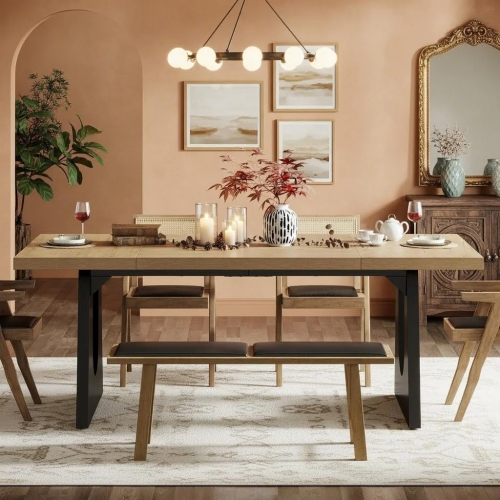
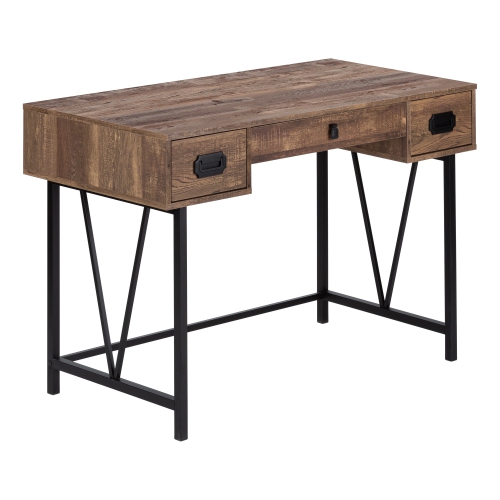
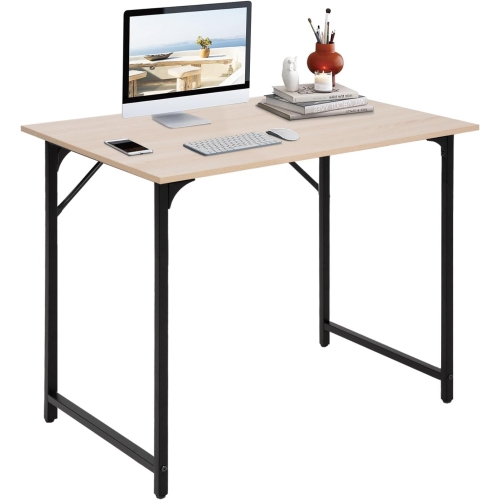
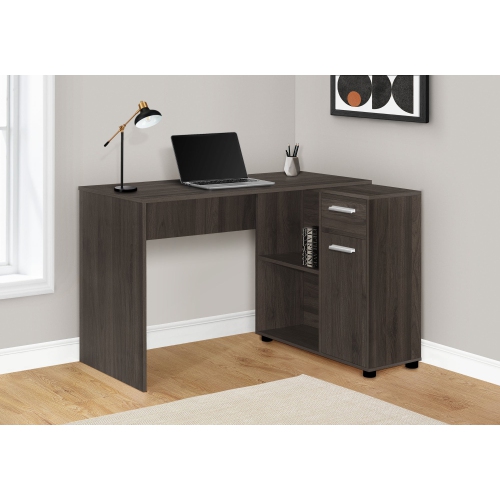
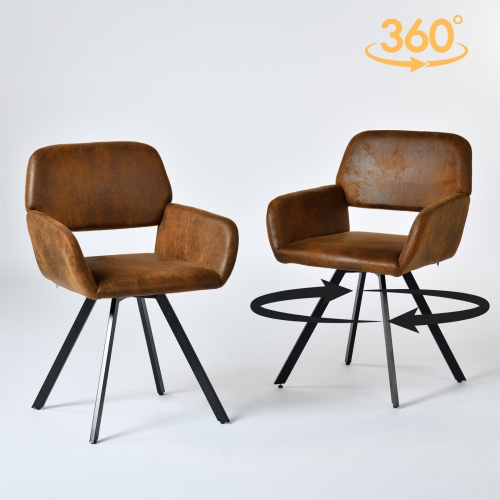
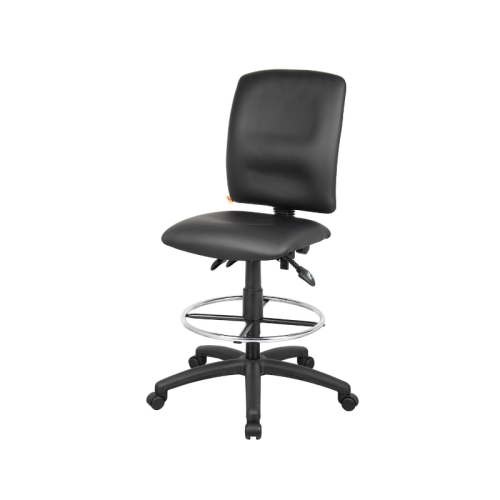
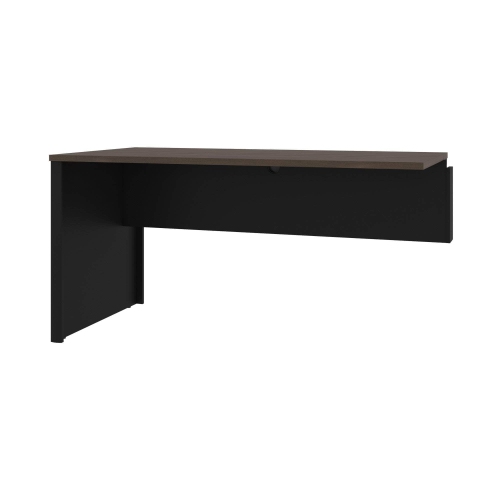
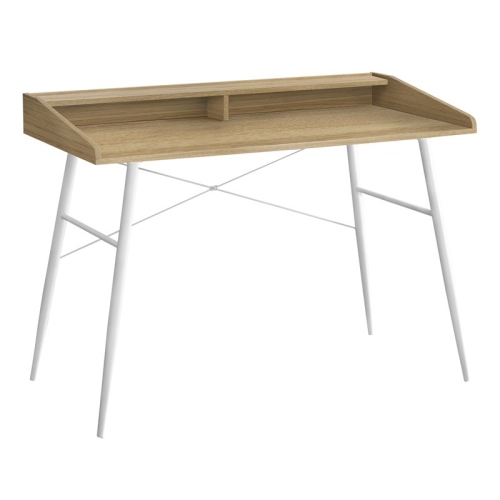
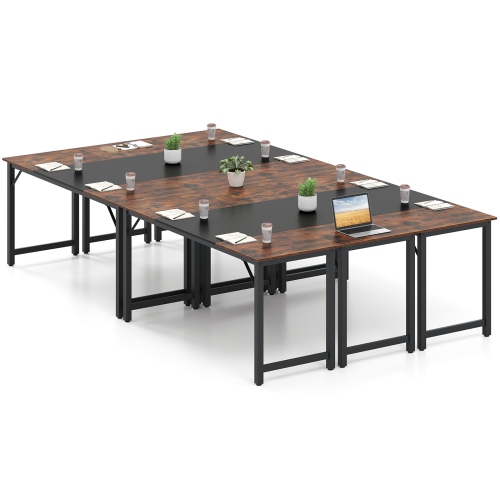
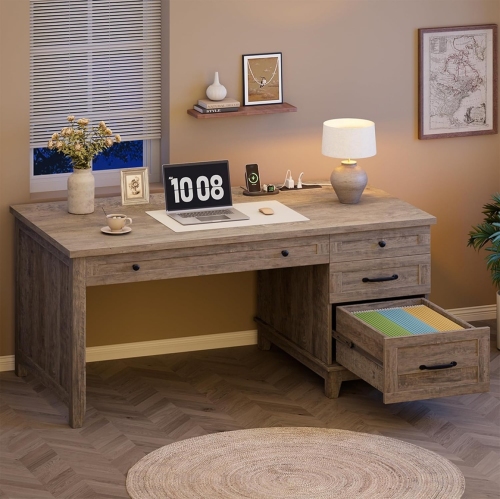

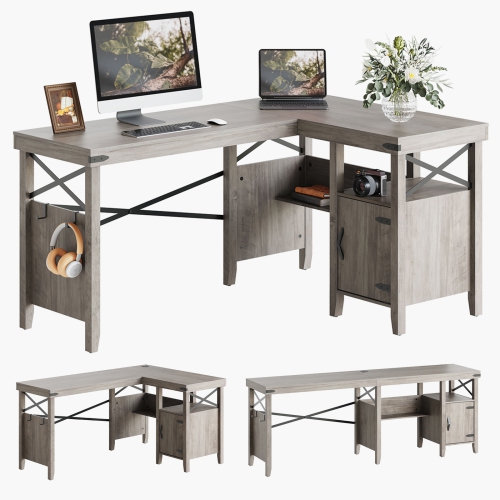

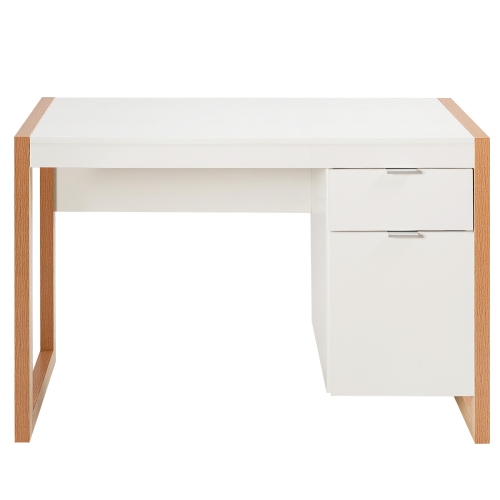
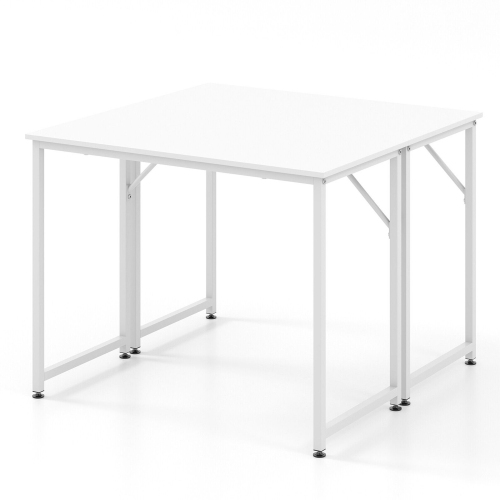
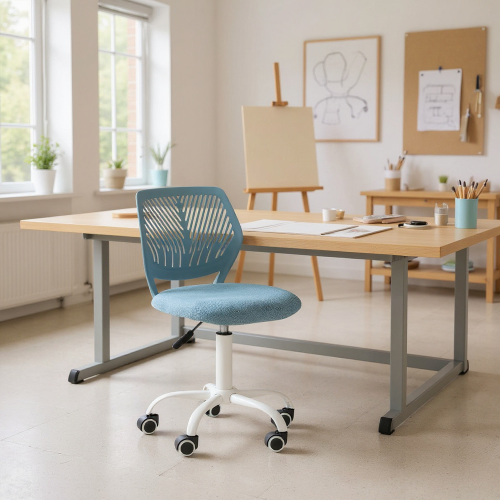

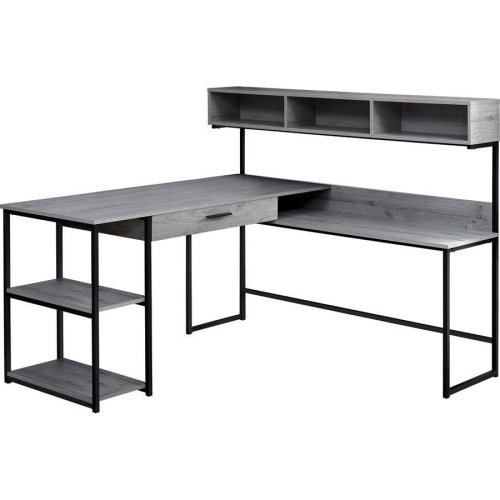
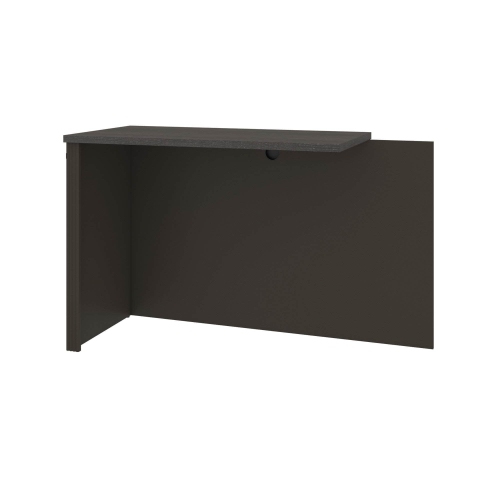
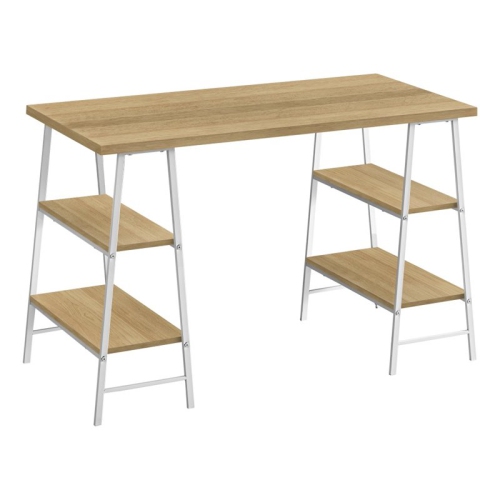
How desk dimensions and chair fit shape your workspace
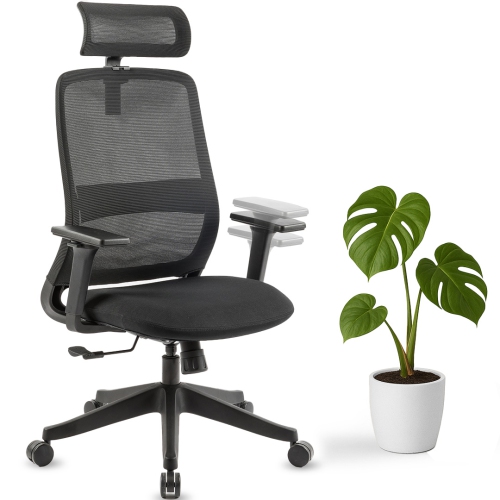
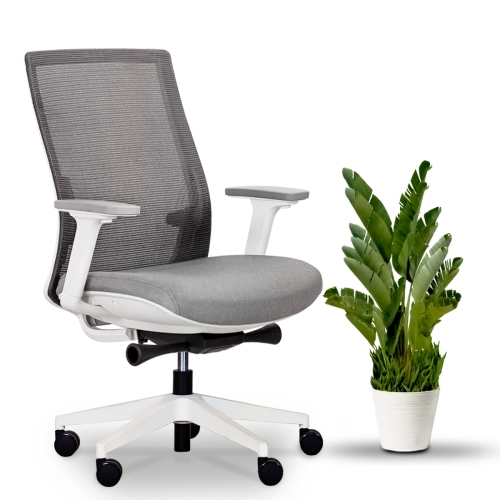
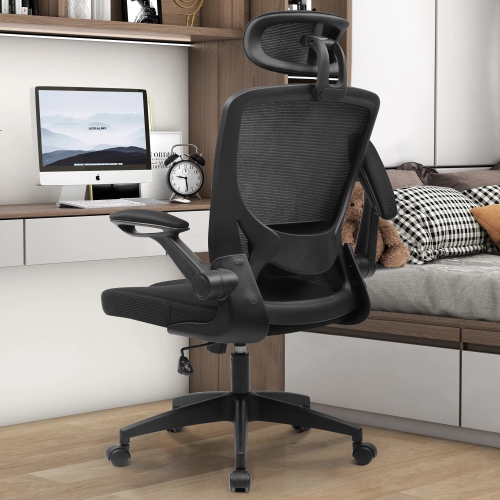
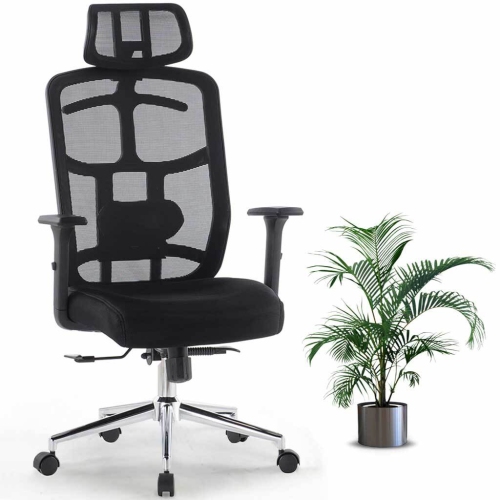
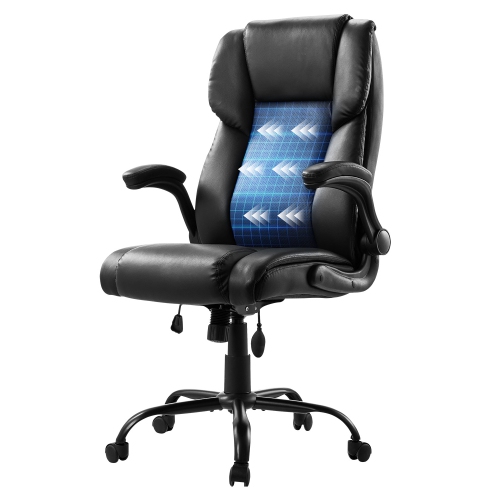
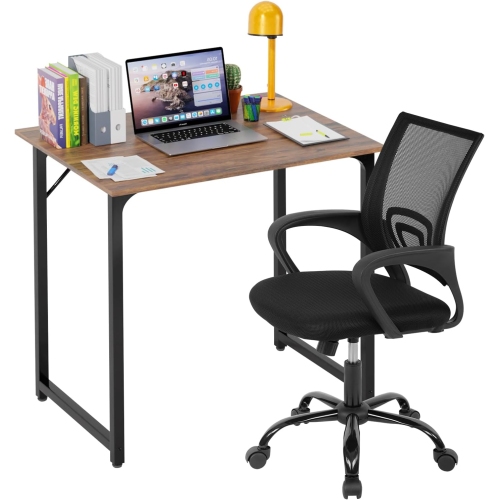
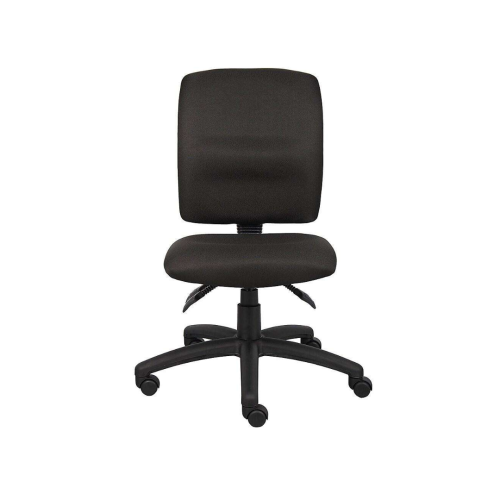
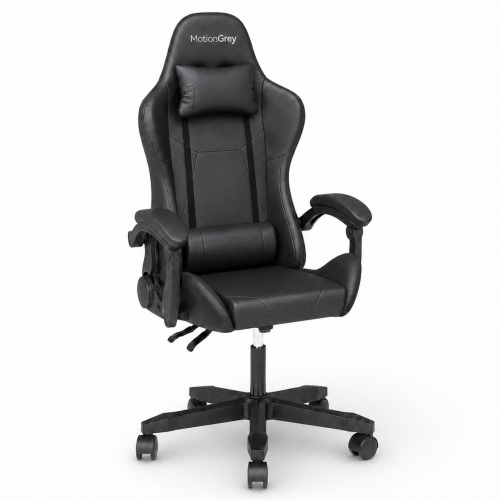
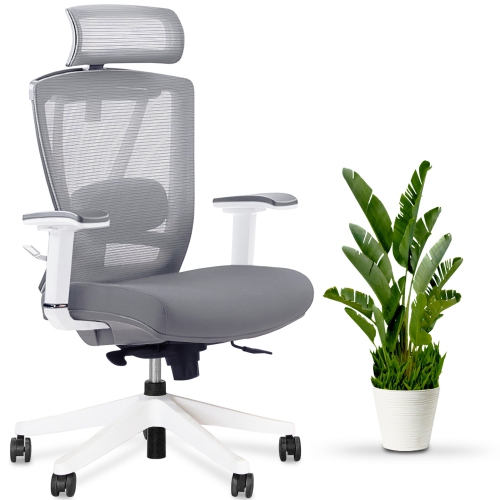
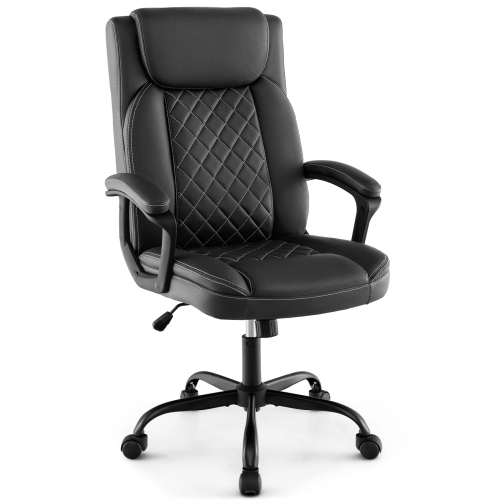
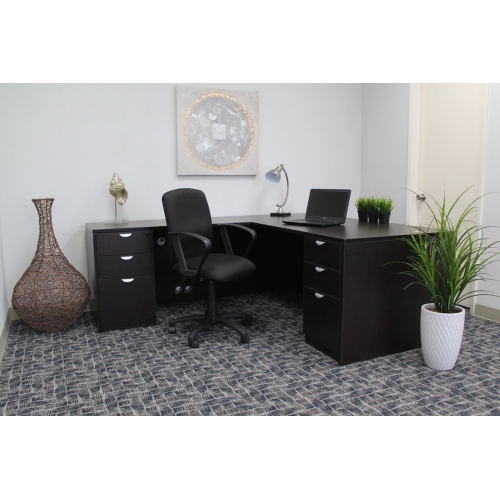
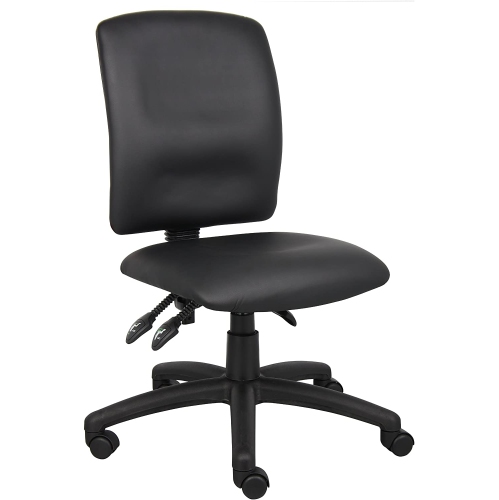
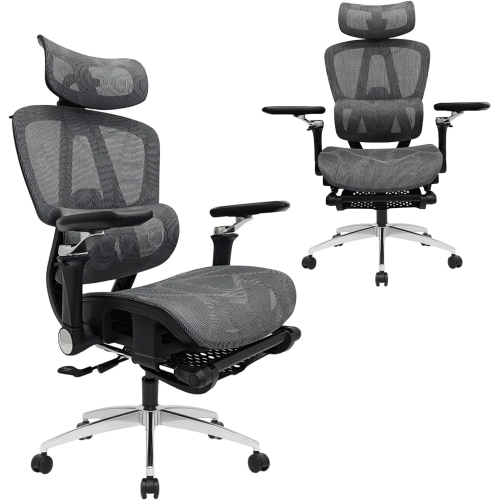
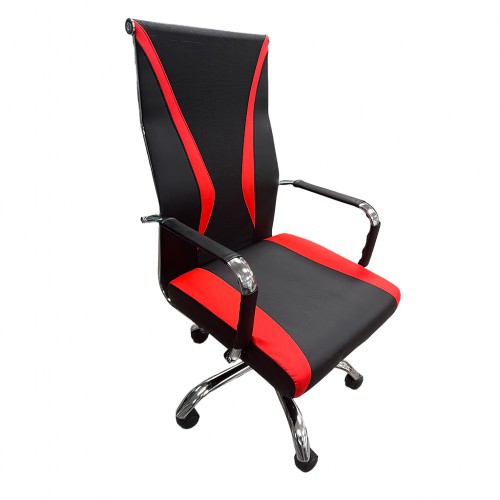
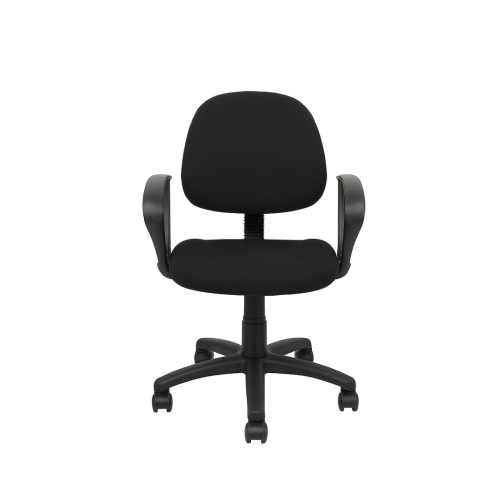
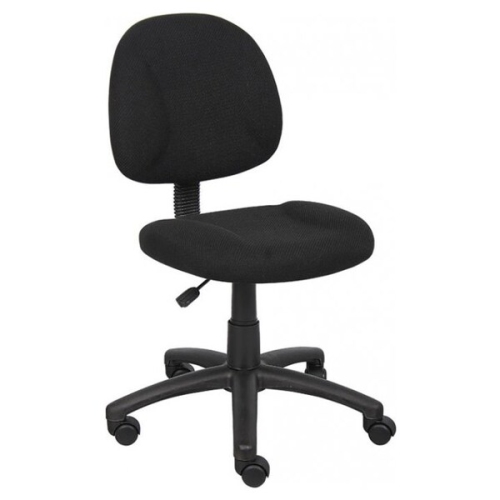
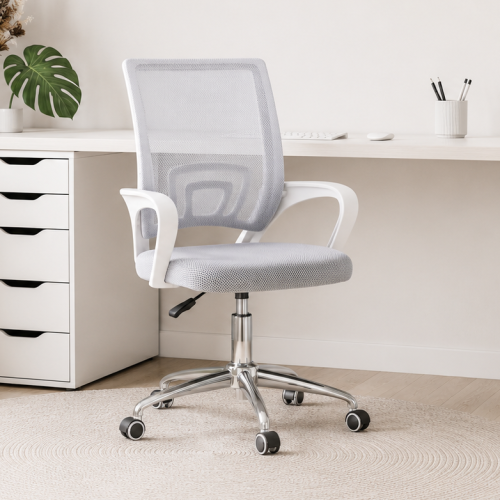
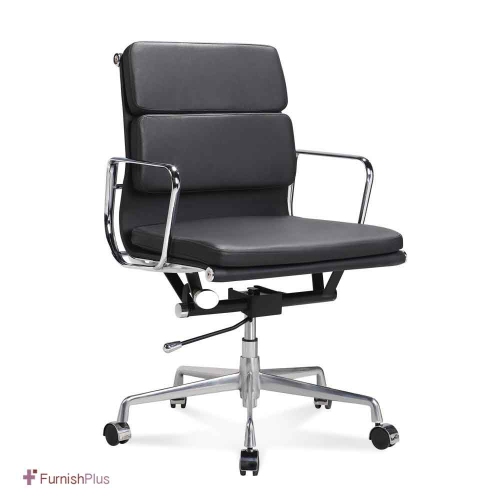
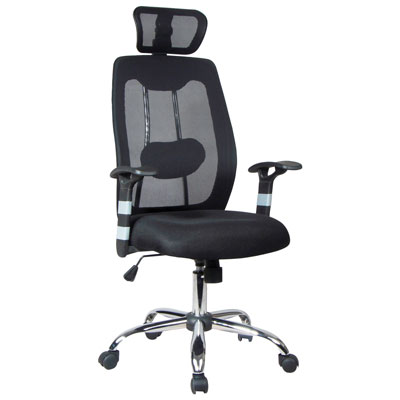
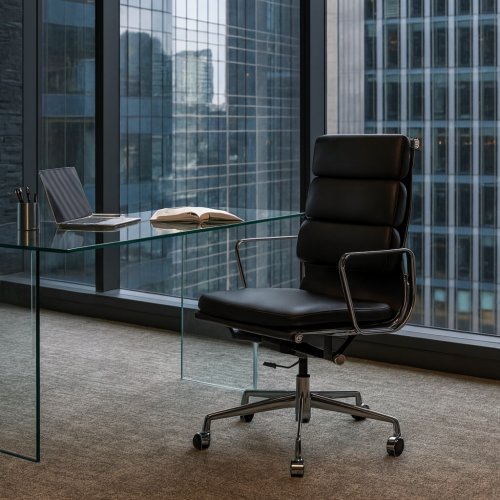
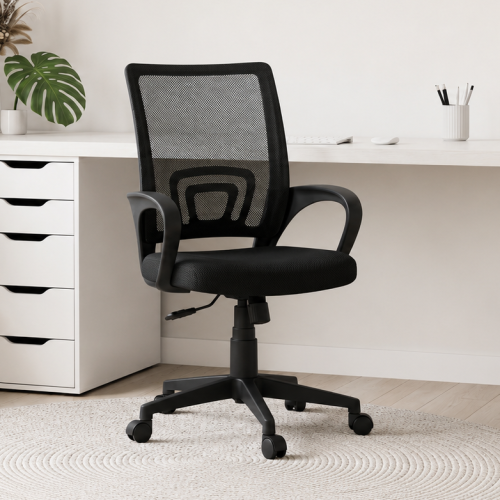
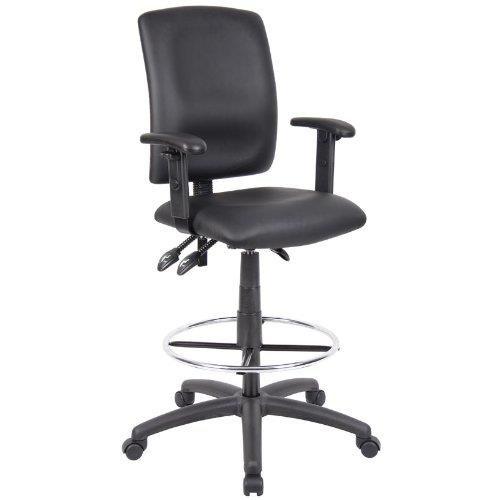
Office seating deserves the same attention as the desk because a chair’s fit affects how comfortably someone can reach the keyboard, rest their feet, and move through a working day. Seat height should allow the feet to rest on the floor or a suitable footrest without pressure behind the knees. Seat depth is another important measurement: there should be room between the front edge and the backs of the knees while the back remains supported. Adjustable lumbar support, backrest angle, and armrest height provide ways to adapt a chair to different bodies and tasks, but the useful adjustment range matters more than the number of controls. Armrests that sit too high can raise the shoulders, while arms that cannot clear the desktop may prevent the chair from moving close enough. A reclining backrest or tilt mechanism can support changes in posture during reading, calls, and focused keyboard work. No chair replaces regular movement, so a layout that makes it easy to stand and step away remains worthwhile. For a seating-focused look at the options, Boxing Day sale on ergonomic chairs offers a natural place to continue browsing. Upholstery adds another layer of practical differences. Mesh has an open structure that allows airflow, fabric offers varied textures and colours, and leather or faux leather provides a smoother surface with its own care requirements. Cushion firmness and seat shape can feel quite different over a longer sitting period, even when two chairs have similar dimensions. Manufacturer weight ratings and intended-use information help establish suitability, particularly for a chair that will be shared or used for extended sessions. Casters should suit the flooring, and a compatible protective mat may help limit wear beneath a frequently moved chair. Cleaning methods should follow the upholstery instructions, with attention to spills, seams, and areas touched often. Tightening accessible fasteners as directed can also help maintain a steady feel over time.
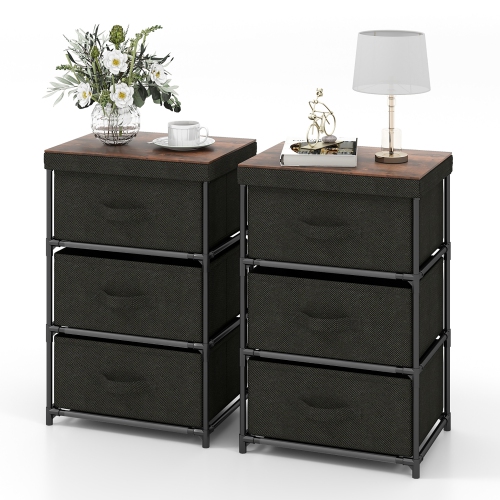
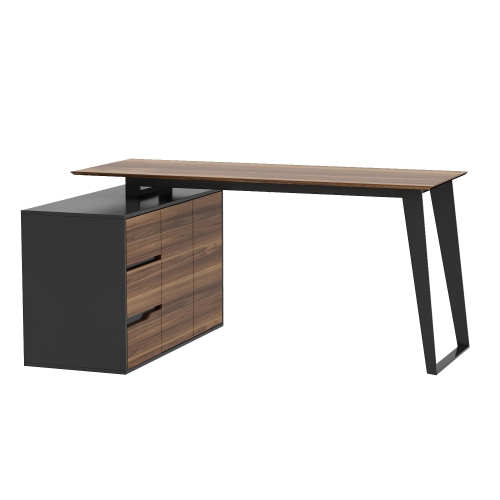
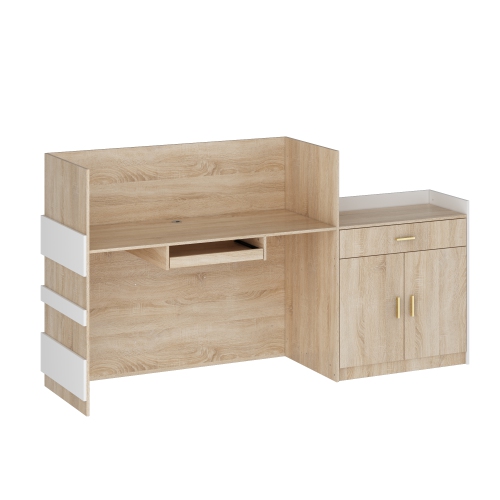
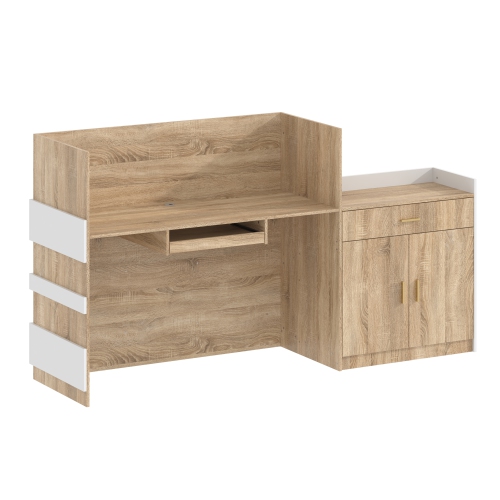
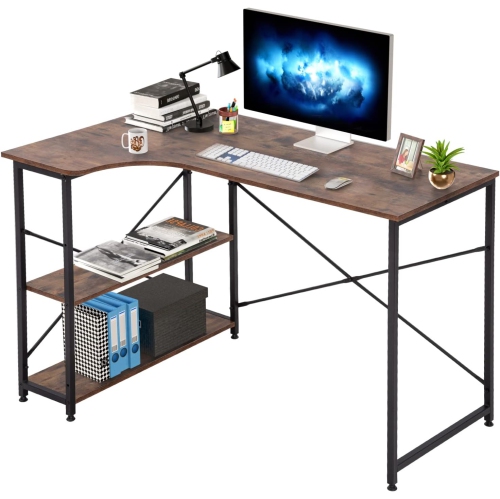
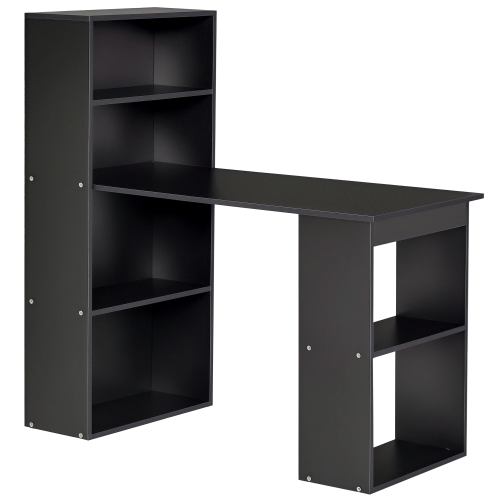
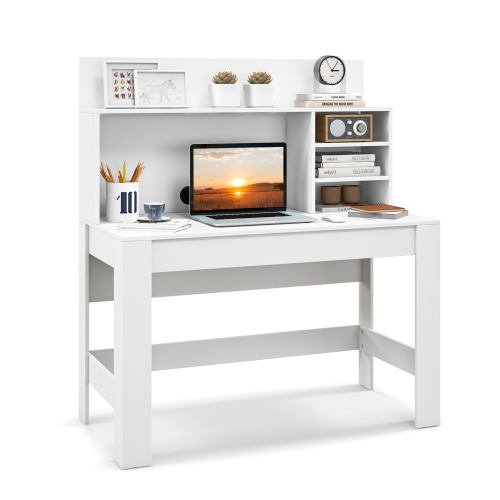
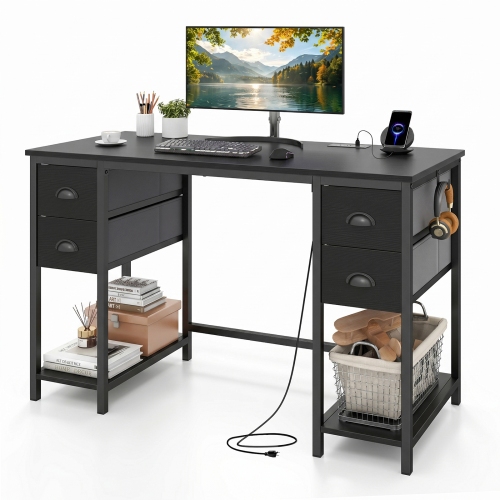
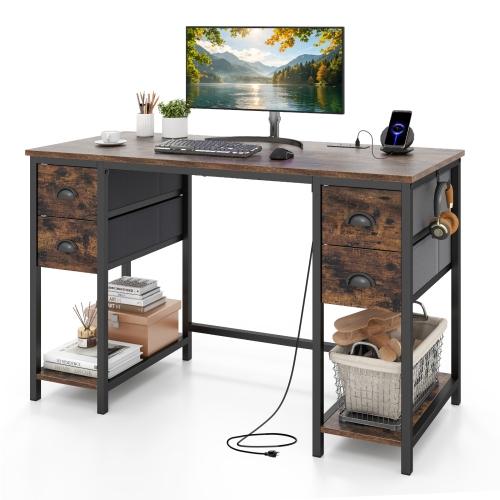
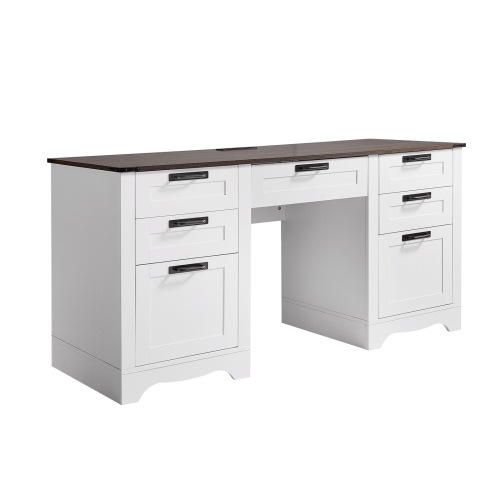
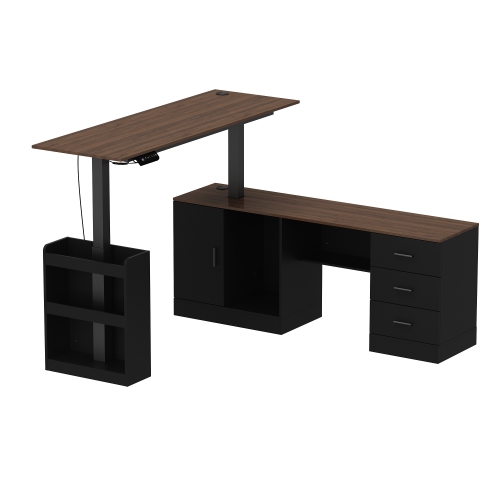
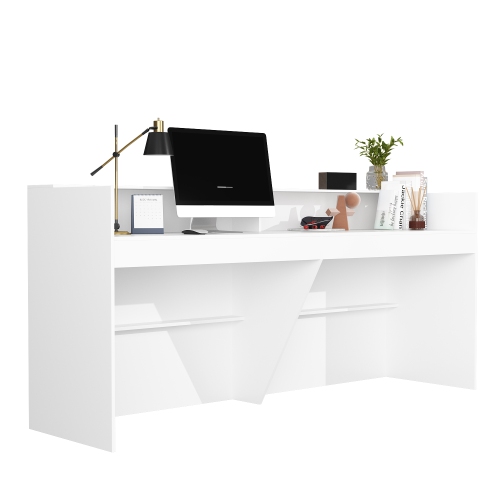
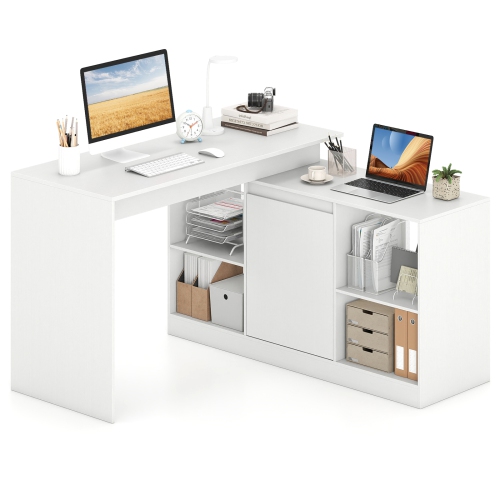
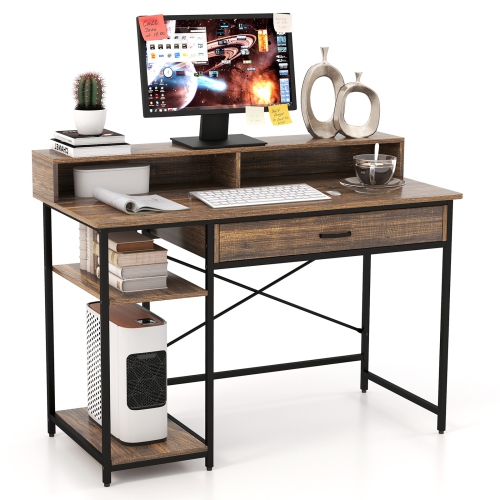
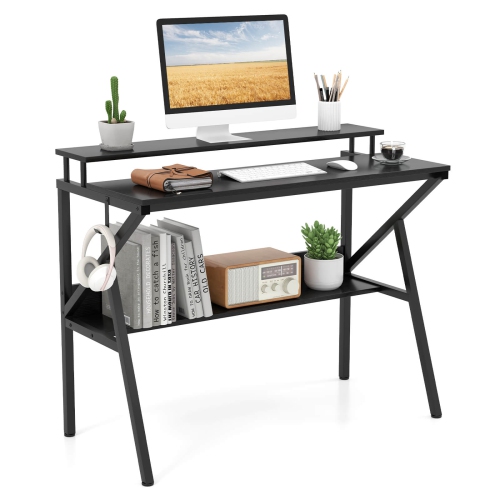
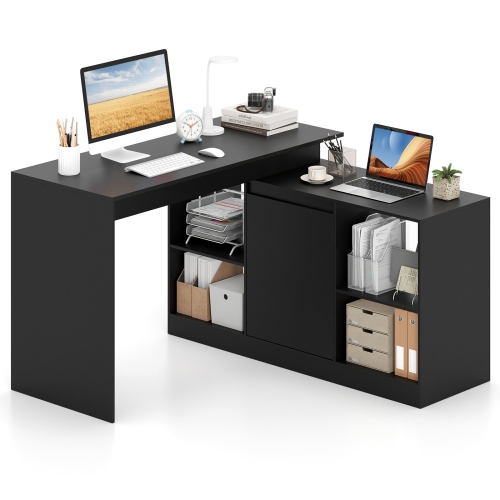
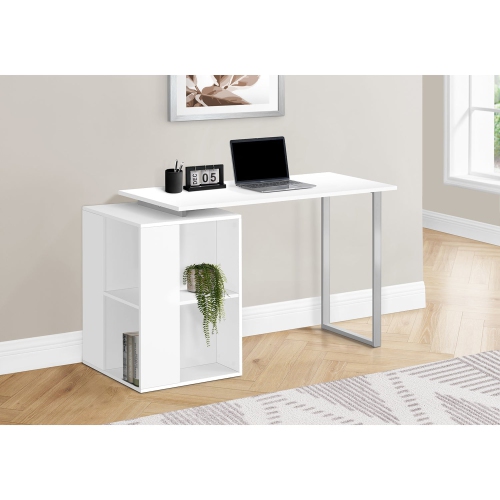
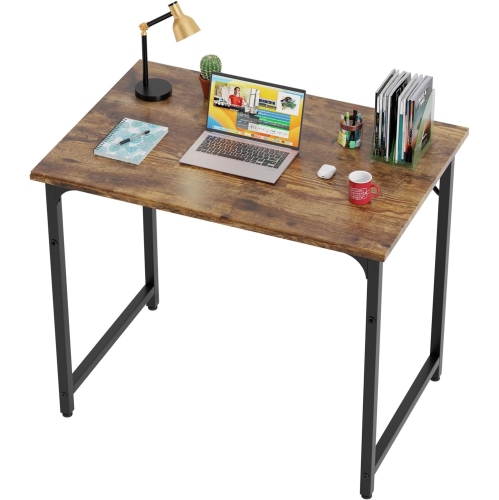
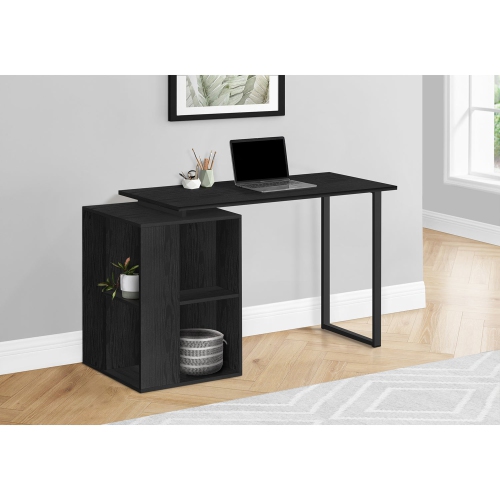
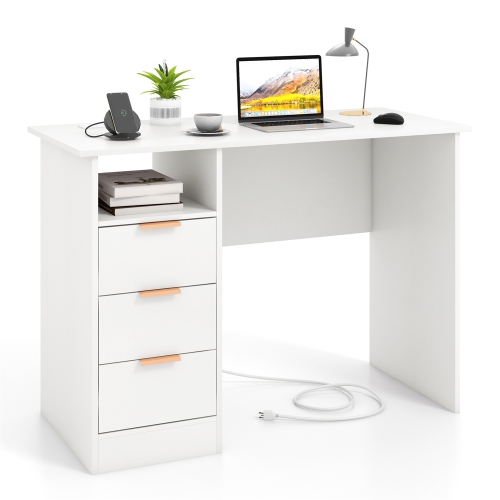
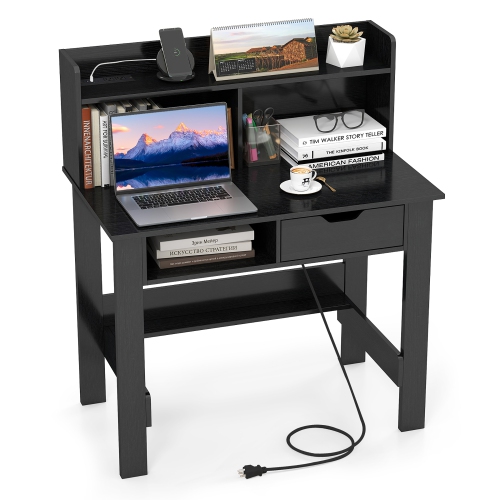
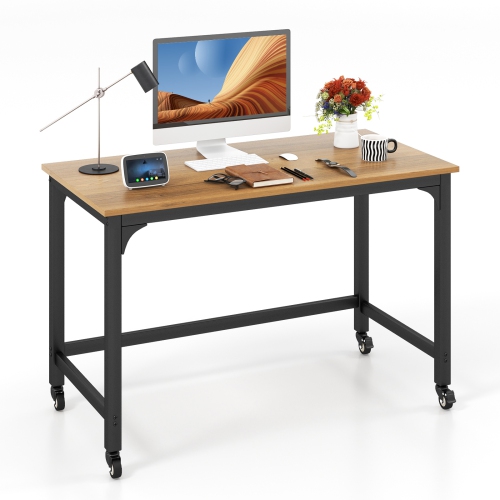
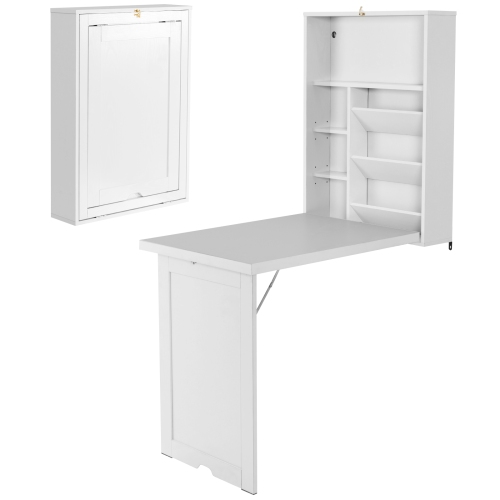
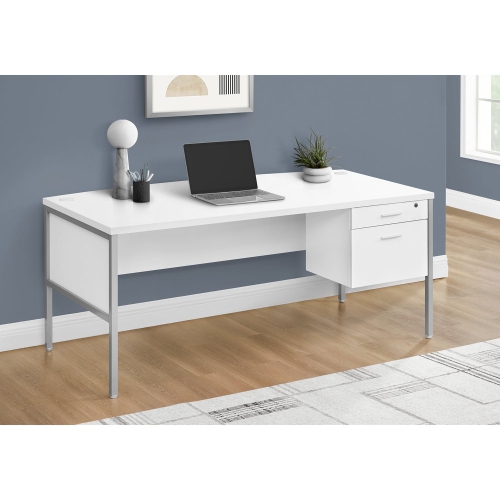
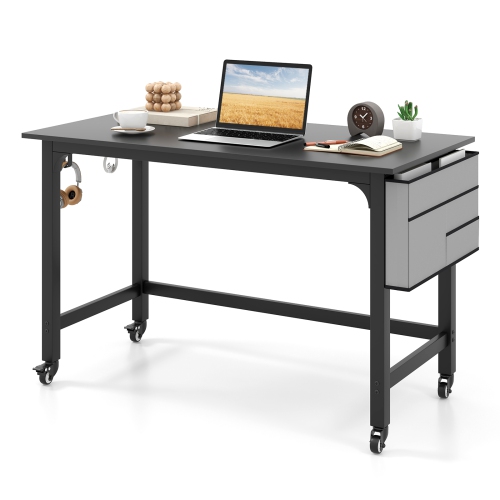
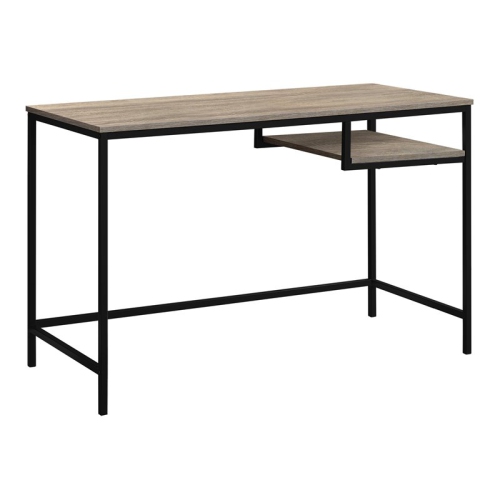
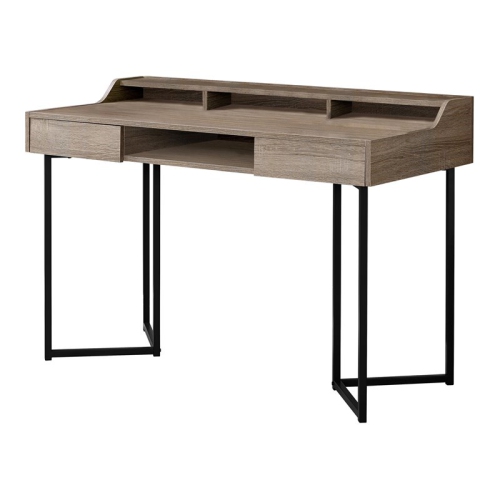
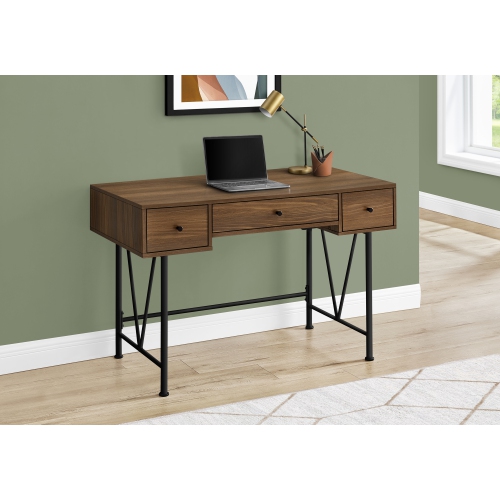
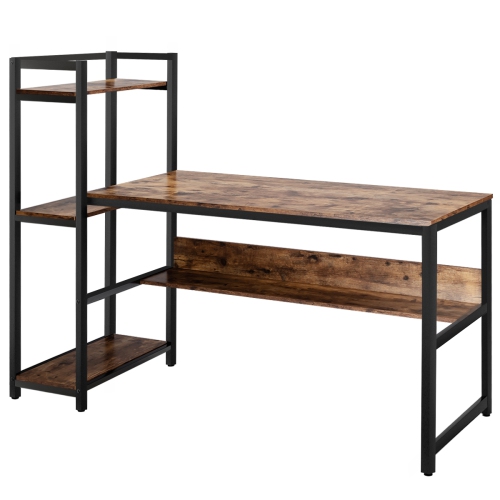
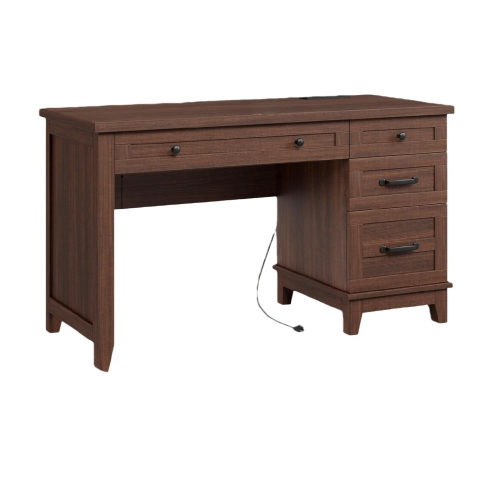
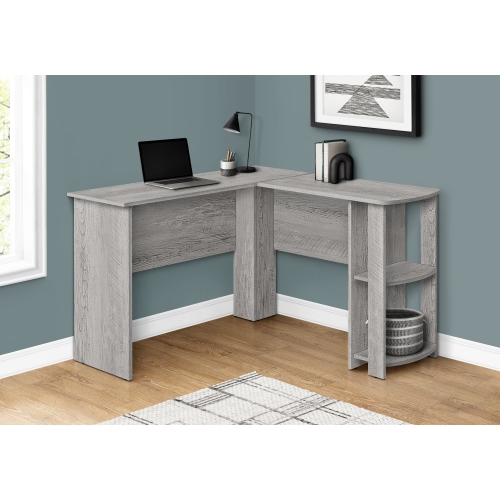
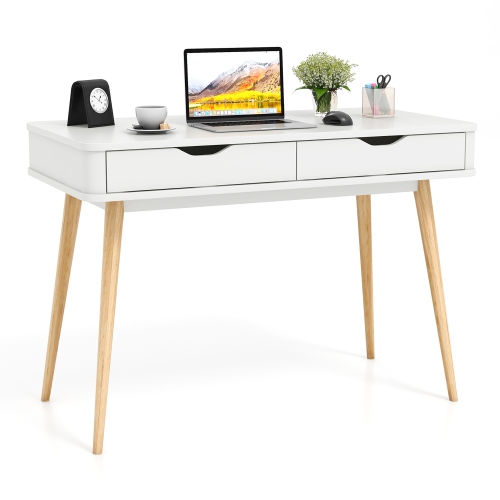
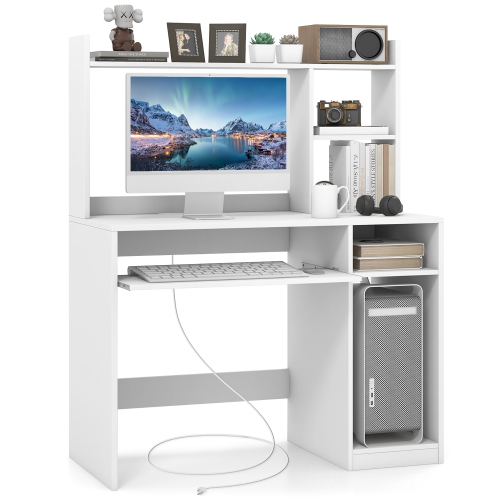
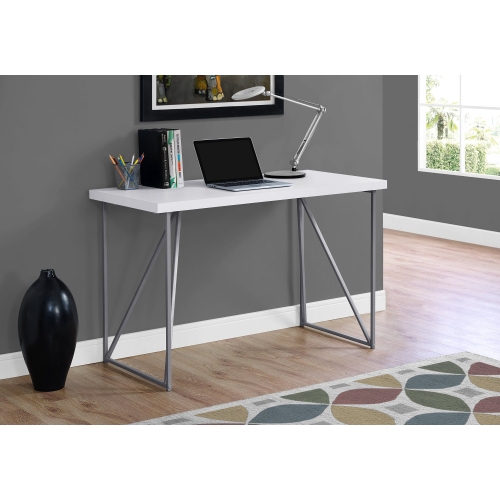
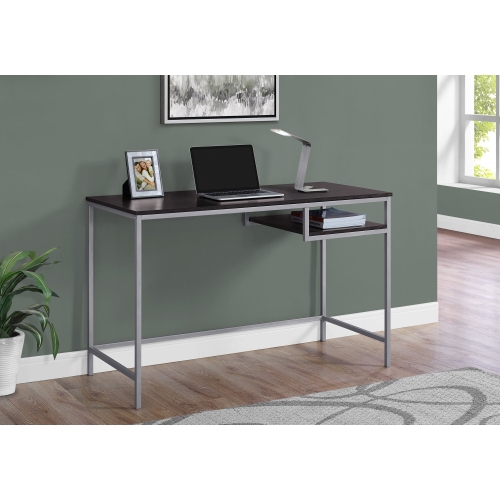
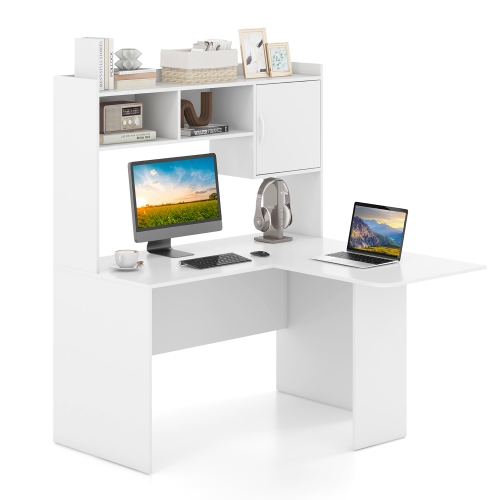
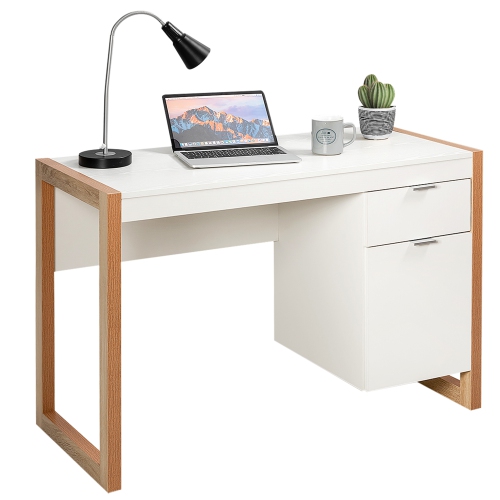
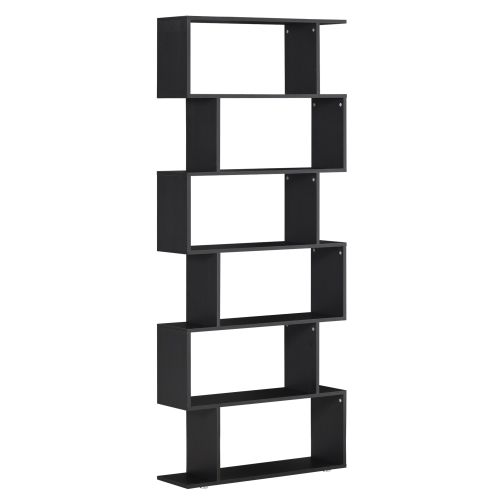
Storage furniture gives an office a place for the things that otherwise collect around a keyboard: charging cables, folders, stationery, reference books, and paperwork waiting for attention. A small drawer unit can keep daily essentials close, while a filing cabinet provides a more structured home for documents. Drawer dimensions matter when storing letter- or legal-size files, and any locking feature should match the level of privacy needed for the contents. Bookcases and shelving can make good use of wall space, but shelf depth, weight limits, and the size of binders or storage boxes need to work together. Heavy contents generally belong lower down, and tall furniture should be secured according to the manufacturer’s instructions. Closed cupboards can make a multipurpose room look more settled after work, while open shelves keep frequently used materials visible. In a shared household office, separate drawers or labelled containers help prevent school supplies, household records, and work documents from becoming mixed together. Visual fit matters too. Matching every finish is not necessary, but repeating a wood tone, frame colour, or handle style can give several pieces a sense of connection. Light finishes may sit quietly against pale walls, while darker furniture can create a more defined work area within a larger room. Durability depends on more than the visible surface: drawer runners, hinges, shelf supports, edge finishing, and the firmness of assembled joints all affect everyday use. Protective pads beneath equipment and prompt attention to spills can help preserve a desktop, while abrasive cleaners may damage finishes unless specifically approved for them. Before bringing larger furniture home, measurements should include doorways, stair turns, and the route into the intended room, not just the final floor space. Assembly requirements and access to wall outlets are worth considering as part of that fit. A well-proportioned desk, supportive chair, and sensible storage can serve remote workers, students, freelancers, and anyone who needs a reliable place to handle the details of daily life.
Top selling and popular products
-
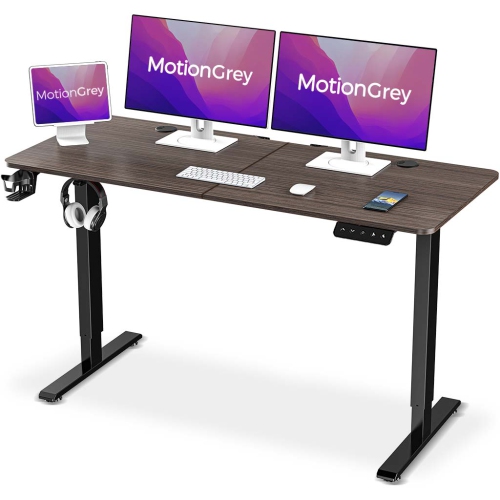 Your price for this item is $133.96
-
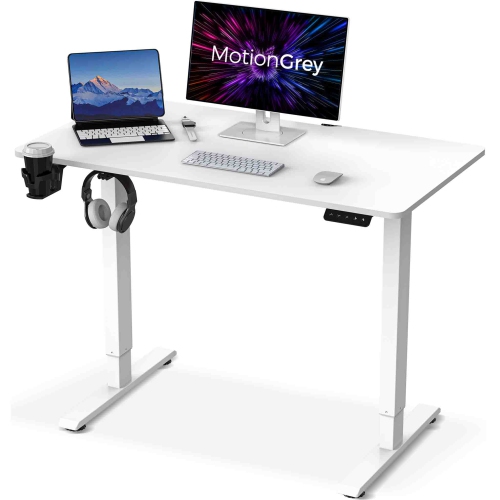 Your price for this item is $122.92
-
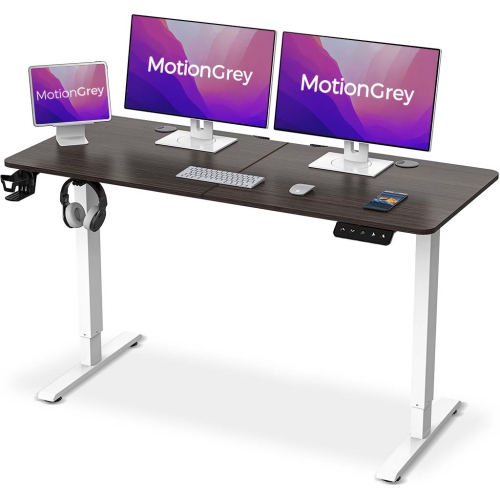 Your price for this item is $132.99
-
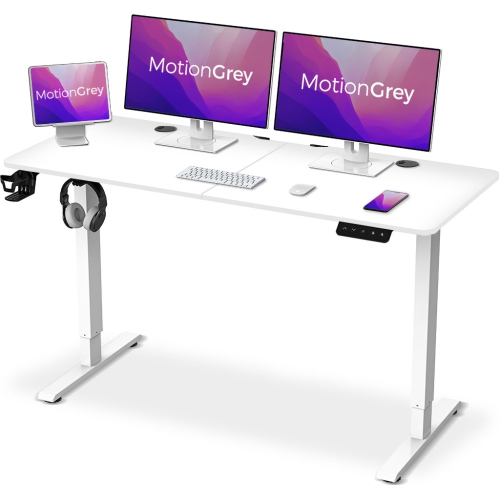 Your price for this item is $133.96
-
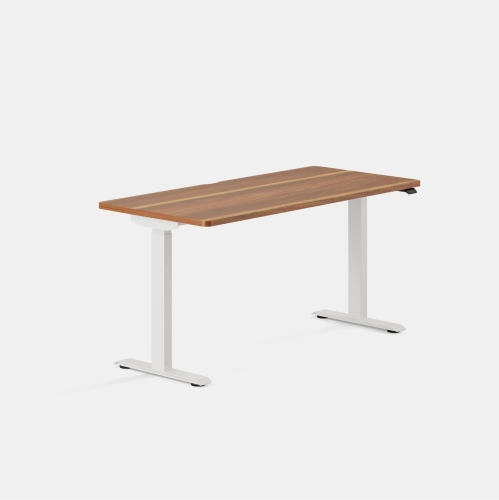 Your price for this item is $679.2
-
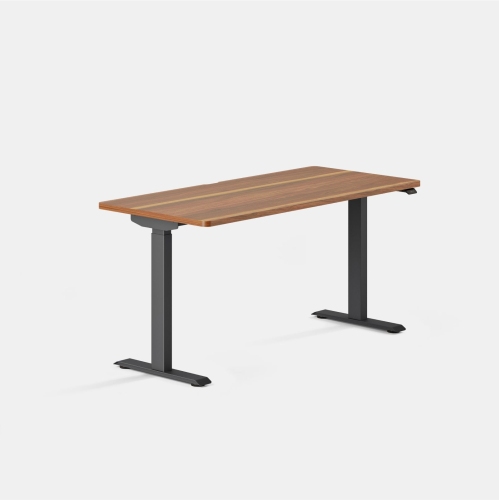 Your price for this item is $679.2
-
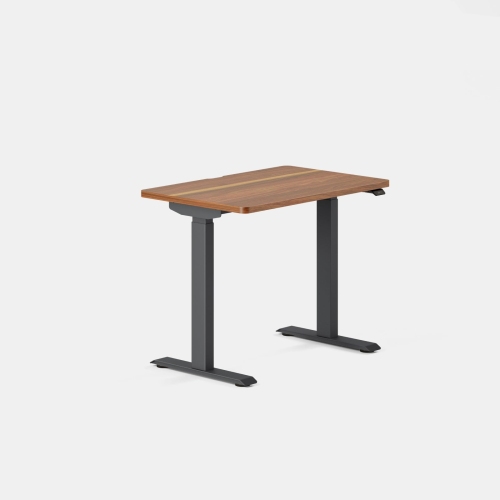 Your price for this item is $519.2
-
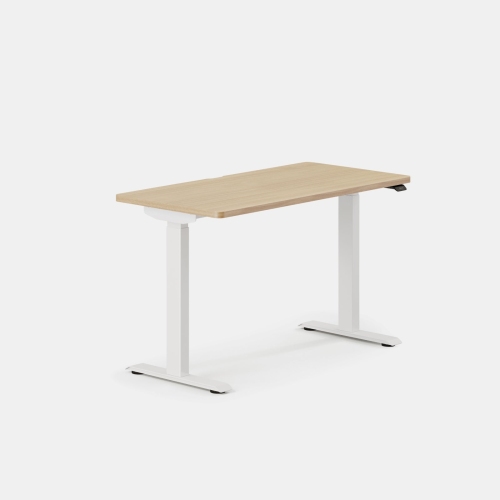 Your price for this item is $599.2