Boxing Day Deals Coming Soon
Our Boxing Day Sale returns in December 2026. In the meantime, shop our current top deals below.

Boxing Day Sale On Pillow Cases & Shams
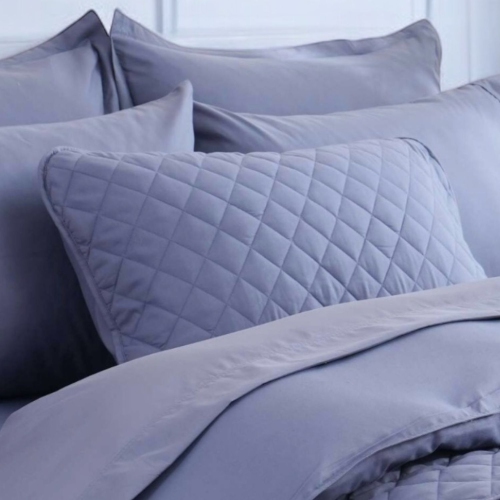
Boxing Day is here, and it's the perfect time to refresh your bedroom décor with our incredible sale on pillow cases and shams. Whether you're looking to add a splash of color or a touch of elegance to your space, our wide selection offers something for every taste and style. Enjoy unbeatable discounts on high-quality pillow cases and shams that not only enhance comfort but also elevate the aesthetic of any room. Dive into the savings and transform your living space with luxurious textures and designs that are sure to impress. Remember, our Low Price Guarantee means you can shop confidently knowing that you'll find the best price at Best Buy, all year round. We encourage you to check our website frequently for the most up-to-date information on our latest offers and savings opportunities.
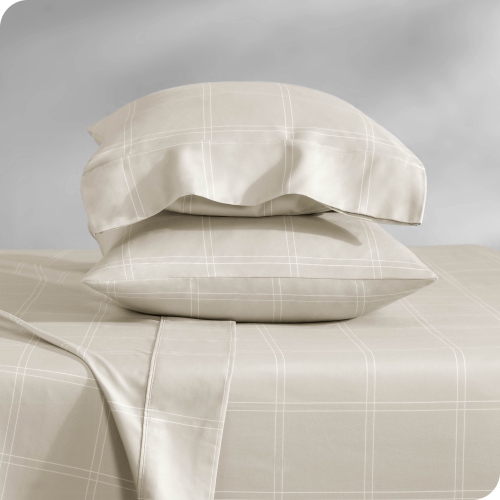
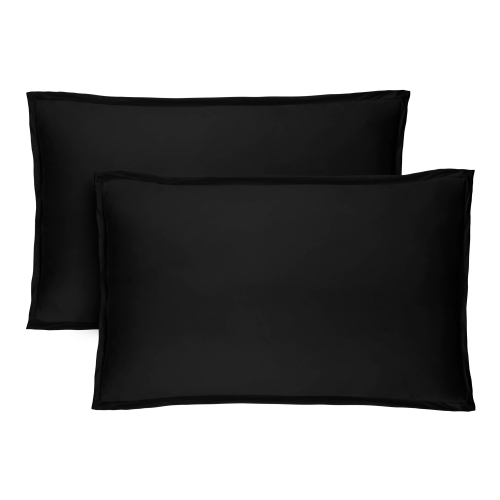
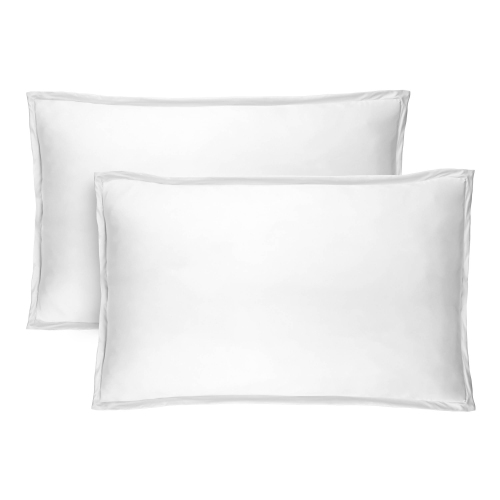
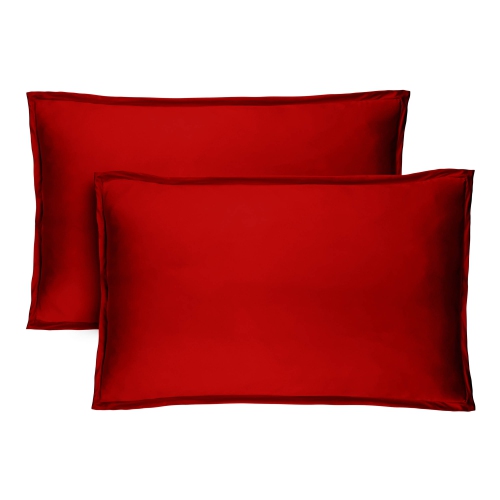
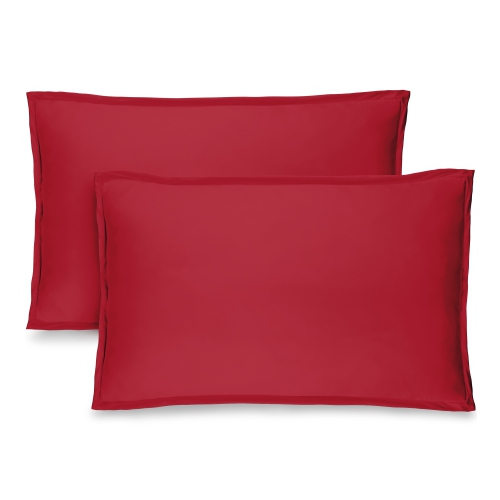
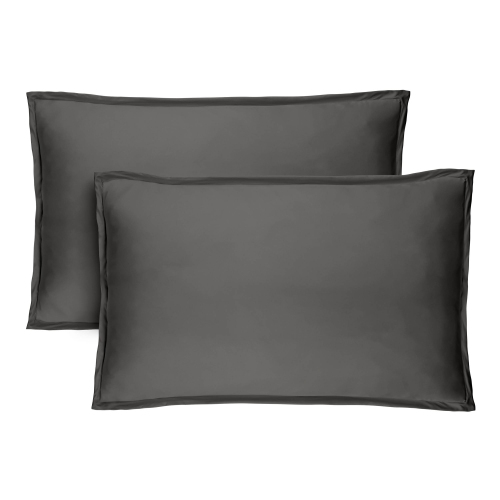
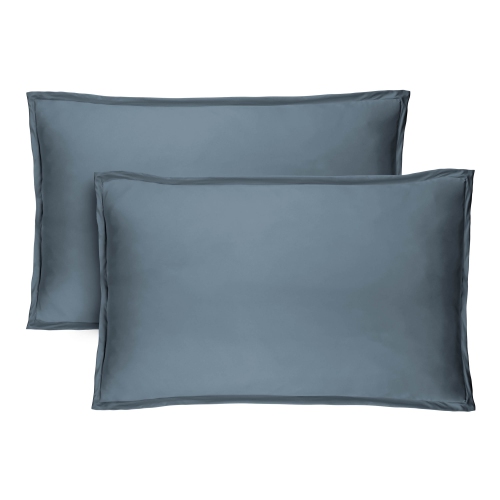
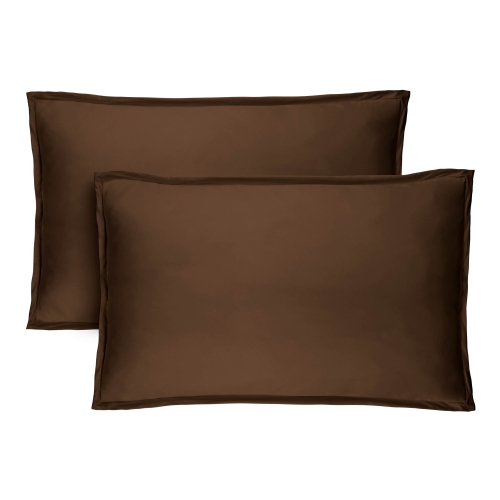
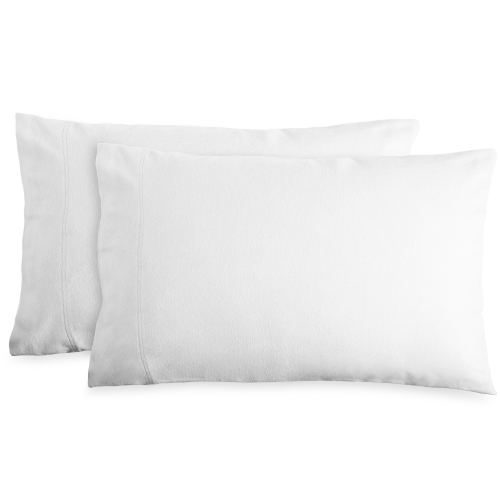
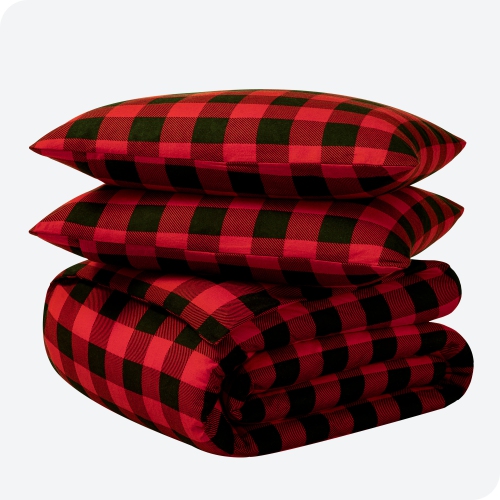
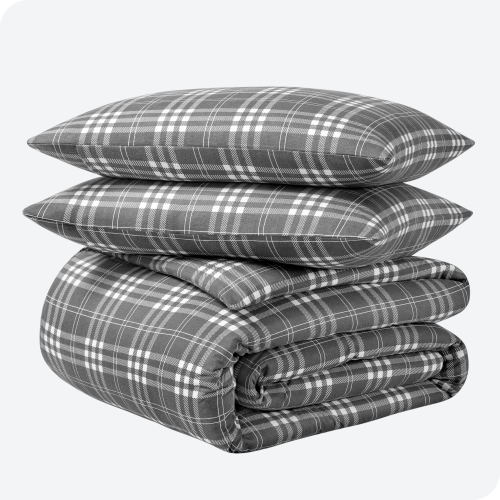
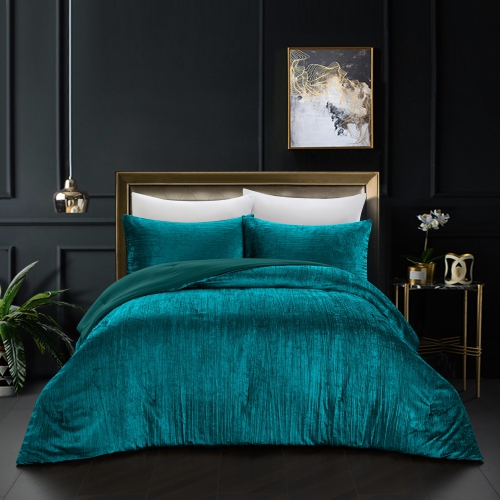
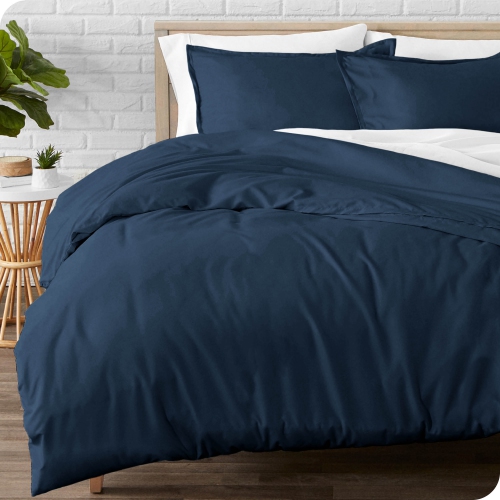


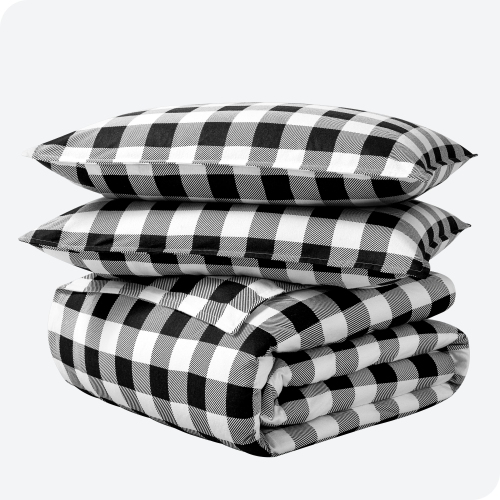
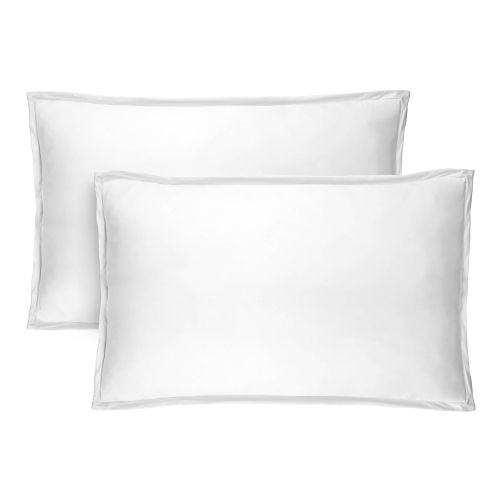
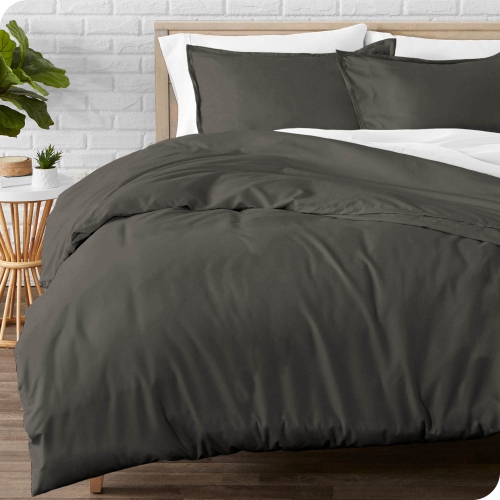
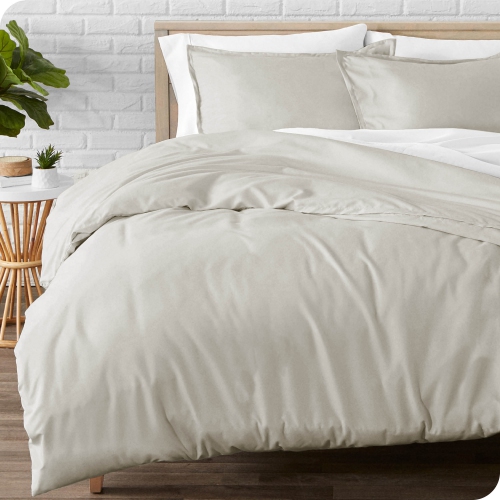

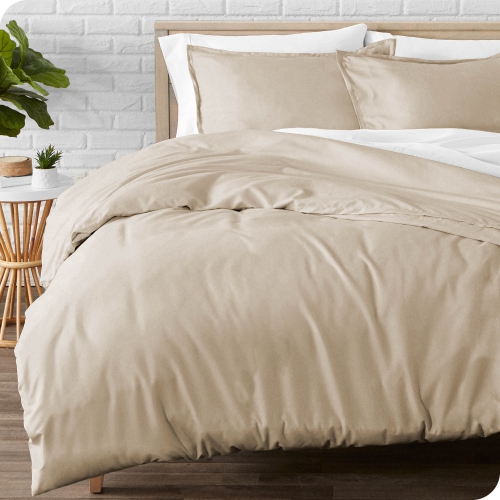
How pillowcases and shams balance comfort with style
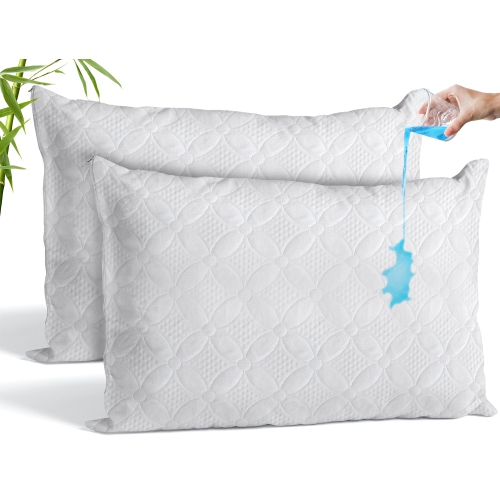
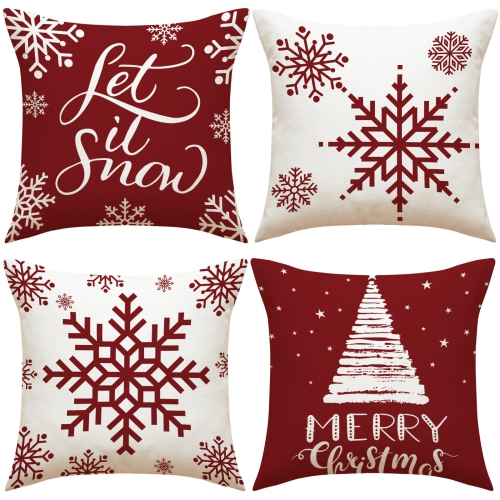
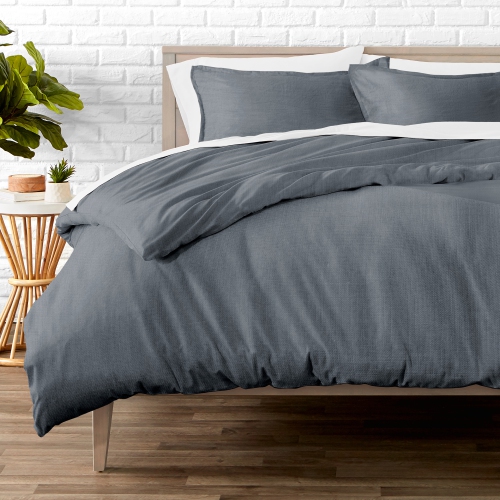
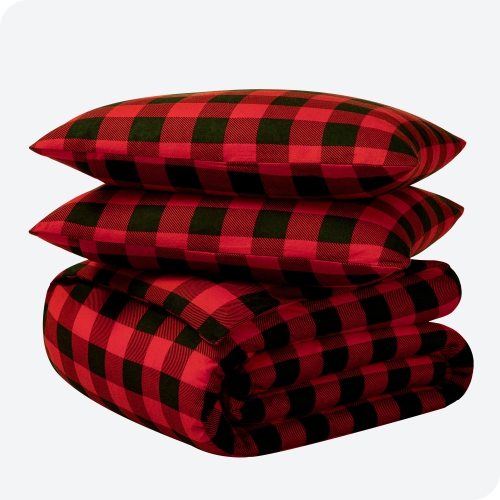
Fit matters just as much as fabric, especially when pillowcases and shams are being paired with pillows already at home. Standard, queen, king, and Euro are common size names, but the stated measurements should determine the match because dimensions can vary between manufacturers. A pillow cover should accommodate the pillow’s width, length, and loft without compressing it excessively or leaving large folds of loose fabric beneath the sleeper’s face. A thick, supportive pillow can fit differently from a flatter one even when both carry the same size label. Measuring the existing pillow and checking the cover’s dimensions is more dependable than choosing by the mattress size alone. Euro shams are generally square and often form a taller back layer, whereas standard and king shams are rectangular. Borders can make a sham look larger without increasing the space inside it, so the insert dimensions are worth distinguishing from the overall measurements. Closure style also changes the experience. An envelope opening tucks the pillow end beneath an overlapping flap, helping keep it covered without hardware. A zip fastening can provide a neat outline, although a concealed zip is preferable where the cover might touch skin. Open-ended pillowcases are straightforward to remove for washing, but the length needs to be sufficient to cover the pillow comfortably. Package contents deserve attention too: a cover does not necessarily include an insert, and a single sham is not the same as a pair. Once the fit is settled, colour and proportion help bring the bed together. White or cream pillowcases can sit quietly beneath patterned shams, while a narrow stripe can connect a solid duvet cover with a more detailed quilt. Matching every fabric exactly is not essential; repeating one colour often gives mixed bedding a deliberate, cohesive appearance. In a small bedroom, fewer layers can look tidy and leave less to move at bedtime. For additional accents beyond the bed, decorative throws and pillows can carry a shared colour or texture onto a nearby chair or bench without requiring every piece to match.
Care requirements and construction are what make pillowcases and shams practical long after the bed is first arranged. Sleeping pillowcases come into regular contact with skin oils, hair products, and face creams, so ease of washing is an important part of everyday suitability. A fabric that needs delicate handling may be a welcome choice for someone who already separates laundry carefully, but it can be less convenient in a busy household where bedding is washed together. The care label should set the washing temperature, drying method, and any restrictions on bleach or ironing. High heat can shrink some fabrics, while abrasive washing can affect delicate surfaces and trims. Washing similar colours together, avoiding an overloaded machine, and following the recommended drying instructions can help maintain the finish. Some skincare ingredients, including benzoyl peroxide, may discolour dyed fabrics, making product contact worth considering when choosing pillowcase colours. Shams with embroidery, tassels, or quilted detail may need different care from the plain pillowcases beside them, even when their colours coordinate. For durability, useful details include evenly sewn seams, neatly finished edges, secure closures, and fabric that feels consistent across the surface. Thread count alone does not establish quality; fibre, yarn, weave, and finishing all contribute to how a pillowcase feels and wears. A spare pair of pillowcases makes laundry changes easier, particularly in a guest room that needs to be ready between visits. For children’s rooms or shared family spaces, washable fabrics and uncomplicated closures can be more useful than elaborate trim. For a guest bedroom, a smooth sleeping surface paired with a modest decorative layer creates a welcoming bed without giving visitors several pillows to put aside. Pillowcases and shams can also make thoughtful housewarming or holiday gifts when the recipient’s pillow dimensions, preferred textures, and room colours are known. A neutral shade is often easier to integrate than a bold pattern, but the best choice reflects the person using it. Whether the goal is a comfortable everyday pillowcase or a finished arrangement of shams, the details that matter most are straightforward: a suitable fabric, an accurate fit, sound construction, and care requirements that suit the way the bedding will be used.
Top selling and popular products
-
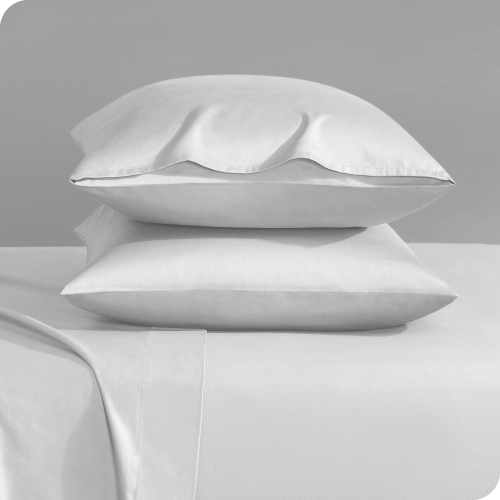 Your price for this item is $72.99
 -
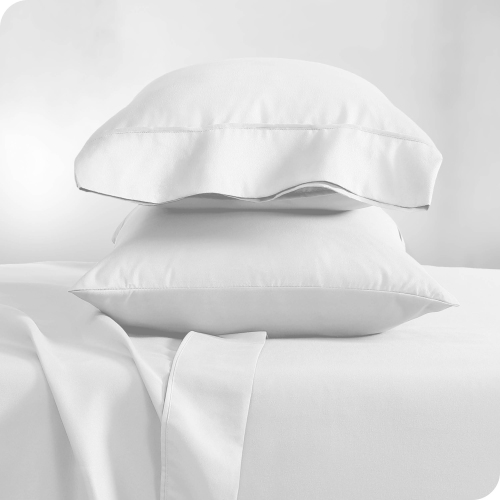 Your price for this item is $64.99
 -
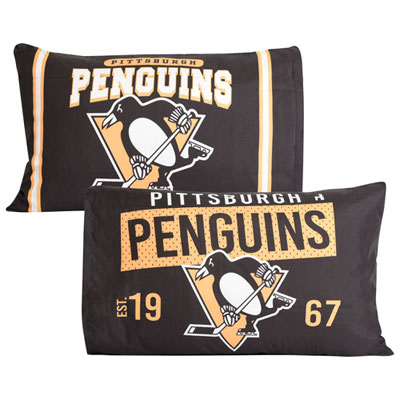 Your price for this item is $17.99
 -
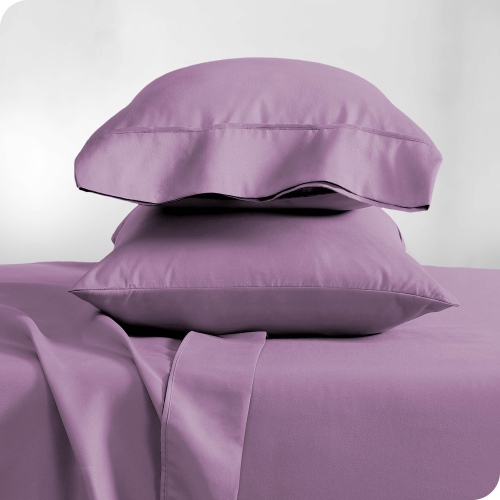 Your price for this item is $64.99
 -
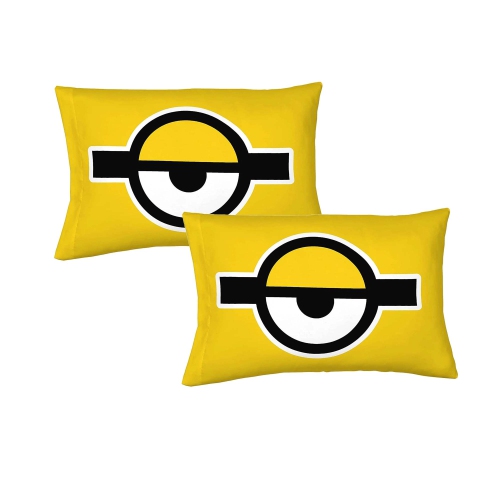 Your price for this item is $17.99
 -
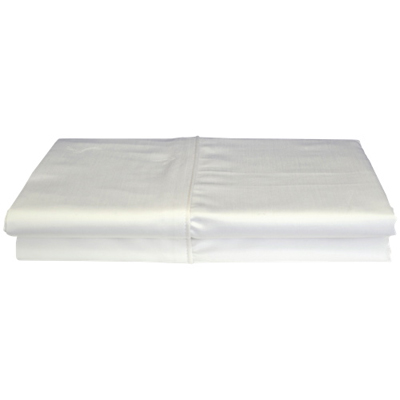 Your price for this item is $59.99
 -
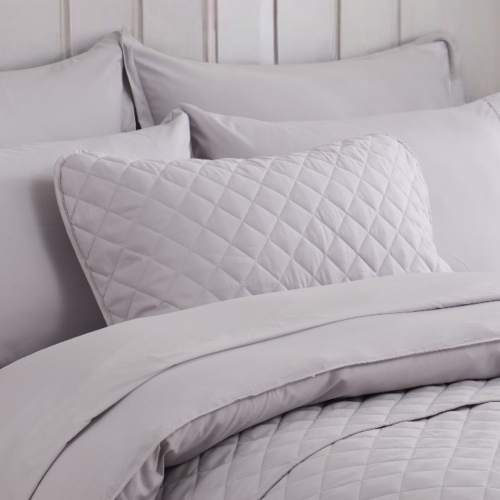 Your price for this item is $82.5
 -
 Your price for this item is $82.5