Boxing Day Deals Coming Soon
Our Boxing Day Sale returns in December 2026. In the meantime, shop our current top deals below.

Boxing Day Sale On Sleeping Pads
Uncover unbeatable comfort and savings with our Boxing Day sale on sleeping pads, where quality meets affordability. Whether you're gearing up for an adventurous camping trip or simply seeking extra cushioning for overnight guests, our selection ensures a restful night's sleep for everyone. Dive into a range of options designed to enhance your outdoor experiences and indoor relaxation, all at prices that won't break the bank. Take advantage of this limited-time event to upgrade your sleep setup with top-notch sleeping pads that promise durability and ease, making them a must-have addition to your gear collection. Remember, our Low Price Guarantee means you can shop confidently knowing that you'll find the best price at Best Buy, all year round. We encourage you to check our website frequently for the most up-to-date information on our latest offers and savings opportunities.
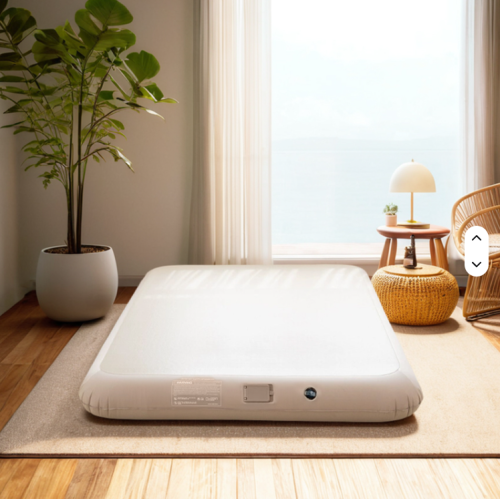
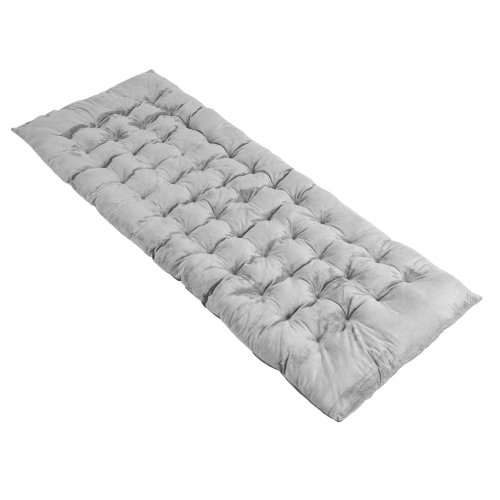
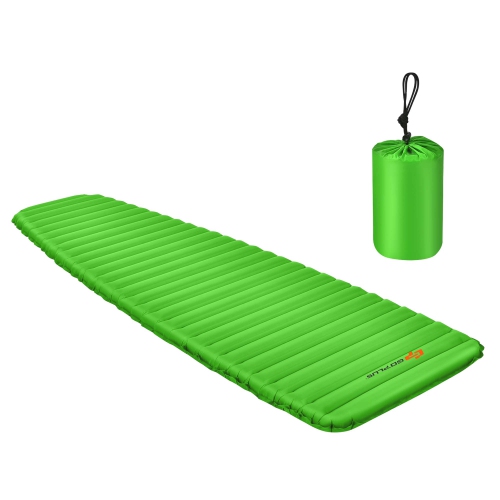
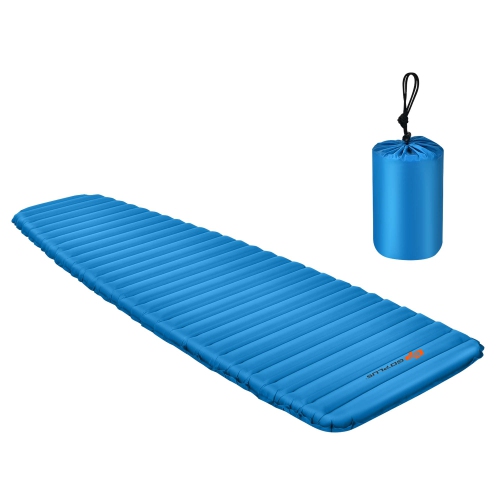
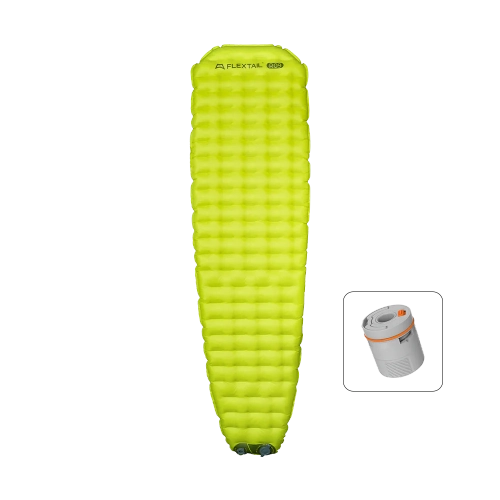
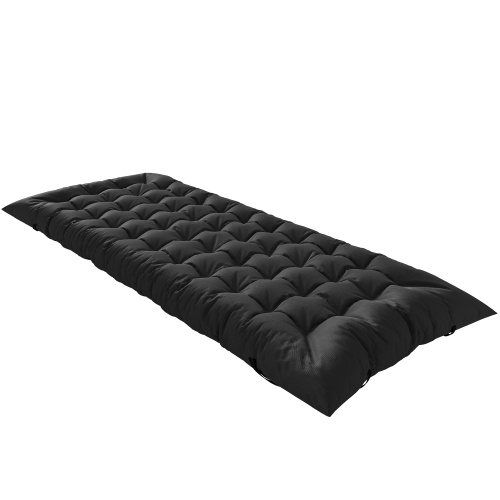
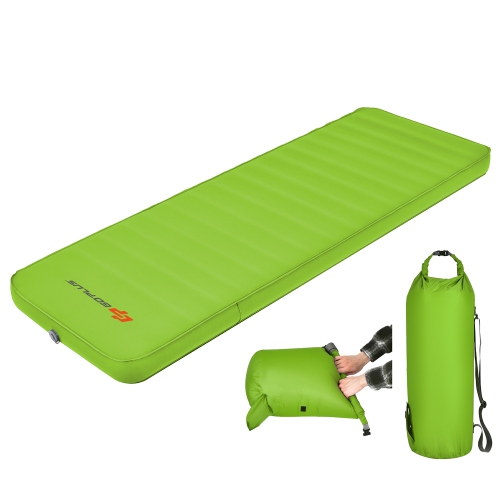
Sleeping pad comfort goes beyond thickness alone
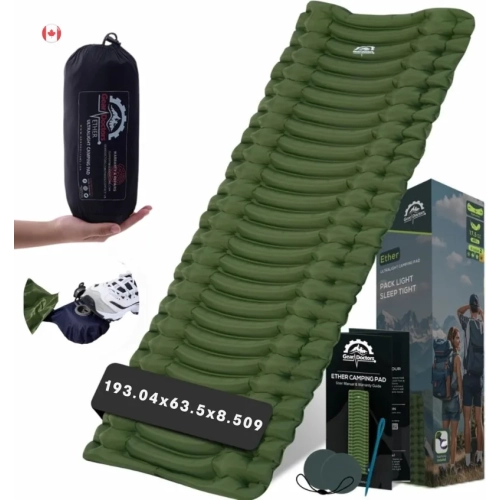
Fit is about more than matching a pad’s length to a person’s height. The usable sleeping surface should support the intended sleeping position, including room for shoulders, arms, and movement during the night. A rectangular pad offers consistent width from head to foot, which can feel less restrictive for someone who turns frequently. A tapered or mummy-shaped pad reduces material around the legs and feet, helping limit packed bulk while fitting neatly beneath a similarly shaped sleeping bag. Shorter pads are intended for sleepers comfortable with partial-length support, rather than being a direct substitute for a full-length design. Width deserves particular attention when sharing a tent: two wide pads may exceed the floor dimensions even when the tent’s stated capacity suggests room for two people. Comparing actual measurements helps avoid overlapping edges or a sleeping surface pressed against the tent walls. Thickness also needs to be considered alongside firmness and internal construction. A thick air pad that is underinflated can allow a hip to press through to the ground, while excessive inflation can make the same pad feel rigid. Adjusting the air while lying in a normal sleeping position gives a better sense of support than pressing down with a hand. Fabrics and surface finishes affect comfort, too. Nylon and polyester shells are common, with coatings or laminates helping inflatable designs hold air. Textured surfaces may help reduce sleeping-bag movement, while the arrangement of baffles can influence stability when rolling over. Some materials rustle more noticeably than others, something light sleepers and tent mates may appreciate knowing. For ground insulation, look at the stated R-value when one is supplied; a higher value indicates greater resistance to heat flow, not a softer or thicker sleeping surface. Ratings measured using the same recognized test method offer a more useful comparison than appearance alone. Insulation performance should be considered alongside the sleeping bag and the rest of the sleep setup, because a pad’s cushioning and its ability to limit heat loss serve different purposes.
Everyday handling has a substantial effect on how well a sleeping pad lasts. Before laying one out, clear sharp stones, sticks, and other debris from the sleeping area, and check that the tent floor is free of grit. A durable shell still benefits from a suitable protective surface; it is not a replacement for careful placement. Fabric denier can provide some context about yarn thickness, but it does not tell the whole durability story, since the weave, coating, seams, and construction also matter. For inflatable pads, accessible valves and a straightforward inflation method can make setup easier after a long walk. A compatible pump sack moves air into the pad without repeated breath inflation and helps limit moisture introduced inside. Integrated pumps and separate inflation accessories work differently, so compatibility and the manufacturer’s directions are worth checking. Packing an appropriate repair kit can turn a small puncture into a manageable interruption rather than the end of a comfortable night. Repairs generally need a clean, dry surface and adhesive suited to the pad material. After a trip, wipe away dirt using the cleaning method specified by the manufacturer, then let the pad dry fully before storage. Avoid machine washing, strong cleaning agents, or prolonged compression unless the care instructions specifically allow them. Many self-inflating pads benefit from being stored unrolled with the valve open in a dry place, while air and foam designs may have different requirements. Practical details such as an easy-to-grip valve, a stuff sack that does not demand perfect folding, and a manageable packed shape can matter as much as headline dimensions. Sleeping pads can also provide occasional cushioning for hut stays or simple overnight arrangements where a portable sleep surface is appropriate, though they are not generally designed to replace an everyday bed. For a separate bedroom refresh, Boxing Day Sale on Mattresses focuses on mattresses rather than portable camping pads. Keeping those uses distinct makes it easier to match the sleep surface to the setting, whether the priority is carrying it comfortably down a trail, fitting it inside a shared tent, or packing it away neatly after the trip.
Top selling and popular products
-
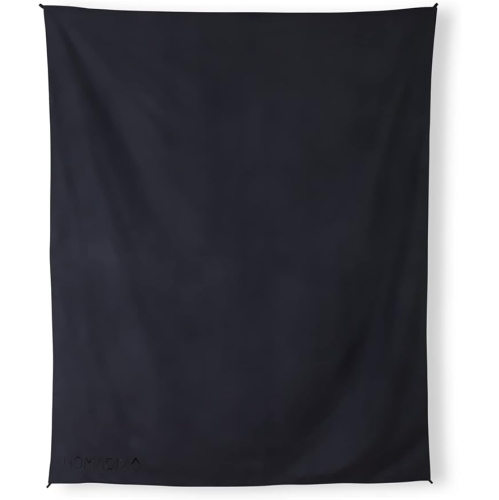 Your price for this item is $109.95
 -
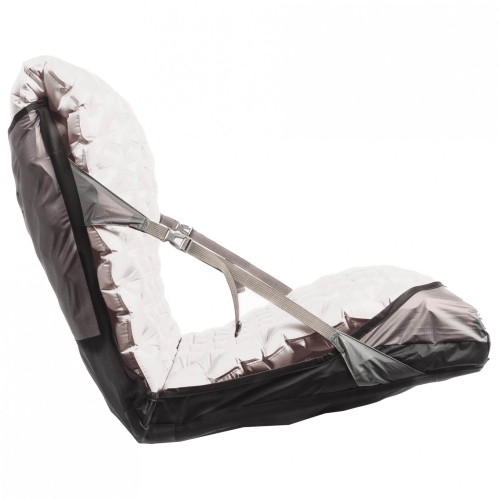 Your price for this item is $89.95
 -
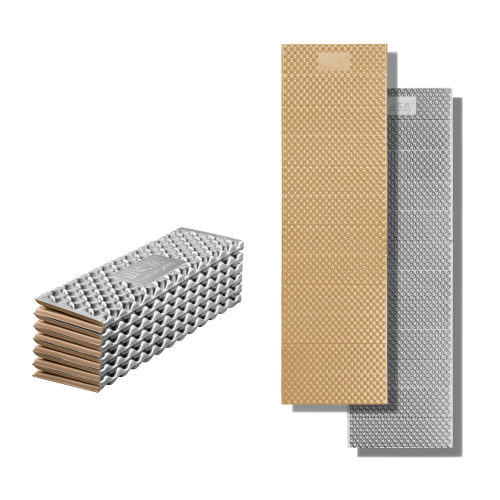 Your price for this item is $75.95
 -
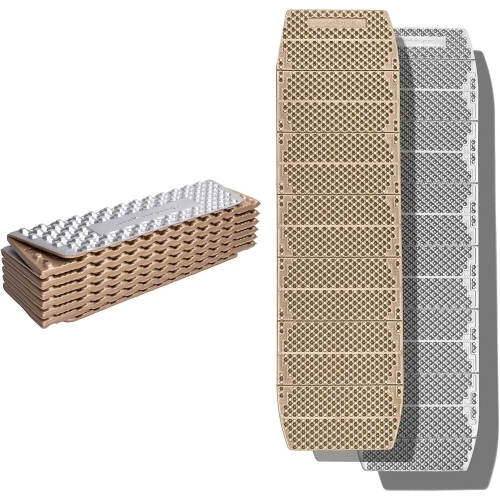 Your price for this item is $59.95
 -
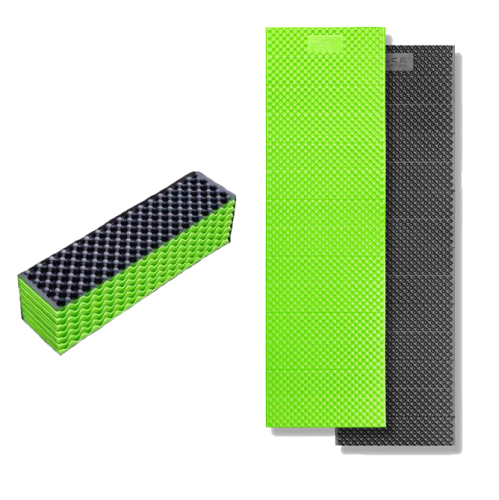 Your price for this item is $39.95
 -
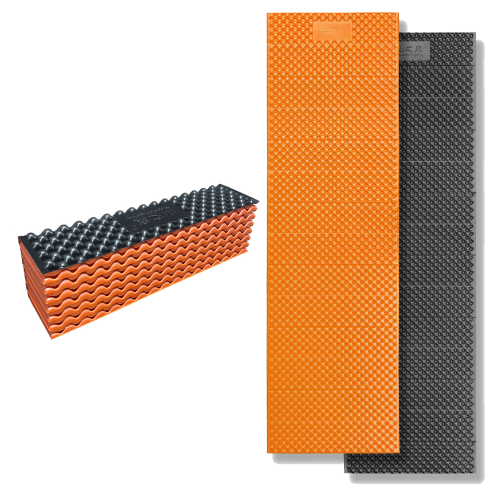 Your price for this item is $39.95
 -
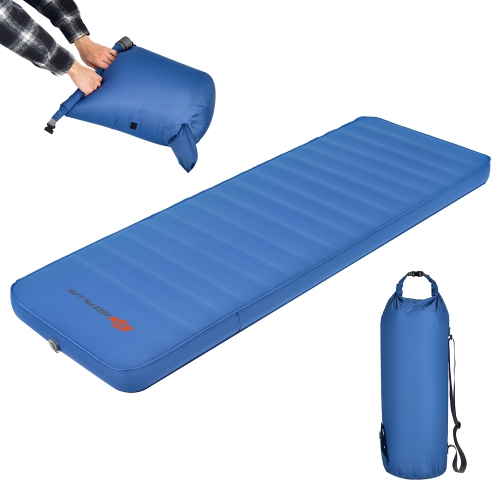 Your price for this item is $108.99
 -
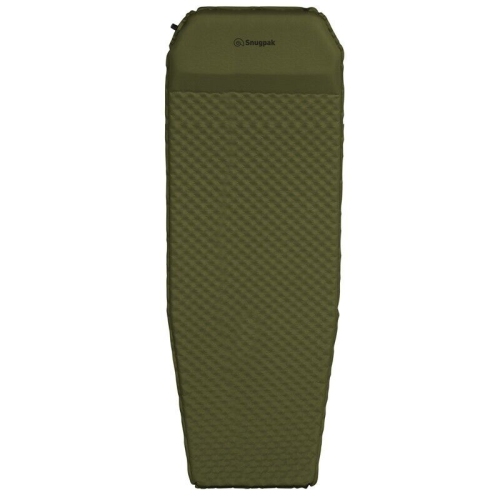 Your price for this item is $169.95