Boxing Day Sale On Smart Locks
Unlock incredible savings with the Boxing Day sale on smart locks. Discover unbeatable deals on advanced home security solutions designed to fit your lifestyle. Whether upgrading your entryway or enhancing convenience, now is the perfect time to take advantage of limited-time offers. Shop the Boxing Day sale on smart locks and bring a new level of control and peace of mind to your home. Remember, our Low Price Guarantee means you can shop confidently knowing that you'll find the best price at Best Buy, all year round. We encourage you to check our website frequently for the most up-to-date information on our latest offers and savings opportunities.
Sort
Keyless entry that fits your door and daily routines
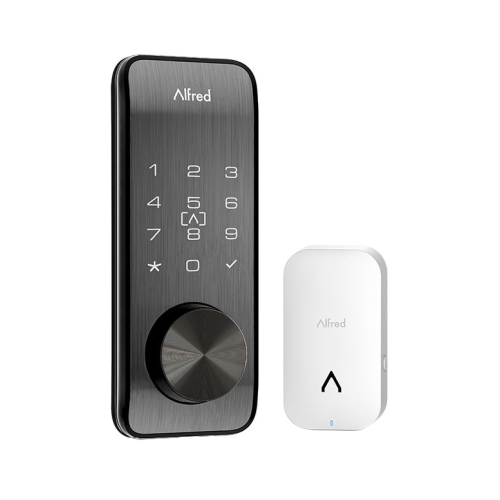
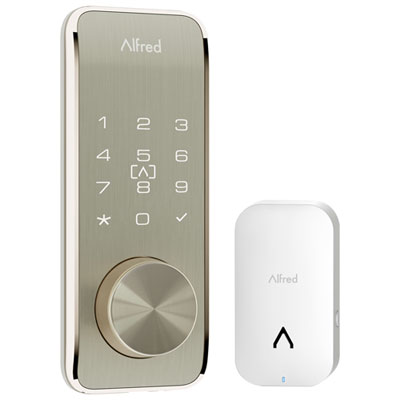
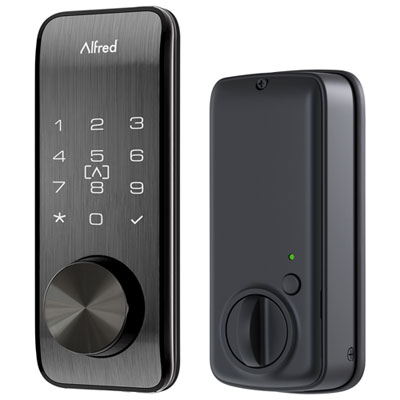
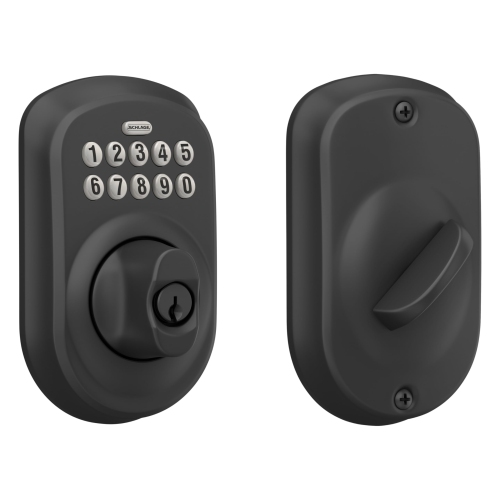
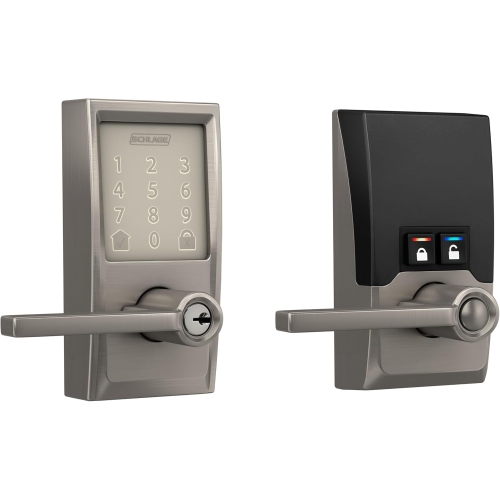
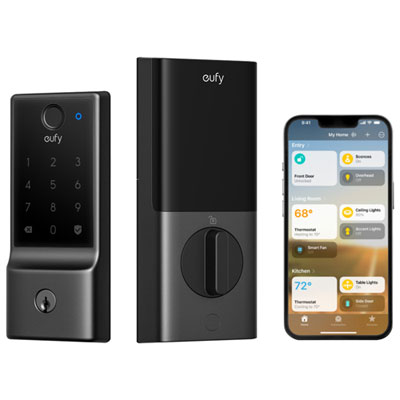
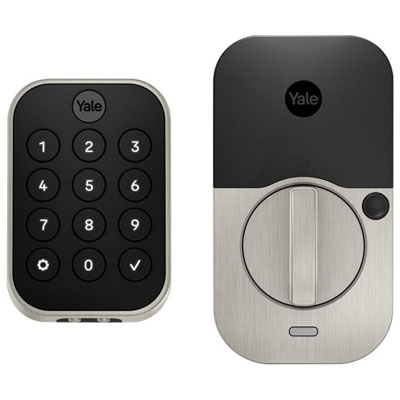
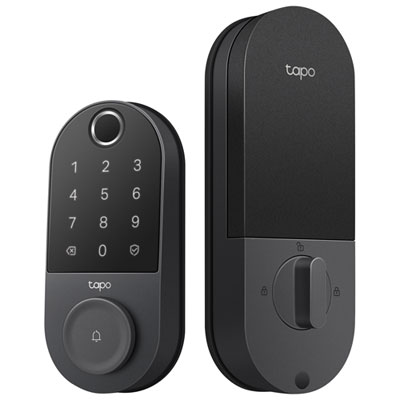
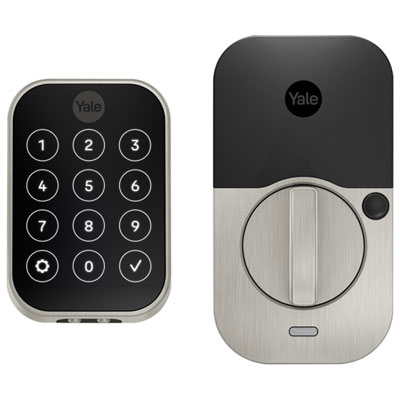
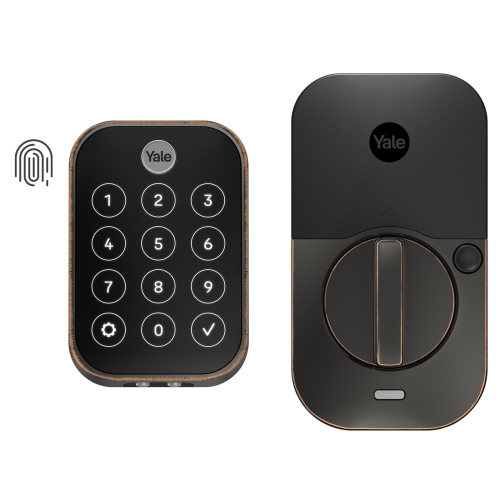
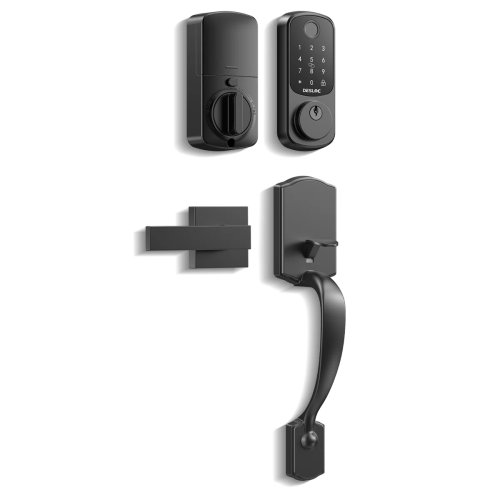
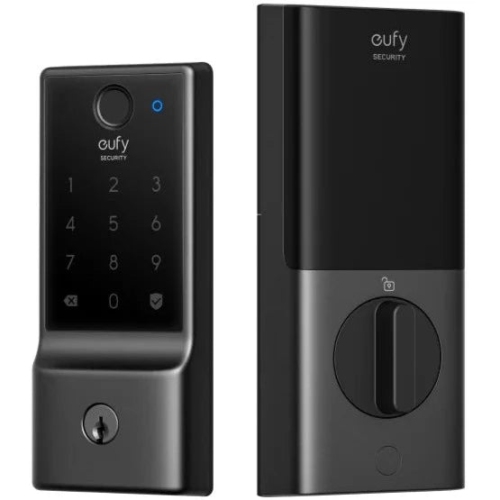
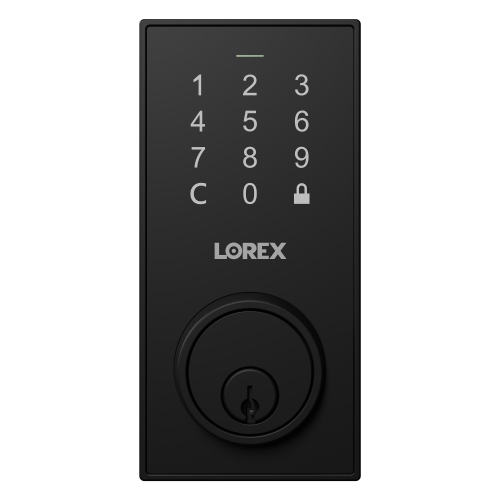
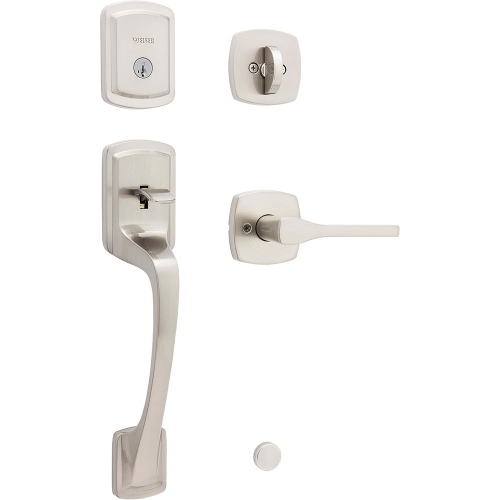
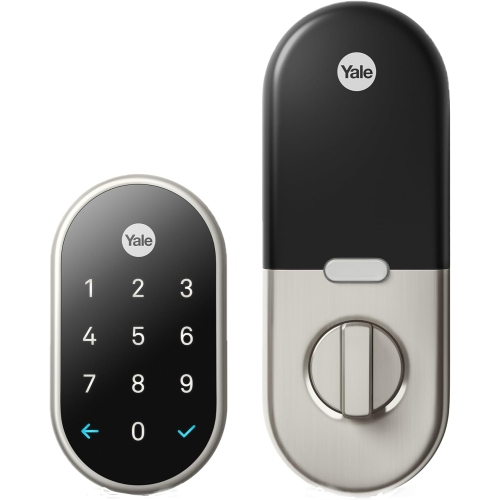
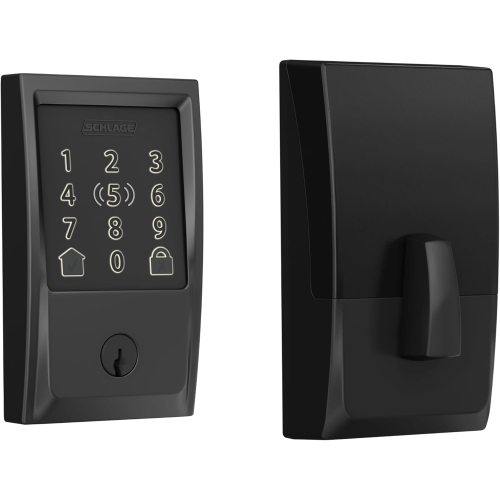
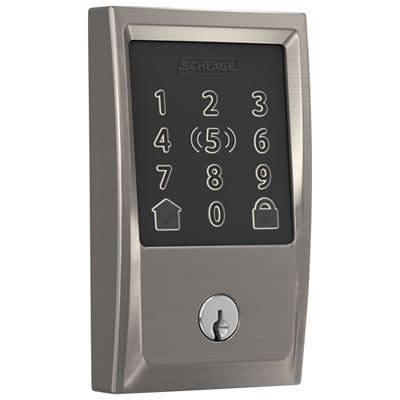
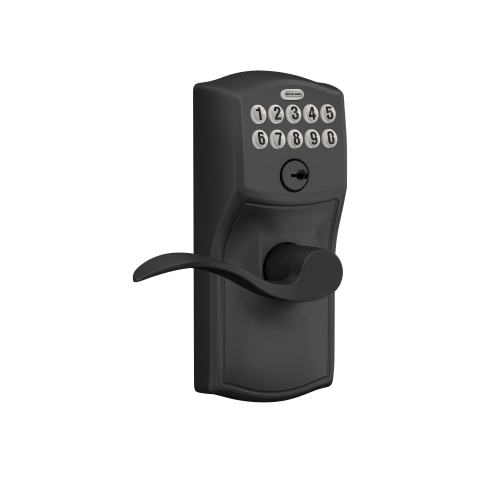
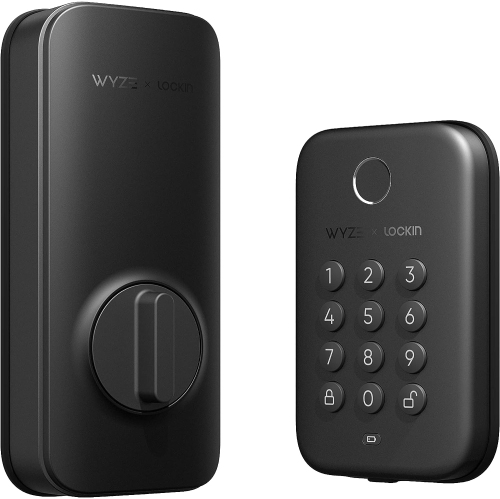
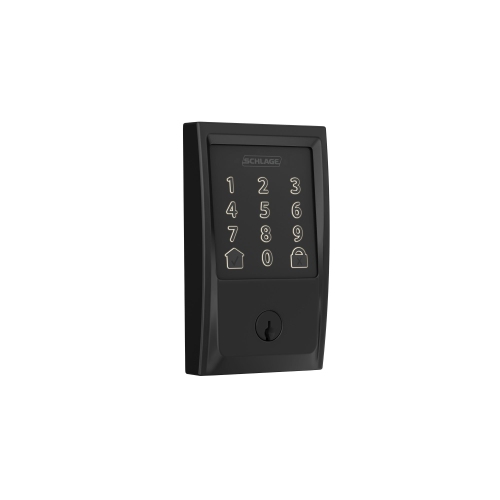
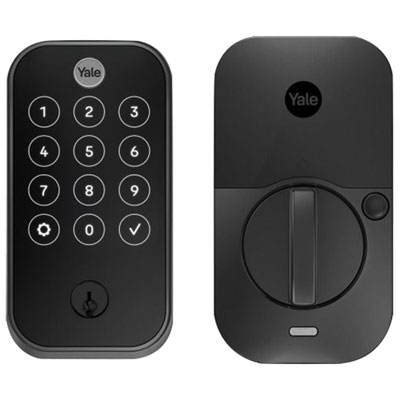
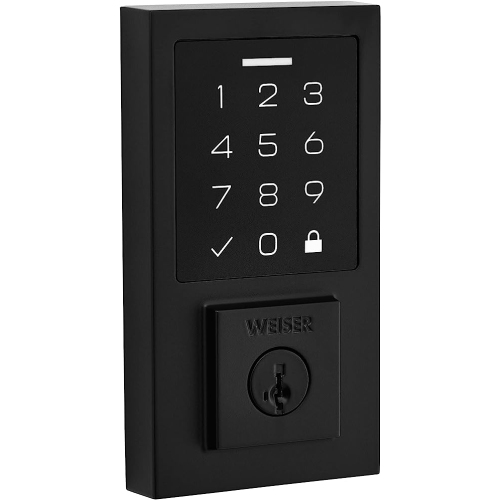
Smart locks bring keyless entry and flexible access control to compatible doors, making them a practical choice for a Boxing Day home upgrade. Instead of relying solely on a metal key, a household can use an entry code, a compatible smartphone, or another supported credential to unlock the door. The available entry methods vary by design, and some locks retain a traditional key cylinder as an additional option. This flexibility suits everyday moments such as arriving with grocery bags, letting a family member in after school, or giving a dog walker access without handing over a spare key. Smart locks generally fall into two broad styles: complete replacements that change the exterior and interior lock hardware, and retrofit designs that work with part of an existing deadbolt. The right fit depends on the door’s thickness, existing bore holes, backset, and lock configuration. A standard deadbolt opening is different from a mortise lock or a multipoint locking system, so compatibility matters more than a similar appearance. There also needs to be enough clearance around the interior thumb turn, door trim, and nearby handles. A door that already closes smoothly gives the motorized mechanism a better starting point; a bolt that catches against the strike plate can affect reliable operation and battery life. Materials and finishes contribute to both appearance and everyday durability. Exterior housings may combine metal components with protective covers, while interior assemblies typically contain the motor, batteries, and controls. A satin, dark, or polished finish can coordinate with existing handles and hinges, although finish names alone do not guarantee an exact colour match. The durability of the latch, mounting hardware, keypad surface, and protective finish matters alongside the look of the lock. For a frequently used front entrance, easy-to-read controls and a comfortable grip on the surrounding door hardware can be more useful than an elaborate appearance. Side entrances and doors between a garage and living space may call for a different balance of visibility, access methods, and household permissions.
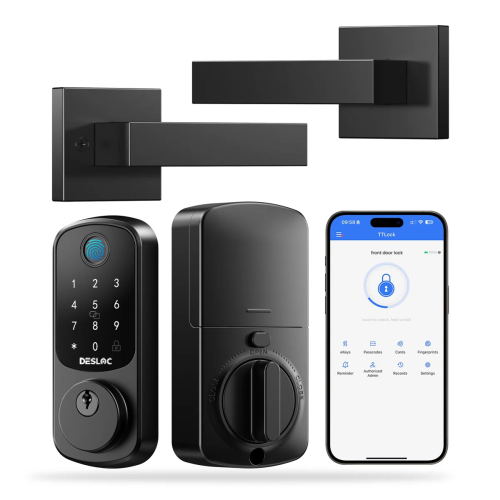
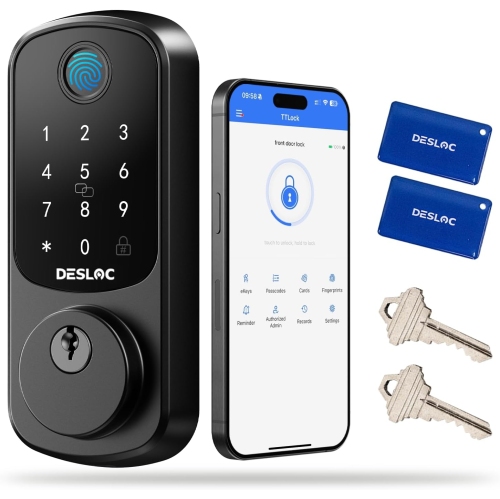
Connectivity determines how a smart lock fits into daily routines. Bluetooth commonly supports communication with a nearby phone, while remote access may depend on built-in Wi-Fi, a separate bridge, or a compatible smart-home hub. A lock that works with a voice assistant or home platform still needs the appropriate connection and permissions for each supported function. Remote locking, activity notifications, and temporary access are not automatically included with every design or setup. It is also useful to distinguish the position of the deadbolt from the position of the door: a lock can report that its bolt is extended without confirming that the door itself is closed unless a compatible door sensor provides that information. For a household managing several schedules, individual entry codes can make access easier to organize. A regular caregiver might need recurring access during agreed hours, while a visiting relative may only need a code for a short stay. Where supported, scheduled or temporary credentials let those arrangements end without collecting a physical key. Children or older family members may prefer a clearly marked keypad to an app, and tactile buttons can feel different from a smooth touchscreen. Fingerprint entry offers another option on supported designs, but enrolment, placement, and an alternative entry method remain important considerations. Battery power is another everyday detail that shapes ownership. Many smart locks use replaceable batteries, while others have rechargeable packs; the required battery type and replacement process vary. Low-battery alerts are helpful, but a sensible backup plan still matters, whether that is a retained key cylinder or a manufacturer-supported emergency power method. During an internet outage, local entry methods may continue to work even when remote features are interrupted. Those capabilities depend on the design, so household members should know which access methods work independently of a phone or home network. Reliable daily use comes from understanding those boundaries rather than assuming every connected feature will always be available.
A smart lock is most useful when its features match the people using the door. A busy family may value separate codes and a clear activity history, while someone who travels frequently may appreciate checking supported lock status from a distance. Shared households can benefit from access that is easy to update when arrangements change, although tenants and condominium residents may need approval before replacing door hardware. Accessibility deserves equal attention: the height of the controls, the force needed to operate the door, screen visibility, and the ease of turning the interior mechanism can all affect comfort. Automatic locking can be convenient, but its timing should suit normal routines, especially when someone steps outside briefly without a phone or key. Safe, straightforward exit from inside remains essential, and replacement hardware needs to suit any applicable building requirements. Long-term care is usually simple but should follow the manufacturer’s directions. A soft cloth can remove fingerprints and everyday marks; harsh cleaners, abrasive pads, and unapproved sprays may damage finishes or electronic components. Loose mounting screws, a shifting door, or a misaligned strike plate deserve attention rather than repeated attempts to force the motor through resistance. Digital upkeep matters too. Supported software updates, a protected app account, and careful management of shared access help keep ownership organized. When a phone is replaced or a household member moves out, reviewing credentials and account permissions prevents forgotten access from lingering. A smart lock can also be a thoughtful gift for a homeowner who wants fewer spare keys to manage, provided the door fit, preferred entry method, and installation arrangements are understood beforehand. For a broader Boxing Day connected-home update, smart thermostats complement the focus on convenient household control by addressing indoor comfort rather than entry access. For the lock itself, the strongest match is one that fits the existing door, works with the household’s preferred technology, and offers entry options that remain practical through ordinary changes in schedules, phones, and visitors.
Top selling and popular products
Top Collections:
Pokemon Centers, Best Cameras for Sports Photography, Kindle Devices, Samsung Galaxy Phones, Canon G7X Cameras, Pokémon 30th Celebration Cards, Refurbished Apple Laptops, iPhone 15 Apple, Laptops for Students, Budget Smartphones
Some products may be subject to Environmental Handling Fees
(EHF) depending on your province.
Learn more about EHFs.