Boxing Day Deals Coming Soon
Our Boxing Day Sale returns in December 2026. In the meantime, shop our current top deals below.

Boxing Day Sale On Tables
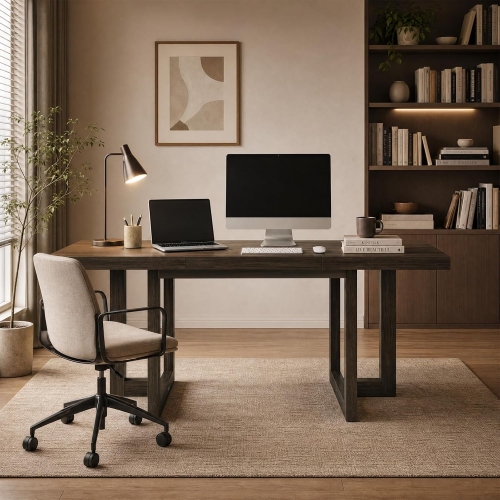
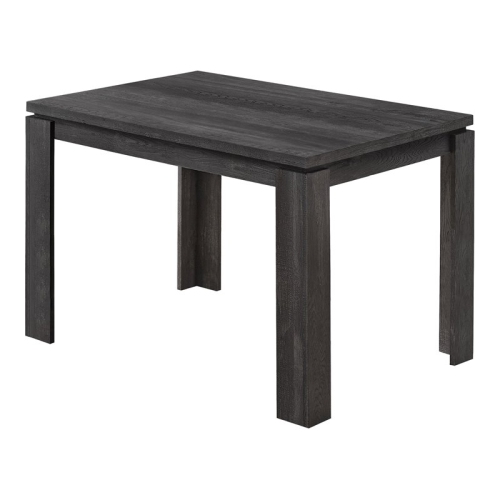
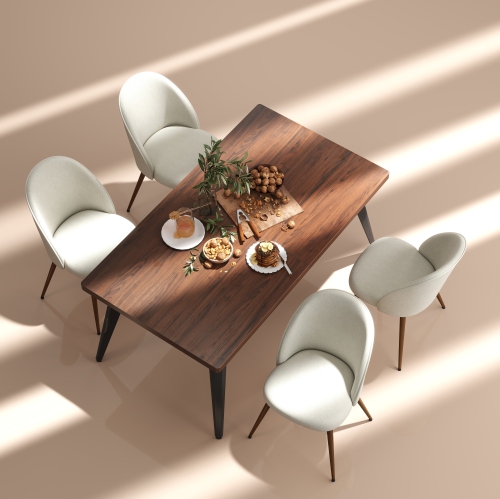
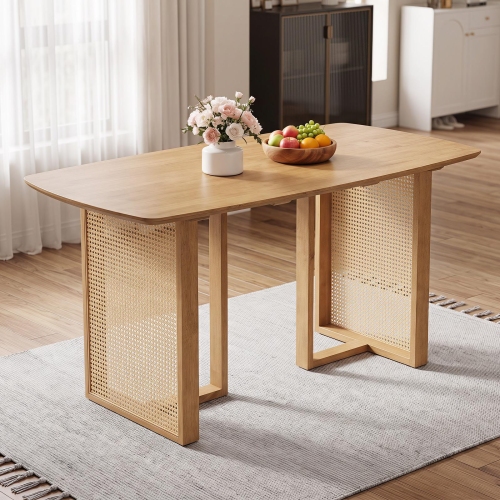
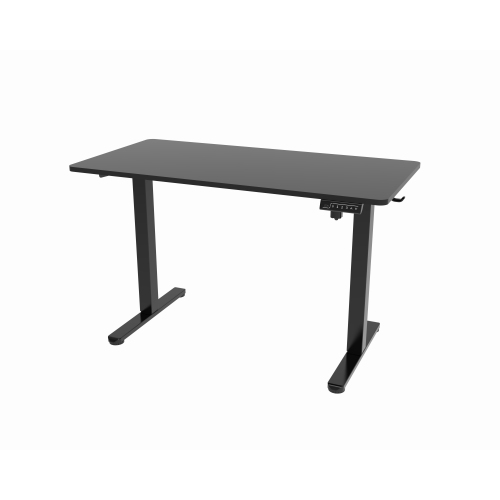
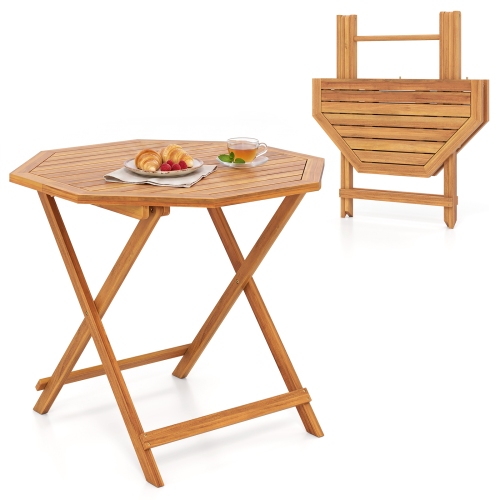
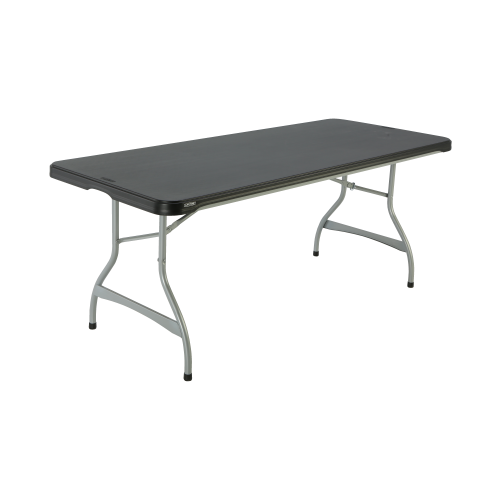
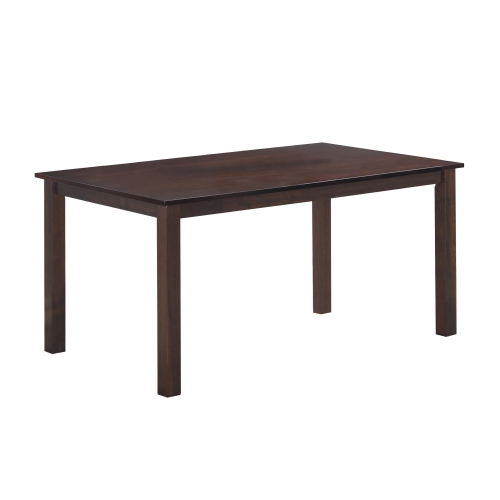
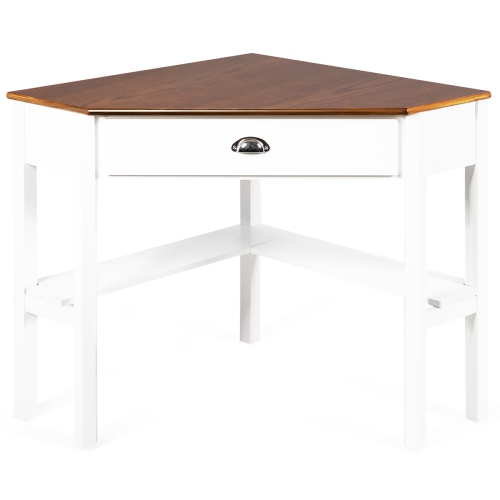
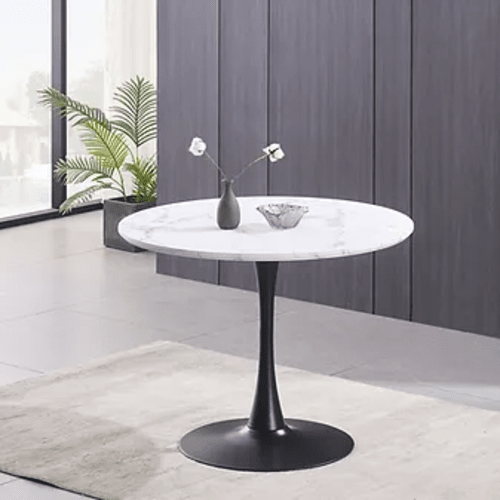
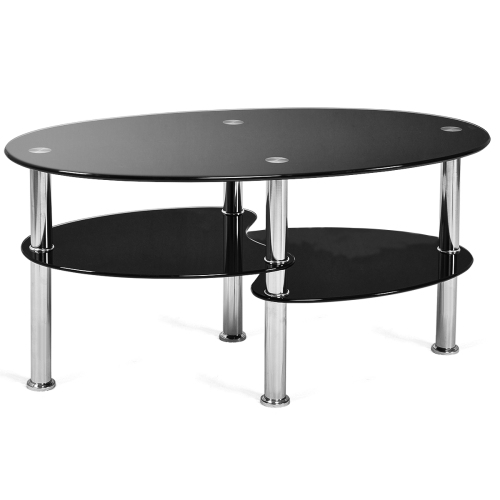
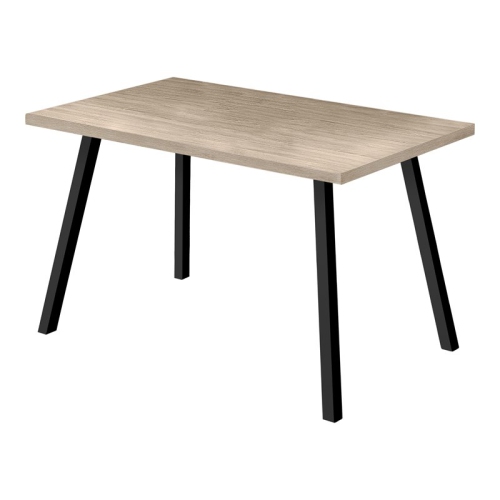
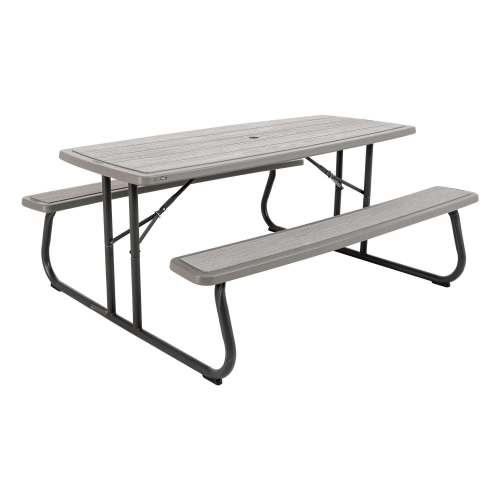
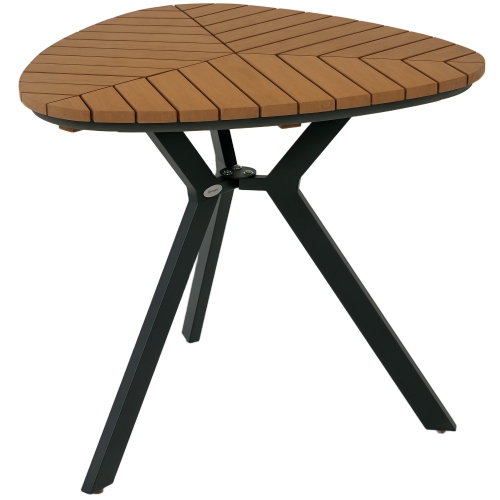
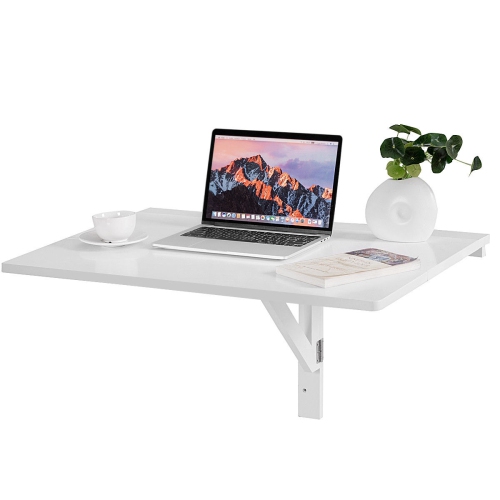
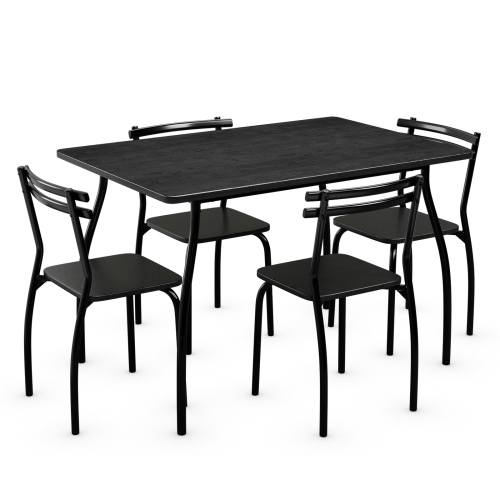
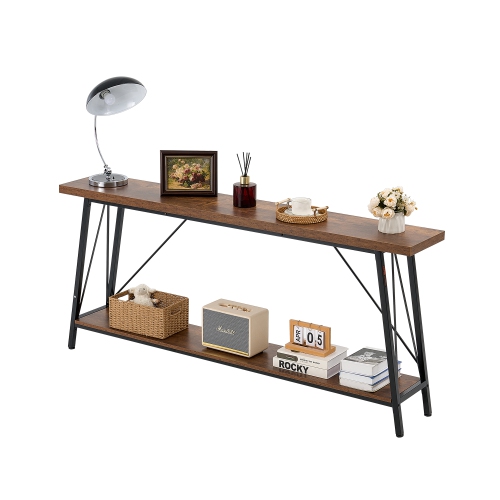
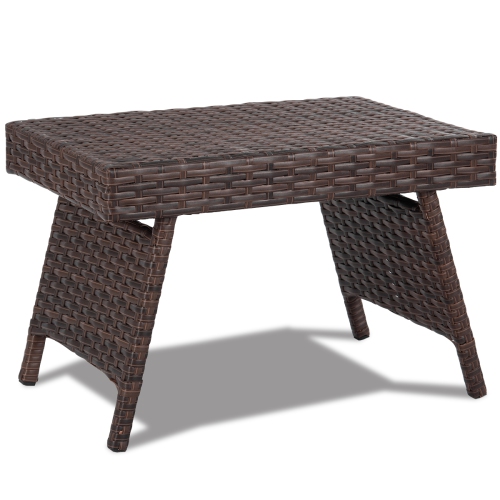
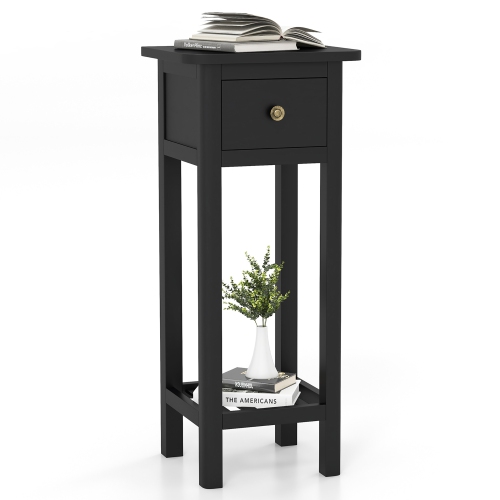
Boxing Day brings a fantastic opportunity to refresh your home with incredible deals on tables at Best Buy Canada. Whether you're looking to upgrade your dining space, add a functional coffee table, or find the perfect desk for your home office, our selection has something for every style and need. Explore a variety of designs from sleek modern pieces to timeless classics, all available at unbeatable prices. Don't miss out on this chance to elevate your living spaces with high-quality tables that combine both form and function. Remember, our Low Price Guarantee means you can shop confidently knowing that you'll find the best price at Best Buy, all year round. We encourage you to check our website frequently for the most up-to-date information on our latest offers and savings opportunities.



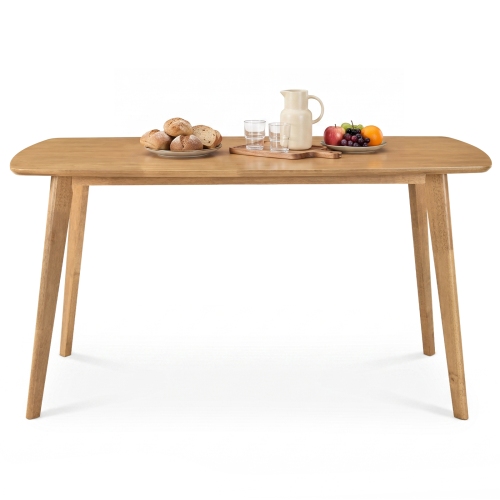


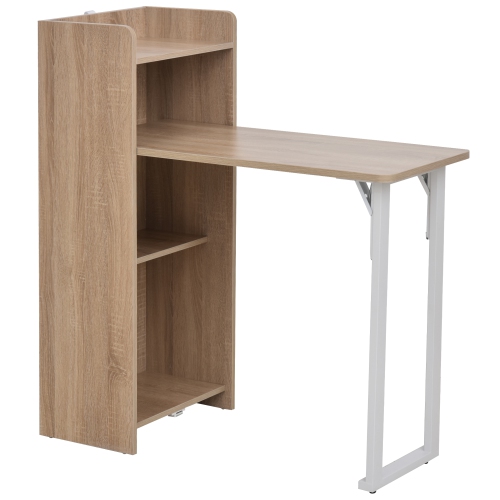
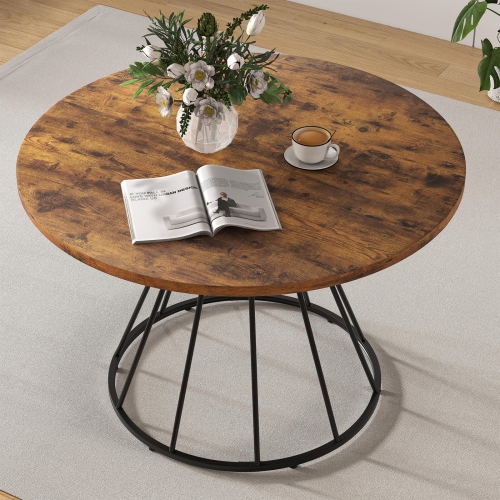

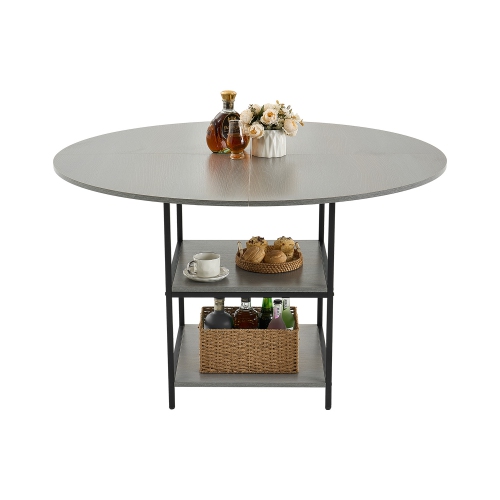
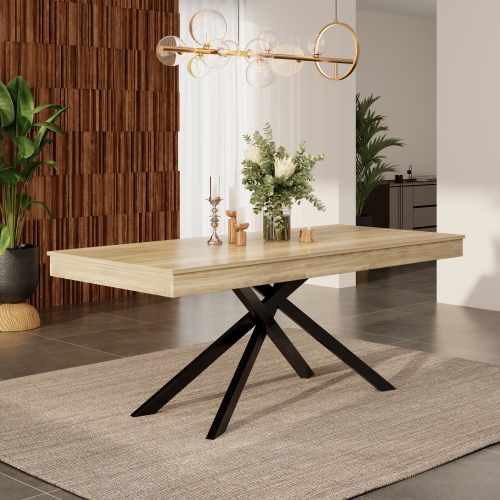


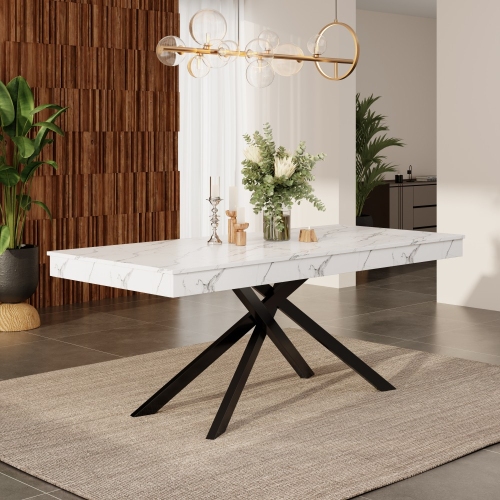
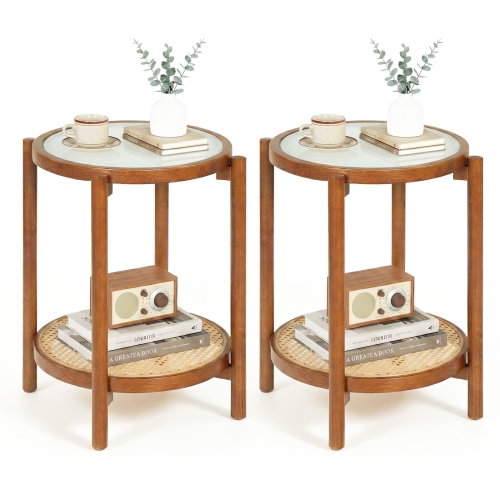


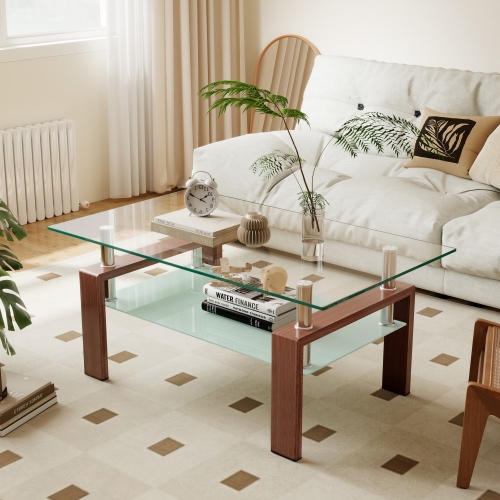



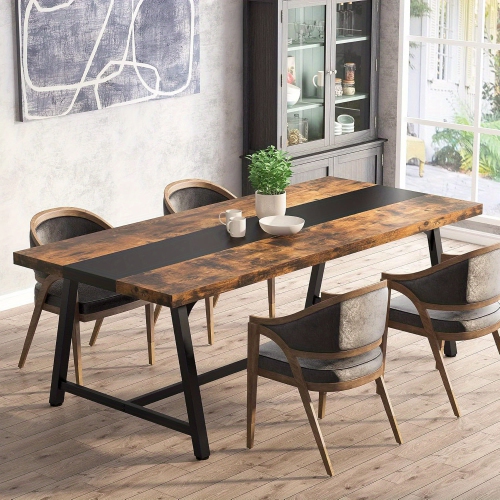
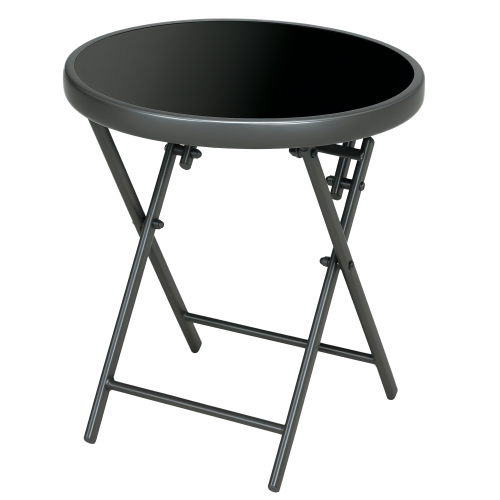


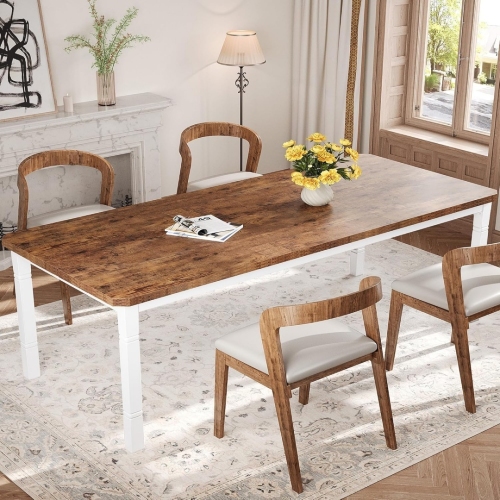
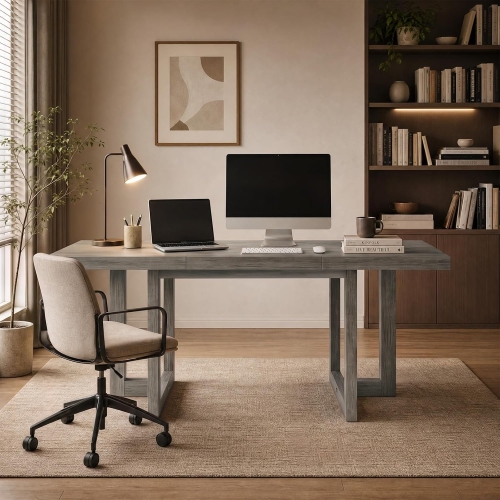
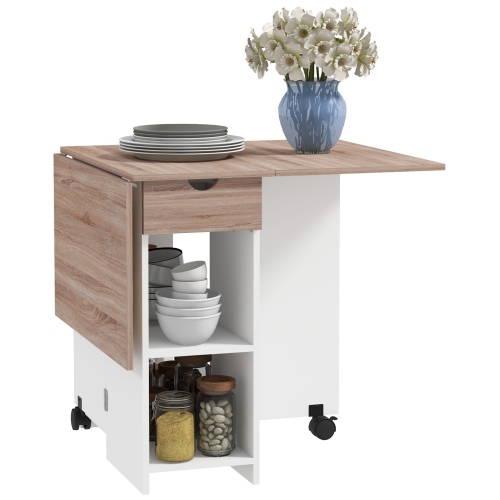
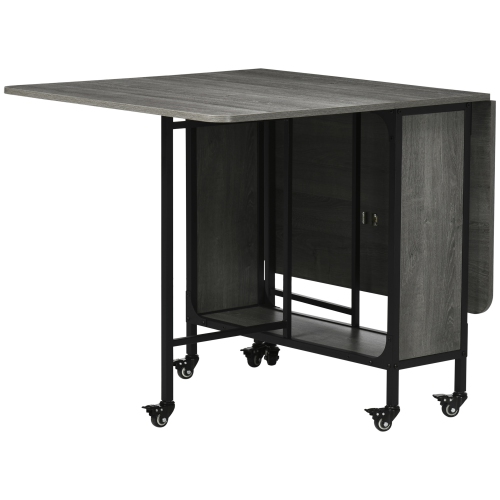
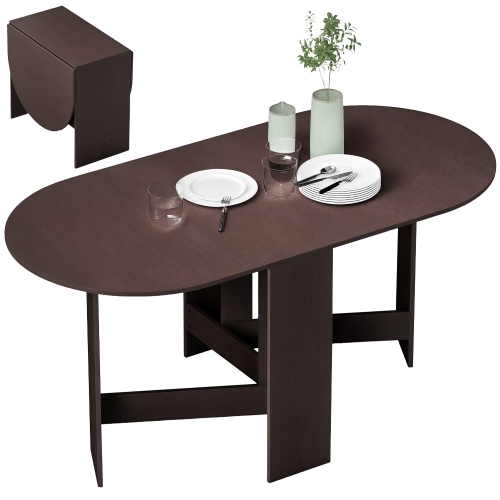
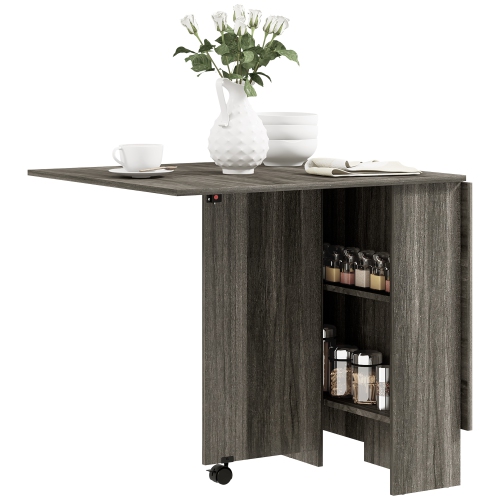

















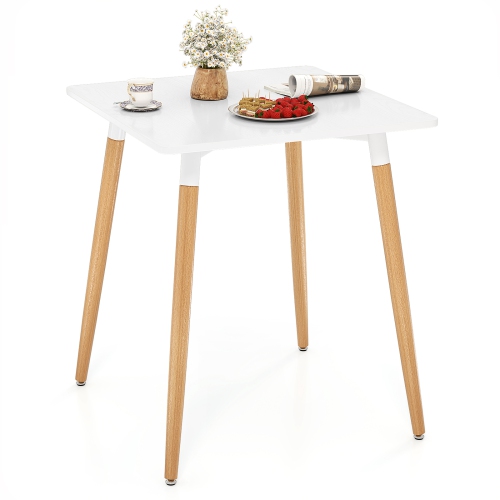

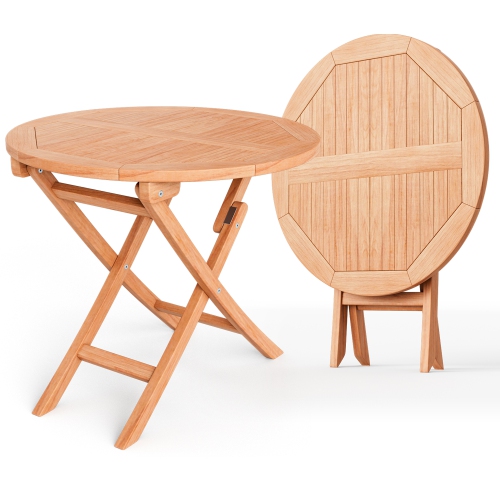
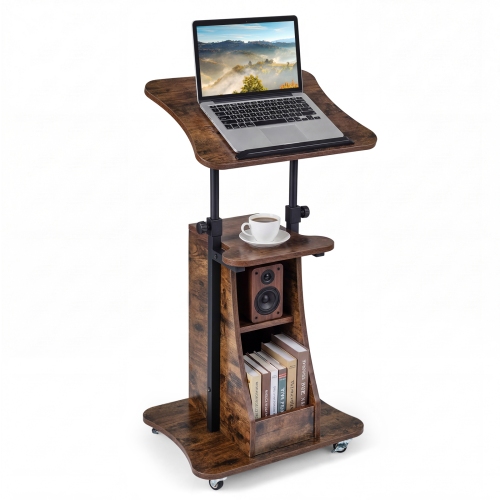
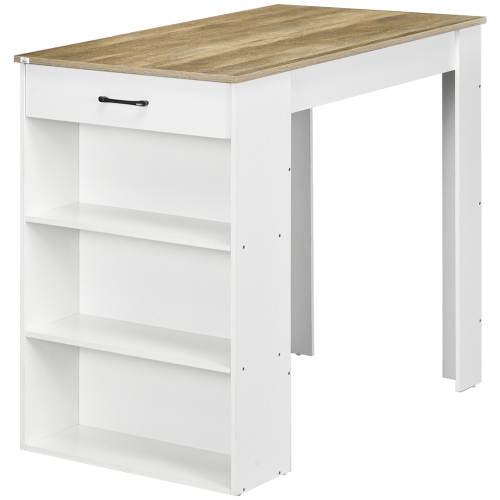
















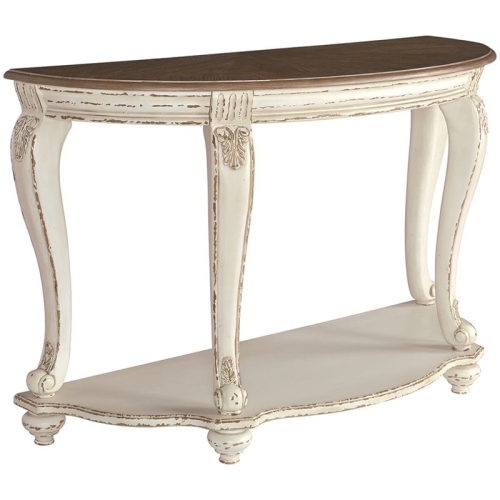
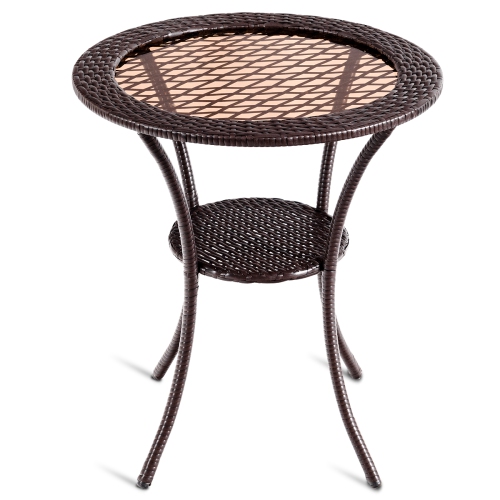
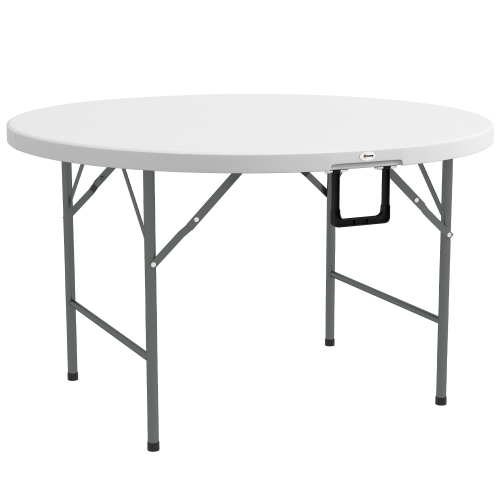


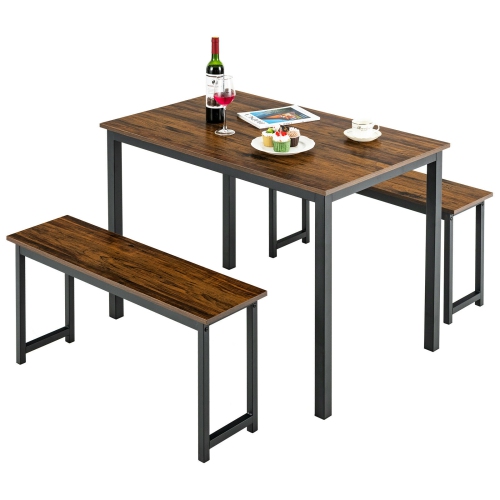

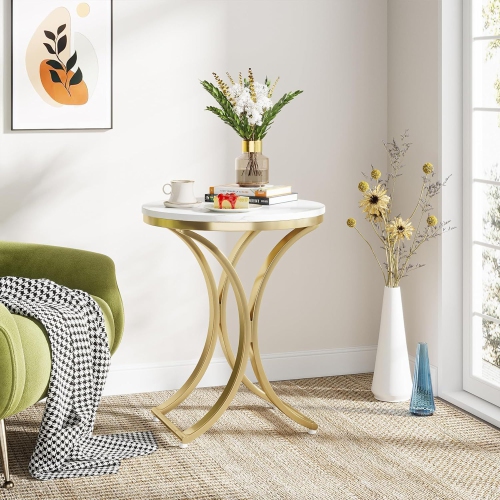


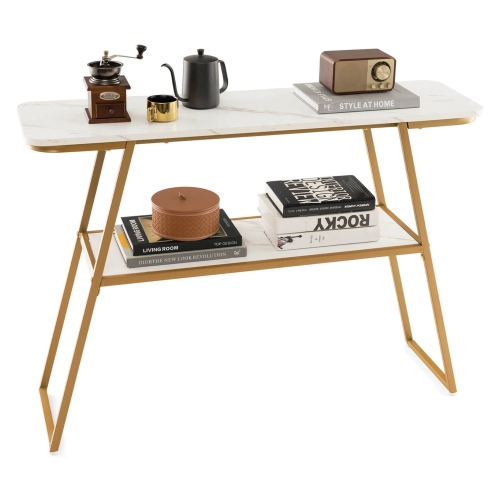


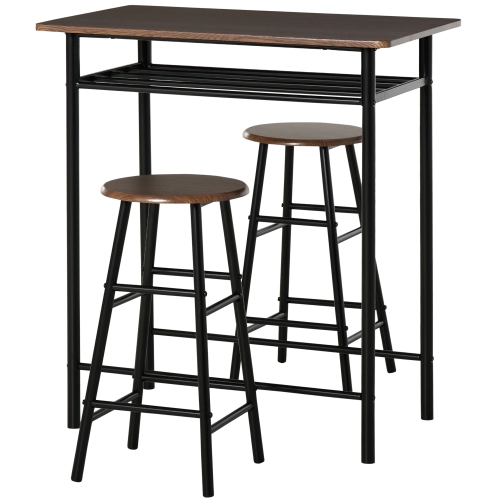
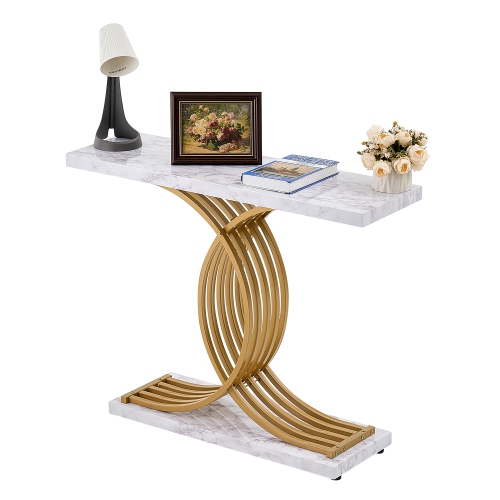















Why table fit goes beyond length and width
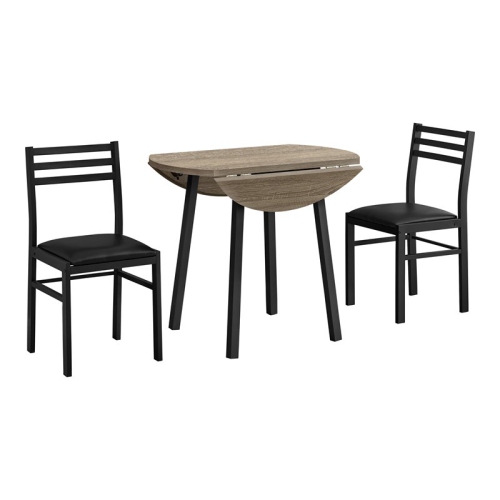
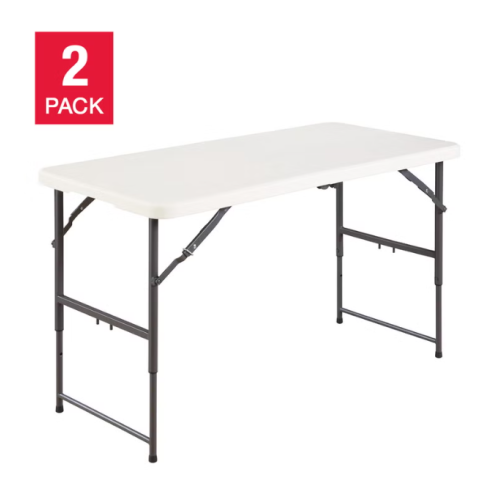
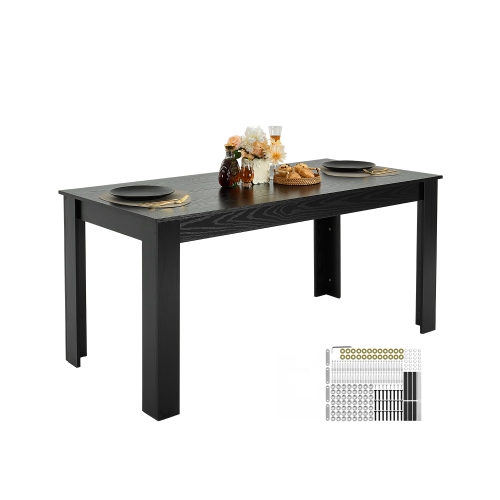
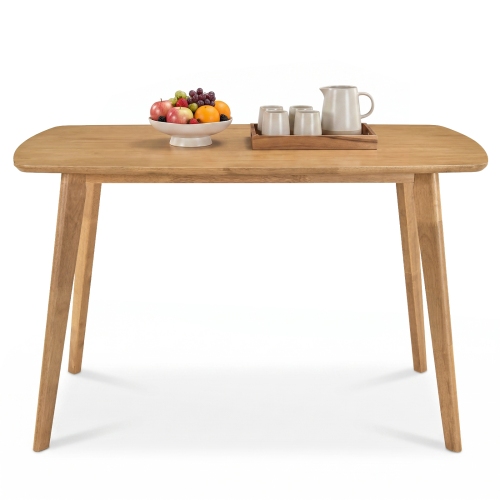
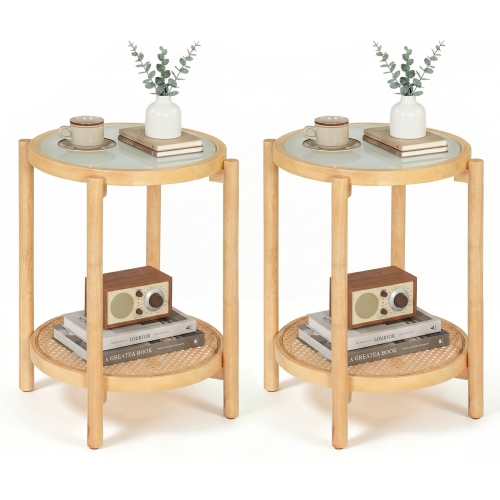
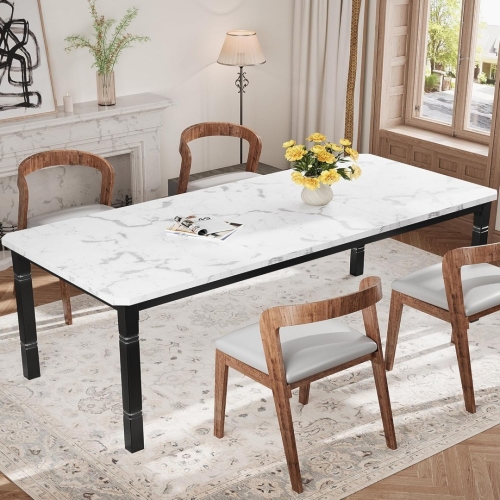
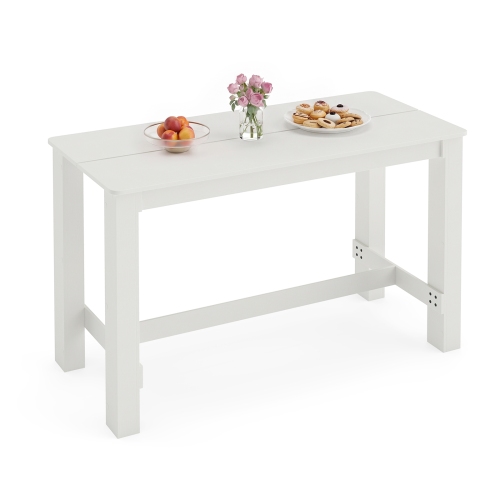
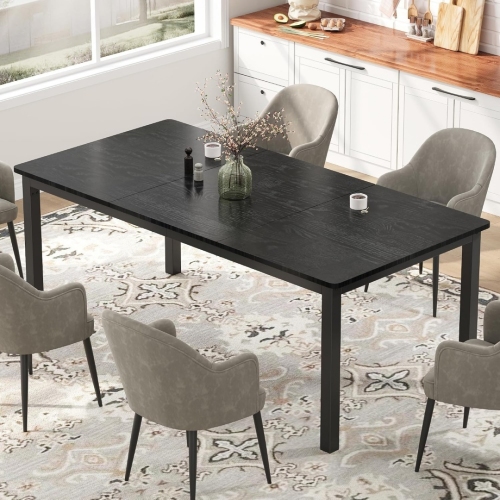
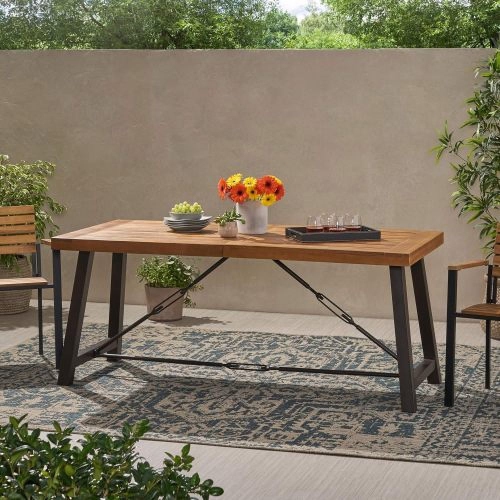
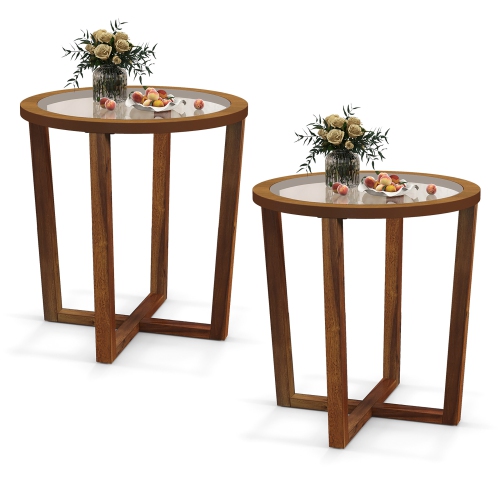
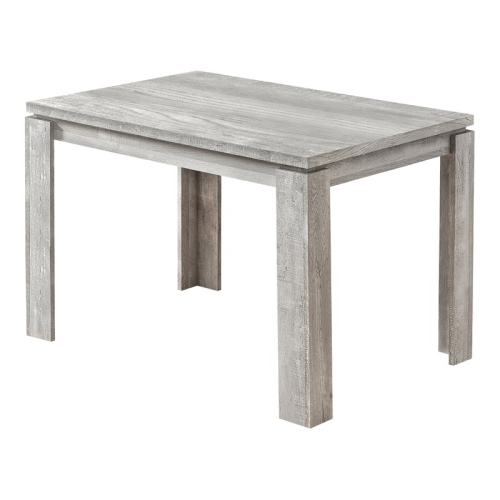
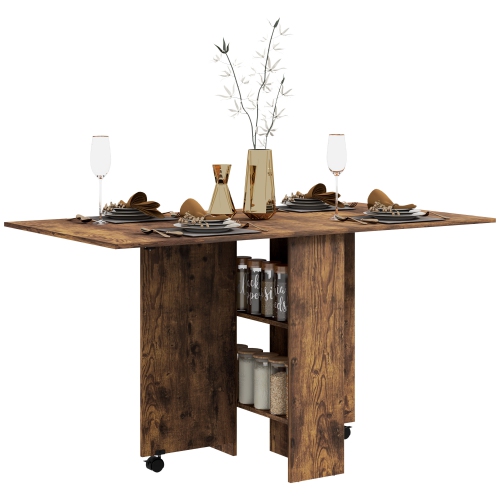
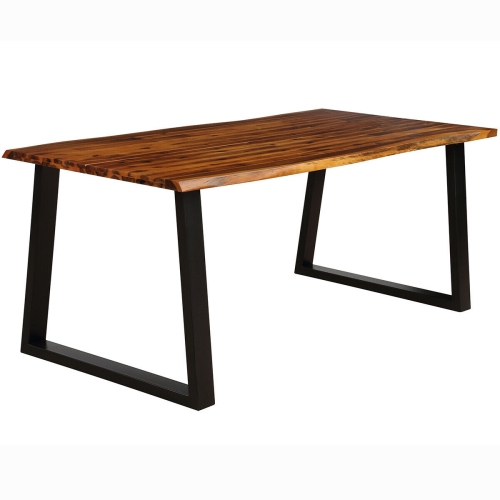
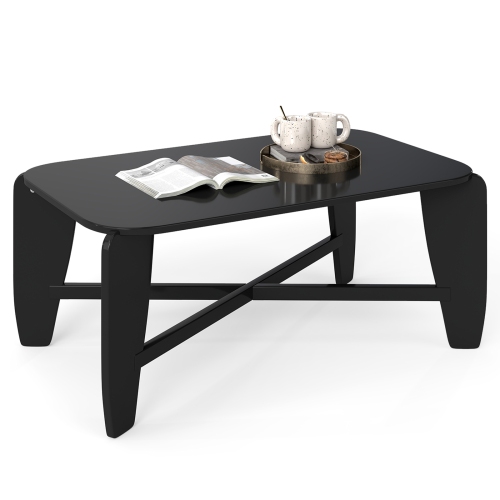
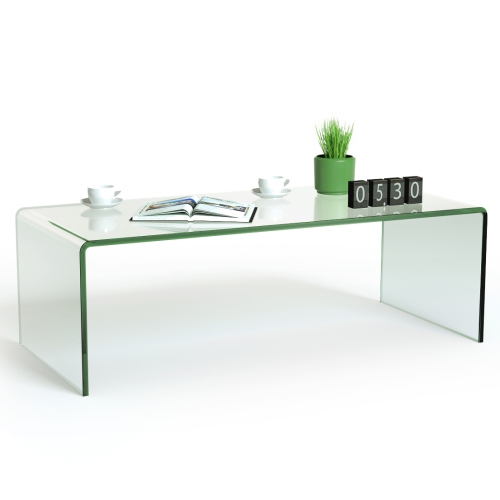
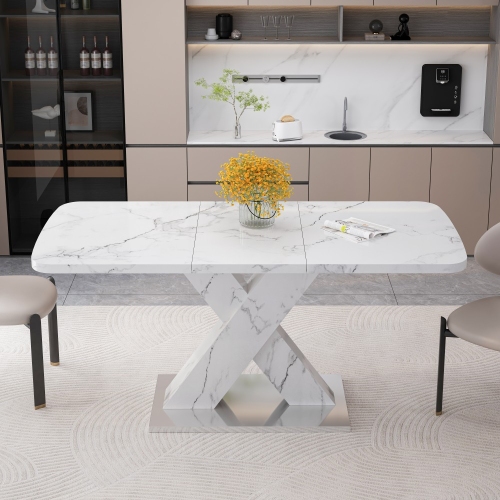
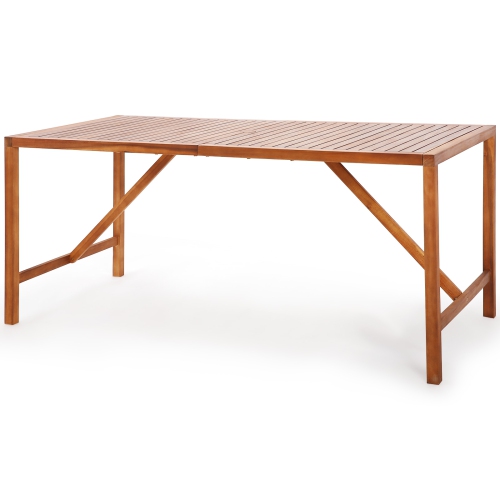
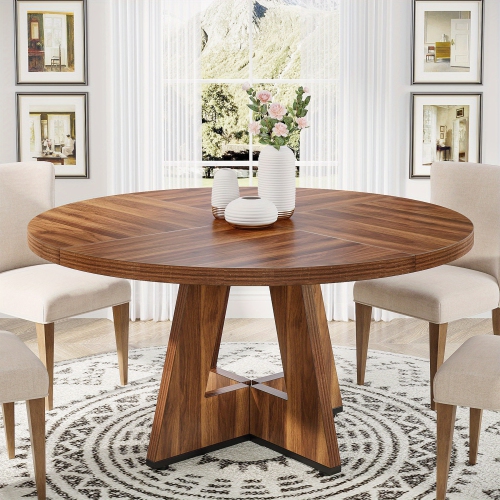
Materials influence a table’s character, weight, upkeep, and suitability for daily use. Solid wood brings visible grain and natural variation, with finishes ranging from pale and understated to deep and richly coloured. Its appearance can develop with use, though resistance to marks depends on the wood species, construction, and protective finish. Wood veneer offers a real-wood surface over a supporting core, but it generally needs more caution around deep scratches and refinishing. Laminate and melamine surfaces can be practical for busy eating areas, craft sessions, and frequently used work surfaces; their performance depends on the quality of the finish, edges, and underlying construction. Glass tops keep sightlines open and let a distinctive base remain visible, which can help a furnished room feel less visually crowded. They also show fingerprints and require care around edges and corners. Metal bases can provide a slim profile or a more substantial industrial look, while painted and coated finishes vary in their resistance to chips and scuffs. Stone and stone-look surfaces offer another range of textures, but natural stone, ceramic, and manufactured materials do not share identical care requirements. Some surfaces need sealing or specific cleaners, so the manufacturer’s directions matter more than appearance alone. Coasters, placemats, and suitable trivets help protect many table finishes from moisture and heat. Spills are best addressed promptly, particularly near seams, joints, and exposed edges. A soft cloth and an appropriate cleaner are usually preferable to abrasive pads that can dull a finish. Durability also comes from the parts that are less noticeable in a photograph: secure leg attachments, well-supported tops, stable bases, and extension mechanisms that align properly. For a table that will be moved regularly, manageable weight and accessible assembly hardware are useful considerations. Floor protectors can reduce marking, although they should suit the flooring and be checked for trapped grit. These details help a table remain comfortable to use rather than simply attractive to look at.
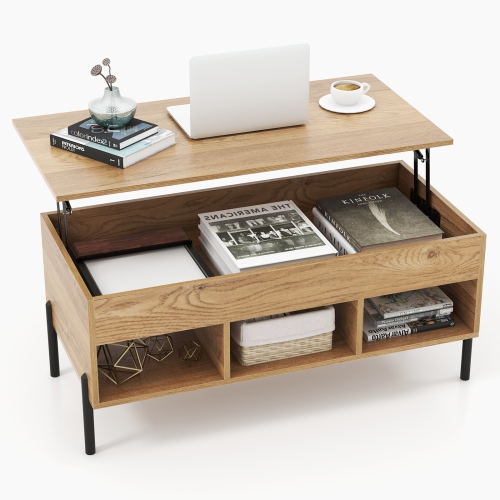
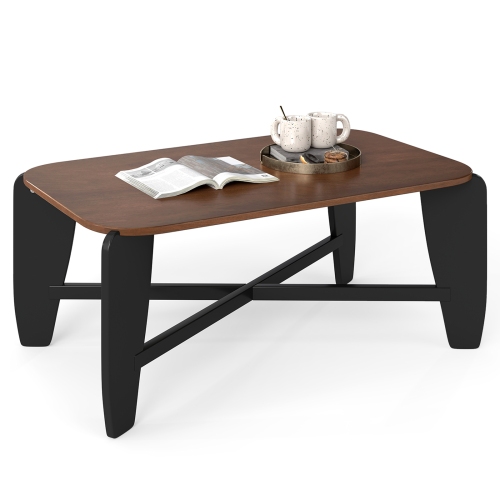
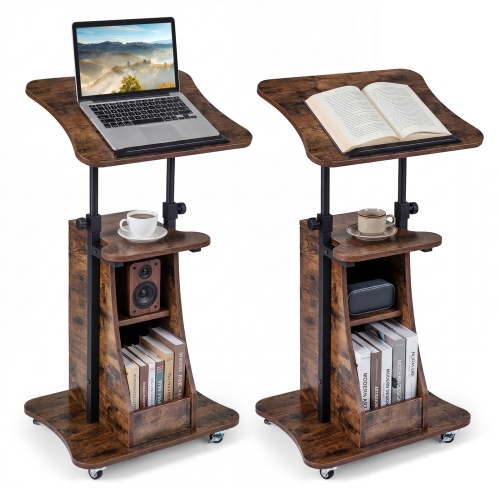
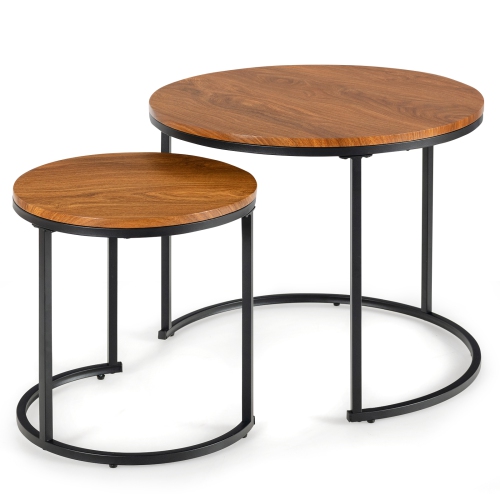
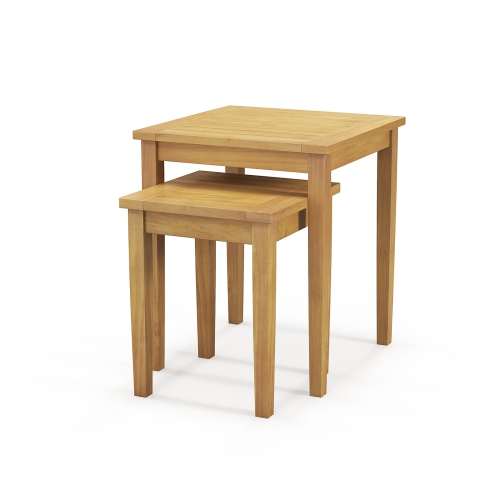
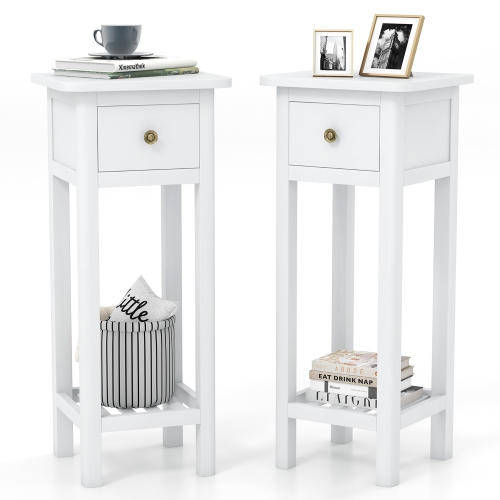
Everyday habits often reveal which table features will make the greatest difference. A family dining area may benefit from an easy-to-wipe surface and enough space between place settings, while a smaller household might prefer a compact table that leaves more room for circulation. Someone who regularly hosts board games may value a broad, uninterrupted top; a person who enjoys relaxed meals beside the sofa may find a suitably designed lift-top coffee table useful. Lift mechanisms have different operating instructions and weight limits, and a raised surface should not be assumed to function like a full dining table. Nesting tables provide separate surfaces that can be brought closer to guests and tucked together afterwards. Shelves and drawers can keep remotes, charging cables, and reading material nearby, though storage should not interfere with knees or legroom. An entryway console needs enough depth for its intended contents without making the hallway feel pinched, and taller, narrow furniture should be secured whenever the manufacturer recommends it. Households with young children may prefer rounded edges and stable construction, while anyone who finds heavy furniture difficult to move may appreciate lighter occasional tables. Visual balance matters alongside these practical needs. A substantial sofa can carry the presence of a larger coffee table, whereas slender legs and an open base may sit more comfortably beside lighter seating. Matching every finish is not essential: a shared wood tone, repeated metal detail, or similar shape can connect different pieces without making the room feel rigid. The Boxing Day Sale on Furniture page provides a broader setting for considering tables alongside other furnishings. Upholstered chairs, rugs, and storage pieces all influence how a table looks and functions within the room. The most satisfying arrangement leaves space for real routines, whether that means setting down grocery bags, spreading out a weekend project, or gathering comfortably around a meal.
Top selling and popular products
-
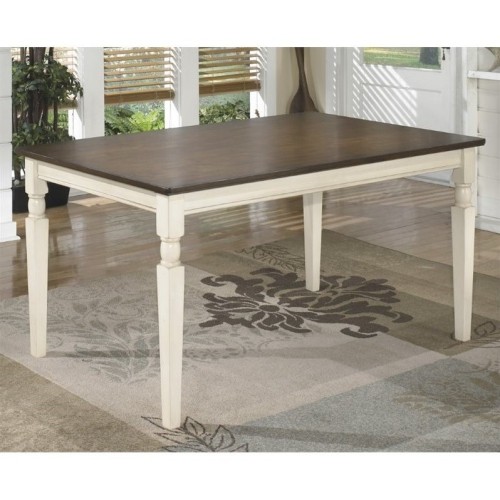 Your price for this item is $399
-
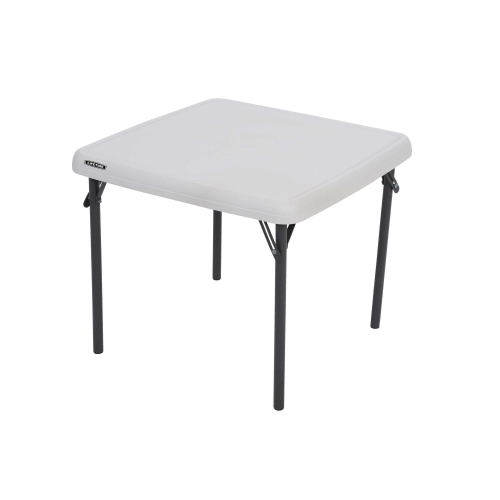 Your price for this item is $74.99
-
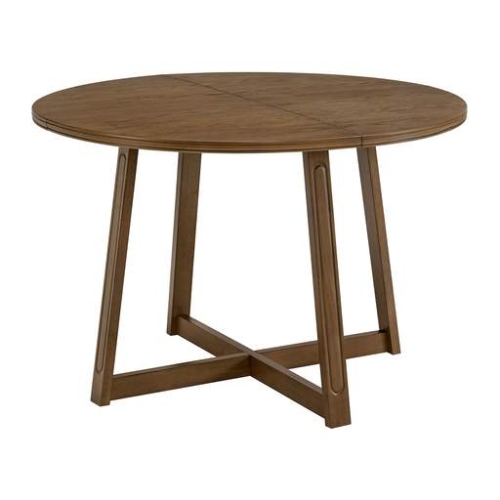 Your price for this item is $796.99
-
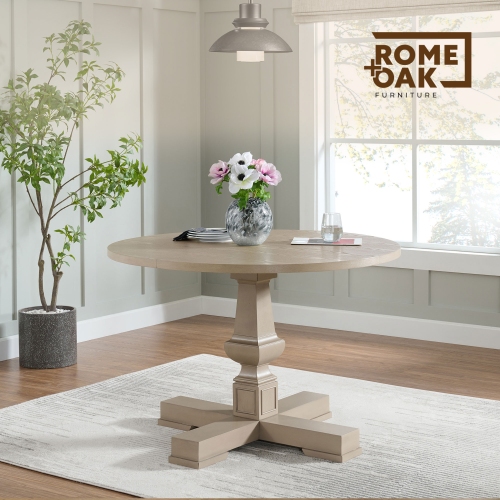 Your price for this item is $971.99
-
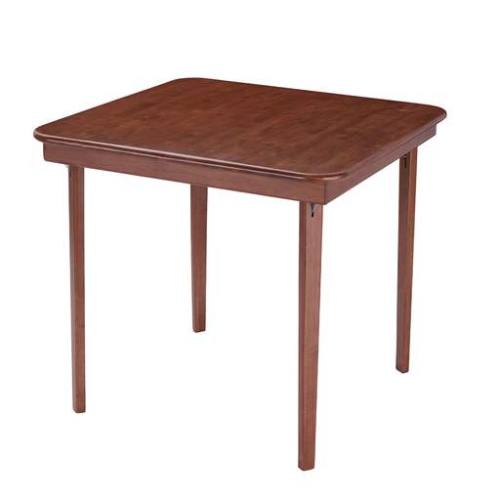 Your price for this item is $330.99
-
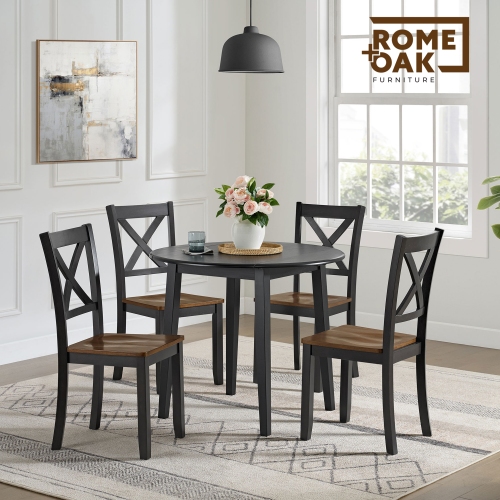 Your price for this item is $393.99
-
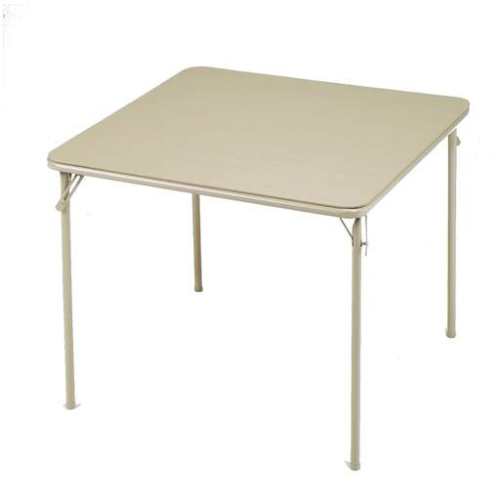 Your price for this item is $244.99
-
 Your price for this item is $827.99