Boxing Day Deals Coming Soon
Our Boxing Day Sale returns in December 2026. In the meantime, shop our current top deals below.

Boxing Day Sale On Tent Accessories
Unleash the spirit of adventure with unbeatable deals on tent accessories during our Boxing Day Sale! Whether you're a seasoned camper or planning your first outdoor escapade, now is the perfect time to upgrade your gear. Explore a wide selection of essentials designed to enhance your camping experience, from convenient storage solutions to cozy comforts that make every trip memorable. Discover quality and value as you prepare for your next journey into the great outdoors, all at prices that won't be beat. Dive into the savings and get ready to elevate your camping adventures today! Remember, our Low Price Guarantee means you can shop confidently knowing that you'll find the best price at Best Buy, all year round. We encourage you to check our website frequently for the most up-to-date information on our latest offers and savings opportunities.


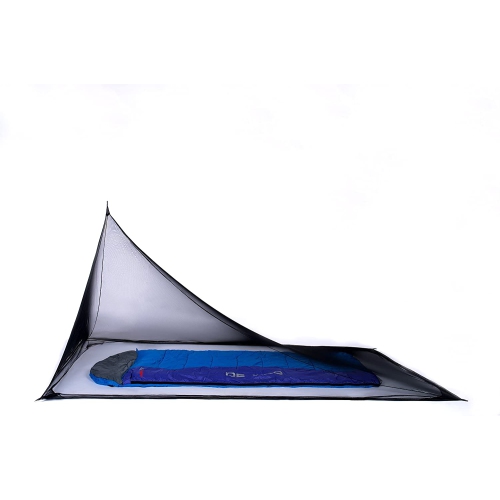
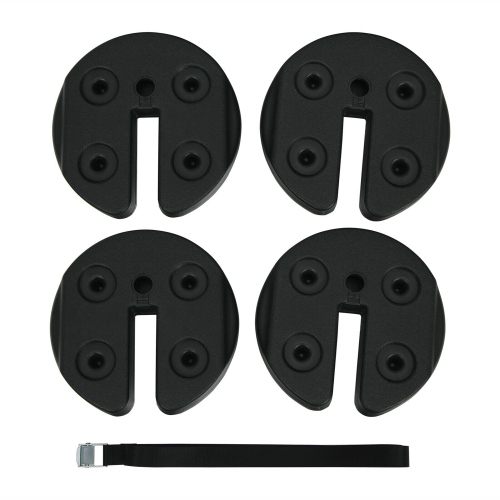
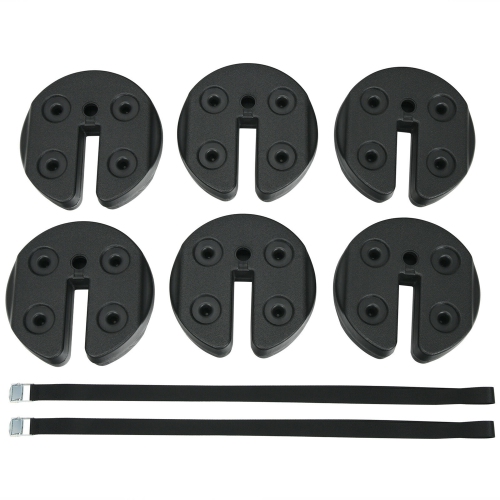
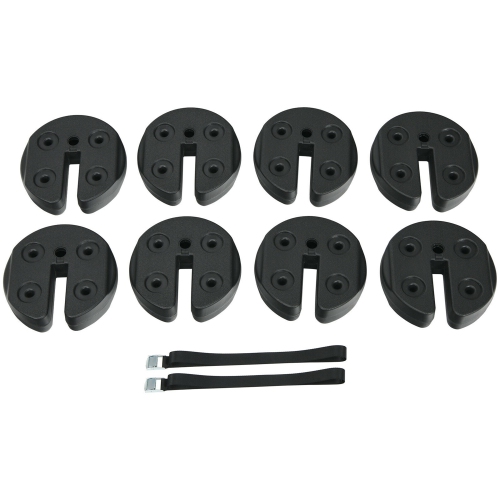
Why the right fit matters for tent accessories
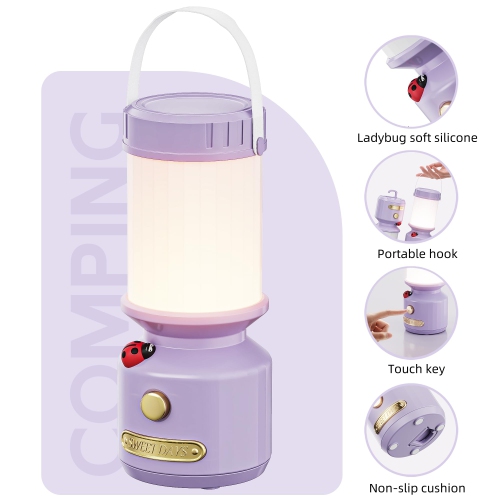
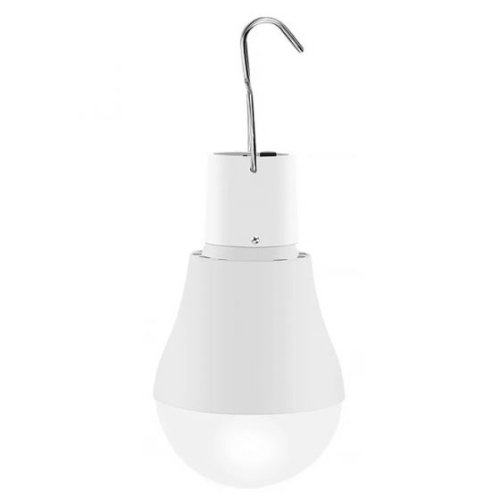
Inside a tent, the most useful accessories often address small inconveniences that become noticeable when several people share a compact space. A suspended gear loft can keep glasses, a torch, and other light essentials away from bedding, while hanging pockets give each camper a predictable place for belongings. These additions need suitable attachment points, adequate headroom, and a load that stays within the tent manufacturer’s limits. An organizer that works well in a tall family shelter may hang too low in a compact backpacking tent, and hooks should not be attached to fabric or seams that were never designed to carry weight. Mesh panels allow contents to remain visible, while solid fabric pockets can keep smaller belongings contained. Smooth edges, sturdy stitching, and closures that can be operated easily are useful details when reaching for something in a confined space. Lighting accessories deserve similar attention to fit and placement. A lightweight, battery-powered light with a secure hanging point can illuminate the interior without occupying floor space, but its weight and position should be appropriate for the attachment loop. Fuel-burning lanterns, stoves, and heaters should never be used inside a tent because of fire and carbon monoxide hazards. Keeping the sleeping area distinct from the sitting and dining area can also make a campsite easier to share. Complementary camping furniture gives meals, conversation, and daytime belongings a place outside the shelter, leaving the interior less cluttered. Tent accessory choices can reflect the people using that space: families may value clearly divided storage, couples may prefer compact additions that pack together, and solo campers may focus on a few lightweight essentials. Accessories can also make thoughtful Boxing Day gifts for someone who already has a tent, especially when the giver knows its model, dimensions, and attachment layout. A well-matched addition is more useful than one that requires improvised fastening or takes up valuable sleeping space.
Repair and care accessories help address the wear that comes from repeated pitching, packing, and transport. Their usefulness depends on matching the repair material to the part being repaired rather than treating every tent fabric alike. Adhesive patches and seam treatments are not universally compatible with all coatings; silicone-treated fabrics, for instance, may require a different treatment from polyurethane-coated materials. Manufacturer guidance helps establish which adhesive or sealant is appropriate and how long it needs to cure before the tent is packed or used. A clean, dry surface is important for adhesion, and a patch should extend beyond the damaged area according to its instructions. Repair sleeves for poles also depend on fit: the sleeve needs to accommodate the pole diameter and provide support around the damaged section. Such repairs may be temporary measures rather than a substitute for replacing a compromised component. Replacement cord, buckles, and fastening parts likewise need the correct dimensions and design to work as intended. Durability is often visible in small construction details, including neatly finished seams, reinforced stress points, hardware without sharp edges, and drawcord channels that move freely without catching. Care after a trip matters just as much. Dirt and grit can abrade fabric and interfere with fasteners, so gentle cleaning with products approved for the material is preferable to harsh detergents or aggressive scrubbing. Fabric accessories should be thoroughly dry before storage, and metal parts should be cleaned and dried to help limit corrosion. Pegs kept in a separate pouch are less likely to puncture a footprint or tent body during transport. Coiling lines neatly and checking them for fraying makes the next setup less frustrating, particularly when a missing adjuster or tangled length of cord would otherwise hold everything up. For frequent campers, occasional park visitors, and people assembling a first camping setup, the strongest accessory choices are those that solve a clear problem, fit the shelter properly, and remain straightforward to clean, pack, and use again.
Top selling and popular products
-
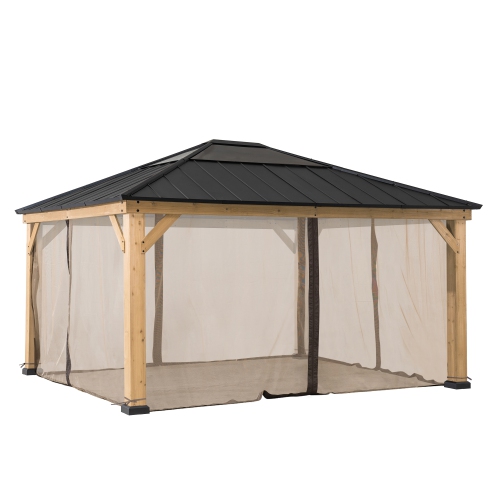 Your price for this item is $92.99
 -
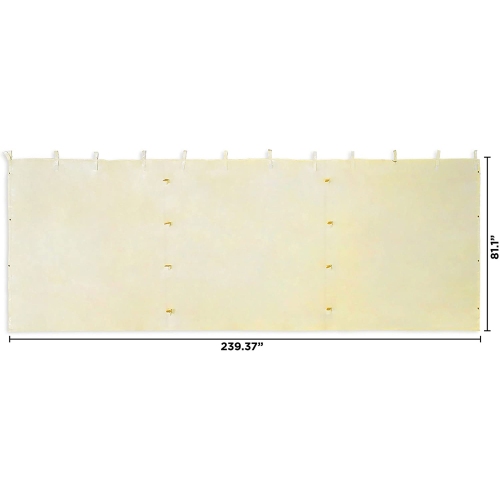 Your price for this item is $235.99
 -
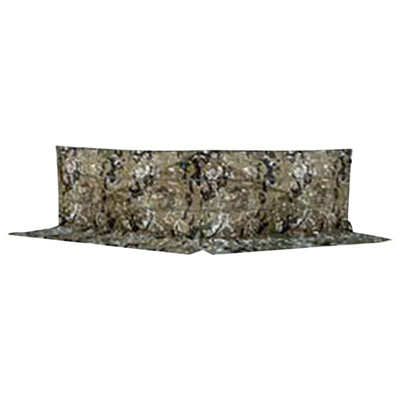 Your price for this item is $114.98
 -
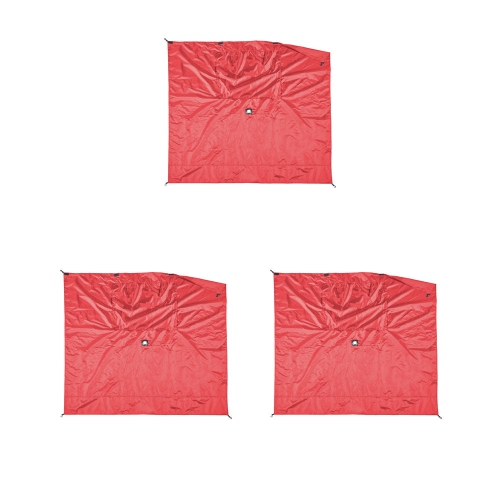 Your price for this item is $230.99
 -
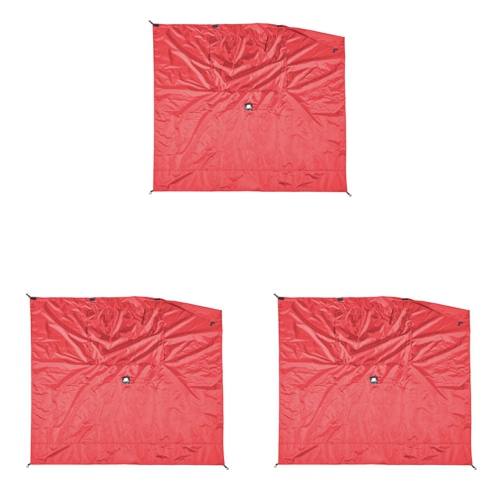 Your price for this item is $143.99
 -
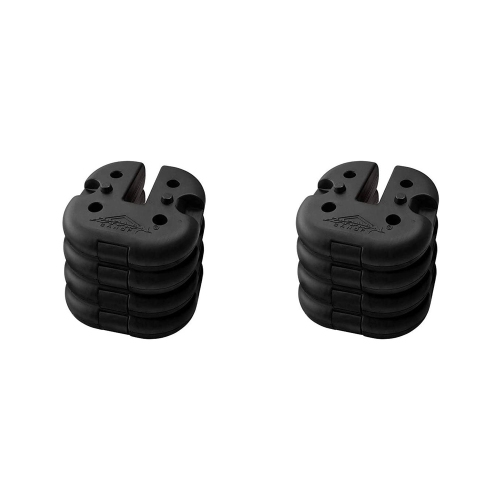 Your price for this item is $282.99
 -
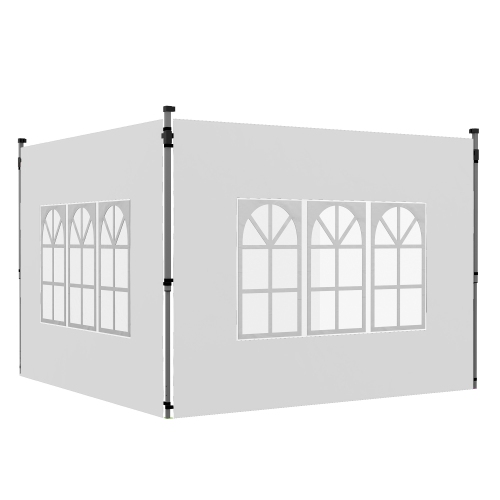 Your price for this item is $37.99
 -
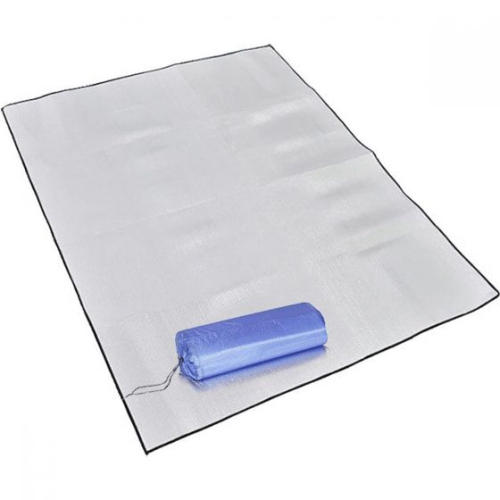 Your price for this item is $15.99