Boxing Day Deals Coming Soon
Our Boxing Day Sale returns in December 2026. In the meantime, shop our current top deals below.

Boxing Day Sale On Tool Storage
Boxing Day is the perfect time to upgrade your tool storage solutions with incredible savings that will help you keep your workspace organized and efficient. Whether you're a DIY enthusiast or a professional tradesperson, finding the right storage system is essential for maintaining order and accessibility. Our Boxing Day sale offers a wide range of options to suit various needs and preferences, ensuring that your tools are stored securely and conveniently. From compact toolboxes to expansive cabinets, explore our selection to find the perfect fit for your collection while enjoying unbeatable discounts. Remember, our Low Price Guarantee means you can shop confidently knowing that you'll find the best price at Best Buy, all year round. We encourage you to check our website frequently for the most up-to-date information on our latest offers and savings opportunities.


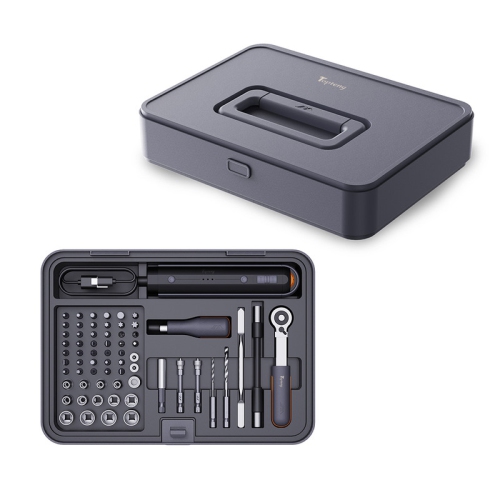
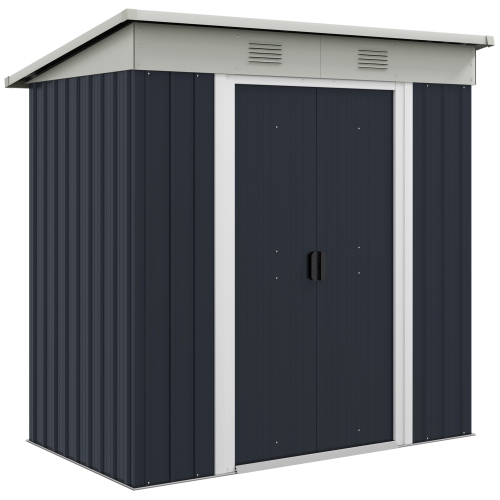
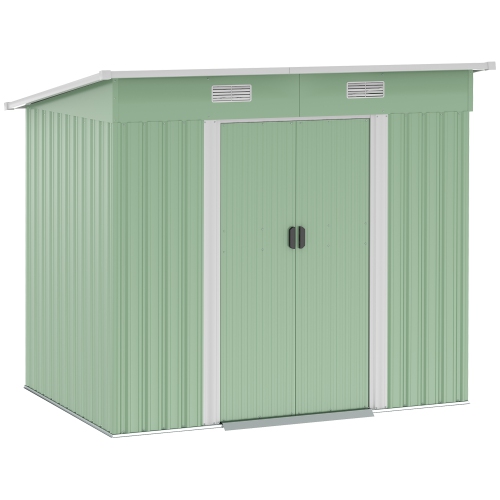

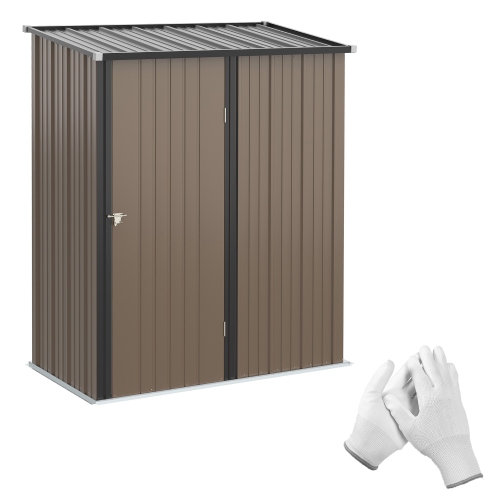
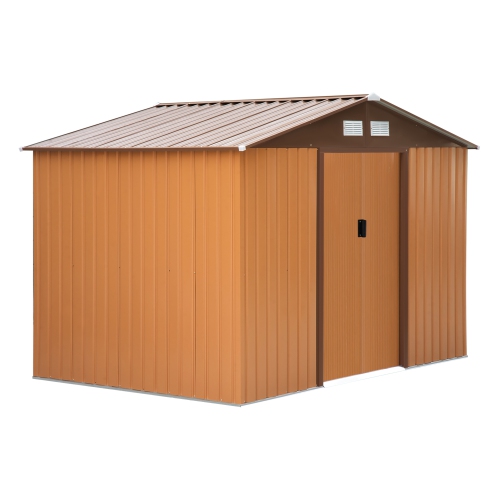
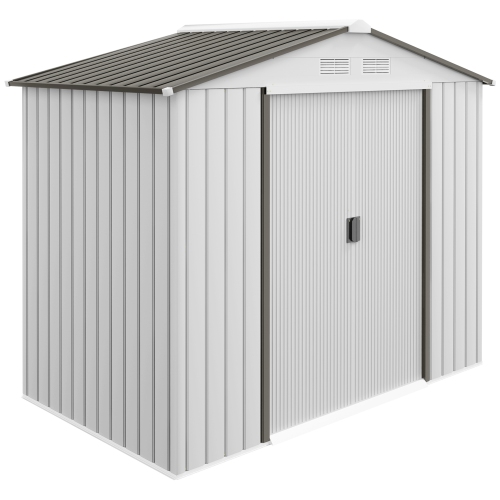
Tool storage that fits the way you work
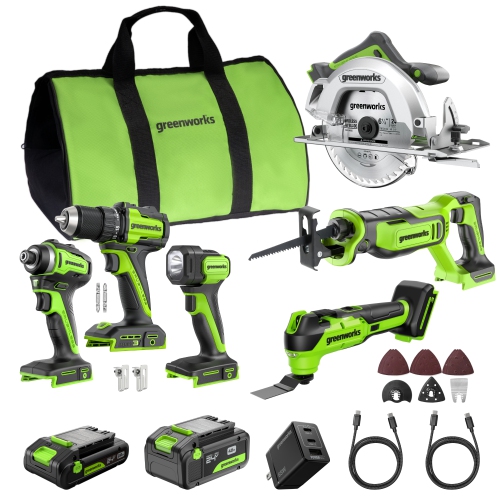
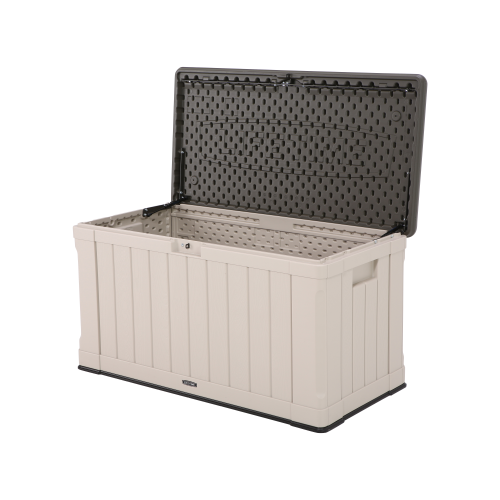
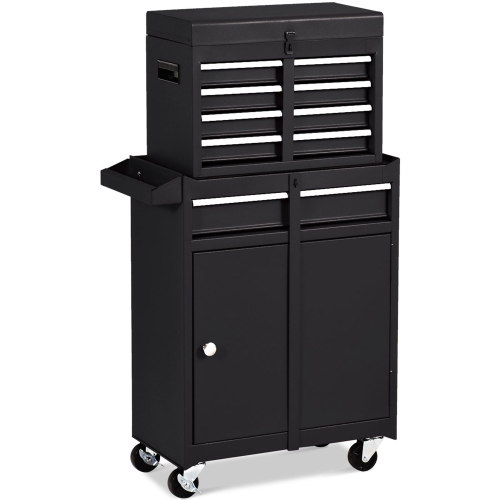
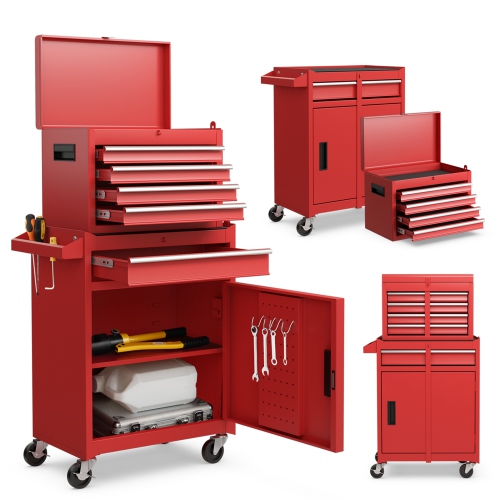
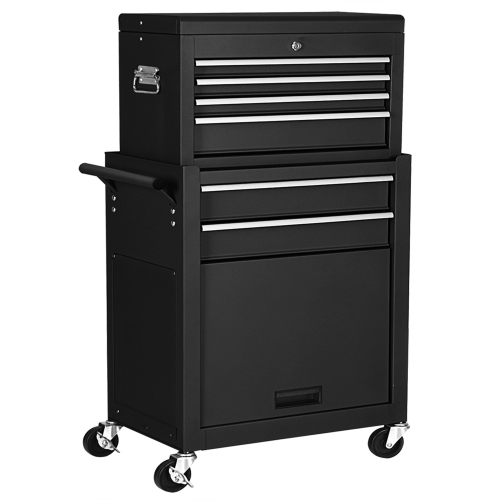
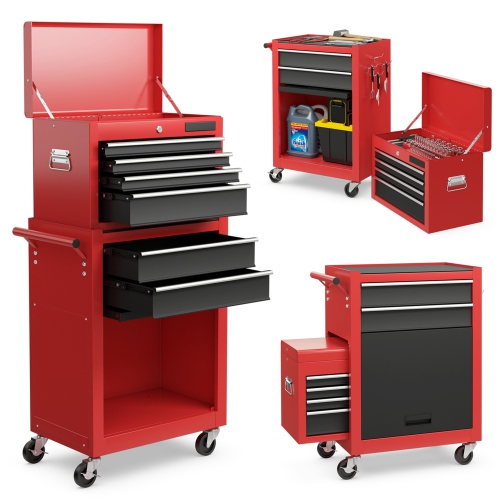
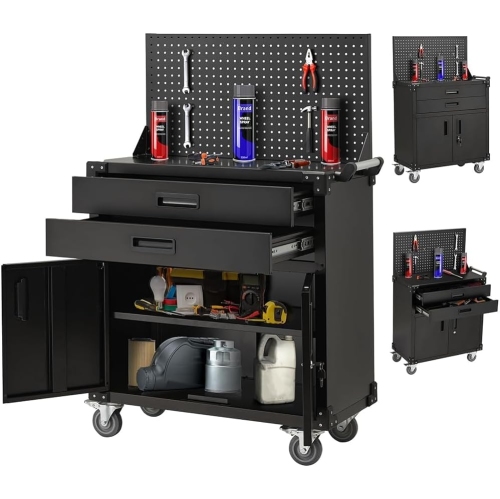
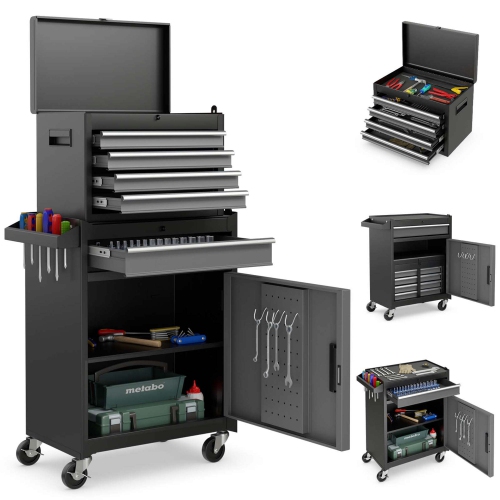
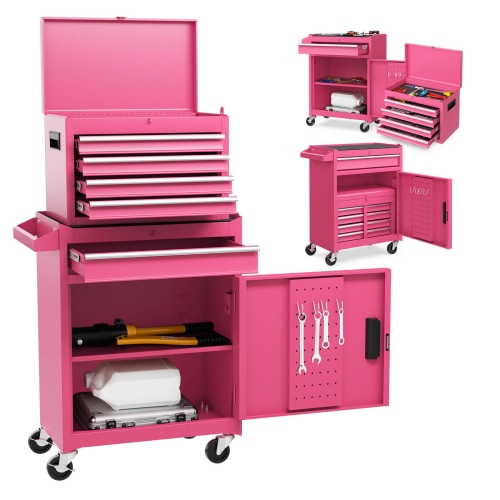
Materials and construction influence both durability and how comfortable storage is to use. Steel chests and cabinets offer a rigid structure suited to heavier workshop equipment, although their weight makes placement and floor access important considerations. A powder-coated finish can help protect the surface, but chips and scratches still deserve attention, especially where moisture might reach exposed metal. Moulded plastic toolboxes are often easier to carry and wipe clean; reinforced corners, substantial hinges, and well-fitted latches are useful details to examine. Fabric tool bags provide flexible pockets and can accommodate irregular shapes, with reinforced bases and stitching helping them withstand repeated loading. Sharp blades and pointed tools still need appropriate guards rather than relying on fabric pockets alone. No material choice makes every storage unit suitable for every setting, so stated load limits and any water- or dust-resistance ratings deserve a close look. A lid that closes firmly is not necessarily sealed against water, and a wheeled cabinet intended for a smooth workshop floor may be difficult to move over thresholds or uneven paving. For rolling storage, caster size, wheel material, brake operation, and handle position affect control when the unit is loaded. Drawer slides should move smoothly under the intended weight, and drawer retention features help keep contents contained during movement. Where fitted, an interlock that limits how many drawers can open at once adds another consideration for stability, but it does not replace correct loading. Heavy tools belong in lower drawers, and the manufacturer's instructions should govern anchoring, loading, and movement. Fit also extends beyond the cabinet itself. Space is needed to open drawers fully, swing doors clear of nearby shelving, and stand comfortably while lifting equipment. In a shared garage, a storage unit that leaves a clear walking route may be more useful than a larger one that blocks access. For equipment that may need space alongside an existing kit, explore power tools for Boxing Day. Batteries, chargers, attachments, and protective cases all add to the footprint of a working collection.
Thoughtful organization makes storage easier to maintain long after the first tidy-up. Adjustable dividers allow compartments to change as a collection develops, while removable trays let a small set of essentials travel to the task without moving the whole box. Modular storage can serve a similar purpose on a larger scale, with separate sections for hand tools, fasteners, and bulkier equipment; compatibility between components should be confirmed rather than assumed. Clear lids and straightforward labels make it easier to distinguish similar screws or locate the correct socket without opening every compartment. Drawer liners can reduce sliding and soften contact with metal surfaces, provided they fit neatly and remain clean and dry. A useful arrangement follows actual tasks rather than appearance alone: picture-hanging tools together, plumbing fittings separated from electrical accessories, and frequently used drill bits close to the equipment they fit. Keeping an occasional-use kit separate from daily essentials can also reduce the weight carried around the house or onto a job site. Care is generally simple but should match the materials and manufacturer’s directions. Remove dust and grit from compartments, wipe away spills promptly, and let damp tools dry before putting them into enclosed storage. Check handles, hinges, latches, and wheels periodically, particularly on storage that is lifted or moved often. Fabric bags benefit from emptied pockets and cleared debris, while drawer slides and casters may need maintenance according to their instructions. Storage should not trap a charging battery or cover a charger's ventilation openings; charging and battery placement should follow the equipment manufacturer's directions. Lockable drawers or cabinets can help restrict casual access to sharp or valuable tools, though a lock alone does not make a workspace childproof or guarantee theft protection. In homes with children, secure placement and control of keys remain important. Ultimately, well-matched tool storage supports a familiar rhythm: find the right tool, carry it comfortably, complete the task, and return it to a place that stays easy to use. Whether it holds a few household essentials or a substantial workshop collection, the right balance of access, protection, and capacity helps keep that routine straightforward.
Top selling and popular products
-
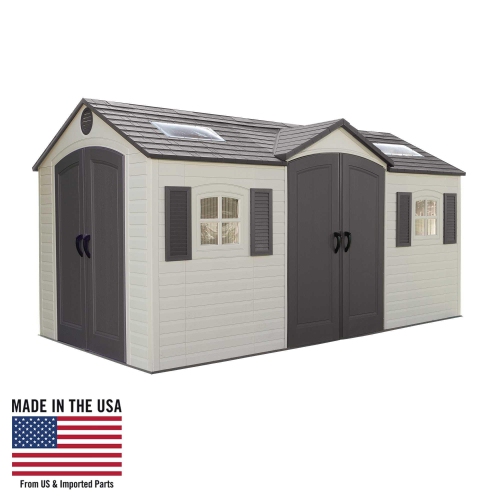 Your price for this item is $3999
-
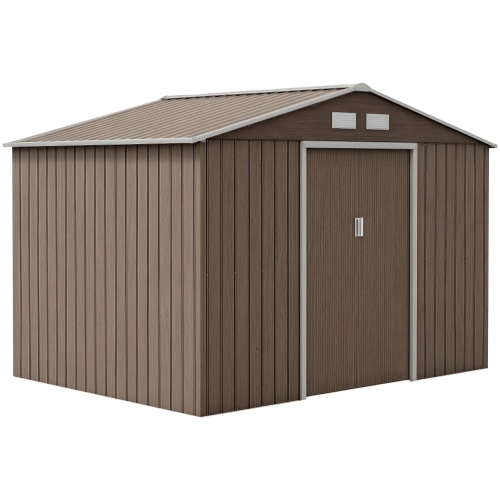 Your price for this item is $554.99
-
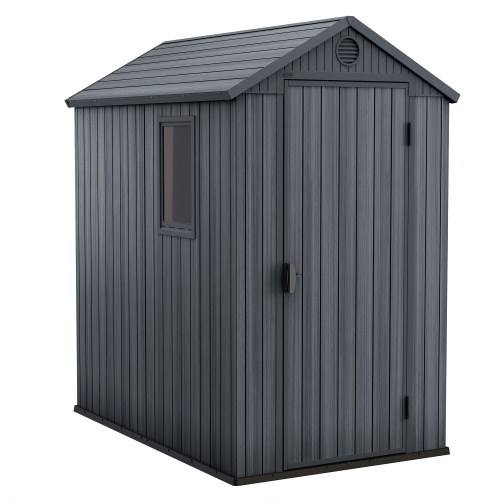 Your price for this item is $981.99
-
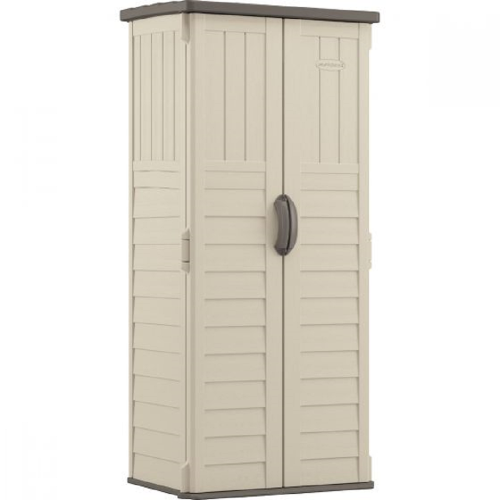 Your price for this item is $385.99
-
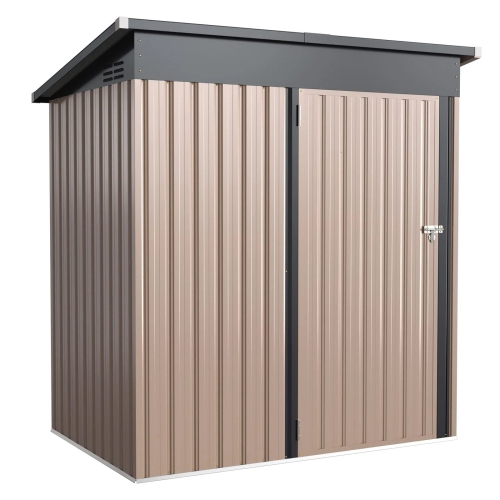 Your price for this item is $179.99
-
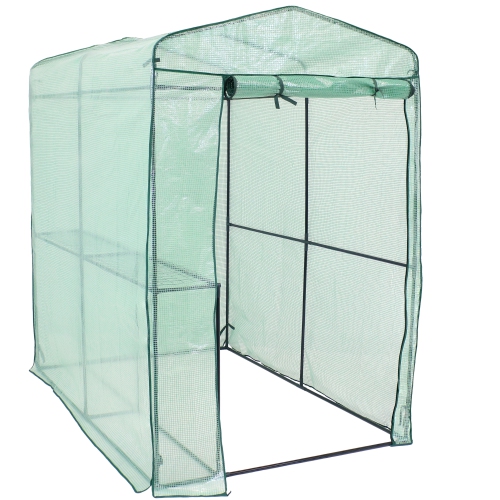 Your price for this item is $113.35
-
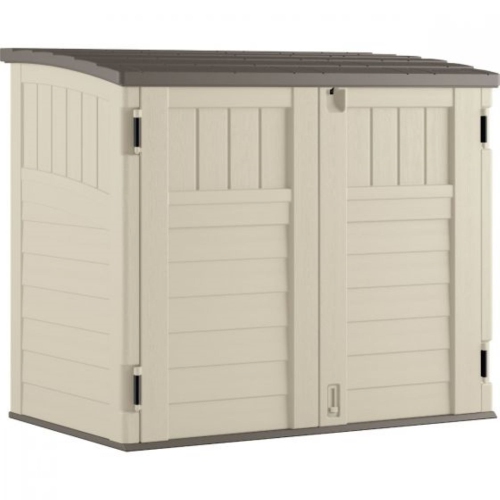 Your price for this item is $459.99
-
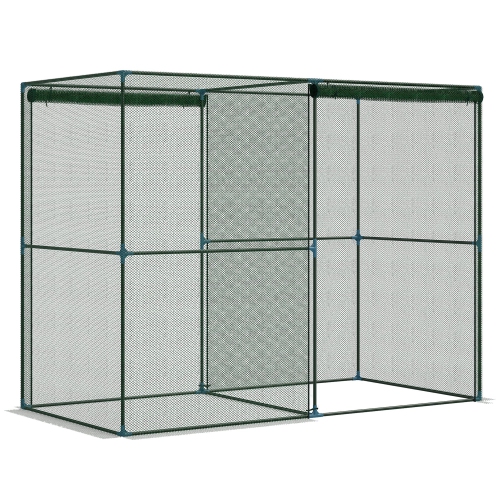 Your price for this item is $74.99