Boxing Day Deals Coming Soon
Our Boxing Day Sale returns in December 2026. In the meantime, shop our current top deals below.

Boxing Day Sale On Power Tools
Discover unbeatable deals on power tools this Boxing Day and elevate your DIY projects to a whole new level. Whether you're a seasoned professional or a weekend warrior, our selection offers something for everyone, from essential tools to innovative gadgets that make any task easier. Dive into our extensive range of high-quality power tools available at discounted prices, ensuring you have everything you need to tackle your next project with confidence. Don't miss out on the opportunity to upgrade your toolkit with exceptional savings during this limited-time event. Remember, our Low Price Guarantee means you can shop confidently knowing that you'll find the best price at Best Buy, all year round. We encourage you to check our website frequently for the most up-to-date information on our latest offers and savings opportunities.




What makes a power tool right for your project
The material being worked on has a direct influence on power tool suitability and the accessories required. Softwood framing lumber, hardwood boards, plywood, sheet metal, and masonry behave differently under a cutting edge or drill bit. A clean hole through a cabinet panel demands a different approach from an anchor hole in concrete, and equipment intended for one material should not be assumed suitable for another. Supported materials, compatible accessory sizes, and the manufacturer's stated capacities provide more meaningful context than a single headline specification. For drilling and fastening, adjustable speed and torque control help match the action to the task, especially where overtightening could strip a screw or crush a surface. Cutting work introduces other considerations, including blade compatibility, cutting depth, bevel adjustment, and the support needed to keep material stable. A straight cut through a long shelf board and a curved opening in a thin panel require different capabilities, even when both belong to the same furniture project. The Boxing Day sale on saws page brings the focus to cutting tools for these kinds of tasks. Sanding and finishing equipment, meanwhile, is shaped by the size and profile of the surface: broad, flat boards differ from narrow edges and detailed corners. Abrasive compatibility and dust extraction connections contribute to both the working experience and the finish. Across these categories, durability depends on more than a rugged-looking housing. Secure adjustment mechanisms, well-supported moving parts, and construction suited to the intended workload all matter. Metal components may provide strength in high-stress areas, while moulded housings and grip surfaces can help balance protection, weight, and handling comfort. Brushless motor designs can reduce some routine motor maintenance, but overall performance still depends on the complete tool, its power source, and how it is used. For cordless equipment, battery voltage alone does not establish capability, and a larger-capacity battery may add weight as well as run time. Compatibility must be confirmed for the exact tool, battery, and charger combination rather than assumed from appearance or a similar connector.
Living with power tools also means making room for their accessories, upkeep, and safe operation. A well-organized storage area keeps cutting edges protected, chargers accessible, and small attachments from disappearing between projects. Cases, compartments, and clearly separated accessory storage are especially useful in a shared garage or multipurpose room, where a workbench may need to return to other duties after the job is finished. For someone carrying equipment between locations, the weight of the complete setup matters: the tool body, battery, charger, and accessories can feel quite different from the tool alone. Fit is equally practical during use. A handle that feels secure, controls that can be reached without shifting grip, and enough clearance around the working end all contribute to controlled handling. Left- and right-handed users may experience control placement and sightlines differently, making layout worth attention alongside dimensions. Care begins with the manufacturer's operating and maintenance instructions. Vents need to remain clear, blades and bits need inspection for wear or damage, and fitted accessories need to be appropriate for the tool's speed and intended material. Disconnecting the power supply or removing the battery before adjustments and accessory changes helps prevent accidental activation. Batteries and chargers require storage and use within their specified conditions, and damaged packs should not remain in service. Dust management deserves consideration even for a modest project, since sanding a tabletop or cutting sheet material can spread fine particles beyond the immediate work area. Suitable extraction, eye and hearing protection, and respiratory protection appropriate to the material and task support a safer workspace; built-in collection features do not replace all protective measures. Stable work supports and properly secured material are just as important as the tool itself. For a gift recipient who already has the basics, compatibility and ease of maintenance can be more valuable than an unfamiliar feature. For a beginner, clear controls and equipment suited to a realistic first project can make ownership less daunting. Whether the work involves a neatly fitted shelf, a repaired cabinet, or a handmade piece of furniture, power tools are most useful when their design, capacity, and handling suit the person using them and the material on the bench.
Top selling and popular products
-
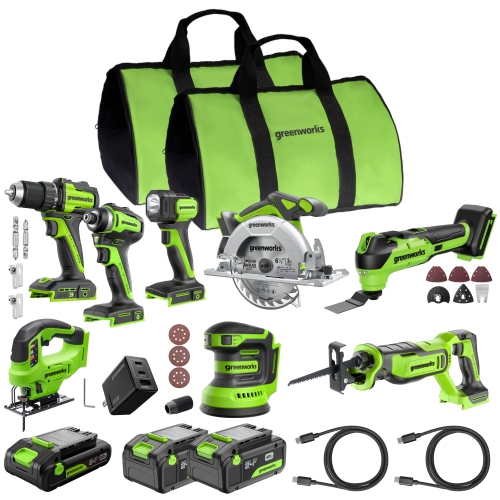 Your price for this item is $799.99
-
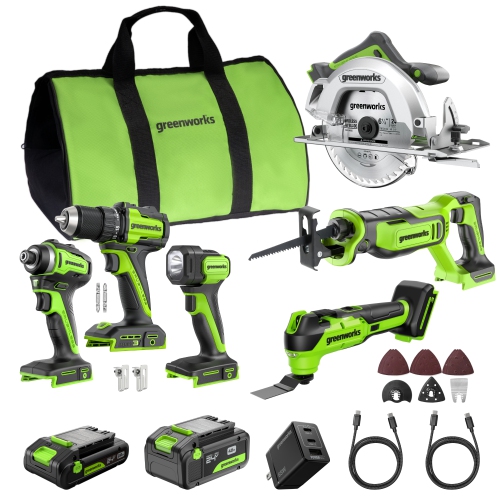 Your price for this item is $589.99
-
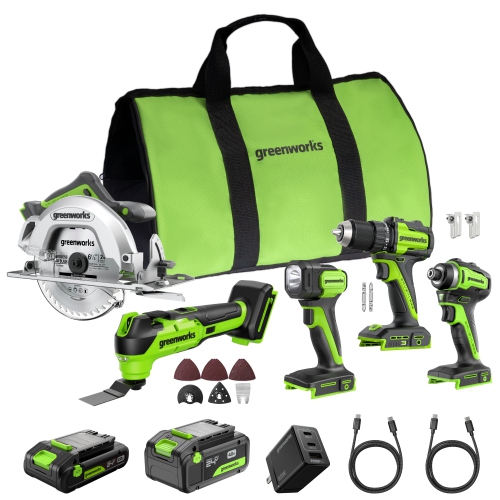 Your price for this item is $529.99
-
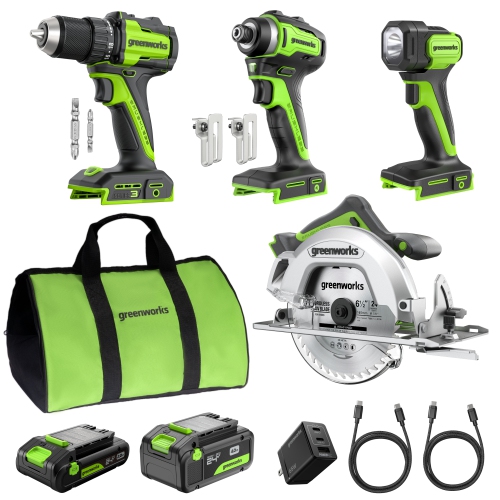 Your price for this item is $399.99
-
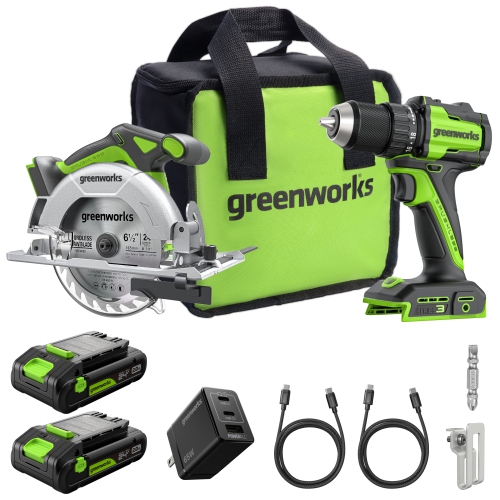 Your price for this item is $329.99
-
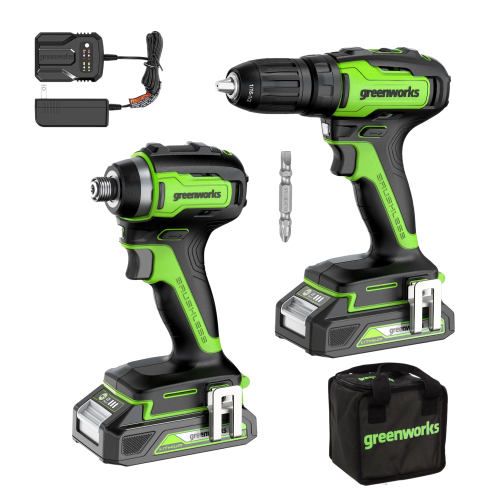 Your price for this item is $199.99
-
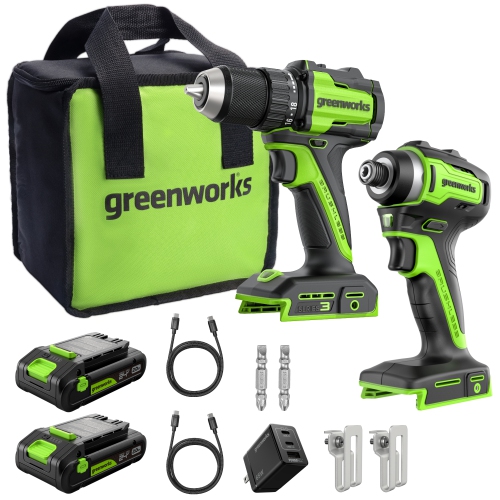 Your price for this item is $255.99
-
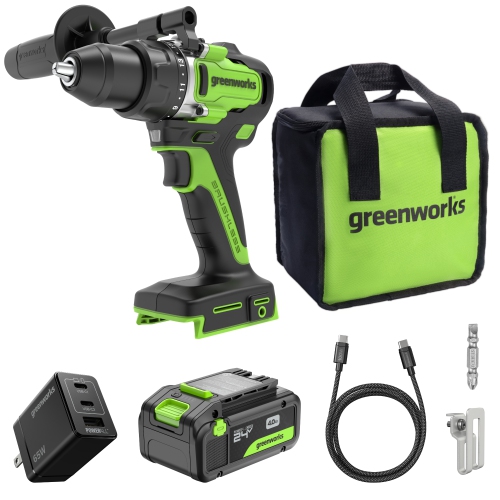 Your price for this item is $189.99