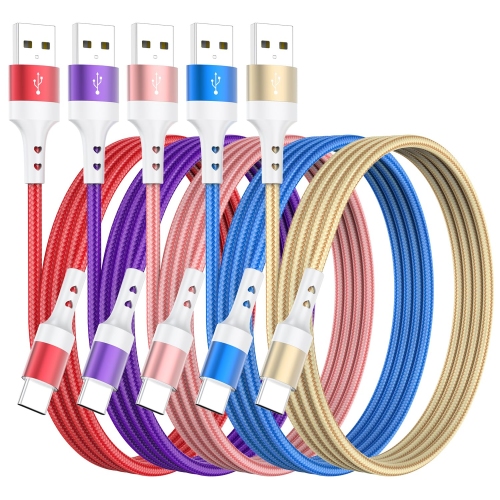
Braided Chargers

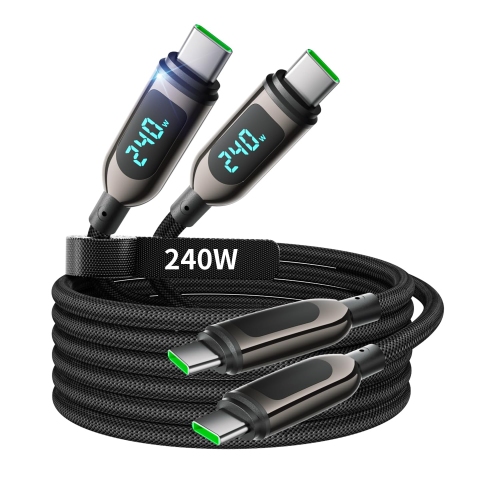
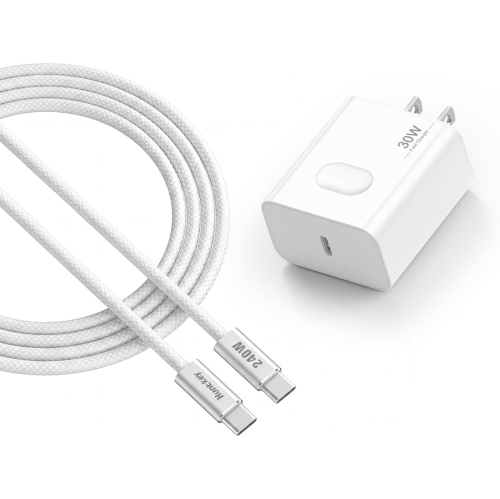
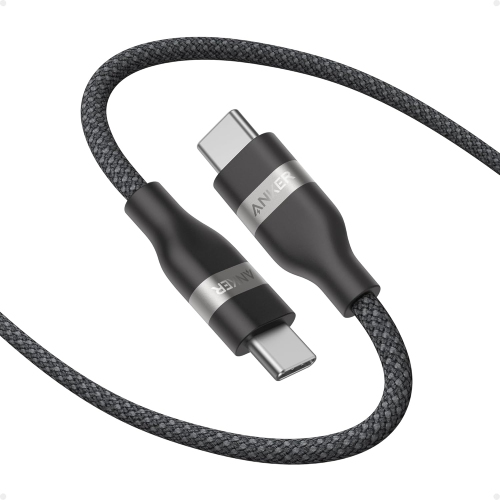
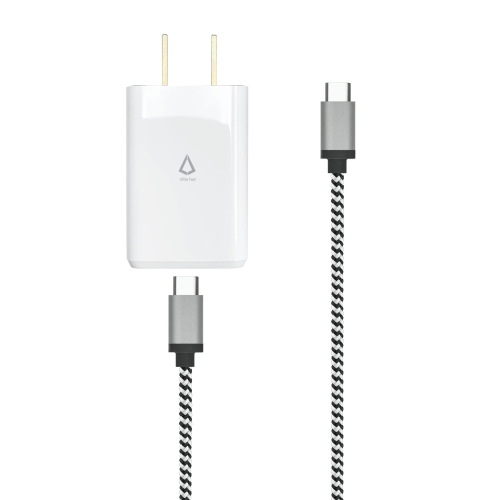
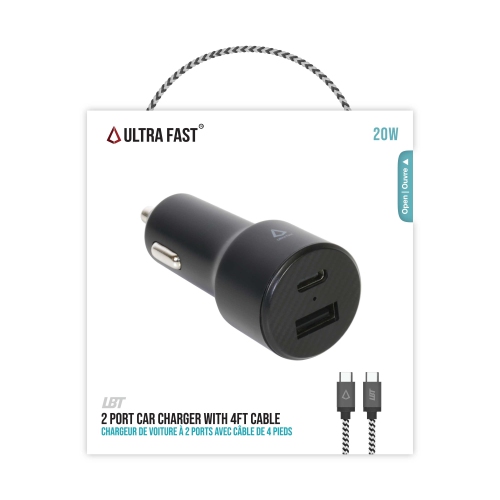
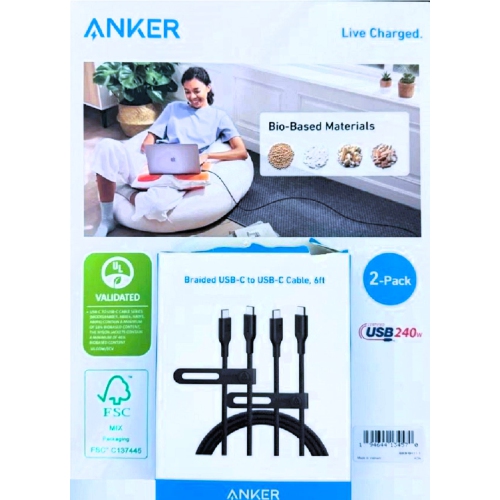
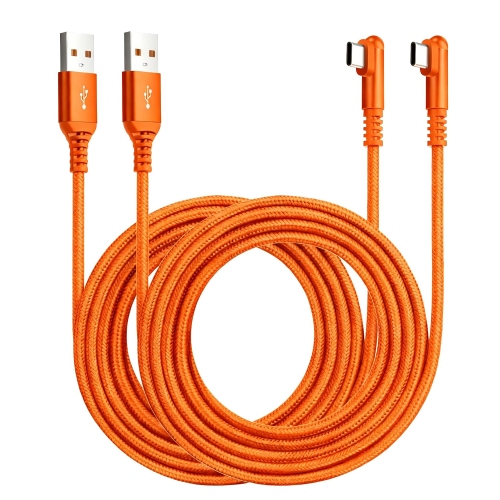
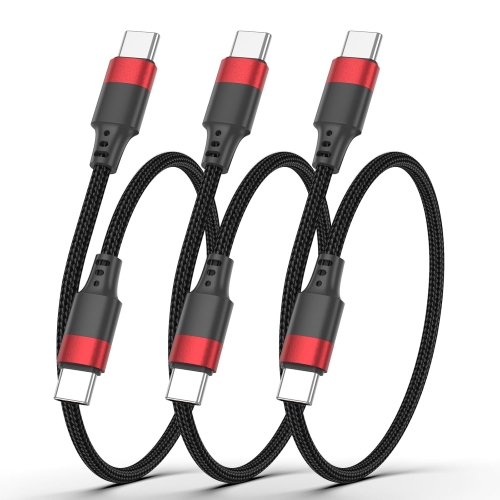
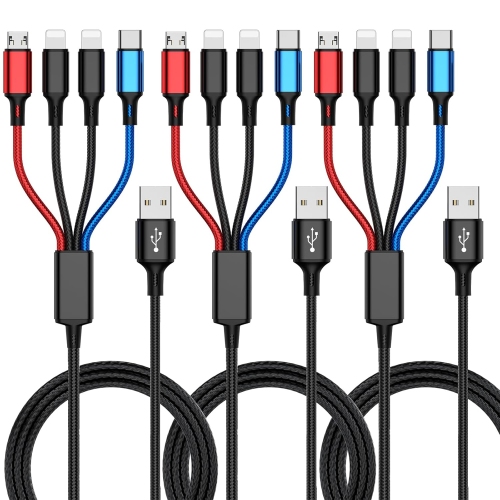
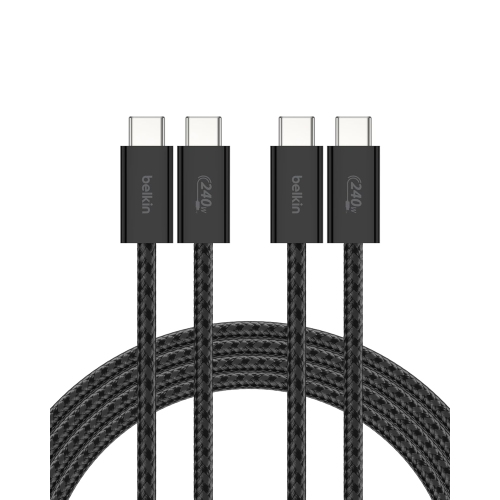
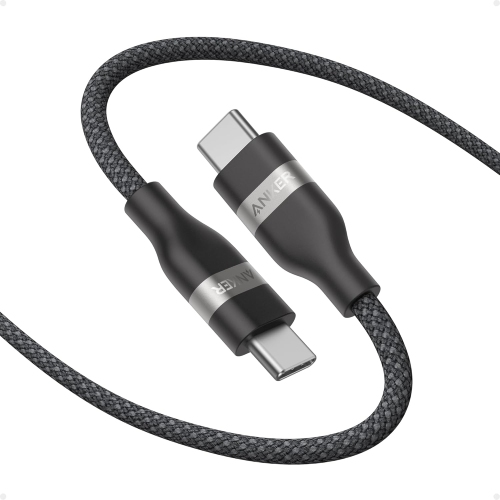
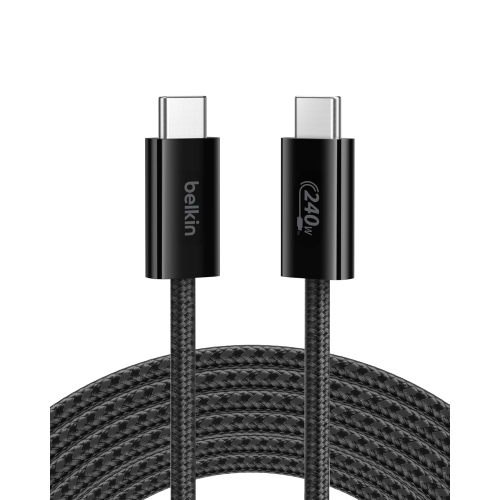
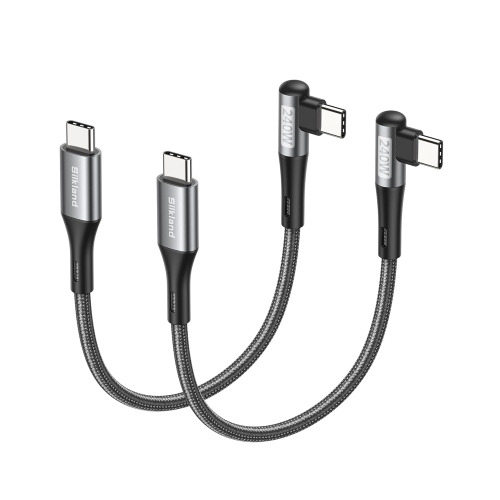
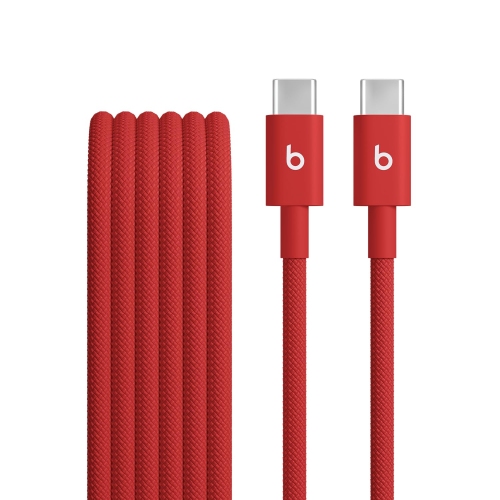
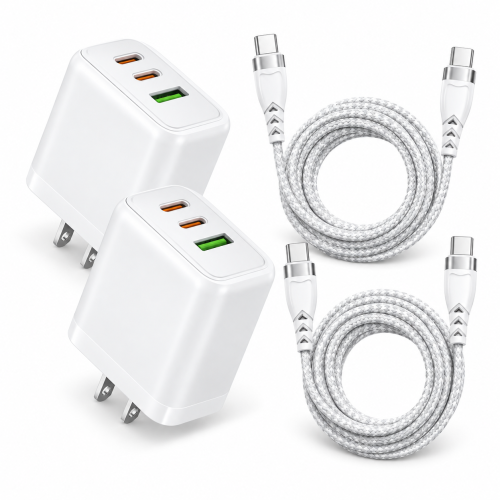
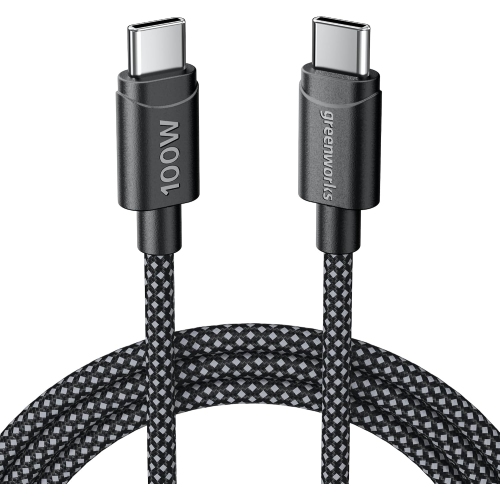
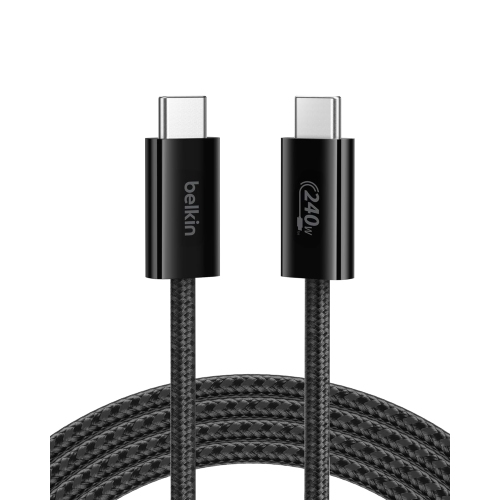
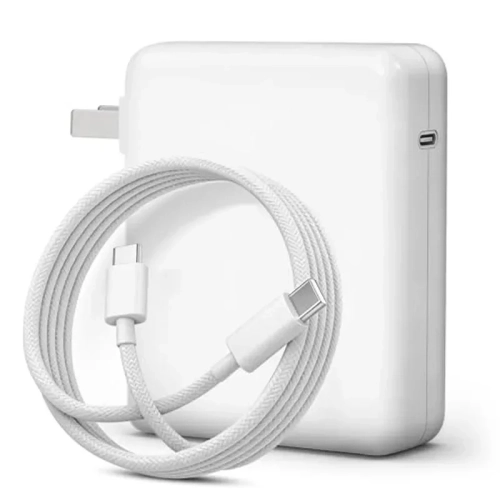
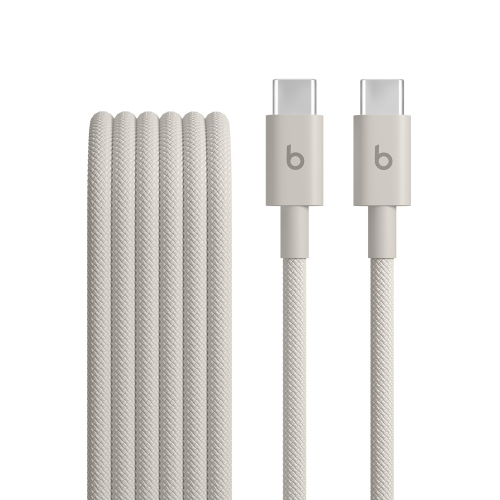
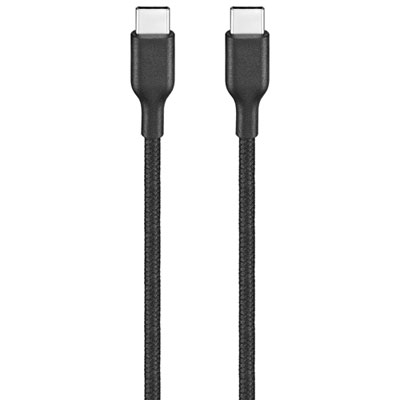
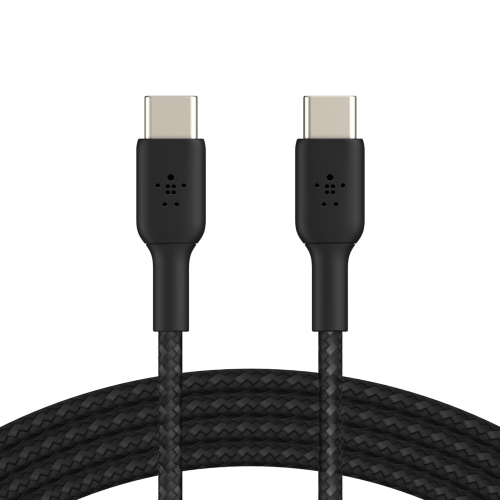
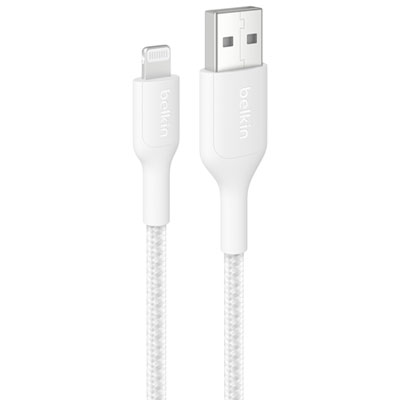
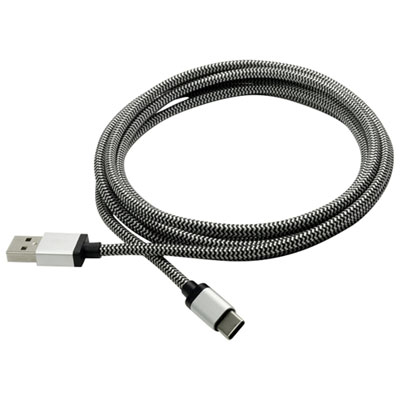
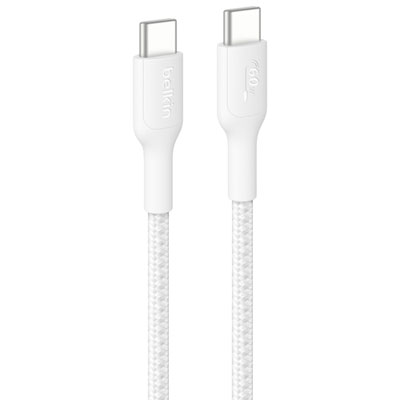
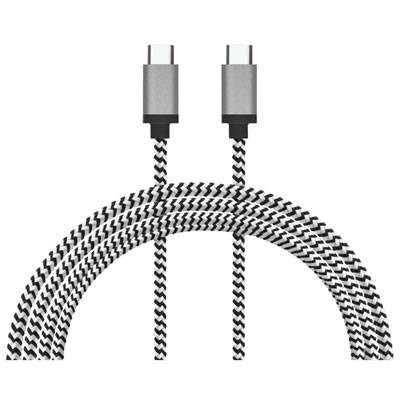
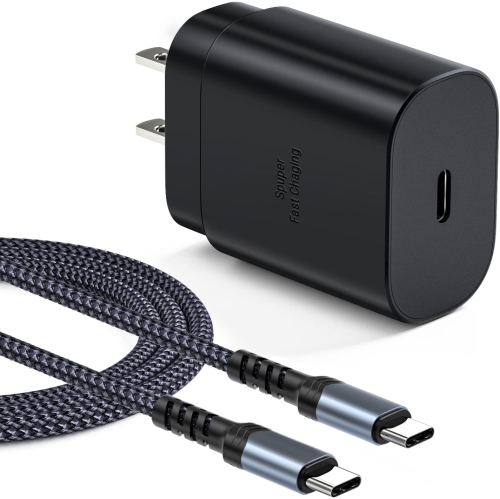
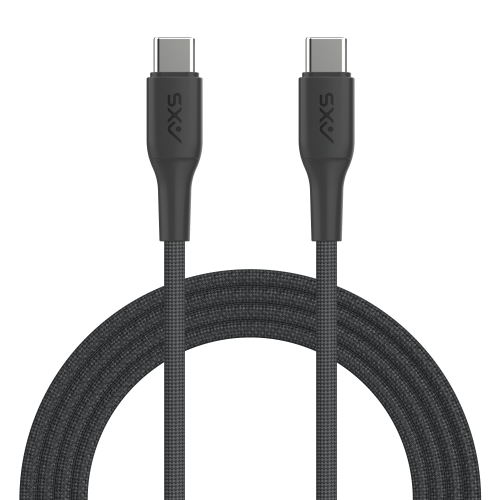
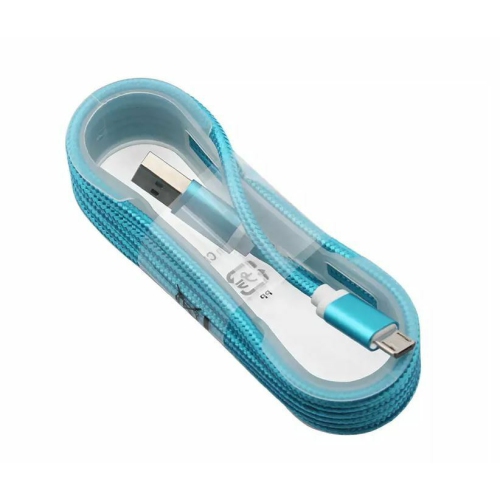
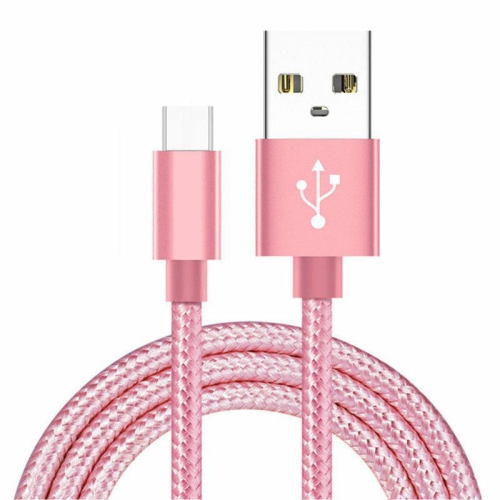
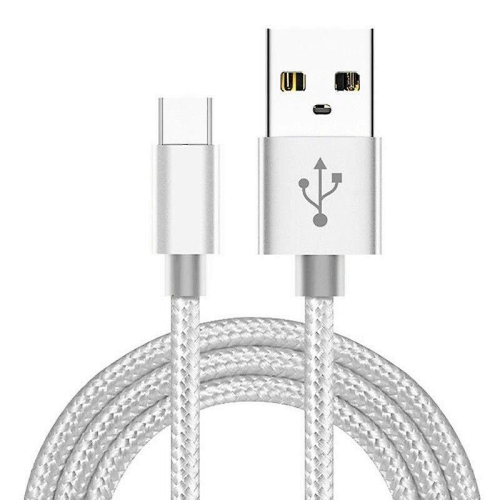
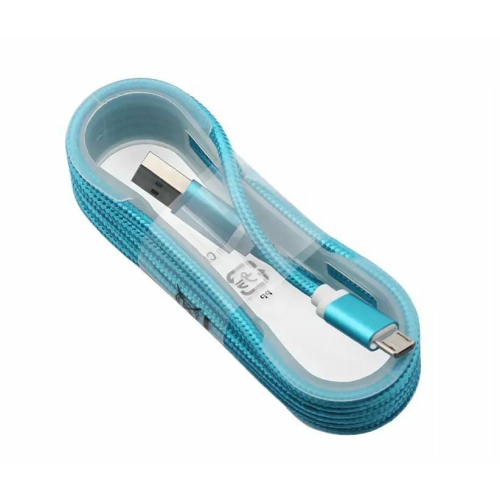
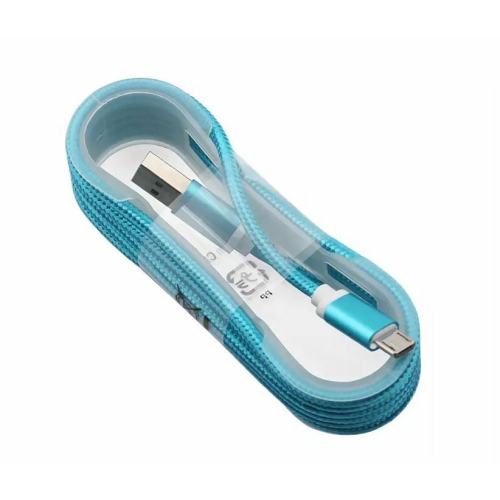
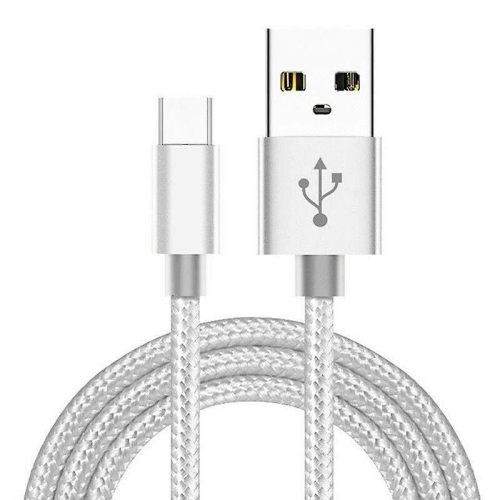
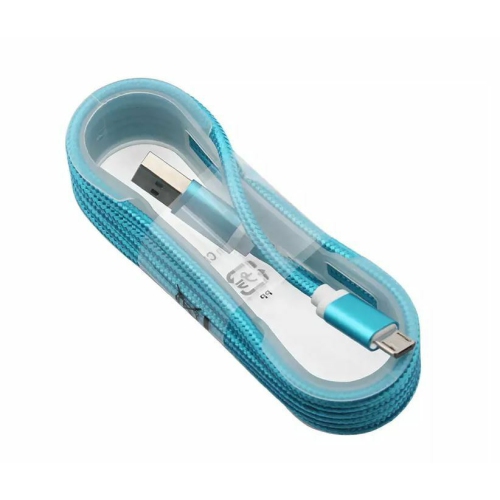
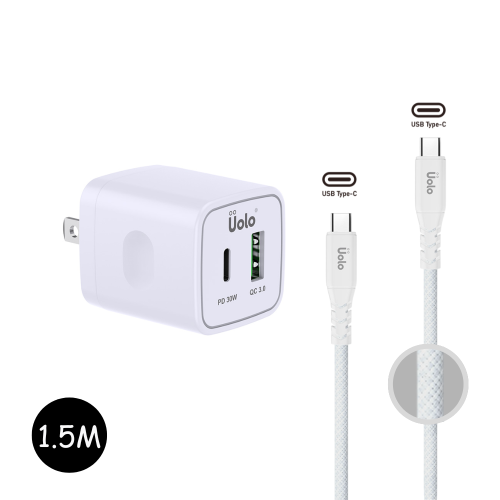
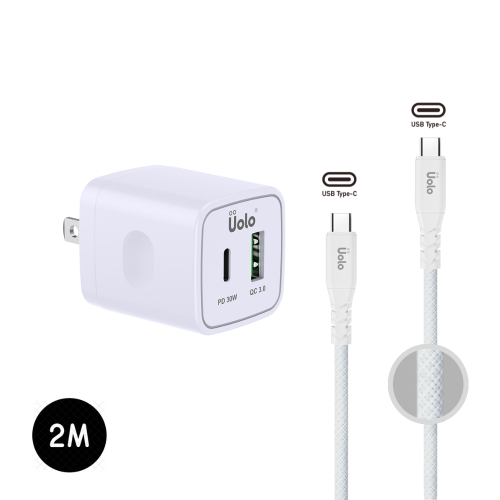
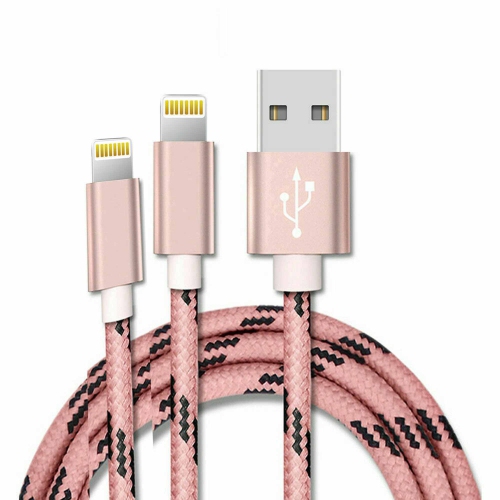
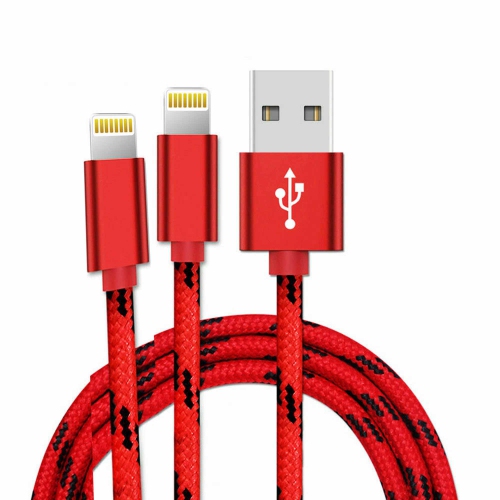
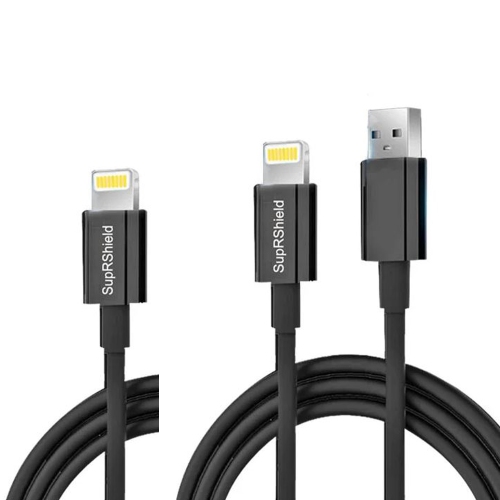
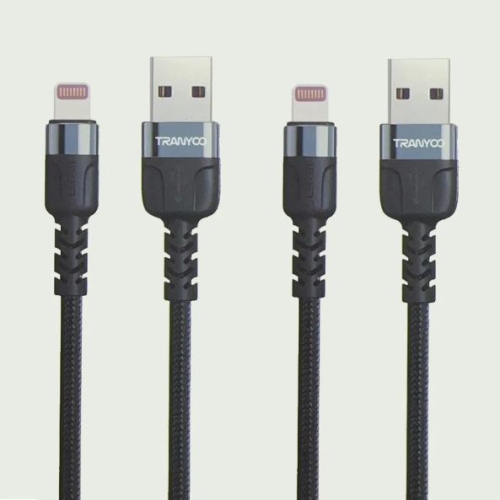
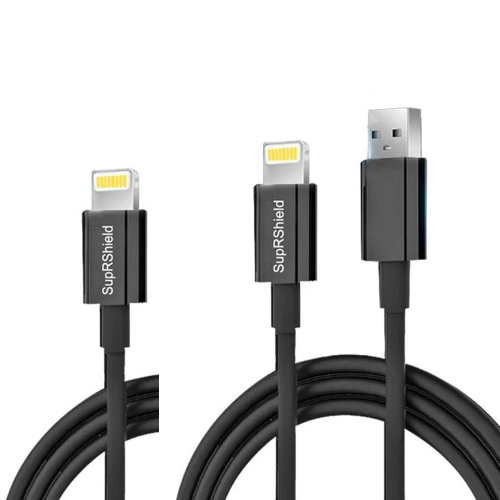
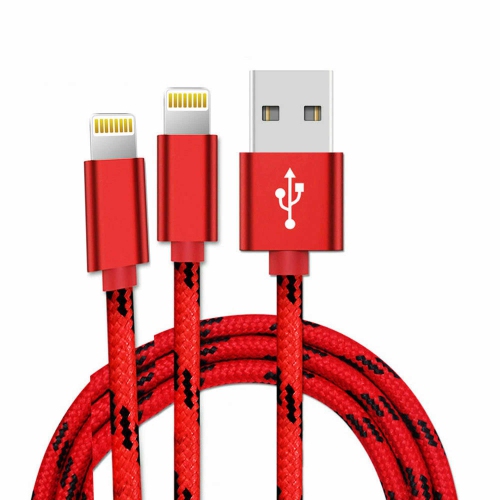
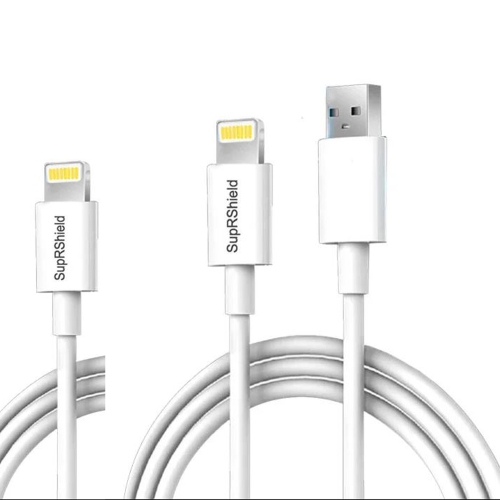
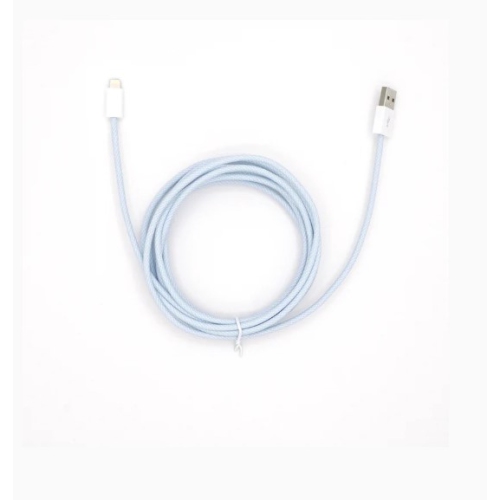
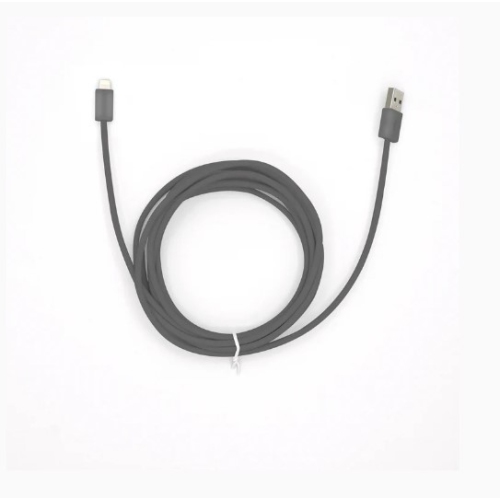
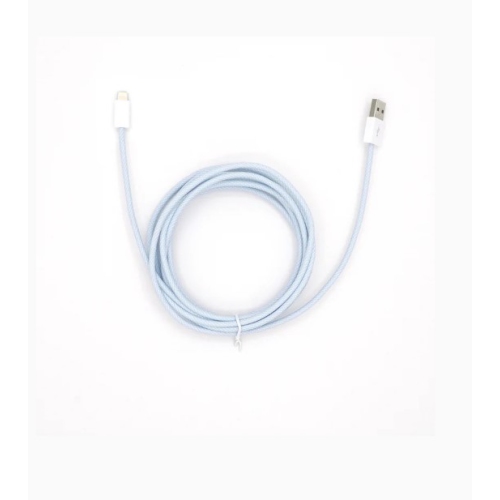
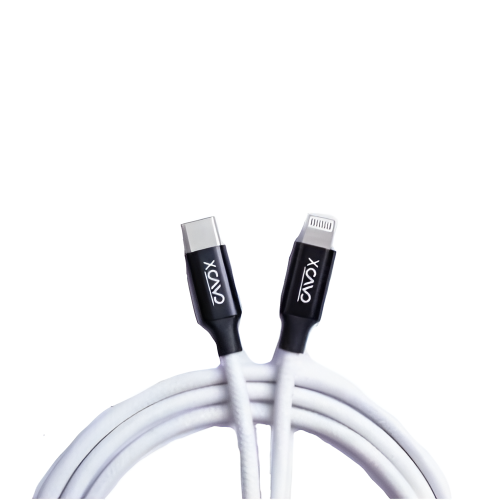
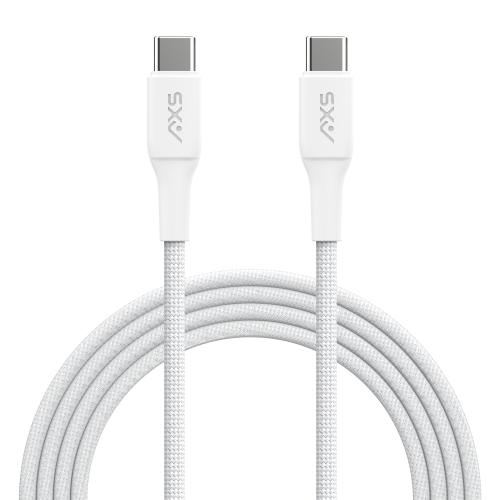
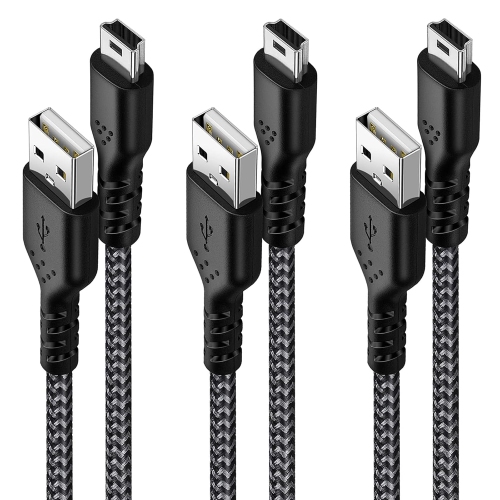
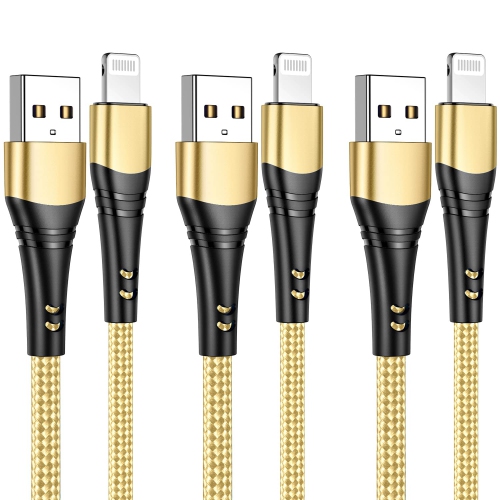
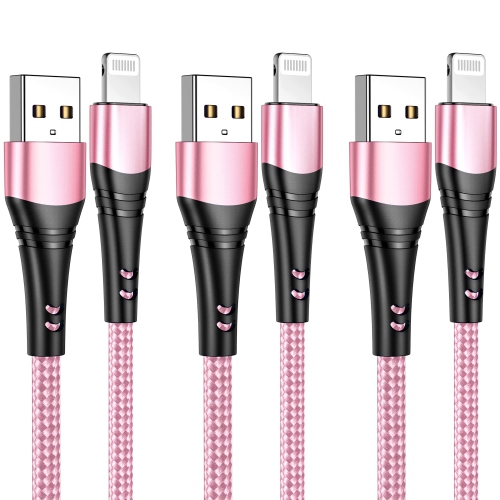
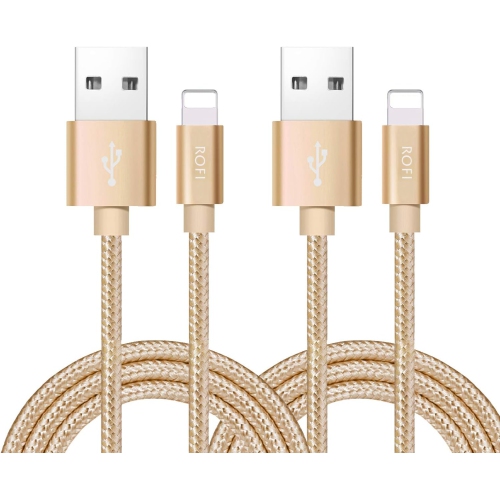
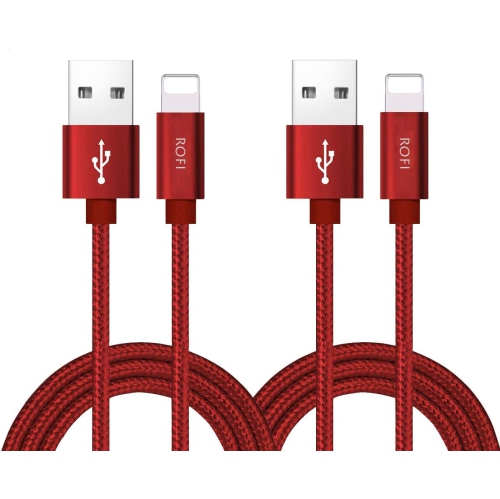
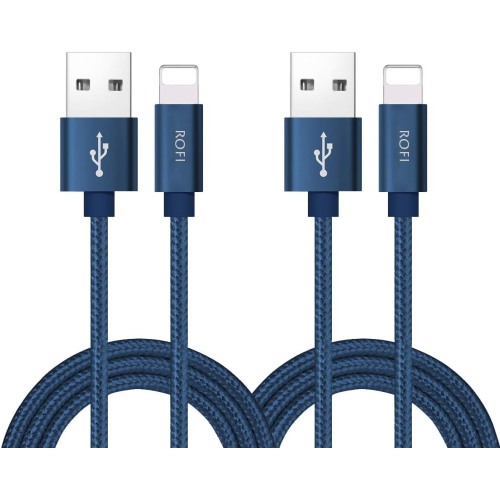
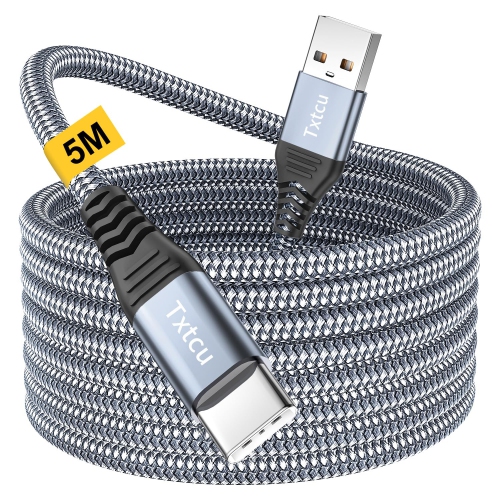
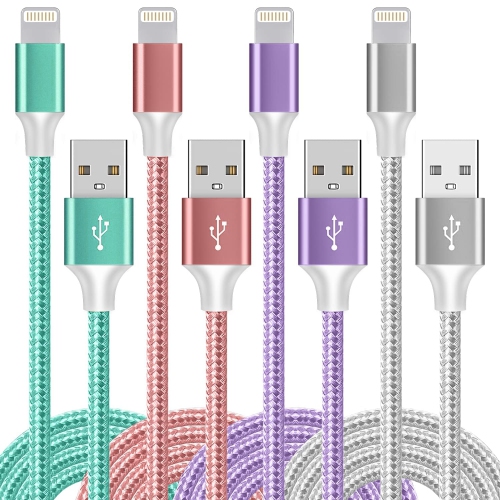
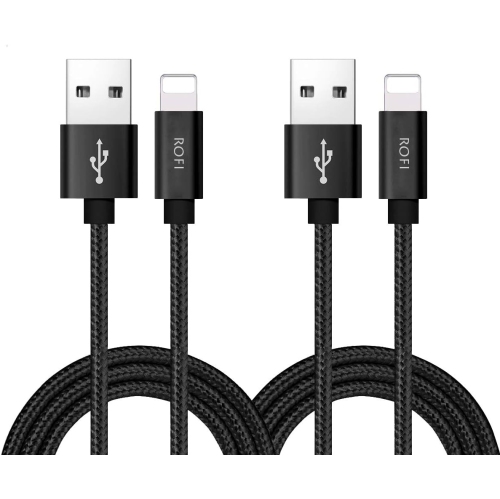
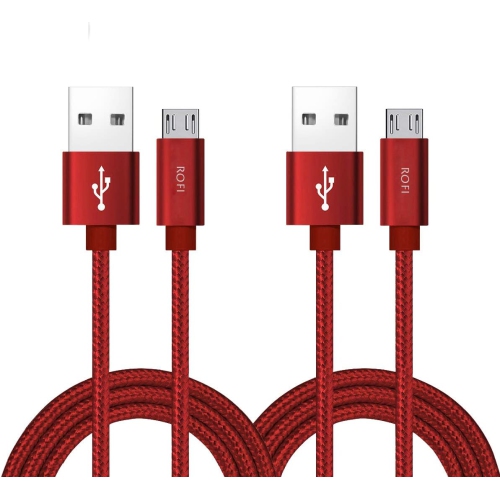
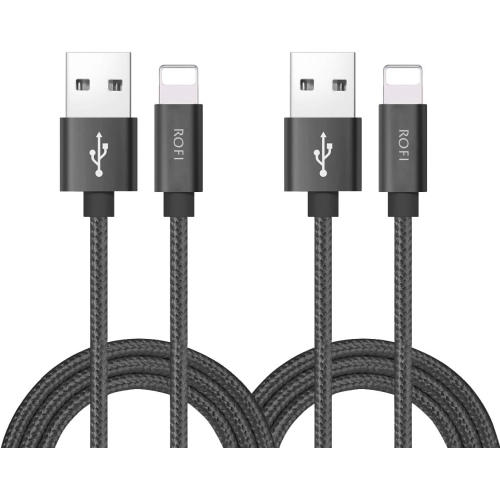
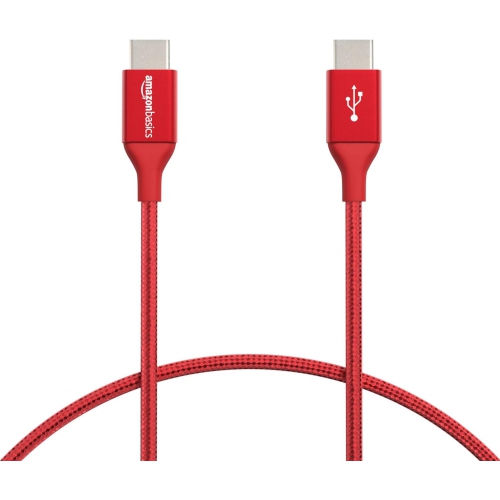
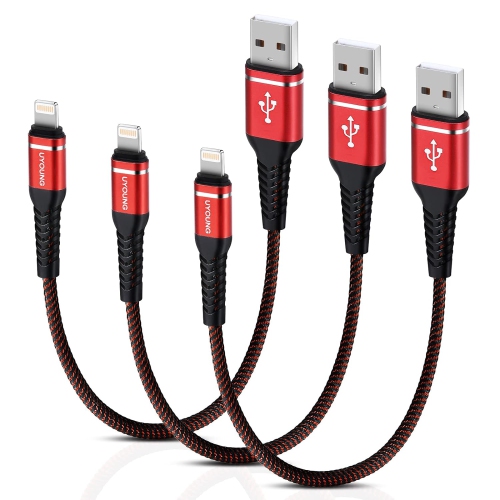
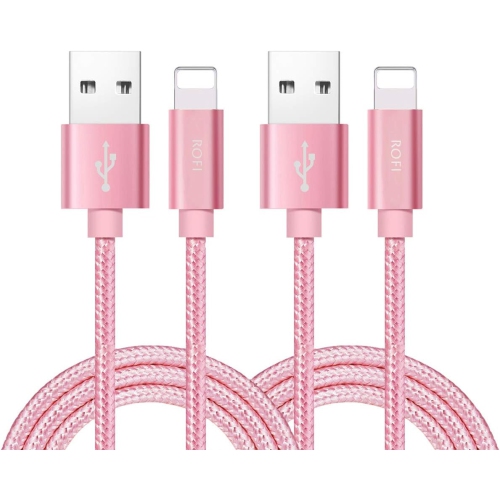
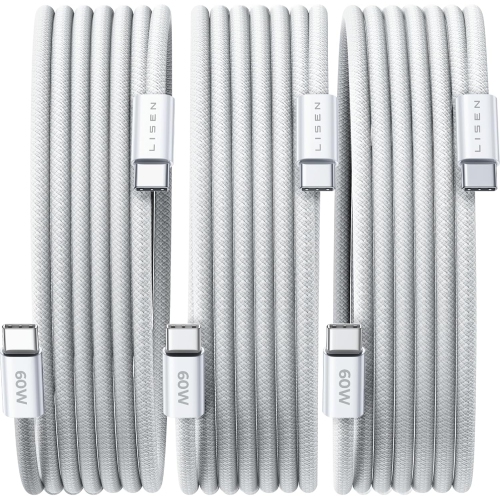
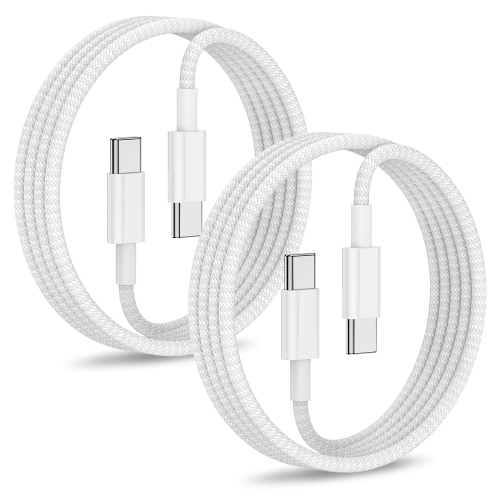
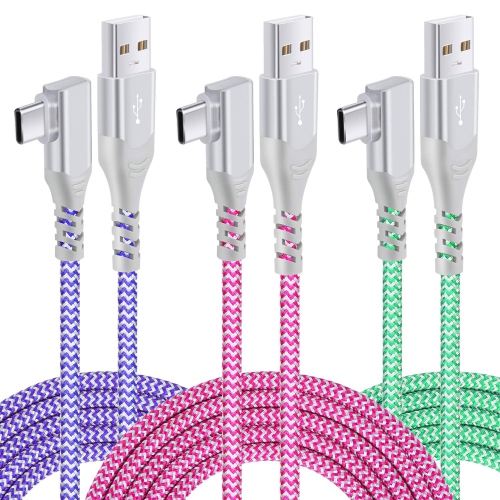
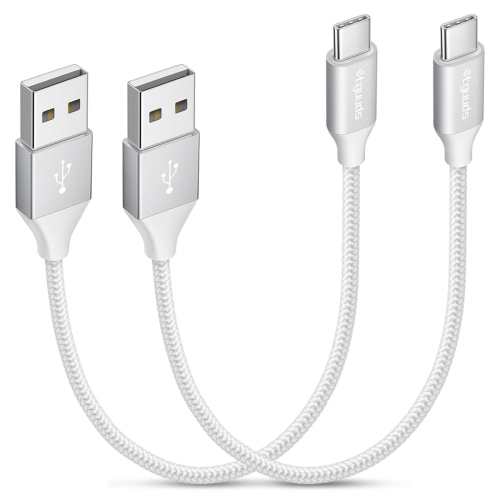
Browse braided chargers and compare connector types, cable lengths, and supported charging power to find a match for your device. Check whether each option includes a power adapter or is a cable only, so you can choose what you need for your charging setup.
Sort

What a woven jacket adds to everyday charging

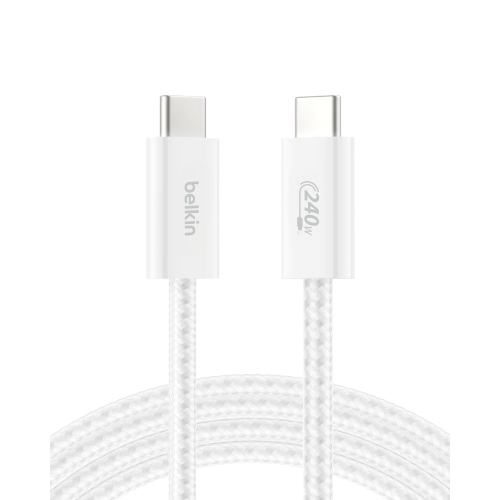
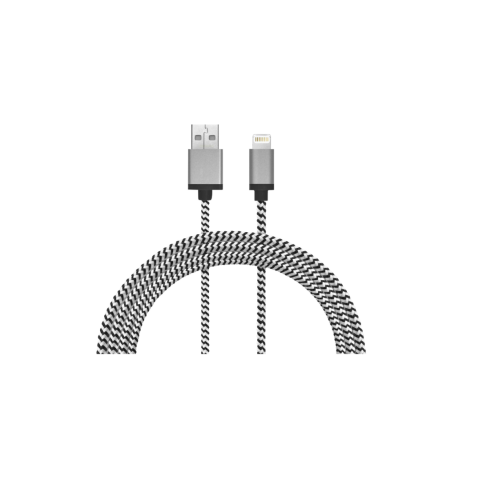
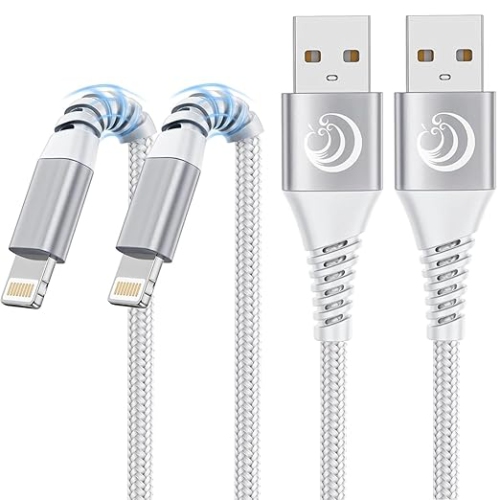
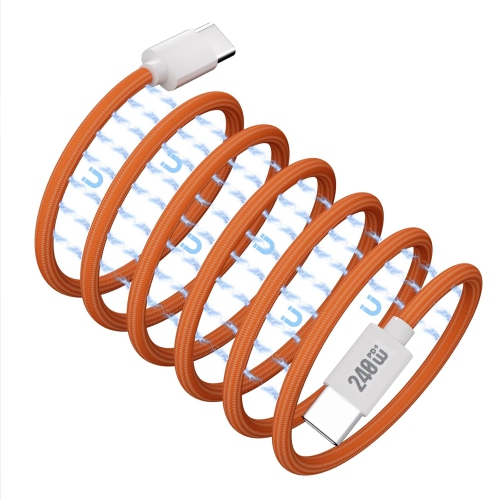
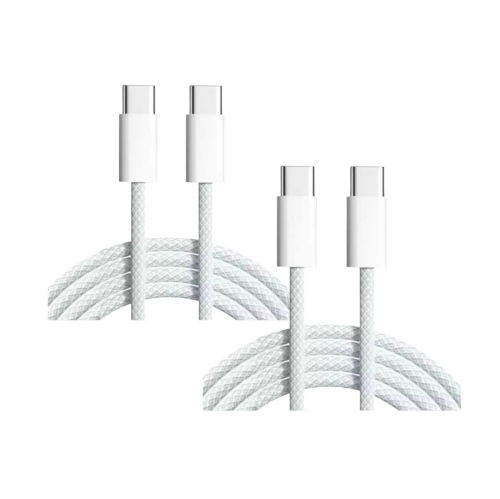
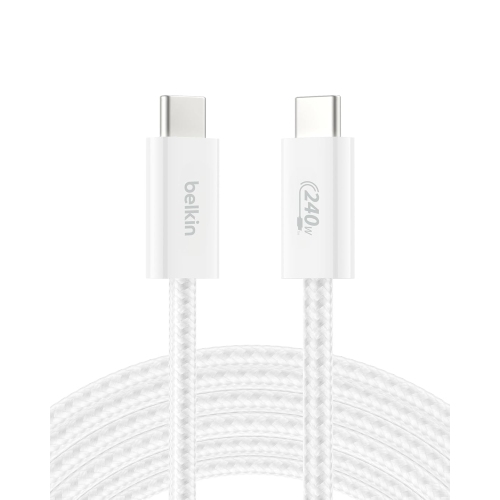
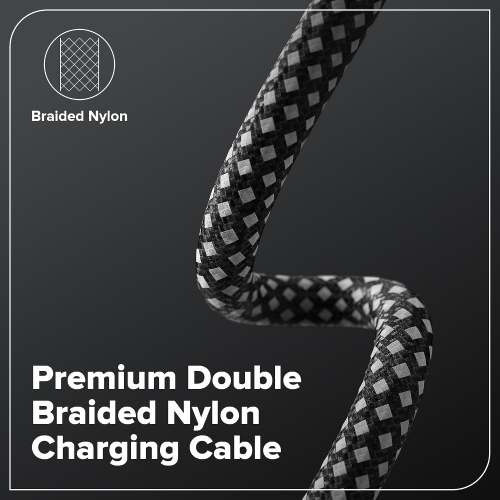
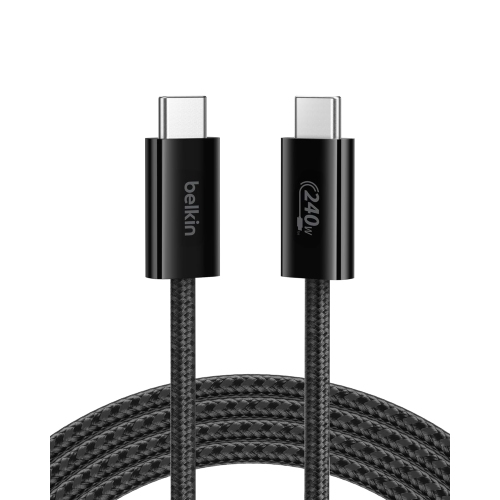
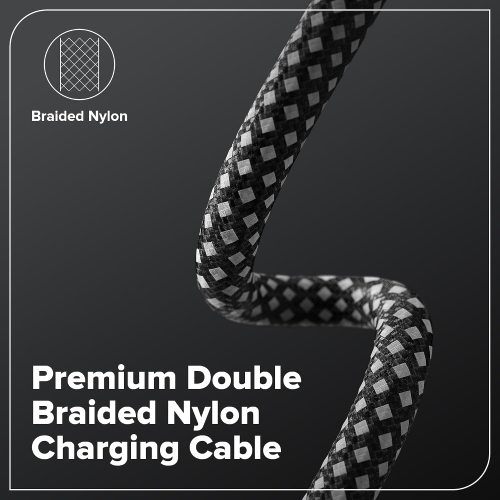
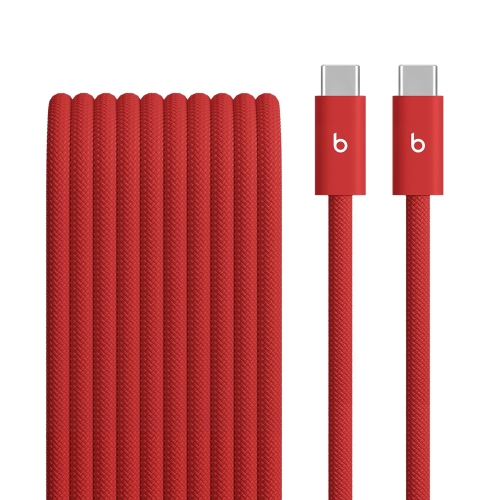
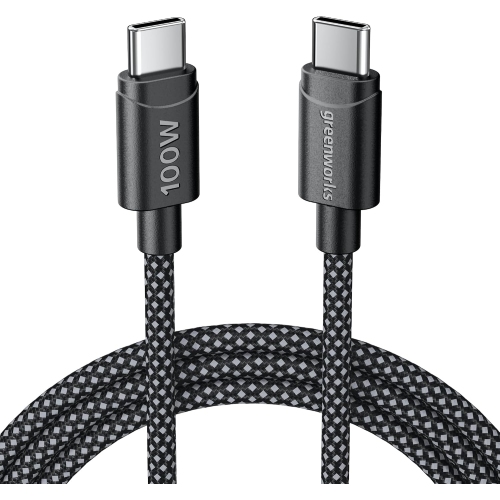
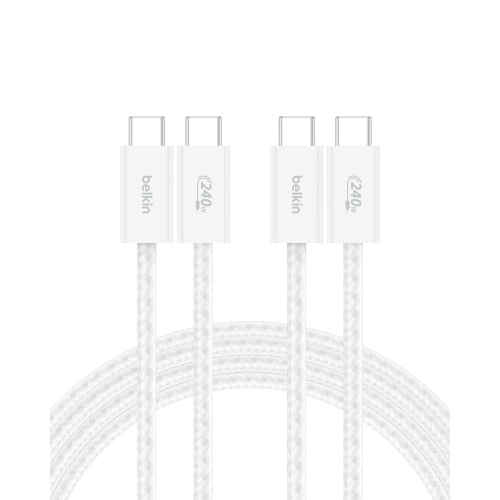
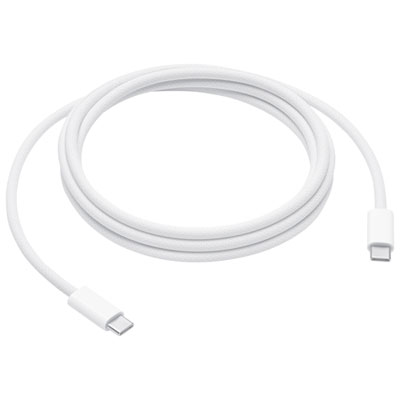
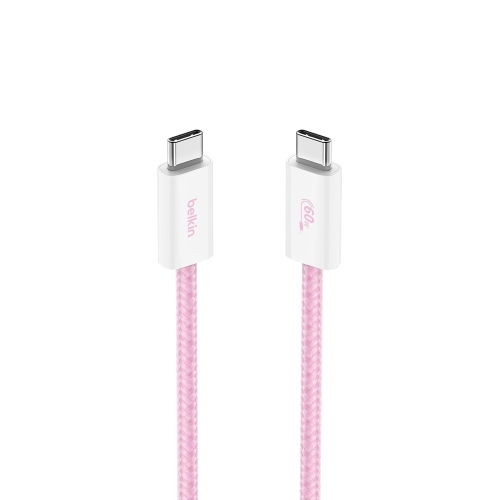
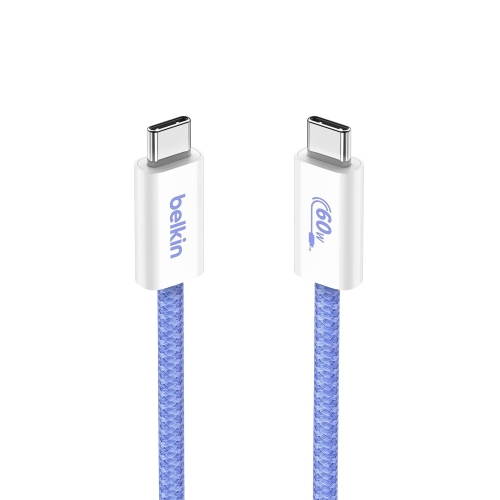
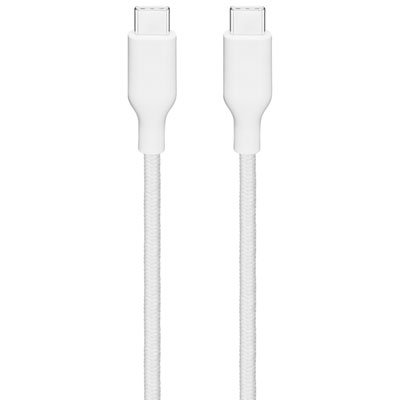
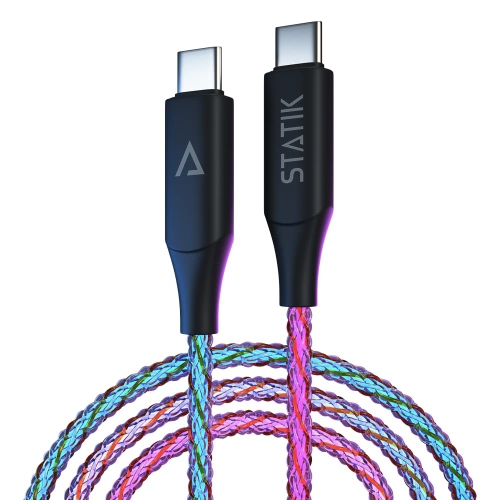
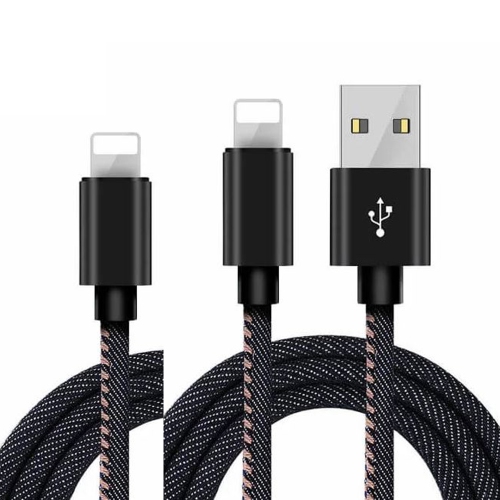
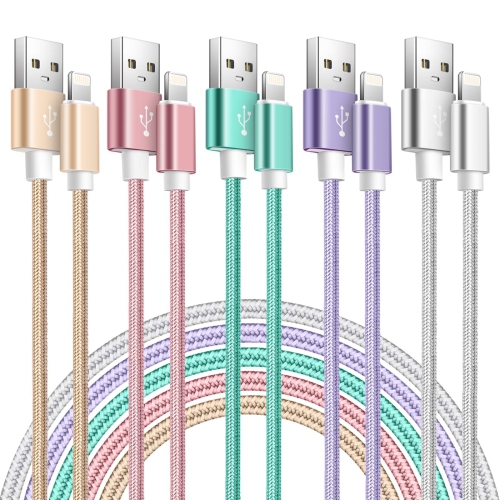
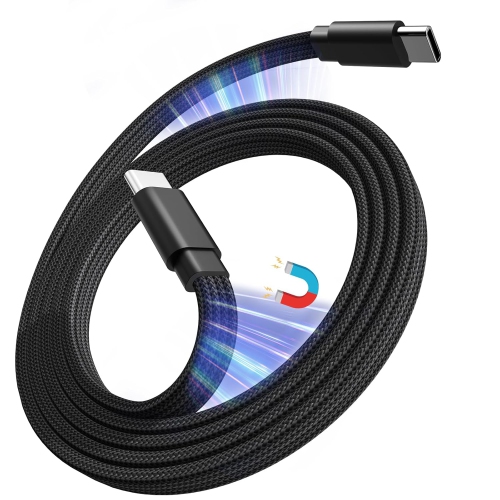
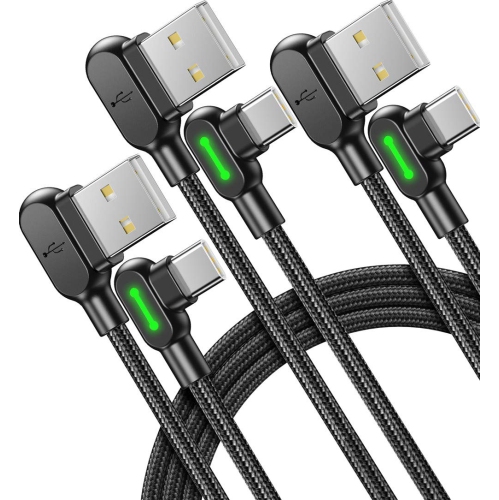
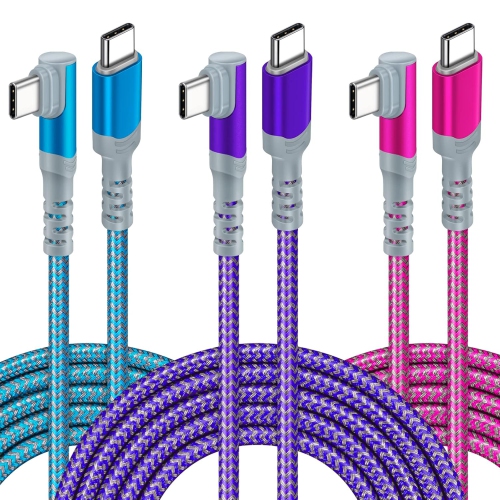
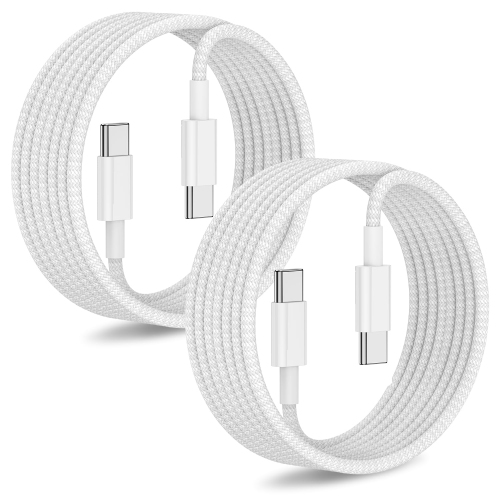
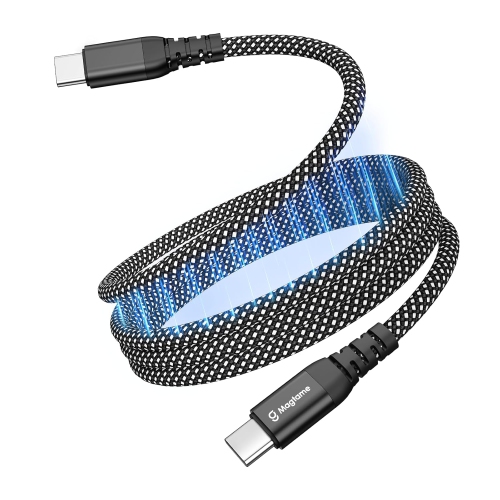
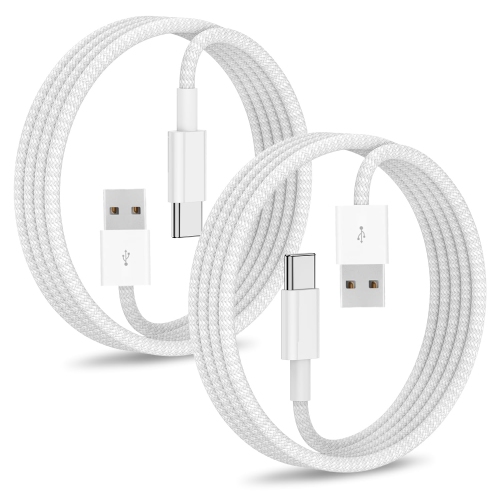
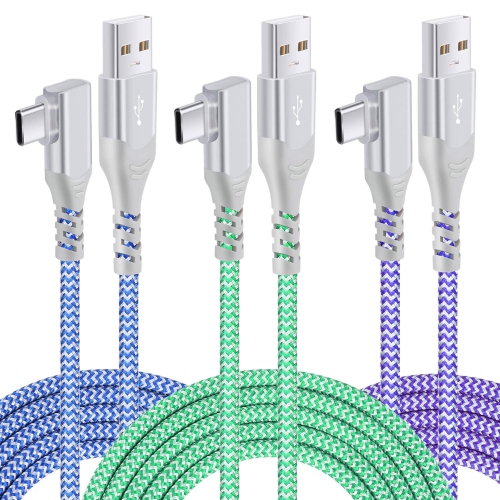
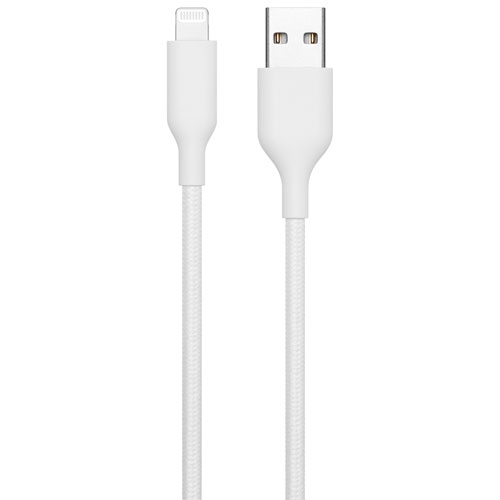
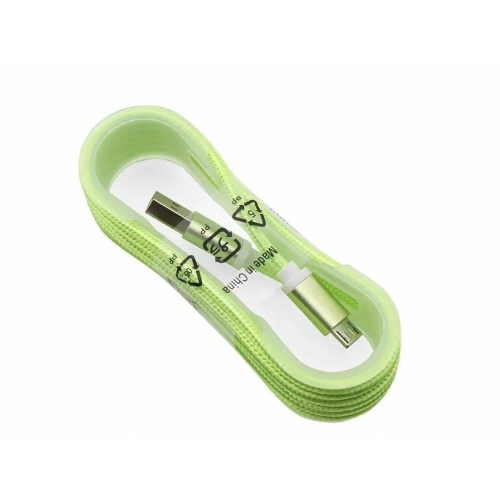
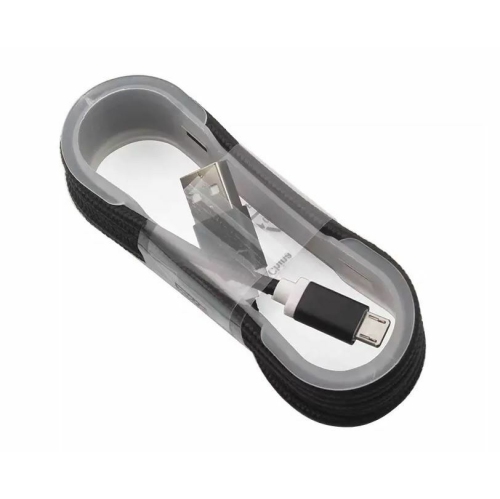
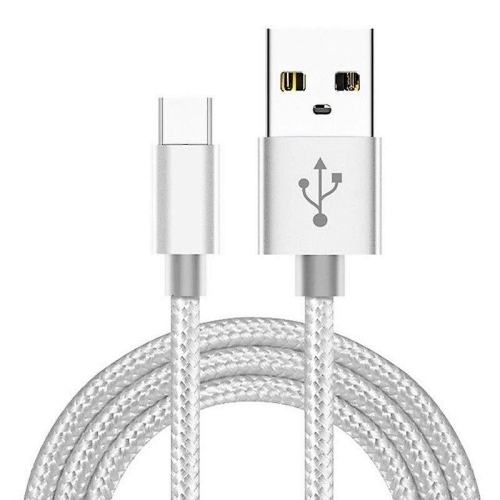
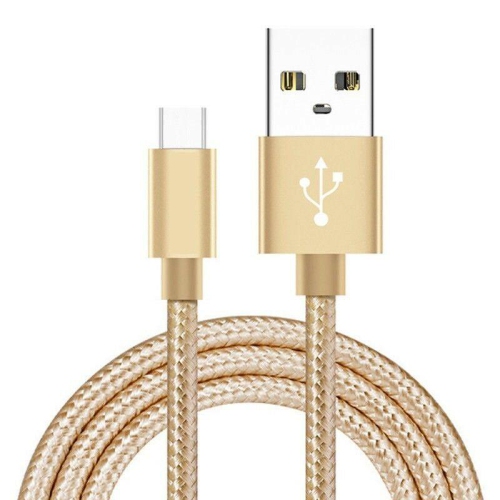
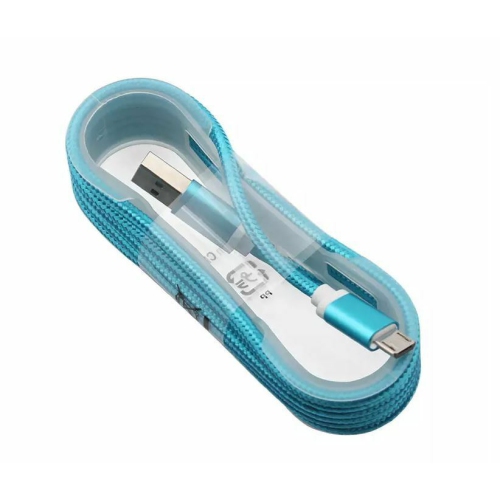
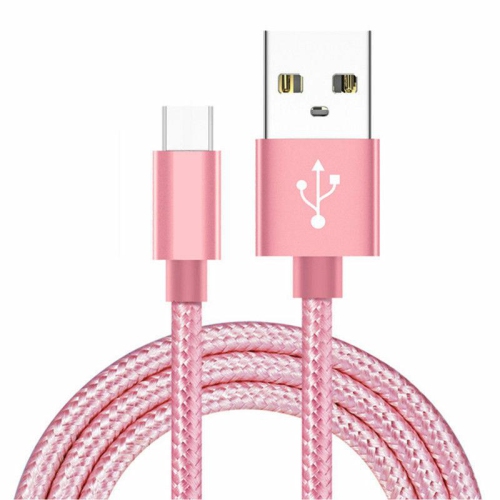
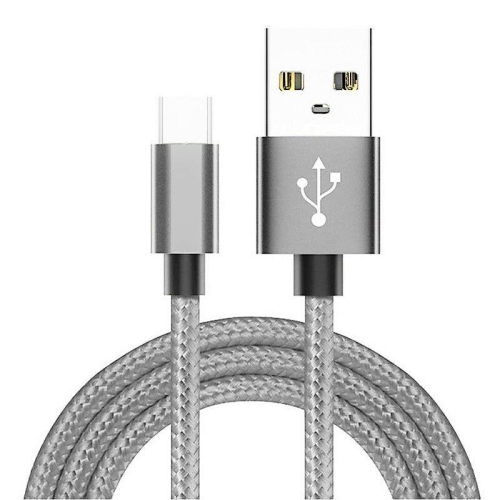
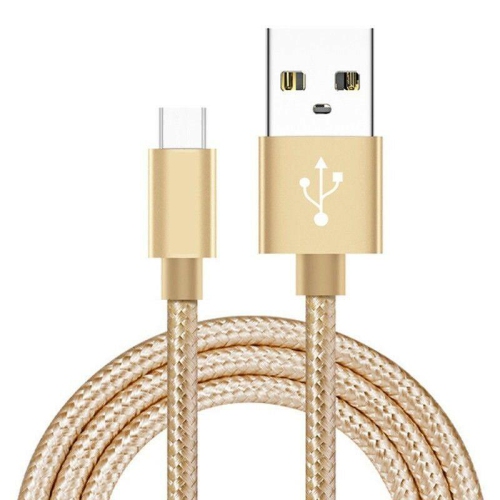
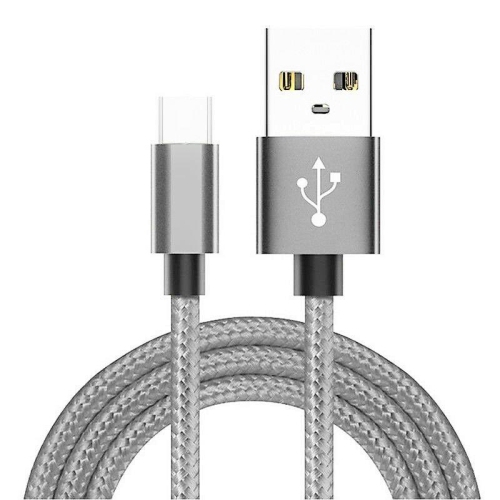
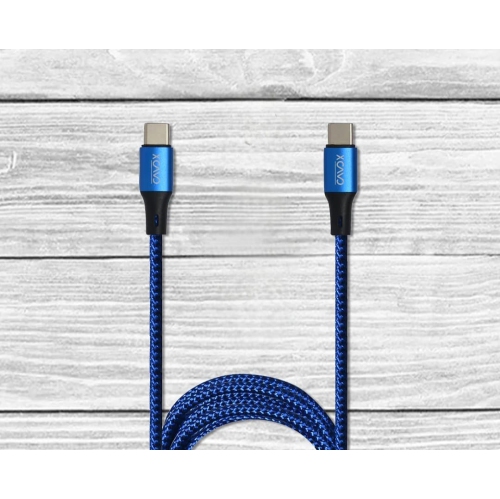
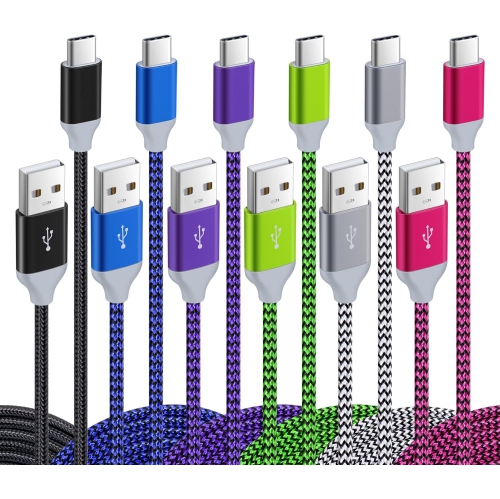
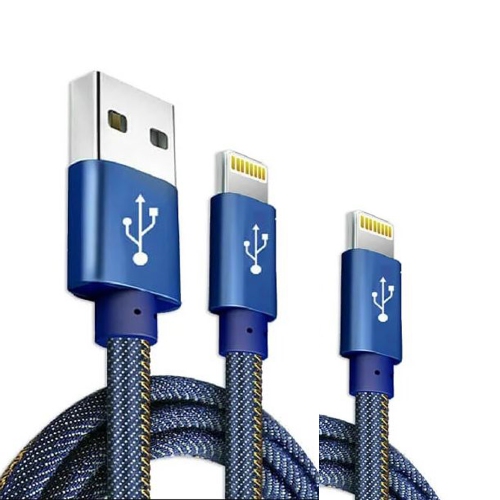
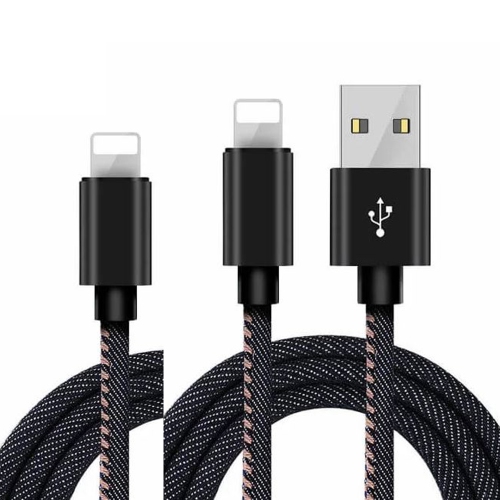
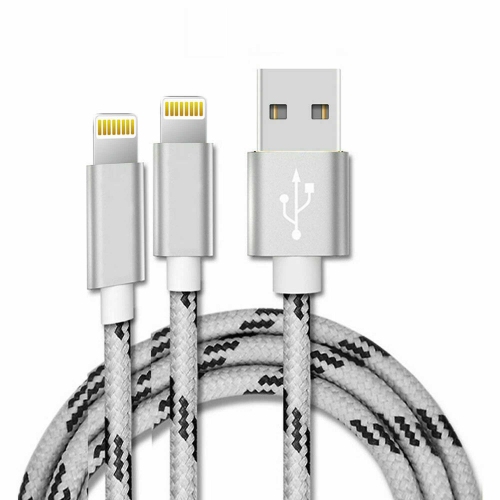
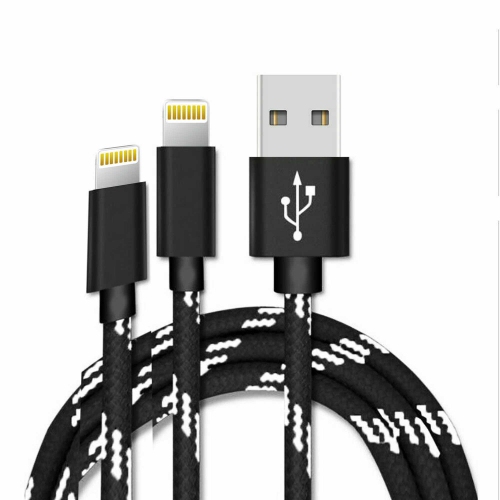
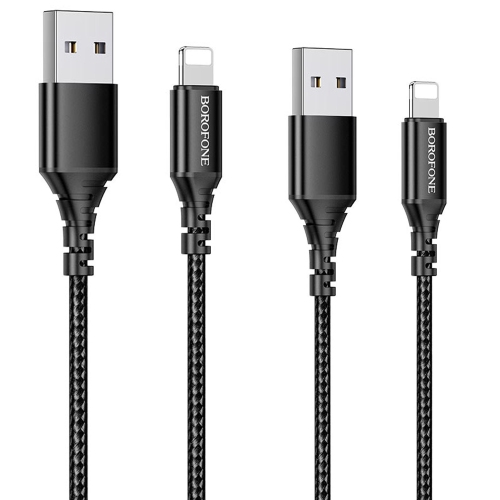
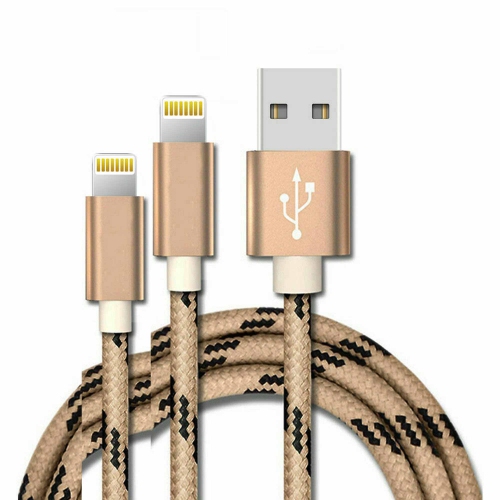
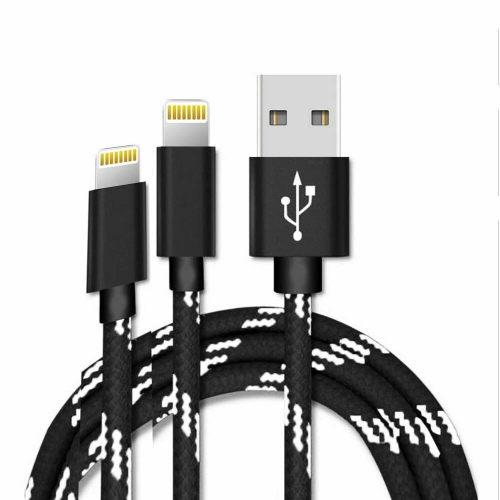
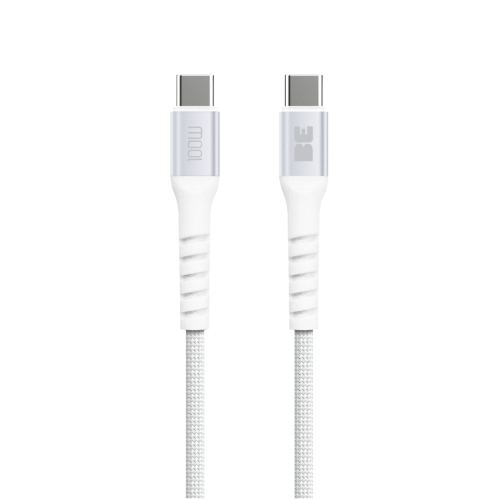
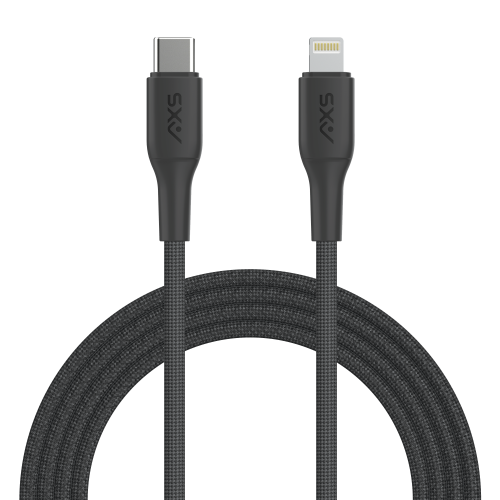
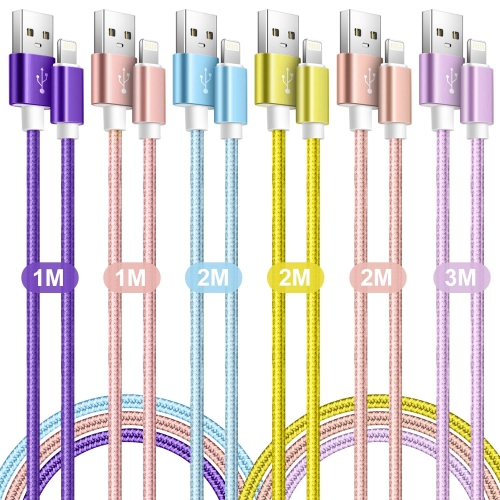
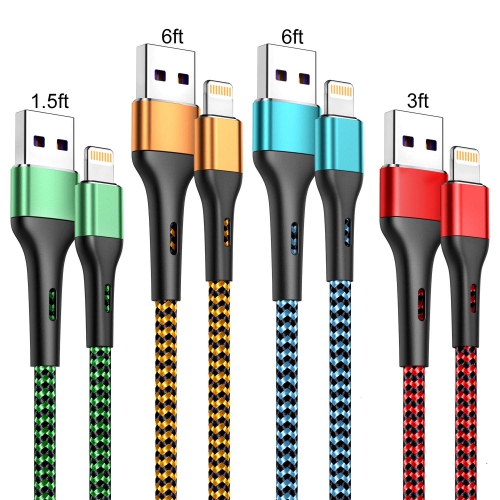
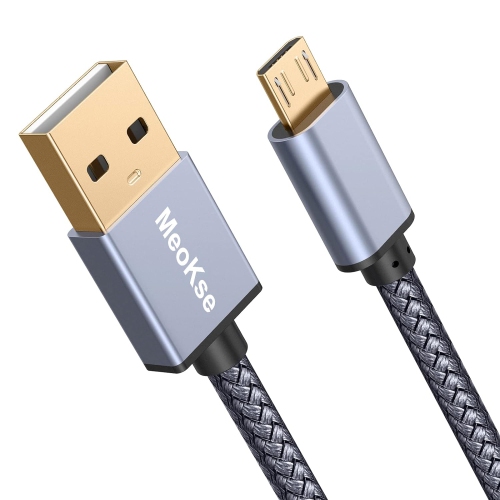
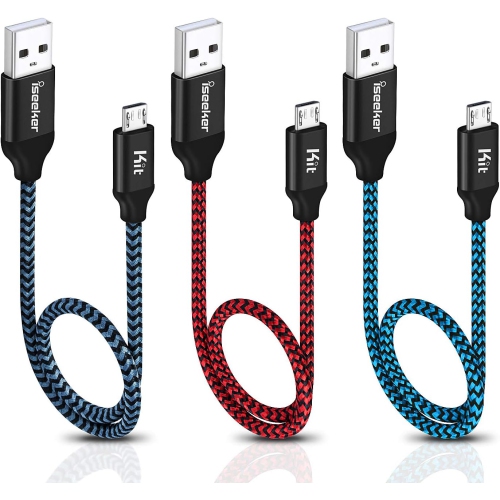
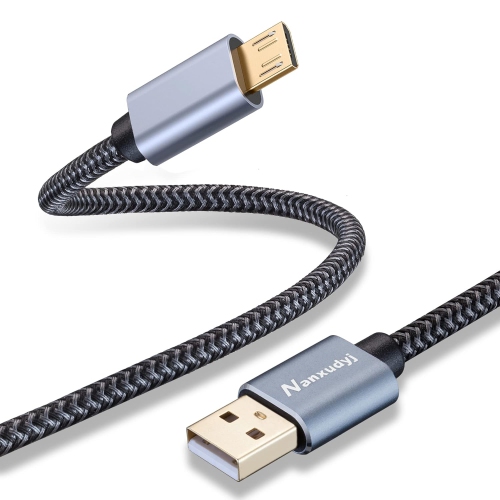
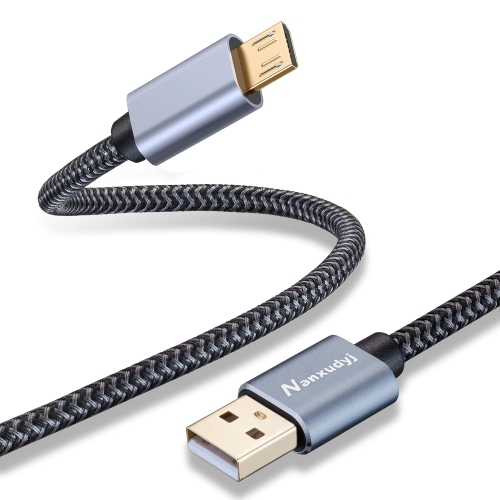
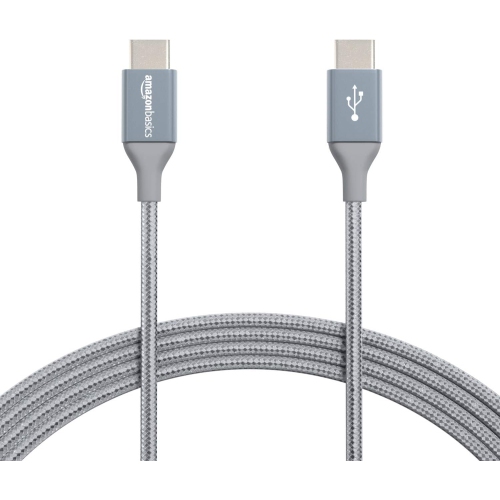
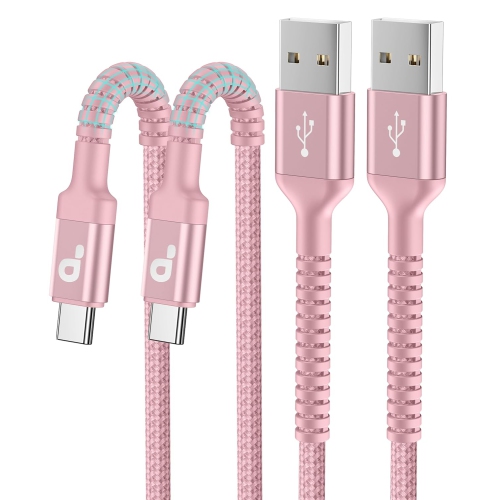
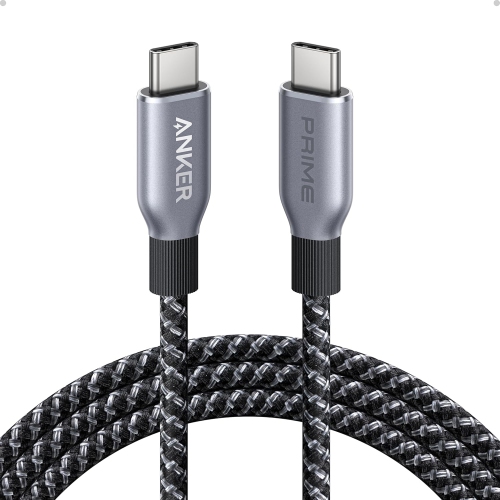
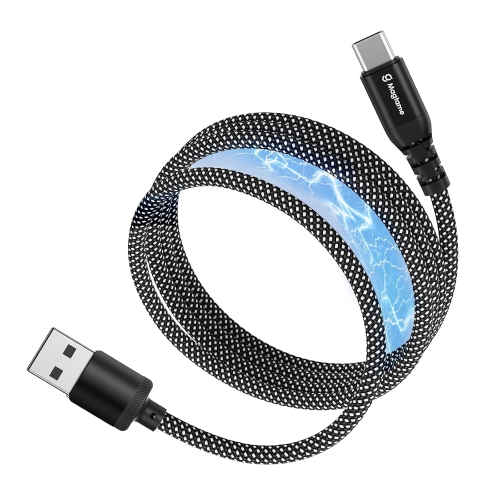
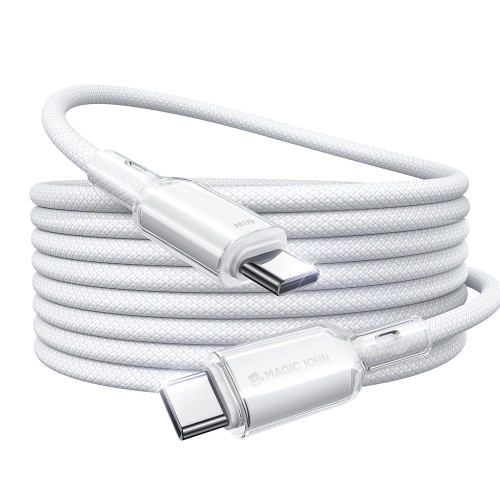
Braided chargers generally refer to charging cables finished with a woven outer jacket, rather than the wall adapter that supplies power. Beneath that textured covering are the conductors and insulation that carry electricity between a power source and a compatible device. The braid adds a fabric-like feel and can help protect the cable’s exterior from everyday rubbing against desk edges, bag compartments and other surfaces. Nylon and other textile fibres are common materials, with different weaves creating finishes that range from smooth and tightly woven to more noticeably textured. This construction appeals to people who plug in a phone several times a day, carry a cable between home and work, or prefer a cord that feels substantial in the hand. A braided finish may also help a cable slide less readily off a smooth surface, although flexibility and grip vary by design. Some cables drape easily beside a bedside table, while others have a firmer structure that holds a loose curve across a desk. The covering alone does not determine strength: the construction inside the cable, the quality of the connectors and the reinforcement where the cord meets each plug all matter. That junction experiences repeated movement when a device is picked up, turned sideways or slipped into a bag. A flexible strain-relief section can help manage that movement, but even a reinforced cable benefits from enough slack to avoid a sharp bend at the connector. Colour and texture have practical uses, too. A distinctive cord is easier to recognize in a shared household or separate from similar cables in a drawer. For someone building a tidy charging setup, a neutral woven finish can blend with furniture and accessories without drawing attention. Braiding is a finishing feature, not a promise of faster charging, waterproofing or resistance to every kind of damage.

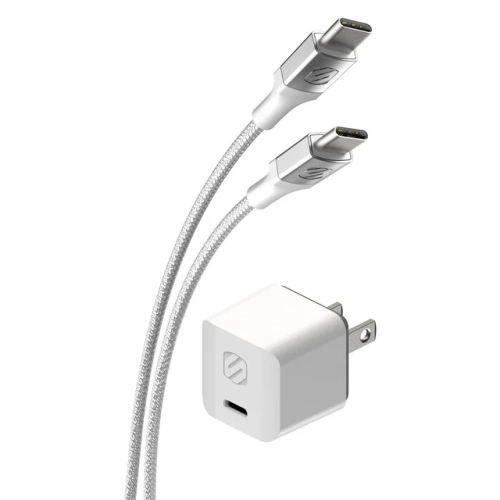
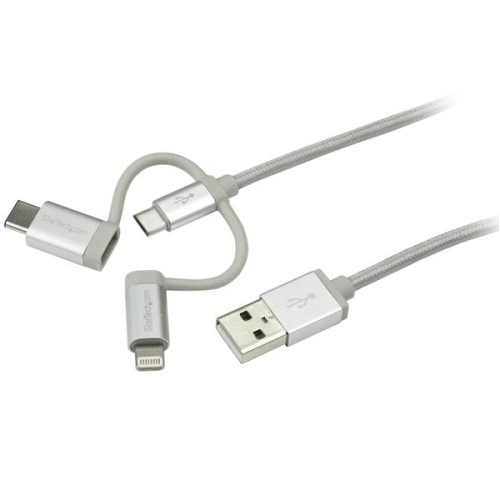
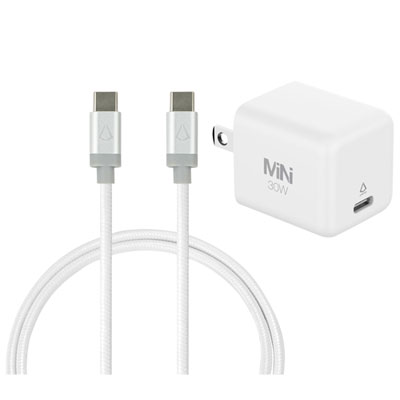
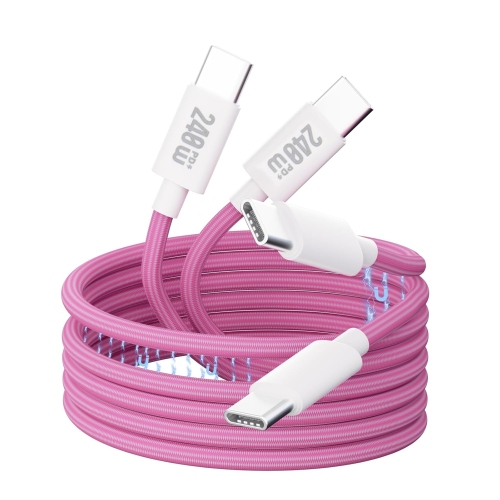
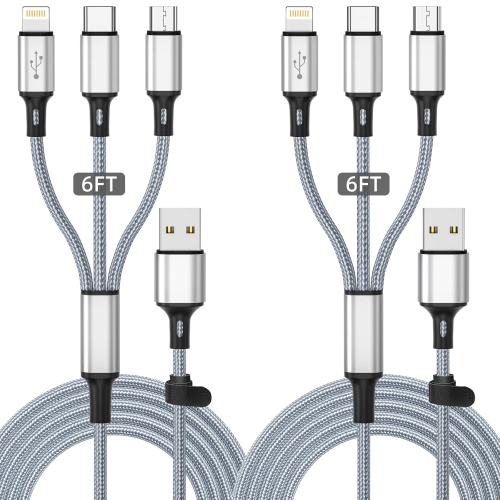
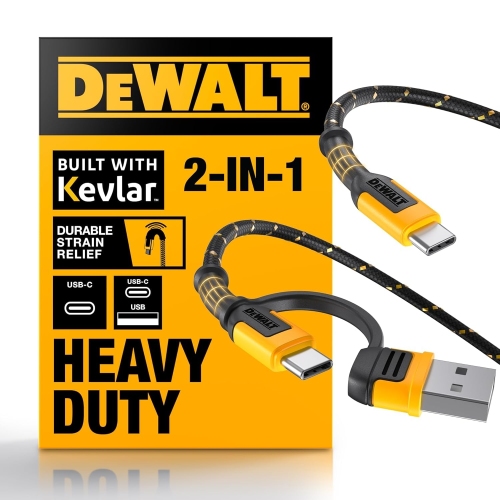
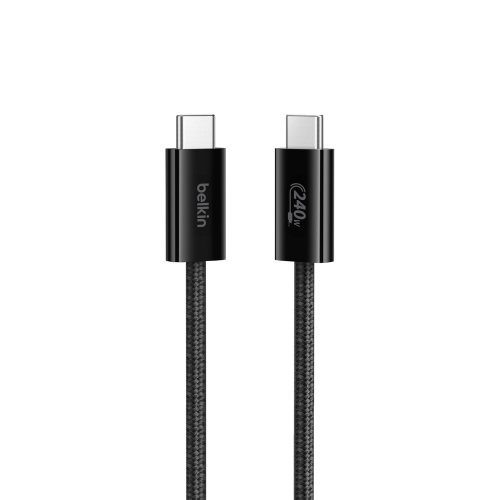
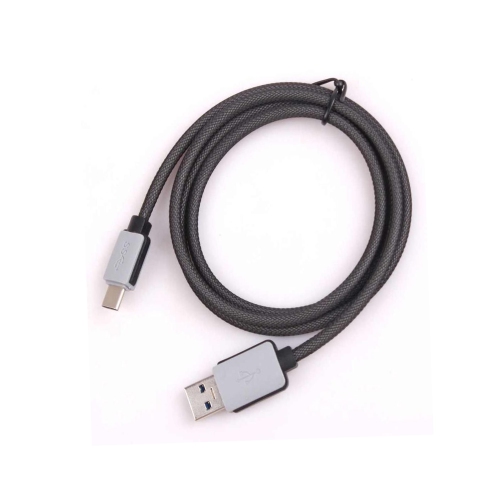
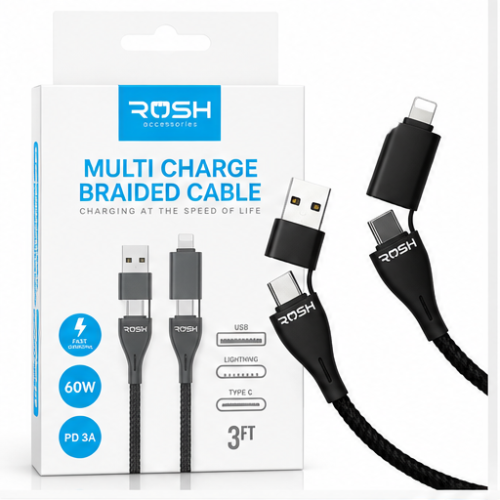
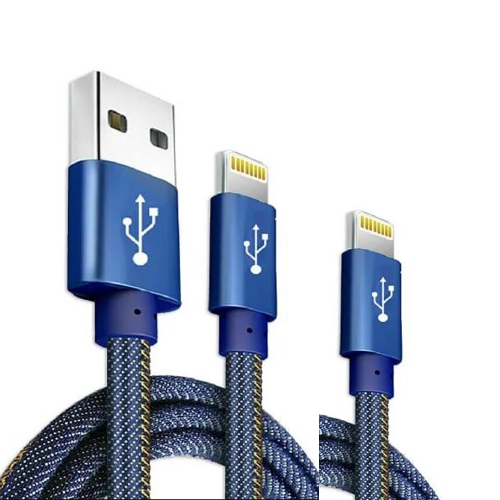
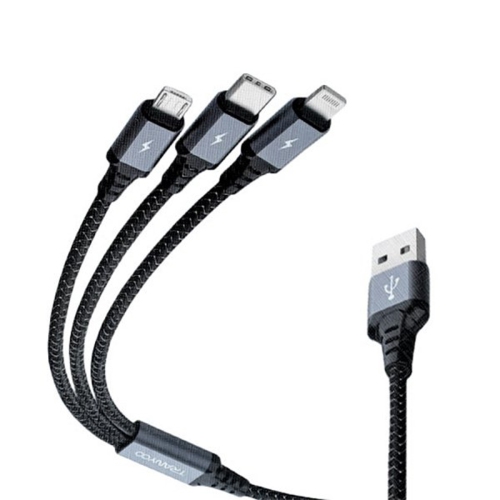
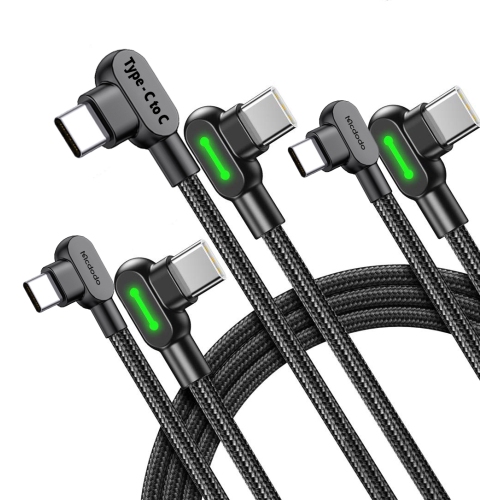
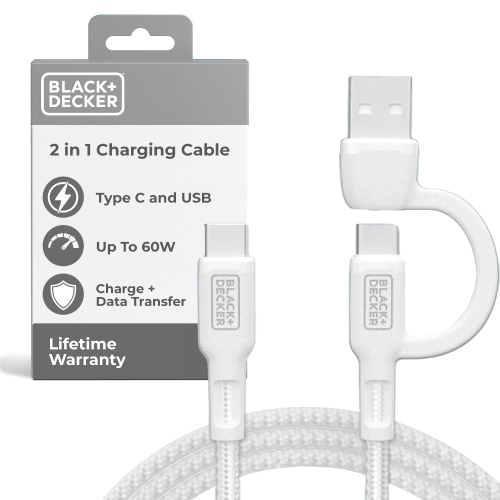
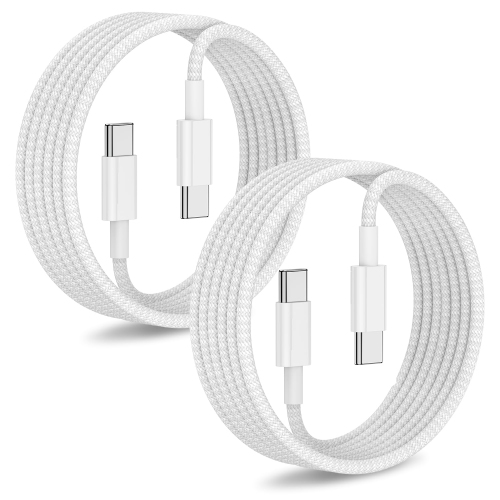
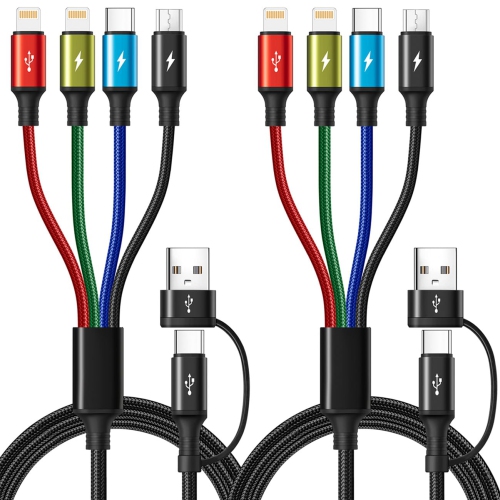
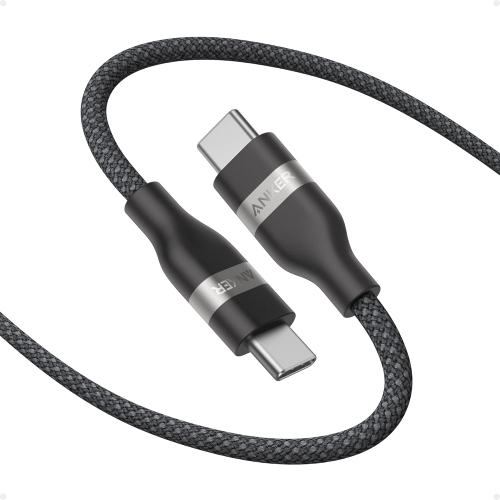
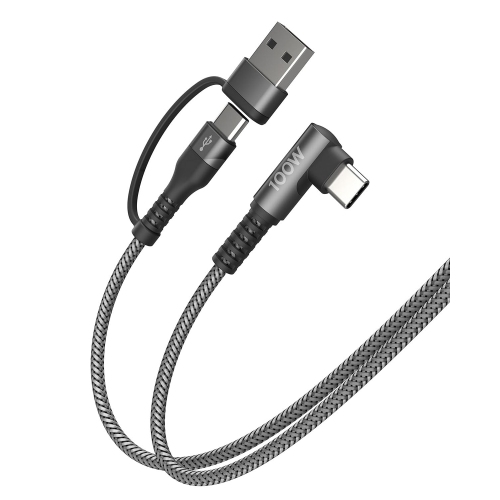
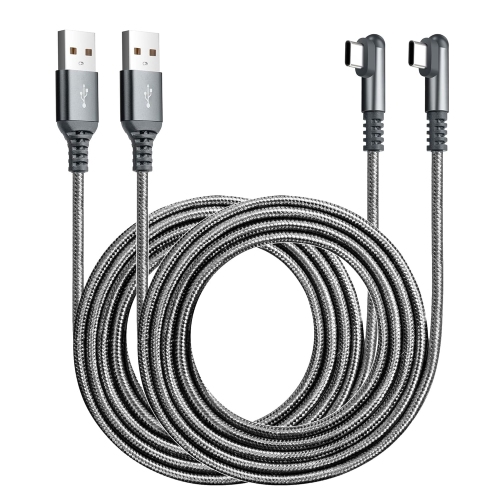
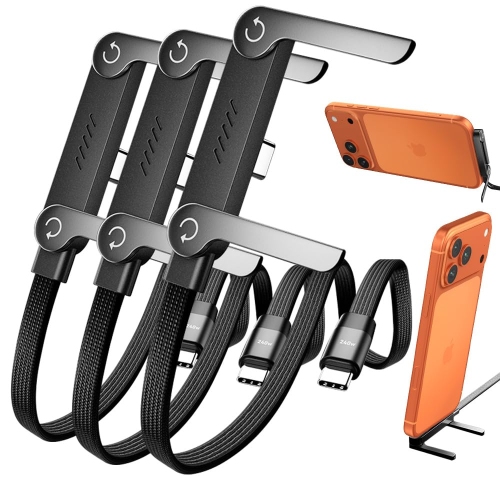
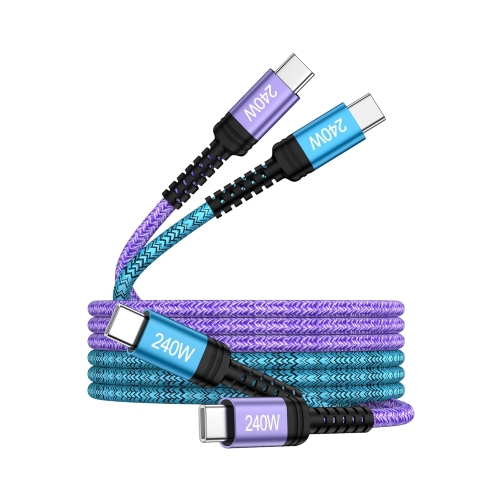
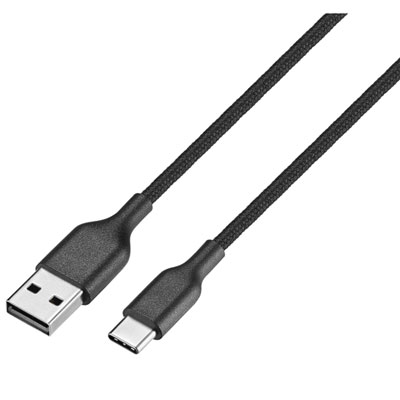
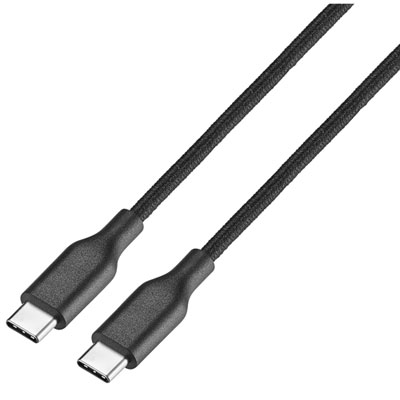
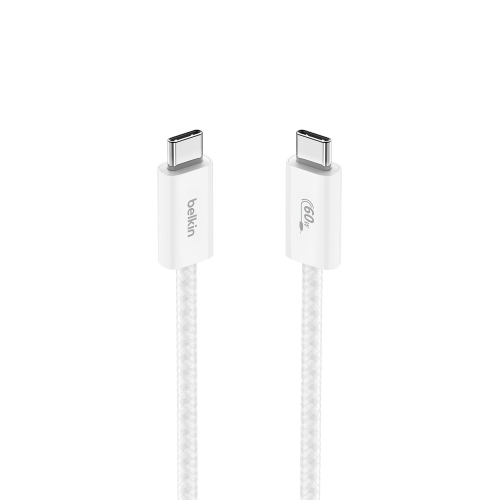
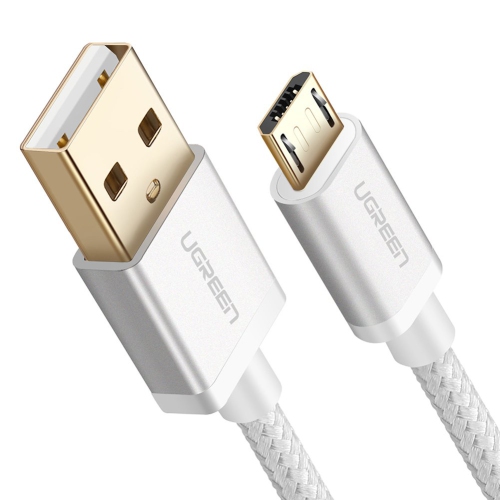
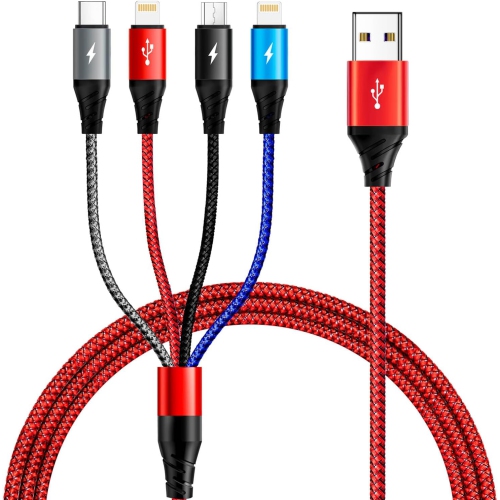
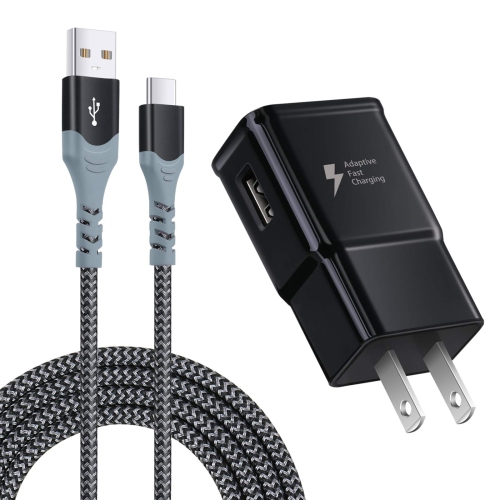
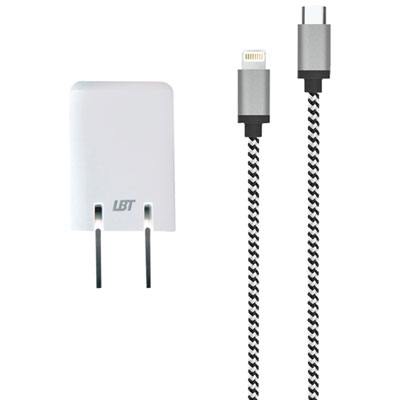
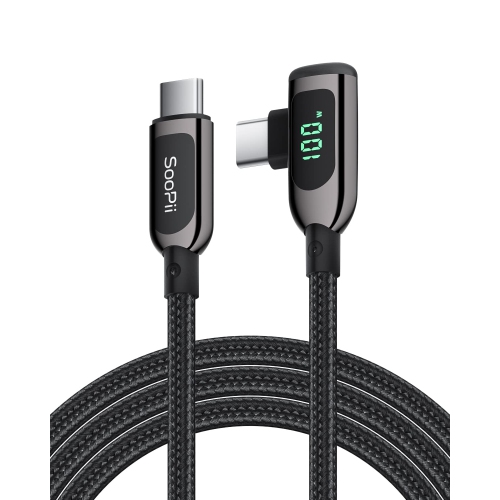
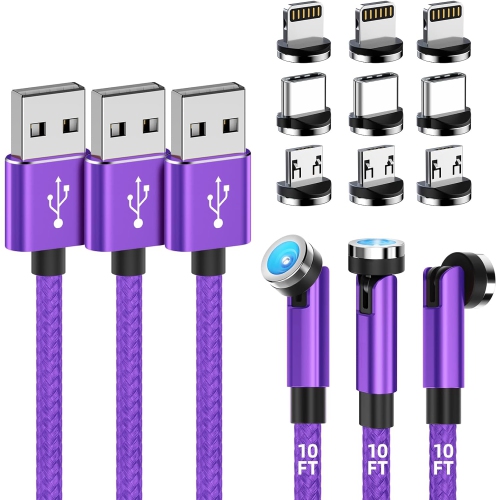
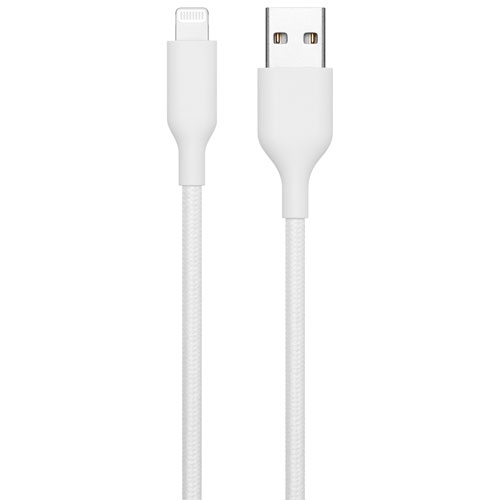
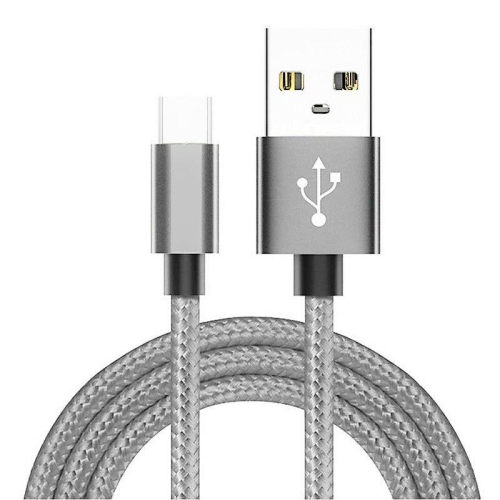
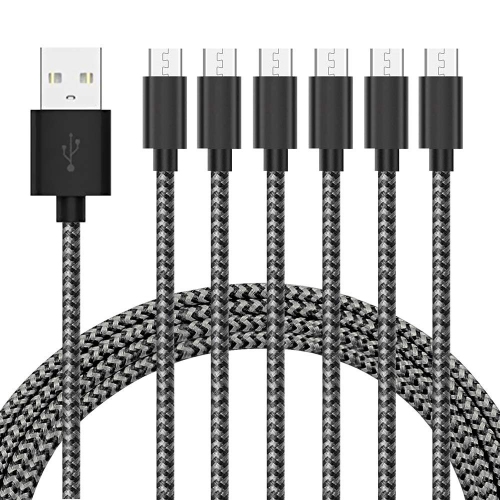
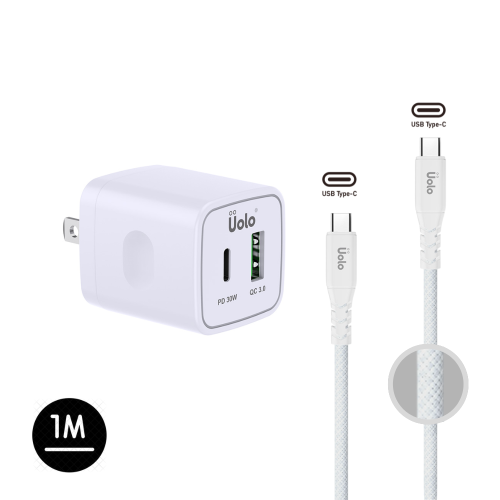
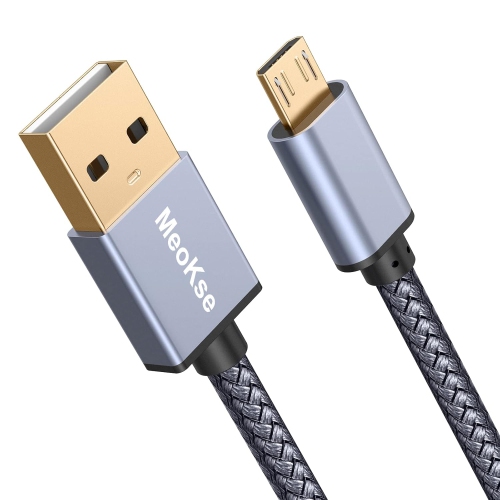
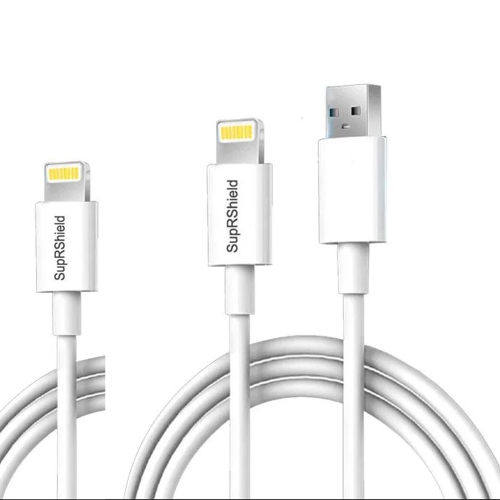
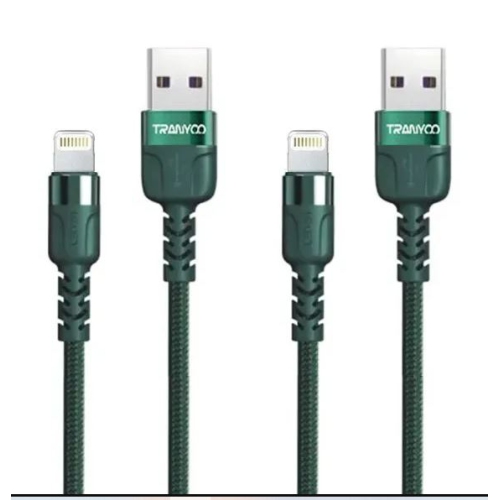
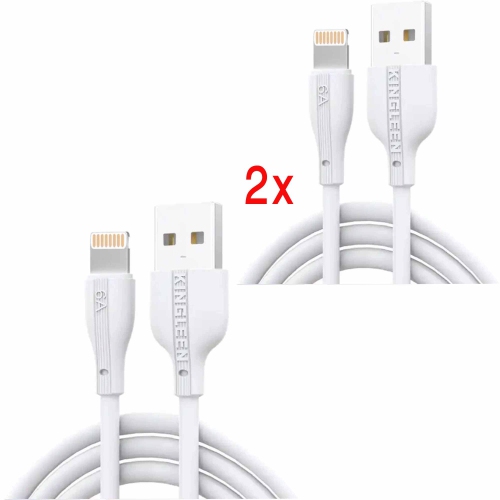
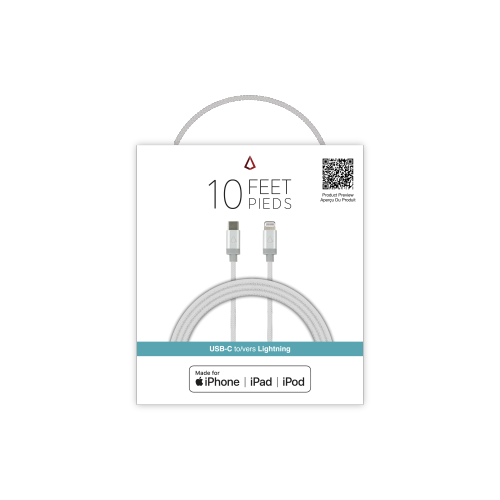
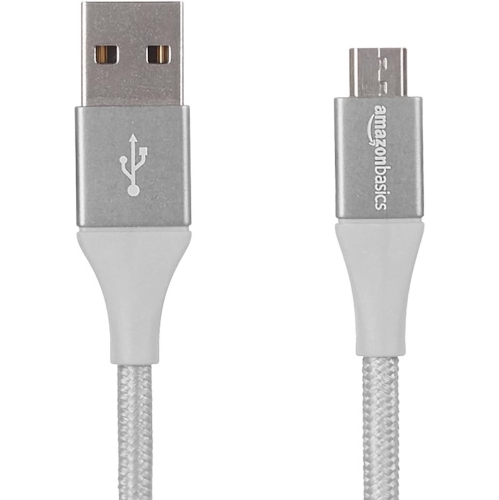
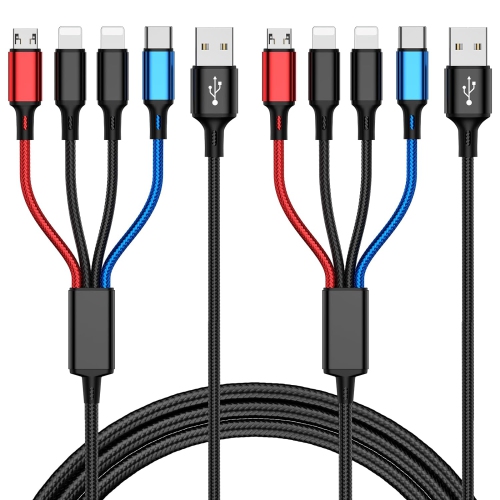
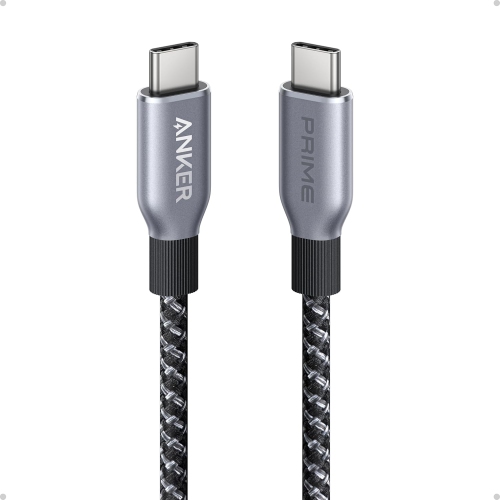
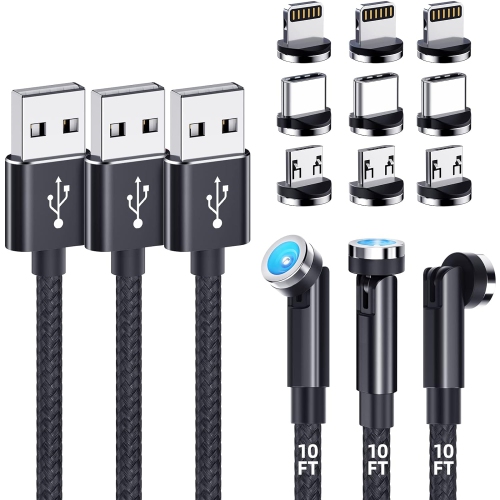
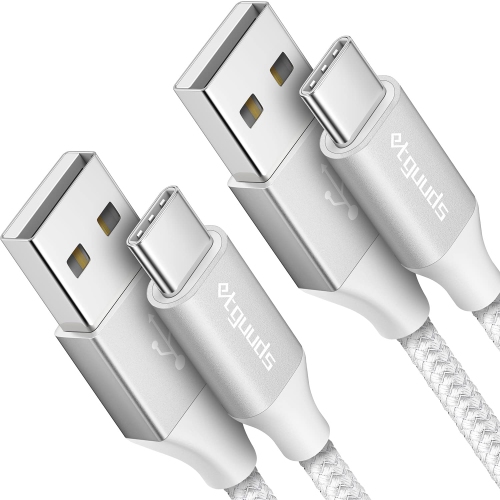
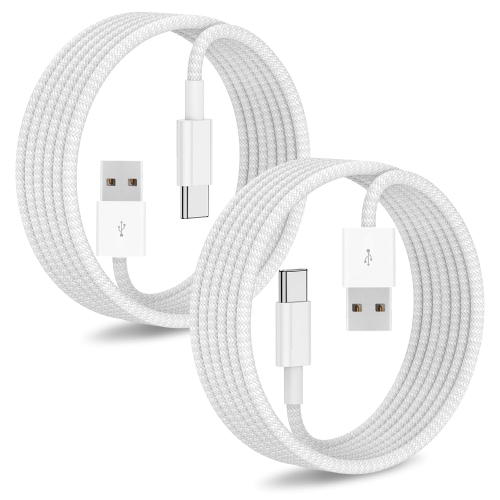
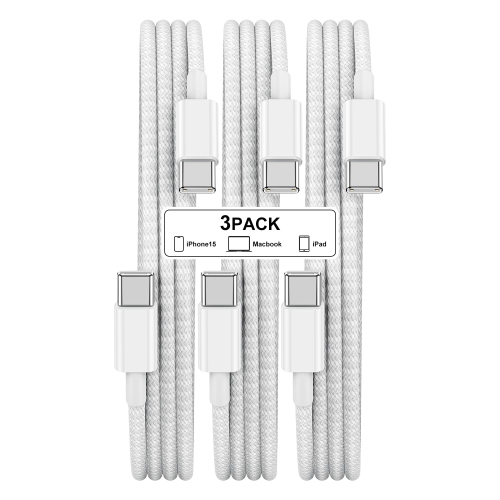
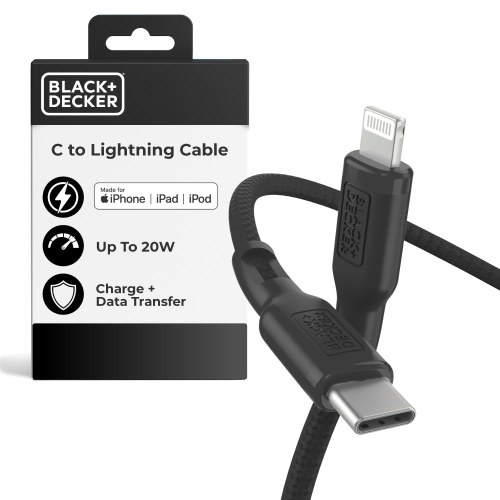
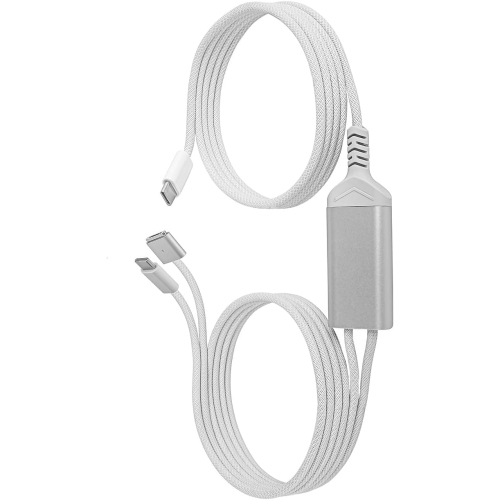
Compatibility is the starting point for understanding how a braided charging cable will work with a device. Both ends matter: one connects to the phone, tablet, laptop or accessory, while the other connects to a wall adapter, computer port, power bank or another suitable power source. USB-C to USB-C cables have the same connector shape at each end, whereas USB-A to USB-C cables pair a rectangular USB-A plug with a smaller, reversible USB-C plug. Lightning and Micro-USB connectors serve devices with those matching ports and are not interchangeable with USB-C. Even when a plug matches the device’s socket, the connector housing needs enough clearance to fit through the opening in a protective case. A bulky housing can be awkward around a recessed port or a narrow case cut-out. Braided designs sit within the wider category of Charger Cables, where connector type, supported power and data capabilities distinguish how each cable can be used. Charging speed depends on the combination of the device, cable and power source, including whether they support a compatible fast-charging standard. A braided exterior does not increase the power supplied by an adapter or change what a device can accept. For USB-C connections, support for USB Power Delivery can be relevant to charging compatible phones, tablets and laptops, but the cable’s stated power rating still needs to suit the intended use. A cable suitable for a small accessory should not automatically be treated as suitable for a higher-power laptop. Data transfer is another separate capability. Two cables with similar braided finishes and identical-looking connectors may support different transfer speeds, and some are intended only for charging. Transferring large photo libraries, connecting to a vehicle’s wired media system or using a compatible display can require capabilities beyond basic power delivery. Multi-connector designs can be convenient for households with different devices, although simultaneous charging and supported power depend on the cable’s specifications. The number of connectors alone does not establish how power is shared.
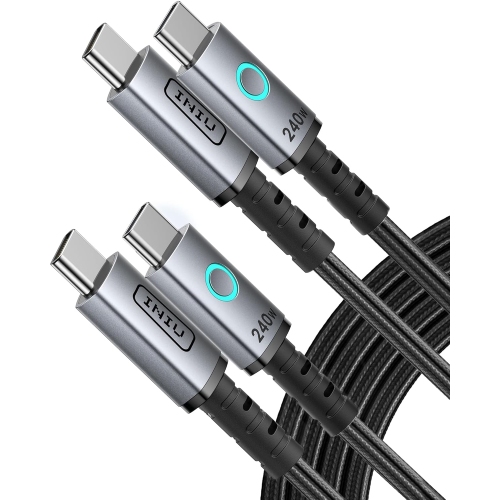
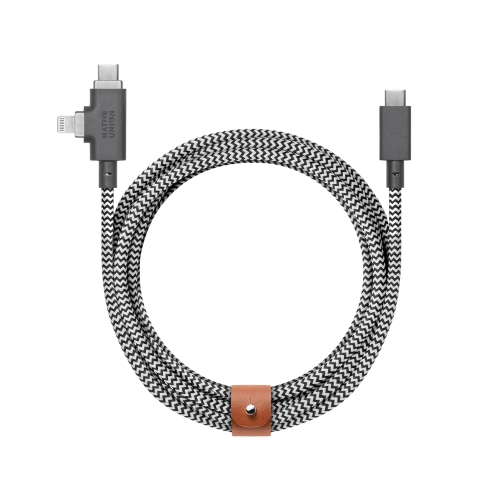
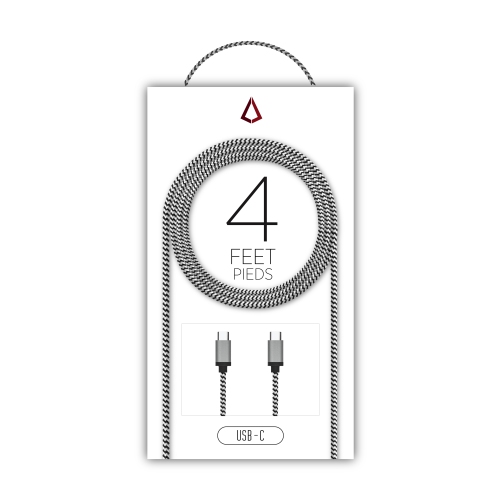
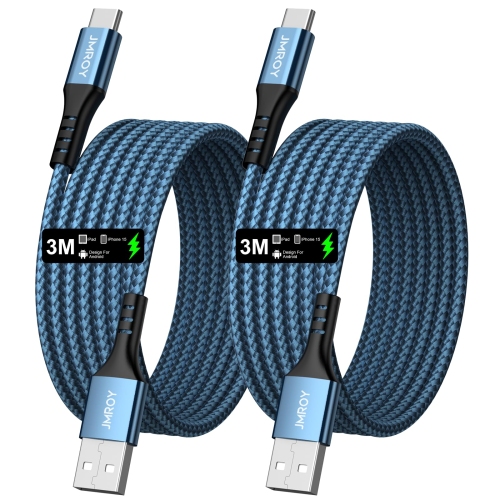
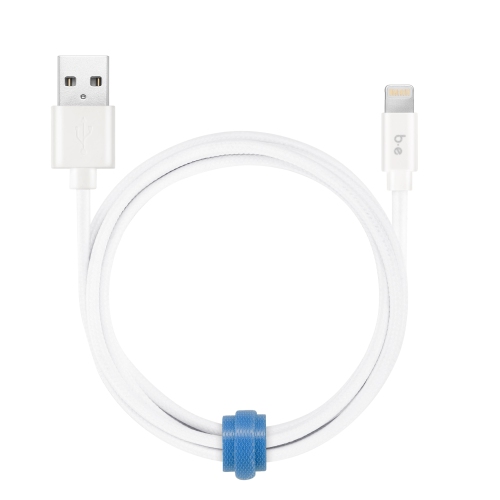
Cable length makes a noticeable difference to everyday comfort. A shorter braided cable can keep a power bank and phone close together inside a bag, or reduce loose cord around a vehicle’s centre console. A longer cable can reach from a wall outlet behind a sofa to a side table without leaving the device hanging from its connector. At a desk, enough length to route the cable around a monitor stand can keep the working area clear, while excessive slack may gather near chair wheels or catch on drawer handles. The most useful length follows the actual route between the power source and device, including furniture and any bends along the way. Cable thickness also affects portability: a substantial braid may feel reassuring at a fixed charging station, while a more flexible cord is easier to coil into a small pouch. For students, commuters and people who work across several locations, a dedicated cable for each frequently used space can reduce the need to unplug and repack the same cord. Braided charging cables can also make practical gifts when the recipient’s device connector and charging needs are known. Care is straightforward but important. Disconnecting by holding the plug rather than tugging the cord reduces stress at the connection, and storing the cable in a loose coil helps avoid tight folds. A reusable cable tie can hold that coil without squeezing it sharply. For surface cleaning, the cable should be disconnected at both ends and wiped gently according to its care instructions; soaking a woven jacket can introduce moisture near the connectors. Frayed fabric, exposed wiring, a loose plug or unusual heat are reasons to stop using a cable rather than conceal the damage with a wrap. With suitable connectors, an appropriate power rating and a length that fits the space, a braided cable can serve as a comfortable, easy-to-identify connection for everyday charging.
FAQ

Some products may be subject to Environmental Handling Fees (EHF) depending on your province. Learn more about EHFs.