Outdoor Storage Chests
Organize your outdoor space with style and functionality with this collection of outdoor storage chests. From storing cushions and gardening tools to keeping your patio tidy and clutter-free, these versatile chests are designed to withstand the elements while adding a touch of elegance to your outdoor decor. Whether you prefer sleek modern designs or classic wicker finishes, this range of outdoor storage chests offers plenty of options to suit your taste and storage needs.
Sort

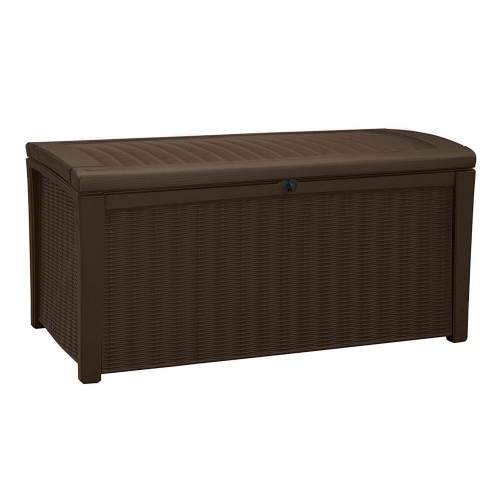
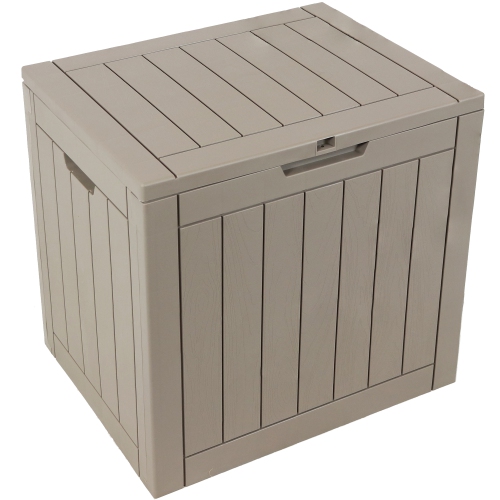
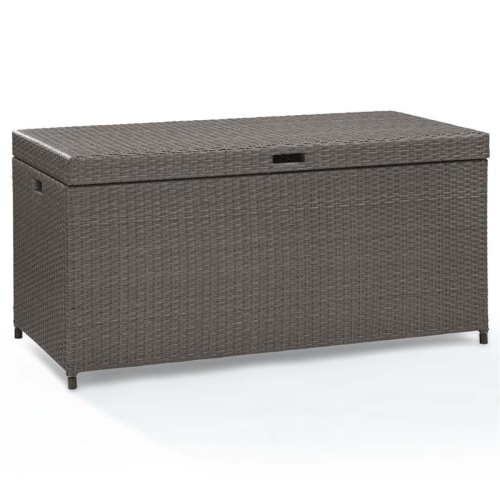
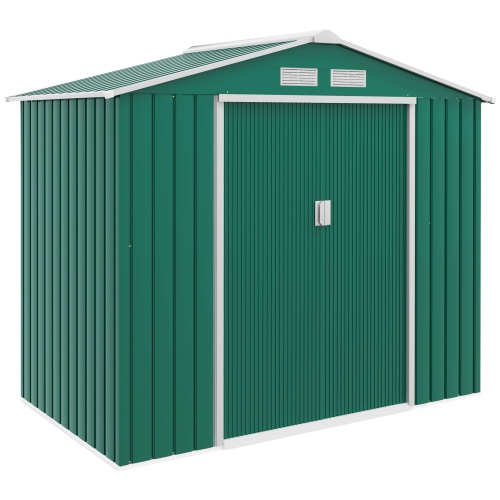
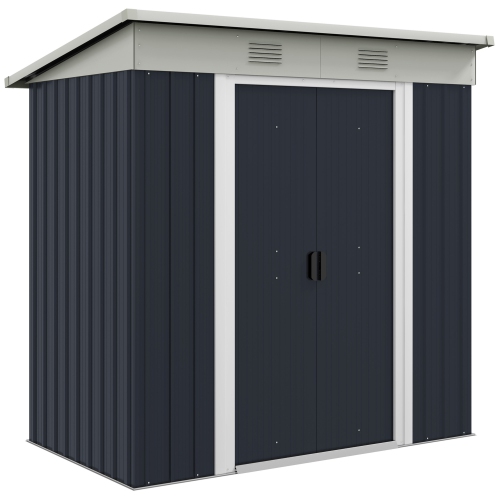
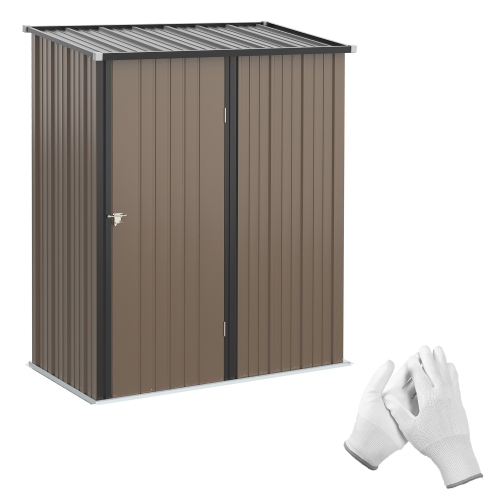
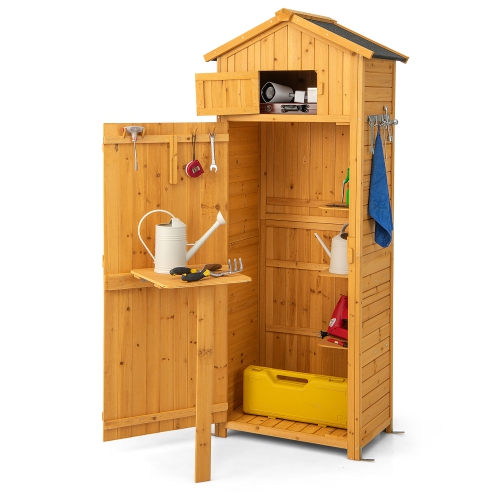
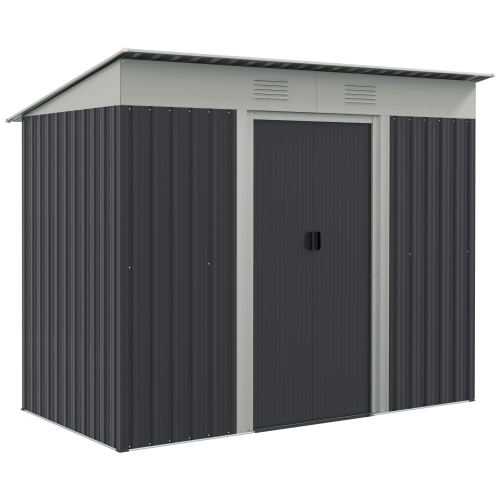
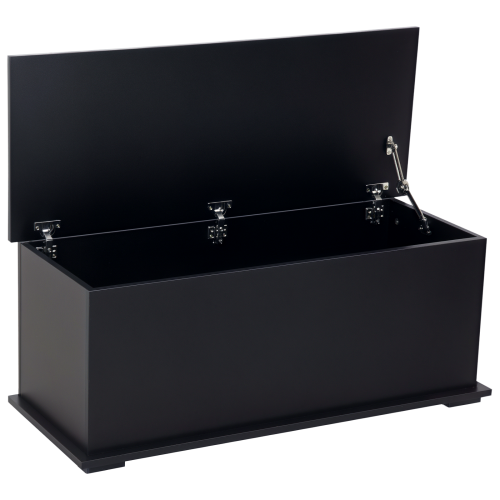
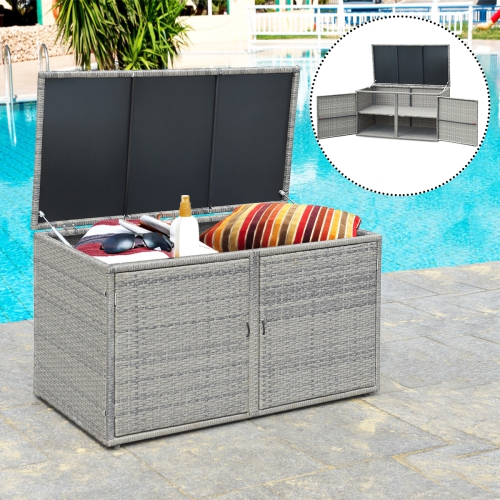
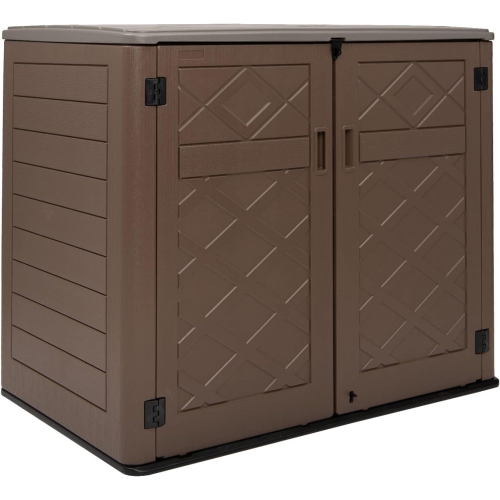
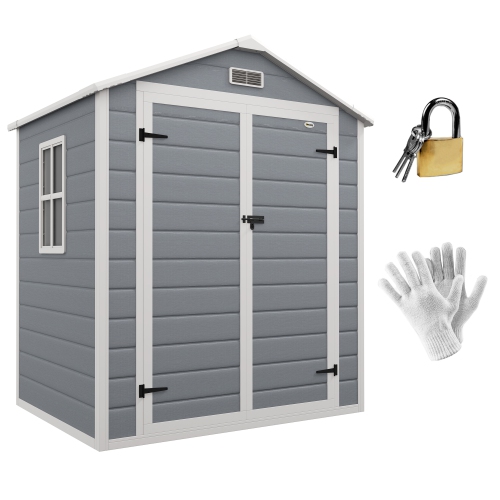

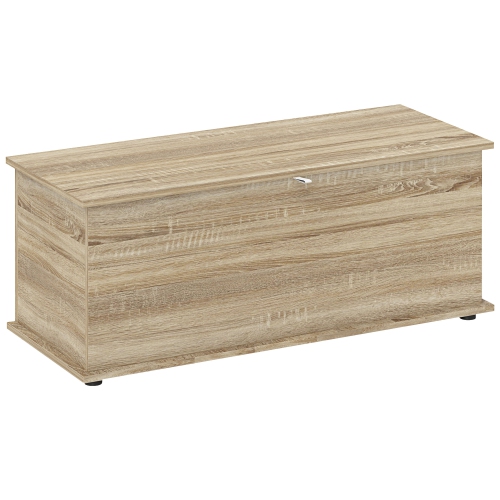
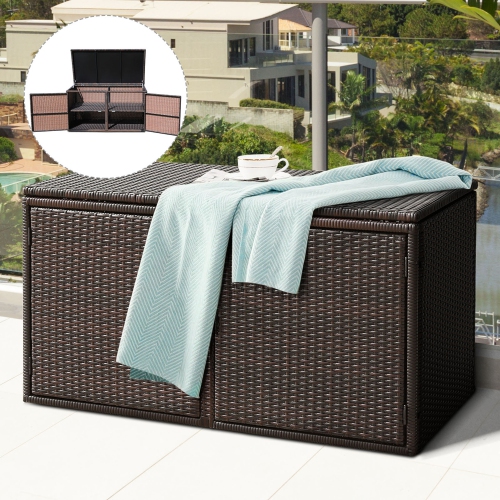

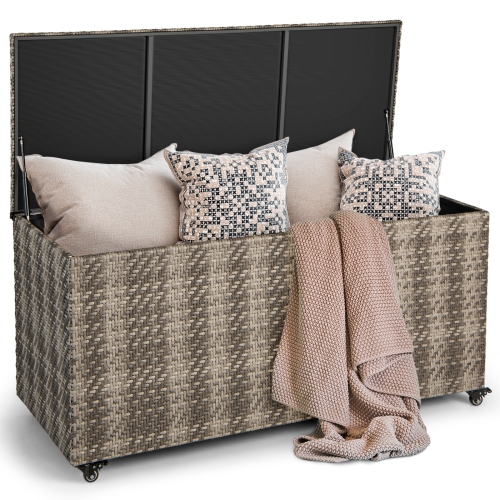
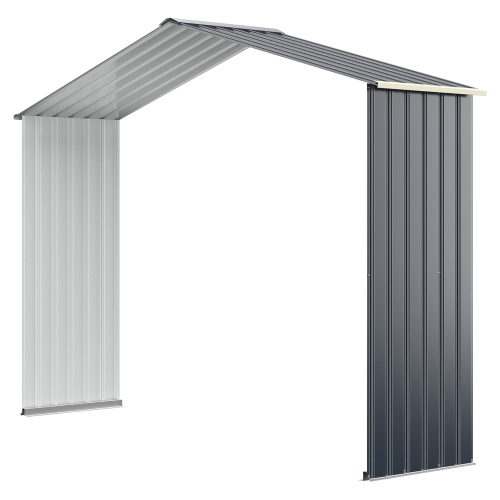

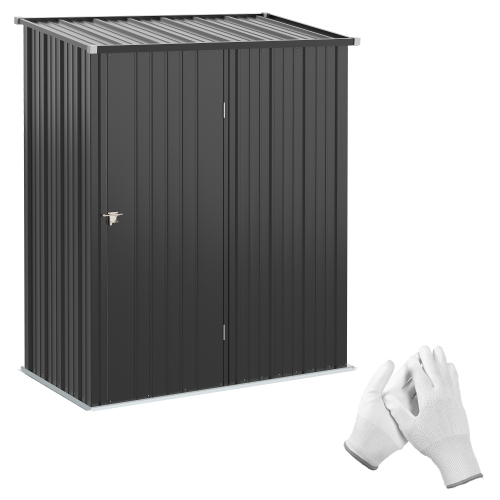
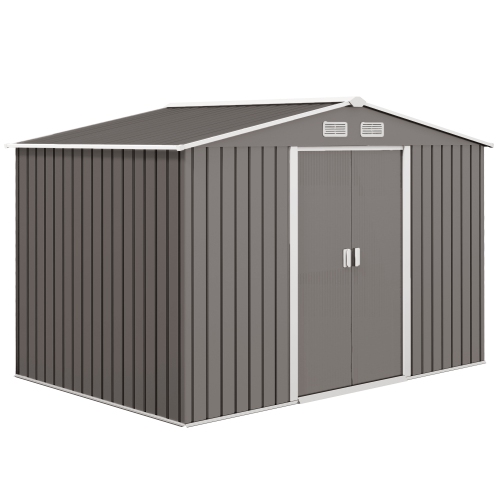
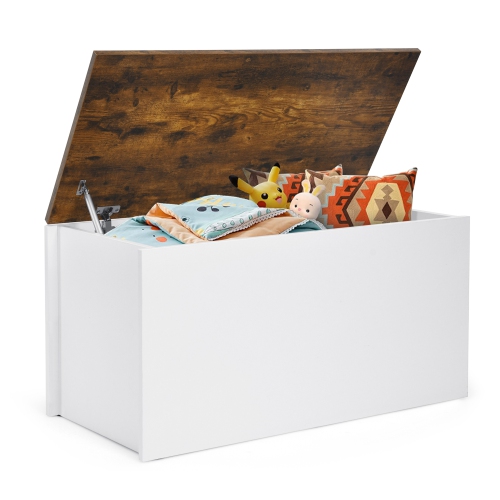
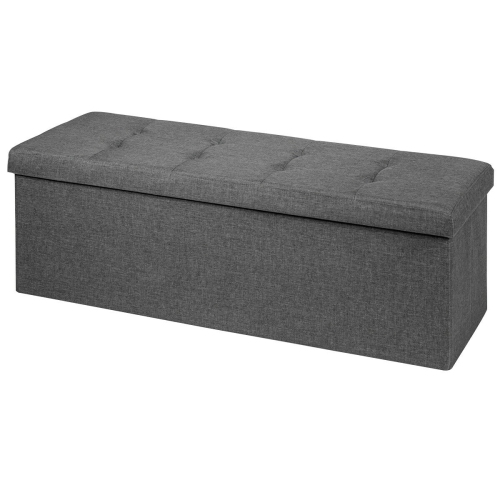
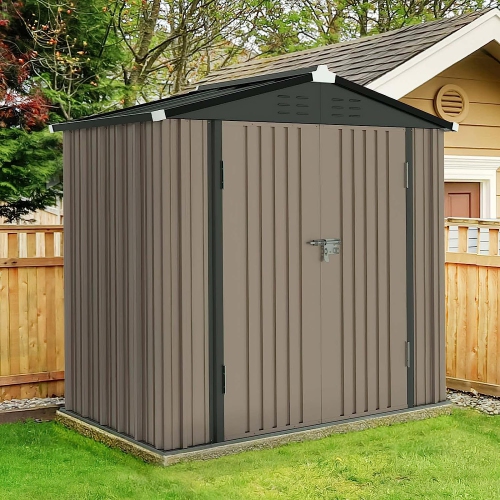

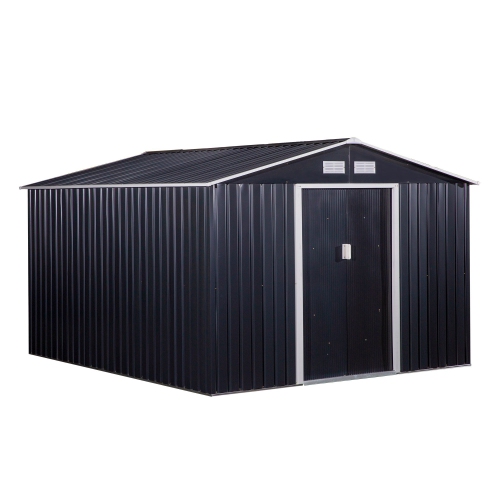
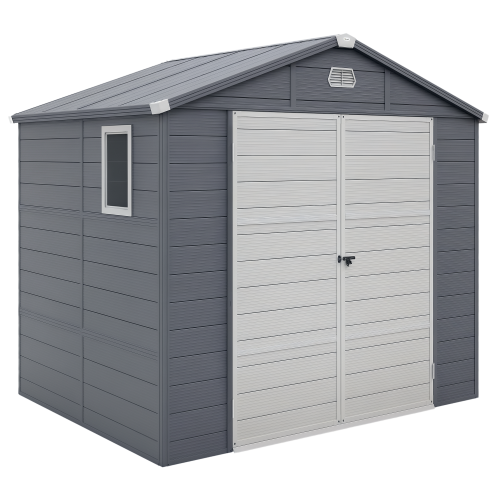
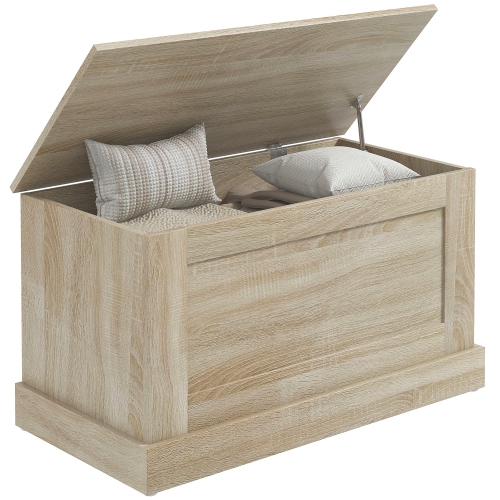
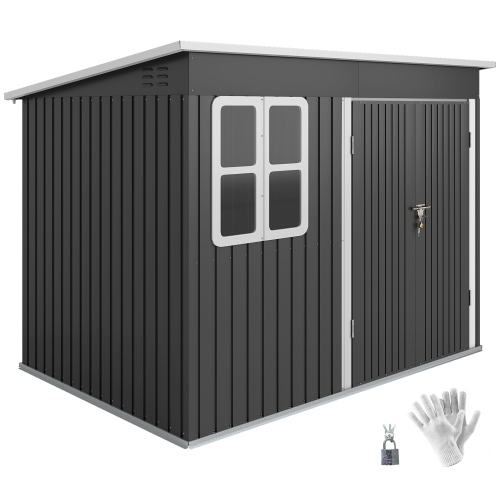
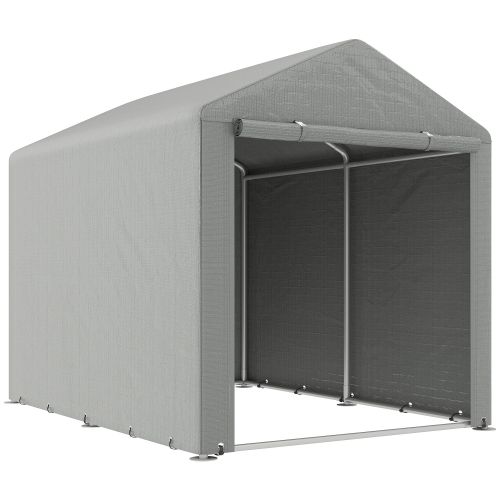
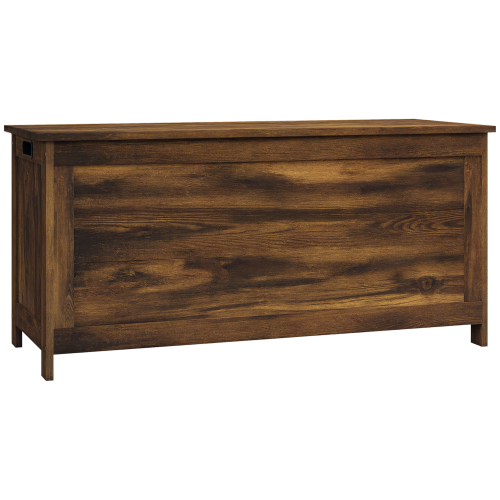
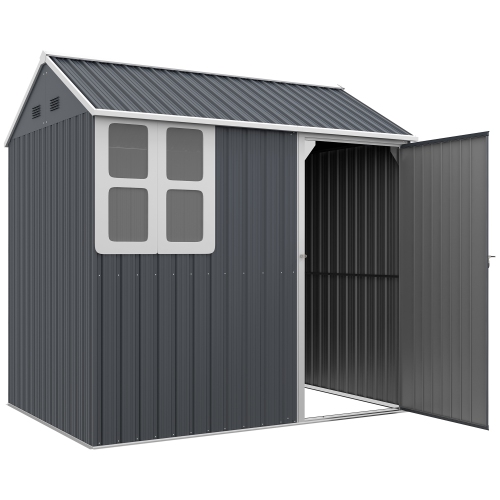
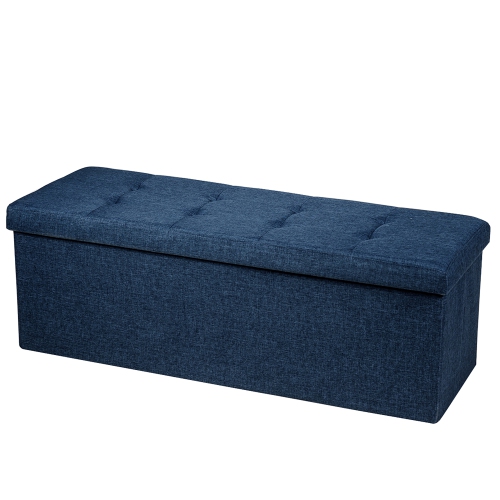
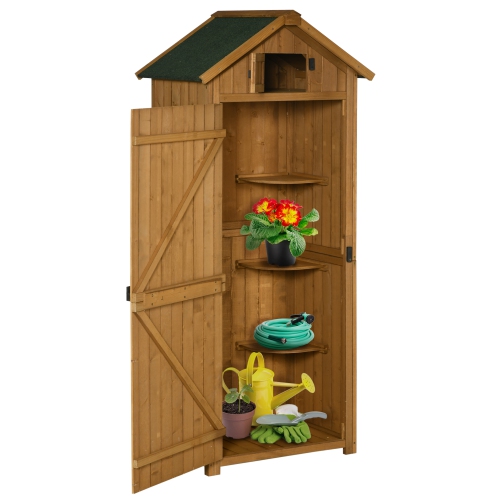

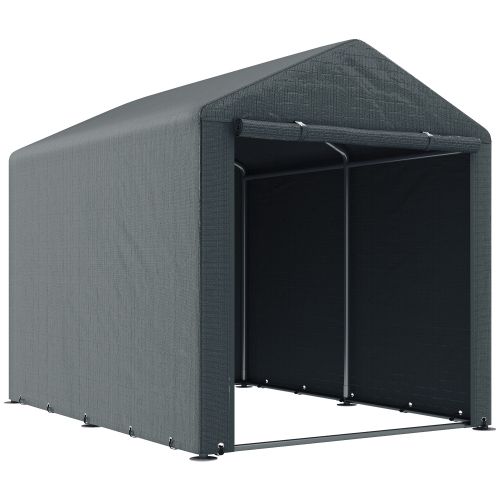
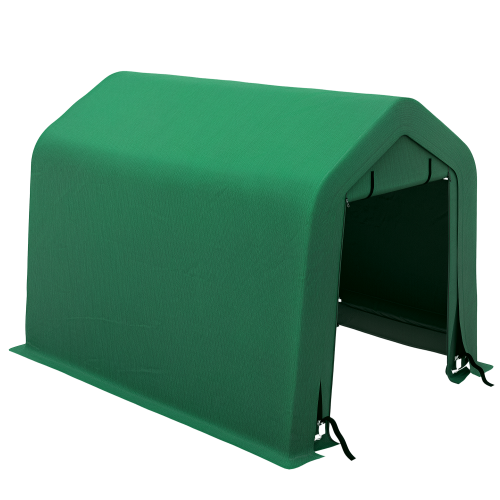
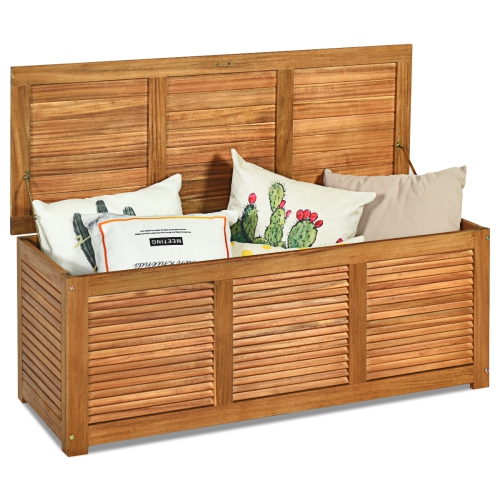
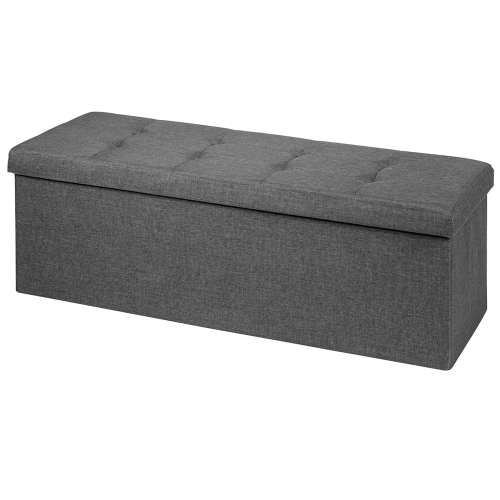
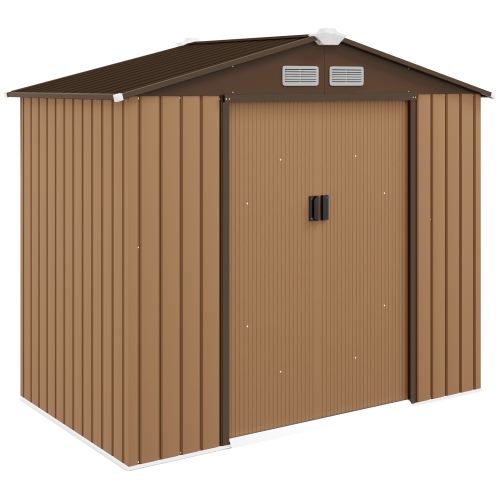
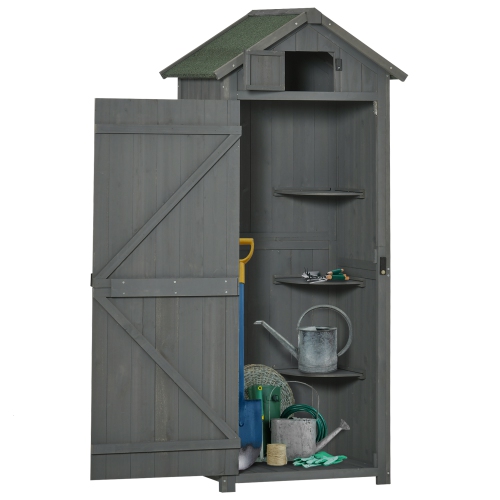
There’s more to patio storage than capacity alone
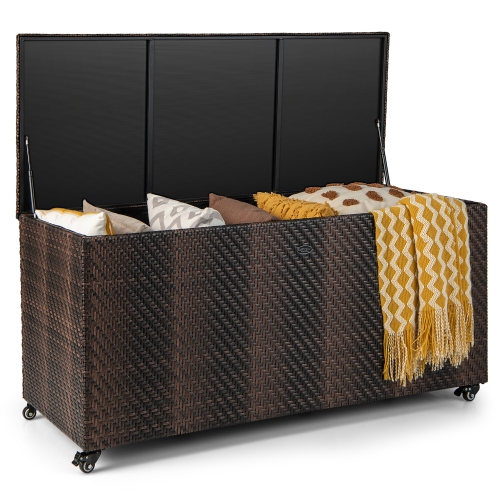
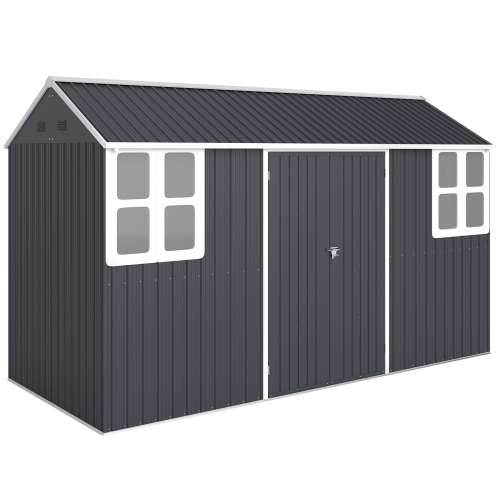
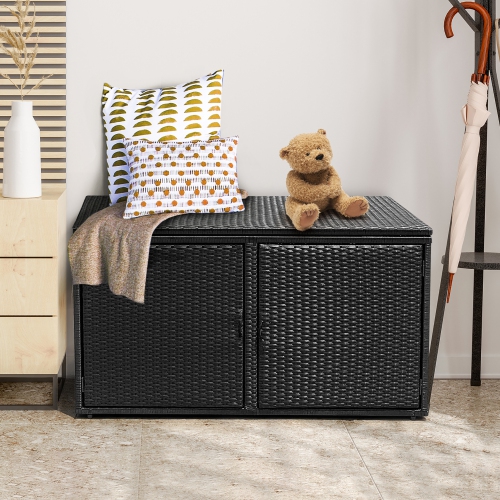
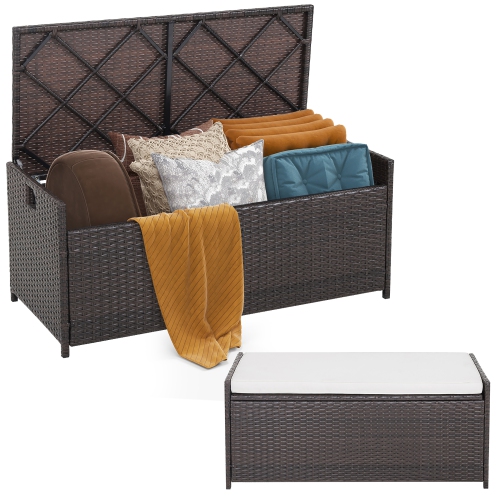
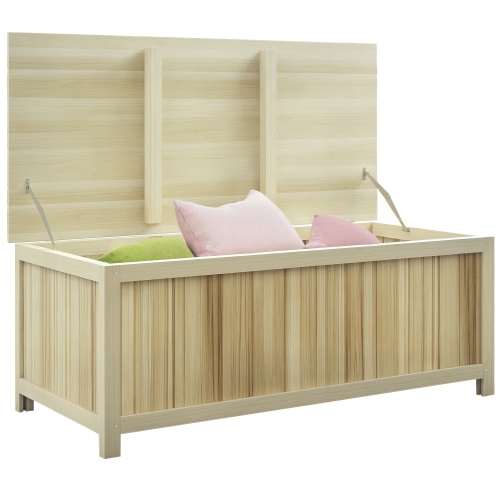
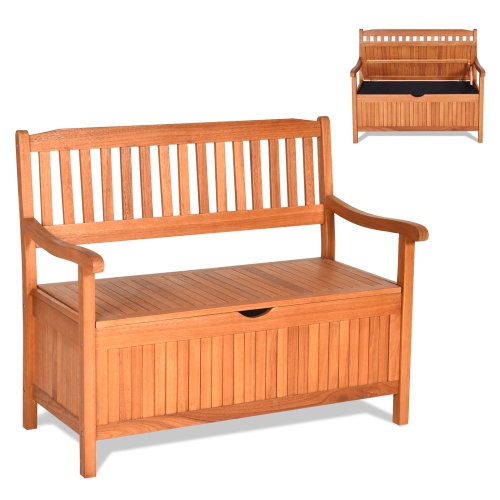
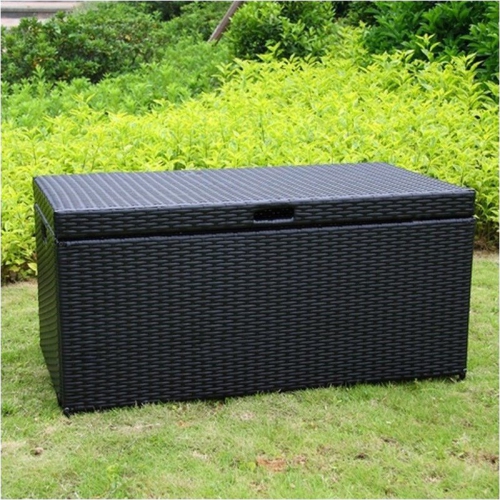
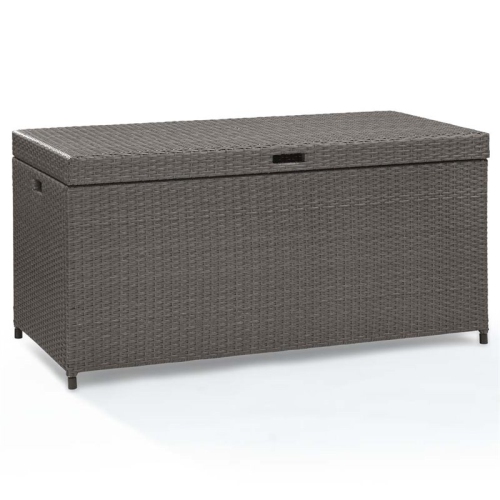
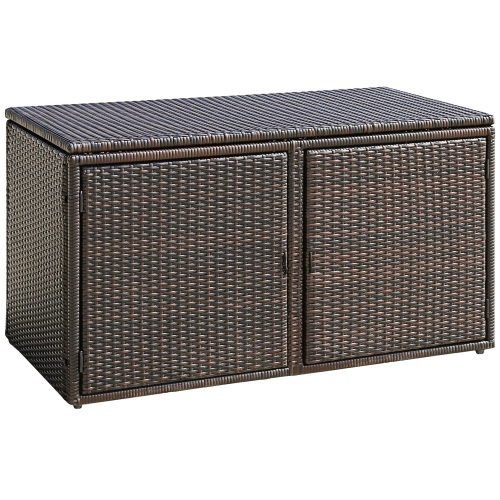
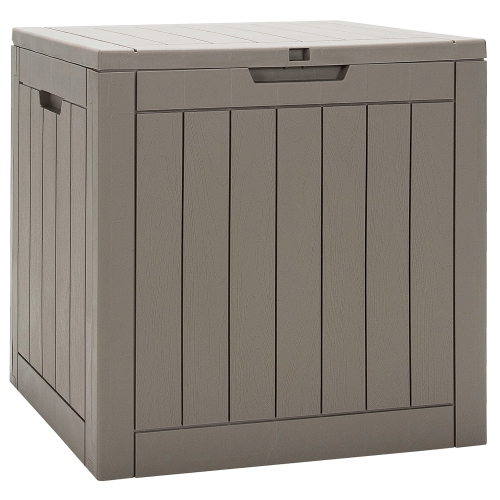
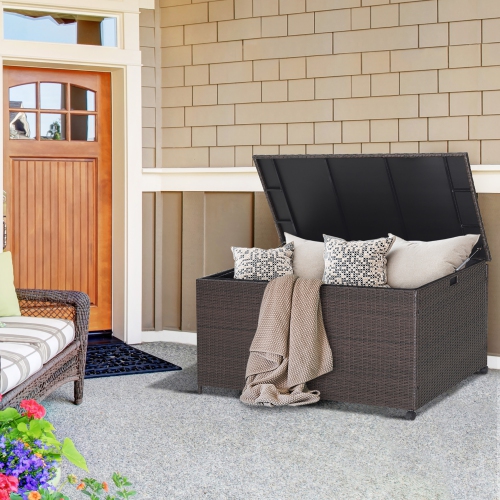
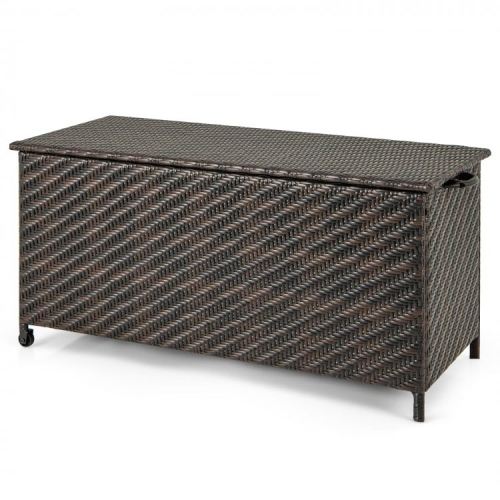
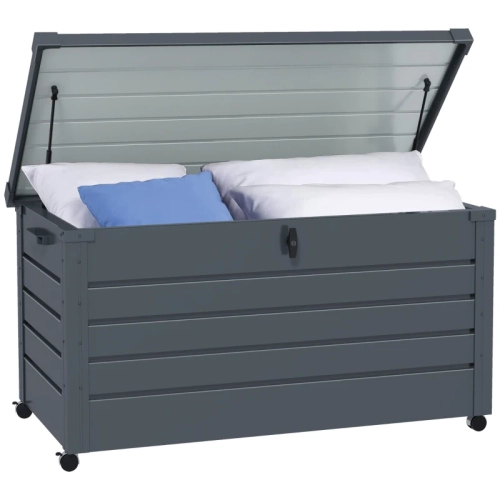
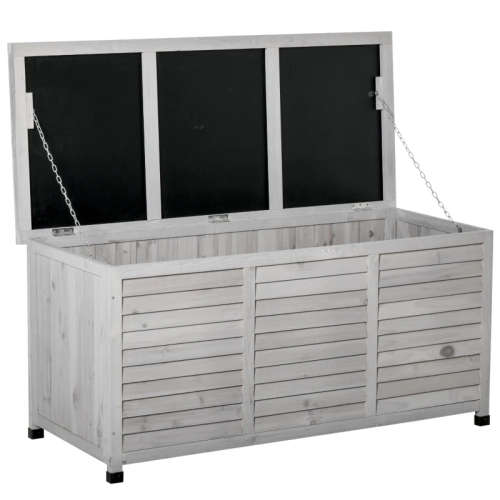
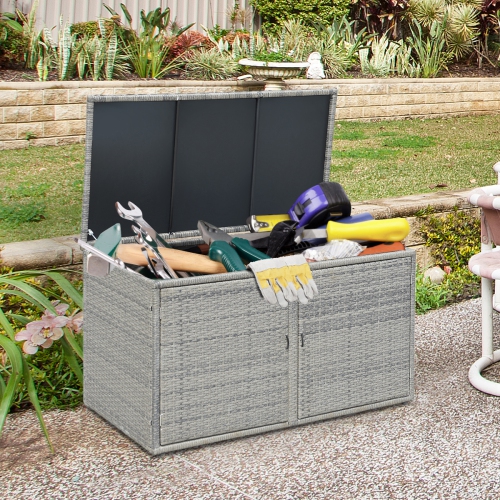
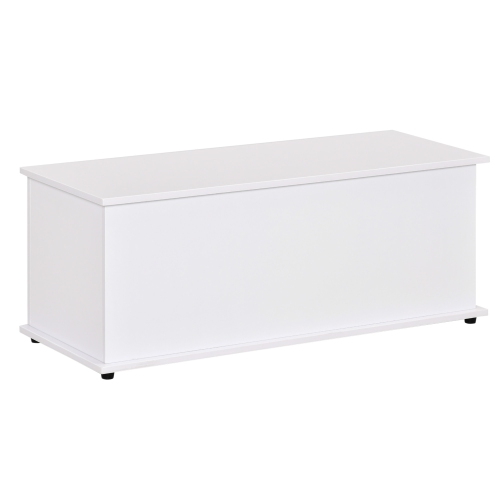
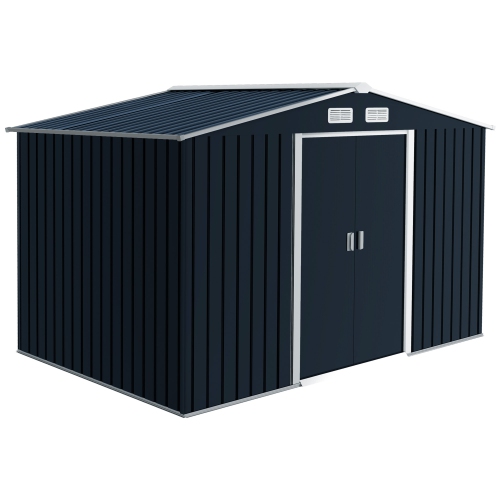
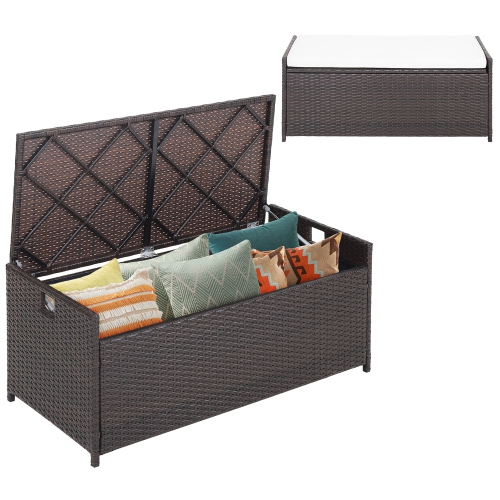
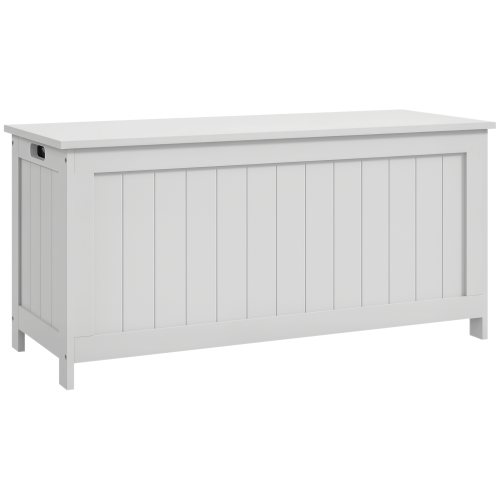
Outdoor storage chests provide enclosed storage for patio cushions, gardening supplies, outdoor toys, and other belongings that need a home close to where they are used. Often called deck boxes or patio storage boxes, they help keep seating areas clear without sending every cushion or watering accessory back to the garage. A chest beside a patio sofa can hold loose cushions between uses, while a compact box on a balcony can keep small gardening supplies together without taking over limited floor space. Larger outdoor storage chests can suit households with bulky seat pads, pool accessories, or several sets of outdoor textiles, although usable interior dimensions matter more than capacity alone. Capacity is commonly expressed in litres or gallons; neither measurement tells the whole story about whether a long bench cushion will lie flat or a folded chair will fit. Interior length, width, and height are especially useful when matching a chest to belongings that cannot be compressed. Thick cushions also need enough room to sit without being wedged against the lid, which can put pressure on seams and make the box harder to close. The exterior footprint deserves equal attention. A chest should leave enough space for people to walk past, pull out nearby chairs, and open a door without obstruction. Hinged lids need clearance above and behind the box, particularly when placed against a railing or beneath a window. For narrow patios, a deeper chest may hold plenty but make everyday movement awkward; a shallower shape can be easier to live with even if it holds less. Shape also affects access. A low, wide chest makes it easier to see smaller belongings, whereas a tall, deep box may require reaching down beneath larger cushions. For shared household spaces, separating clean textiles from soil-covered tools helps keep everything ready for its next use.
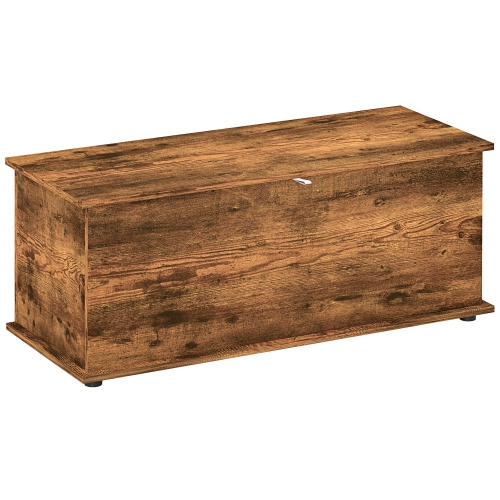
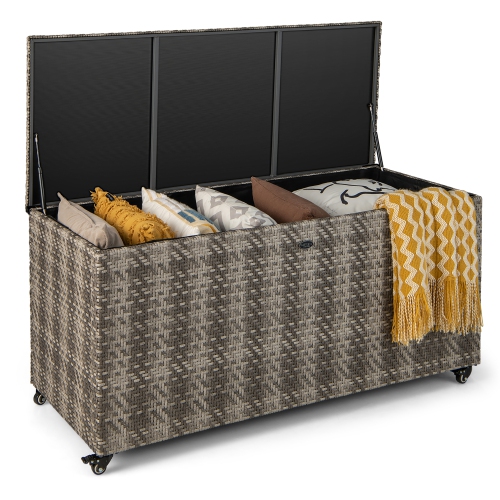
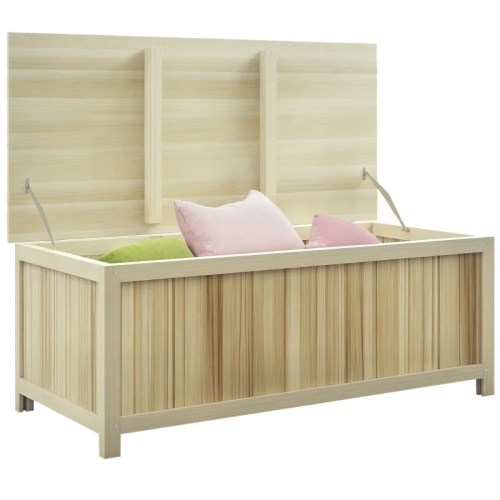
Materials influence how outdoor storage chests look, how much care they need, and how they handle exposure. Resin and plastic chests are often chosen for straightforward cleaning and resistance to rot and rust in the body of the box. Hinges, fasteners, and other metal parts still need attention, and the strength of plastic panels varies with their construction. UV-resistant materials can help limit fading and brittleness from sunlight, but that description does not mean a chest will retain its original appearance indefinitely. Moulded wood-grain or woven-look surfaces offer texture without the same upkeep as natural wood. Actual woven constructions need closer attention to the frame, lining, and lid design, since gaps in the weave do not form a water barrier on their own. Wooden outdoor chests bring visible grain and a furniture-like finish to patios and covered porches, with care requirements that depend on the species, finish, and manufacturer’s directions. Some need periodic sealing or refinishing, especially where surfaces receive frequent moisture or direct sun. For a broader look at that material, Wooden Storage Chests includes another storage style to consider, though any chest intended for outdoor placement needs an explicit outdoor-use rating. Metal designs can offer rigid construction, while protective coatings and corrosion-resistant hardware are important around damp surfaces. Across materials, weather resistance and waterproofing are not interchangeable. An overlapping lid, raised base, and well-designed joints can help shed rain, but wind-driven water may still enter openings, and moisture can collect inside a closed box. Ventilation helps air circulate; it does not make damp cushions safe to store for long periods. Textiles should be dry before the lid closes, and belongings that cannot tolerate moisture are better kept indoors unless the chest is specifically designed to protect them. A sheltered location can reduce exposure, but standing water, roof runoff, and splash from nearby watering systems can still affect performance. Outdoor storage is most dependable when the material, construction, and placement work together rather than relying on a single weather-resistance claim.
Everyday convenience often comes down to the lid, hardware, and base. A lid with a support mechanism can be easier to manage while lifting out a stack of cushions, and soft-closing features may reduce abrupt movement, though neither replaces supervision around children. Handles should be comfortable to grip, with enough clearance to avoid scraping knuckles against a wall. Wheels can help reposition a chest for cleaning or rearranging furniture, but movement depends on the load, wheel size, and surface beneath it; a heavy box will be harder to roll across uneven pavers than a smooth deck. Lockable lids can discourage casual access, although a basic latch or padlock fitting should not be treated as high-security protection or a substitute for approved storage for hazardous materials. Some outdoor storage chests also function as seating or an occasional table, making them useful where space has to serve more than one purpose. That extra function must be supported by the stated design and weight rating: a flat lid alone does not mean a chest is safe to sit or stand on. A suitable seating height, stable base, and reinforced top matter if the chest will be used beside a dining set or as a place to put on garden shoes. Assembly quality matters too, since panels and hinges need to align properly for the lid to close as intended. A firm, level surface helps prevent rocking and unnecessary strain on joints. Routine care is usually easier when spills and dirt are removed before they settle into textured panels or around hinges. Cleaning methods should suit the material, with mild soap and a soft cloth appropriate for many finishes where the care instructions allow them. Occasional checks for loose hardware, blocked drainage openings, or worn seals can catch small problems before they affect stored belongings. Where freezing conditions are expected, the manufacturer’s storage and care directions determine whether the chest can remain outside and whether its contents should be moved. With the right fit and upkeep, an outdoor storage chest keeps frequently used belongings accessible while leaving more room to enjoy the space around it.
Materials influence how outdoor storage chests look, how much care they need, and how they handle exposure. Resin and plastic chests are often chosen for straightforward cleaning and resistance to rot and rust in the body of the box. Hinges, fasteners, and other metal parts still need attention, and the strength of plastic panels varies with their construction. UV-resistant materials can help limit fading and brittleness from sunlight, but that description does not mean a chest will retain its original appearance indefinitely. Moulded wood-grain or woven-look surfaces offer texture without the same upkeep as natural wood. Actual woven constructions need closer attention to the frame, lining, and lid design, since gaps in the weave do not form a water barrier on their own. Wooden outdoor chests bring visible grain and a furniture-like finish to patios and covered porches, with care requirements that depend on the species, finish, and manufacturer’s directions. Some need periodic sealing or refinishing, especially where surfaces receive frequent moisture or direct sun. For a broader look at that material, Wooden Storage Chests includes another storage style to consider, though any chest intended for outdoor placement needs an explicit outdoor-use rating. Metal designs can offer rigid construction, while protective coatings and corrosion-resistant hardware are important around damp surfaces. Across materials, weather resistance and waterproofing are not interchangeable. An overlapping lid, raised base, and well-designed joints can help shed rain, but wind-driven water may still enter openings, and moisture can collect inside a closed box. Ventilation helps air circulate; it does not make damp cushions safe to store for long periods. Textiles should be dry before the lid closes, and belongings that cannot tolerate moisture are better kept indoors unless the chest is specifically designed to protect them. A sheltered location can reduce exposure, but standing water, roof runoff, and splash from nearby watering systems can still affect performance. Outdoor storage is most dependable when the material, construction, and placement work together rather than relying on a single weather-resistance claim.
Everyday convenience often comes down to the lid, hardware, and base. A lid with a support mechanism can be easier to manage while lifting out a stack of cushions, and soft-closing features may reduce abrupt movement, though neither replaces supervision around children. Handles should be comfortable to grip, with enough clearance to avoid scraping knuckles against a wall. Wheels can help reposition a chest for cleaning or rearranging furniture, but movement depends on the load, wheel size, and surface beneath it; a heavy box will be harder to roll across uneven pavers than a smooth deck. Lockable lids can discourage casual access, although a basic latch or padlock fitting should not be treated as high-security protection or a substitute for approved storage for hazardous materials. Some outdoor storage chests also function as seating or an occasional table, making them useful where space has to serve more than one purpose. That extra function must be supported by the stated design and weight rating: a flat lid alone does not mean a chest is safe to sit or stand on. A suitable seating height, stable base, and reinforced top matter if the chest will be used beside a dining set or as a place to put on garden shoes. Assembly quality matters too, since panels and hinges need to align properly for the lid to close as intended. A firm, level surface helps prevent rocking and unnecessary strain on joints. Routine care is usually easier when spills and dirt are removed before they settle into textured panels or around hinges. Cleaning methods should suit the material, with mild soap and a soft cloth appropriate for many finishes where the care instructions allow them. Occasional checks for loose hardware, blocked drainage openings, or worn seals can catch small problems before they affect stored belongings. Where freezing conditions are expected, the manufacturer’s storage and care directions determine whether the chest can remain outside and whether its contents should be moved. With the right fit and upkeep, an outdoor storage chest keeps frequently used belongings accessible while leaving more room to enjoy the space around it.
Top selling and popular products
-
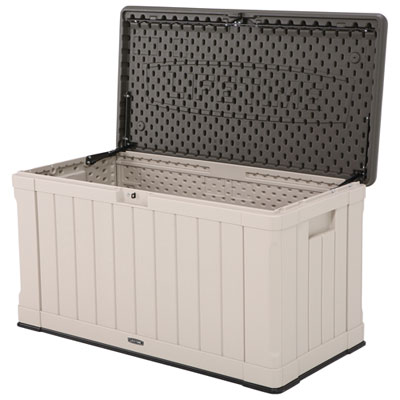 Your price for this item is $233.98
 -
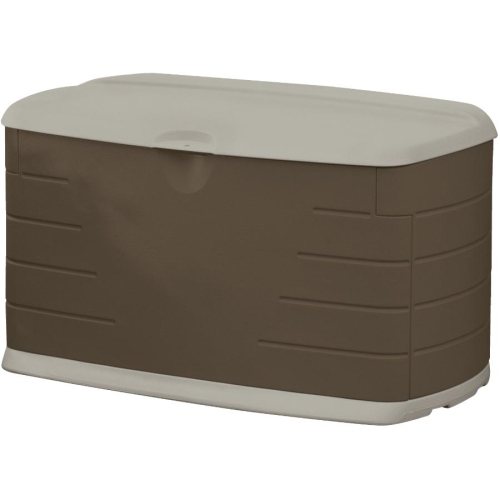 Your price for this item is $371.77
 -
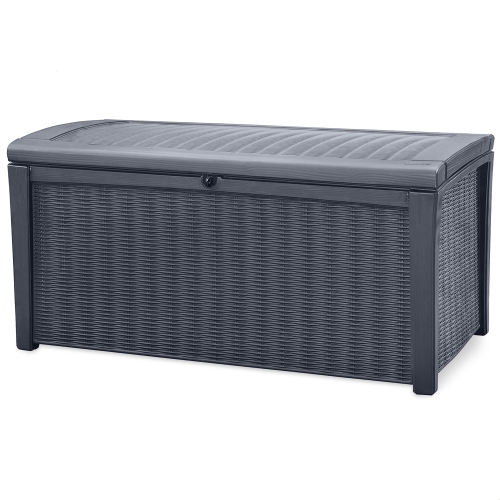 Your price for this item is $391.99
 -
 Your price for this item is $299.99
 -
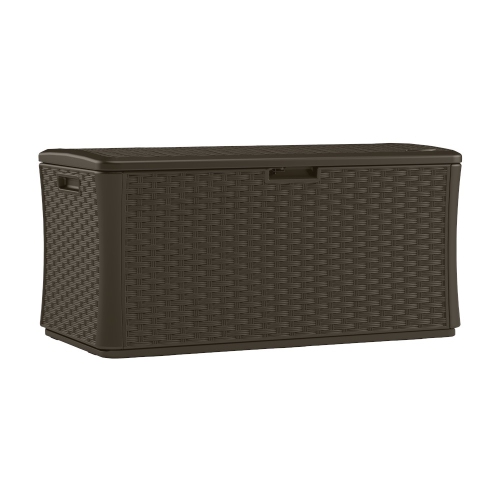 Your price for this item is $349.99
 -
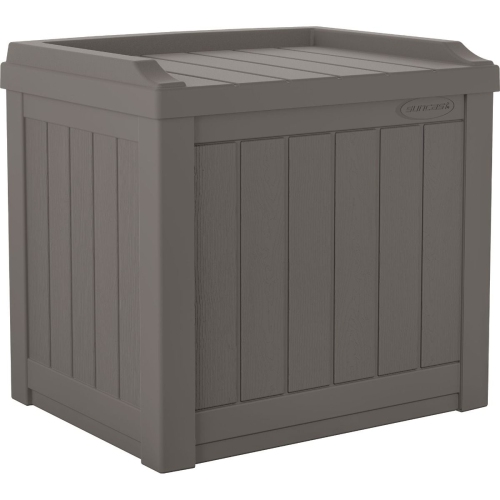 Your price for this item is $108.99
 -
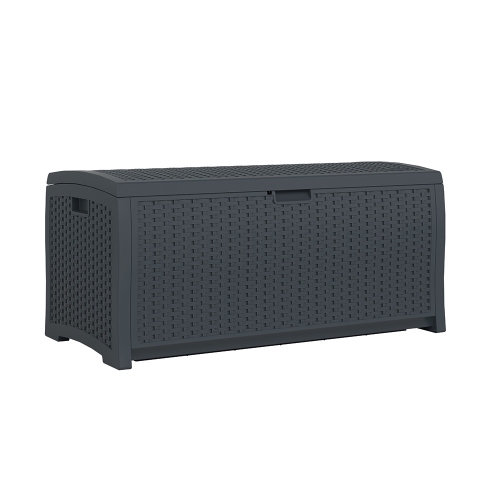 Your price for this item is $219.99
 -
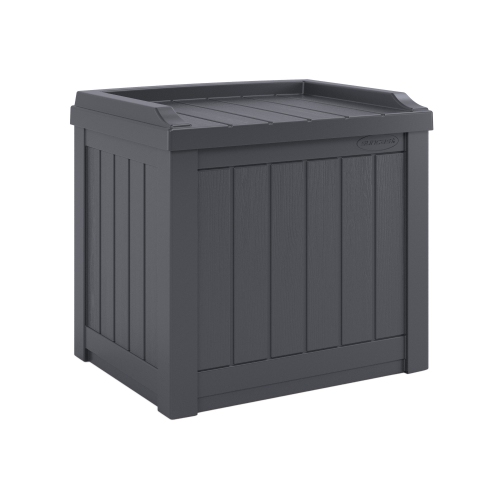 Your price for this item is $108.99
Discover more categories related to Outdoor Storage Chests
Top Collections:
Pokemon Centers, Kindle Devices, Best Budget Office Chairs, Apple iPhones 16, Best Laptops for Writers, iPhone 15 Apple, Canon G7X Cameras, Refurbished Apple Laptops, Alarm Clock, Motorola Razr Phones
Some products may be subject to Environmental Handling Fees
(EHF) depending on your province.
Learn more about EHFs.