Wooden Storage Chests
Looking to add a touch of elegance and functionality to your home? Our collection of wooden storage chests offers the perfect solution. Crafted with care and designed to blend seamlessly with any decor, these versatile pieces are both practical and stylish. Whether you need extra storage space for blankets, toys, or everyday essentials, our wooden storage chests provide a beautiful and organized solution for any room in your home. From rustic charm to modern sophistication, shop our range of wooden storage chests and find the perfect addition to elevate your living space.
Sort
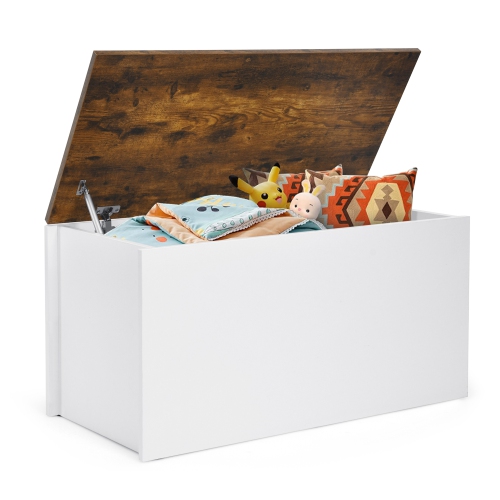
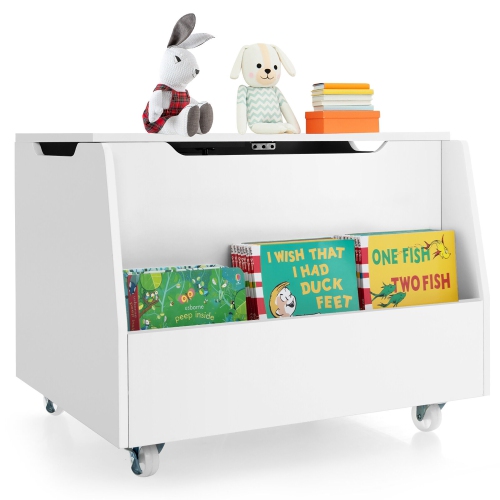
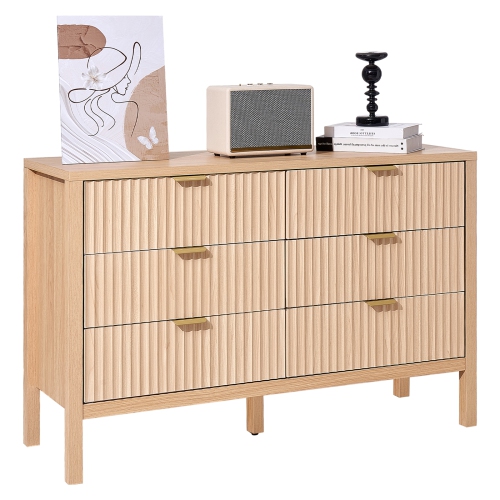
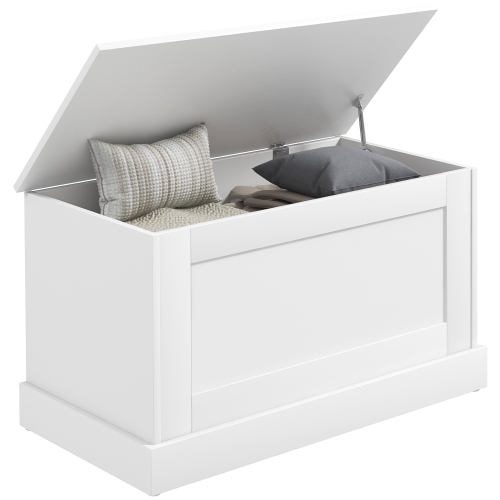
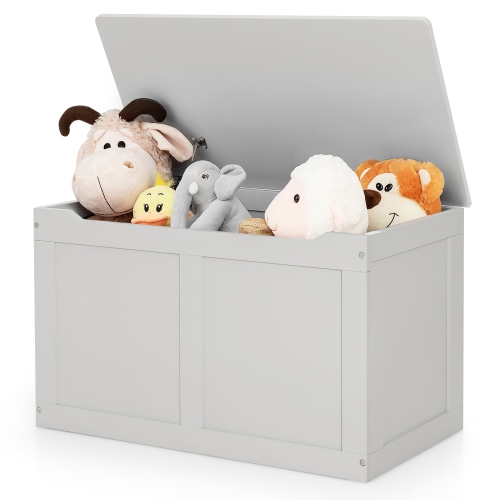
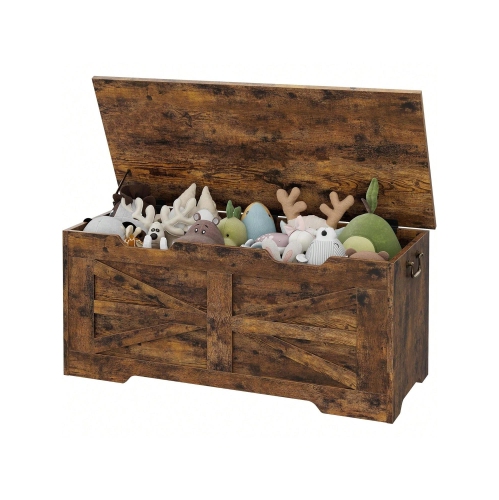
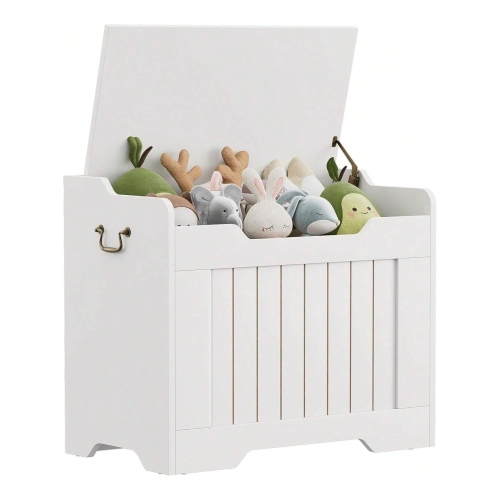
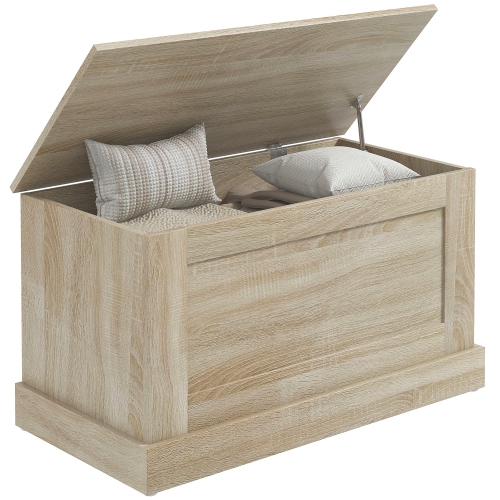
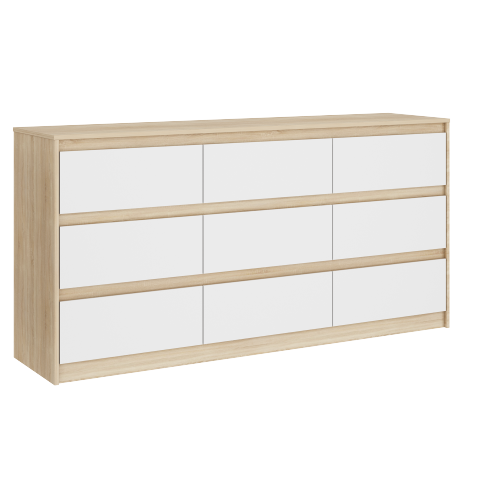
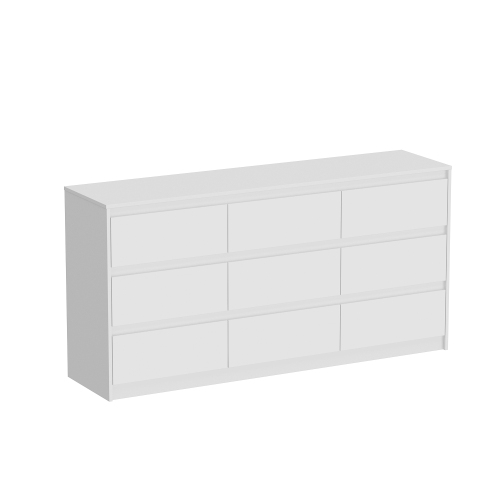
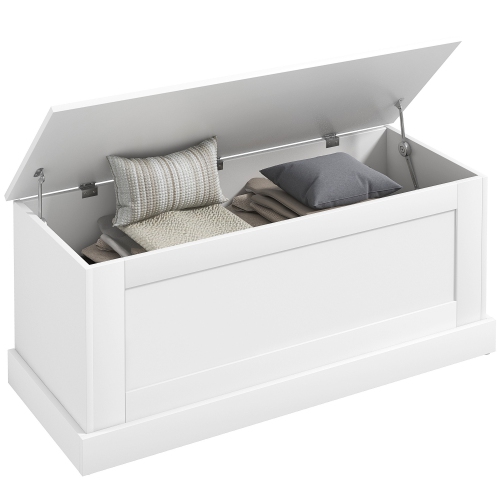
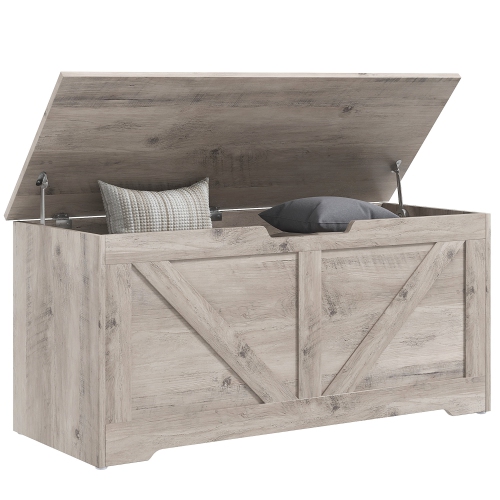
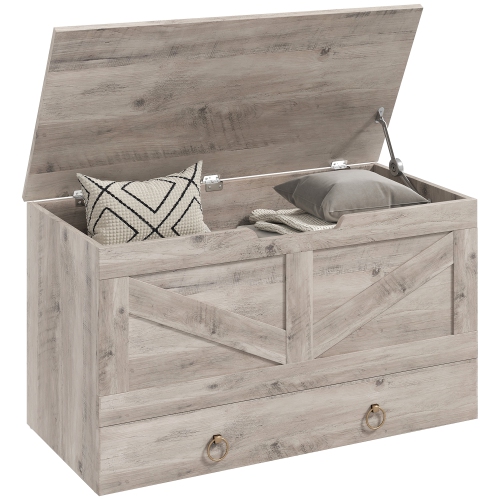
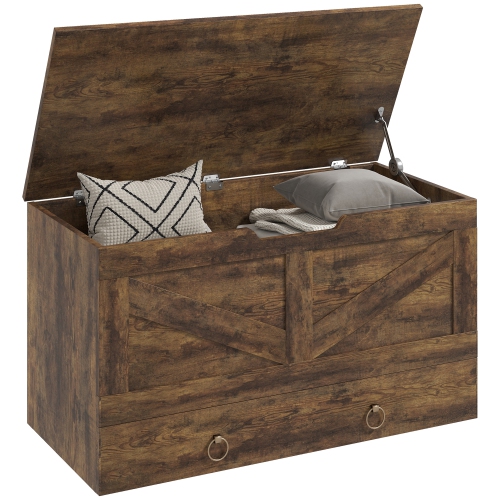
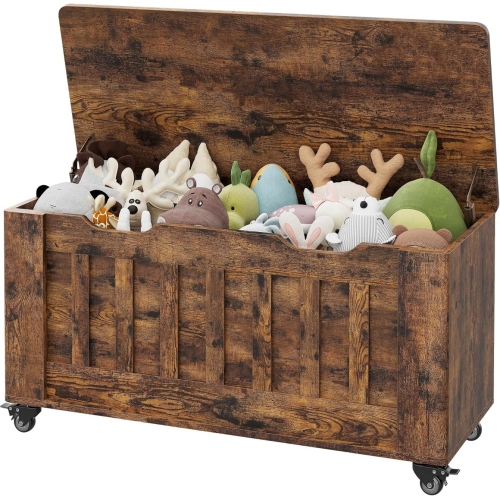
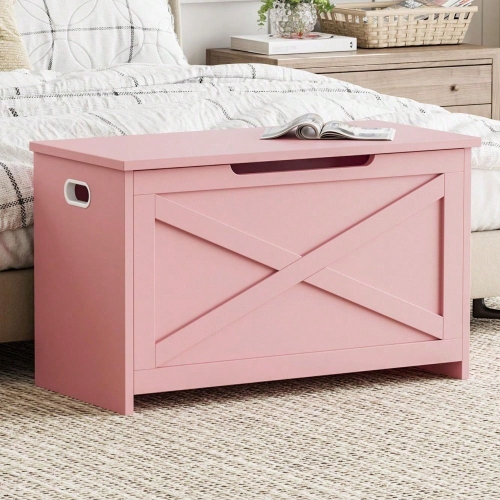
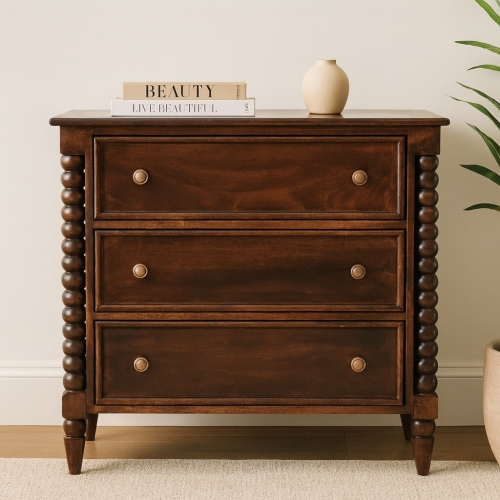
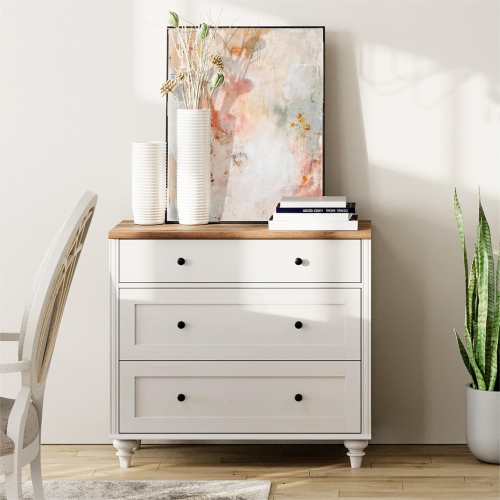
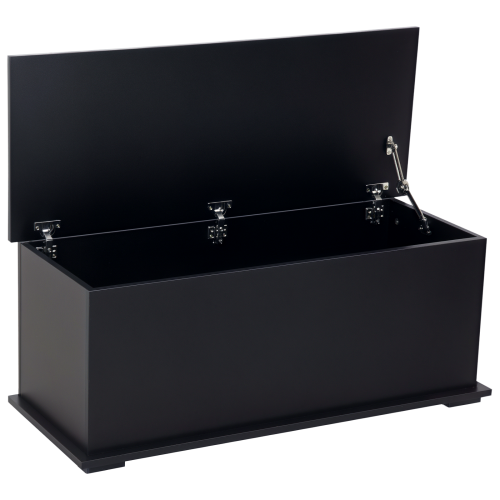
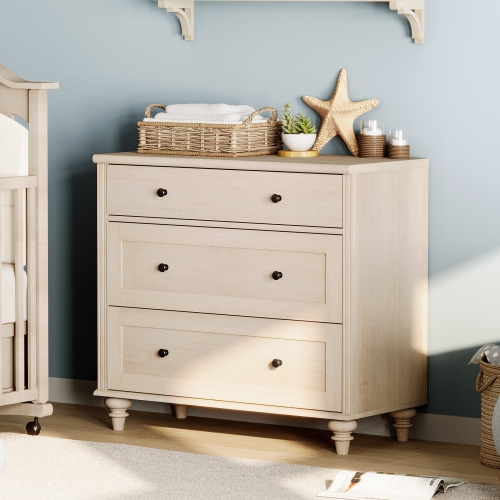

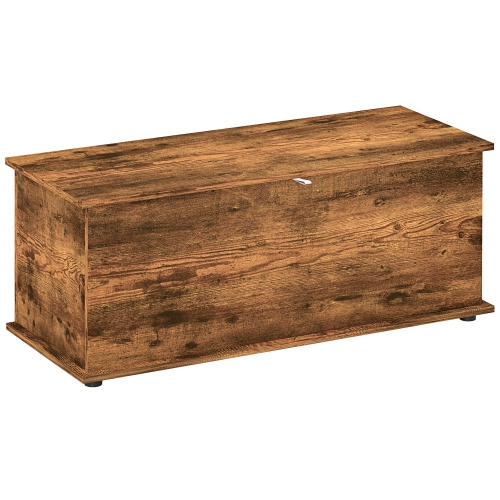
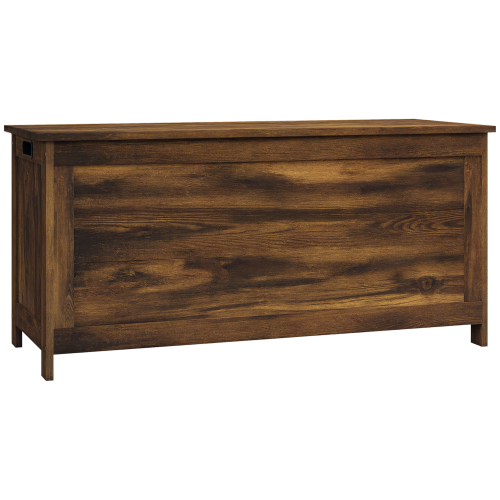

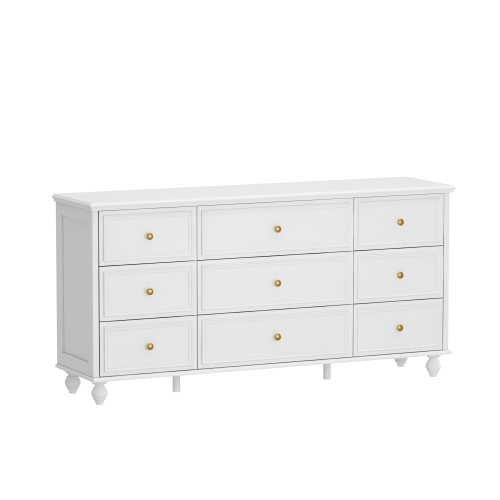
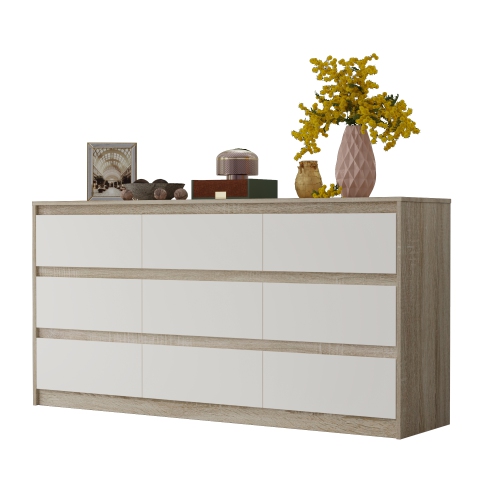
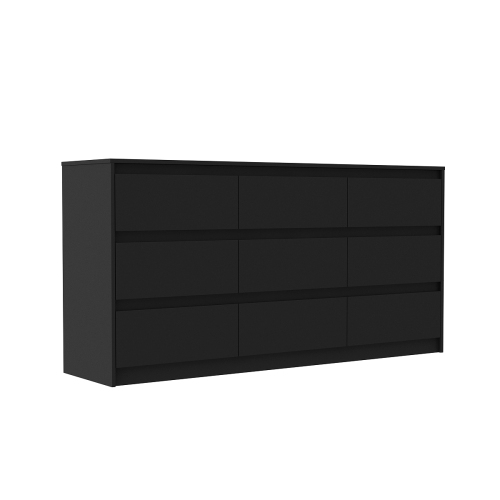
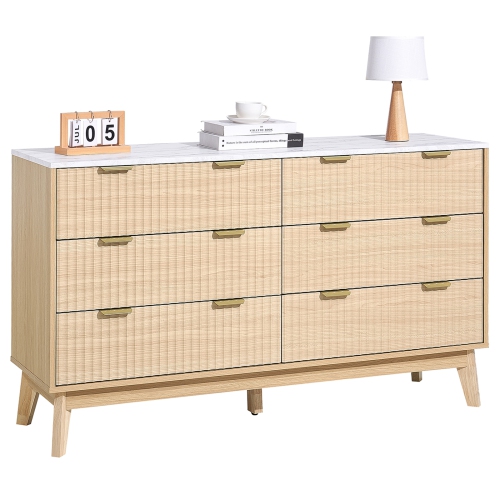
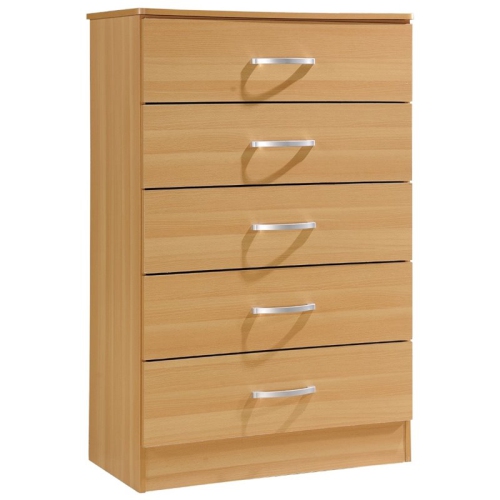
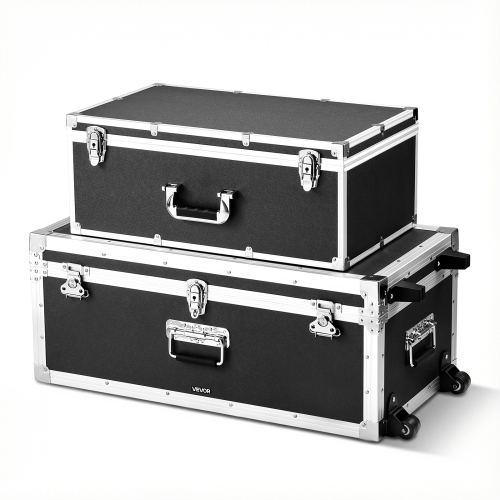
Hidden storage with the warmth of wood
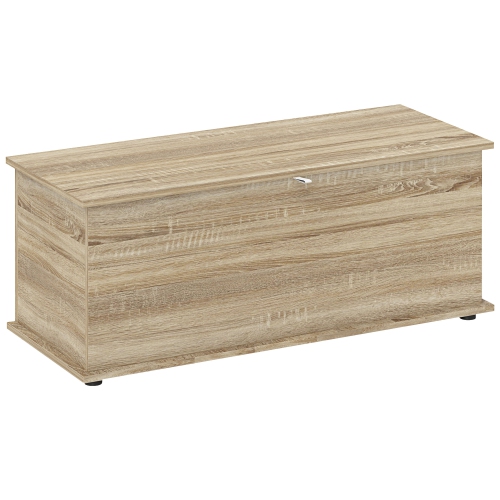
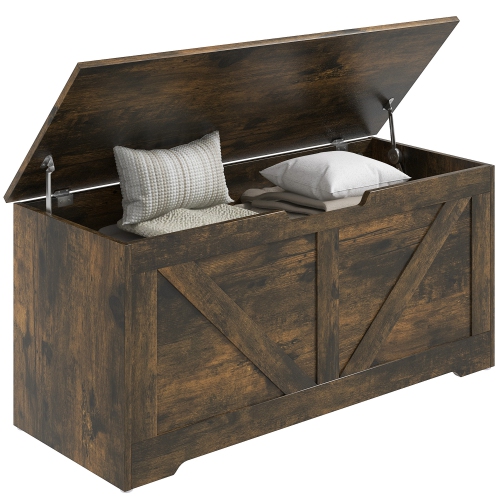
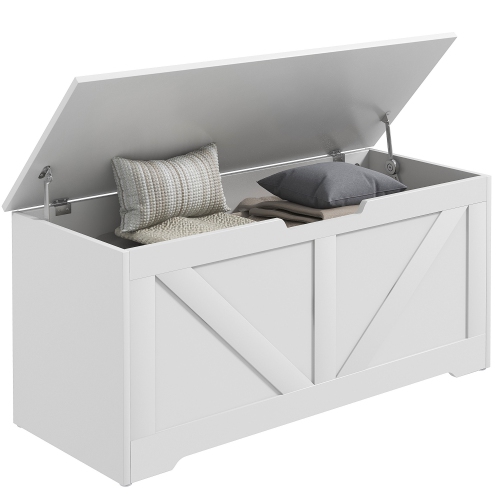
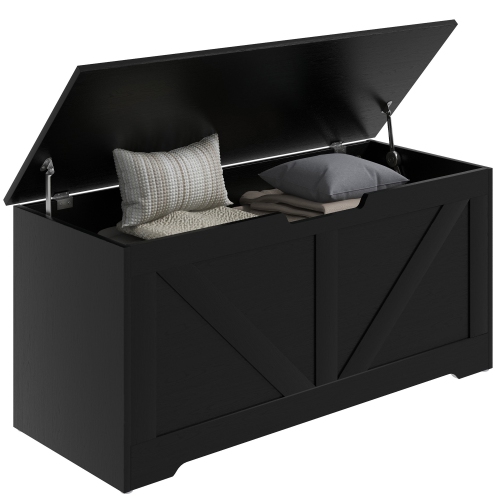
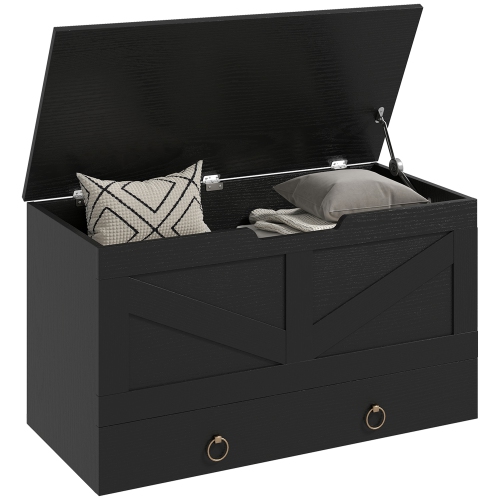
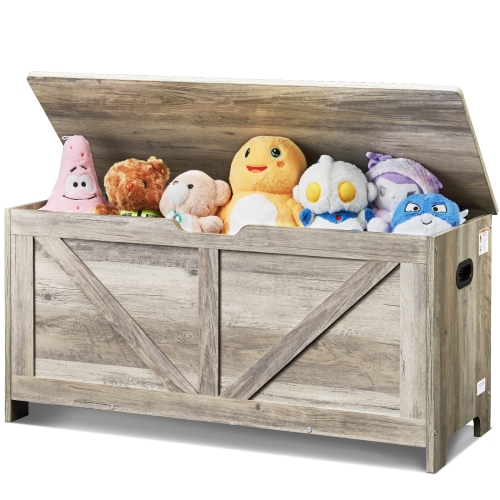
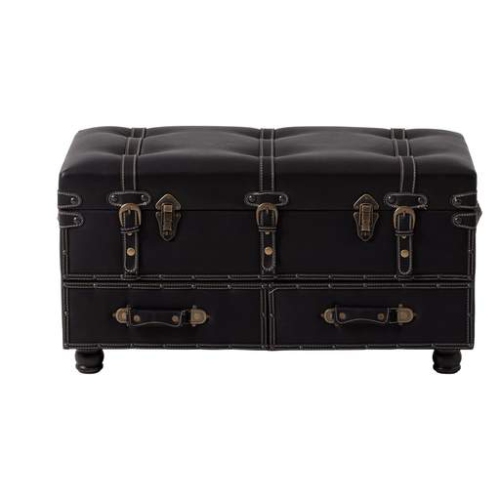
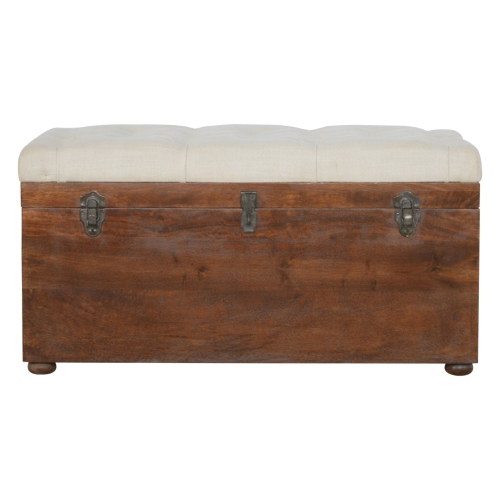
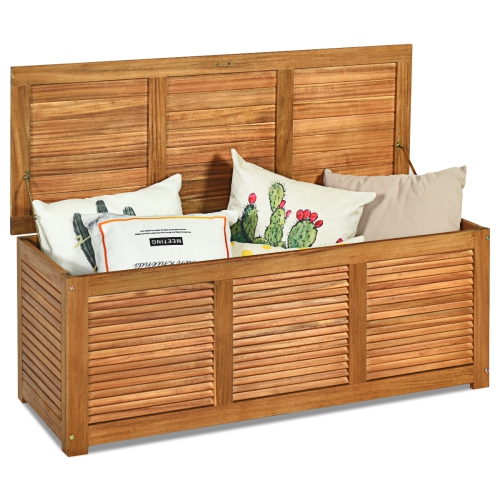
Wooden storage chests offer enclosed space for blankets, linens, toys, and everyday household belongings while adding the warmth and texture of wood to a room. Unlike open shelving, a chest keeps its contents out of sight beneath a hinged or removable lid, making it a useful choice for spaces where storage needs to blend with furniture. At the foot of a bed, a blanket chest can hold an extra duvet, spare pillows, or quilts that come out during the cooler months. In a living room, a wooden trunk can keep throws and board games close to the sofa without leaving them piled on nearby chairs. An entryway chest can provide a place for scarves, hats, and reusable shopping bags, although damp clothing and wet footwear should dry elsewhere before being stored inside. The shape and finish help determine how naturally a chest fits its surroundings: visible grain and a matte finish lend a relaxed feel, while a smooth painted surface or darker stain can suit a more tailored room. Simple panelled sides work with many furniture styles, and metal handles or corner details can give a trunk a more traditional character. A broad, flat lid may also provide a surface for a tray or folded throw, provided the manufacturer permits that use, but anything placed on top will need to move whenever the chest is opened. Some designs are built to double as storage benches; others are intended only to hold belongings. A sturdy appearance alone does not establish that a chest is safe to sit on, so a stated seating function and weight capacity matter. For a first apartment, a shared family room, or a guest bedroom, the appeal is straightforward: one substantial piece can gather scattered belongings and give them a defined place without making the room feel like a storage area.
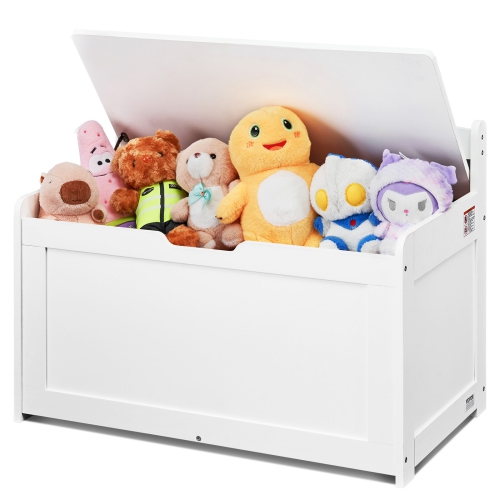
Materials and construction influence a wooden storage chest’s weight, appearance, care needs, and long-term performance. Solid wood has natural variations in grain and colour, so panels may differ slightly even within the same piece. Pine often has prominent knots and a softer surface that can show dents from hard knocks, while hardwoods such as oak generally offer greater resistance to everyday wear. Species alone does not determine quality, however; panel thickness, joinery, hardware, and the strength of the base all contribute to how well a chest holds up. For shoppers interested specifically in solid timber construction, Solid Wood Chests bring that material preference into focus. Engineered wood chests may use plywood, medium-density fibreboard, or particleboard, with a painted, laminated, or veneered surface. A wood veneer is a thin layer of real wood over another material, whereas a wood-look laminate uses a manufactured surface to create its appearance. Both can deliver a consistent finish, but exposed edges and surface damage need attention because moisture can affect the underlying panel. Interior construction deserves as much consideration as the exterior. A smooth lining helps protect knitted blankets from snags, and a well-supported bottom is important when storing heavier belongings rather than bulky but lightweight bedding. Cedar interiors have a distinctive scent that some people enjoy, though scented wood is not a substitute for proper textile care or pest prevention. Lid hardware also makes a meaningful difference in daily use. Soft-close mechanisms slow the closing movement, while lid supports are designed to hold the top open; these functions are not interchangeable, and their performance depends on correct installation and maintenance. Where children may have access, purpose-built toy storage with appropriate lid supports, ventilation, and no locking or latching closure is more suitable than a general-purpose trunk. No hinge removes every pinch risk, so children should not climb into or play beneath an open chest lid. Rounded edges, stable construction, and hardware without sharp projections are useful details in busy households.
The right fit depends on both the chest’s outside dimensions and the space available inside it. A generous exterior can conceal a smaller compartment once thick sides, raised feet, or internal dividers are taken into account. For bedding, interior length and depth determine whether a folded duvet lies comfortably or has to be compressed each time the lid closes. For games, craft supplies, or keepsakes, shallow baskets and removable inserts can prevent smaller belongings from disappearing beneath larger ones. A deep trunk offers substantial capacity, but reaching the bottom may be awkward for someone with limited mobility, particularly when the chest is full. Room measurements should include the lid’s opening arc, clearance from nearby walls or windowsills, and enough floor space to stand in front without blocking a doorway. At the end of a bed, leaving a comfortable walking route is more useful than filling every available inch. Delivery access also matters: narrow staircases, tight landings, and apartment lifts can limit the size of an assembled chest that will reach its intended room. Once in place, keeping wood away from radiators, heating vents, prolonged direct sunlight, and persistent dampness helps limit fading, drying, and movement. Routine care usually involves a soft cloth, prompt attention to spills, and cleaning products suited to the finish rather than abrasive pads or excessive water. Blankets and linens should be clean and completely dry before storage, with occasional airing to keep enclosed contents fresh. Hinges, lid supports, and fasteners benefit from periodic checks, especially after moving the furniture. When relocating a chest, emptying it first and lifting it by supported structural sections rather than the lid or ornamental handles reduces strain on the construction. A wooden storage chest can also make a thoughtful housewarming or wedding gift when the recipient’s space, preferred finish, and storage needs are known. Whether it holds handmade quilts, guest bedding, or the family’s favourite puzzles, its lasting usefulness comes from matching its capacity and construction to the belongings and routines it will serve.
Materials and construction influence a wooden storage chest’s weight, appearance, care needs, and long-term performance. Solid wood has natural variations in grain and colour, so panels may differ slightly even within the same piece. Pine often has prominent knots and a softer surface that can show dents from hard knocks, while hardwoods such as oak generally offer greater resistance to everyday wear. Species alone does not determine quality, however; panel thickness, joinery, hardware, and the strength of the base all contribute to how well a chest holds up. For shoppers interested specifically in solid timber construction, Solid Wood Chests bring that material preference into focus. Engineered wood chests may use plywood, medium-density fibreboard, or particleboard, with a painted, laminated, or veneered surface. A wood veneer is a thin layer of real wood over another material, whereas a wood-look laminate uses a manufactured surface to create its appearance. Both can deliver a consistent finish, but exposed edges and surface damage need attention because moisture can affect the underlying panel. Interior construction deserves as much consideration as the exterior. A smooth lining helps protect knitted blankets from snags, and a well-supported bottom is important when storing heavier belongings rather than bulky but lightweight bedding. Cedar interiors have a distinctive scent that some people enjoy, though scented wood is not a substitute for proper textile care or pest prevention. Lid hardware also makes a meaningful difference in daily use. Soft-close mechanisms slow the closing movement, while lid supports are designed to hold the top open; these functions are not interchangeable, and their performance depends on correct installation and maintenance. Where children may have access, purpose-built toy storage with appropriate lid supports, ventilation, and no locking or latching closure is more suitable than a general-purpose trunk. No hinge removes every pinch risk, so children should not climb into or play beneath an open chest lid. Rounded edges, stable construction, and hardware without sharp projections are useful details in busy households.
The right fit depends on both the chest’s outside dimensions and the space available inside it. A generous exterior can conceal a smaller compartment once thick sides, raised feet, or internal dividers are taken into account. For bedding, interior length and depth determine whether a folded duvet lies comfortably or has to be compressed each time the lid closes. For games, craft supplies, or keepsakes, shallow baskets and removable inserts can prevent smaller belongings from disappearing beneath larger ones. A deep trunk offers substantial capacity, but reaching the bottom may be awkward for someone with limited mobility, particularly when the chest is full. Room measurements should include the lid’s opening arc, clearance from nearby walls or windowsills, and enough floor space to stand in front without blocking a doorway. At the end of a bed, leaving a comfortable walking route is more useful than filling every available inch. Delivery access also matters: narrow staircases, tight landings, and apartment lifts can limit the size of an assembled chest that will reach its intended room. Once in place, keeping wood away from radiators, heating vents, prolonged direct sunlight, and persistent dampness helps limit fading, drying, and movement. Routine care usually involves a soft cloth, prompt attention to spills, and cleaning products suited to the finish rather than abrasive pads or excessive water. Blankets and linens should be clean and completely dry before storage, with occasional airing to keep enclosed contents fresh. Hinges, lid supports, and fasteners benefit from periodic checks, especially after moving the furniture. When relocating a chest, emptying it first and lifting it by supported structural sections rather than the lid or ornamental handles reduces strain on the construction. A wooden storage chest can also make a thoughtful housewarming or wedding gift when the recipient’s space, preferred finish, and storage needs are known. Whether it holds handmade quilts, guest bedding, or the family’s favourite puzzles, its lasting usefulness comes from matching its capacity and construction to the belongings and routines it will serve.
Top selling and popular products
-
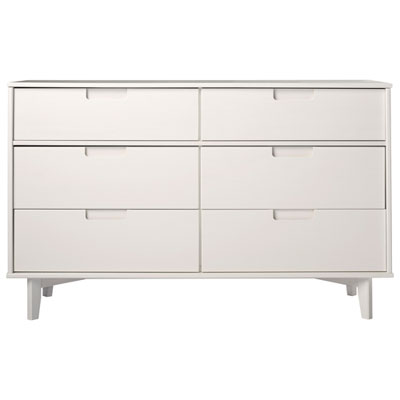 Your price for this item is $569.99
 -
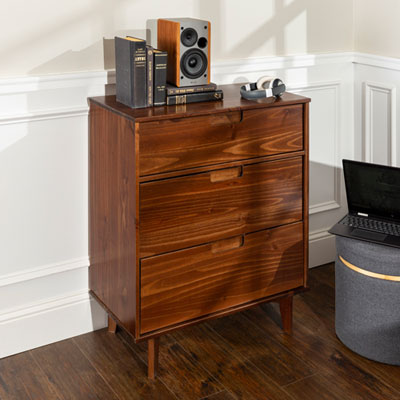 Your price for this item is $364.99
 -
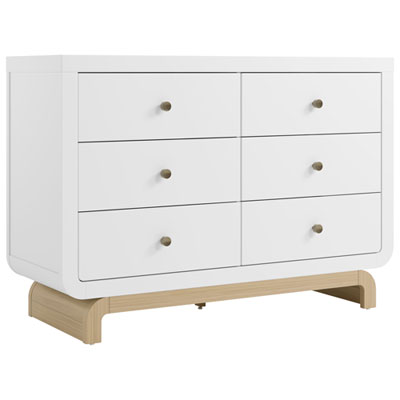 Your price for this item is $899.99
 -
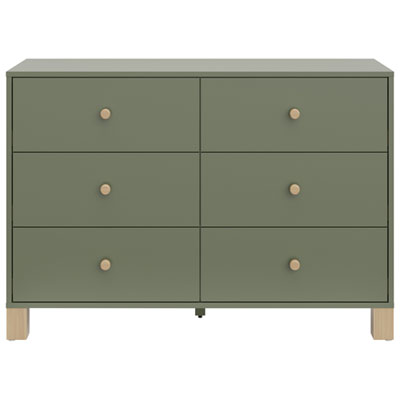 Your price for this item is $699.99
 -
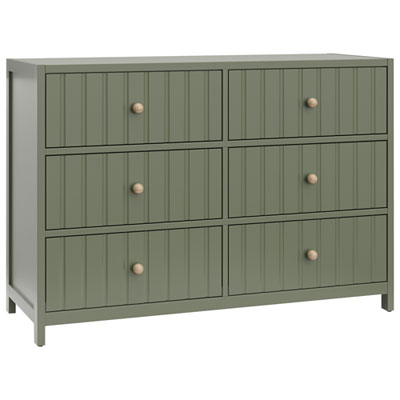 Your price for this item is $699.99
 -
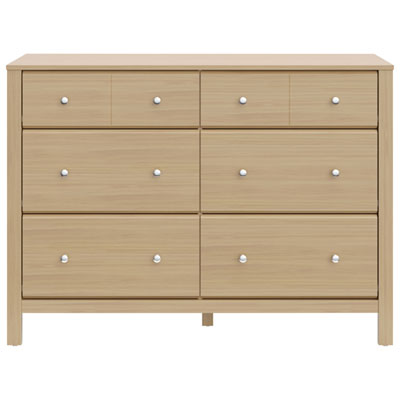 Your price for this item is $399.99
 -
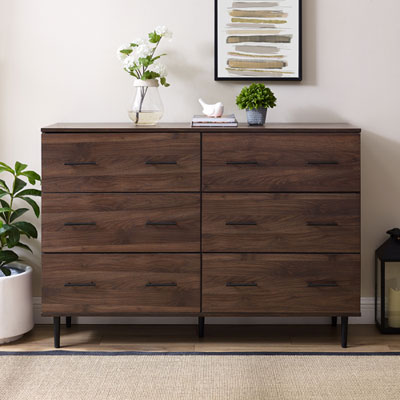 Your price for this item is $886.99
 -
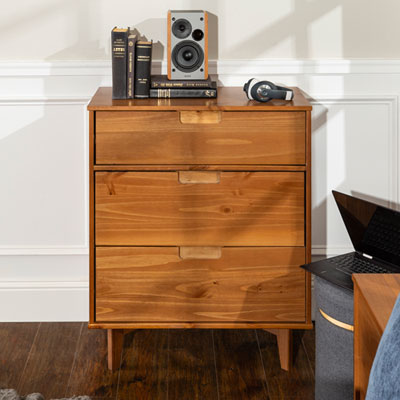 Your price for this item is $364.99
Discover more categories related to Wooden Storage Chests
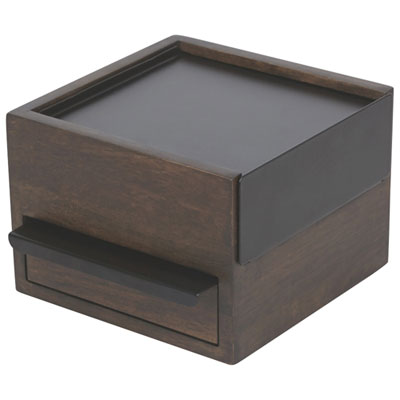
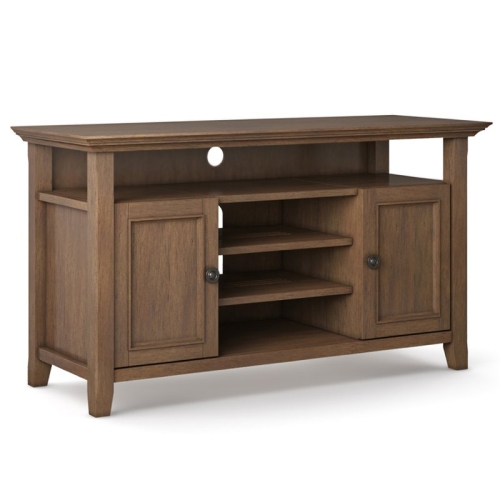
Top Collections:
Pokemon Centers, Kindle Devices, Best Budget Office Chairs, Apple iPhones 16, Best Laptops for Writers, iPhone 15 Apple, Canon G7X Cameras, Refurbished Apple Laptops, Alarm Clock, Motorola Razr Phones
Some products may be subject to Environmental Handling Fees
(EHF) depending on your province.
Learn more about EHFs.