49mm Lens Caps
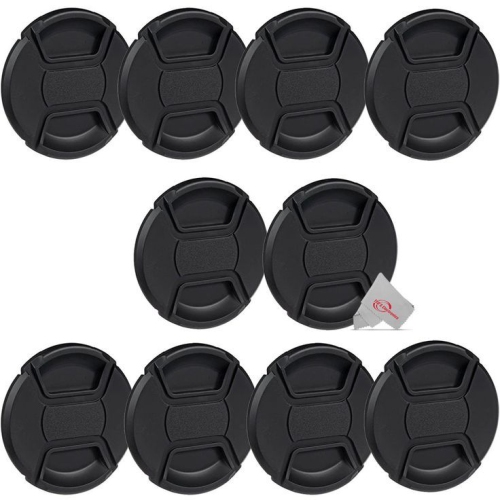
Protect your camera lens with this wide selection of 49mm lens caps. Designed to fit snugly over your lens, these caps provide a reliable barrier against dust, dirt, and scratches, ensuring that your valuable equipment stays in top condition. Whether you're a professional photographer or an enthusiastic hobbyist, this range of 49mm lens caps offers the perfect solution for keeping your lenses safe and ready for action.
Sort
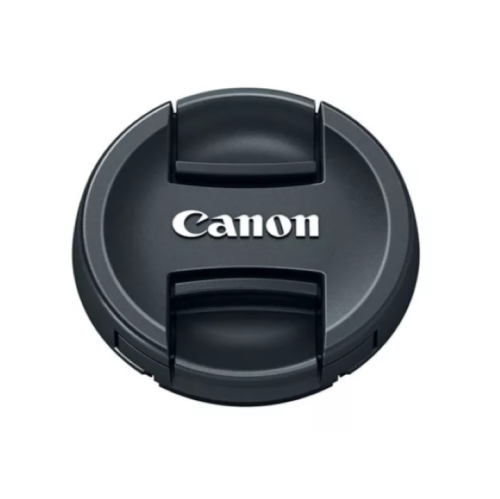
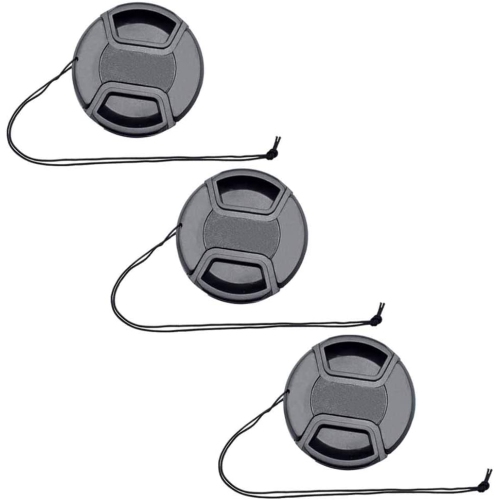
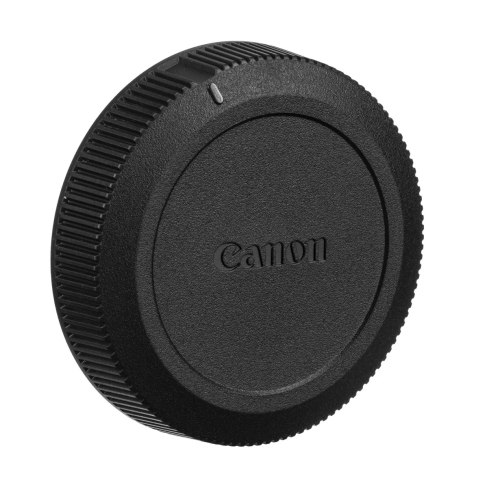
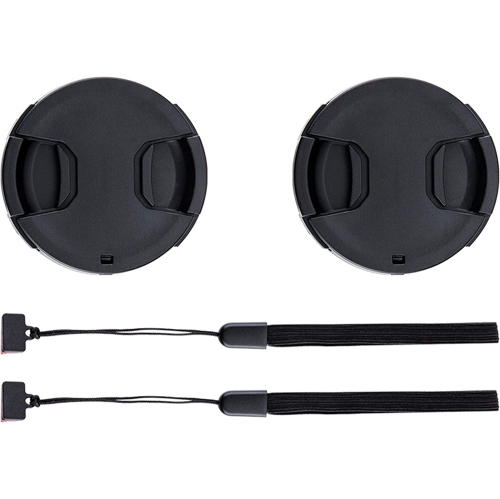
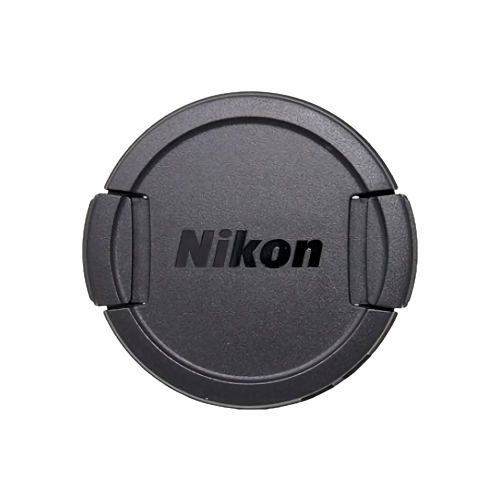
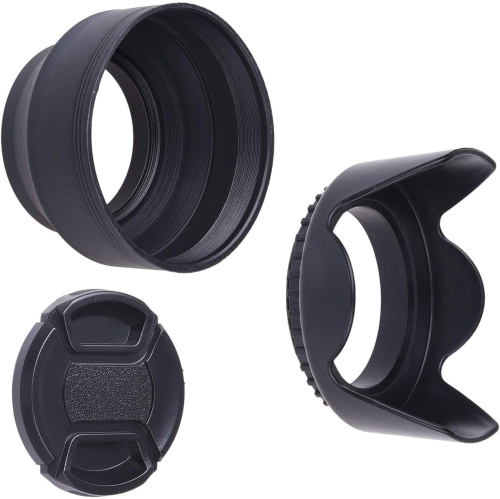

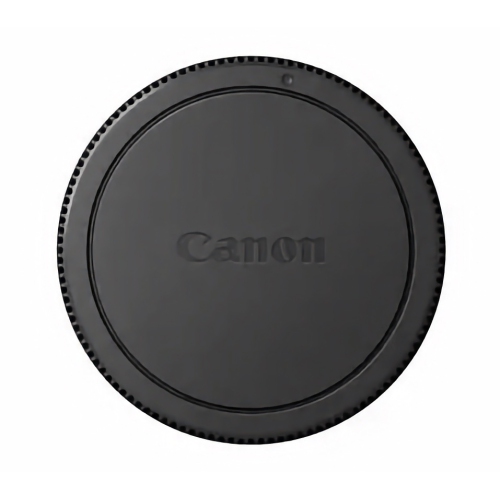
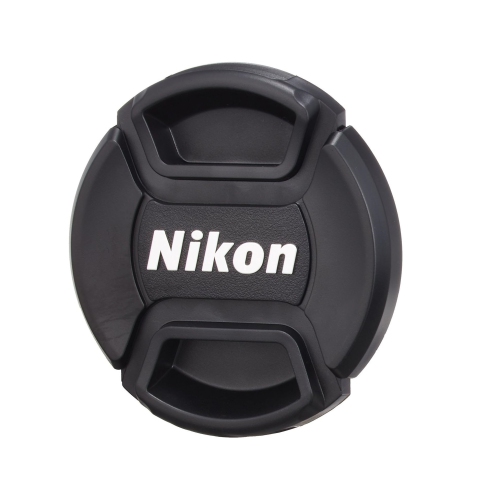
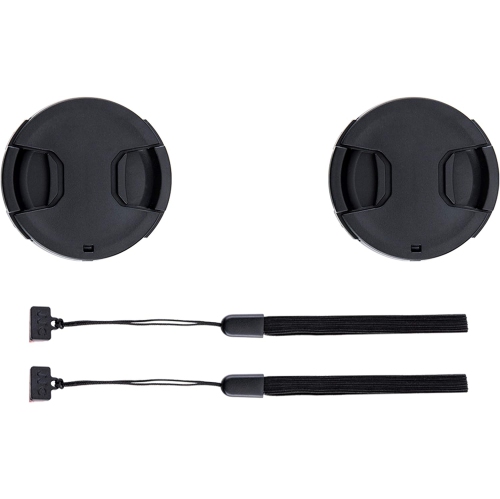
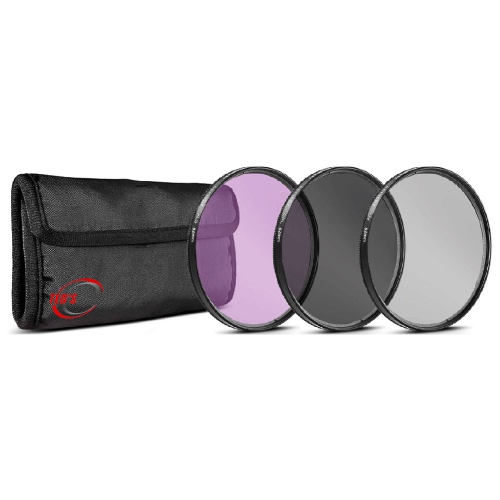
Protective fit and practical features for everyday photography
A 49mm lens cap is a small but important camera accessory designed to cover and protect the front element of a compatible lens when the camera is not in use. It helps keep dust, fingerprints, moisture and accidental scuffs away from the glass, whether the camera is stored in a bag, placed on a table between shots or carried during a walk through changing weather. A properly fitted cap can also provide a simple barrier against light knocks while travelling, attending family gatherings or photographing everyday scenes around town. Before purchasing, check the front of the lens barrel for the diameter symbol followed by 49 or 49mm, often shown as “Φ49” or “Φ49mm.” This marking refers to the size of the filter thread and is the key detail to confirm before adding a cap to your camera kit. Lens model names alone may not be enough, particularly when one camera system includes several lenses with different front diameters. If a lens has a hood, filter or step-up ring attached, check how those accessories interact with the cap as well. Many replacement caps are made to fit directly into the lens’s front thread or retaining groove, while others may be designed for a particular lens construction. Taking a moment to compare the marking on the lens with the size listed for the cap can help avoid a loose fit, an overly tight fit or a cap that will not attach securely. A cap that stays in place during storage is especially useful for photographers who move between locations, pack their equipment into a shoulder bag or keep a camera ready for spontaneous images during the cooler months.
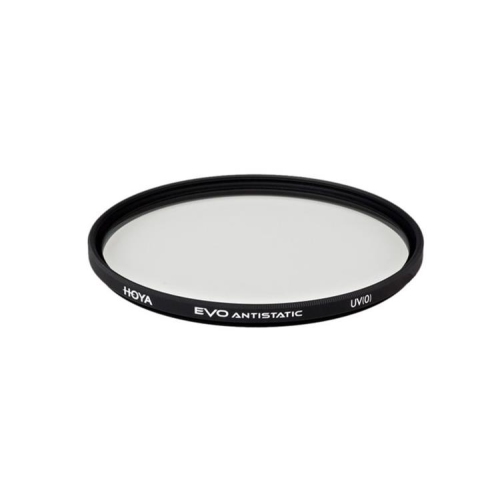
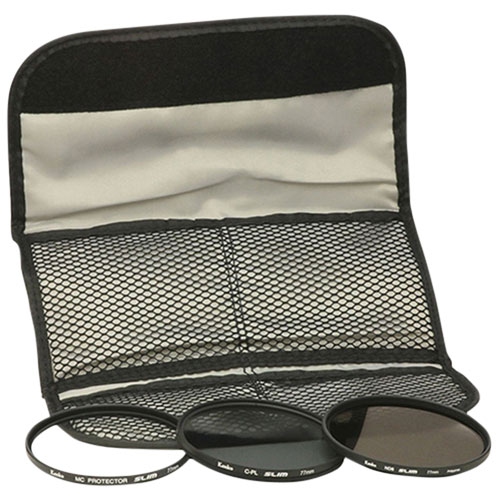
The design of the cap can make a noticeable difference to daily use. Centre-pinch caps are released by pressing the tabs in the middle, making them convenient when a lens hood surrounds the cap or when the camera is held close to the body. Side-pinch and snap-on styles may also be suitable, depending on the shape of the lens and the amount of clearance around the front rim. Consider whether the cap should include a keeper leash, since a tether can reduce the chance of leaving the cap behind on a bench, in a vehicle or beside a trail. A leash is particularly handy for photographers who remove the cap frequently and want it to remain attached to the camera or lens rather than tucked into a pocket. Some kits may include a cleaning cloth or other simple accessories, which can be useful for maintaining a clear view between shoots. Even with a cloth, use gentle strokes and avoid rubbing grit across the glass; first remove loose particles, then clean with a suitable lens-cleaning method. When changing lenses, place the cap on a clean surface with the inside facing upward, and keep the rear cap attached to any spare lens stored in a bag. These small habits can help preserve the clarity of the front element and make it easier to get ready for the next shot. A 49mm lens cap can also be a practical gift for a photographer, student, traveller or family member who has misplaced an original cap or added a second lens to a camera kit. It is compact enough to fit in a stocking, accessory pouch or gift box, and a spare can be helpful when the original cap disappears during a busy day of photography. For anyone comparing nearby accessory sizes, a lens cap should not be confused with a filter: filters attach to the front thread to alter how light reaches the camera, while a cap is normally removed before taking photographs. For related options, browse 58mm Lens Filters when a different lens diameter is marked on your equipment.
Choosing among 49mm lens caps ultimately comes down to secure fit, convenient handling and the way the camera is used. A photographer who keeps a compact camera on a desk may value a simple cap that is quick to remove, while someone who carries a camera through busy streets may prefer a centre-pinch design with a leash for easier handling. Travellers can benefit from a cap that sits firmly during repeated packing and unpacking, and outdoor photographers may appreciate the extra protection it provides when a camera is not actively in use. Parents, students and beginners often rely on straightforward accessories that do not require special settings or technical knowledge, making a replacement cap an easy addition to a first camera bag. It can also be useful to keep a spare in a drawer or accessory case, particularly if the camera is shared among family members or used for school, work and weekend photography. Store the cap away from keys, loose coins and other items that could scratch its surface, and inspect the gripping tabs from time to time to ensure they remain intact. If a cap feels loose, will not click into place or repeatedly falls off when the lens is moved, verify the size and mounting style instead of forcing it. During the transition between warmer days and colder outings, a cap helps protect the lens while the camera is being carried between indoor and outdoor locations, where condensation and busy handling can make equipment more vulnerable. With the correct 49mm fit, a well-made cap offers an uncomplicated way to cover the lens between photographs and keep the camera ready for the next clear, well-protected shot.
The design of the cap can make a noticeable difference to daily use. Centre-pinch caps are released by pressing the tabs in the middle, making them convenient when a lens hood surrounds the cap or when the camera is held close to the body. Side-pinch and snap-on styles may also be suitable, depending on the shape of the lens and the amount of clearance around the front rim. Consider whether the cap should include a keeper leash, since a tether can reduce the chance of leaving the cap behind on a bench, in a vehicle or beside a trail. A leash is particularly handy for photographers who remove the cap frequently and want it to remain attached to the camera or lens rather than tucked into a pocket. Some kits may include a cleaning cloth or other simple accessories, which can be useful for maintaining a clear view between shoots. Even with a cloth, use gentle strokes and avoid rubbing grit across the glass; first remove loose particles, then clean with a suitable lens-cleaning method. When changing lenses, place the cap on a clean surface with the inside facing upward, and keep the rear cap attached to any spare lens stored in a bag. These small habits can help preserve the clarity of the front element and make it easier to get ready for the next shot. A 49mm lens cap can also be a practical gift for a photographer, student, traveller or family member who has misplaced an original cap or added a second lens to a camera kit. It is compact enough to fit in a stocking, accessory pouch or gift box, and a spare can be helpful when the original cap disappears during a busy day of photography. For anyone comparing nearby accessory sizes, a lens cap should not be confused with a filter: filters attach to the front thread to alter how light reaches the camera, while a cap is normally removed before taking photographs. For related options, browse 58mm Lens Filters when a different lens diameter is marked on your equipment.
Choosing among 49mm lens caps ultimately comes down to secure fit, convenient handling and the way the camera is used. A photographer who keeps a compact camera on a desk may value a simple cap that is quick to remove, while someone who carries a camera through busy streets may prefer a centre-pinch design with a leash for easier handling. Travellers can benefit from a cap that sits firmly during repeated packing and unpacking, and outdoor photographers may appreciate the extra protection it provides when a camera is not actively in use. Parents, students and beginners often rely on straightforward accessories that do not require special settings or technical knowledge, making a replacement cap an easy addition to a first camera bag. It can also be useful to keep a spare in a drawer or accessory case, particularly if the camera is shared among family members or used for school, work and weekend photography. Store the cap away from keys, loose coins and other items that could scratch its surface, and inspect the gripping tabs from time to time to ensure they remain intact. If a cap feels loose, will not click into place or repeatedly falls off when the lens is moved, verify the size and mounting style instead of forcing it. During the transition between warmer days and colder outings, a cap helps protect the lens while the camera is being carried between indoor and outdoor locations, where condensation and busy handling can make equipment more vulnerable. With the correct 49mm fit, a well-made cap offers an uncomplicated way to cover the lens between photographs and keep the camera ready for the next clear, well-protected shot.
Top selling and popular products
-
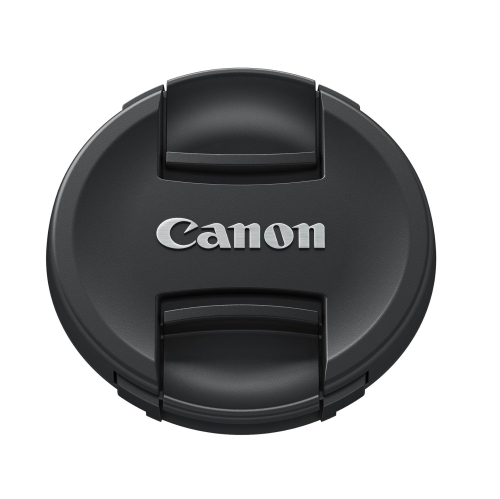 Your price for this item is $1.99
 -
![GENERIC 40.5MM Snap-On Lens Cap for Sony 16-50MM F/3.5-5.6 Lens for Sony Alpha A6600 A6500 A6400 A5000[2 Packs], Fire-Rock Lens](https://multimedia.bbycastatic.ca/multimedia/products/500x500/173/17388/17388736.jpeg) Your price for this item is $9.99
Your price for this item is $9.99 -
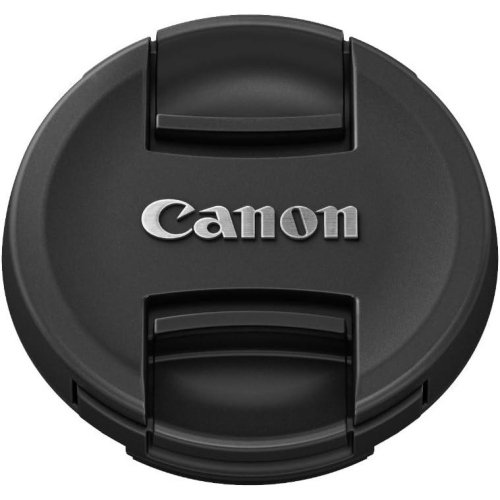 Your price for this item is $12.99
 -
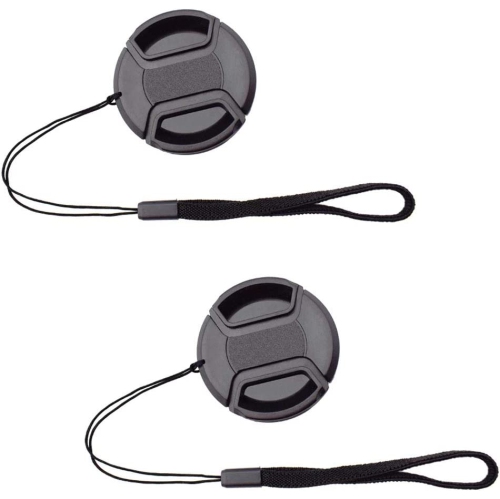 Your price for this item is $10.99
 -
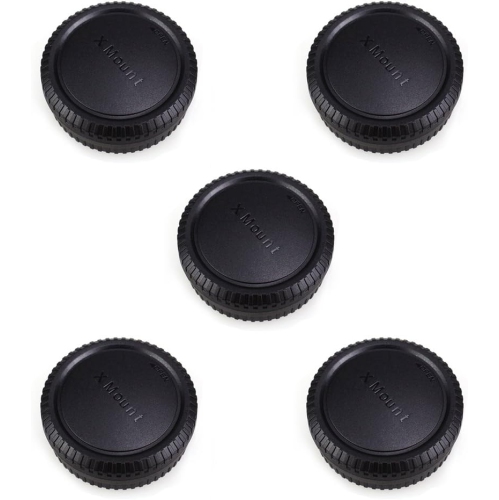 Your price for this item is $17.99
 -
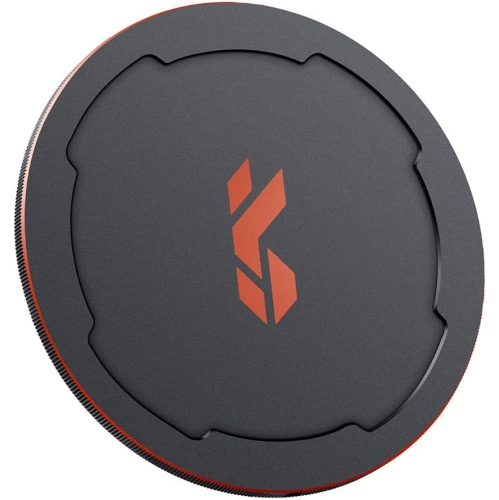 Your price for this item is $32.99
 -
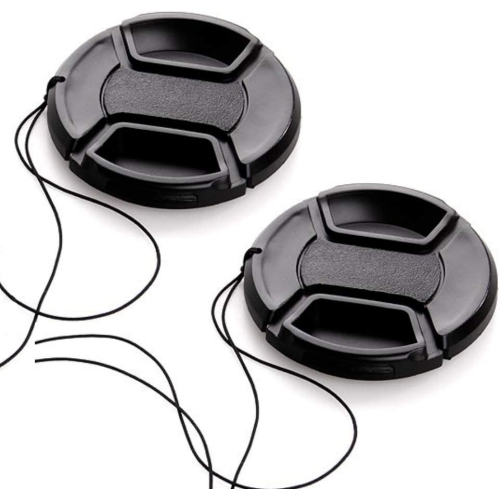 Your price for this item is $9.99
 -
 Your price for this item is $54.99
Discover more categories related to 49mm Lens Caps
Top Collections:
Pokemon Centers, Kindle Devices, Best Budget Office Chairs, Apple iPhones 16, Best Laptops for Writers, iPhone 15 Apple, Canon G7X Cameras, Refurbished Apple Laptops, Alarm Clock, Motorola Razr Phones
Some products may be subject to Environmental Handling Fees
(EHF) depending on your province.
Learn more about EHFs.